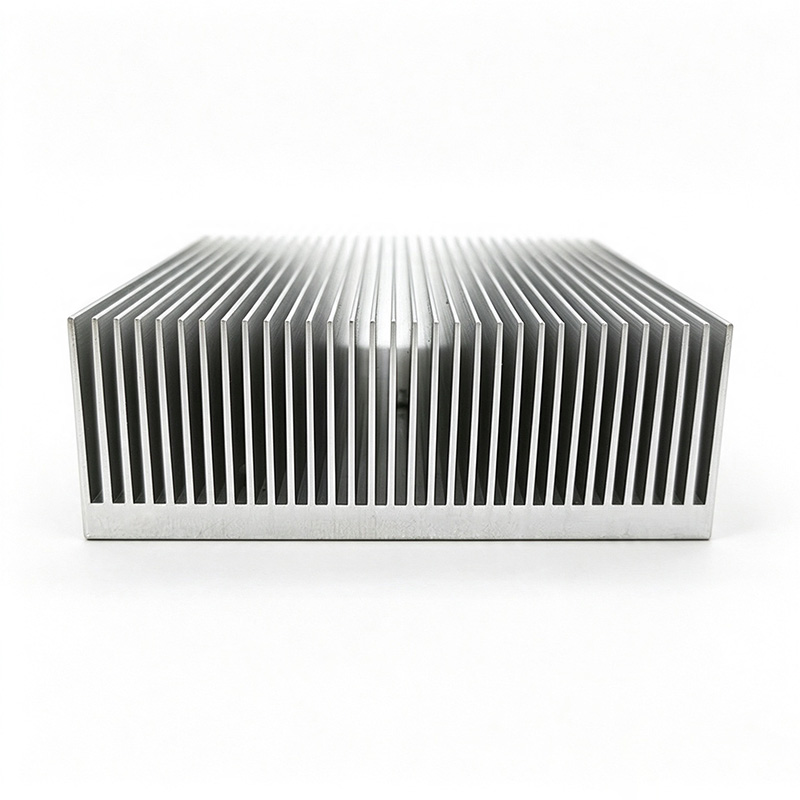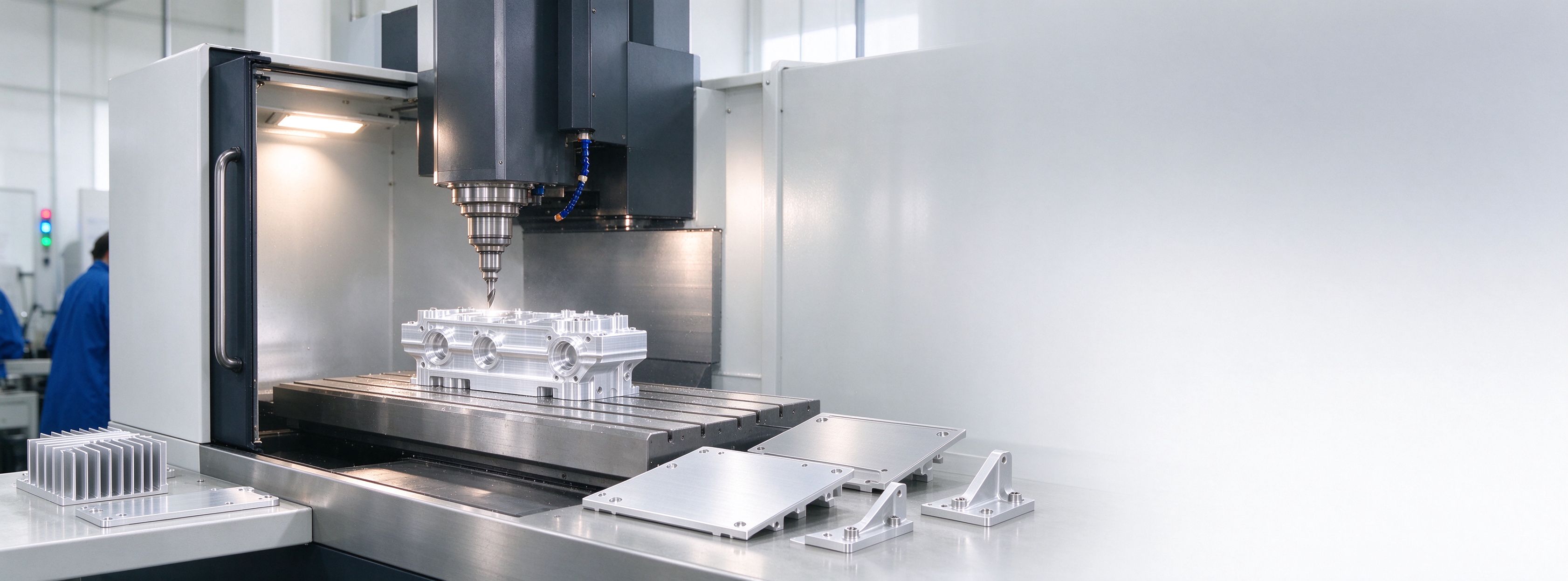
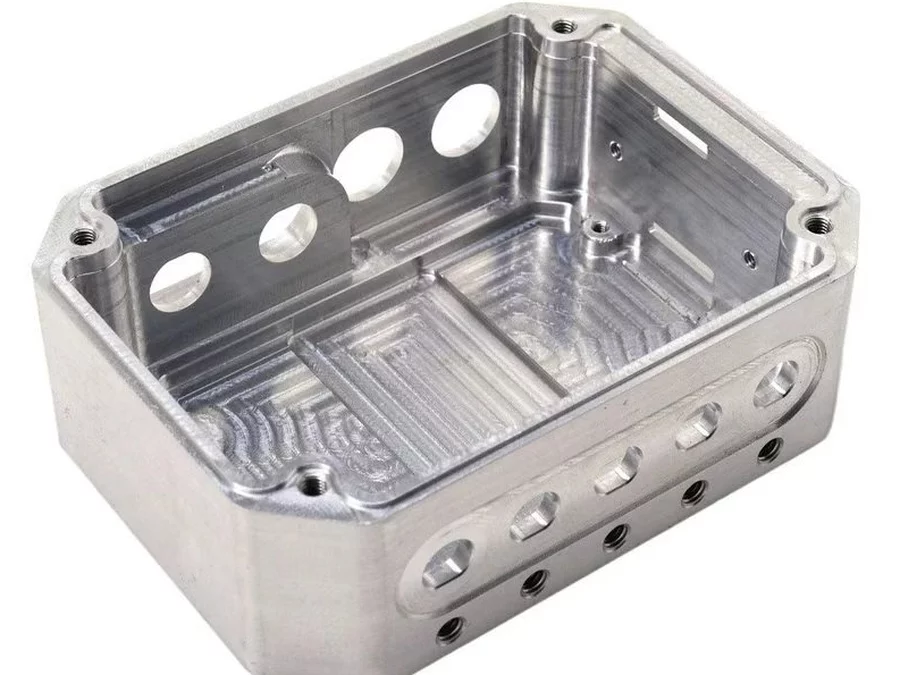
CNC machining centre: vertical machining center cutting an aluminium housing
Insight
High-Mix, Low-Volume Production: Geometry Strategies That Pay Off

Optimize Part Geometries for Low-Volume High-Mix CNC Machining

  • Optimize Part Geometries for Low-Volume High-Mix CNC Machining Eren
  • 28th August 2026

Optimizing Part Geometries for Low-Volume High-Mix CNC Machining Projects

In modern B2B manufacturing, short product life cycles and high customization have made high-mix, low-volume CNC machining the preferred manufacturing strategy across robotics, audio equipment, aerospace, and medical device sectors. Unlike mass production, where high tooling costs are amortized over tens of thousands of units, low-volume CNC machining requires a strict focus on CNC setup time efficiency, tool path optimization, and CNC machining cost optimization. Designing parts with manufacturing feasibility in mind—commonly known as DFM for CNC machining—is the most effective approach to CNC part design that eliminates unnecessary setup costs and speeds up delivery times.

At Rejin CNC, we specialize in precision custom CNC machining and sheet metal fabrication. By combining multi-axis CNC machining centers with standardized CNC design for manufacturability engineering reviews, we help global OEMs transition smoothly from prototype verification to agile small-batch CNC machining.

Understanding Cost Drivers in High-Mix Low-Volume CNC Machining

In HMLV CNC machining projects, unit costs are heavily driven by machine setup routines, custom fixture creation, and total machining cycle times rather than raw material costs. Proper CNC geometry optimization addresses these factors directly before production begins.

Machine Setup and Workholding Efficiency

Workholding strategy directly determines whether an HMLV project remains cost-effective or incurs substantial labor overheads.
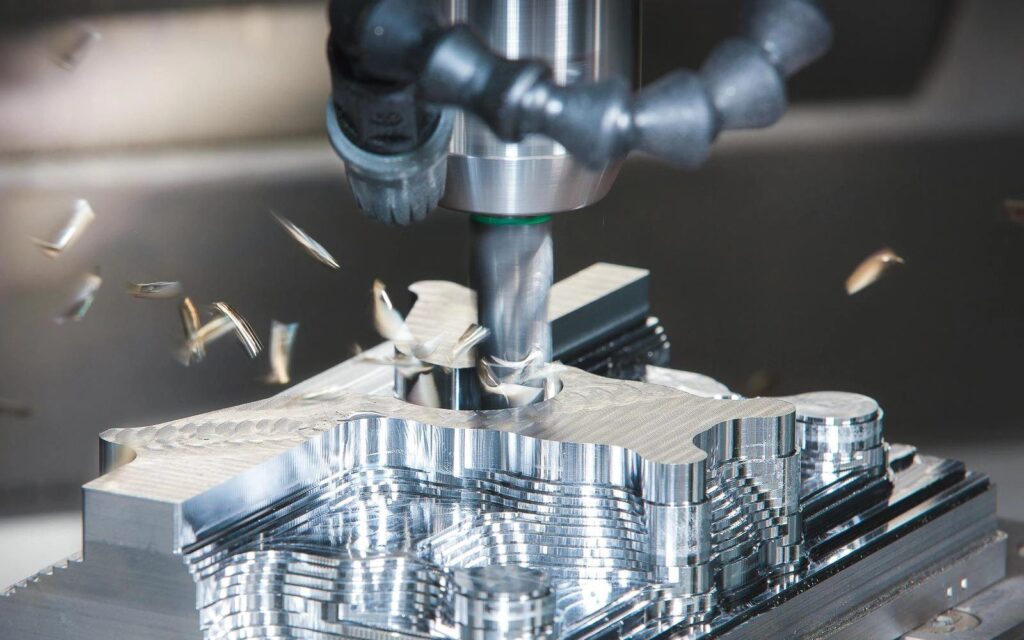
  • Single-Setup Machining Priority: Implementing single-setup CNC machining practices allows features to be machined in a single clamping phase, reducing re-fixturing requirements by up to 80%. Eliminating multiple clamping steps directly minimizes cumulative positioning errors and lowers non-cutting machine time.
  • Standardized Fixture Alignment: Utilizing universal soft jaws or modular grid plates avoids custom fixture fabrication. For orders under 50 units, custom dedicated jigs often add 20% to 30% to total project expenses, making standardized clamping essential in small batch CNC machining.
  • Feature Direction Standardization: Aligning holes, slots, and pockets along parallel tool orientation vectors allows cutting tools to access features without requiring multi-axis repositioning or manual re-orientation.

HMLV CNC machining optimized for lower setup and cycle costs

Material Removal Rate vs. Cycle Time

Cycle time control comes from keeping the cutter in steady contact and skipping slow or special machining steps.

  • Standard Tool Diameter Ratios: Internal radii should match common end mill sizes like 3 mm, 6 mm, or 12 mm. This avoids extra tool changes and the need for special cutters.
  • Pocket Depth-to-Width Limits: In deep pocket CNC machining, pocket depth-to-width ratios should stay under 4:1. This supports good material removal rates and reduces cutter deflection or chatter in high-speed milling.

Essential DFM Geometry Guidelines for HMLV CNC Projects

Picking good shapes for key features right at the CAD stage cuts cycle time and keeps part sizes steady during high-mix, low-volume CNC machining runs.

Optimizing Internal Corner Radii and Deep Pockets

Tool reach inside cavities can lead to vibration and longer run times.
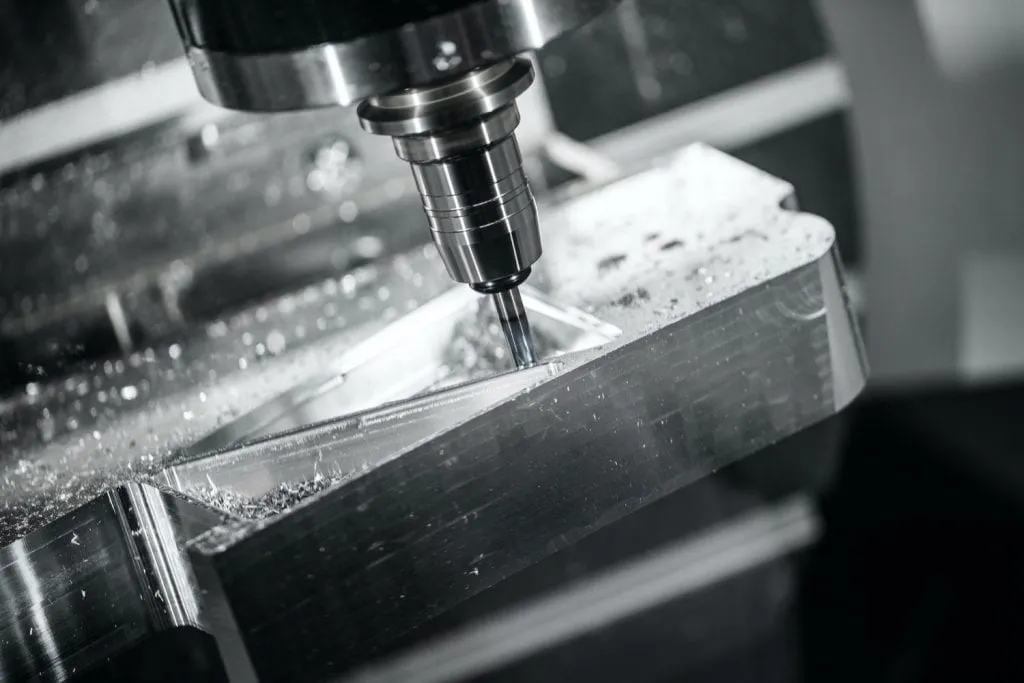
  • Radius-to-Depth Ratio (R ≥ 1/3 Depth): CNC internal corner radius works better when set a little bigger than the milling tool radius. The cutter then moves in a steady curve instead of halting at sharp 90-degree spots. Tool wear and chatter drop as a result.
  • Floor-to-Wall Fillet Clearance: A floor fillet radius between 0.5 mm and 1.0 mm stops early edge wear on corner-rounding end mills. It also spreads stress more evenly across structural housings that see real loads in service.
  • Relief Undercuts (Dog-bone Corners): Square mating components that go into a milled pocket need T-bone or dog-bone corner reliefs. These shapes remove the need for costly Electrical Discharge Machining (EDM) or very small end mills during low-volume CNC machining.

DFM geometry guidelines for efficient high-mix low-volume CNC machining

Wall Thickness and Tolerance Management

Walls that are too thin or tolerances tighter than needed push up scrap rates and stretch inspection time in low-volume CNC machining.

  • Minimum Wall Thickness Thresholds: Thin-wall CNC machining on aluminum alloys such as 6061-T6 and 7075 needs walls at least 0.8 mm thick. Stainless steel 304/316 and titanium alloys require walls above 1.2 mm so cutting forces do not bend the part out of shape.
  • Tolerance Application Strategy: Most non-critical sizes follow ISO 2768-m at ±0.1 mm. Tight tolerances within±0.005 mm stay reserved for bearing fits, seal grooves, and precision locating pins where they matter most.
  • Thread Depth Optimization: Tapped thread depths stay at 2x to 3x the nominal fastener diameter. Extra depth past 3x adds almost no holding force yet raises tap breakage risk significantly in the hole during actual production.

Strategic Process Selection: CNC Machining vs. Alternative Manufacturing

Choosing the right production process depends on total order volume, geometric complexity, and initial tooling investments.

Quantity Thresholds and Engineering Trade-Offs

Understanding process transition points ensures optimal unit cost management across varying production stages.
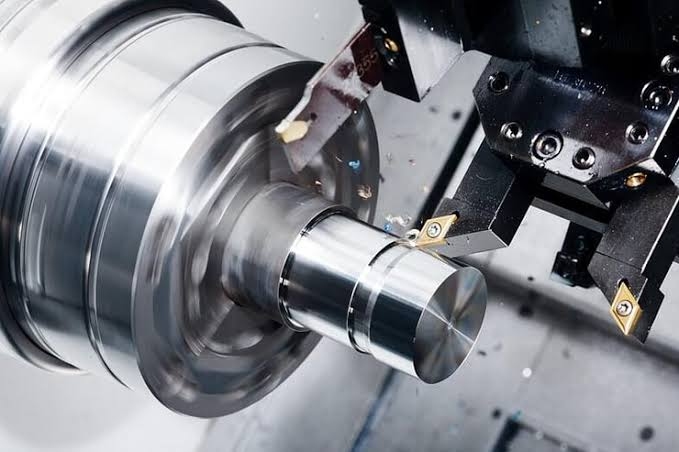
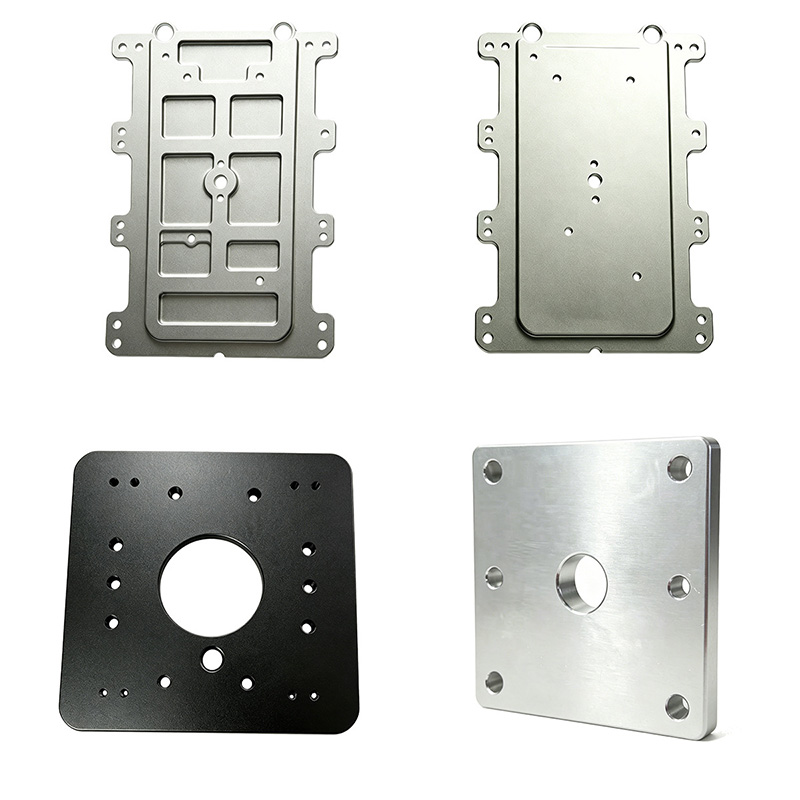
  • CNC Machining vs. Sheet Metal Stamping: For complex structural brackets, high-mix, low-volume CNC machining is ideal for quantities from 1 to 500 units per batch. Once production scale surpasses 2,000 units per month, transitioning to precision metal stamping with progressive dies lowers unit costs despite upfront tooling investments.
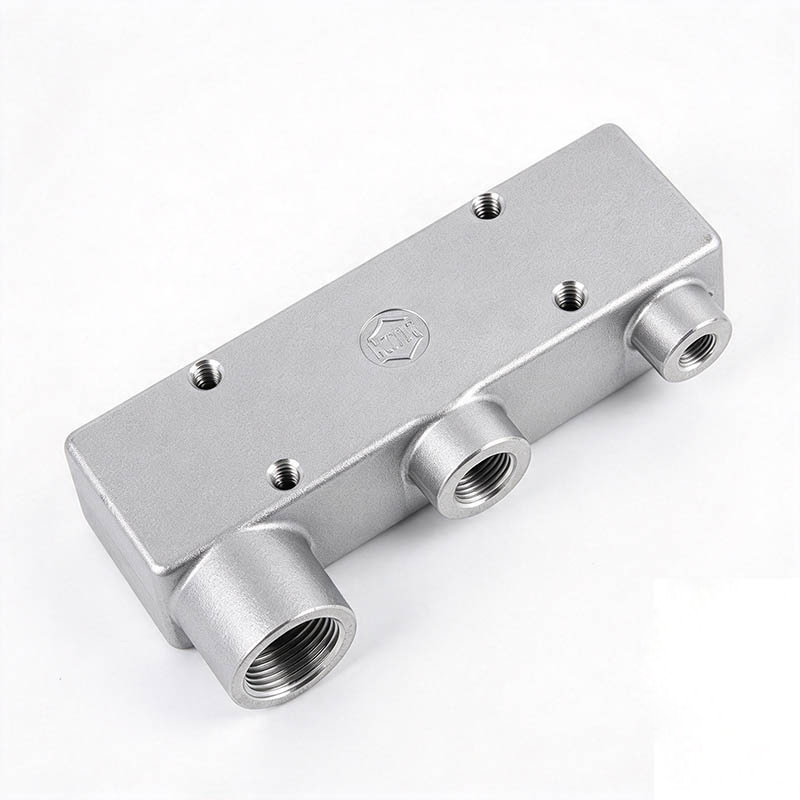
  • CNC Machining vs. Die Casting: HMLV CNC machining provides total design flexibility for low-volume structural enclosures (10 to 1,000 units). Die casting becomes cost-effective only when batch volumes exceed 5,000 units, due to high mold tooling costs and long lead times.
  • Rapid Prototyping Transition: Orders ranging from 5 to 100 pieces benefit most from 5-axis single setup CNC machining, achieving complete part geometry in a single setup without custom tooling delays.

CNC Machining Versus Alternative Manufacturing for Different Production Volumes

How Rejin CNC Delivers Precision and Agility for HMLV Orders

At Rejin CNC, we integrate high-precision multi-axis machining equipment with rigorous quality control to support fast turnarounds for custom OEM components.

Multi-Axis Infrastructure and Quality Assurance

Our manufacturing facility combines advanced machining centers with certified quality management systems. This setup helps deliver parts with consistent accuracy every time.

  • High-End Machining Fleet: Our workshop runs more than 100 high-precision CNC machining centers. These include multi-axis turning-milling lathes and 5-axis CNC machines from builders such as Mazak and DMG MORI.
  • Certified Quality Management: We hold ISO 9001:2015 and IATF 16949 certifications. Process controls run from raw material checks through First Article Inspection and CMM dimensional testing.
  • Comprehensive DFM Review: Every customer CAD drawing receives a detailed DFM for CNC machining evaluation before production. The review flags deep-pocket CNC machining issues, thin-wall CNC machining risks, and tight tolerances.
  • Vertical Finishing Integration: We manage post-processing in-house. Services cover anodizing, sandblasting, electroplating, powder coating, and laser engraving to supply assembly-ready parts.

Industry Case Study: High-Mix Electroacoustic & Robotics Components

Our production agility is proven through long-term partnerships across high-tech sectors.
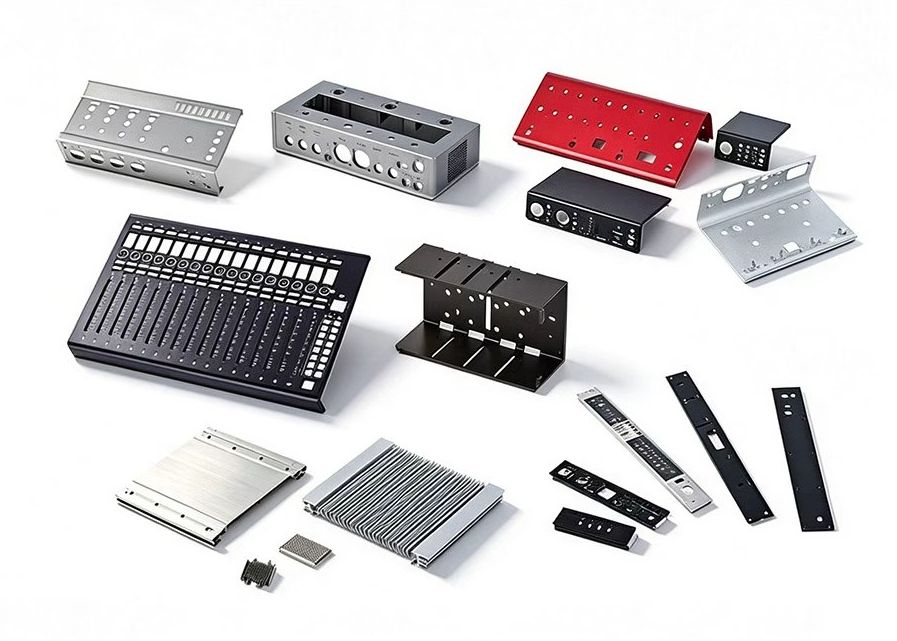
Precision CNC machining for flexible high-mix, low-volume production

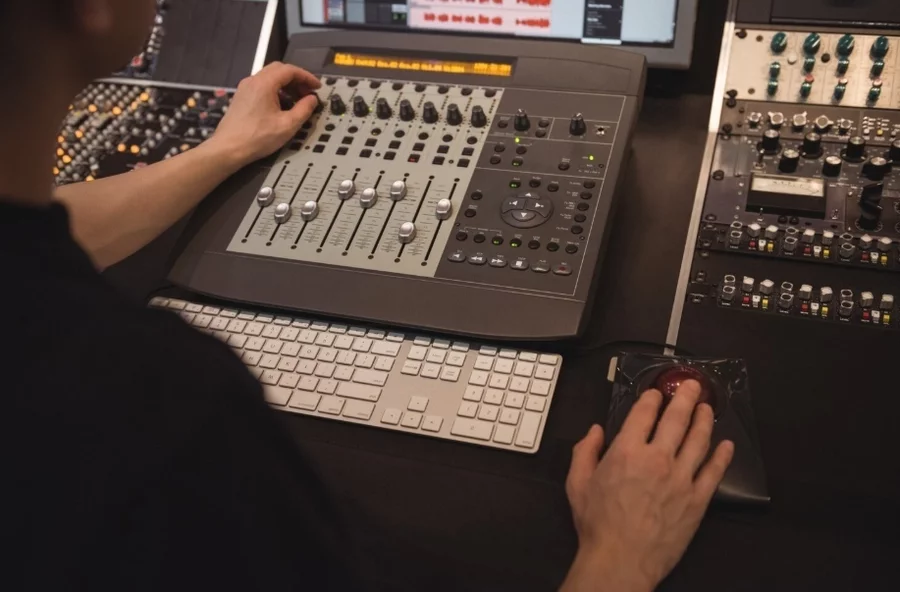
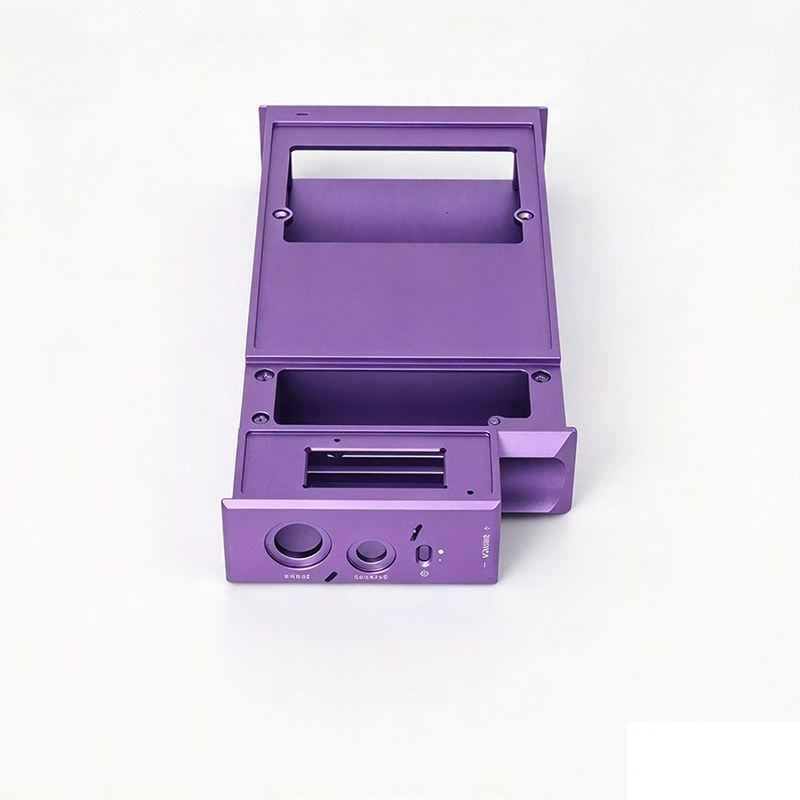
  • European Electroacoustic OEM Project: For a European high-end audio brand, Rejin CNC manufactures custom aluminum headphone enclosures, amplifier panels, and control knobs. Operating under an HMLV schedule with monthly batch sizes between 50 and 300 units across 12 distinct SKUs, we achieved tight tolerances of ±0.005 mm and delivered fine bead-blasted anodized finishes.
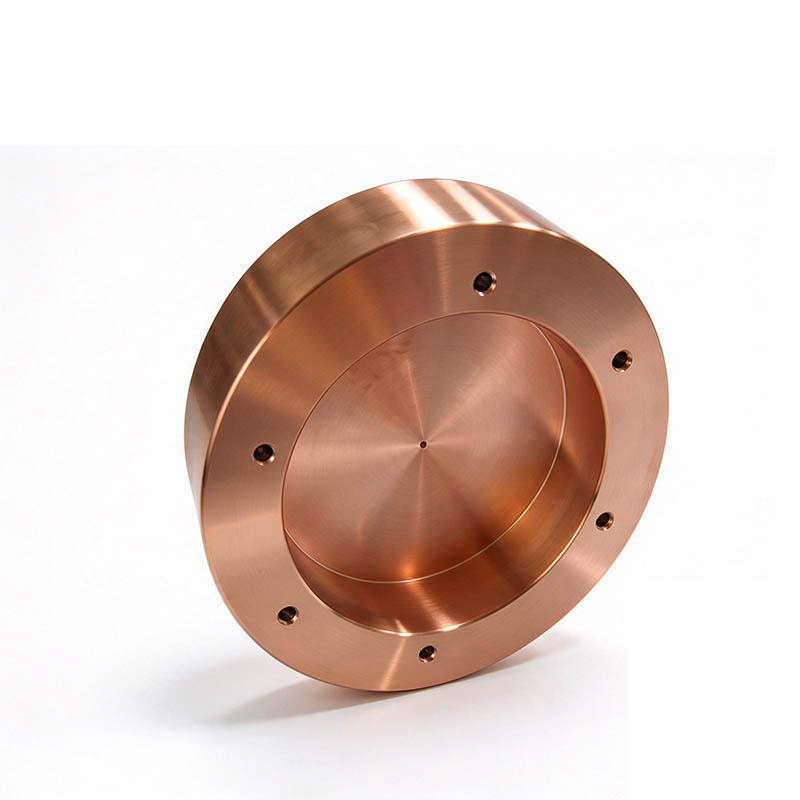
  • Industrial Robotics Hardware Project: Supporting an industrial automation manufacturer, Rejin CNC produces precision arm joints and structural housings. By converting multi-piece weldments into 5-axis single-setup CNC machining components, sample development lead times were cut from 12 days to 5 days, achieving a 100% on-time delivery rate across monthly production runs of 100 to 500 units.
  • Order Scale & Flexibility: We support prototype runs starting from 1 piece up to stable monthly batch orders of 1,000+ units, providing global buyers with flexible procurement options tailored to their exact scale.

Optimize Your Low-Volume CNC Parts with Rejin CNC

Applying smart CNC geometry optimization is key to controlling costs and accelerating turnaround times in high-mix, low-volume CNC machining projects. By making small adjustments to internal corner radii, wall thicknesses, and tolerance callouts, engineering teams can unlock substantial CNC machining cost optimization without sacrificing functional performance.

Partnering with Rejin CNC gives you direct access to multi-axis CNC machining expertise, automated DFM for CNC machining support, and certified quality control. Whether you require 5 prototype samples or a small batch CNC machining run of 500 precision components, our engineering team is ready to review your design and optimize it for efficient manufacturing.

Ready to optimize your CNC part design and lower manufacturing costs? Upload your 2D/3D CAD drawings to Rejin CNC today to receive a comprehensive CNC design for manufacturability analysis and a competitive quotation within 24 hours.

FAQ

Q: What is the ideal internal corner radius ratio for low-volume CNC milled pockets?

A: A recommended rule of thumb for optimizing the CNC internal corner radius is keeping it at least 1/3 of the pocket depth, and ideally larger than standard tool radii (e.g., using a 3.5 mm radius for a 6 mm cutter tool path). This avoids tool dwell, chatter, and cutter breakage during deep pocket CNC machining.

Q: How does single-setup multi-axis machining lower overall HMLV production costs?

A: Machining a complex component using single-setup CNC machining on 5-axis equipment allows multi-sided features to be cut in a single clamping setup. This eliminates custom positioning fixtures, drastically reduces CNC setup time, and prevents cumulative alignment errors, lowering per-unit setup overheads in HMLV CNC machining.

Q: What standard tolerances should be specified for non-critical features in CNC machining?

A: Effective CNC tolerance optimization involves applying standard tolerances like ISO 2768-m (±0.1 mm) for non-critical features to prevent unnecessary secondary finish passes and CMM inspection overhead. Tight tolerances such as ±0.01 mm should be reserved strictly for critical mating faces or bearing seats.

Q: At what production batch size should a design transition from CNC machining to sheet metal stamping?

A: Low-volume CNC machining is generally most cost-effective for batch volumes under 500 units per month due to zero upfront tooling costs. When monthly batch demands exceed 2,000 units, transitioning from small-batch CNC machining to sheet metal stamping or die casting typically yields lower unit costs, offsetting initial tooling investments.
 

Tags:

Table of Contents

Frequently Asked Questions

The ordering process is simple: 1.Submit your design files 2.Select materials and manufacturing processes 3.Receive quotation 4.Confirm the order 5.Production and delivery
We provide a wide range of services, including CNC Machining Services, Sheet Metal Fabrication, Surface Finishing Solutions, and DFM Analysis Support.
We offer multiple CNC machining materials, such as Copper (Cu), Iron (Fe), Aluminum (Al), Stainless Steel, and Engineering Plastics.
We accept credit card, PayPal, and T/T Bank Transfer.
Yes. You can track your order via our online tracking system or contact our support team through Customer Support Team.
Our CNC machining delivers high precision, typically with a tolerance up to ±0.005mm, depending on the material and complexity of the part.
Yes. We offer design and engineering assistance to bring your ideas to life. Our team can help with product design, prototyping, and optimization.
RELATED PRODUCTS

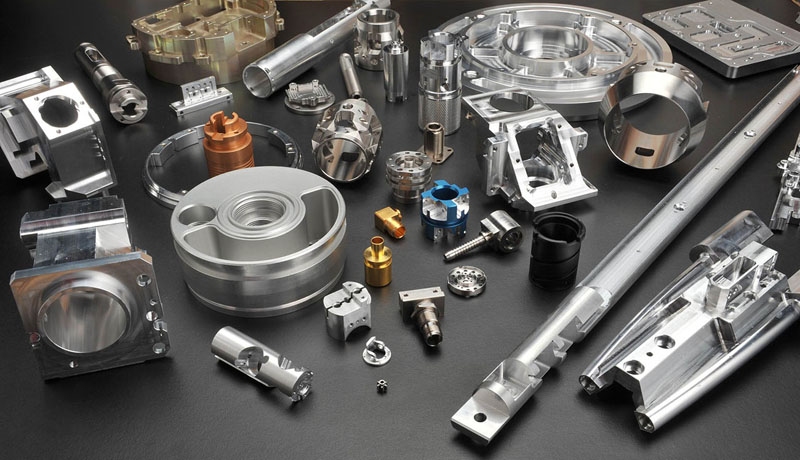
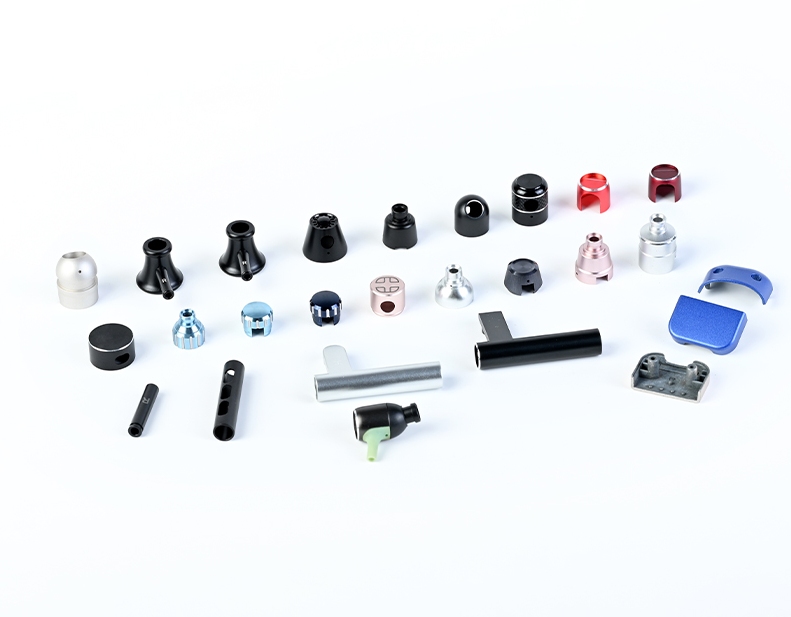
Parts We Machine Every Day

View More
SIMPLE PROCESS

What Happens After You Click Send?

1
Inquiry Received

Your message lands directly with our senior engineers — instantly acknowledged.

2
Engineer Review

We study your requirements and propose a workable solution with material & process options.

3
Quote Within 24h

Detailed quotation with specs, options and lead time — no hidden fees.

4
Sample & Production

Approve the sample, then we mass-produce with full QC and on-time shipping.

Request a Quote

Custom Quote Within 24 Hours

    Full Name *

    Business Email *

    Phone / WhatsApp *

    Company Name

    Upload Drawing / Sketch (Optional)

    No file selected

    Project Details

    Your CAD files are kept strictly confidential. Quotation within 24 hours.

    Send us an Email WhatsApp Instant Chat Get a Free Quote