Navigating 3C Electronics Sourcing: Precision CNC Machining Strategy
Selecting an overseas precision CNC machining supplier means weighing exact part tolerances against the costs of larger production runs. This guide gives buyers clear points to check supplier skills, review different options, and lower risks in the supply chain.
Introduction: The High-Stakes Procurement Landscape for 3C Parts
Sourcing high-precision components for consumer electronics involves managing shortened product lifecycles, rigorous aesthetic standards, and strict mechanical requirements.
- Accelerated Time-to-Market Demands: Teams must work with a CNC machining supplier for 3C electronics that can move fast from early DFM checks to full mass-production CNC machining. They do this while keeping good yield rates.
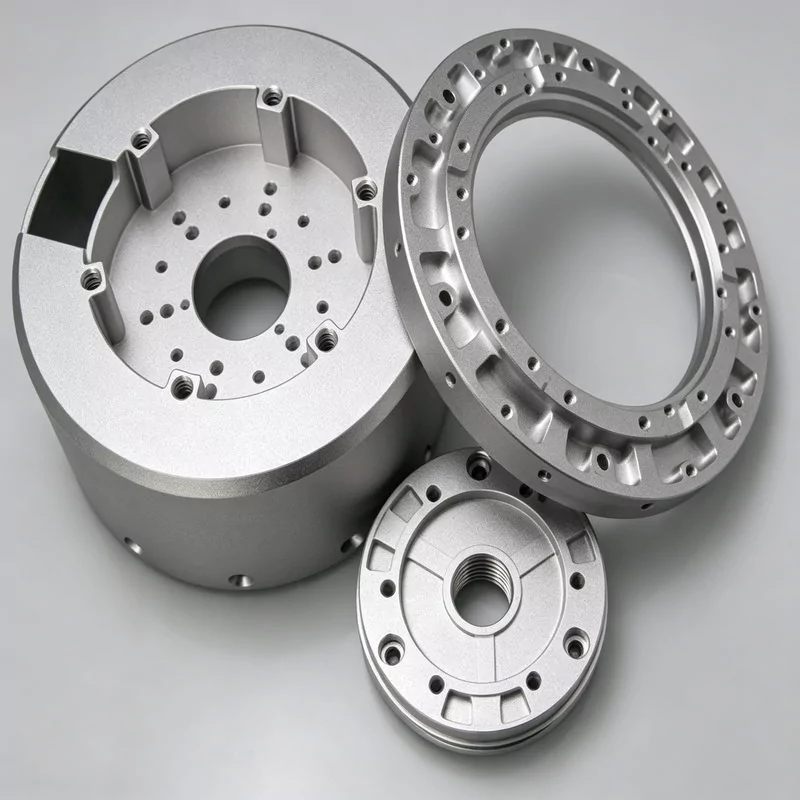
- Micron-Level Tolerance Requirements: Parts for 3C electronic accessories, such as smartphone frames, laptop hinges, and smartwatch cases, need tolerances as tight as ±0.01 mm. This ensures a good fit and keeps out dust.
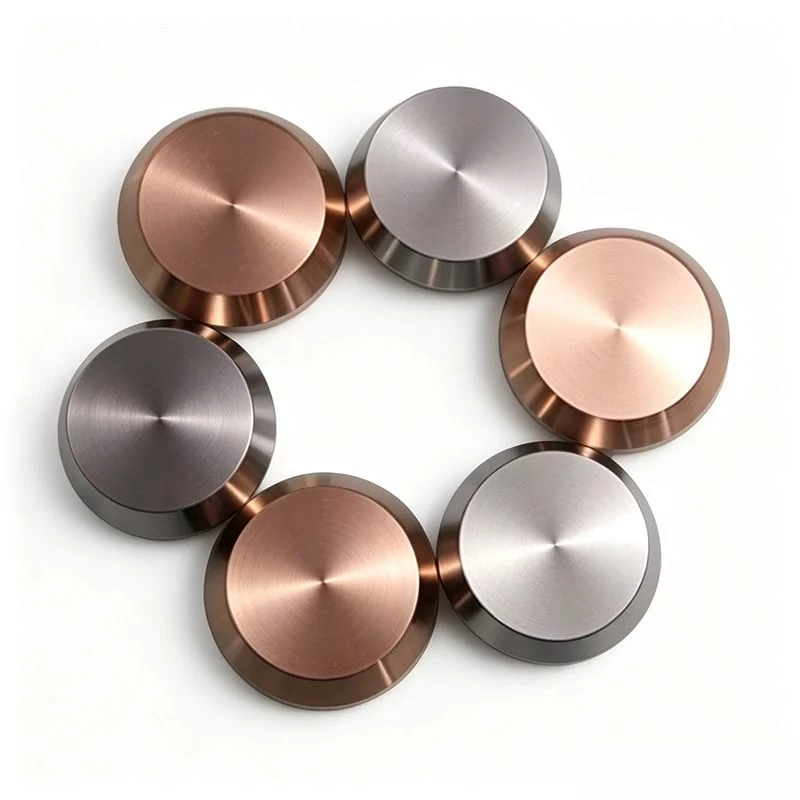
- Uncompromising Surface Aesthetics: Metal covers on the outside must have no scratches, even sandblasted looks, and matching colors from one batch to the next.
Rejin CNC: Your OEM Precision Machining Partner
Rejin CNC offers certified custom precision machining and full in-house services for buyers around the world.
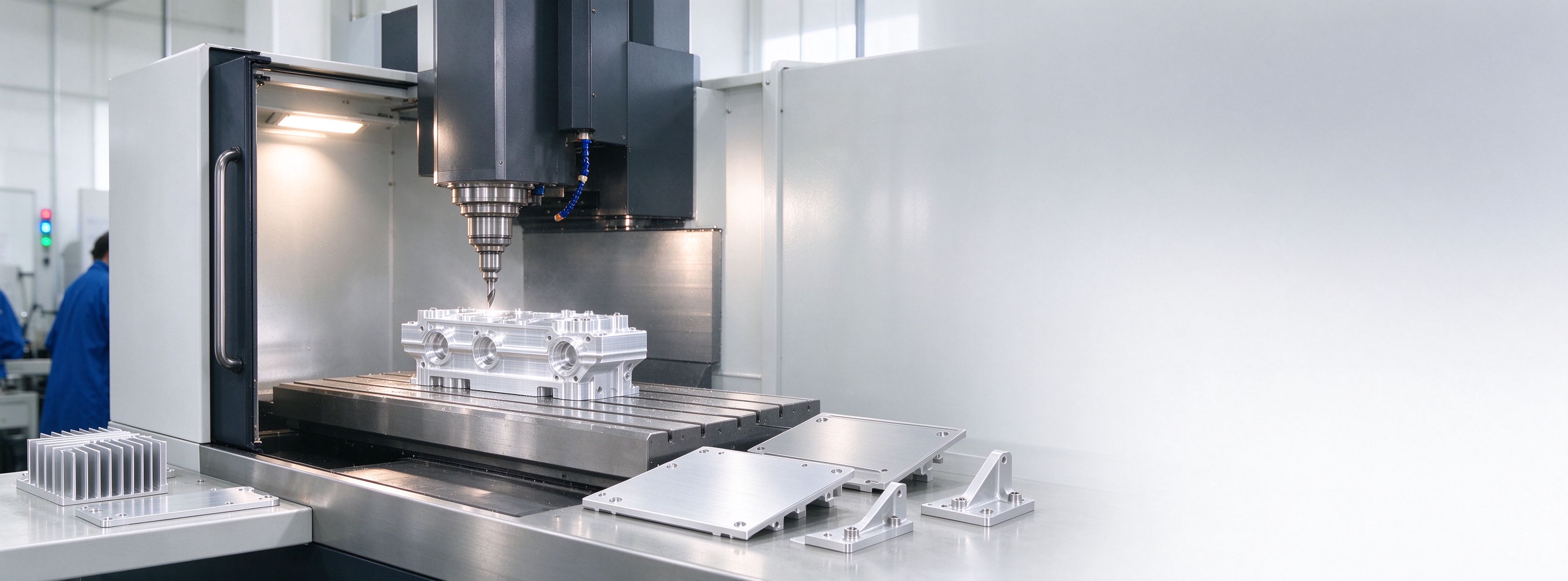
- Certified Factory Capabilities: Rejin CNC works as an ISO 9001 CNC machining supplier and an IATF 16949 CNC machining supplier. It runs more than 200 high-precision machines in Dongguan.
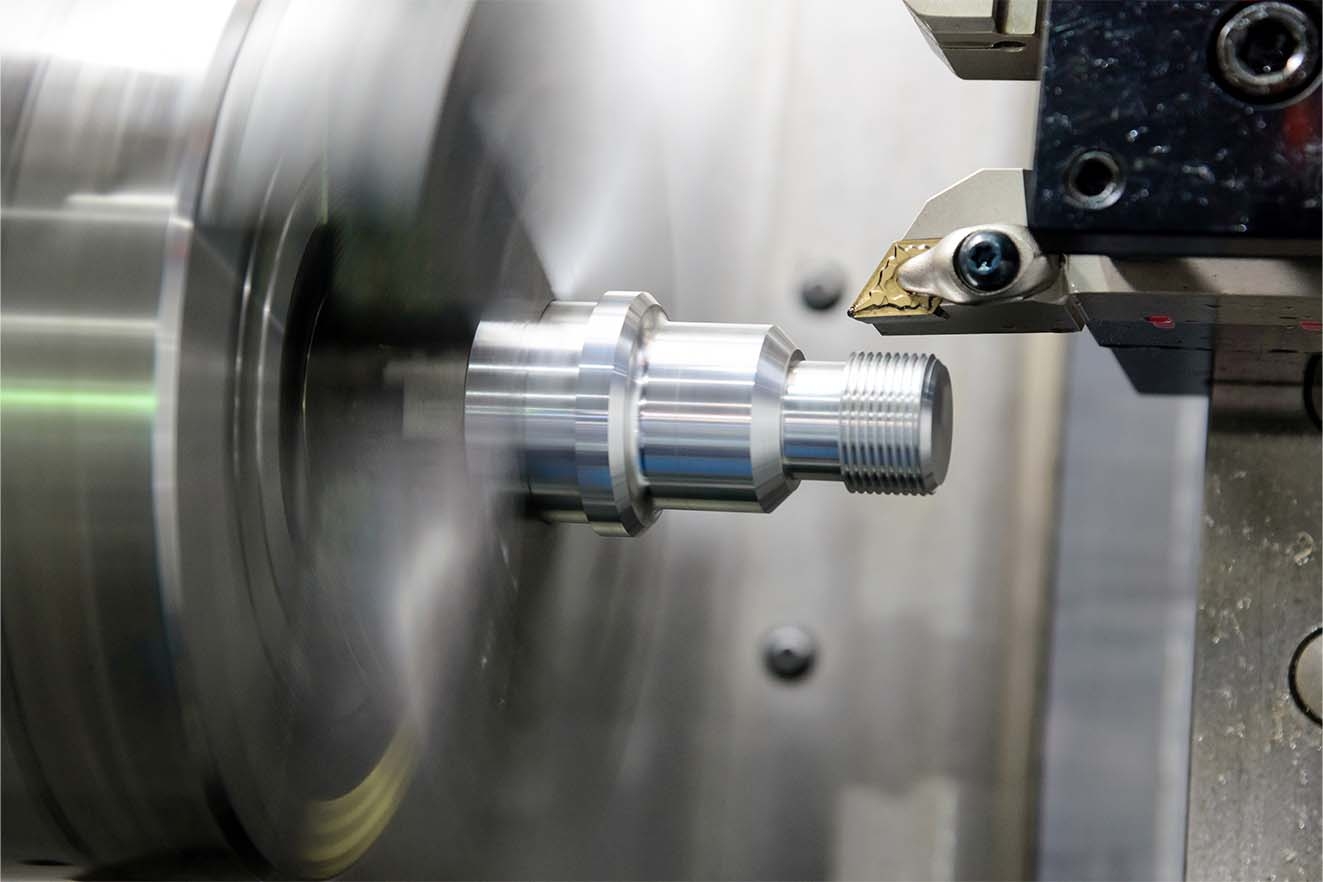
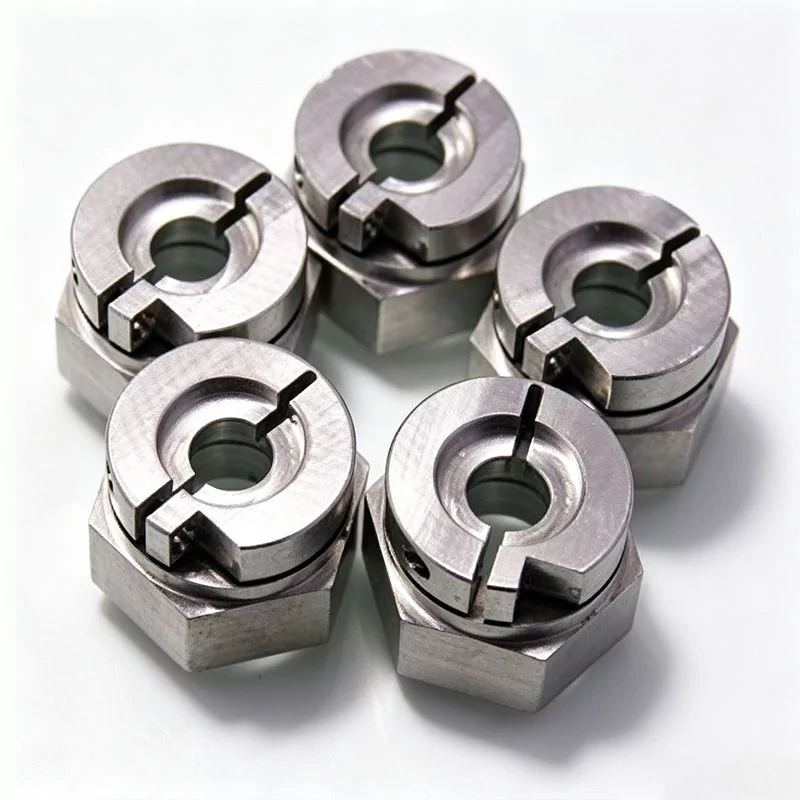
- Vertical In-House Processing: The company combines 5-axis milling, CNC turning done by machines, and its own anodizing lines in one place. This cuts out delays from outside vendors and stops color differences.
- Proactive Engineering Support: Rejin CNC acts as an OEM CNC machining supplier with experienced engineers. These teams review DFM details early, spot what adds cost, and adjust part shapes before work starts.
Evaluating Supplier Qualifications and Avoiding Hidden Risks
Evaluating an overseas China CNC machining supplier requires looking beyond base machine rates to analyze full quality management systems and operational transparency. A structured auditing framework prevents unexpected production downtime and financial losses.
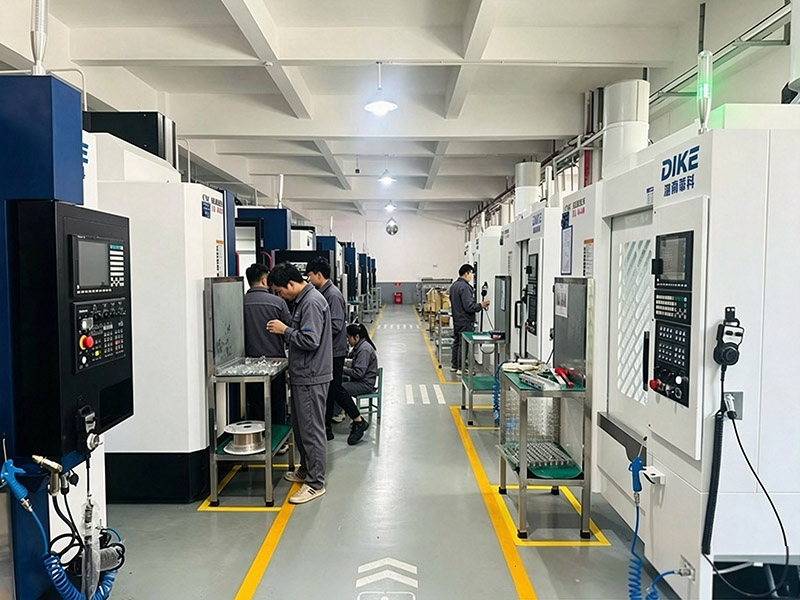
CNC Supplier Audit Checklist & Quality Certifications
Checking CNC machining supplier qualification helps confirm that the manufacturing partner follows strict quality rules from start to finish.
- Automotive-Grade Quality Standards: Working with an IATF 16949 CNC machining supplier brings in solid APQP and FMEA steps. These cut down on defects during runs.
- Systematic CNC Supplier Audit Checklist: A good CNC supplier audit checklist looks at CMM calibration records, material test reports, SPC tracking, machine capacity, and full process records.
- Comprehensive Inspection Protocols: Teams check key sizes on every batch with CMM, optical tools, and surface gauges. The goal is to stay under 50 PPM defects.
For buyers, CNC machining supplier qualification means more than just paper certificates. It also checks if the processes run the same way every day on the shop floor.
Uncovering CNC Machining Hidden Costs in Overseas Sourcing
Initial low quotes often hide secondary expenses that significantly inflate the final total cost of ownership.
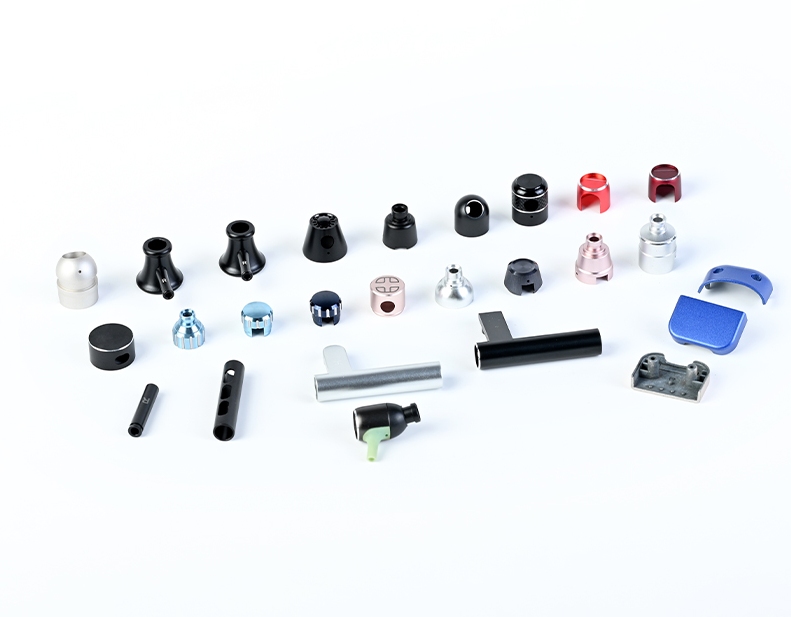
- Outsourced Surface Treatment Pitfalls: Shops sometimes send anodizing or painting work to outside vendors. This often causes color drift with Delta E over 2.0. Rejection rates rise, and shipping adds unexpected bills. These factors create hidden CNC machining costs.
- Analytical CNC Machining Quote Comparison: A reliable CNC machining quote comparison looks at tool wear allowances, deburring labor, fixture setup fees, protective packaging specs, inspection costs, and finishing. It goes beyond just raw hourly machine rates.
- Geometry-Driven Cost Escalation: Non-standard internal radii, overly deep blind holes, and excessively thin walls make cycle times longer. Fixing these points during DFM brings big savings per unit and cuts the final CNC machining cost per part.
Technical Deep-Dive: Materials, Processes, and Decision Thresholds
Choosing the right fabrication process requires establishing objective quantitative boundaries between competing production methods based on volume and geometry.
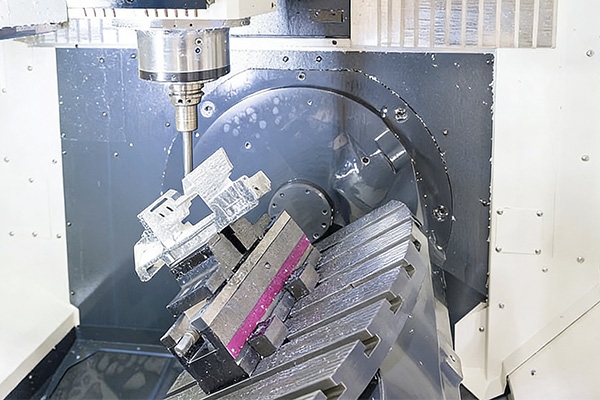
Stamping vs. CNC Machining: Concrete Production Thresholds
Determining whether to utilize sheet metal stamping or 3C electronics CNC machining depends on batch volume, upfront tooling investment, and part complexity.
- Volume Threshold Cutoffs: Sheet metal stamping becomes economically viable when monthly batch volumes exceed 50,000 units for flat brackets due to heavy die costs ($10,000–$30,000); conversely, complex 3D enclosures favor CNC machining for volumes under 20,000 units per month.
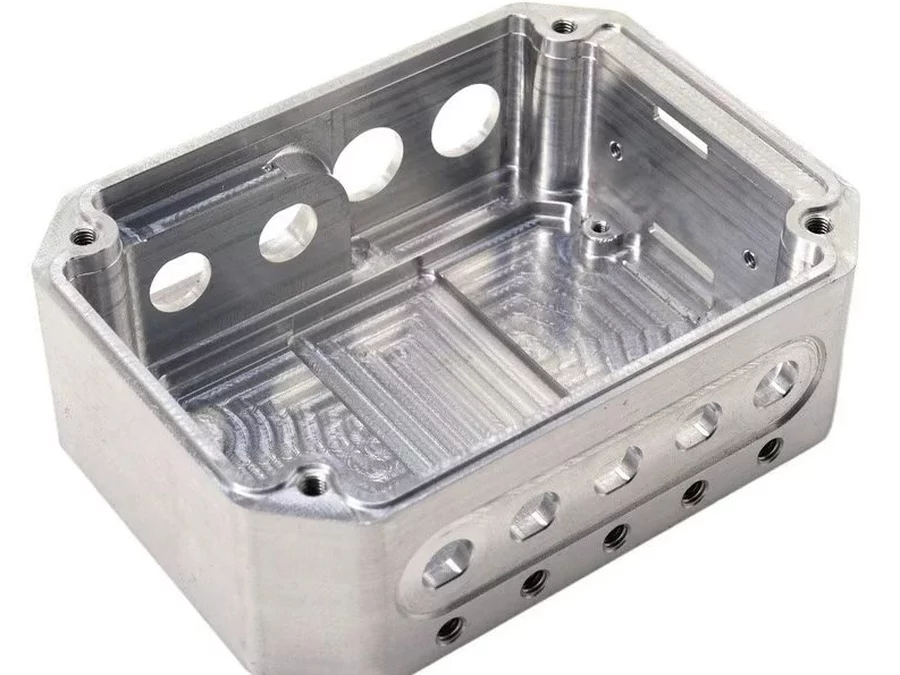
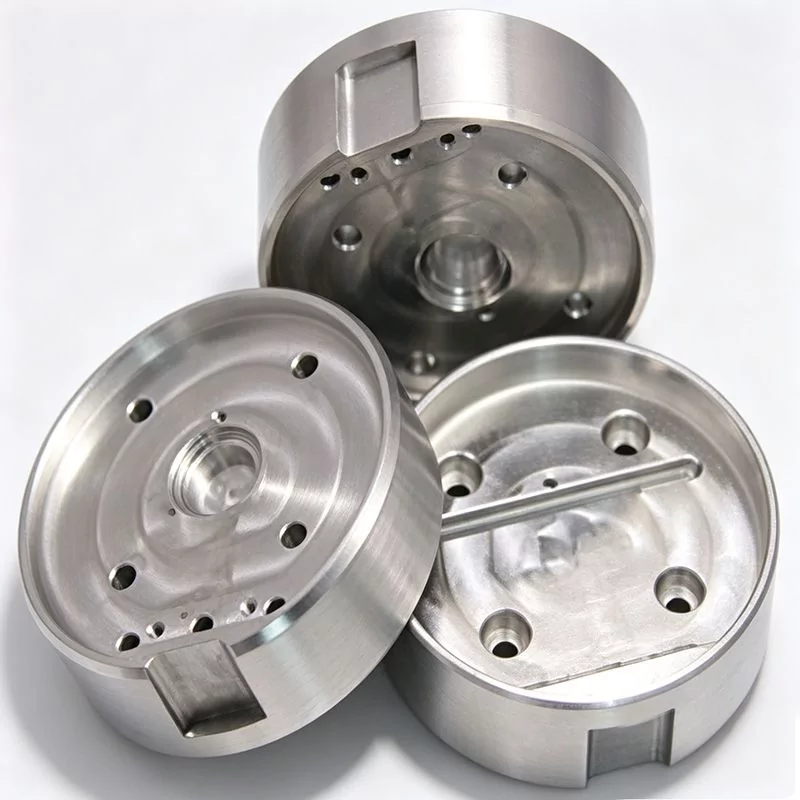
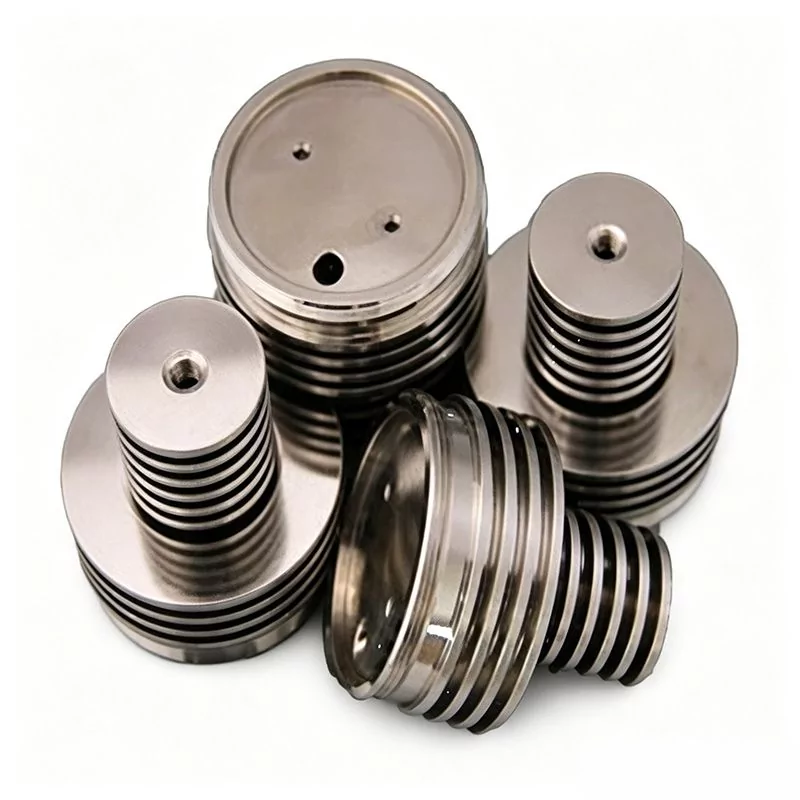
- Geometric Complexity Boundaries: When components require multi-axis internal pockets, variable wall thicknesses, or integrated thermal cooling fins, mass production CNC machining is mandatory regardless of production scale.
- Design Flexibility Thresholds: Engineering revisions on stamped dies necessitate costly tool modifications taking 3–6 weeks, while CNC toolpaths and fixtures can be updated in hours at minimal expense.
Solving Design Challenges for High-End 3C Electronic Accessories
High-density consumer electronics impose complex engineering trade-offs regarding thermal dissipation, wall rigidity, and surface tactile feel.
- Thin-Wall Deformation Control: Machining aluminum enclosures with wall thicknesses under 0.8 mm risks chatter and thermal warping; utilizing high-speed 5-axis toolpaths with vacuum clamping maintains structural flatness within 0.03 mm.
- Thermal Management Heat Sinks: Micro-channel heat sinks integrated directly into device frames require high-speed multi-axis milling to maximize surface area and eliminate thermal throttling in compact electronics.
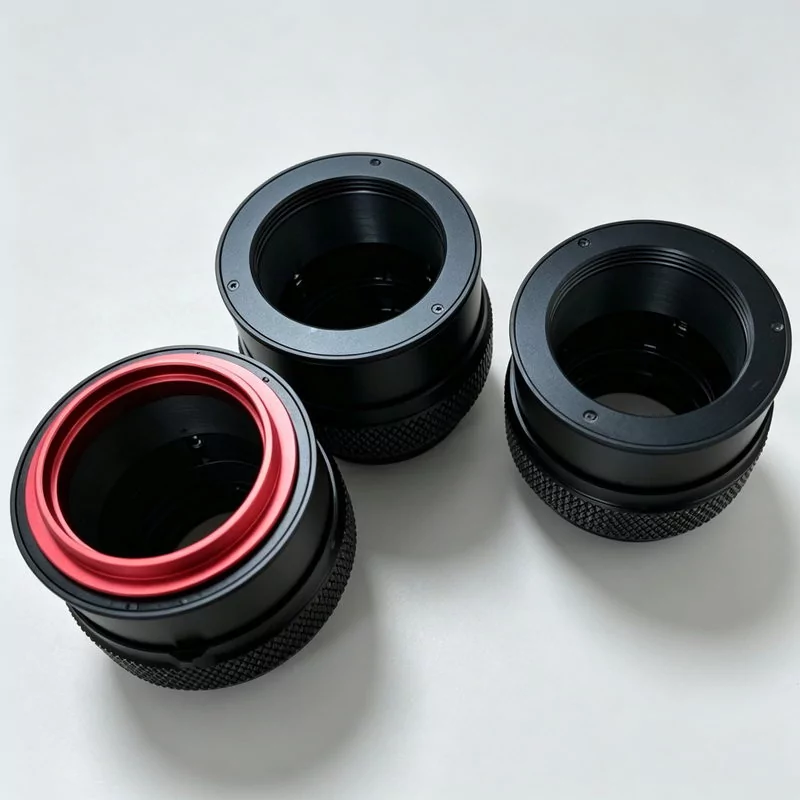
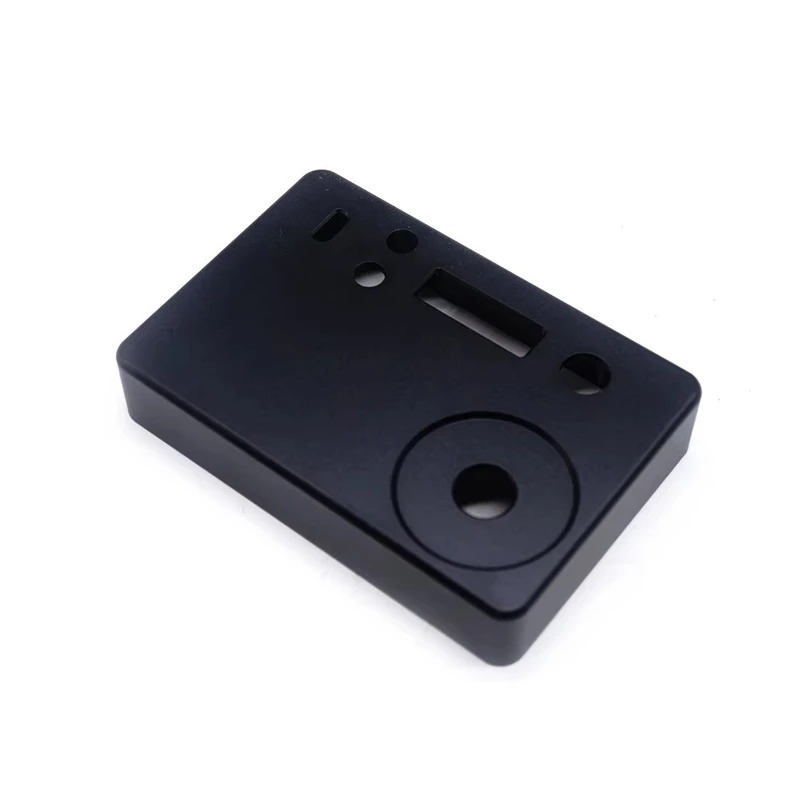
- Surface Anodizing Consistency: Achieving consistent matte black finishes demands strict chemical titration control and specialized racking, maintaining color variation below ΔE < 1.0 across high-volume production lots.
High-Volume Scaling and Case Verification
Scaling production from pilot runs to sustained monthly volumes demands optimized tooling strategies and a proven high-volume CNC machining supplier capable of maintaining quality under continuous output.
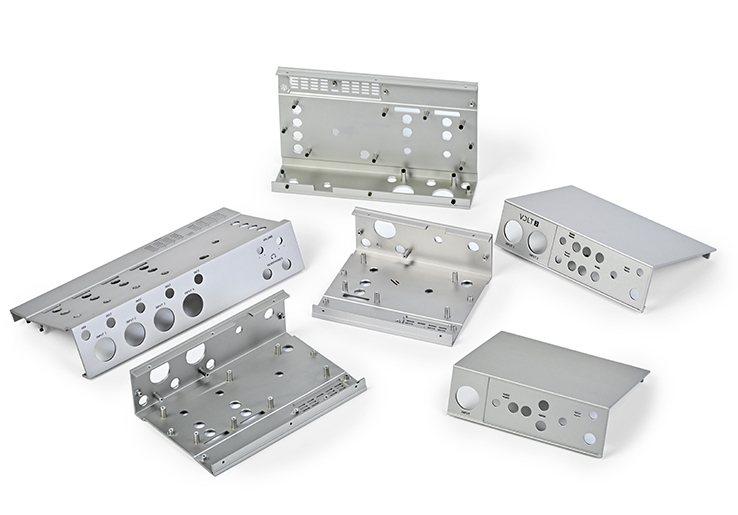
Scaling Mass Production While Controlling CNC Machining Cost Per Part
An established high-volume CNC machining supplier employs advanced tooling setups and automation to lower unit economics without sacrificing accuracy.
- Multi-Part Fixture Optimization: Implementing pneumatic tombstone fixtures on 4-axis and 5-axis machines allows simultaneous machining of 12 to 24 parts per cycle, drastically reducing tool change downtime and lowering the CNC machining cost per part.
- Near-Net-Shape Raw Material Profiling: Utilizing custom aluminum extrusions tailored close to the finished component dimensions reduces cutting chip volume by up to 40% and shortens overall cycle times.
- In-Line Automated Probing: Integrating spindle-mounted touch probes enables real-time tool offset adjustments during machining, maintaining batch dimensional consistency above 98.5% yield.
Case Benchmark: Audio Hardware OEM Supply Chain Success
Practical manufacturing benchmarks demonstrate how vertical integration and technical rigor solve supply chain bottlenecks for global brands.
- Client Application & Requirements: A European headphone brand required precision-machined aluminum ear-cup housings and headband slider assemblies with strict acoustic sealing and flawless brushed anodized aesthetics.
- Production Metrics & MOQ Flexibility: Rejin CNC scaled production to 50,000 sets per month, establishing a flexible MOQ benchmark of 1,000 units for specialized batch runs as an OEM CNC machining supplier.
- Verified Quality Outcomes: Operating as a China CNC machining supplier, Rejin CNC achieved an average surface finish of Ra 0.8 μm, maintained zero cosmetic defect returns over three years of continuous supply, and helped drive a 20% increase in client retail repurchase rates.
Streamline Your 3C Electronics Procurement Today
Selecting the right precision CNC machining supplier transforms supply chain risks into long-term operational advantages.
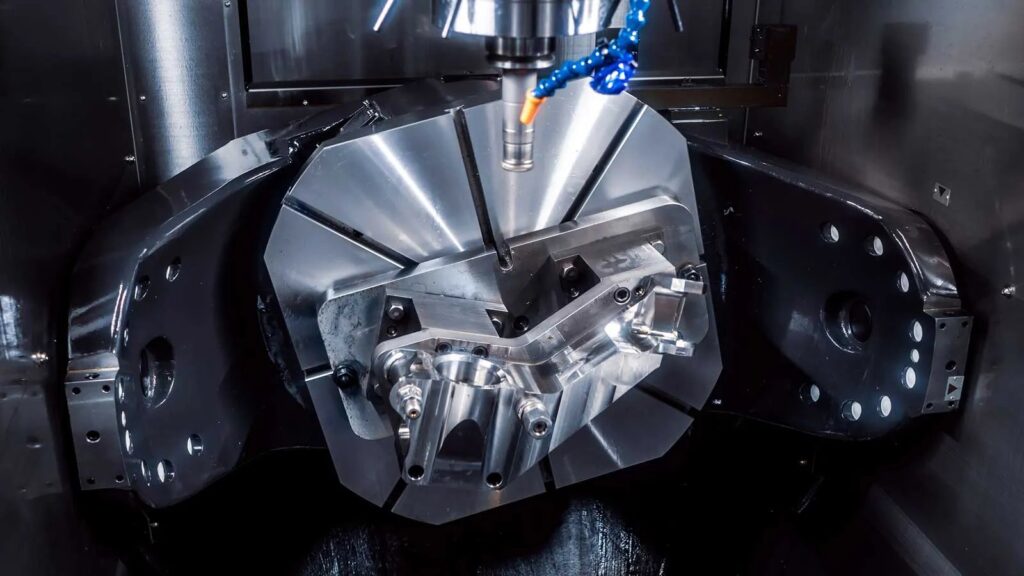
Partnering with Rejin CNC for Instant DFM & RFQ
Accelerate your product development timeline and ensure cost-effective manufacturing by engaging directly with our engineering team.
- Fast 24-Hour Quotation: Submit your 3D CAD files (STEP/IGES) today to receive a complete, itemized cost breakdown within 24 hours for accurate CNC machining quote comparison.
- Free Engineering DFM Review: Receive a complimentary manufacturability analysis identifying potential wall thickness risks, tool radius bottlenecks, CNC machining hidden costs, and cost-reduction opportunities.
- Direct Technical Consultation: Contact Rejin CNC nowto schedule a technical review with senior machining engineers for your upcoming 3C electronics CNC machining project.
FAQ
Q: What key geometric factors dictate whether a 3C electronic component requires 5-axis CNC machining over standard 3-axis milling?
A: 5-axis CNC machining is needed when 3C electronic accessories have compound angled surfaces or continuous 3D contoured cavities. These shapes often require several setups on standard 3-axis machines. Multiple setups create cumulative tolerance stack-up errors over time.
Q: How does sourcing from an IATF 16949 certified factory benefit non-automotive buyers in the 3C electronics industry?
A: An IATF 16949 CNC machining supplier applies automotive-grade defect prevention steps such as FMEA, APQP, and SPC tracking. This practice improves batch-to-batch repeatability. It also keeps component reject rates well below standard commercial manufacturing levels.
Q: Why does anodizing color drift occur across different production runs, and how is it controlled?
A: Anodizing color drift comes from shifts in aluminum alloy chemical composition. Bath temperature changes and current density variations also play a role. Strict raw material batch traceability helps control it. Automated in-house anodizing lines with titrated chemical controls hold variance within ΔE < 1.0.
Q: What are the primary hidden cost drivers in custom CNC machining quotes that procurement managers often miss?
A: Common CNC machining hidden costs include unquoted manual deburring fees, rapid tool wear charges from tough alloys, sub-contracted anodizing markups, fixture costs, and unoptimized CAD features such as deep, small-radius internal corners that artificially double machine cycle time. A detailed CNC machining quote comparison should evaluate these items before supplier selection.