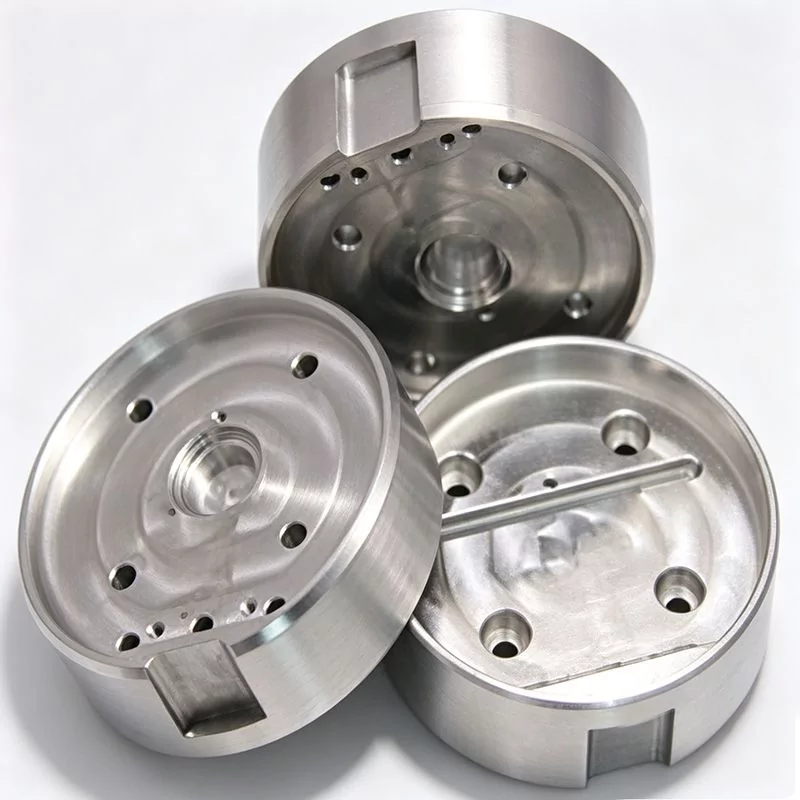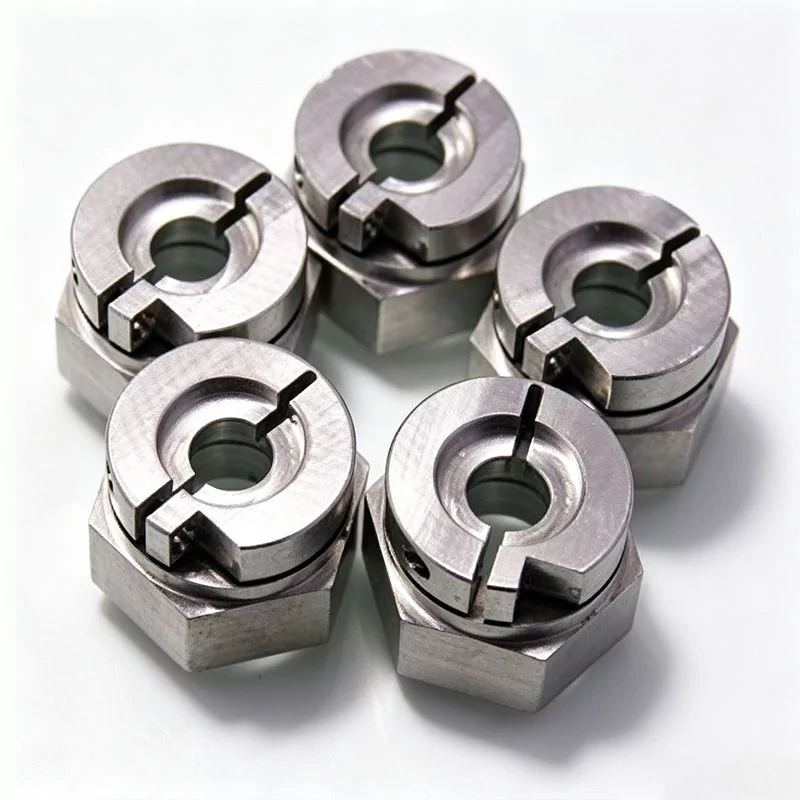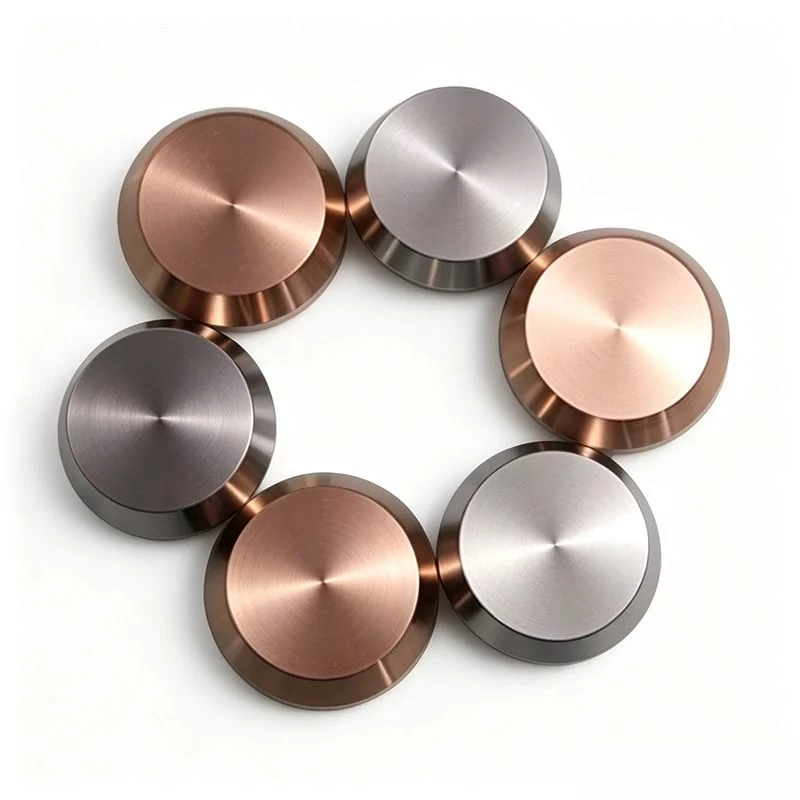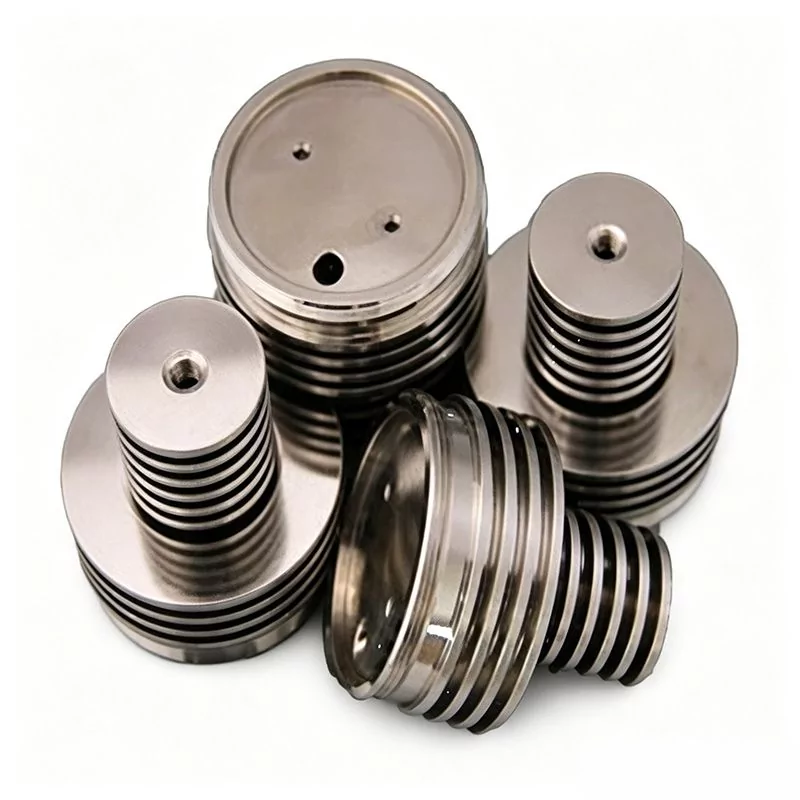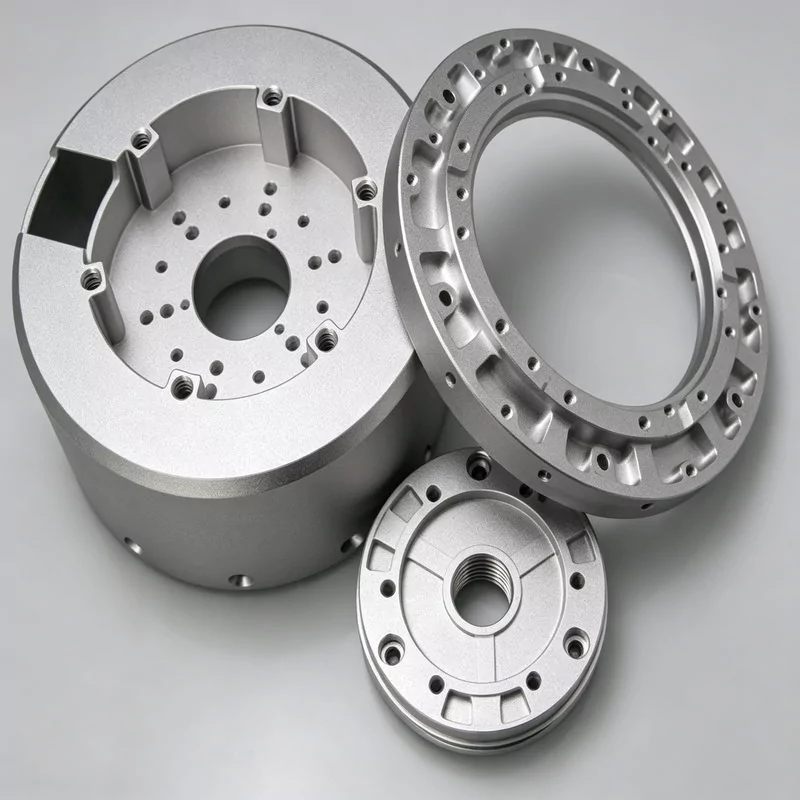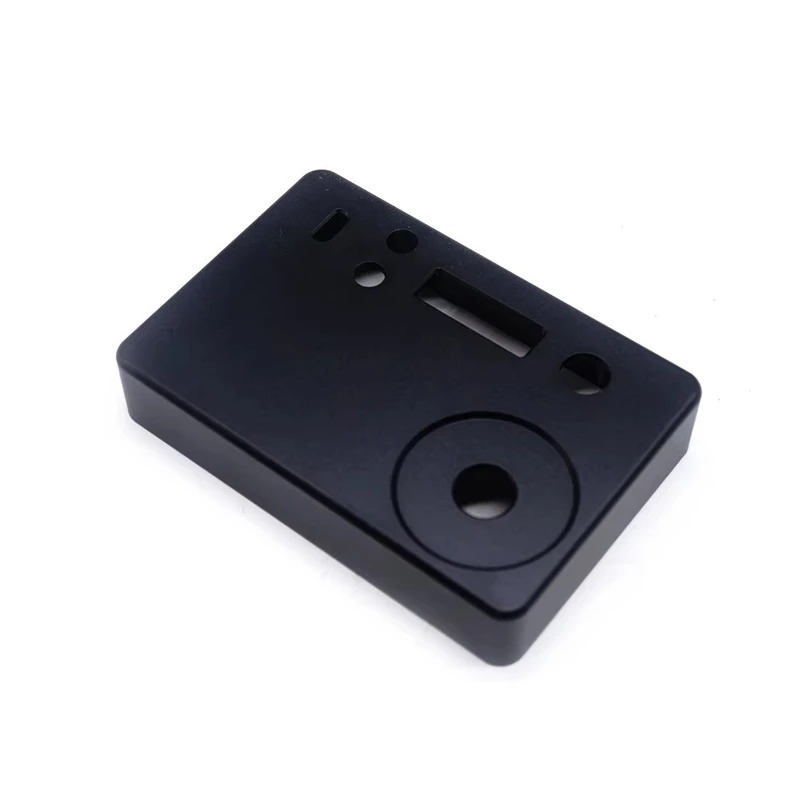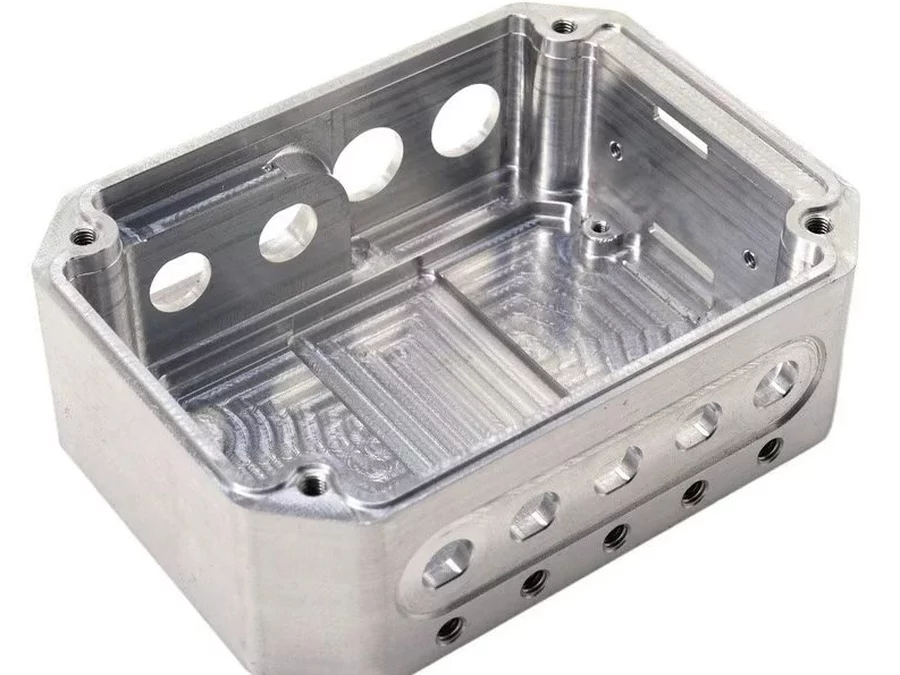
Sourcing managers for electronics and hardware procurement professionals constantly have to make design choices about materials in next-generation consumer electronics accessory products. With the trend towards smaller and more powerful devices, it is necessary that the design provides an optimal feel without thermal throttling or exceeding the mass budget. The choice between aluminum and titanium electronics affects the thermal performance, the rigidity of the structure, manufacturing speed, and landed costs per unit.
- Weight vs. Durability: Balancing the weight of aluminum and titanium against the drop resistance in the daily-use accessory products.
- Thermal Performance: Comparing the thermal conductivity of aluminum and titanium when cooling down the high-performance chips using the outer metallic bezels.
- Manufacturing Cost: Balancing manufacturing cycle time and tool usage for optimization of CNC machining costs.
- Cosmetic Performance: Consistency of the surface finish on the product line of large quantities.
The solution to this design problem lies in choosing the right CNC machining provider – Rejin CNC, which provides precision CNC machining with ISO 9001 and IATF 16949 certification, with more than 200 high-speed CNC machining centers and tight tolerances of ±0.01 mm.
Material Comparison: Al6061, Al7075, and Ti-6Al-4V Performance Dynamics
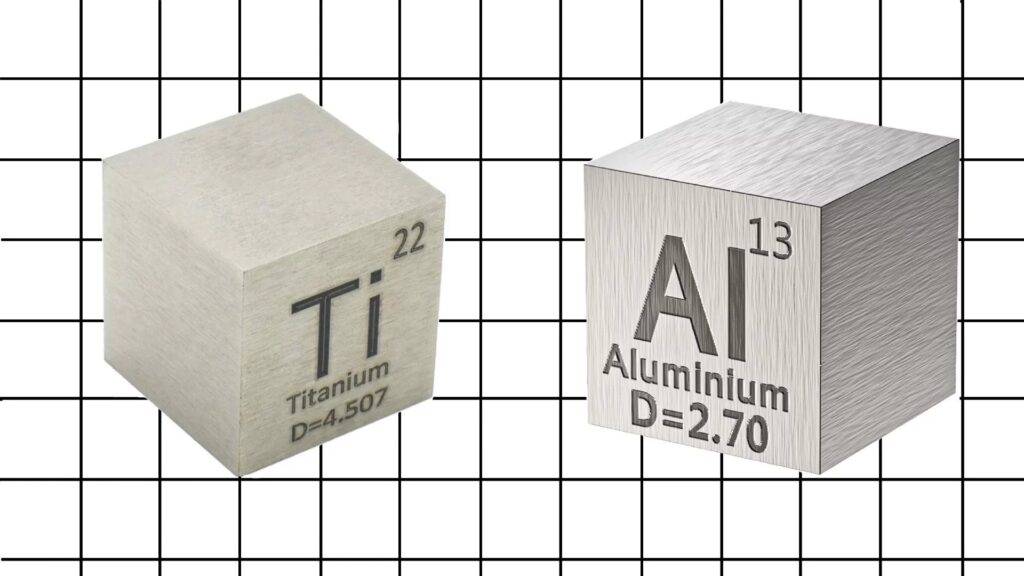
When comparing 6061 aluminum to titanium and 7075 aluminum to titanium, one needs to consider physical properties like density, yield strength, and heat dissipation. The following table compares engineering values of 6061-T6 aluminum, 7075-T6 aluminum, and Grade 5 titanium (Ti-6Al-4V).
Mechanical Strength and Weight-to-Strength Ratios
Mechanical strength guarantees a slender design and impact resistance in wearable frames and protective rings that are CNC-machined.
- Aluminum vs. Titanium Weight: The density of the 6061-T6 aluminum is lower compared to Ti-6Al-4V, with ~2.70 g/cm³ as opposed to ~4.43 g/cm³, making the CNC-machined wearable frame less tiring for the wrists.
- 7075-T6 vs Ti-6Al-4V Yield Strength: The 7075-T6 aluminum has a high yield strength of ~505 MPa, reducing the difference between aluminum and Grade 5 titanium with ~880 MPa.
- Strength-to-Weight Ratio between 6061 and Ti-6Al-4V: Although titanium offers higher ultimate tensile strength, it is evident that the strength-to-weight ratio between 6061 aluminum and titanium favors the aluminum alloy without extreme point loading.
Thermal Conductivity and Heat Dissipation Performance
Thermal management is critical in ensuring that the device has high processing speeds and the user’s surface temperatures are comfortable.
- Thermal Conductivity Difference between Aluminum and Titanium: 6061-T6 aluminum will have a thermal conductivity of ~167 W/m·K (7075-T6 having ~130 W/m·K), while Ti-6Al-4V has ~6.7 W/m·K, hence a thermal advantage of 20-25 times in aluminum.
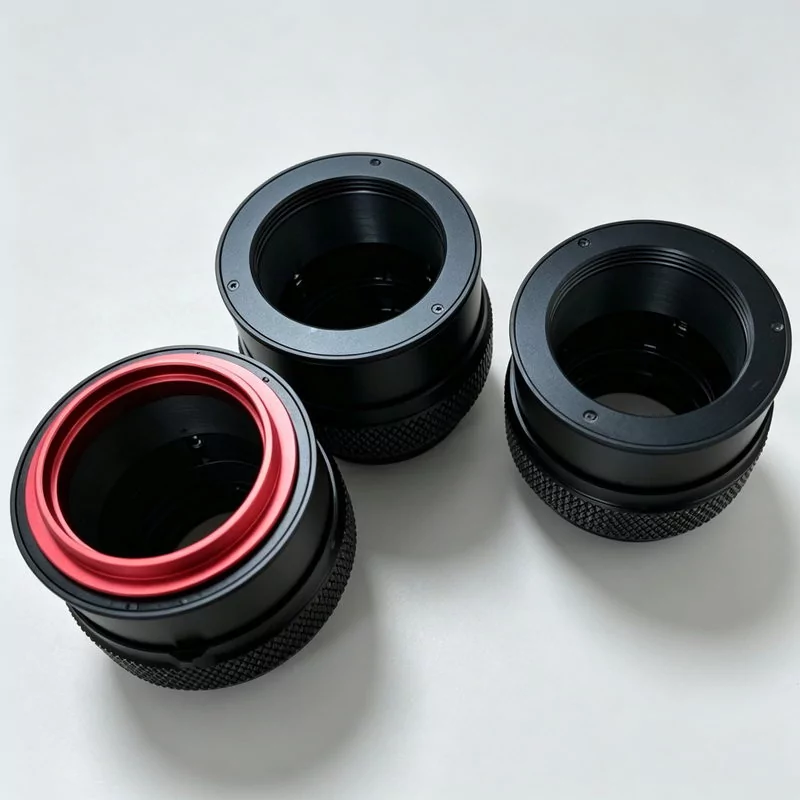
- Thermal Bottlenecking in CNC Machining of Camera Rings: When CNC machining camera rings, titanium lens surroundings and sensor housing become thermal insulators and prevent heat from being transferred outside the device, while aluminum rings transfer heat from optical sensors.
- Passive Cooling Design for 3C Electronics CNC Machining: Selecting 7075 aluminum over titanium in 3C electronics CNC machining will allow hardware engineers to use the metallic bezels for heat dissipation without the need for bulky internal copper vapor chambers in small accessories.
Design Challenges and Precision CNC Machining Feasibility
Translating complex 3C electronic accessories CAD models into mass-produced components requires selecting an alloy that supports high machining speeds without causing part distortion.
Thin-Walled Machining and Structural Stability
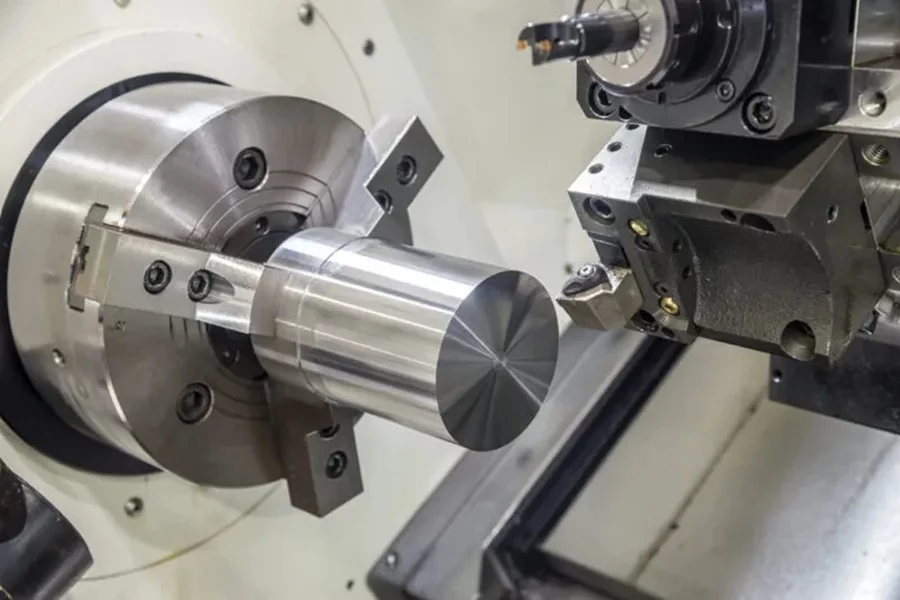
It becomes crucial to control deflection of the part during precision CNC machining operations when wall thickness is below 1.0 mm.
- Deflection Control During Aluminum vs Titanium CNC Machining: Milling aluminum results in very little resistance due to its nature. But the low elastic modulus of titanium (114 GPa vs 69 GPa) causes an increased possibility of vibration and spring-back during thin-wall turning.
- Tool Life and Feeding Rate: Ti-6Al-4V requires very low surface speed for milling (Vc = 40 – 60 m/min) while using coolant at a high pressure, and 6061-T6 allows aggressive milling with a very high feeding rate (Vc > 500 m/min).
- Repeatability under IATF 16949 Requirements: The use of automated Brother Robodrill and Fanuc CNC machines ensures capability indices above 1.33.
Surface Finishing and Aesthetic Execution
Cosmetic appearance and surface wear resistance are primary buying factors for premium consumer hardware.
- Type II and Type III Anodizing on Aluminum Alloys: Precision CNC machining of 6061 and 7075 aluminum enables uniform Type II decorative color anodizing and durable Type III hard-coating (up to 50µm) with high batch-to-batch color stability (ΔE < 1.5).
- PVD Coating and Passivation on Titanium: Titanium does not support traditional bright color anodizing; it relies on Physical Vapor Deposition (PVD) or Micro-Arc Oxidation (MAO) to produce scratch-resistant metallic gray, charcoal, or gold surface layers.
- Tactile Feel and Scratch Resistance Trade-Offs: While titanium’s raw surface resists daily abrasion from keys and coins, hard-anodized 7075 aluminum achieves comparable scratch resistance (HV 400–500) at a lower overall manufacturing cost.
Cost-per-Part Optimization and Manufacturing Decision Thresholds
Selecting the correct manufacturing process and material alloy requires balancing upfront tooling investments against per-unit production costs.
CNC Machining vs. Alternative Manufacturing Methods
Understanding manufacturing break-even points prevents over-investing in hard tooling during early product lifecycles.
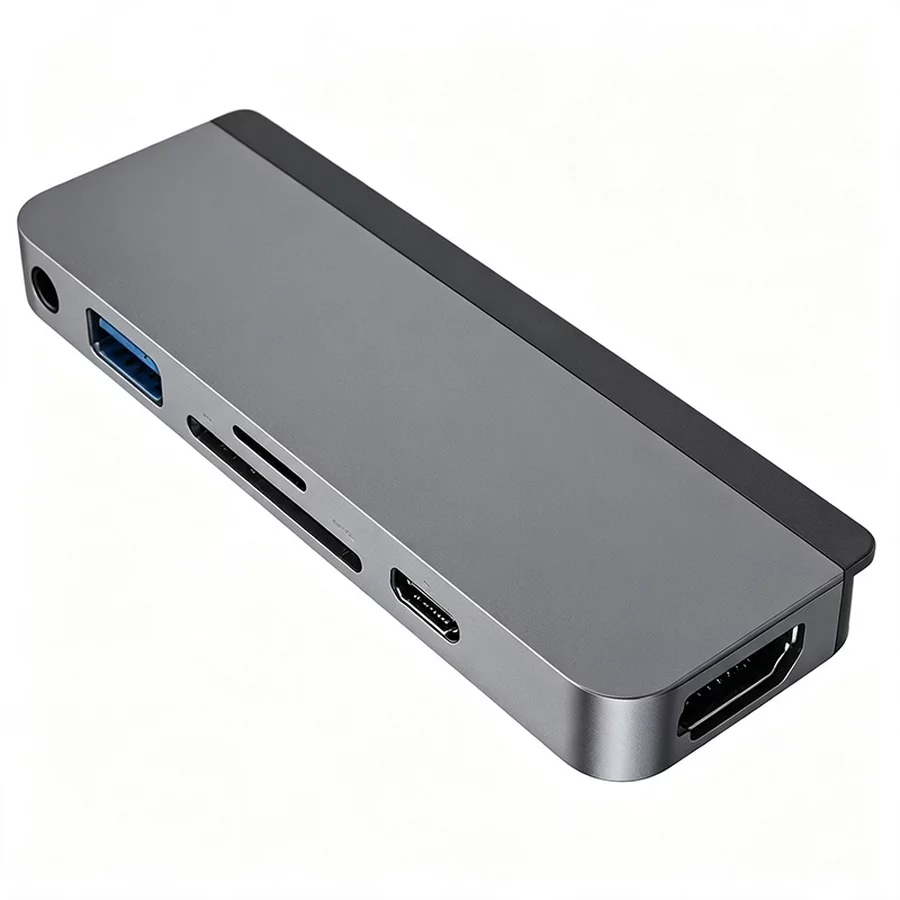
- Production Volume Thresholds for Mass Production CNC Machining: For order volumes between 500 and 30,000 units/month, mass production CNC machining eliminates the $20,000–$50,000 hard tooling fees associated with progressive die stamping, while providing higher geometric flexibility for design revisions.
- Tolerance Precision Over Die Casting: Die casting titanium is unfeasible for micro-parts, and cast aluminum components suffer from internal porosity and ±0.05mm tolerance limitations, making CNC turning and milling necessary for flush-fit 3C accessories.
- Speed to Market from Rapid Prototyping: Custom CNC fabrication allows product teams to transition from 3-to-7-day rapid prototypes straight into batch production within two weeks, avoiding 6-to-8-week mold build lead times.
Cost Breakdown in Mass Production CNC Machining
Evaluating total cost drivers helps sourcing teams optimize material callouts and CNC machining cost per part during the Design for Manufacturability (DFM) phase.
- Raw Material Procurement Cost Differentials: Grade 5 Titanium bar stock costs 5 to 8 times more per kilogram than 6061-T6 aluminum, significantly increasing raw material overhead in the total CNC machining cost per part.
- Machining Cycle Time Multipliers: Due to lower material removal rates (MRR) and heat accumulation, machining Ti-6Al-4V requires 2.5 to 4 times longer spindle time than 6061-T6 aluminum, directly increasing hourly machine utilization costs.
- Tool Wear and Consumable Budgets: Milling titanium requires specialized carbide cutters with TiAlN coatings and frequent tool offset adjustments, increasing tool wear expenses by 20% to 30% per batch.
Practical Case Studies and Production Capability
To support hardware sourcing decisions, Rejin CNC delivers batch-proven precision CNC machining services backed by empirical quality metrics and scalable manufacturing lines.
Wearable Smart Ring Frame for a European Consumer Brand
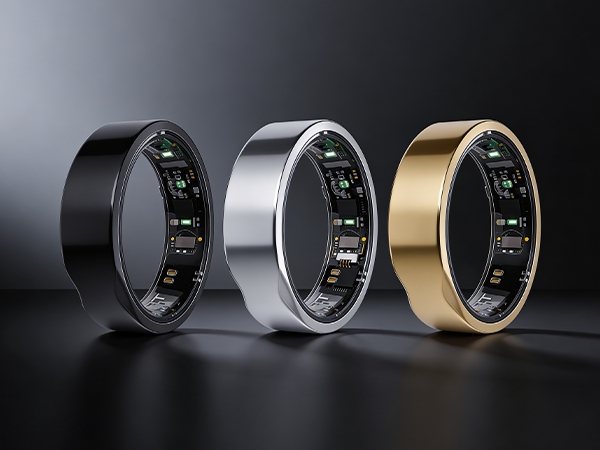
A leading European wearable technology brand required ultra-lightweight, high-strength CNC-machined wearable frames for a premium health-tracking smart ring accessory.
- Project Scope and Monthly Capacity: Scaled production from an initial 500-unit prototype validation batch up to a stable 25,000 units/month order volume using 7075-T6 aluminum alloy.
- Technical Execution on Brother 5-Axis Centers: Utilizing high-speed Brother 5-axis CNC machining centers, Rejin CNC maintained critical sensor pocket tolerances of ±0.008mm while holding anodizing color variance within ΔE < 1.2.
- Cost Optimization Results: Replacing an initial titanium prototype concept with high-strength 7075-T6 aluminum reduced unit manufacturing costs by 58% while maintaining drop-test compliance and improving thermal heat dissipation from internal sensors.
Premium Camera Lens Bezel for Flagship Smartphone Accessories
An international mobile accessory manufacturer needed a scratch-resistant, raised camera protection bezel with a brushed metallic texture.
- High-Volume Scale and MOQ Baselines: Established a mass production baseline with a minimum order quantity (MOQ) of 2,000 units, expanding up to 60,000 units/month across specialized production lines.
- Equipment Deployment and Cycling Efficiency: Deployed automated Fanuc Robodrill cells for camera ring CNC machining, reducing single-part machining cycle time down to 82 seconds while achieving a near-zero defect rate.
- Surface Treatment Validation: Applied precision micro-bead blasting followed by black Type III hard-anodizing, passing 48-hour salt-spray corrosion testing and 2H pencil hardness abrasion checks.
Strategic Sourcing Recommendations for 3C Accessories
When specifying materials for high-volume 3C electronic accessories:
- Select 6061 Aluminum for cost-sensitive, high-heat components like charger housings and audio enclosures where rapid thermal conduction is required.
- Choose 7075 Aluminum when high structural strength, thin-wall stability, and light weight are required without exceeding titanium material budgets.
- Reserve Ti-6Al-4V Titanium for flagship, ultra-luxury accessories where maximum scratch resistance and premium brand positioning outweigh longer machining times and higher material costs.
Why Partner with Rejin CNC for 3C Electronic Accessories
Rejin CNC connects early design ideas to full production. We provide full 3C electronics CNC machining services built for complex 3C electronic accessories. Our engineers review designs fast, hold down costs per unit, and maintain quality on every batch.
- Automated DFM Analysis & Rapid Prototyping: Our engineers check designs for easy production within 24 hours. They adjust wall thickness and corner shapes. This way, we supply precision aluminum or titanium prototypes in 3 to 7 days.
- High-Precision Multi-Axis CNC Machining: We use high-speed 5-axis CNC machining centers. These reach tolerances of ±0.01mm. The result fits together well for camera rings and wearable frames.
- In-House Finishing & IATF 16949 Quality Assurance: We handle Type II/III anodizing, PVD coating, and CMM checks under ISO 9001 and IATF 16949 rules. Color stays consistent from batch to batch with ΔE under 1.5, and yields stay high.
Partnering with Rejin CNC ensures your engineering designs are fully optimized before entering mass production CNC machining. Our engineering team provides free 24-hour DFM drawing reviews, rapid prototyping in 3–7 days, and scalable mass production backed by full CMM inspection reports.
FAQ
Q: What’s the general difference in machining cycle time between aluminum and titanium on small 3C parts?
A: In CNC machining of titanium (Ti-6Al-4V) vs. aluminum, machining cycle times are usually 2.5-4 times greater for titanium parts because of lower cutting speed (Vc), high tool friction, and the necessity of precise heat control on high-speed CNC machines.
Q: At what point does CNC machining become economically feasible in comparison to metal stamping on 3C accessories?
A: Economically feasible mass production of CNC machining becomes preferable to metal stamping at monthly volumes under 30,000 units or parts with the need for different wall thicknesses, tight tolerances (±0.01mm), and frequent product engineering changes.
Q: Is there an equal resistance to scratching of aluminum camera bezels compared to titanium?
A: Although raw titanium is a harder material, aluminum alloys that undergo Type III hard-anodizing provide HV 400-500 surface hardness and are thus highly resistant to daily scratching.
Q: How does material selection impact thermal throttling in compact smart wearables?
A: The aluminum vs. titanium thermal conductivity difference is substantial: aluminum alloys possess thermal conductivity ratings over 130 W/m·K, effectively transferring heat away from internal chips, whereas titanium’s low conductivity (~6.7 W/m·K) can trap heat and trigger early thermal throttling.