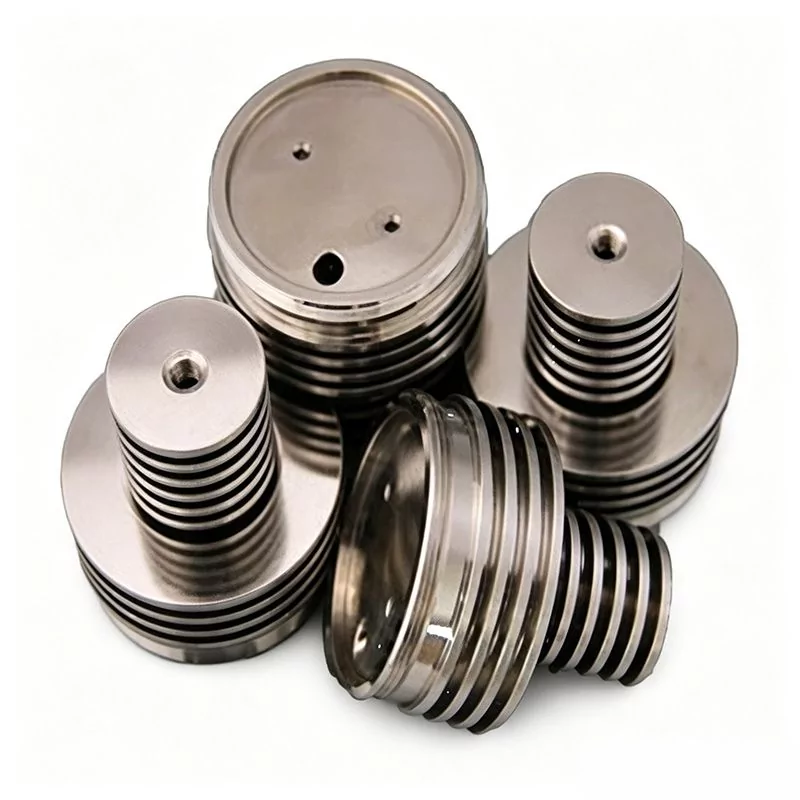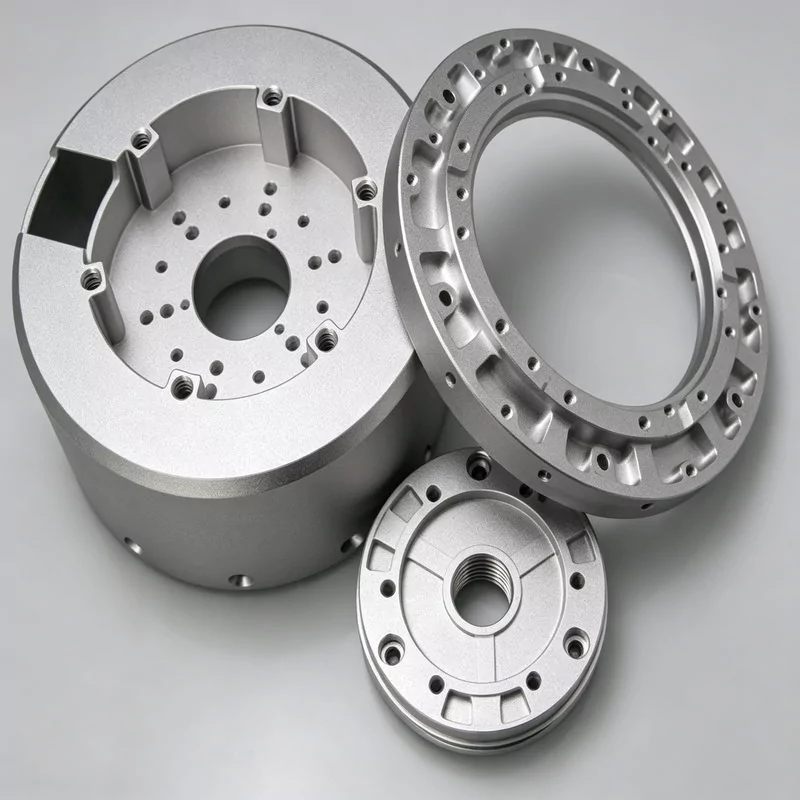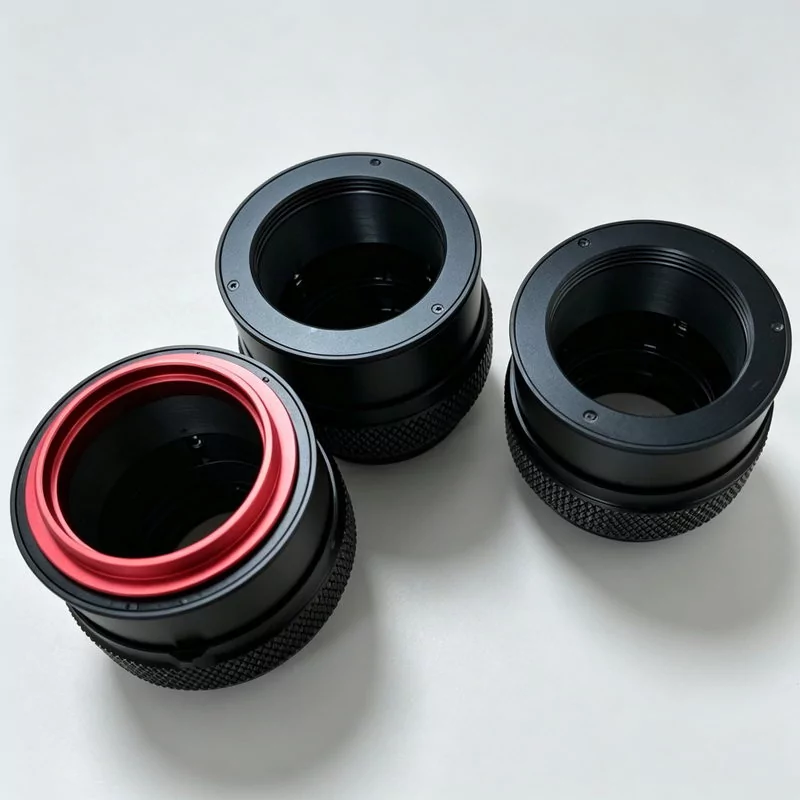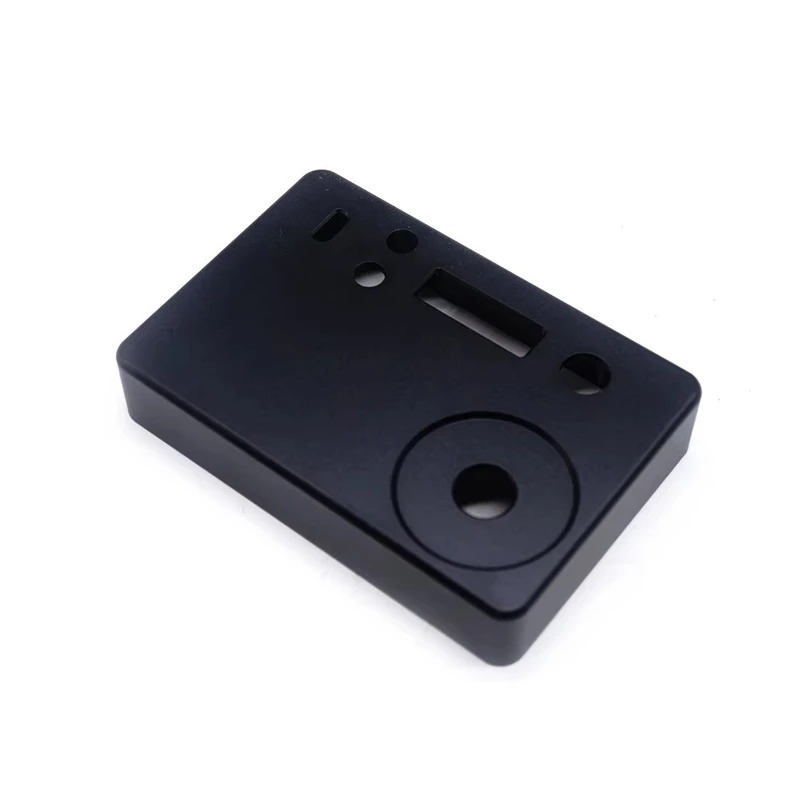
In the high-performance audio hardware market, an aluminum audio housing is much more than a simple protective shell. It serves as the primary touchpoint for consumer interaction, an essential electromagnetic shield for internal circuitry, and a vital passive heat sink for internal power components. As premium audio brands push for sleeker profiles, seamless joints, and rich surface textures, manufacturing engineers face the complex challenge of balancing tight dimensional tolerances with flawless surface finish consistency.
Achieving these rigorous cosmetic and structural standards requires a deeply integrated manufacturing setup where audio hardware CNC machining, chemical finishing, and graphic application are treated as a unified process. Choosing the right CNC audio enclosure manufacturer makes all the difference in turning complex CAD concepts into market-ready hardware.
- Tight Manufacturing Precision: Achieving mechanical tolerances within ±0.01 mm to ensure seamless joint fitment and precise button tactile alignment in each CNC-machined aluminum audio enclosure.
- Unified Surface Treatments: Integrating sandblasting, color-matched anodizing, screen printing on aluminum, and precise graphic application under one roof.
- Integrated OEM Capability: Providing turnkey engineering support from initial CAD evaluation through large-scale audio enclosure CNC machining and batch manufacturing.
- Proven Supply Chain Efficiency: Reducing multi-supplier lead times, eliminating third-party handoffs, and cutting overall procurement costs.
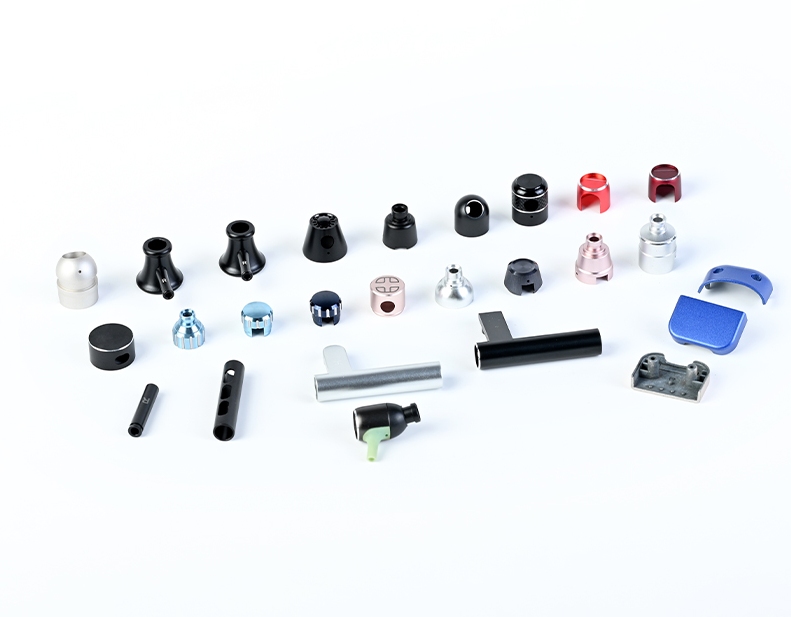
To address these demands, Rejin CNC provides specialized manufacturing solutions for custom aluminum audio enclosure projects, control panels, earphone housings, and other electroacoustic hardware.
Key Design Challenges and Material Selection in Audio Hardware CNC Machining
Selecting the correct alloy and manufacturing process determines both the economic viability and technical success of an audio enclosure project. Below are the primary technical considerations for audio hardware CNC machining, material selection, and process choices.
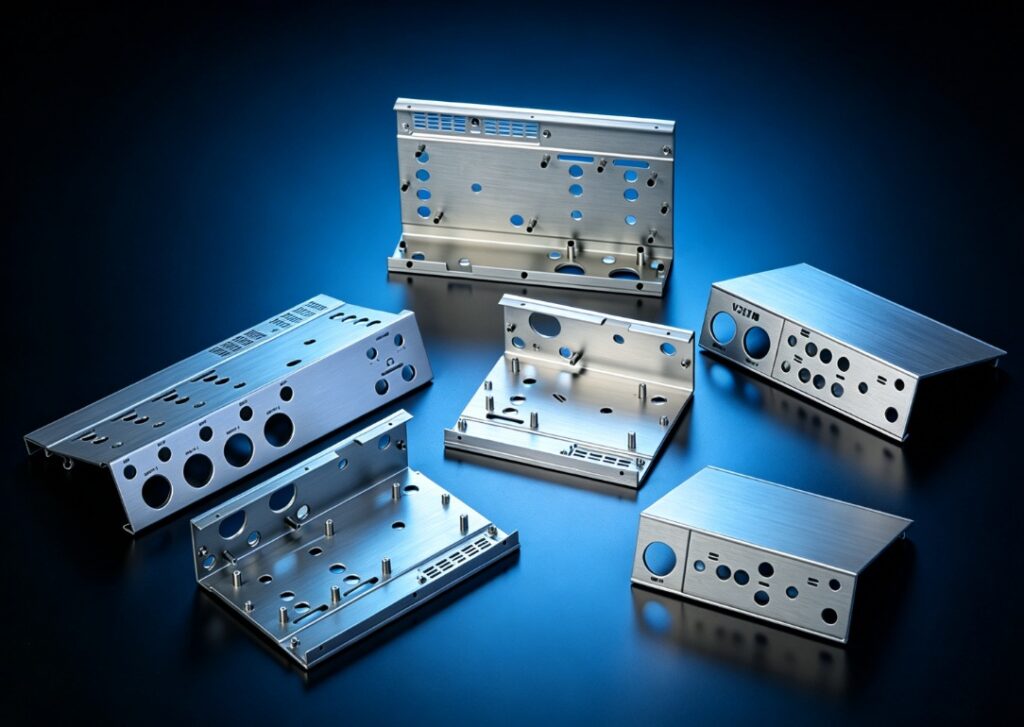
Why 6063 Aluminum Is the Gold Standard for Audio Enclosures
Choosing the right material means balancing heat transfer, how easy it is to machine, and how it responds to anodizing. The 6063 aluminum audio enclosure works well for high-end uses where you need accurate shapes and a nice-looking finish.
- Exceptional Surface Polishable Structure: The extruded 6063 aluminum has a fine grain structure. This gives a very smooth look once sandblasted and anodized in clear or color.
- Superior Thermal and EMI Shielding: Good thermal conductivity helps pull heat from powerful amplifier modules. It also offers a solid ground path to reduce electrical noise.
- Optimal Machinability for Complex Features: This alloy works with high-speed spindles. This allows clean cutting of internal ribs, deep chamfers, and accurate threads.
- High Structural Stability: The 6063-T5 temper provides strong tensile strength and keeps dimensions stable. This stops warping during multi-axis machining.
Engineering Decision Thresholds: CNC Billet Machining vs. Stamping and Die Casting
The selection of the most suitable manufacturing process will depend on assessing the upfront tooling investment versus unit machining cycles.
- Low Volume Level (< 3,000 Units/Month): CNC machiningof audio enclosures out of solid 6063-T5 extruded billets avoids die-casting tooling expenses ($10,000 – $30,000), providing total design flexibility.
- Medium to High Volume Level (3,000-10,000 Units/Month): Near-net shape custom extruded aluminum billets, along with multi-axis CNC milling, allow reducing material removal up to 45%, thereby reducing unit cost significantly without losing high weight quality.
- Transition to High-Volume Stamping (>10,000 Units/Month): The sheet metal stamping process is now financially feasible for thin decorative sheets, whereas solid billet machining must be applied to thick-walled high-end audio panels and earphones.
- Die Casting vs. CNC Machining: Although die casting reduces raw unit cost at extremely high volume levels (>20,000 units), it results in internal porosity, causing pitting in high-gloss anodizing; thus, CNC billet machining will be preferable for cosmetics in audio components.
Advanced Manufacturing Processes: From Billet to Finished Enclosure
Transforming raw aluminum billets into a premium CNC-machined aluminum audio enclosure requires a tightly synchronized multi-step production pipeline. The subsections below explain the processing steps used to achieve tight tolerances and consistent aesthetics.
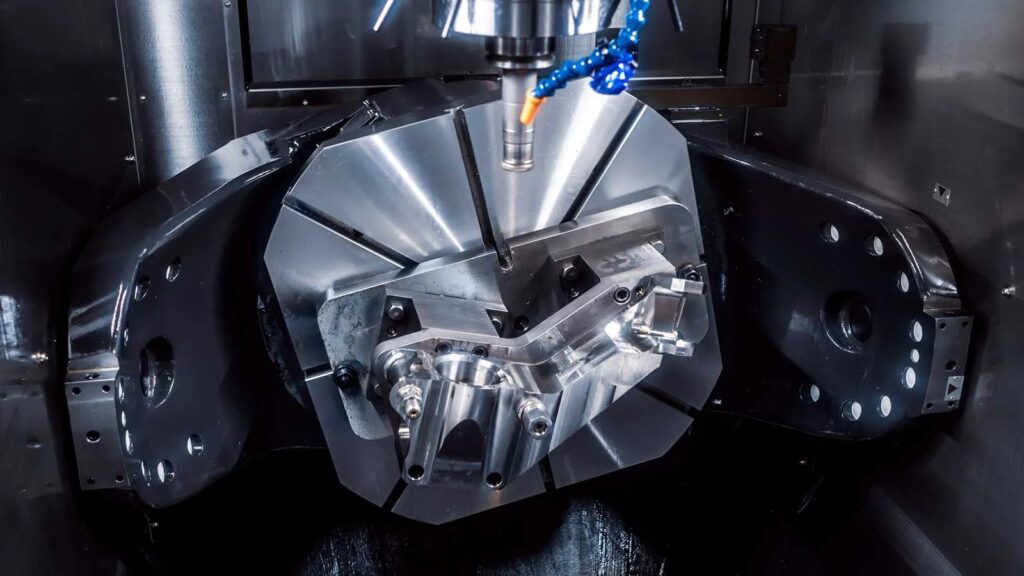
Precision CNC Machining and Thin-Wall Milling Capabilities
Precision milling requires specialized workholding and optimized toolpaths to eliminate part distortion during chip removal.
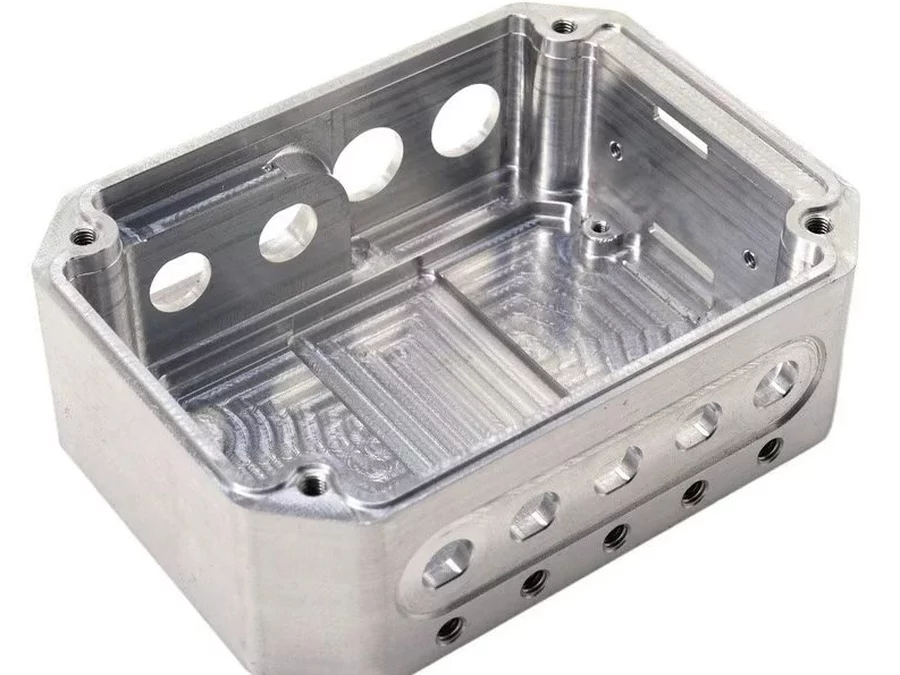
- Thin-Wall Machining Stability: Custom vacuum fixtures and tailored clamping setups support machining thin-wall geometries down to 1.2 mm without resonance chatter or structural deformation.
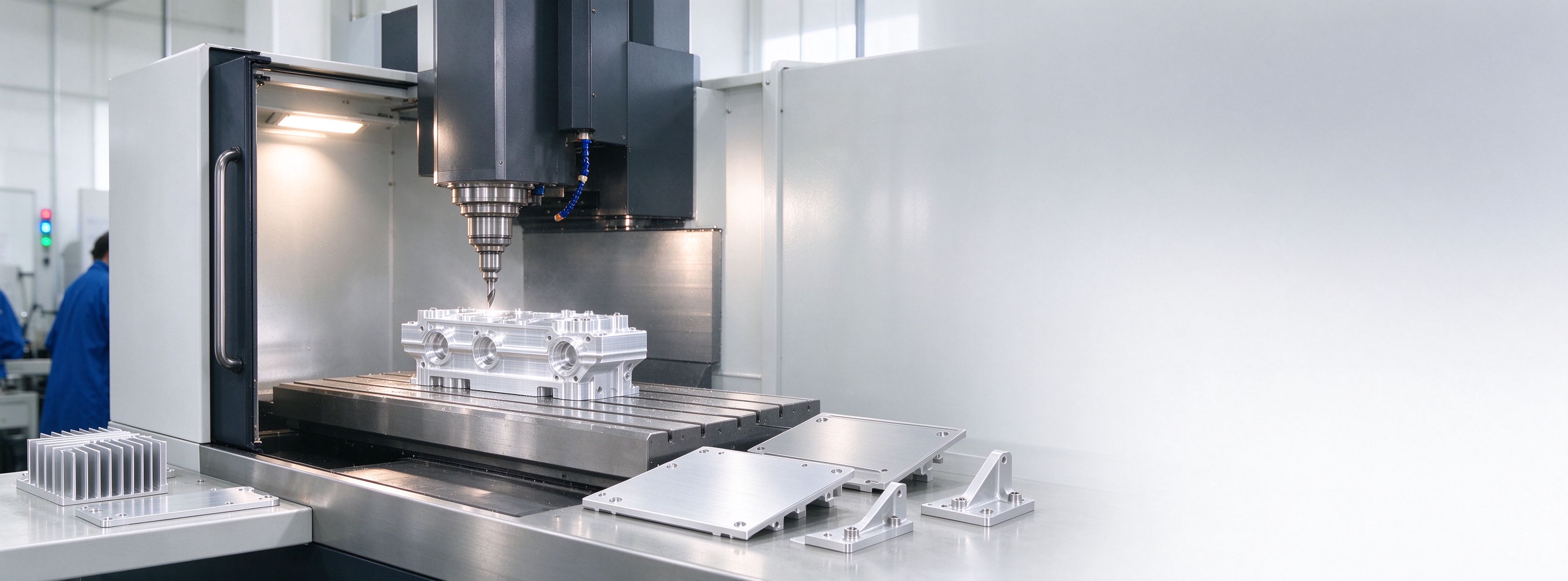
- Multi-Axis Tight-Tolerance Machining: Utilizing 3-axis and 5-axis CNC machines allows complex geometry finishing in single-clamp setups, guaranteeing feature location tolerances down to ±0.01 mm.
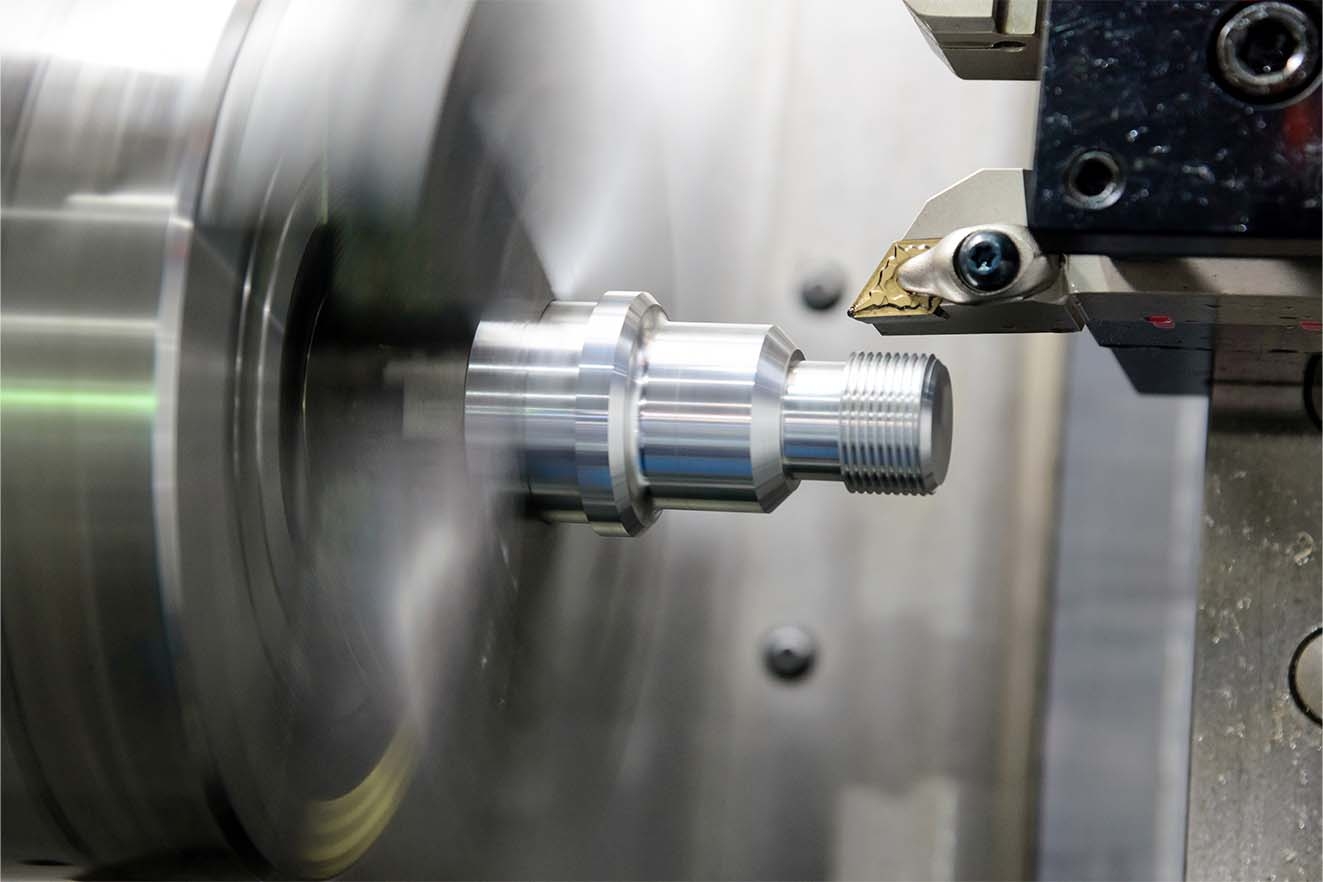
- Precision Turning for Audio Controls: CNC turning centers execute fine knurling, concentric indicator grooves, and high-gloss CD-textures on custom aluminum audio enclosure volume knobs and interface dials.
- Optimized Internal Cavity Milling: Constant chip-load toolpaths maximize metal removal rates while leaving smooth internal pocket walls ready for PCB assembly.
These capabilities support projects ranging from desktop DAC housings to CNC-machined earphone housing production for brands seeking an experienced earphone case CNC machining supplier.
Surface Finish Consistency: In-House Sandblasting and Anodizing Control
Surface treatment quality defines the visual perception of premium audio equipment, making surface finish consistency a critical requirement across every production batch.
- Controlled Media Sandblasting: Automated blasting cabinets utilize precise ceramic bead formulations to generate a uniform matte base texture, completely erasing machining cutter paths.
- Batch-to-Batch Color Consistency: Fully automated anodizing tanks continuously monitor bath temperature, current density, and acid concentration, holding batch color variation tightly within ΔE < 1.5.
- Durability and Stain Resistance: Type II sulfuric acid anodizing creates a hard surface oxide film that provides superior scratch resistance, UV color stability, and protection against hand oils on each anodized aluminum audio enclosure.
- High-Gloss and Secondary Oxidation: Specialized high-gloss polishing paired with secondary masking and re-anodizing allows dynamic two-tone color breaks on premium anodized aluminum audio enclosure components.
Precision Branding: Silk Screen Printing on Aluminum and Laser Engraving
Legible interface markings and branding graphics are critical for user interaction and long-term product appearance. For premium anodized aluminum control panels, printing quality must match the same cosmetic standards as machining and anodizing.
- Silk Screen Printing on Aluminum: Industrial-grade epoxy inks applied via high-tension mesh screens deliver crisp, high-opacity graphic legends on complex anodized aluminum control panels.
- Chemical and Abrasion Resistance: Specialized ink curing cycles ensure that silk screen printing on aluminum withstands over 10,000 cycles of rub testing and continuous exposure to cleaning solvents.
- Secondary Laser Marking Integration: High-precision fiber laser systems etch ultra-fine serial numbers, regulatory symbols, and micro-logos with zero thermal distortion to surrounding anodized coatings.
- Multi-Color Interface Panels: Alignment fixtures maintain tight registration tolerances (±0.05 mm) when applying screen printing on aluminum to a complex screen-printed aluminum panel.
Solved Engineering Challenges: Practical Case Studies and Scalability
Demonstrating practical audio hardware CNC machining capability requires real-world data and proven quality-management benchmarks. The sections below showcase actual engineering solutions provided for global OEM partners.
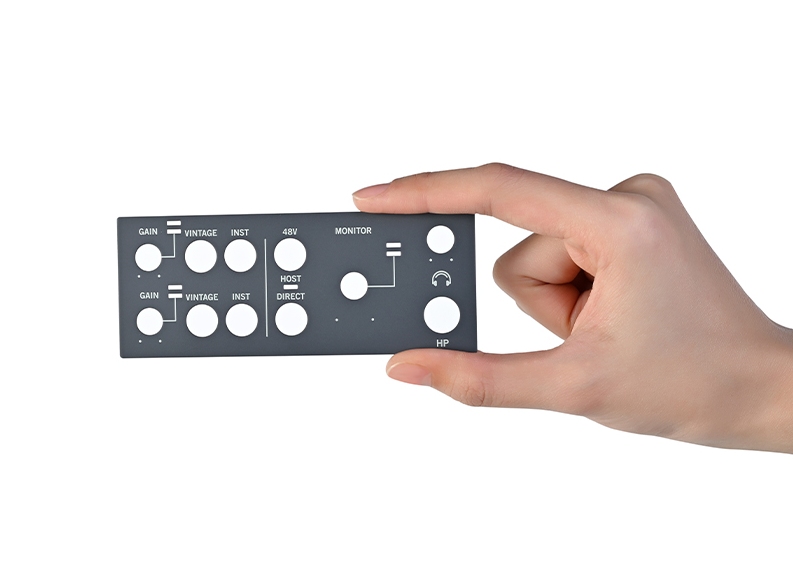
Eliminating Backplate Imperfections: Embedded Seamless Riveting for European Audio Brands
A leading European audio client required a completely smooth exterior backplate for a high-end desktop audio interface.
- Client Pain Point: Conventional through-riveting left visible raised dimples and surface scars on the rear plate, ruining the minimalist aesthetic of the aluminum audio housing.
- Technical Solution: Engineers developed an embedded seamless riveting process that presses threaded nut columns inward into blind pockets, locking them structurally without breaching the exterior wall.
- Production Result: Achieved a 100% flat outer surface passing tactile inspection, maintaining critical dimensions to ±0.01 mm across full serial production runs.
- Long-Term Reliability: Passed stringent tensile pull-out and vibration testing without compromise to internal ground continuity or physical joint strength.
Mass Production Scalability and Quality Control Metrics
Scaling production from prototype validation to mass serial supply demands rigorous process control and stable surface finish consistency.
- High Monthly Output Capacity: Facilities backed by 200+ high-speed machining centers effortlessly support monthly volumes of 20,000+ units for flagship CNC audio enclosure manufacturer programs.
- Automotive-Grade Quality Standards: Operating under IATF 16949 quality management systems ensures structured process flows, FMEA planning, and robust SPC tracking.
- 100% CMM Traceability: High-precision Coordinate Measuring Machines verify critical hole positions, wall thickness uniformity, and overall flatness on every batch prior to final release.
- Strict Yield Optimization: In-house quality engineers target continuous improvement, maintaining high first-pass yield rates across complex earphone case CNC machining supplier orders.
Partnering with Rejin CNC for Your OEM Audio Hardware
Picking the right CNC audio enclosure manufacturer can ease supply chain tasks and speed up getting products to market. Here is a quick look at how Rejin CNC’s services help OEM audio brands around the world.
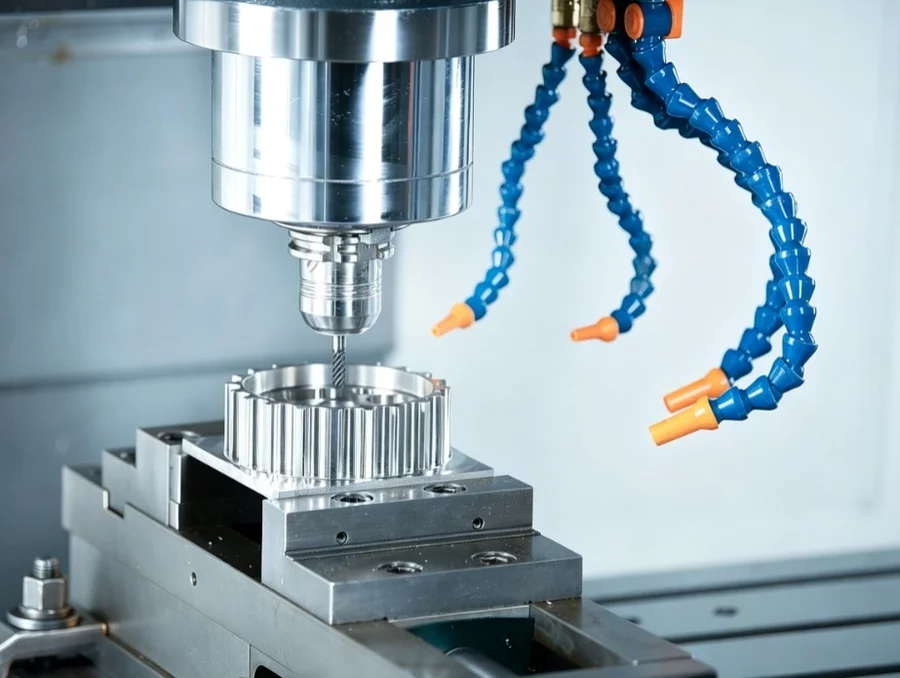
Comprehensive OEM Services and Turnkey Manufacturing Support
Our engineering team works directly with your product managers to improve design for production and cut overall risks.
- Free DFM Design Reviews: You get a clear Design for Manufacturability report within 24 hours. It flags cost drivers, tool clearance problems, and wall thickness concerns before any metal is cut.
- Rapid Prototyping to Serial Production: Working CNC prototypes arrive in 2–5 business days for quick checks. These then move into full runs that take 2–4 weeks.
- Integrated Supply Chain Control: CNC turning, 5-axis milling, sandblasting, anodizing, screen printing on aluminum, and laser etching all happen under one roof. This removes delays from multiple vendors and lowers the chance of quality issues during hand-offs.
- Flexible Order Scaling: We handle small trial runs from 100 units and scale up to monthly volumes over 20,000 units without trouble.
Whether you are launching a flagship CNC-machined earphone housing, a 6063 aluminum audio enclosure, an audiophile-grade desktop DAC, or anodized aluminum control panels, Rejin CNC handles audio hardware CNC machining from raw billet through anodizing and silk screen printing on aluminum.
Contact our engineering team today to send your 3D CAD files for a full DFM review and a fast quote.
FAQ
Q: What is the minimum wall thickness that should be considered to avoid warping while machining an aluminum audio housing on a CNC machine?
A: In most 6063 aluminum audio housing designs, 1.2 mm to 1.5 mm wall thickness is advised as a minimum. Wall thickness of less than 1.0 mm necessitates special vacuum tooling and slower milling feed rates to avoid vibration.
Q: What are the best practices to ensure uniformity of anodized aluminum audio enclosure across several production runs?
A: Uniform anodization of aluminum audio housing production (ΔE < 1.5) requires tight control of the anodizing process, including chemical concentration balance control, consistent current density, temperature control of the bath, and use of the aluminum billet stock from the same melt batch.
Q: What are the fundamental differences between silk screen printing and laser engraving technology for audio interfaces?
A: Silk screen printing on aluminum can be used to create bright, opaque multi-color graphics, which makes it perfect for use in a screen-printed aluminum panel. Laser engraving removes the top anodized layer and exposes the bare aluminum, making it possible to get precise and durable white markings.
Q: What are the differences between CNC Machining and die casting in manufacturing premium headphones housing?
A: CNC Machining of audio enclosures is a process of cutting out parts directly from wrought extruded aluminum billets, which gives a very dense and defect-free material structure that is great for mirror polishing and deep anodizing. Die casting is less expensive at extreme volumes but results in micro-porosity, leading to pitting during gloss treatment.