Why Multi-Axis CNC Machining Delivers High-Precision Parts

  • Why Multi-Axis CNC Machining Delivers High-Precision Parts Eren
  • 31st July 2026

Why Multi-Axis CNC Machining is Synonymous with High-Precision Parts

In high-stakes industries such as automotive engineering, electroacoustics, UAV aerospace, and medical equipment, component failure is not an option. As mechanical assemblies become lighter, more compact, and geometrically intricate, conventional manufacturing methods face strict physical limits. For procurement managers and lead engineers searching for a reliable precision machining manufacturer and custom CNC parts supplier, understanding how part accuracy is achieved on the factory floor is essential.

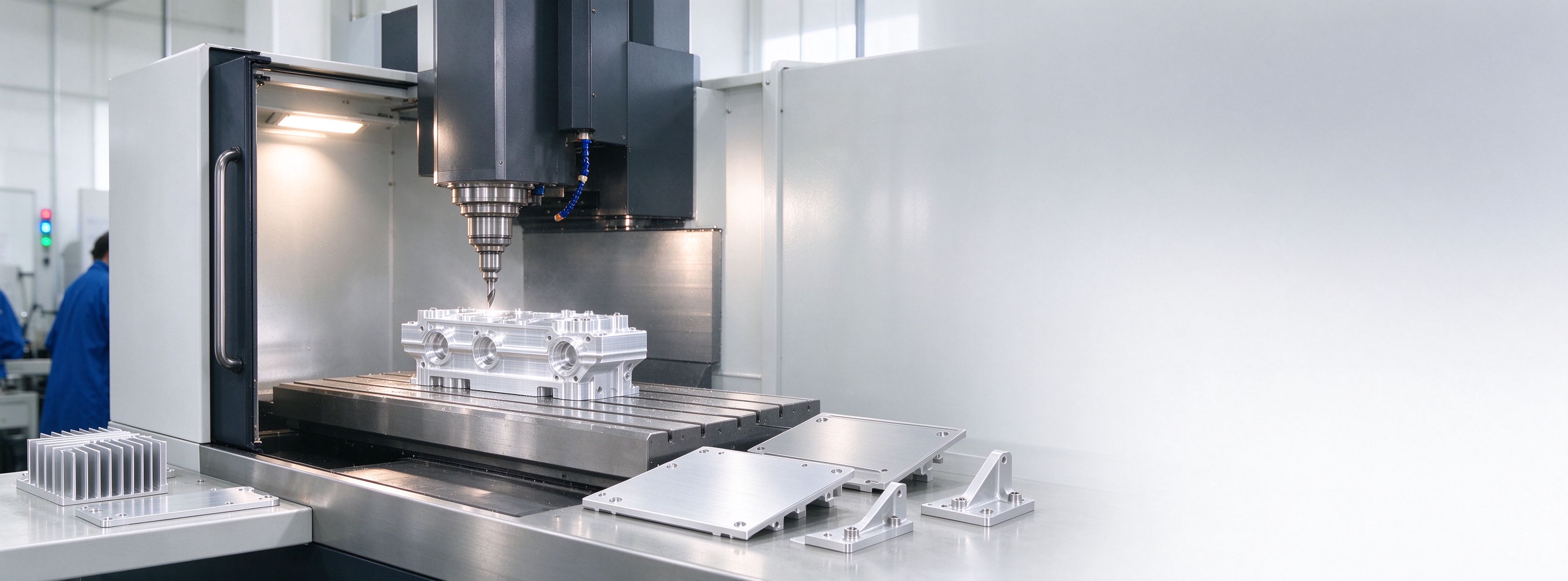
At Rejin CNC, a leading high-precision machining company and trusted multi-axis machining supplier, we specialize in high-precision multi-axis CNC machining, delivering custom turned and milled CNC machining parts that meet demanding engineering standards. By replacing traditional multi-step setups with continuous multi-axis machining centers and advanced 5-axis CNC machining, we help global OEM brands turn complex CNC parts and CAD blueprints into production-ready hardware with uncompromised accuracy.

The Limitations of Traditional 3-Axis Machining in Complex Manufacturing

Traditional 3-axis CNC milling machines operate along linear X, Y, and Z axes. While highly effective for simple flat profiles, prismatic blocks, and basic hole patterns, 3-axis machining encounters severe mechanical bottlenecks when faced with multi-sided or organic contours on high-precision parts.

Cumulative Setup Errors and Alignment Challenges

When a component requires machining on multiple faces, a 3-axis machine requires the operator to manually stop the program, unclamp the part, flip it, and re-clamp it into a secondary fixture.

  • Datum Shift Risks: Every manual re-clamping operation shifts the origin datum slightly, causing microscopic dimensional variations that stack up across successive features on complex CNC parts.
  • Extended Setup Downtime: Manual re-alignment requires dial indicators and probe sweeps, consuming valuable spindle time and driving up labor costs.
  • Surface Tool Mark Artifacts: Machining multi-angled surfaces across separate setups leaves visible blend steps and mismatches where tool paths meet.

Geometric Constraints and Tool Access Bottlenecks

Linear axis limitations restrict how the cutting tool approaches the workpiece, leading to compromise in tool selection and part geometry.
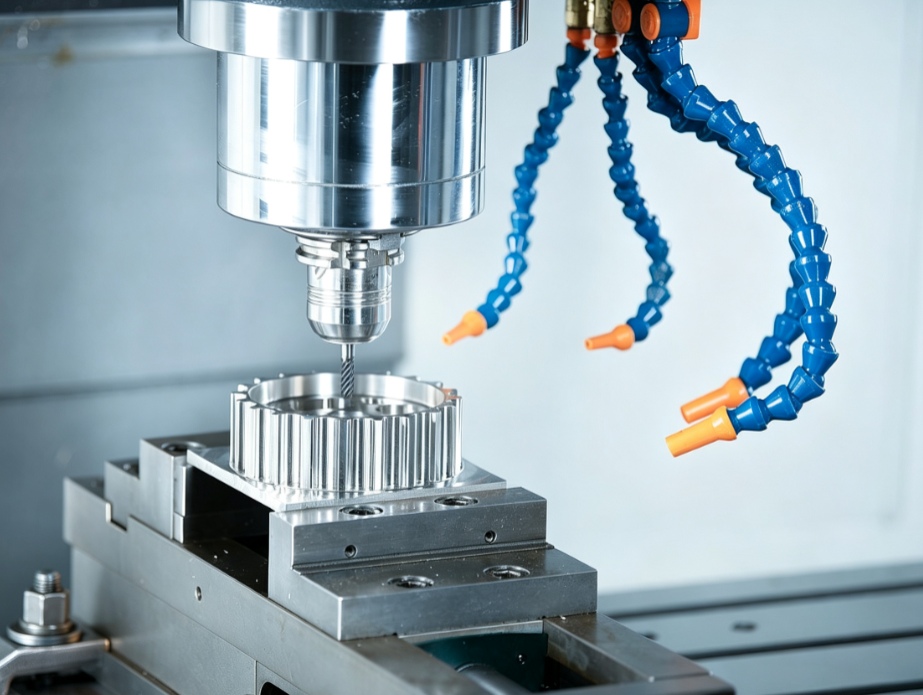
  • Rigid Cutting Angles: Fixed vertical cutting forces engineers to use long, slender end mills to reach deep pockets, inducing tool chatter and deflection.
  • Impossibility of Complex Contours: Continuous undercut angles, angled internal fluid channels, and organic impeller blades cannot be produced on a standard 3-axis machine in a single pass without advanced precision CNC machining.

Three-axis machining limits complex geometries, access, and dimensional accuracy

3-Axis vs. 4-Axis and 5-Axis Multi-Axis CNC Machining: Core Technical Advantages

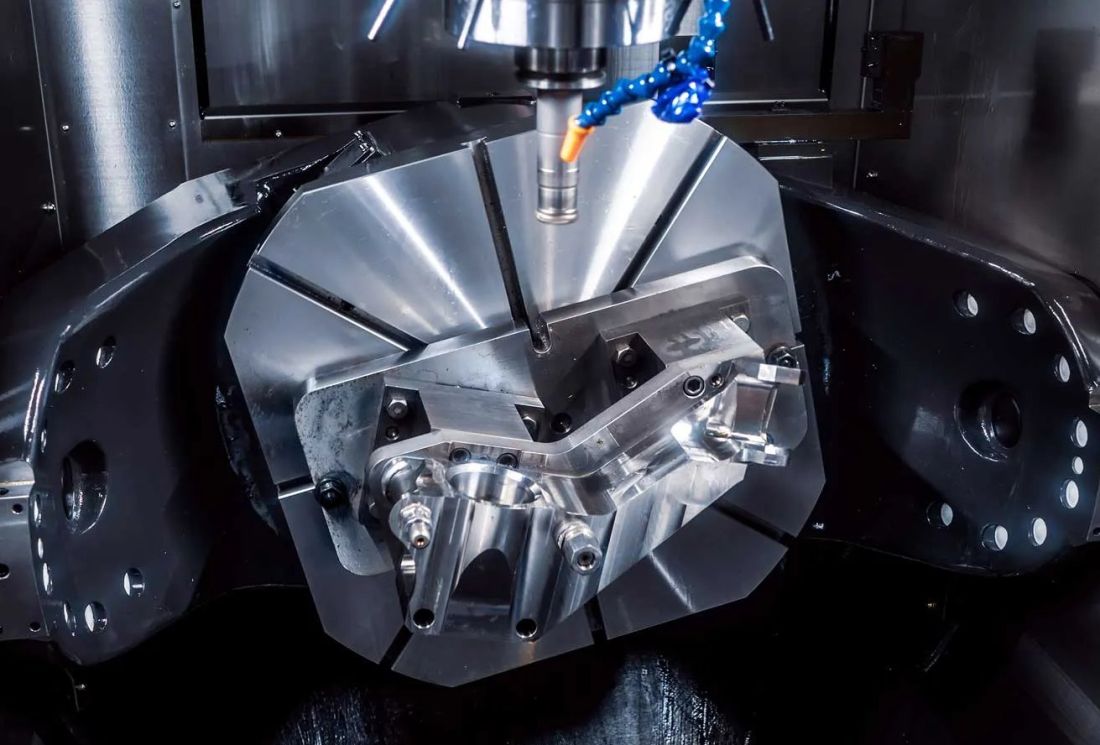
To overcome the physical boundaries of 3-axis milling, modern precision manufacturing relies on 4-axis and 5-axis CNC machining. By introducing rotational axes (A, B, or C), the cutting tool or the workpiece tilts dynamically during processing. As a specialized multi-axis machining supplier and OEM CNC machining service, Rejin CNC utilizes multi-axis CNC machining and continuous motion to deliver significant production benefits.

Ultra-High Precision and Tight Tolerance Control

Integrating rotational axes keeps the cutting point aligned with the coordinate system throughout the entire operation.

  • Sub-Micron Tolerances: Machining multi-sided features without disturbing the original clamping setup maintains tight tolerance machining down to ±01mm.
  • Optimal Cutting Speeds: Continuous axis tilting maintains the ideal chip load and contact angle, preventing tool rub and localized heat buildup during precision CNC machining.
  • Superior Surface Integrity: Smooth multi-axis machining and continuous contouring achieve refined surface finishes down to Ra 0.8 µm, eliminating manual post-polishing for high-precision parts.

Extreme Geometric Complexity in a Single Setup

Simultaneous multi-axis motion allows cutting tools to approach the material from virtually any angle to fabricate complex CNC parts.

  • Undercut and Deep Cavity Milling: Tilted spindles allow short, rigid cutting tools to access deep recesses without vibrating or breaking.
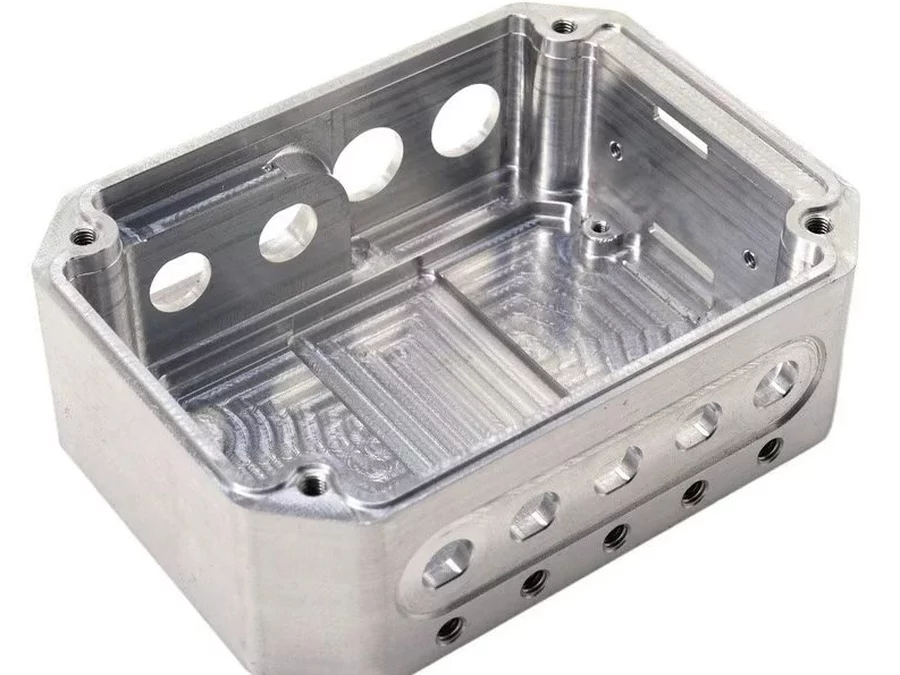
  • Freeform Compound Surfaces: Complex curves on drone structural mounts or audio equipment shells are milled cleanly in continuous 5-axis CNC machining operations.
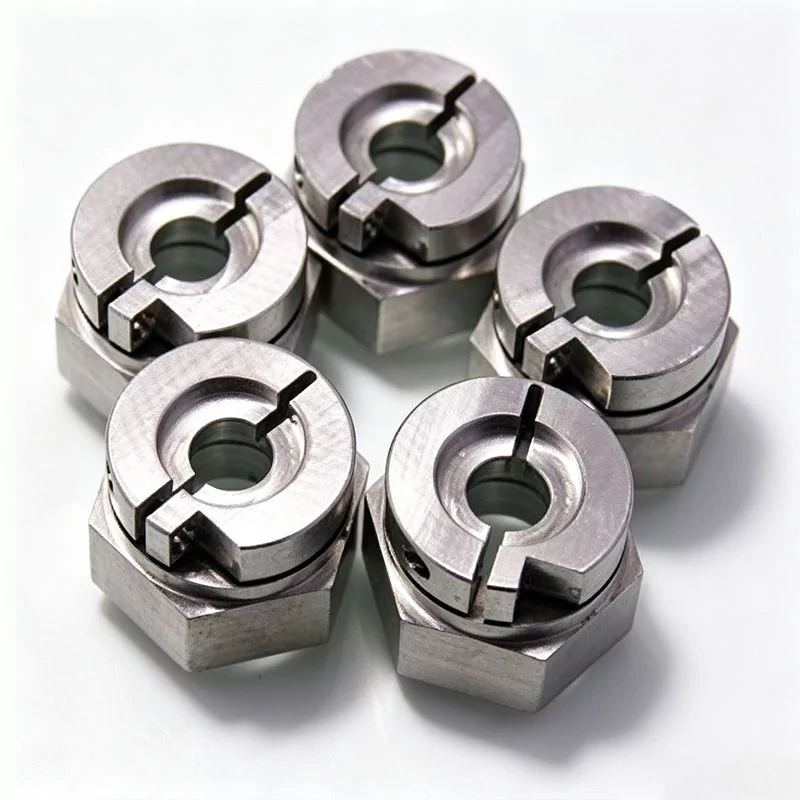
  • Integrated Threading and Cross-Boring: Compound-angle side holes, precision keyways, and external threads are completed in a single program cycle.

Efficient High-Volume OEM Production

Streamlining machine toolpath motion directly enhances factory throughput and cost efficiency for large-scale production of CNC machining parts.
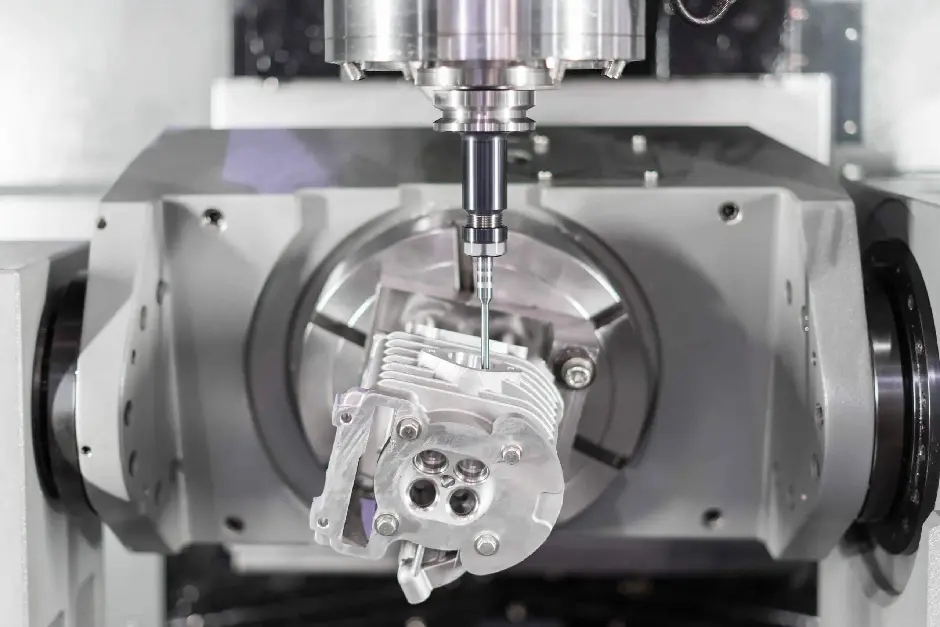
  • Reduced Cycle Times: Eliminating auxiliary setup steps cuts machining cycles dramatically—reducing complex housing production times from 120 minutes down to 45 minutes.
  • Extended Tool Longevity: Uniform tool wear profiles extend cutter life and reduce frequent tool offset calibration in multi-axis CNC machining.
  • Automated Batch Processing: Combining multi-axis centers with automated fixturing enables high-capacity manufacturing for high-precision parts.

Multi-axis CNC machining improves precision complexity and production efficiency

Technical Mechanism: How Eliminating Re-Fixturing Eliminates Stackup Error

In precision metal fabrication, accuracy is governed by the laws of mechanical physics. Understanding how error propagation occurs highlights why single-setup multi-axis CNC machining is crucial for high-spec engineering.

Fixturing Variance and Geometric Drift

Whenever a technician manually unclamps a semi-machined part, two main sources of error are introduced:

  • Clamping Pressure Deformation: Variable torque applied to vise jaws elastically deforms thin-walled metal components, causing spring-back distortion once released.
  • Particulate Contamination: Microscopic metal chips or oil film trapped between the locating pin and the part base introduce subtle angular tilting.

Single-Setup Machining Architecture

Multi-axis machining centers resolve geometric drift by executing all cutting paths under a unified coordinate space, enabling reliable tight tolerance machining.

  • Unified Datum References: By machining five sides in one setup through 5-axis CNC machining, all hole centers, planar faces, and true position tolerances are tied to a single initial reference zero.
  • Thermal Stability Management: Completing CNC machining parts quickly in one continuous run minimizes thermal expansion differences caused by shifting ambient factory temperatures.

Applications, Process Selection, and B2B Case Evaluation

High-precision CNC machining parts must perform reliably under strict operational conditions. As an established custom CNC parts supplier, precision machining manufacturer, and premier OEM CNC machining service, Rejin CNC matches equipment capabilities to real-world engineering demands.
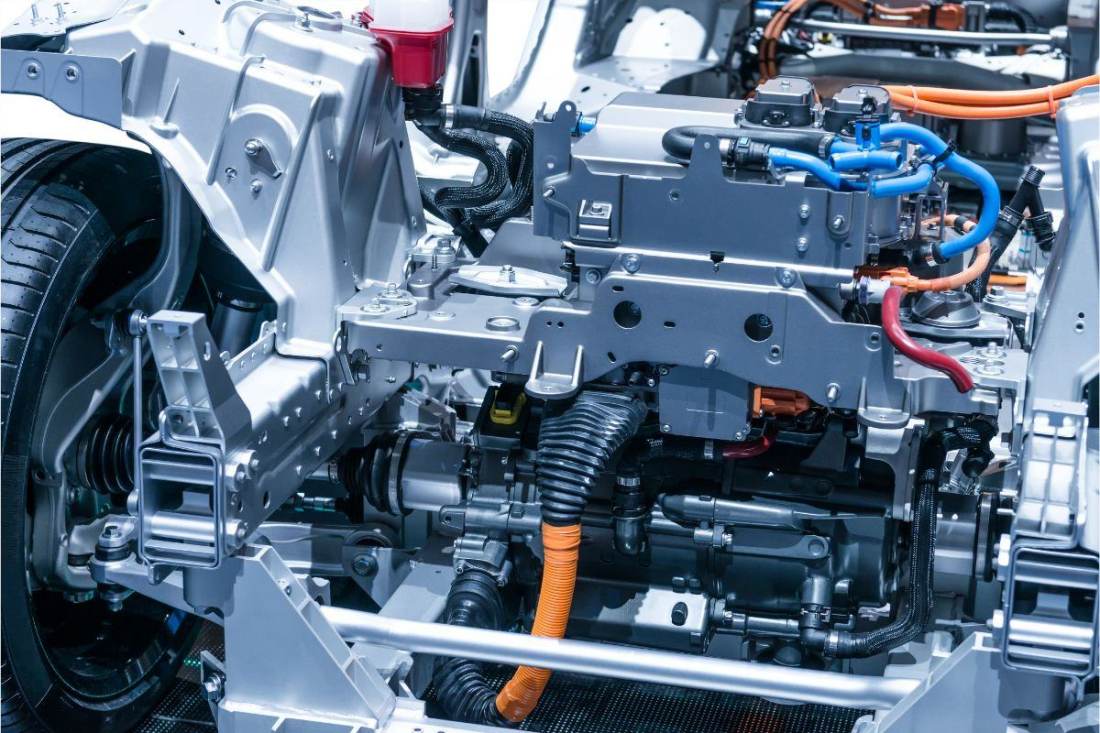
Multi-axis CNC machining EV motor cooling housings

Industry Application Scenarios and Problem Solving

Advanced multi-axis machining addresses critical structural and functional challenges across modern manufacturing sectors:

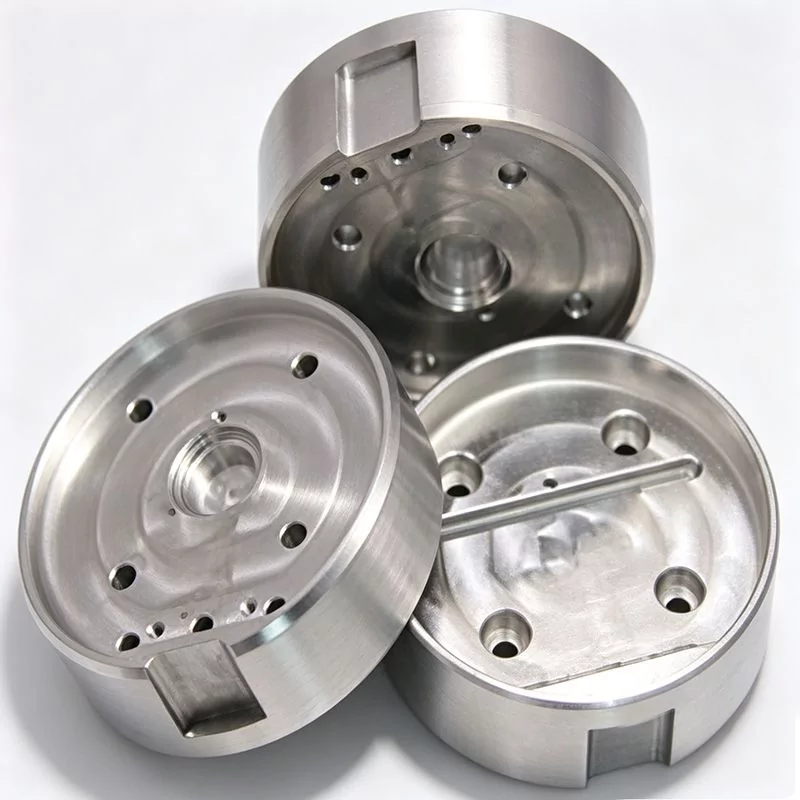
  • Automotive & EV Thermal Shells: Machining complex internal liquid cooling passages into EV motor housings ensures uniform heat dissipation and leak-proof sealing for complex CNC parts.
  • Drone & UAV Structural Frames: Precision milling of 6061/7075 aluminum alloy arm connectors maximizes structural stiffness while removing excess material for weight reduction in high-precision parts.
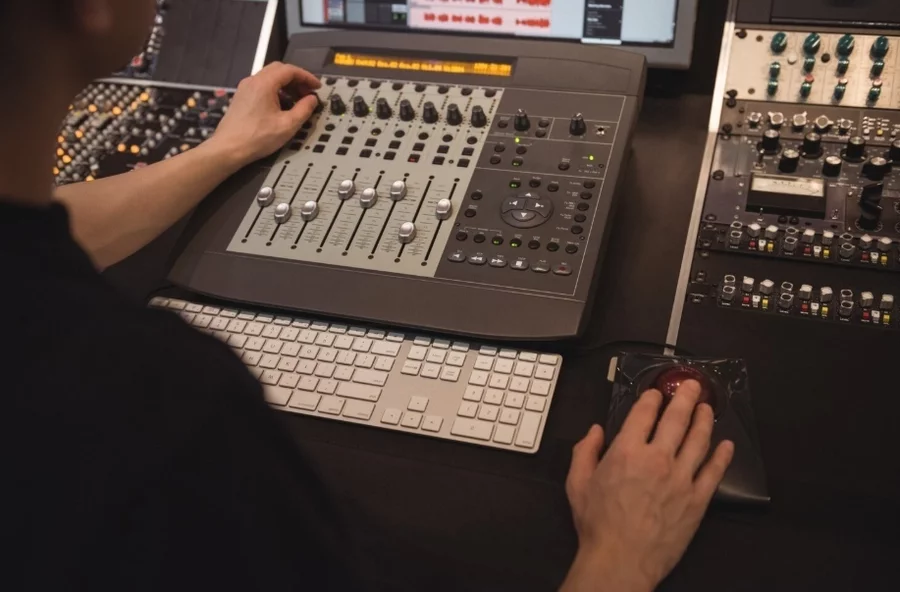
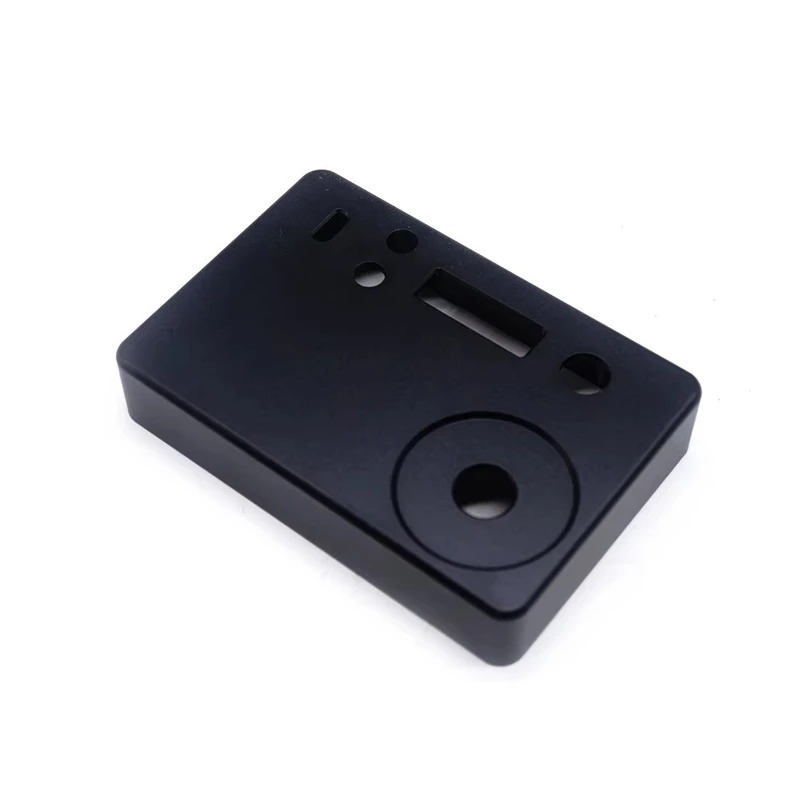
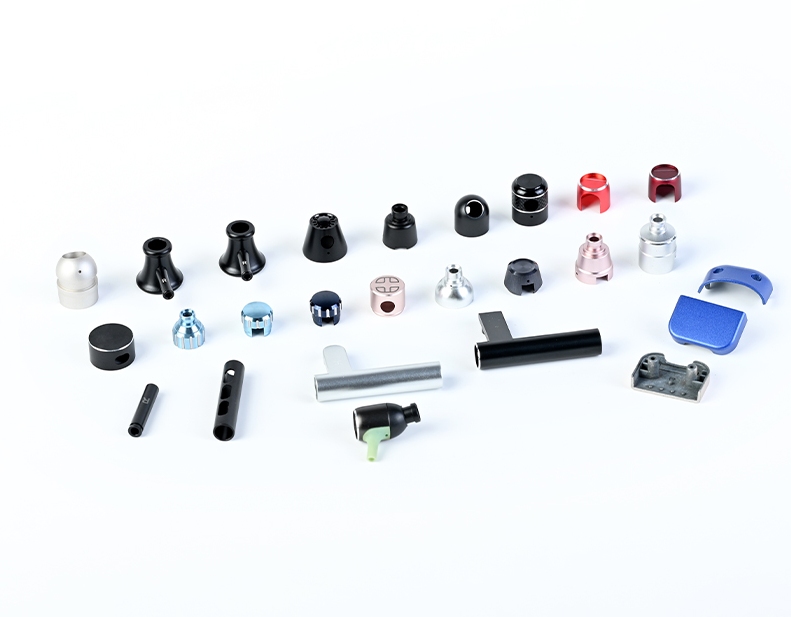
  • Electroacoustic & Audio Housings: Crafting aluminum headphone cups and amplifier front panels delivers resonance-free acoustic performance with clean surface finishes ready for anodizing.

Strategic Process Decision Thresholds: CNC Machining vs. Stamping

B2B procurement teams must select the most cost-effective manufacturing process based on production volume and geometric constraints.

  • Low-to-Medium Volume (<50,000 units/year): Precision multi-axis CNC machining is ideal because it avoids $10,000–$50,000+ upfront tooling/die investment and allows rapid design modifications for complex CNC parts.
  • High-Volume Sheet Components (>100,000 units/year): Precision metal stamping offers lower piece costs for thin, uniform sheet metal parts, whereas solid, thick-walled 3D components requiring tight tolerance machining and compound angles remain best suited for multi-axis machining centers.

Proven OEM Case Study and Scalability Metrics

To verify manufacturing capability, B2B buyers look for concrete performance history, facility scale, and quality control certifications from their precision machining manufacturer.
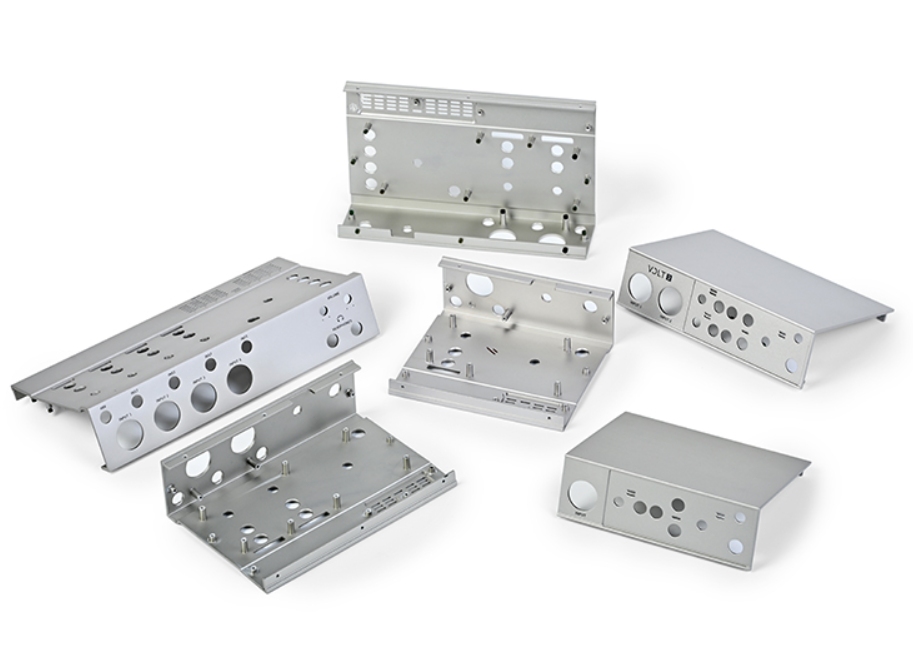
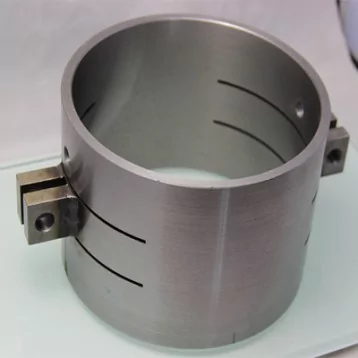
  • Case Study (European Audio Brand): A premium European electroacoustic brand required high-precision parts including aluminum bearing sleeves and acoustic housings. Rejin CNC implemented 5-axis CNC machining and turning workflows, reducing sample development from 12 days to 5 days, achieving a 100% on-time batch delivery rate, maintaining a first-pass yield above 99.5%, and keeping customer repair returns below 0.3%.
  • Equipment Infrastructure: Rejin CNC’s production facility operates over 100 high-end machining centers—including multi-axis machining platforms from Mazak, DMG MORI, and Brother—alongside automated anodizing lines.
  • Production Capacity & MOQ: As a flexible custom CNC parts supplier, we support order scales from prototype sampling (MOQs of 10–100 pieces) up to high-volume production exceeding 300,000 CNC machining parts monthly.
  • Quality Certifications: Full process quality control certified under ISO 9001:2015 and IATF 16949 standards, supported by automated coordinate measuring machines (CMM) and optical profiling equipment for precision CNC machining.

Scalable OEM CNC machining with certified quality and proven delivery

Partner with Rejin CNC for Your High-Precision Machining Needs

When your engineering designs need exact dimensions, complex shapes, and steady output at scale, multi-axis CNC machining gives you a real advantage. Rejin CNC serves as your high-precision machining company, multi-axis machining supplier, and OEM CNC machining service. We use years of experience, advanced 5-axis equipment, and IATF 16949 standards to turn your designs into finished parts without issues.

Ready to optimize your custom metal parts?

  • Email: info@rejincnc.com
  • WhatsApp/Phone: +86 13790500374

FAQ

Q: What is the primary operational difference between 3-axis and 5-axis CNC machining?

A: A 3-axis machine moves the cutting tool along straight X, Y, and Z paths. Workers often have to stop and re-fixture the part when they want to reach other sides. A 5-axis CNC machining center brings in two extra rotation axes labeled A, B, or C. With these added directions, the tool can reach five sides of complex CNC parts without stopping to reset the setup.

Q: How does single-setup multi-axis machining improve part tolerance consistency?

A: Machining a part in a single setup via multi-axis machining removes shifts in datums and changes in fixture position that come from unclamping by hand. The part stays on one coordinate system the whole time. This method supports tight tolerance machining down to ±0.01 mm on every face of high-precision parts.

Q: When should a B2B procurement team choose multi-axis CNC machining over sheet metal stamping?

A: Multi-axis CNC machining works well for solid 3D components that have complex geometries. It also fits production volumes below 50,000 units per year. Teams skip the expense of building stamping tools that can cost from $10,000 to over $50,000. Design changes stay simple because new tooling is not required each time.

Q: What quality inspection protocols ensure precision tolerances are met during mass production?

A: As a certified precision machining manufacturer, we begin with First Article Inspection. Probe checks happen while the machine is still running. After that, automated Coordinate Measuring Machines and optical surface profilers measure the finished work. All steps follow ISO 9001 and IATF 16949 rules so that precision CNC machining dimensions stay within spec.
 

Tags:

Table of Contents

Frequently Asked Questions

The ordering process is simple: 1.Submit your design files 2.Select materials and manufacturing processes 3.Receive quotation 4.Confirm the order 5.Production and delivery
We provide a wide range of services, including CNC Machining Services, Sheet Metal Fabrication, Surface Finishing Solutions, and DFM Analysis Support.
We offer multiple CNC machining materials, such as Copper (Cu), Iron (Fe), Aluminum (Al), Stainless Steel, and Engineering Plastics.
We accept credit card, PayPal, and T/T Bank Transfer.
Yes. You can track your order via our online tracking system or contact our support team through Customer Support Team.
Our CNC machining delivers high precision, typically with a tolerance up to ±0.005mm, depending on the material and complexity of the part.
Yes. We offer design and engineering assistance to bring your ideas to life. Our team can help with product design, prototyping, and optimization.
Latest Product

Check out our Product

View More
iPad Hub20260810

iPad Hub Manufacturer | CNC Metal iPad Dock & Expansion Hub

Our iPad hubs are CNC-machined from high-quality metal materials, providing stable structure, efficient heat dissipation, and precise interface
Read More
d8c2adb454a7e5b3c664443cdde0adac

CNC Coffee Machine Parts Manufacturer | Precision Coffee Equipment Components

A professional manufacturer specializing in custom, non-standard CNC machining of mechanical parts. We can tailor-make a wide range of special housings and other coffee machine components according to customer requirements, with a broad selection of materials available. Feel free to contact us for inquiries!
Read More
Precision Stamping Parts

Precision Stamping Parts Manufacturer | Custom Metal Stamping Components

Rejin CNC manufactures precision stamping parts with high dimensional accuracy and consistent quality. Our metal stamping components are widely used in electronics, automotive, and industrial equipment, supporting OEM & ODM production.
Read More
Robotic arm

Custom CNC Machined Robot Joint & Structural Parts | Precision Metal Components

These CNC machined robot components are designed for robotic systems, including joint parts, shafts, and structural components. High precision ensures smooth motion and long-term stability.
Read More
Rejin CNC | Custom CNC Machining & Sheet Metal Manufacturer

From Blueprint To Finished Precision Metal Parts | ISO & IATF Certified Custom OEM Factory

Upload your CAD drawings & specifications, get a customized quotation within 24 hours. We provide free design support, ultra-tight tolerance machining and full quality inspection for all OEM orders.

    Your Name

    Email*

    Tel

    WhatsApp

    Message

    File upload

    File preview

    There is no file for now. Please select a file for preview


    Products
    Contacts
    WhatsApp
    Email