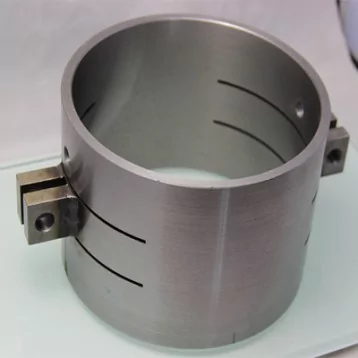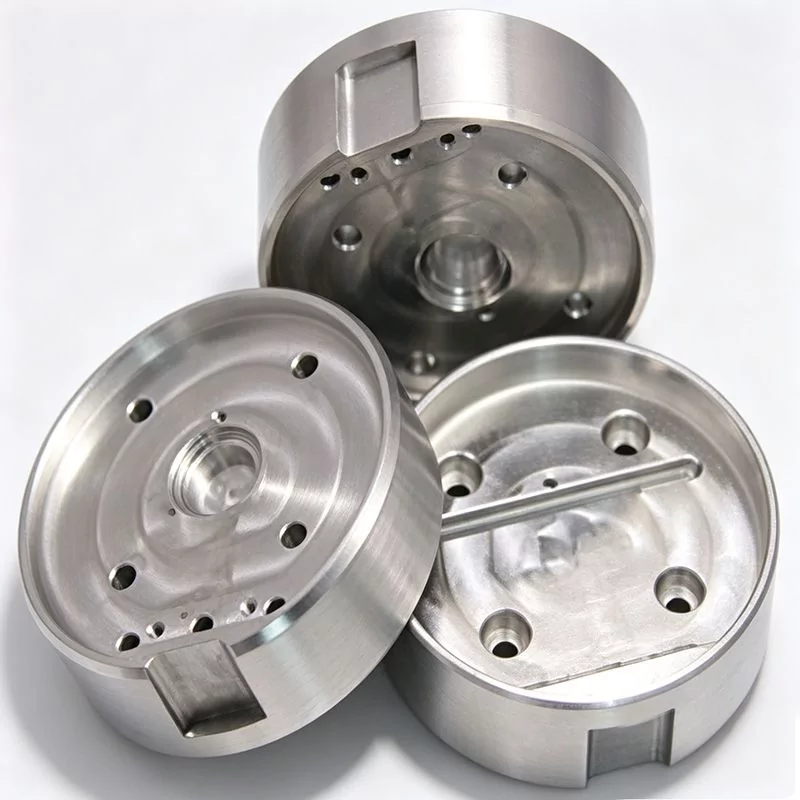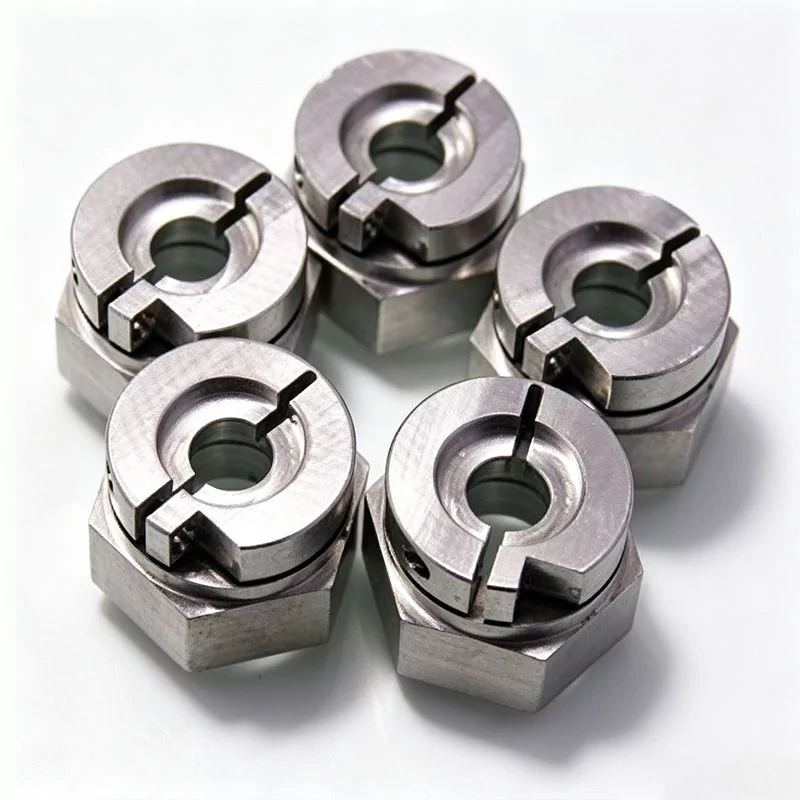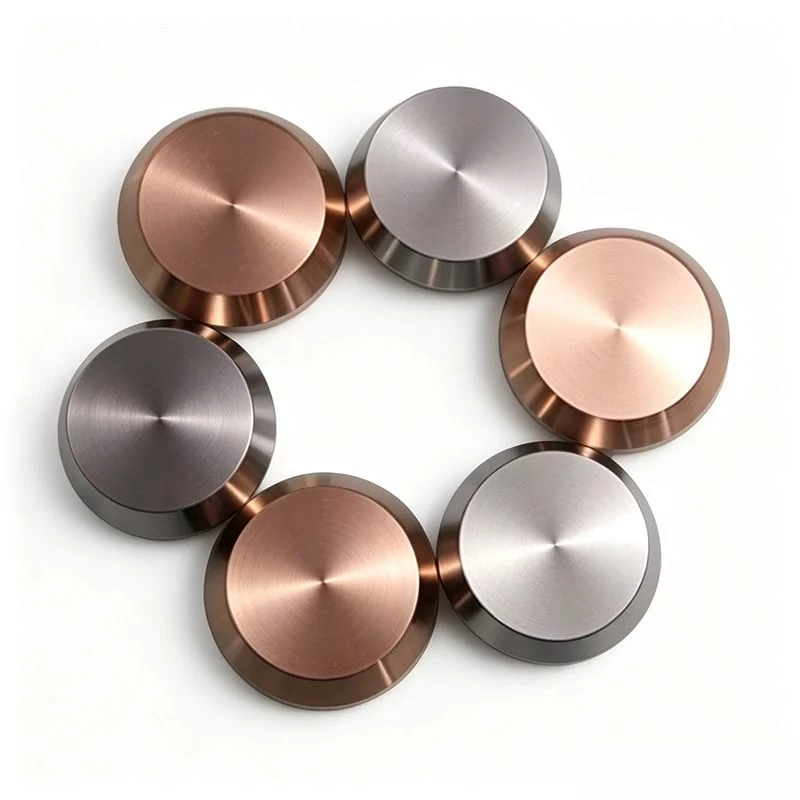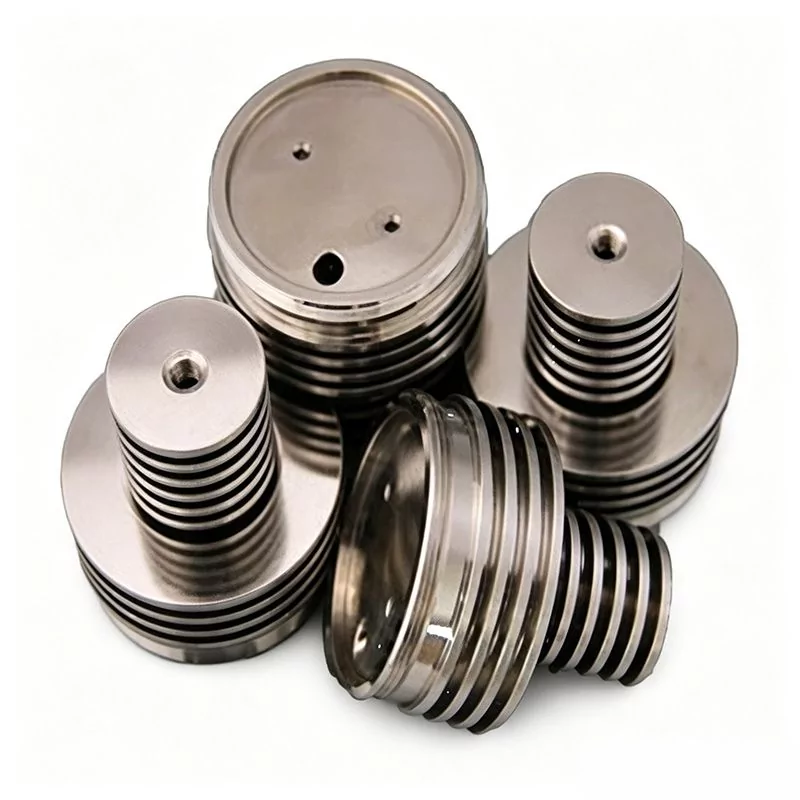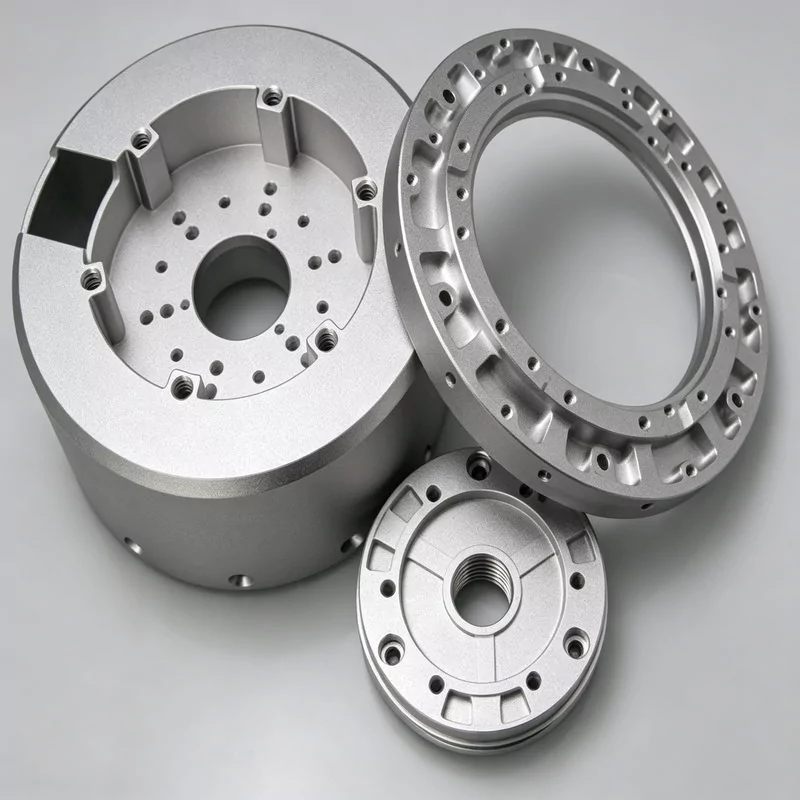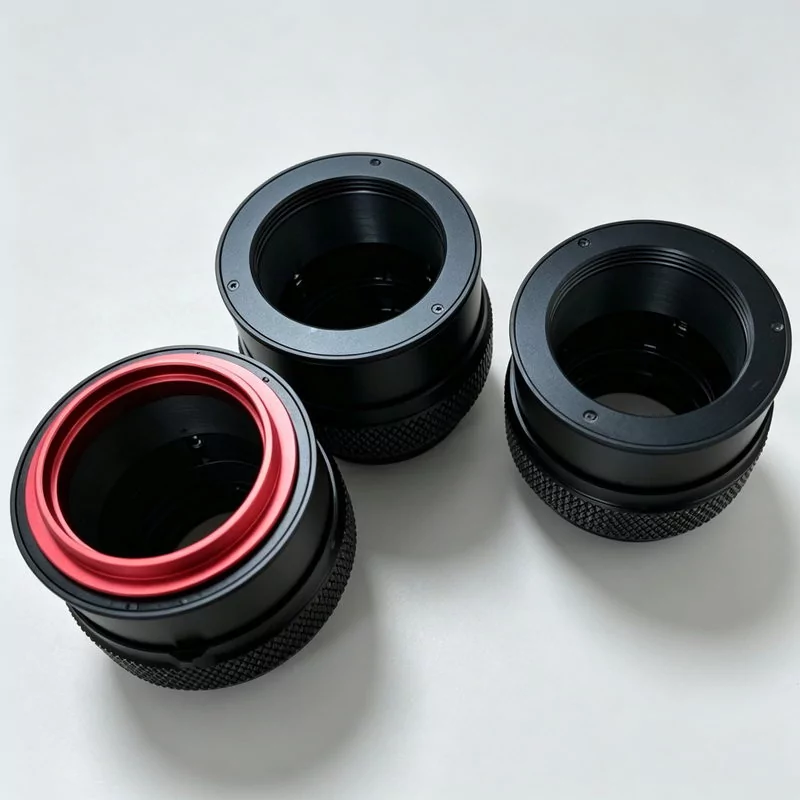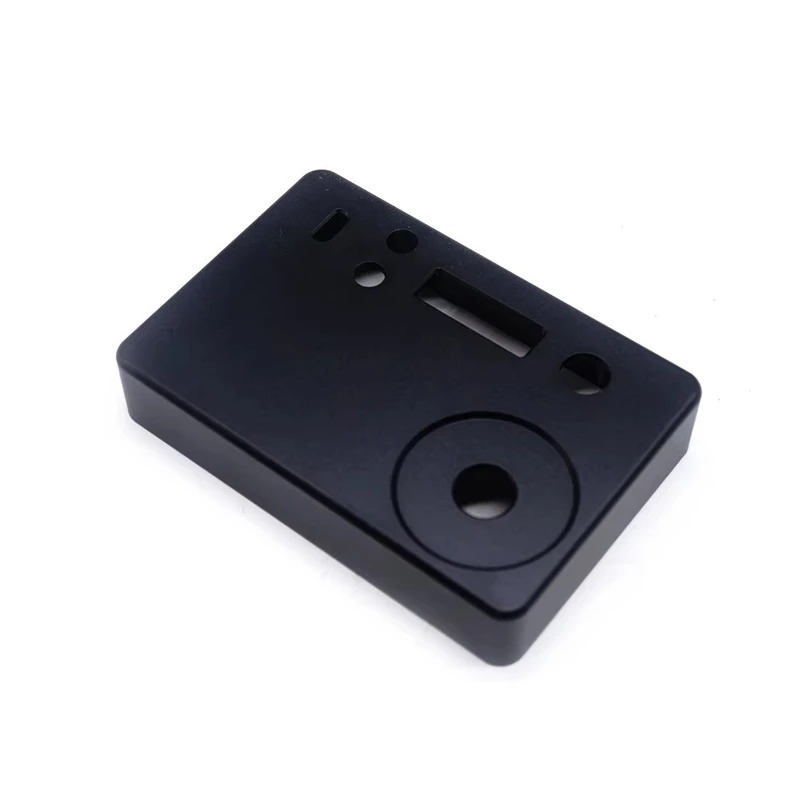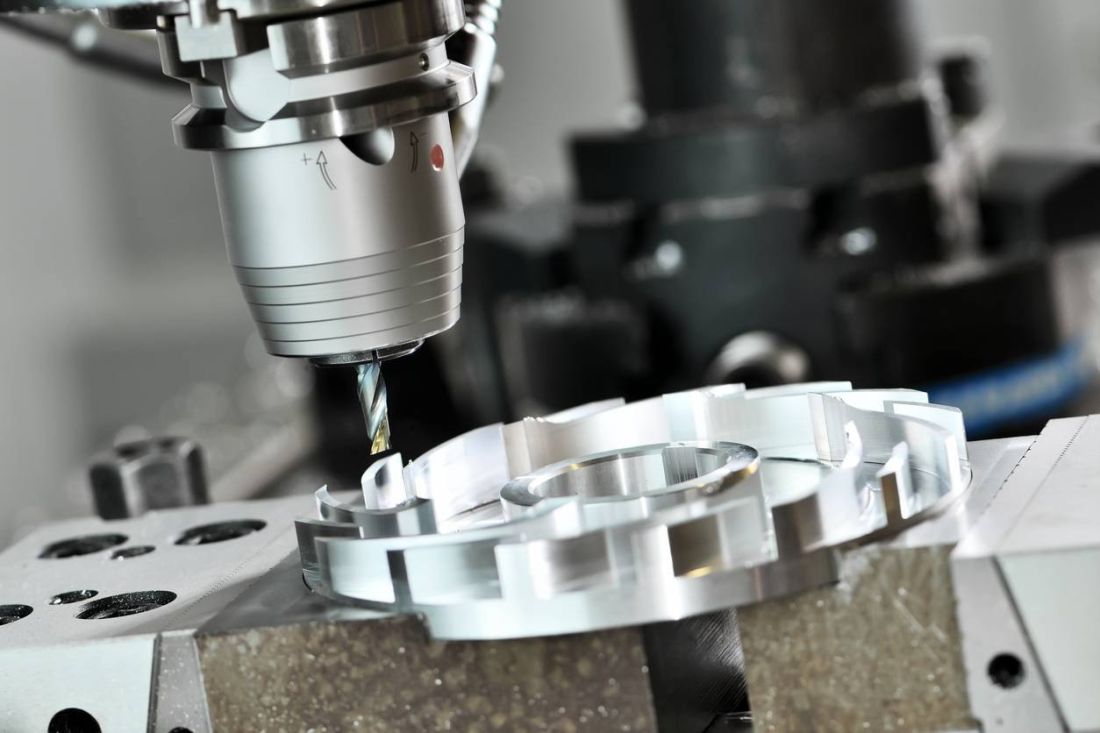
Modern industrial hardware design keeps pushing mechanical performance further. Designs now call for tighter tolerances, lighter alloys, and more complex internal shapes. Whether the work involves automotive fluid distribution modules, UAV structural frames, or high-end electroacoustic enclosures, finding a reliable precision CNC machining supplier is key to turning CAD blueprints into consistent, defect-resistant parts. As an experienced precision machining company and OEM CNC machining supplier, Rejin CNC helps global original equipment manufacturers (OEMs) handle these technical needs through specialized component machining, integrated multi-axis technology, and strict quality control.
Engineering Challenges in Complex Component Manufacturing
Sourcing custom mechanical components with detailed contours means dealing with basic physics and metallurgy issues well before the first tool touches the workpiece. Knowing these friction points helps procurement teams decide if a CNC machining manufacturer has real technical skill or just basic equipment for custom CNC machining.
Managing Tight Tolerances and Thermal Expansion
Keeping exact dimensions across long production runs means controlling mechanical wear and thermal changes through careful tight tolerance machining.
- Dimensional Drift Control: Machining high-precision components to tolerances of ±0.005mm needs climate-controlled workshops. This stops linear thermal expansion in both the machine frame and the metal itself.
- Single-Setup Alignment: Moving complex parts across several jigs creates cumulative datum stacking errors. Using multi-axis setups cuts re-clamping steps by up to 80% when making precision machined components.
- Tool Pressure Management: High-speed cutting in tough stainless steel or titanium creates localized friction heat. This calls for well-planned coolant delivery and real-time tool wear compensation.
Material Machinability and Thin-Wall Structural Integrity
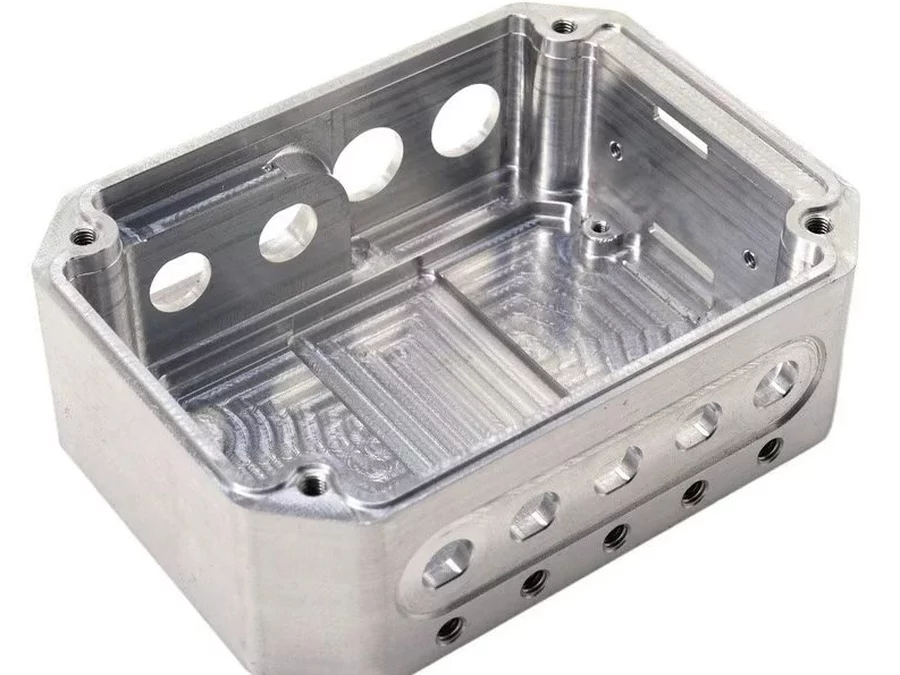
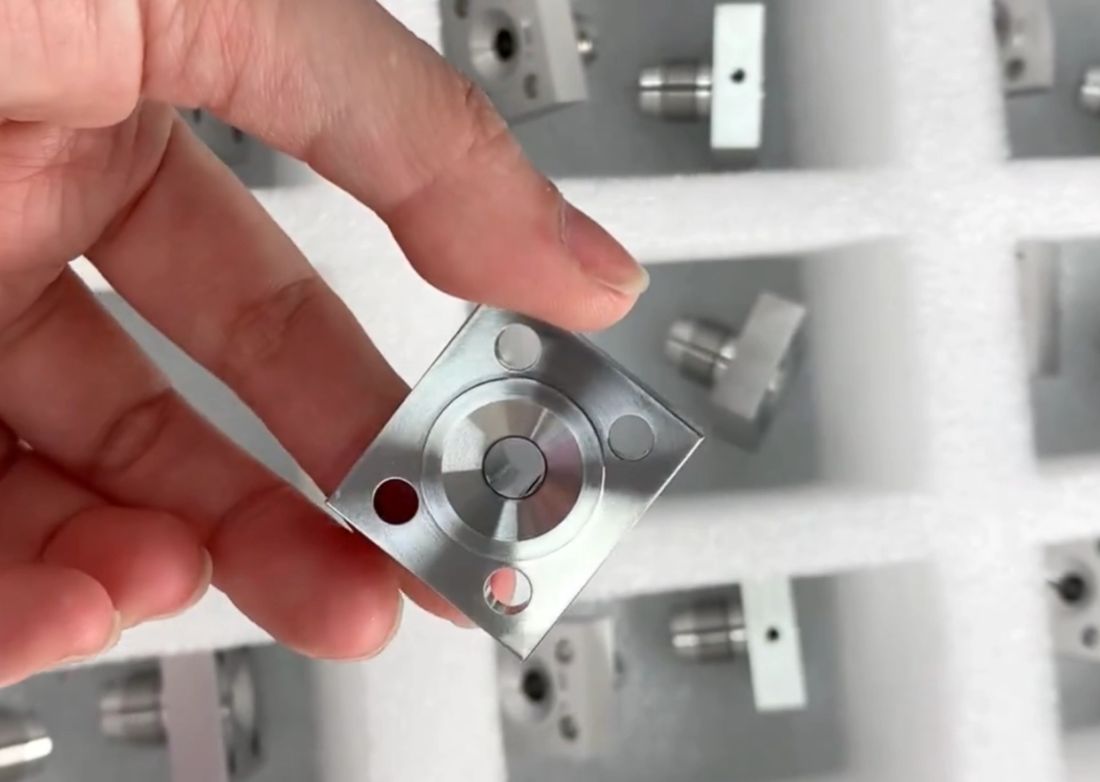
Complex housings and heat dissipation enclosures often have thin walls that can chatter or permanently deform. This requires special skill in complex CNC machining.
- Alloy Selection Parameters: Moving between structural aluminum (AL6061/7075) and ductile copper or stainless steel (SUS304/316) needs matching cutting speeds and specific rake angles.
- Vibration Suppression: Machining wall thicknesses under 1.5mm needs custom dampening fixtures and careful cutter paths to remove surface chatter marks on high-precision components.
- Residual Stress Relief: Pre-machining stress relief heat treatments are needed for large structural components. This prevents warpage after material is removed.
Critical Evaluation Criteria for Choosing a Precision CNC Machining Supplier
Judging potential manufacturing partners means looking past marketing materials. It means checking actual shop-floor equipment, process control, and cost-efficiency limits.
Multi-Axis Machining Infrastructure and Advanced Tooling
The technical level of a machine shop decides how well it can handle CNC machining complex geometries without losing accuracy.
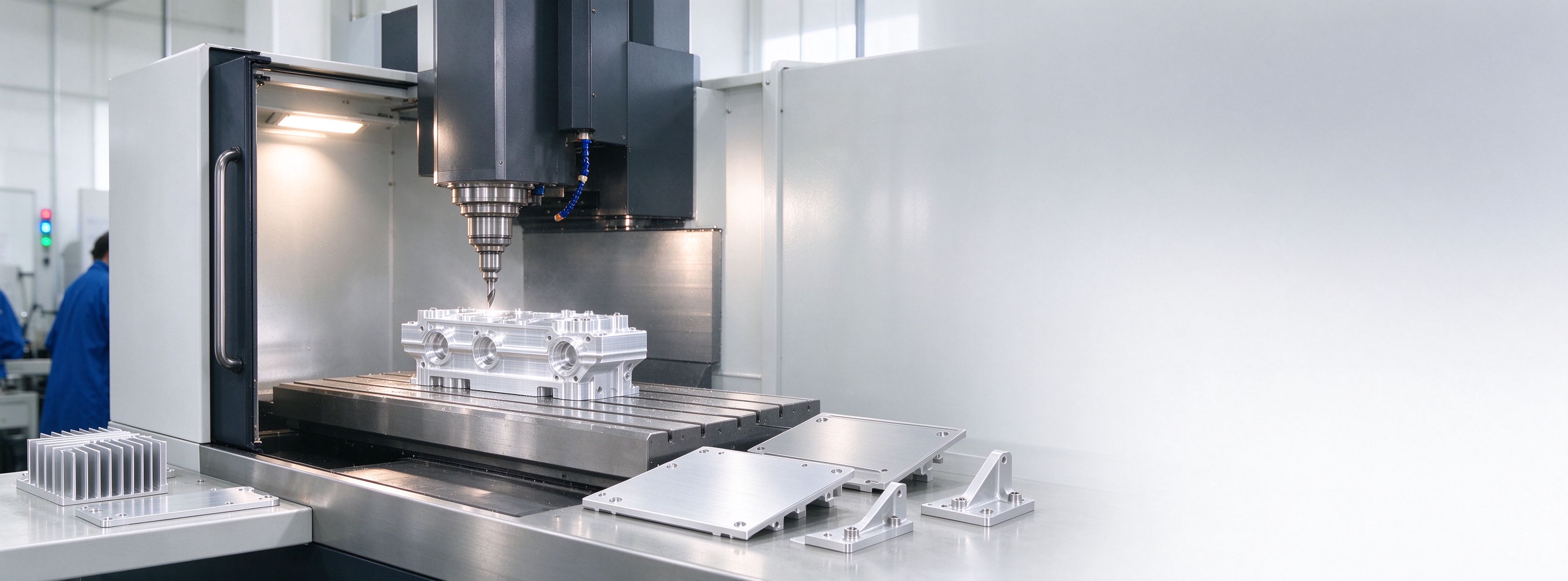
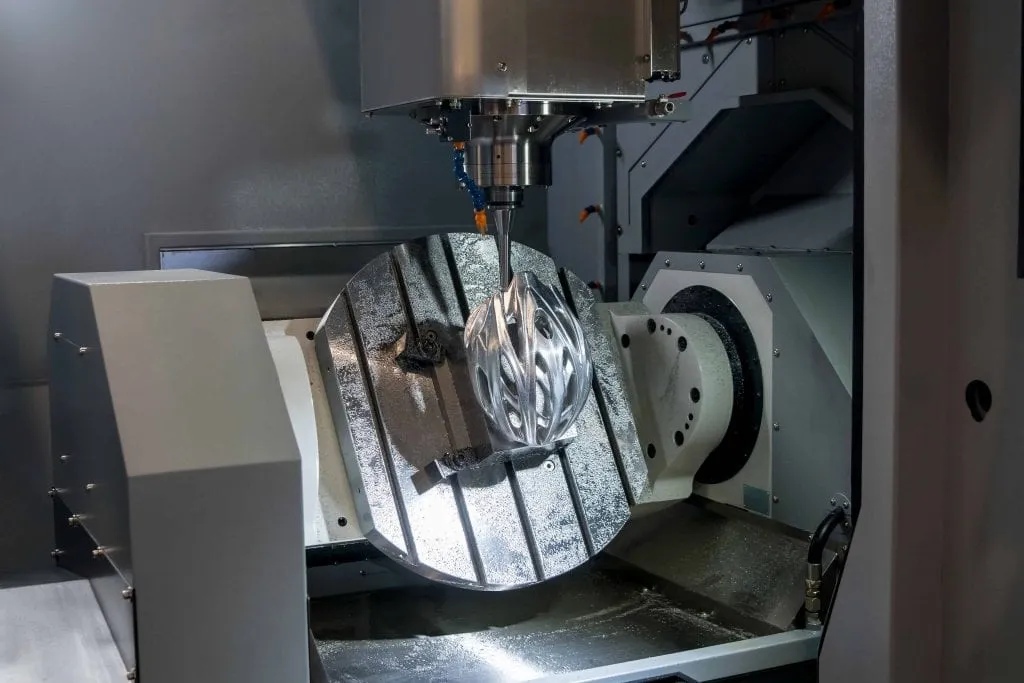
- 5-Axis Simultaneous Linkage: Advanced 5-axis CNC machining centers allow continuous tool orientation along complex 3D surface contours. This supports production of impellers, turbine blades, and curved robotics joint parts with high accuracy.
- High-End Machine Brands: Trusted contract manufacturers use premium multi-axis equipment such as Mazak and DMG MORI machinery. This keeps machine frame rigidity and sub-micron scale positioning feedback during complex CNC machining.
- Live-Tooling Turning Centers: Integrated CNC milling and turning centers perform facing, cross-drilling, keyway milling, and thread tapping in one automated chuck setup for specialized component machining.
In-House Vertical Integration versus Outsourcing Risks
Sending individual process steps to several third-party shops exposes OEM buyers to quality disputes, surface scuffs, and schedule delays. Choosing a fully capable contract CNC manufacturing provider reduces these risks.
- Unified Process Control: As a vertically integrated precision machining company, Rejin CNC handles CNC milling and turning, surface treatments, and final CMM inspection under one quality management system.
- Controlled Surface Finishing: In-house automated anodizing, sandblasting, and powder coating lines remove transport-related part damage. They also keep color consistency within tight delta-E limits.
- Single-Point Accountability: Keeping all production phases under one roof means clear batch records and clear responsibility for every dimension on the engineering print.
Process Selection Thresholds: Custom CNC Machining versus Metal Stamping
Choosing between custom CNC machining and sheet metal stamping depends mainly on order volume, geometry complexity, and initial capital cost.
- Low-to-Mid Volume (1 – 3,000 units): Working with a custom CNC parts manufacturer for machining is the most cost-effective choice. It requires no hard tooling cost and allows fast design changes.
- High Volume Threshold (10,000+ units): Precision metal stamping becomes more economical when high initial die and tooling costs can be spread across large production volumes.
- Geometric Hybrid Requirements: High-precision deep pockets, internal threads, and variable-wall housings must be CNC machined no matter the volume. Stamping cannot create three-dimensional volumetric features.
Practical Engineering Impact and Case Evidence
A supplier’s real ability shows through verified field performance in demanding industrial applications where precision machined components matter.

Automotive Fluid System Connectors and Bearing Components
A Tier-1 automotive supplier needed a corrosion-resistant fluid transfer connector that could keep long-term pressure sealing under continuous thermal and vibration cycles.
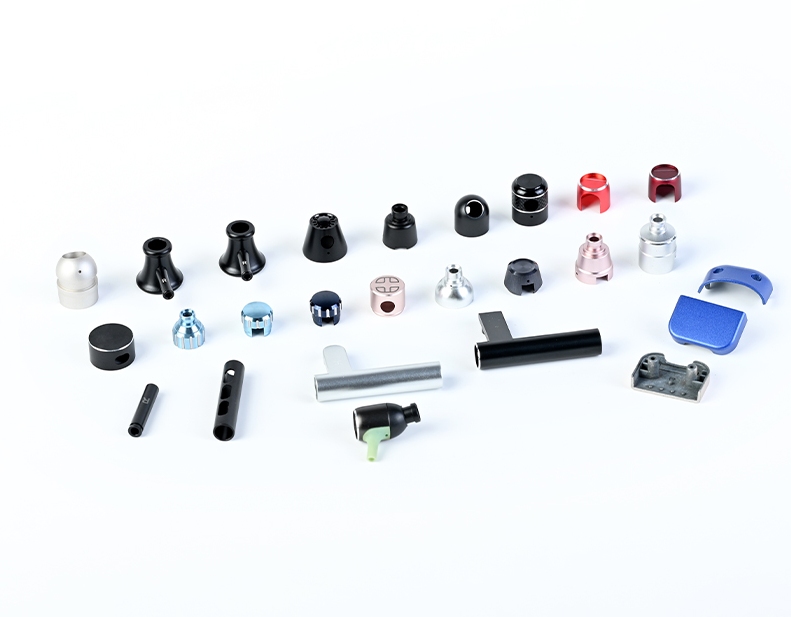
- Material and Machining Solution: Rejin CNC, acting as a trusted OEM CNC machining supplier, made the components from SUS304 stainless steel using multi-axis turning centers. Stepped sealing shoulders and concentric mounting threads were integrated in one setup.
- Verification and Quality Metrics: Every unit went through 100% thread plug-gauge testing and optical profile inspection. This confirmed precise concentricity and tight tolerance machining across the entire pilot lot.
- Production Scale and Transition: After confirming zero pressure-fit leaks during vehicle field testing, the project moved smoothly into long-term serial supply with 100% on-time delivery metrics.
Premium Audio Hardware Housings and Control Interfaces
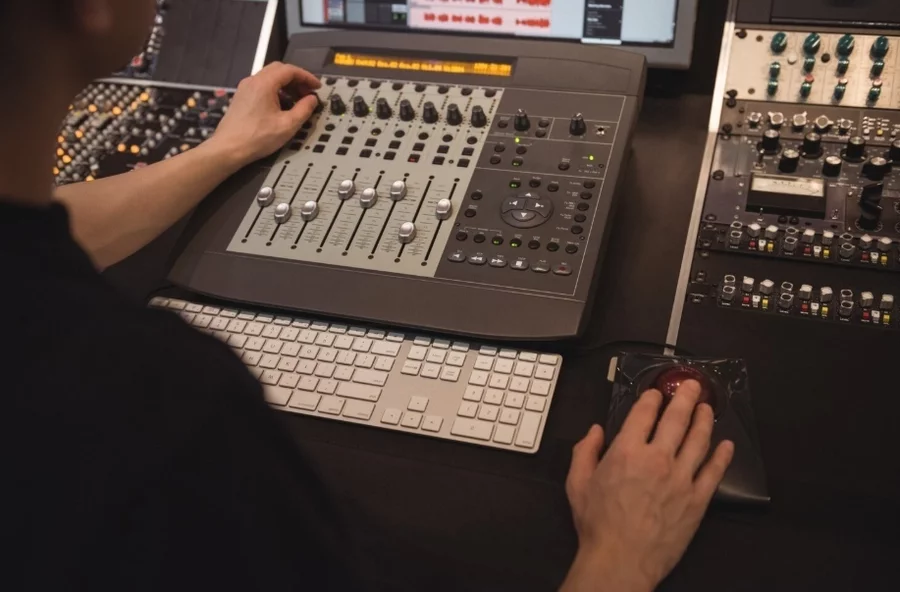
A leading European audio equipment brand needed aluminum control unit enclosures with a horizontal brushed texture and color-stable anodizing for high-end retail products.
- Execution and Finishing: Using 6063 aluminum, Rejin CNC applied precision milling followed by automated horizontal brushing, black anodizing, and clear laser engraving for interface graphics.
- Volume Scalability: Rejin CNC set up dedicated machining cells as a specialized custom CNC parts manufacturer to support a steady monthly output exceeding 20,000 units. Surface color matching stayed precise across consecutive production batches.
- Supply Chain Impact: Delivering fully finished, assembly-ready enclosures removed cosmetic rejection risks. This allowed the client to streamline their final hardware assembly line.
Why Global OEM Brands Partner with Rejin CNC
Headquartered in Dongguan, Rejin CNC runs high-precision machining centers and automated surface treatment lines. Supported by standard operations certified to ISO 9001:2015 and IATF 16949 automotive standards, we act as a dependable precision CNC machining supplier and contract CNC manufacturing partner for client operations across more than 150 countries.
Comprehensive DFM Review and Rapid Prototyping
Finding manufacturing bottlenecks early in the design stage protects projects from expensive late-stage drawing changes.
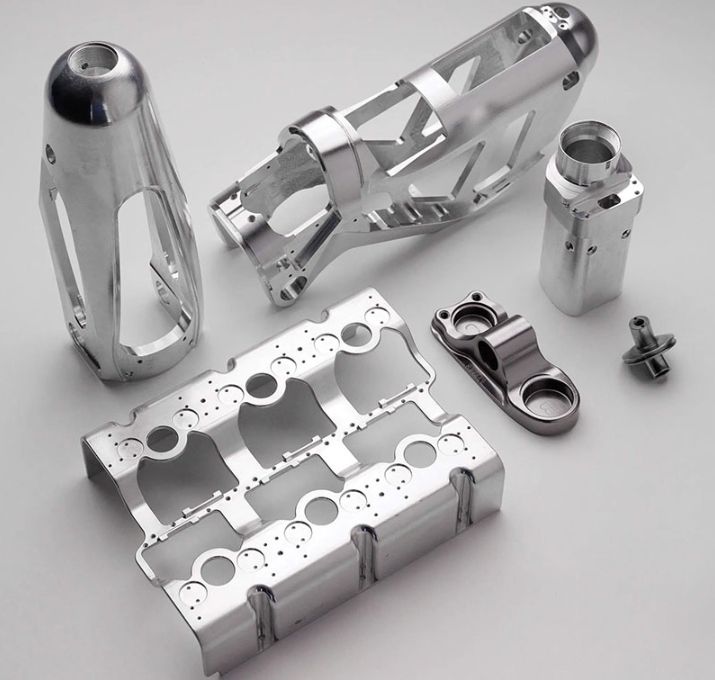
- 24-Hour Engineering DFM Feedback: Our technical engineering team reviews all submitted CAD files to check wall thickness limits, tool clearance, and thread depths. They offer practical cost-reduction suggestions for CNC machining complex geometries.
- Fast Prototyping Turnaround: Prototype samples for milled, turned, or 5-axis CNC machining parts are finished within 3 to 5 business days to support rapid design validation.
- Seamless Scalability: Manufacturing routines set during the prototyping phase are recorded in standardized process instructions for a smooth transition into volume production.
Quality Assurance Infrastructure and Certification Compliance
Our quality control procedures as a leading CNC machining manufacturer are backed by recognized international certifications and advanced dimensional inspection equipment.
- Automotive & Quality Certifications: Our manufacturing system strictly follows IATF 16949 and ISO 9001 standards. This meets demanding industrial traceability requirements.
- Full Inspection Archives: Every production batch can come with complete documentation, including First Article Inspection Reports (FAIR), material certifications, and CMM measurement data for all high-precision components.
- Micron-Level Verification: Coordinate Measuring Machines (CMM), optical profile projectors, and surface roughness testers confirm that every critical tolerance requirement is met.
Partner with Rejin CNC for Your Complex Component Projects
If your engineering team is developing complex hardware that needs specialized component machining, tight tolerances, refined surface finishes, and dependable batch production, Rejin CNC provides the equipment and technical skill to bring your designs to market. Upload your 2D and 3D CAD drawings today to receive a full DFM analysis and official quotation within 24 hours from an established precision CNC machining supplier.
- Phone: +86 13790500374
- Email: info@rejincnc.com
FAQ
Q: What design file formats are accepted for DFM analysis and quotation?
A: We accept standard 3D CAD formats, including STEP, STP, IGES, and X_T, as well as 2D PDF or DWG drawings with specified tolerances and surface finish notes for custom CNC machining.
Q: How does 5-axis CNC machining improve quality compared to traditional 3-axis milling?
A: 5-axis CNC machining finishes complex multi-sided geometries in a single fixture clamping. This removes cumulative positioning errors caused by multiple manual re-fixturing steps when executing CNC machining complex geometries.
Q: What is the typical lead time for custom prototype parts versus mass production?
A: Rapid CNC prototypes are delivered within 3 to 5 working days. Medium-to-large production runs handled by our precision machining company typically take 2 to 4 weeks depending on surface treatment complexity.
Q: Can CNC machining handle thin-wall aluminum enclosures without distortion?
A: Yes. By using high-speed machining strategies, specialized dampening fixtures, and optimized tool paths, thin-wall structures can be machined within tight tolerances without warping during tight tolerance machining.