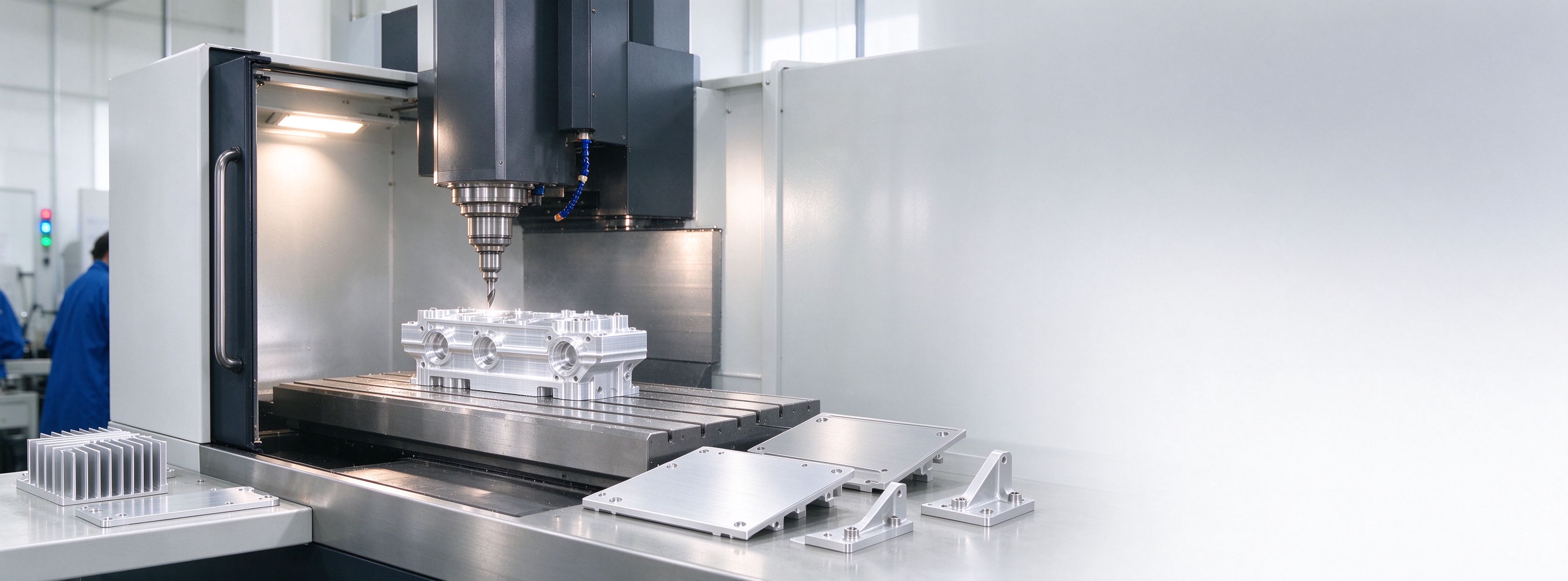
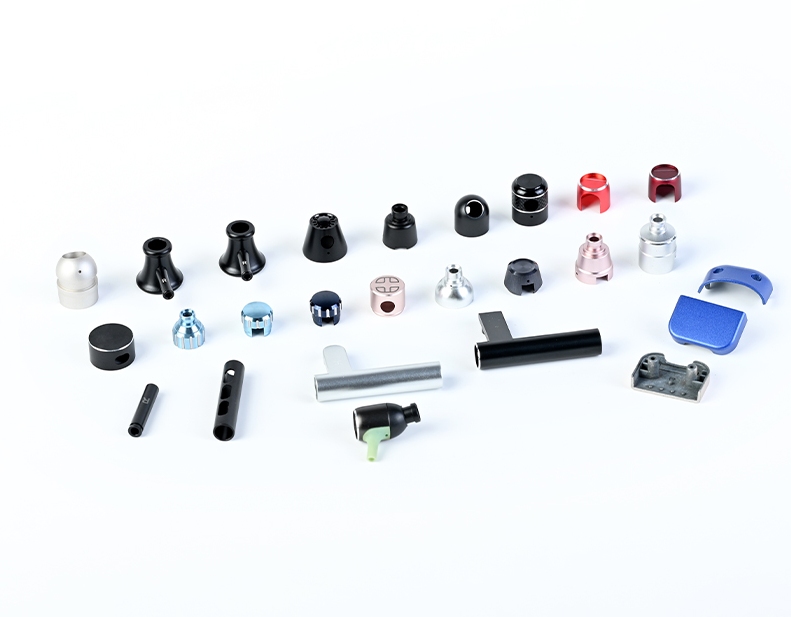
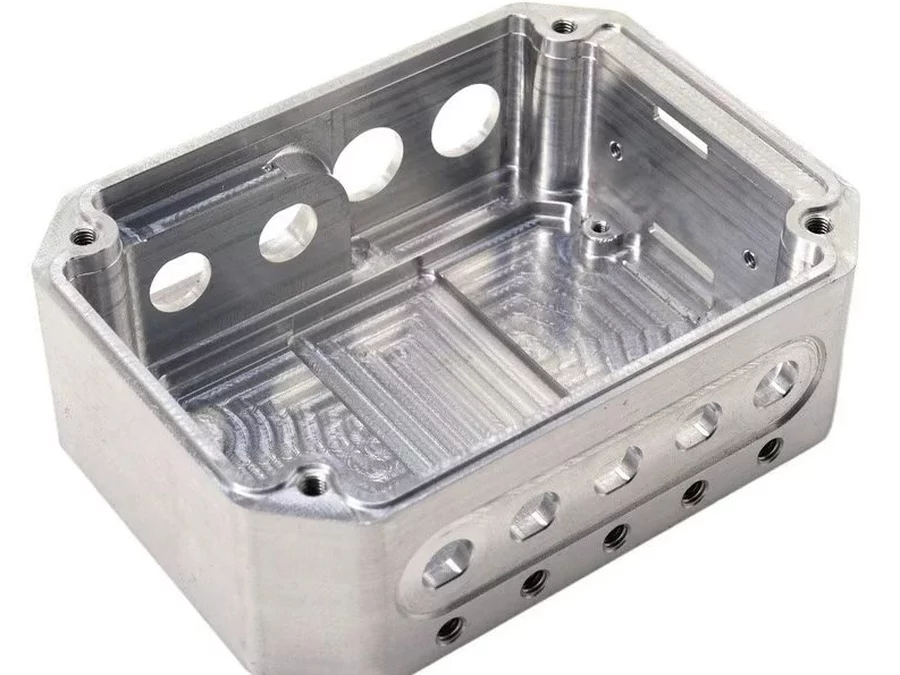
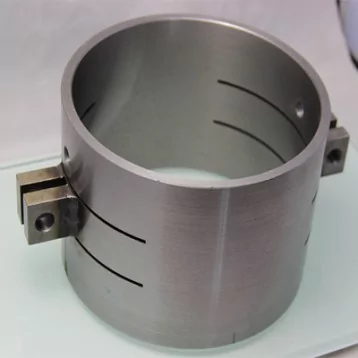
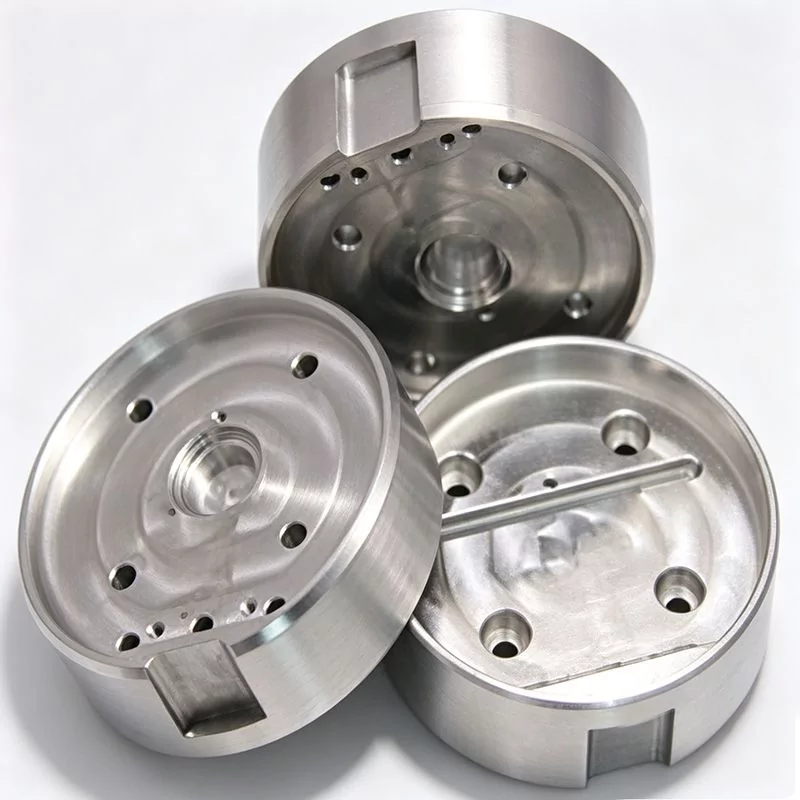
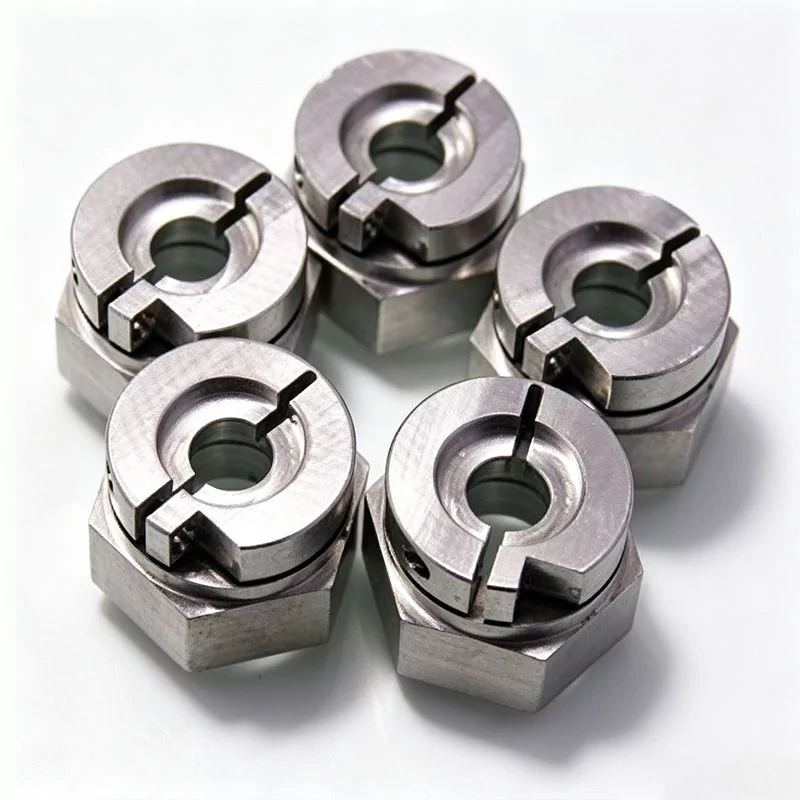
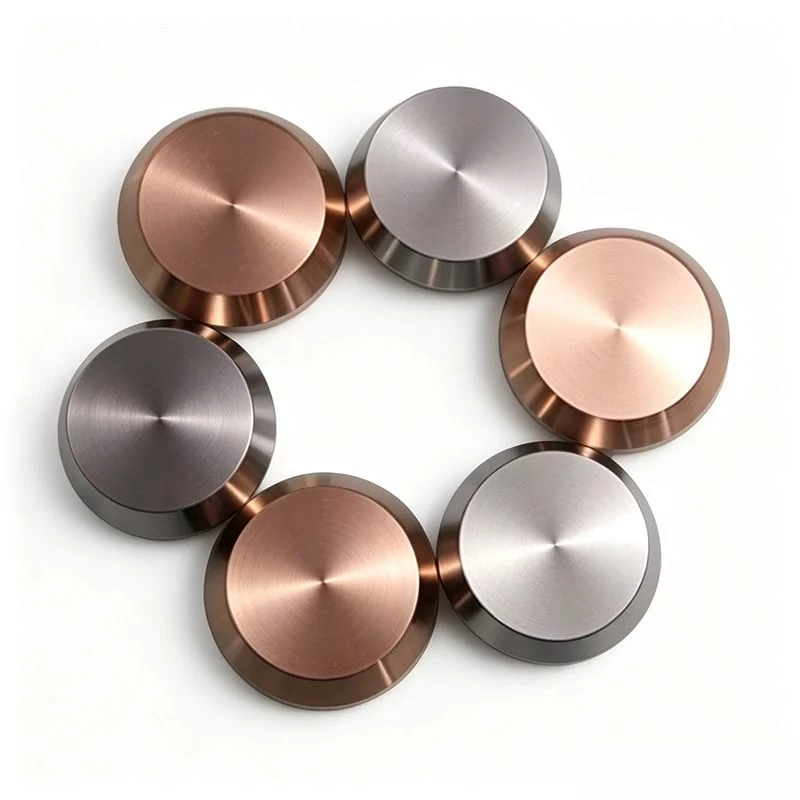
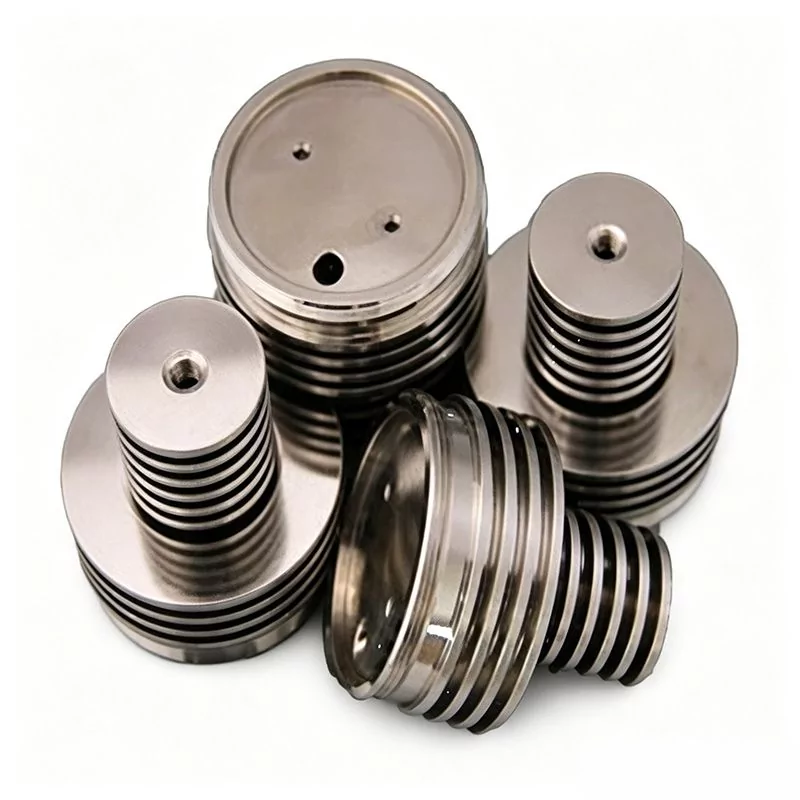
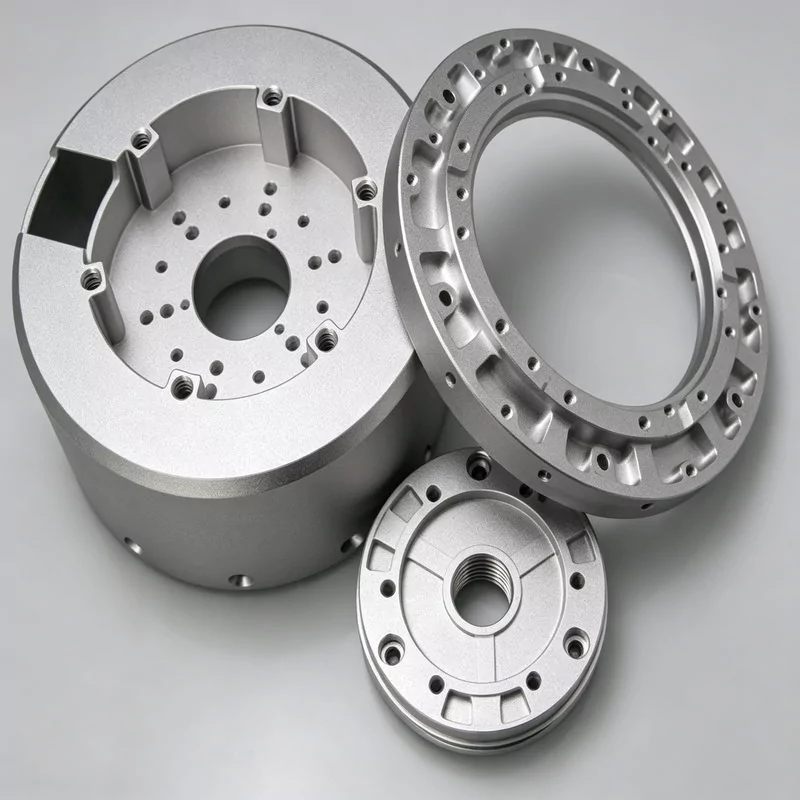
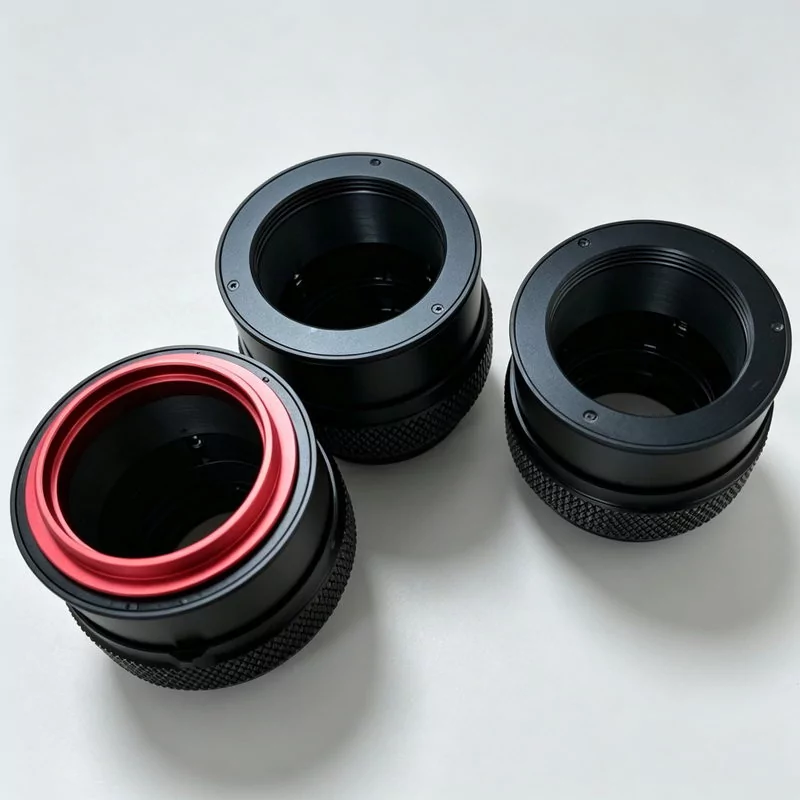
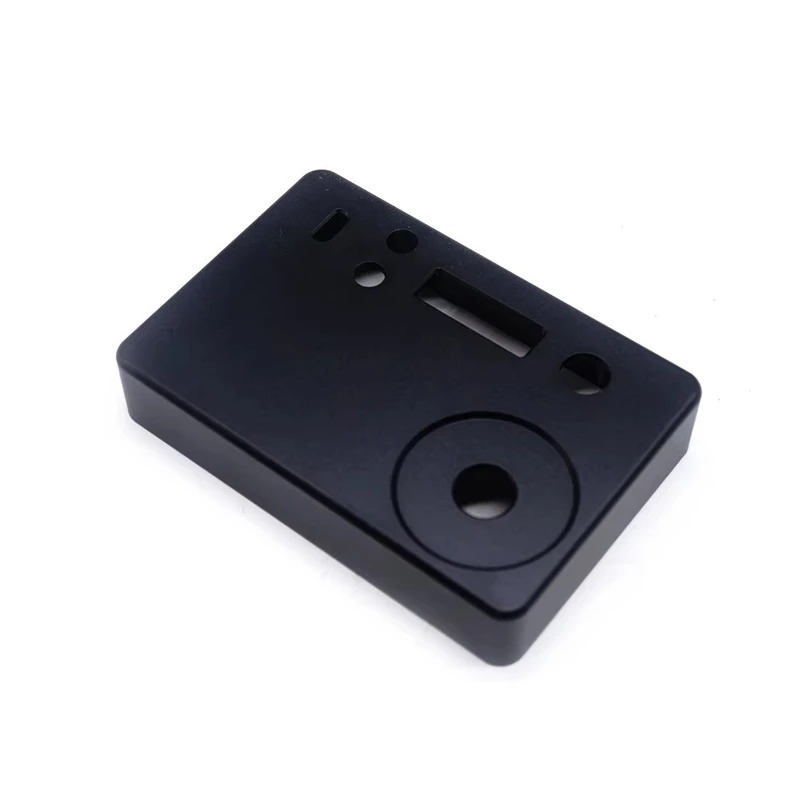
Aerospace engineers now seek better fuel economy, greater payload, and stronger builds. This pushes part designs into more intricate forms. Aircraft frames often include smooth curves, deep cavities, thin sections, and layered bends. These features cut weight while holding strength. Making such parts calls for machines that hold tight tolerances on tough metals. 5-axis CNC machining aerospace technology has emerged as the definitive standard for manufacturing critical aerospace machined components. As a leading precision CNC machining company, Rejin CNC uses advanced aerospace CNC machining strategies to meet these strict industry standards.
The Evolution of Aerospace Engineering and Manufacturing Challenges
Aerospace engineers now seek much lighter parts that still hold up under stress. Standard machining often cannot keep up when handling complex geometry machining.
Geometric Complexity in Modern Flight Structures
The change to single solid shapes instead of many joined pieces shows where older methods struggle.
- Monolithic Design Integration: One-piece parts replace assemblies held by welds or rivets. This cuts weight and removes weak spots in precision aerospace parts.
- Compound Curvatures and Thin-Walled Features: Parts such as turbine blades, impellers, and UAV ribs have smooth curves and walls under 1.5 mm thick. They need steady tool contact to avoid vibration during CNC machining complex geometries.
- Integrated Internal Fluid Channels: Advanced cooling housings and hydraulic manifolds contain internal passages set at odd angles. These require tool access from several directions at once on a 5-axis machining center.
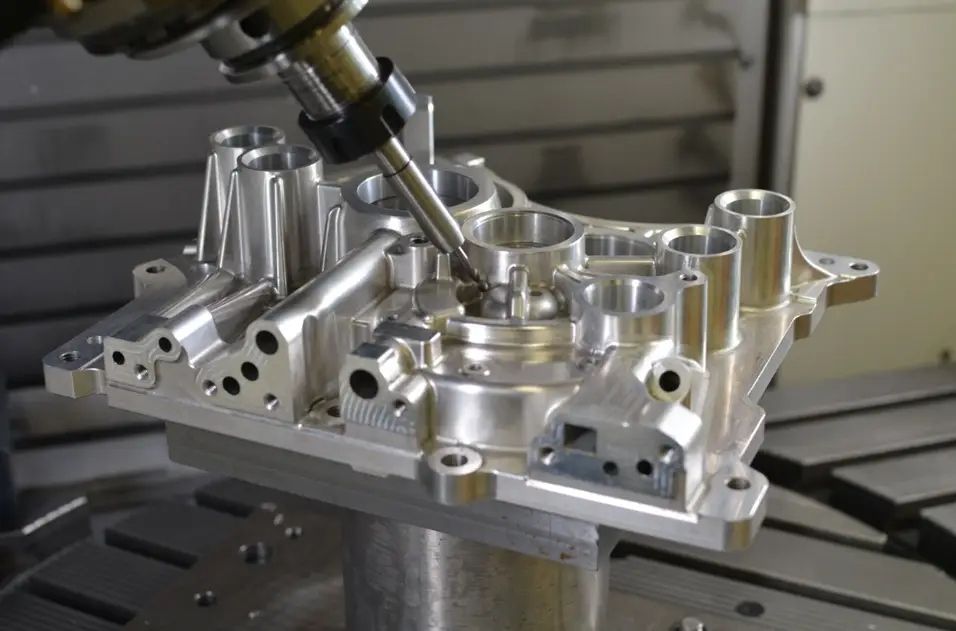
Limitations of Traditional 3-Axis and 4-Axis Milling
In 3-axis work, repeated setups often build up small-sized errors. This makes it hard to hold tight tolerances on high-precision components.
- Cumulative Fixturing Errors: A multi-sided part needs 4 to 6 manual moves on a 3-axis mill. Each new position shifts the reference points slightly, so holding ±0.005 mm tolerances across precision aerospace parts stays inconsistent.
- Excessive Tool Overhang: Deep cavities or undercut faces call for long, slender cutters. These tools bend and chatter more, which leaves a poorer surface finish.
- Increased Production Lead Time: Extra fixtures and alignments add idle time between cuts. This raises unit cost and increases the chance of operator mistakes.
Technical Advantages of 5-Axis CNC Machining in Aerospace
Simultaneous 5-axis motion changes how parts are produced. It brings rotation and straight moves together in one setup.
Single-Setup Precision and Tolerance Control
Fewer fixture changes keep datum lines steady on complex shapes.
- Single-Point Datum Integrity: 5-axis aerospace part machining lines up the tool on the X, Y, Z, A, and B/C axes at the same time. This finishes multi-sided parts in one go and removes errors from repeated setups.
- Superior Surface Finish Quality: The cutter tilts steadily so it meets the part at the right angle throughout the cut. This produces finishes down to Ra 0.8 μm and removes the need for hand polishing.
- Reduced Inspection Scrap Rates: Steady multi-axis paths keep every batch consistent. As a result, fewer parts fail checks on the CMM for any aerospace parts manufacturer.
Optimized Cutting Dynamics and Tool Longevity
Continuous tool orientation maintains optimal cutting velocity and reduces stress on specialized aerospace alloys.
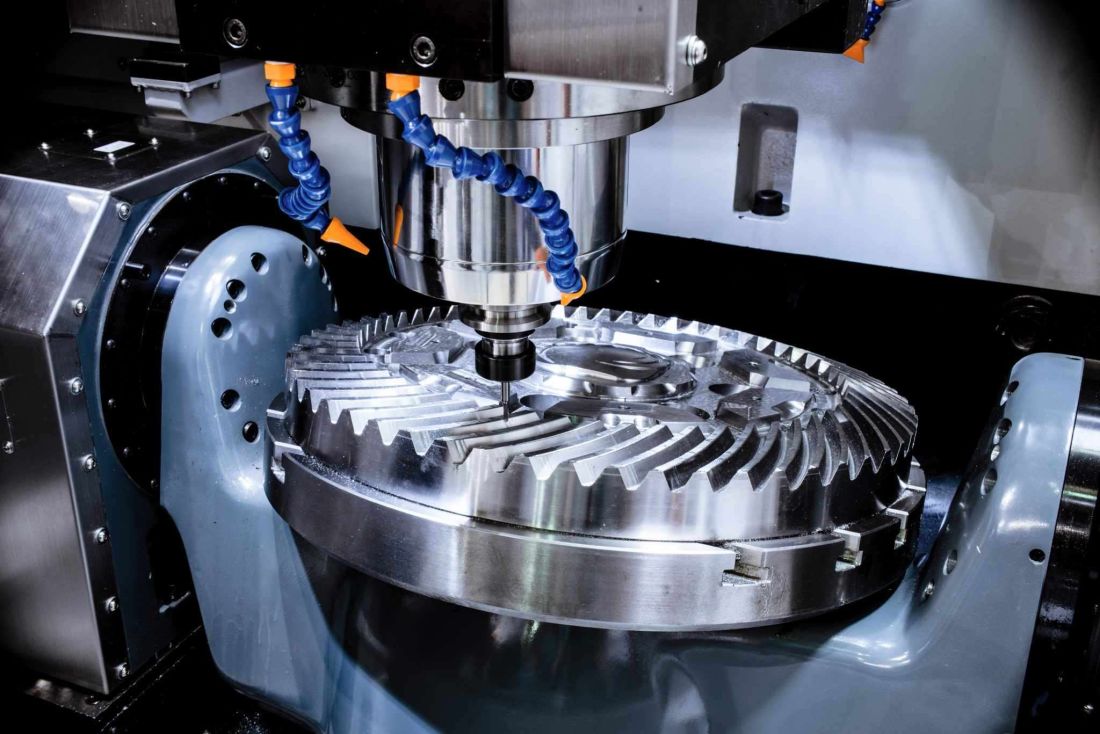
- Constant Cutting Speed Alignment: Positioning the cutter at an ideal angle relative to organic surfaces prevents cutting at the center tip of the end mill where cutting speed drops to zero, prolonging tool life during aerospace CNC machining.
- Shorter Cutting Tools for Higher Rigidity: Tilting the machine table or spindle brings the tool holder closer to the workpiece feature, enabling the use of shorter, thicker cutters that minimize vibration and deflection.
- Optimized Chip Evacuation: Multi-axis orientation allows gravity-assisted chip fall during deep pocket milling, preventing re-cutting of chips and surface gouging on expensive raw materials.
Material Considerations and Engineering Decision Thresholds
Sourcing decisions depend on evaluating material machinability, cost tradeoffs, and batch volume thresholds.
Machining Advanced Aerospace Alloys
Machining heat-resistant superalloys requires precise heat dissipation and rigid multi-axis toolpaths.
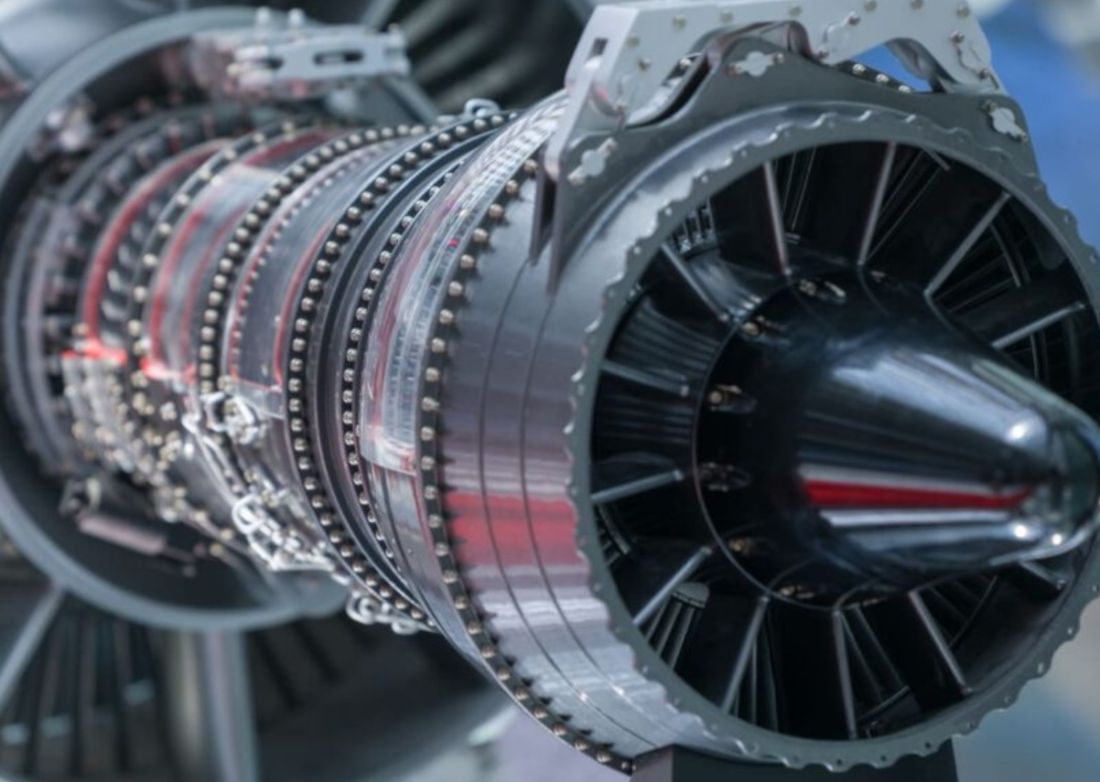
- Titanium Alloy (Ti-6Al-4V) Thermal Control: Titanium’s low thermal conductivity concentrates heat at the cutting edge. Performing titanium CNC machining via continuous 5-axis motion maintains steady chip thickness and consistent coolant delivery to prevent localized heat buildup.
- High-Strength Aluminum (7075-T6) Stress Relief: Precision structural frames require controlled material removal rates to prevent internal stress release, avoiding part distortion when CNC machining complex geometries.
- Stainless Steel and Nickel Superalloys: Inconel and 17-4PH stainless steel demand high machine rigidity and stable feed rates to mitigate work hardening during aerospace CNC machining.
B2B Procurement Decision Thresholds: 3-Axis vs. 5-Axis vs. Stamping
Identifying the exact crossover points helps procurement teams working with an aerospace CNC machining supplier balance tooling costs against unit production times.
- Machining vs. Stamping Crossover: For thin structural brackets, precision sheet metal stamping offers cost efficiency for volumes exceeding 5,000 units per year. For quantities below 1,000 units, or parts requiring variable thickness profiles (>3.0 mm), 5-axis CNC machining aerospace operations avoid upfront hard tooling costs ($10,000–$30,000 USD) and provide faster turnaround.
- 3-Axis vs. 5-Axis Crossover: If a part design requires more than 3 fixture setups or features compound angled faces (>15◦), switching to a 5-axis machining center reduces overall unit cost despite higher machine hourly rates.
- Prototyping Lead Time Thresholds: Rapid prototyping via 5-axis aerospace part machining delivers functional metal components in 3 to 7 days, compared to 4 to 6 weeks for custom cast tooling.
Proven OEM Manufacturing Capabilities and Case Insights
Real-world execution requires verified equipment capabilities, strict quality management, and scalable OEM capacity from an experienced 5-axis machining manufacturer.
Precision OEM Case Study: Lightweight UAV Structural Frame
Examining a real UAV component order demonstrates how multi-axis strategies resolve weight and tolerance challenges.
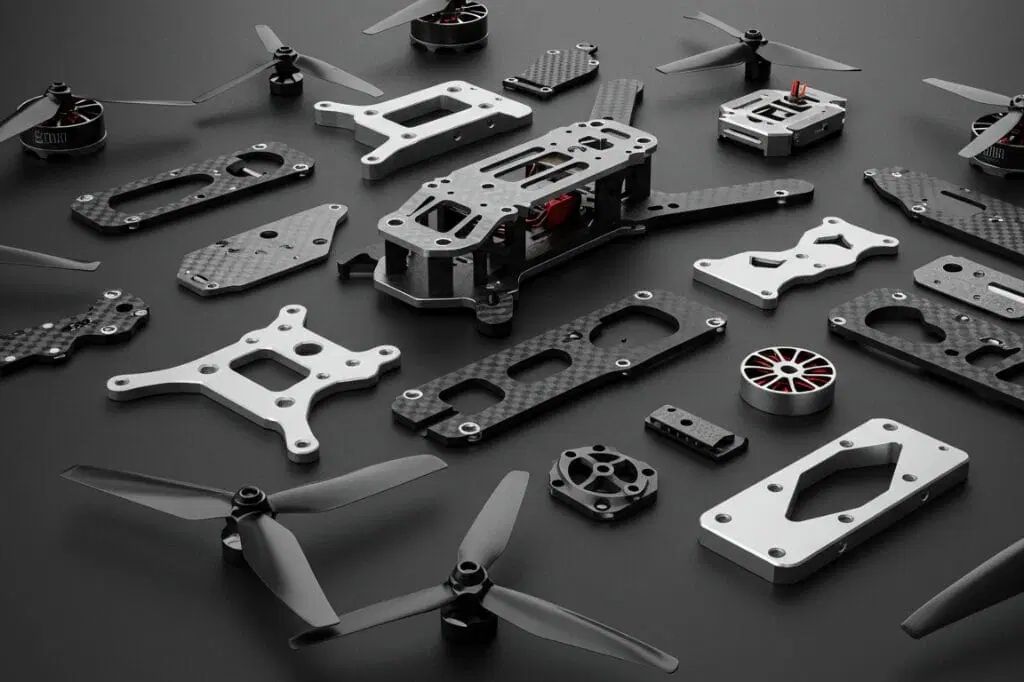
- Project Context: A European commercial drone manufacturer required an integrated aluminum (7075-T6) central chassis with complex internal mounting faces and thin structural ribbing.
- Initial Challenge: Traditional 3-axis milling required 5 separate fixture setups, resulting in a high cumulative variance (±0.3 mm) and an unacceptable wall thickness variation across batch production.
- Engineering Solution: Rejin CNC, a trusted OEM aerospace machining provider, redesigned the manufacturing strategy using a high-precision 5-axis machining setup with custom vacuum clamping fixtures.
- Measured Outcomes: Machining cycle time dropped from 120 minutes to 45 minutes per part, tight tolerances were held consistently at ±0.08 mm, and unit weight dropped by 18% due to thinner, uniform wall profiles for these precision aerospace parts.
Rejin CNC Sourcing and Manufacturing Baseline
Global buyers can match their order sizes to factory output with these production numbers.
- Advanced Equipment Fleet: The shop runs over 100 high-end CNC machining centers. These include multi-axis models from DMG MORI and Mazak that reach ±0.005 mm.
- Quality Certifications: The plant meets ISO 9001:2015 and IATF 16949 standards. This gives full batch tracking plus material certificates for all aerospace machined components.
- Production Capacity & Flexibility: Output tops 150,000 precision parts each month. Orders range from prototype lots of 1–5 units to monthly runs above 10,000 units.
Strategic Sourcing for Aerospace Components
Selecting a qualified aerospace CNC machining supplier requires evaluating technical capabilities, quality management systems, and production agility. By utilizing simultaneous 5-axis CNC machining aerospace setups, engineers and procurement teams can push design boundaries while reducing overall production risks.
As a certified precision CNC machining company and dedicated aerospace parts manufacturer, Rejin CNC provides end-to-end OEM aerospace machining solutions—from initial Design for Manufacturability (DFM) analysis to full-scale batch production.
Ready to optimize your high-precision aerospace components?
- Phone: +86 13790500374
- Email: info@rejincnc.com
FAQ
Q: What is the primary technical difference between 3+2 positioning and simultaneous 5-axis CNC machining?
A: 3+2 positioning holds the two rotary axes at one fixed angle. The three linear axes then carry out the cutting. Simultaneous 5-axis CNC machining aerospace operations move all five axes at the same time. This motion supports complex geometry machining such as continuous organic curves, impellers, and complex aerospace surfaces.
Q: How does 5-axis machining improve cost efficiency for low-volume aerospace orders?
A: Aerospace machined components reach completion in a single setup. 5-axis machining removes the expense of custom fixture design. It also trims idle time between operations. At the same time, it reduces scrap that arises from repeated re-fixturing and misalignment.
Q: Which aerospace alloys are best suited for 5-axis CNC milling?
A: 5-axis CNC milling works well with titanium CNC machining of Ti-6Al-4V. High-strength Aluminum grades such as 7075-T6 and 6061-T6 also respond well. Stainless Steel types like 17-4PH and 316L fit the process. Nickel-based superalloys like Inconel complete the common choices.
Q: What lead times and minimum order quantities should buyers expect for custom precision parts?
A: Prototype lead times usually fall between 3 and 7 days. Full production batches depend on the volume required. As an agile 5-axis machining manufacturer, Rejin CNC accepts prototype orders starting at 1 unit. The firm also supports stable monthly production runs exceeding 10,000 units.