
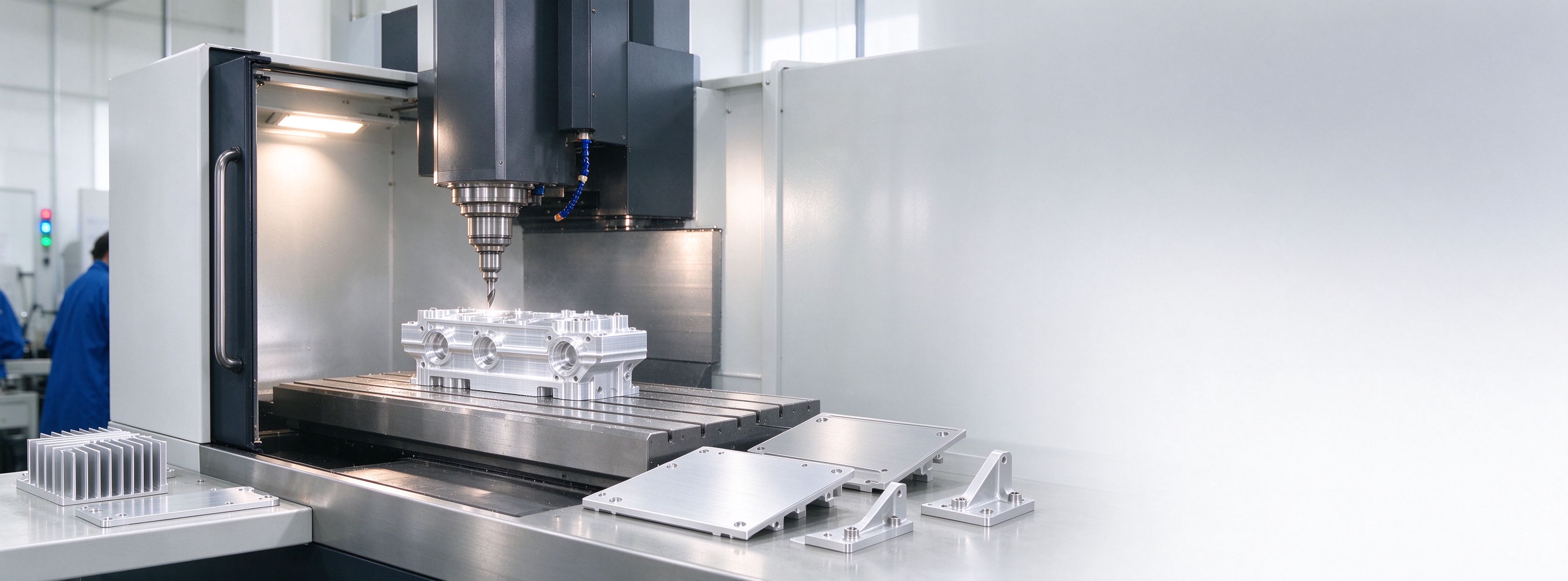
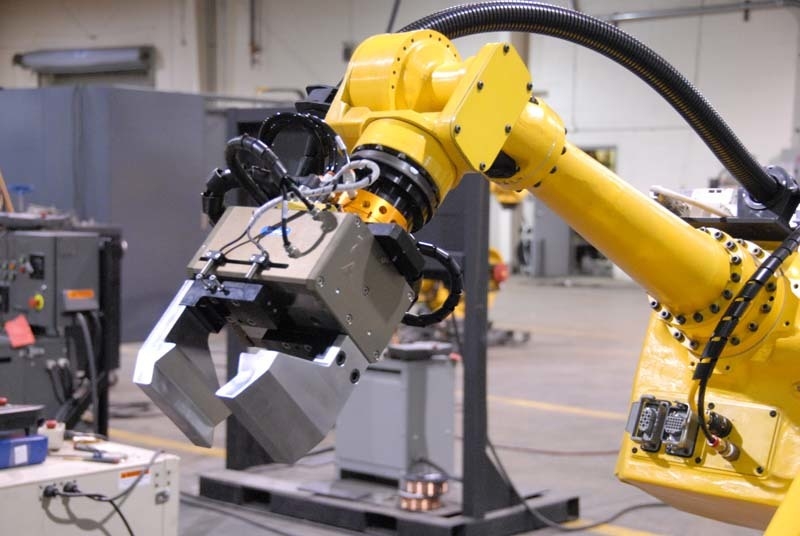
In the rapidly evolving landscape of automation, the demand for custom robotics parts manufacturing has shifted from simple mechanical assembly to high-complexity systems requiring extreme reliability. At Rejin CNC, a premier CNC machining manufacturer and global precision machining supplier, we understand that the structural integrity and motion precision of a robot are only as good as the individual robotic components that comprise its frame and joints. With over 23 years of experience in the heart of China’s manufacturing hub, we provide technical expertise and hardware capacity—including 200+ high-precision CNC machines—to help global engineers navigate the critical choice between different manufacturing methods for custom metal parts.
Selecting a manufacturing process for custom robotics parts is not merely a matter of cost; it is a strategic decision that affects the robot’s weight, torque capacity, and lifespan. As a trusted robotic parts supplier, we evaluate how each process balances speed, precision, and scalability.
The complexity of robotic systems often presents unique engineering hurdles that dictate the choice of material and process.
Custom robot parts casting is a traditional manufacturing pillar within metal casting technologies, best suited for producing large quantities of parts with relatively simple internal geometries and looser tolerance requirements.
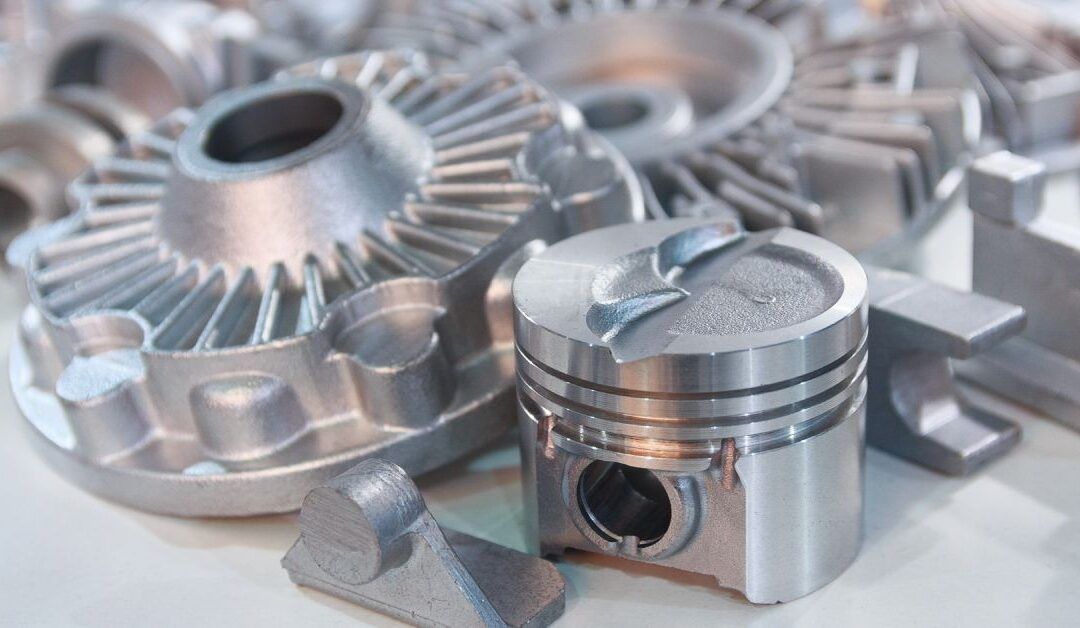
Metal casting does not reach the fine accuracy of precision machining. It still provides clear benefits in high-volume structural work.
For large-scale robotic frames and protective housings, combining CNC machining sheet metal techniques with traditional sheet metal fabrication offers a perfect balance of structural rigidity and lightweight performance.
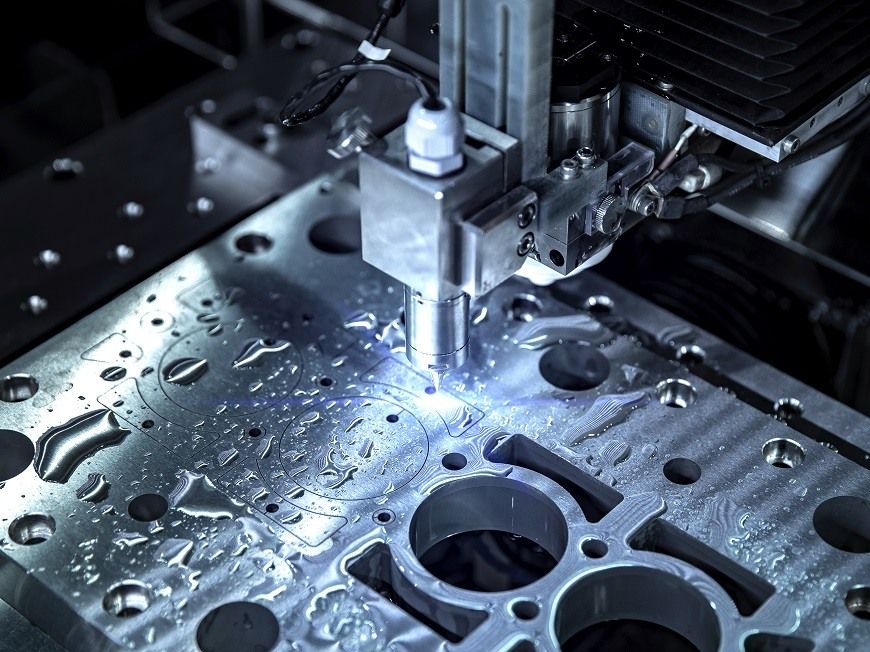
Professional sheet metal fabrication is the preferred choice for industrial robotic “skeletons” and enclosures due to its rapid turnaround and material efficiency.
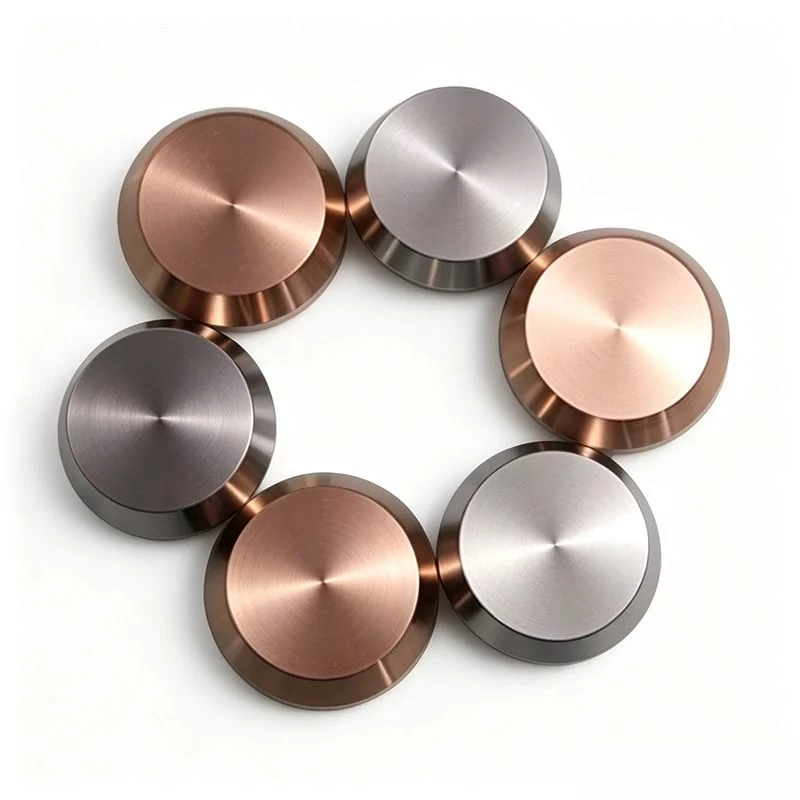
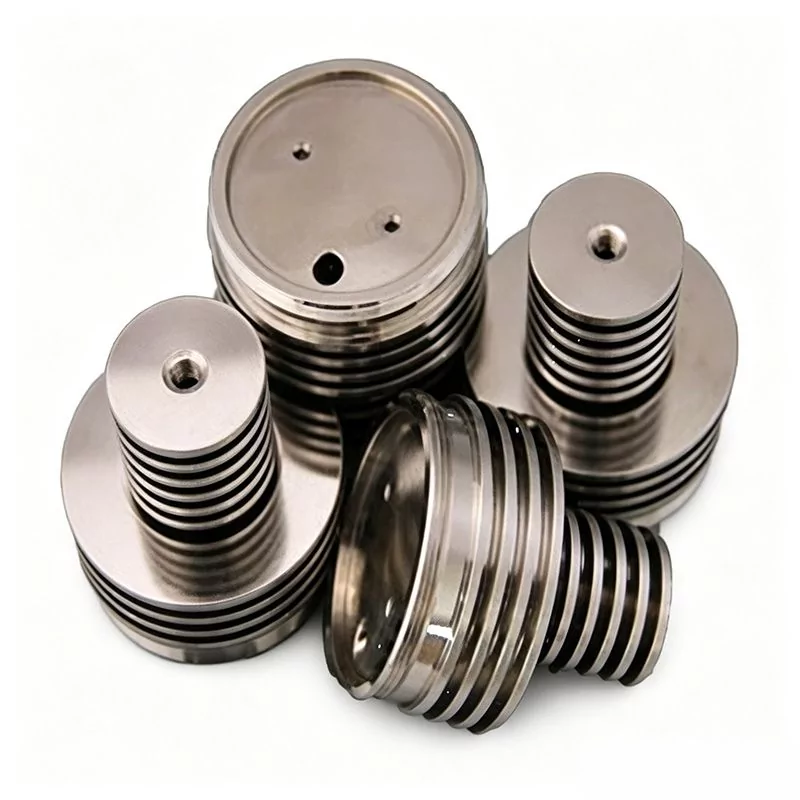
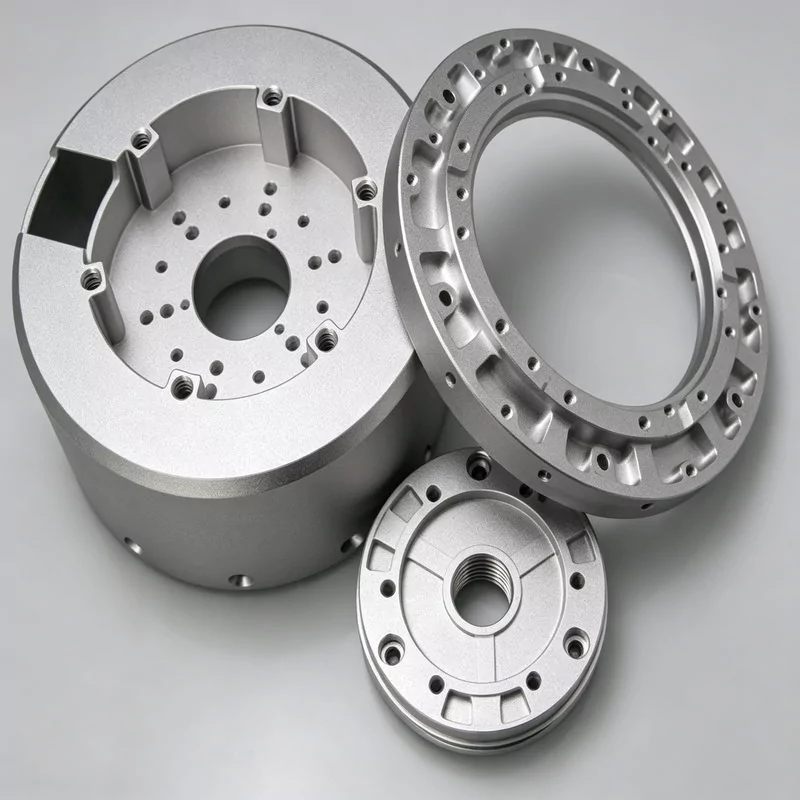
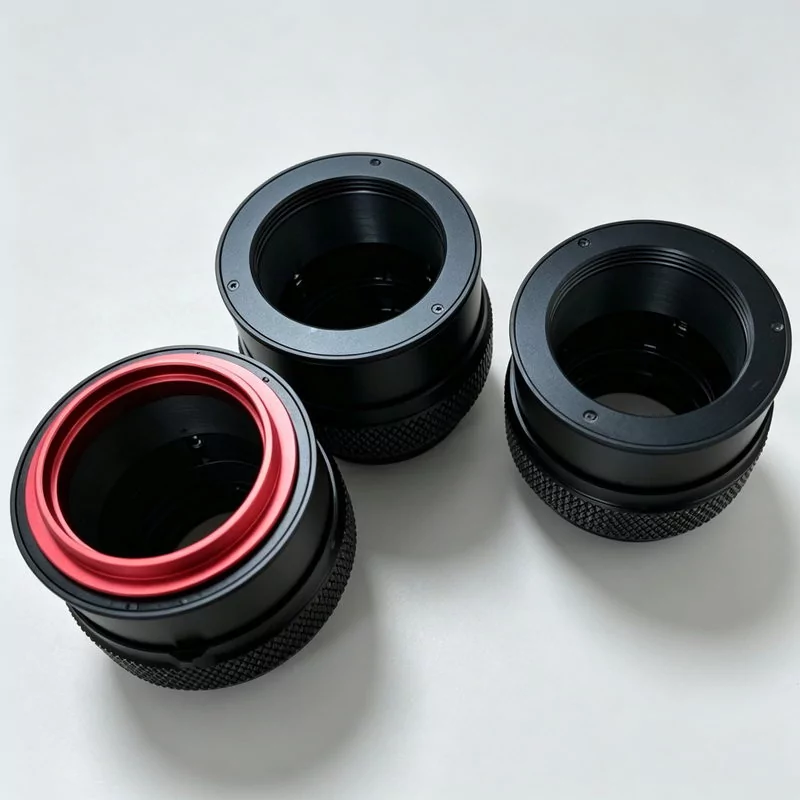
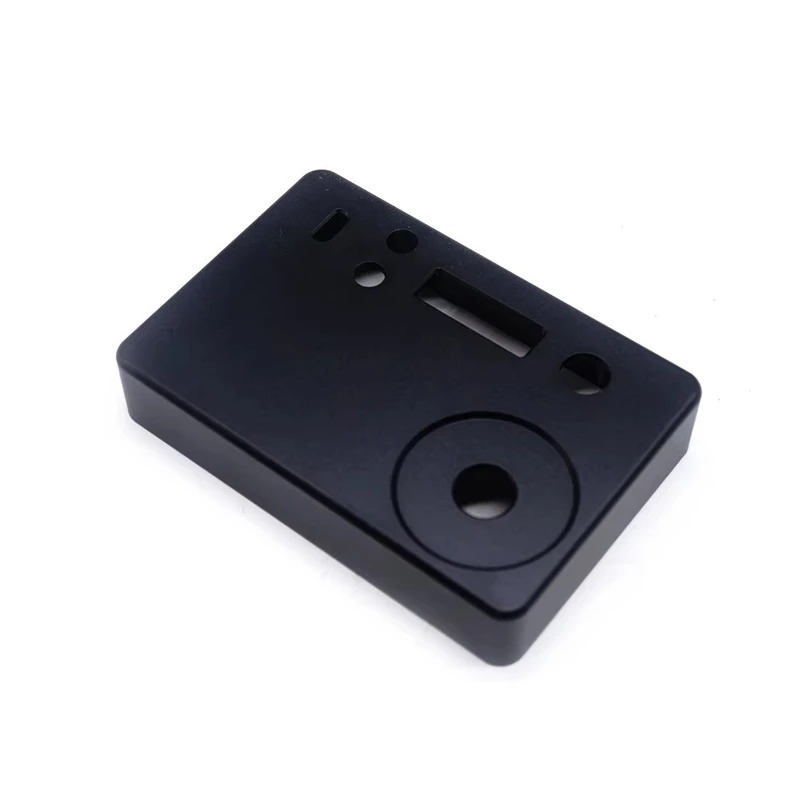
When an application demands specialized component machining for robotic joints, gearboxes, or sensor housings, precision CNC machining is the only process capable of delivering micron-level accuracy.
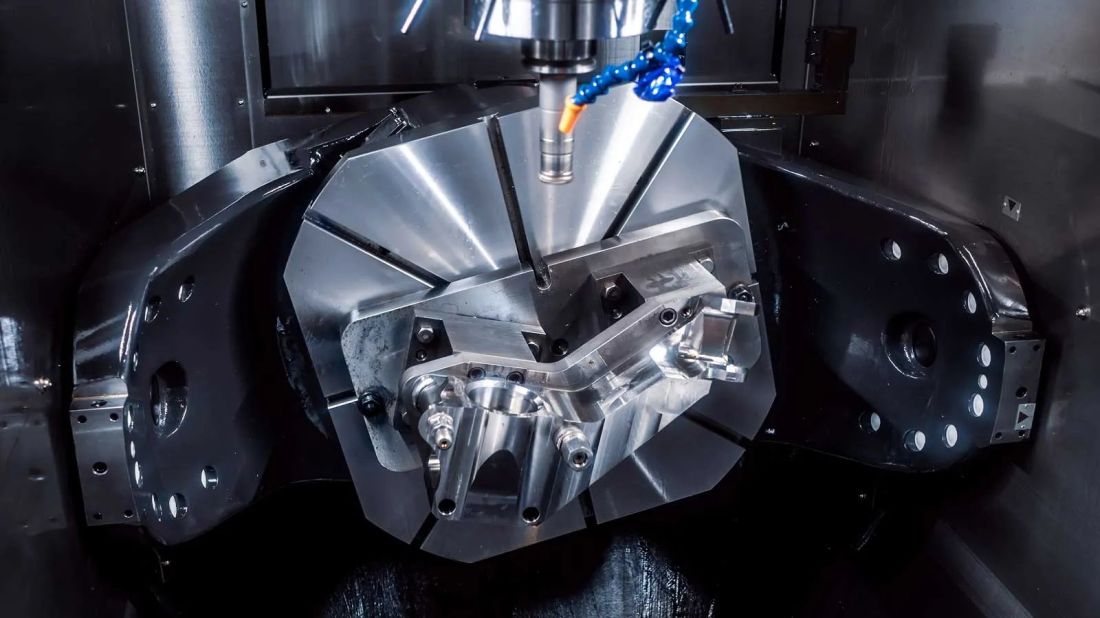
High-precision specialized component machining allows for the creation of complex, multi-faceted custom metal parts that are critical for fluid motion and long-term stability.
Navigating the choice between casting, sheet metal, and precision CNC machining requires a clear understanding of the decision thresholds that separate an efficient project from a costly one.
For professional buyers working with a custom metal fabrication supplier, the choice is often determined by the intersection of design complexity and total order volume.
As an IATF 16949 and ISO 9001 certified CNC machining manufacturer and OEM robot components manufacturer, Rejin CNC provides more than just capacity; we provide a verified path from your CAD blueprint to a finished, high-performance part. Our facilities in Dongguan are equipped with over 100 high-end machining centers and automated anodizing lines, ensuring that your custom robotics parts are produced and finished under one roof to maintain stable quality.
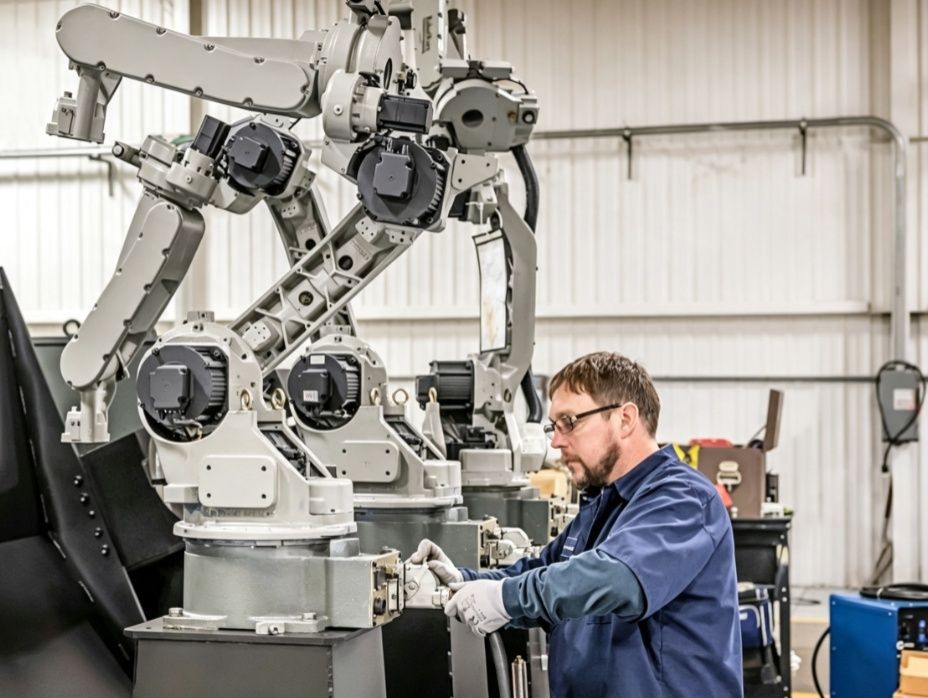
We don’t just state our capabilities; we support them with hard data and long-term partnerships with leading global enterprises.
Choosing the right robotic parts supplier comes down to finding a partner familiar with the details of custom robotics parts manufacturing. You might need the efficient forming from sheet metal fabrication or the fine accuracy of precision CNC machining. Rejin CNC handles the full process in one place. This cuts risks across your supply chain.
As a leading custom metal fabrication supplier, we focus on vertical integration and clear communication. That approach helps you skip the delays that come from juggling several vendors at once.
Are you ready to optimize your custom robotics parts manufacturing? Request a Free Quote and DFM analysis review from our engineering team today and receive a detailed response within 24 hours.
A: Typically, the transition occurs around 3,000 to 5,000 units. For lower volumes, the high cost of casting molds (often $10,000+) makes precision CNC machining the more economical choice due to its lack of tooling requirements.
A: While standard sheet metal fabrication bending has a tolerance of ±0.2mm to ±0.5mm, as an experienced OEM robot components manufacturer, we often use a hybrid process where we stamp or laser-cut the base shape and then use CNC milling to “post-machine” critical sensor mounting surfaces to a tight tolerance of ±0.005mm.
A: 7075 aluminum is the industry standard for high-stress robotic joints. It offers a strength-to-weight ratio comparable to some steels while remaining highly machinable during specialized component machining and responsive to protective anodizing treatments.
A: We utilize standardized process control documents, fixed equipment parameters, and automated in-process inspection. Every batch undergoes a Final Article Inspection (FAI) and 100% testing of critical dimensions using CMM equipment to maintain a stable pass rate for all custom metal parts.
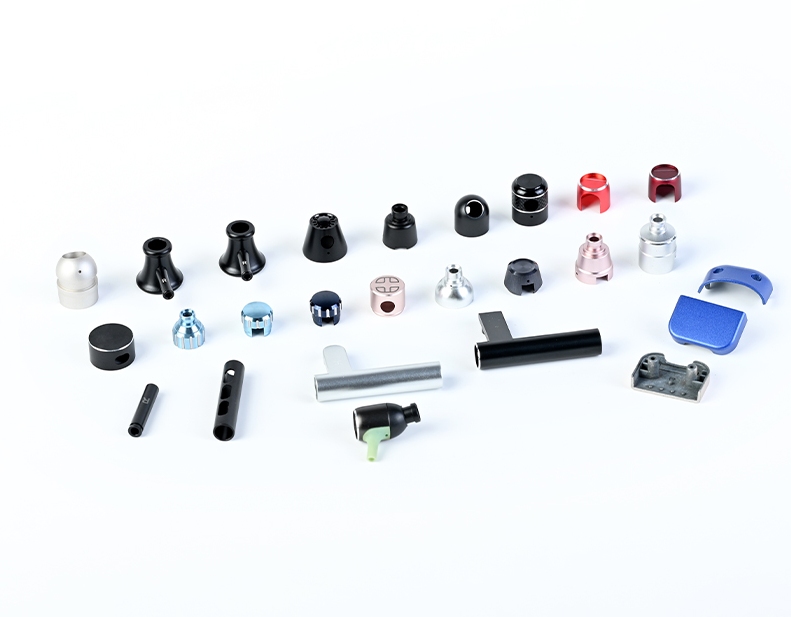
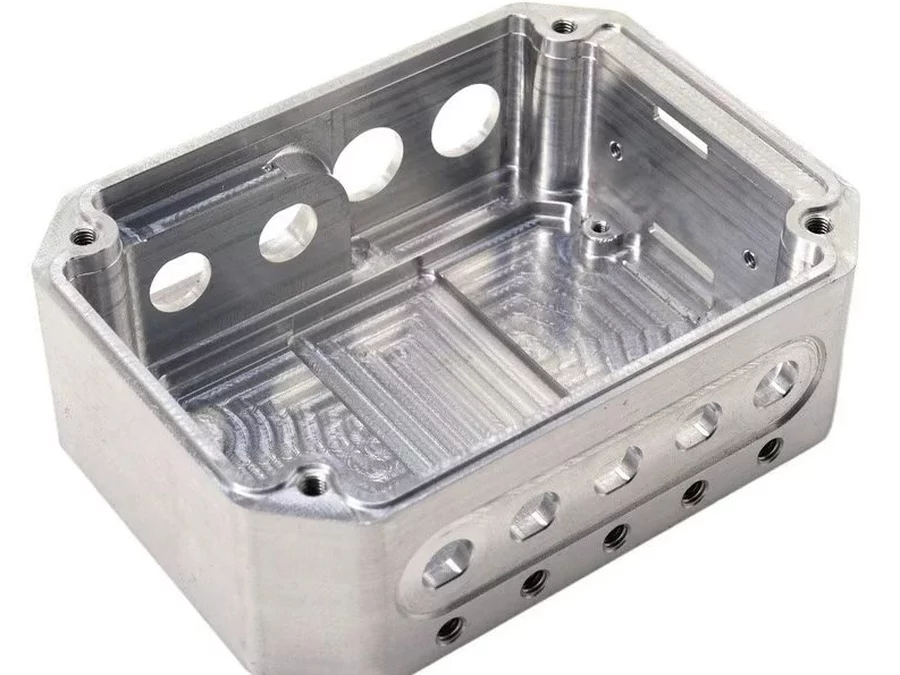
Your message lands directly with our senior engineers — instantly acknowledged.
We study your requirements and propose a workable solution with material & process options.
Detailed quotation with specs, options and lead time — no hidden fees.
Approve the sample, then we mass-produce with full QC and on-time shipping.
WhatsApp: +86 13790500374
Email: info@rejincnc.com
Your CAD files are kept strictly confidential. Quotation within 24 hours.