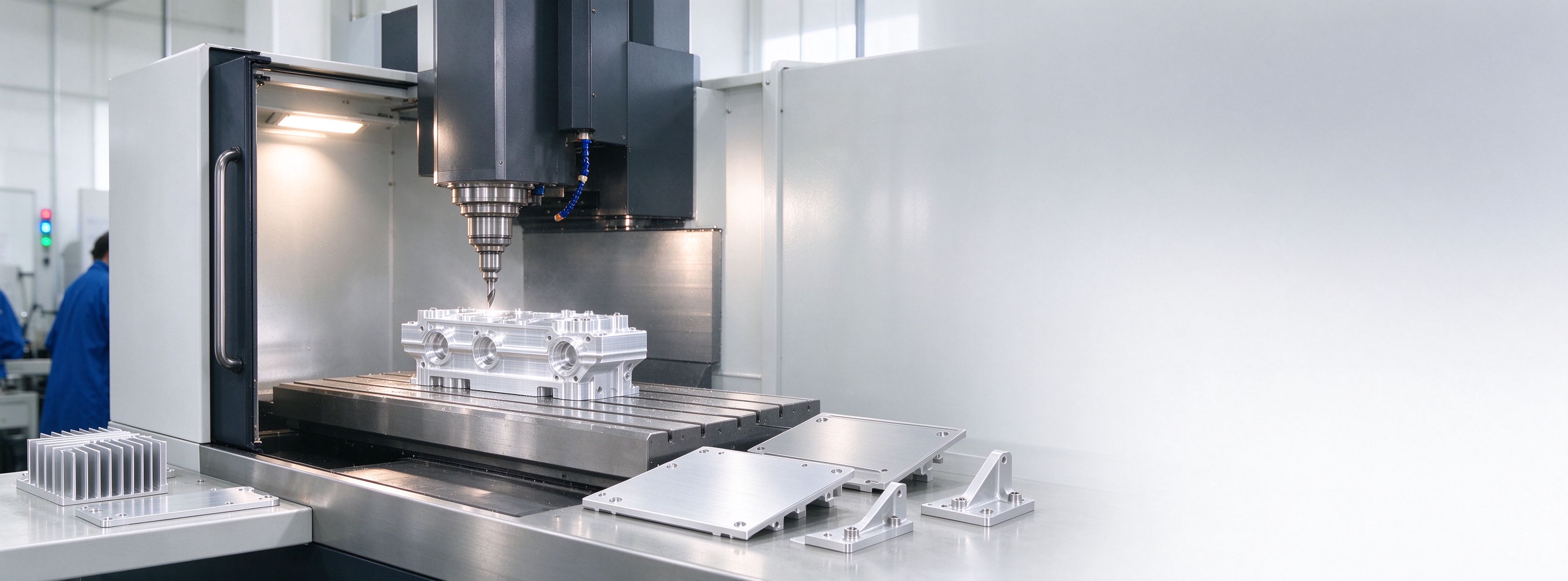
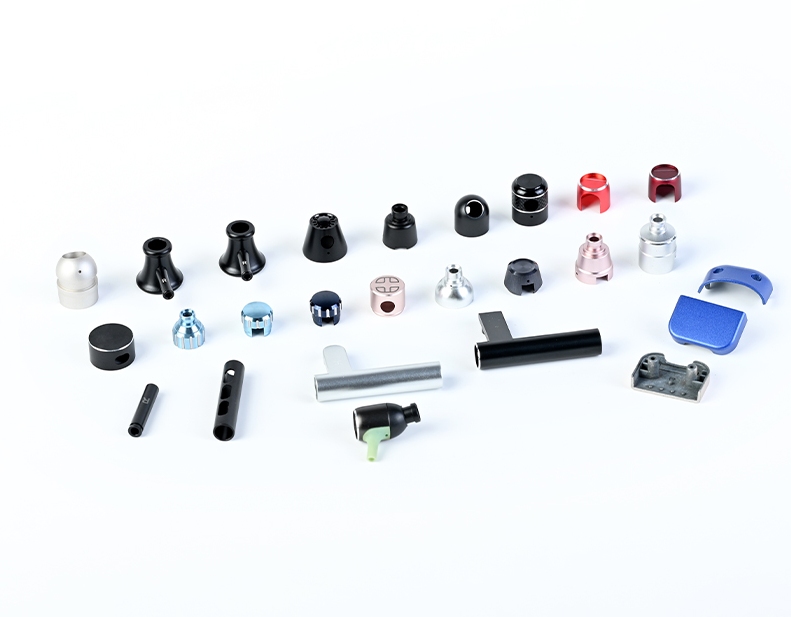
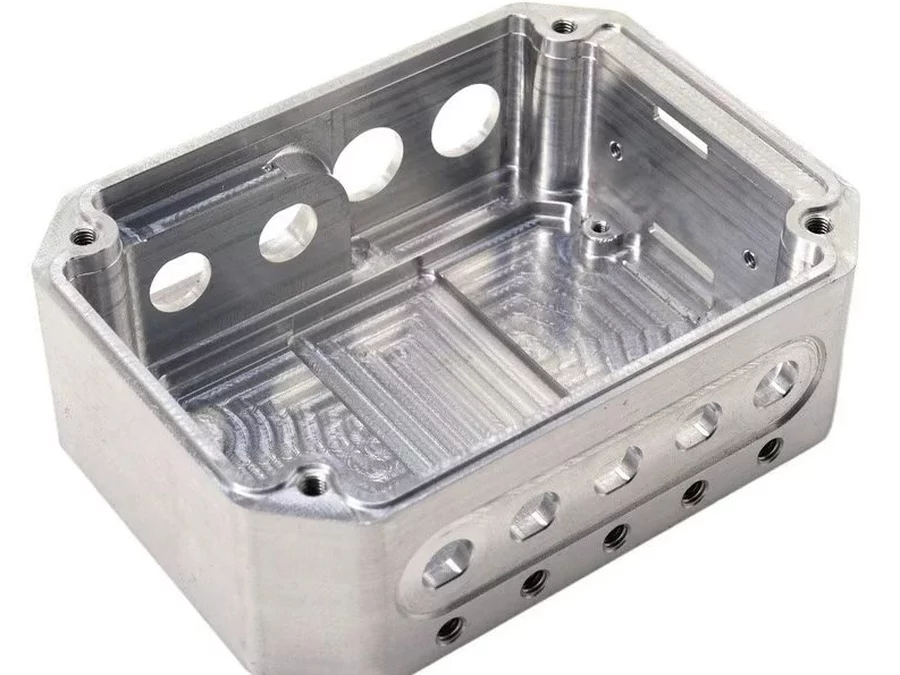
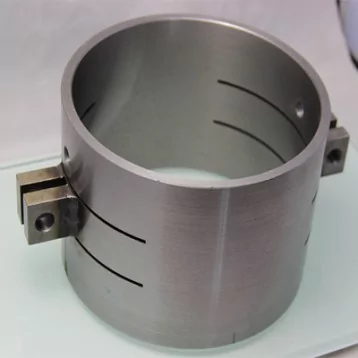
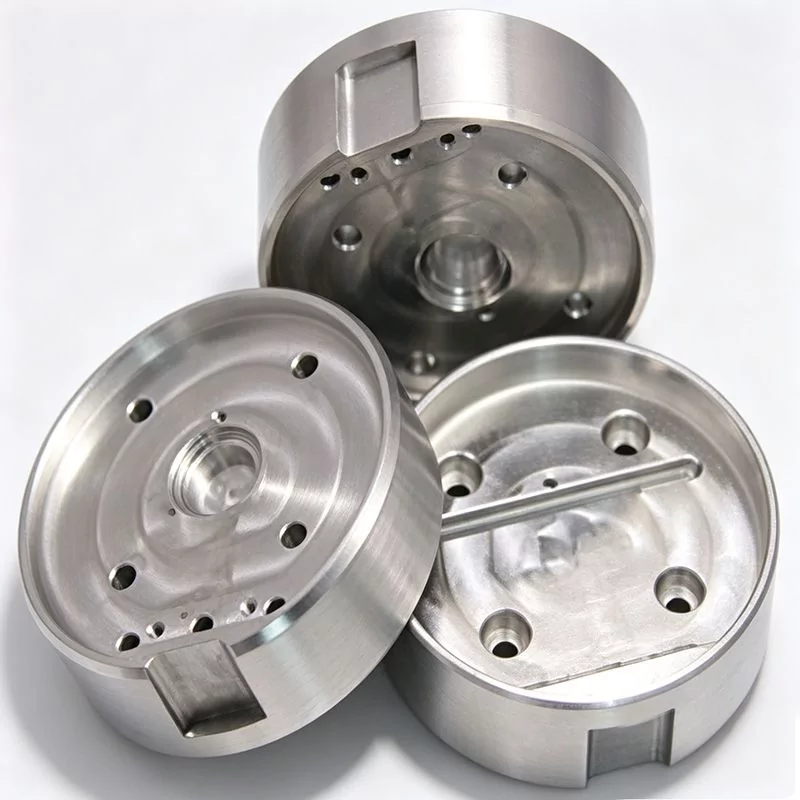
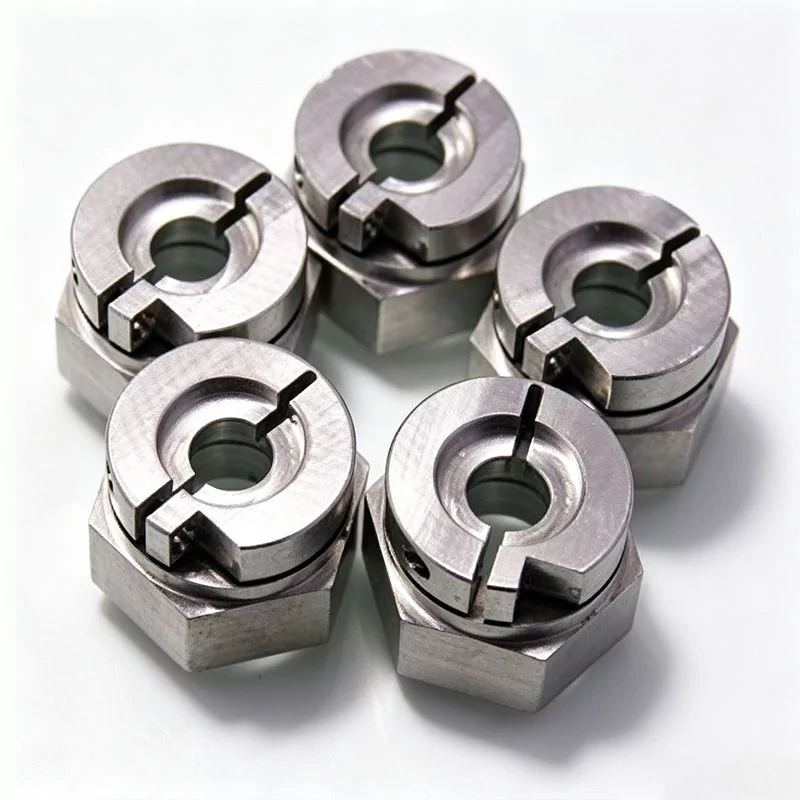
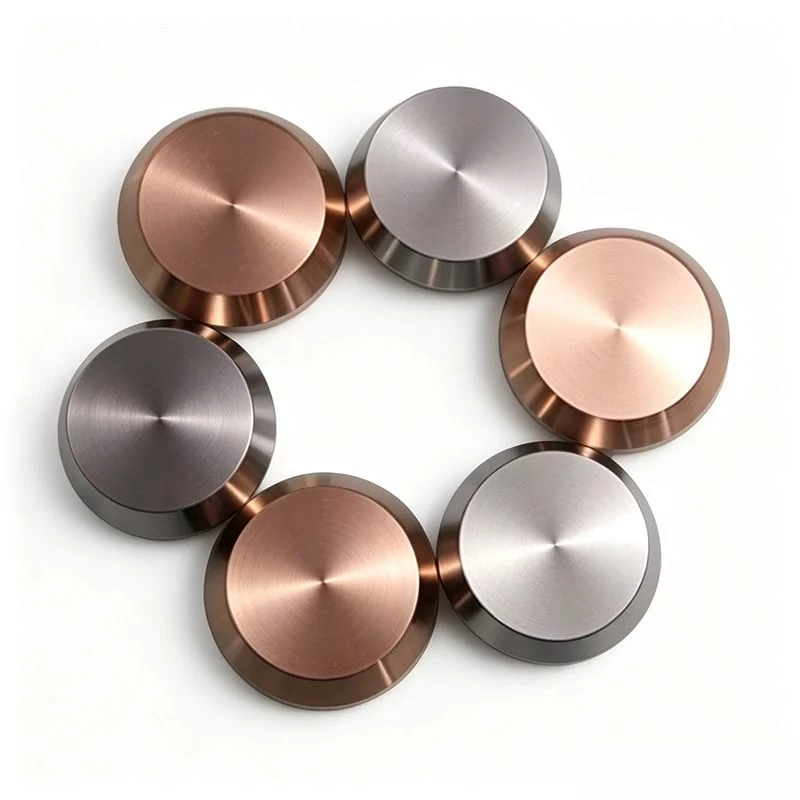
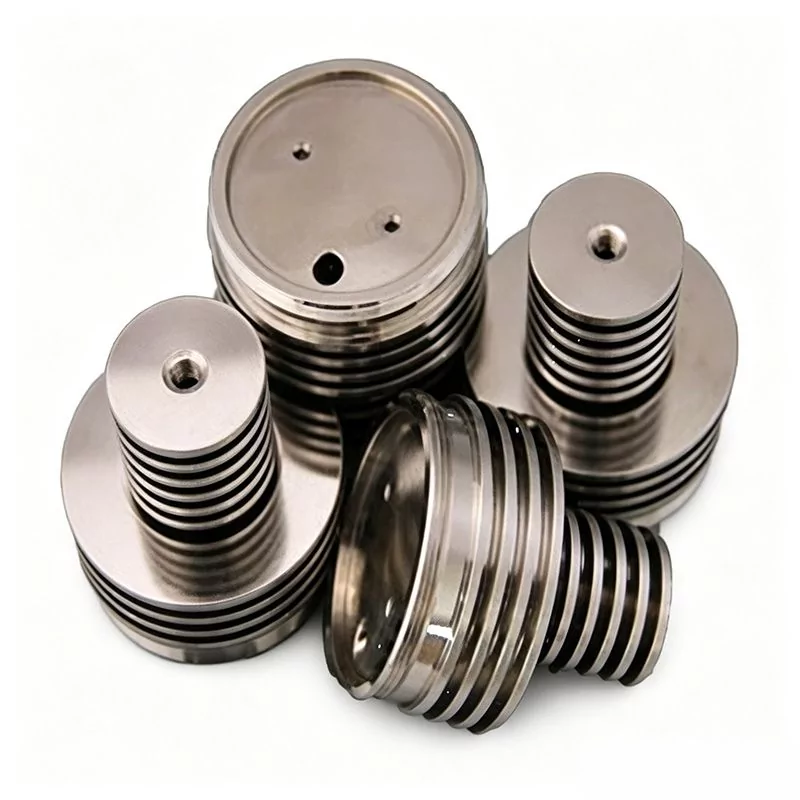
Industrial equipment operates under continuous mechanical stress, elevated temperatures, and intense vibration. In these high-demand environments, commercial off-the-shelf screws, studs, and standard hardware frequently fail to deliver the required clamping force, corrosion resistance, or dimensional precision. As an established precision fastener manufacturer, Rejin CNC specializes in high-precision custom fastener manufacturing, combining state-of-the-art multi-axis metal turning with full-process quality control to supply reliable custom fasteners for industrial equipment and global OEMs.
Understanding Custom Fastener Manufacturing for Heavy-Duty and Precision Applications
Standardized fasteners are designed for broad commercial utility rather than specialized mechanical performance. Custom engineered component bridges the gap when off-the-shelf parts cannot meet specific geometric, load-bearing, or environmental requirements through specialized custom fastener manufacturing.
The Essential Role of Non-Standard Fasteners in Industrial Equipment
Custom engineered hardware maintains joint integrity in specialized machinery where structural failure can lead to catastrophic operational downtime.
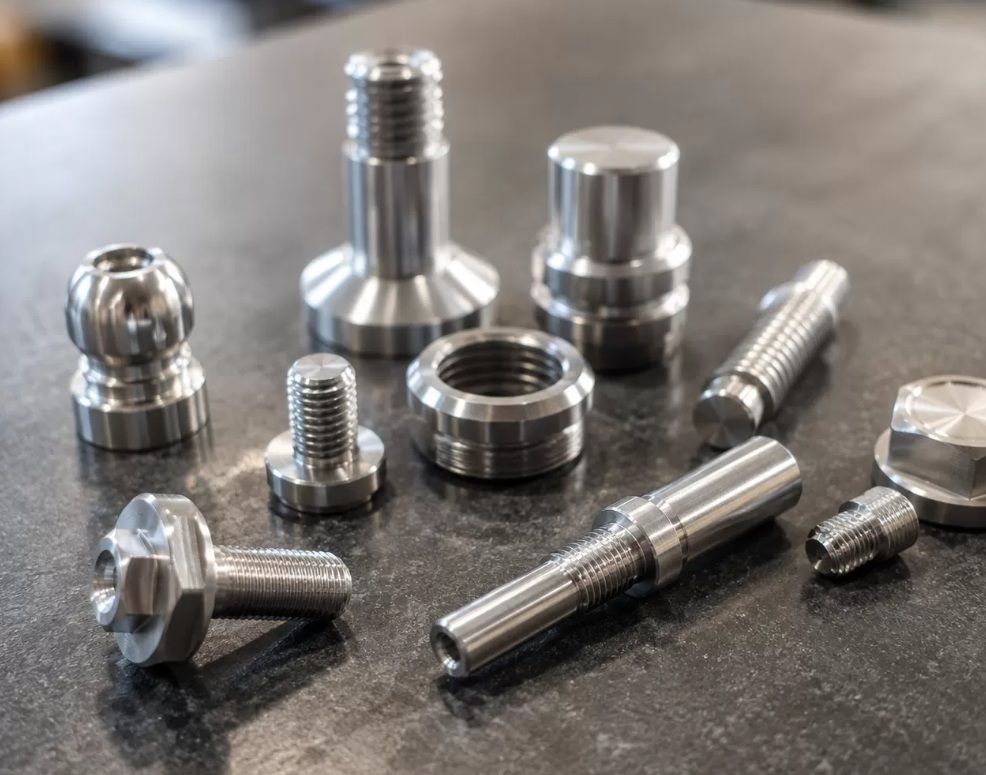
- Non-standard thread pitches: Custom lead angles and pitch variations in custom threaded parts machining prevent accidental backing-out caused by continuous high-frequency vibration in heavy machinery.
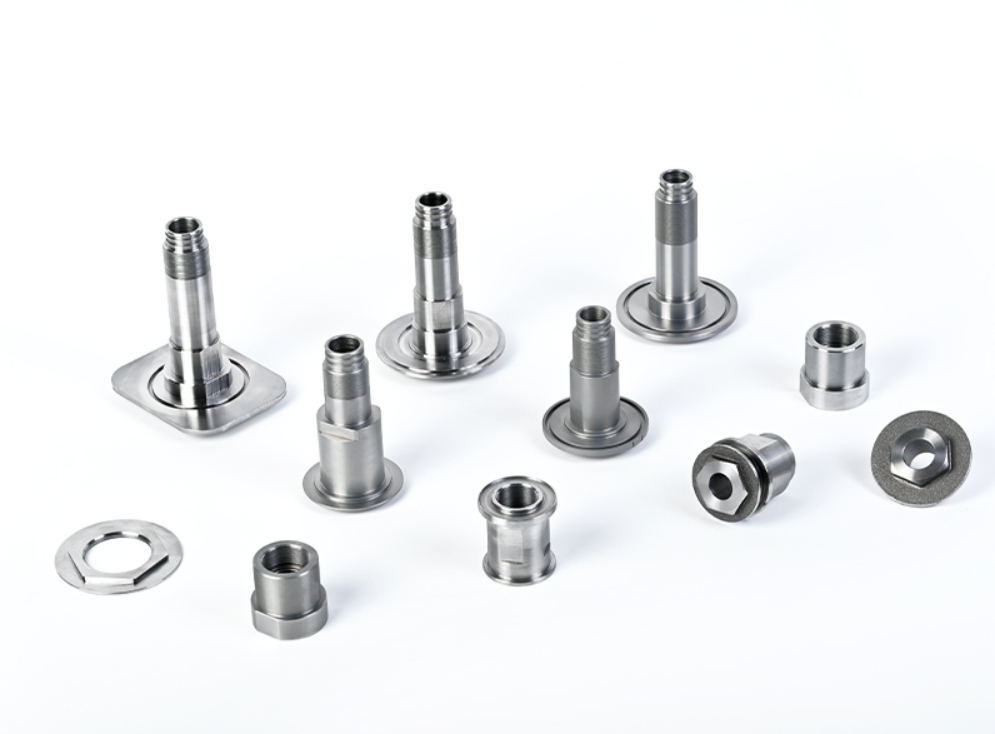
- Integrated flange geometries: Combining CNC machined nuts and washers into a single machined component distributes surface pressure evenly across delicate housing materials.
- High load-bearing capacity: Tailored wall thicknesses and precision thread profiles allow precision turned fasteners to endure severe shear and tensile stress.
Why Off-the-Shelf Fasteners Fail under Extreme Operating Conditions
Commercial off-the-shelf nuts and bolts are typically mass-produced using broad tolerance bands that undermine performance in specialized machinery.
- Coarse tolerance accumulation: Standard Class 2A/2B thread fits permit excessive backlash, leading to accelerated thread wear under cyclic fatigue loading, unlike high-conformance CNC machining fasteners.
- Material grain inconsistency: High-speed commercial cold heading can induce internal micro-cracks in hard alloys, diminishing shear strength under thermal expansion.
- Inadequate surface protection: Standard commercial zinc plating often flakes off under severe chemical exposure, exposing bare metal to accelerated oxidation.
Key Manufacturing Processes: Precision CNC Turning, Milling, and Hybrid Machining
Manufacturing high-integrity non-standard hardware requires advanced subtractive machining techniques that maintain dimensional stability and exact pitch geometry across entire production runs. As a trusted custom threaded parts manufacturer, Rejin CNC relies on versatile machining centers to execute complex toolpaths.
High-Precision CNC Turning for Rotational Threaded Components
Executing precision CNC turning forms the core foundation of custom nut machining and cylindrical fastener production.
- Single-setup axial alignment: Utilizing high-rigidity CNC lathes enables concurrent turning of external diameters, bores, and threads, keeping total indicator runout (TIR) within ±0.005mm during CNC turning for custom fasteners.
- Controlled thread cutting passes: Digital toolpath management takes multi-pass threading cuts, preventing material work-hardening and producing smooth thread flanks on CNC machined fasteners.
- Exceptional surface finish: Direct single-point turning regularly achieves surface roughness levels of Ra 0.8 µm on critical sealing faces without secondary grinding.
Multi-Axis CNC Turning and Milling for Complex Non-Standard Geometries
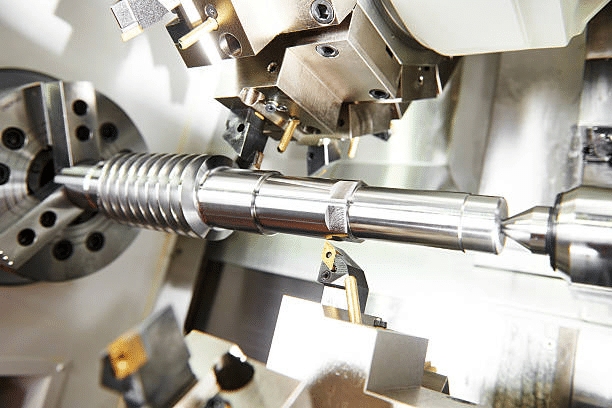
Integrating live tooling into turning centers allows complex features to be machined without re-clamping the workpiece using advanced CNC turning and milling.
- Synchronized thread milling: Multi-axis CNC turning and milling machines internal left-hand/right-hand combination threads and blind-hole threads with precise depth control.
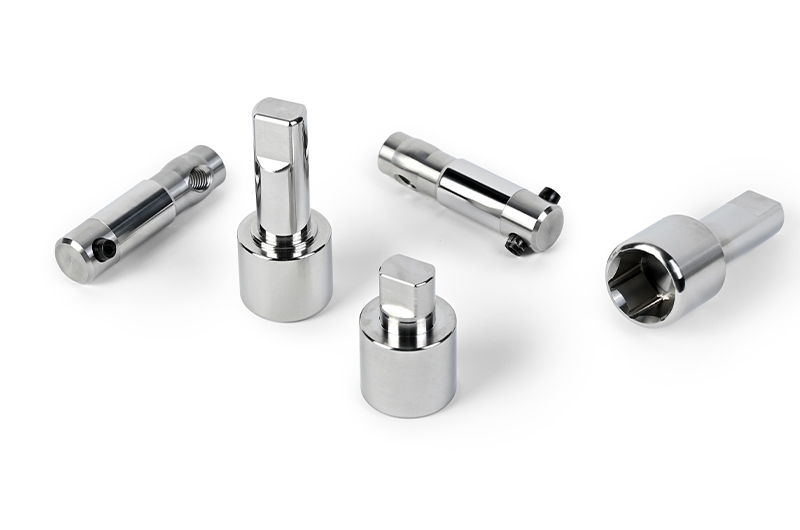
- Integrated wrench flats and keyways: Milling hexagonal, square, or specialized spanner slots directly on the lathe during non standard nuts manufacturing eliminates alignment errors between drive features and threads.
- Cross-axial cross drilling: High-speed live spindles drill wire-locking holes and lubrication ports in a single automated machining cycle.
Decision Criteria: When to Choose CNC Turning Over Cold Heading
Selecting between subtractive CNC machining and cold heading depends on order volume, geometric complexity, and required tolerances.
- Production volume threshold: Orders under 5,000 to 10,000 units are significantly more economical via precision CNC turning due to the high upfront tooling costs ($3,000–$10,000+) associated with cold heading dies.
- Dimensional tolerance limits: Requirements tighter than ±0.02mm necessitate custom fastener manufacturing via CNC equipment, as cold heading naturally drifts over die wear cycles.
- Material hardness constraints: Superalloys, heat-treated stainless steels, and aerospace aluminum alloys that crack during cold upsetting must be produced via subtractive custom threaded parts machining.
Material Selection and Critical Engineering Challenges in Custom Nut Machining
Choosing the proper alloy and managing micro-geometric challenges during custom nut machining directly determines the lifespan of precision turned fasteners.
Matching Metal Alloys to Harsh Operating Environments
Selecting the optimal raw material ensures structural integrity without incurring unnecessary material costs.
- Stainless Steel 316 / 304: Provides high resistance to chloride pitting and chemical corrosion, making it ideal for marine, medical, and fluid handling CNC machined nuts.
- 7075-T6 Aerospace Aluminum: Delivers an exceptional strength-to-weight ratio for weight-sensitive CNC machined fasteners used in aerospace frames, drones, and robotics assemblies.
- 4140 / 4340 Alloy Steels: Heat-treatable alloys offering superior tensile strength and toughness for heavy industrial drives and automotive power-transmissions.
- Grade 5 Titanium (Ti-6Al-4V): Offers lightweight durability and extreme heat resistance for aerospace hardware and high-performance custom fasteners for industrial equipment.
Overcoming Thread Tolerances and Micro-Burr Challenges
Machining internal and external threads requires careful management of cutting forces, chip evacuation, and burr removal.
- Class 6H / 6g precision thread fits: Maintaining precise pitch diameters during non standard nuts manufacturing ensures smooth hand-assembly while preventing dynamic looseness under operational shock loads.
- Automated thermal compensation: Monitoring spindle thermal growth prevents pitch drift during long production cycles, maintaining pitch accuracy within ±0.005mm across all precision turned fasteners.
- Micro-deburring protocols: Thermal energy deburring or specialized nylon brush operations eliminate microscopic thread burrs that could otherwise jam automated assembly line feeders.
Quality Control and Surface Finishing
Industrial procurement managers require concrete verification that an offshore custom nuts manufacturer can consistently deliver high-conformance components.
Quality Inspection and Micron-Level Verification Standards
A robust quality management system ensures every production lot of CNC machining fasteners meets the client’s engineering drawings.
- CMM dimensional verification: Coordinate Measuring Machines inspect critical hole locations, concentricity, and wall thicknesses of CNC machined nuts against 3D CAD models.
- Optical profile projection: High-resolution optical comparators verify thread root radii, flank angles, and lead pitches to identify micro-defects in custom threaded parts machining.
- Certified quality systems: Manufacturing operations governed by ISO 9001:2015 and IATF 16949 quality frameworks guarantee full material traceability and process repeatability across all custom fastener manufacturing lines.
Industrial Case Study: High-Precision Fasteners for Automotive Assemblies
A Tier-1 European automotive component manufacturer required a reliable custom nuts manufacturer to produce custom stainless steel bearing retaining nuts for a new electric vehicle powertrain platform.
- Operational challenge: The customer experienced thread galling and runout variations exceeding 0.02mm from their prior vendor, causing assembly line downtime.
- Engineering solution: Rejin CNC re-engineered the CNC turning for custom fasteners on Japanese DMG MORI 5-axis mill-turn centers, introducing custom thread-chasing cycles and automated passivating surface treatments.
- Quantifiable results: Achieved a dimensional pass rate exceeding 99.6%, reduced sample prototyping lead time from 12 days to 5 days, and successfully scaled up non standard nuts manufacturing to a stable monthly output of 80,000 units with zero assembly line stoppages.
Partnering with Rejin CNC for Your Custom Fastener Manufacturing Needs
Operating an advanced 100+ machine workshop equipped with Mazak, Brother, and DMG MORI multi-axis machining centers, Rejin CNC acts as a premier custom fastener manufacturer and direct production partner for global OEM projects.
DFM Engineering Support and Rapid Prototyping Capabilities
Our engineering team conducts thorough Design for Manufacturability (DFM) evaluations prior to initiating CNC machining fasteners.
- DFM cost optimization: Identifying deep internal threads, sharp internal corners, or unnecessary tight tolerances allows engineers to reduce unit custom nut machining costs by 15–25%.
- Rapid prototype turnarounds: Dedicated prototyping cells deliver fully inspected sample batches of precision turned fasteners within 3 to 7 days, accelerating client validation testing.
- Custom surface treatments: In-house anodizing, passivating, electroplating, and powder coating capabilities provide end-to-end quality control for all CNC machined fasteners.
Scalable Mass Production and Supply Chain Integration
Whether you require a small prototype run or high-volume monthly deliveries, our flexible manufacturing infrastructure accommodates diverse supply chain needs as a full-service custom threaded parts manufacturer.
- Flexible order quantities: Supporting low-volume production starting at a modest Minimum Order Quantity (MOQ) of 100 pieces up to monthly batch runs exceeding 200,000 units for custom fasteners for industrial equipment.
- Standardized process control: Detailed Process Failure Mode and Effects Analysis (PFMEA) and control plans ensure identical quality across production lots during precision CNC turning.
- Transparent global logistics: Delivering fully compliant inspection reports, material certificates, and exported hardware to over 150 countries worldwide.
Streamline Your Industrial Fastener Sourcing Today
Eliminate assembly delays and component failures caused by substandard hardware. Partner with an experienced precision fastener manufacturer capable of translating complex CAD drawings into high-precision metal parts. Contact Rejin CNC today to upload your 2D/3D CAD files and receive a comprehensive DFM feedback report along with a competitive quotation within 24 hours.
FAQ
Q: What thread tolerance classes can be achieved during CNC custom nut machining?
A: Precision CNC turning and milling, together with thread milling, reach metric thread tolerance classes 6H/6g. They also cover Imperial sizes at 2A/2B or 3A/3B. Pitch diameter stays inside ±0.005mm in most cases. The exact result still depends on the chosen material and the overall part shape.
Q: What is the typical economic threshold for choosing CNC machining over cold heading for custom fasteners?
A: CNC turning for custom fasteners works well on runs under 5,000 to 10,000 pieces. It also fits jobs that need tolerances tighter than ±0.02mm. The same holds when shops work with hard-to-form alloys like Titanium and 7075-T6 Aluminum.
Q: How do you prevent thread galling on custom stainless steel nuts and fasteners?
A: Thread galling on CNC machined nuts drops when surface finish stays below Ra 0.8 µm. Passivation or electropolishing adds further protection. A suitable dry-film lubricant helps as well. Keeping pitch clearance tight during precision CNC turning supports these steps.
Q: What technical details should be included in an inquiry for custom non-standard nut manufacturing?
A: Inquiries sent to a custom fastener manufacturer should include 2D/3D CAD drawings. The drawings need to list thread pitch and class, material grade, surface treatment, and expected volume. Volume covers both prototypes and annual batches. Any fit requirements with mating parts should appear so the quote comes back accurate.