The Challenge of Thin-Wall Machining Distortion
Thin-wall structural components are increasingly vital across high-performance industries, yet thin-walled parts machining presents demanding engineering hurdles due to severe machining distortion.
Understanding the Mechanics of Thin-Wall Instability
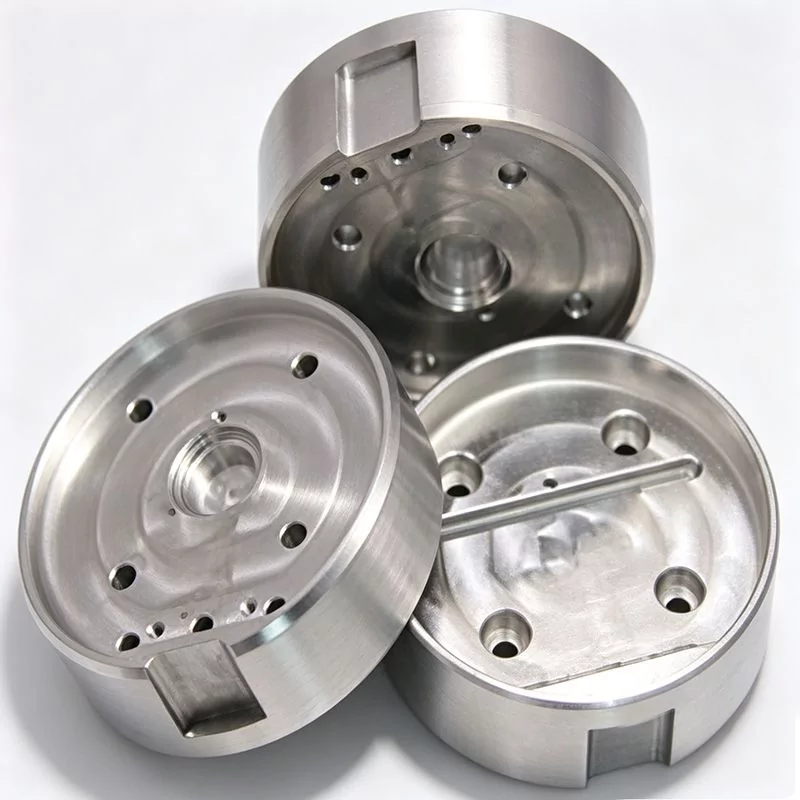
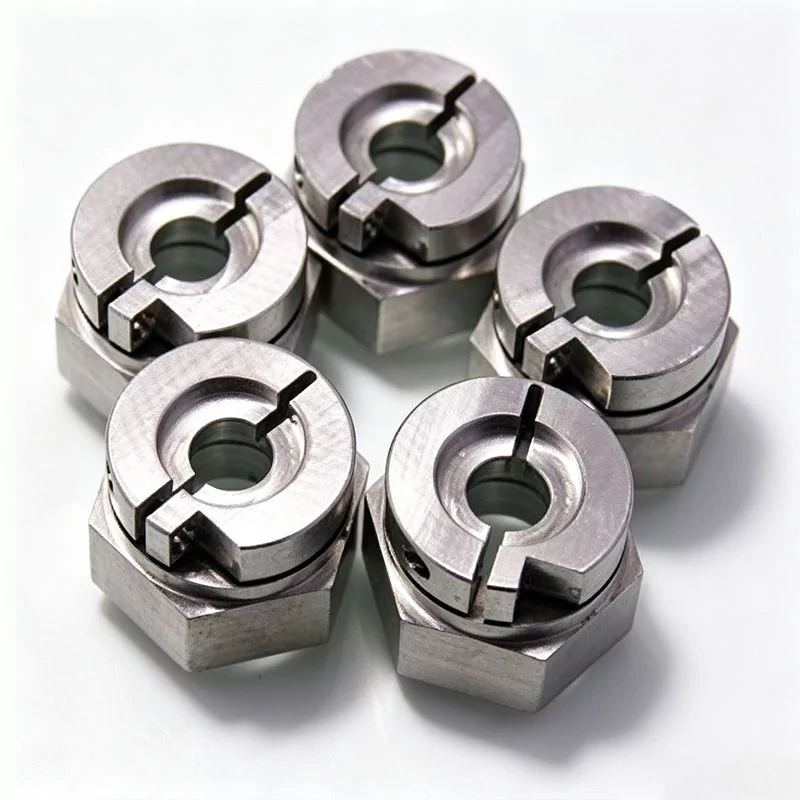
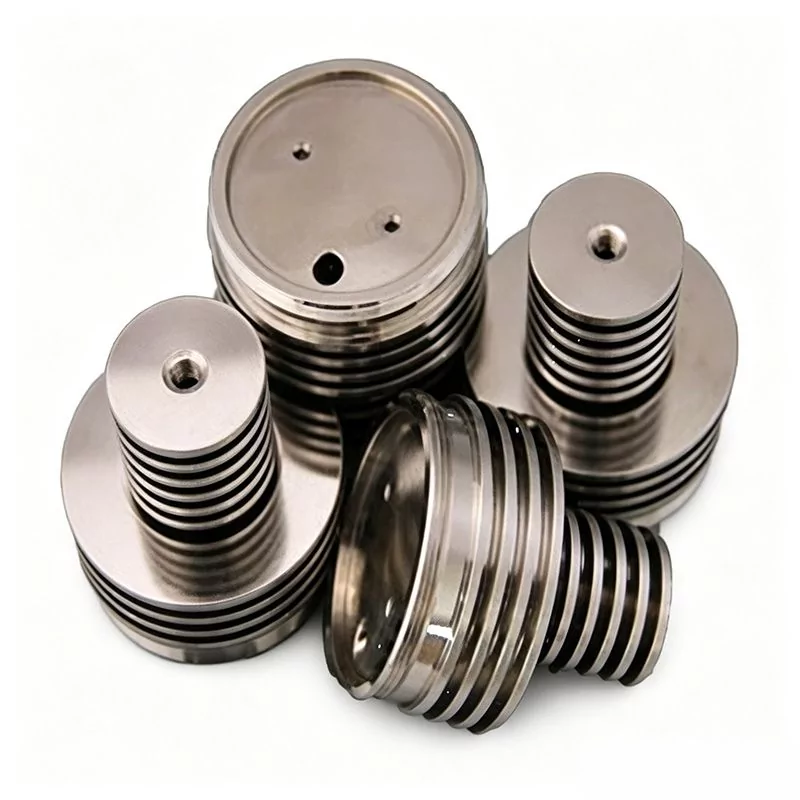
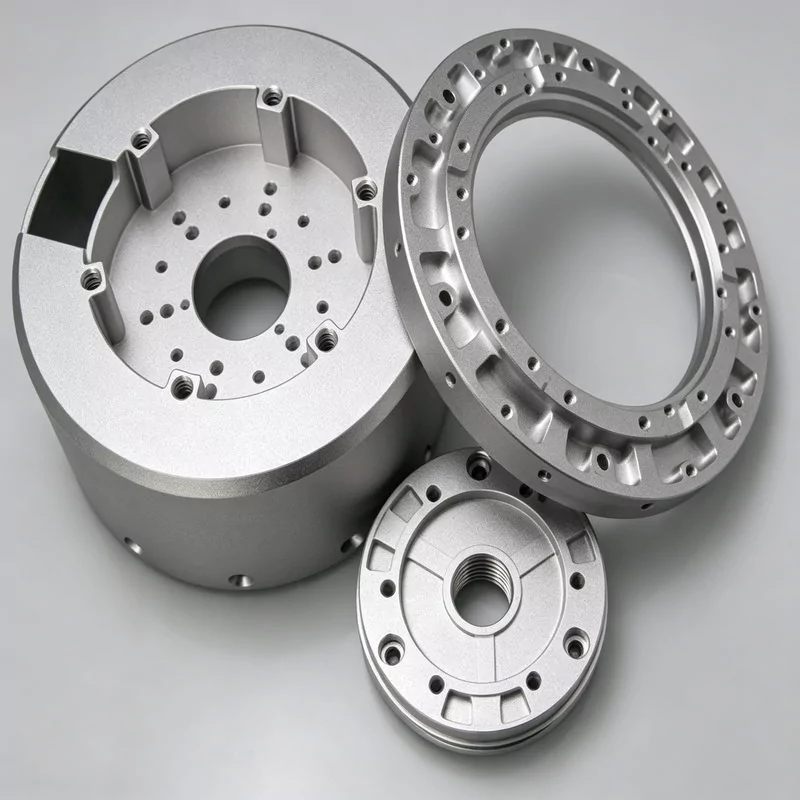
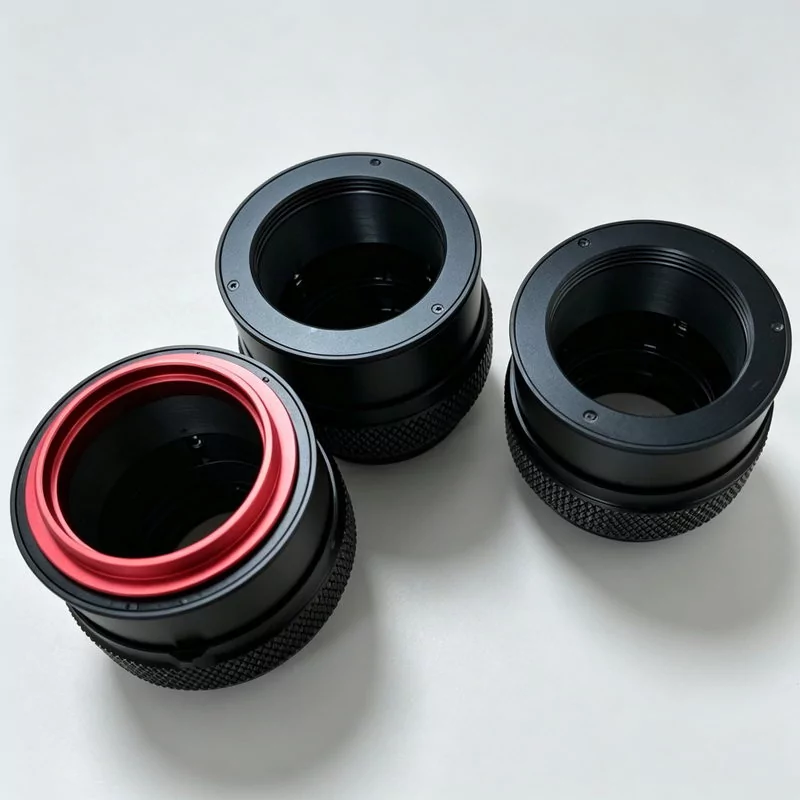
Modern engineering designs in aerospace UAV frames, 3C electronics housings, and premium audio enclosures demand ultra-lightweight structural profiles without sacrificing rigidity. Rejin CNC specializes in precision CNC machining and high-precision thin-wall CNC machining for complex structural components where wall thickness often drops below 1.0 mm, requiring strict control over mechanical deflection and thermal warpage.
- Deflection Sensitivity Thresholds: When executing thin-wall CNC milling on aluminum alloy structural shells with wall thickness-to-height ratios exceeding 1:15, dynamic cutting force components induce elastic deflection, leading to severe dimensional taper and chatter marks. At Rejin CNC, our 5-axis CNC machining setup compensates for dynamic tool engagement to maintain consistent micro-inch accuracy and prevent CNC machining deformation.
- Vibration and Surface Degradation: Unsupported thin sections exhibit low dynamic stiffness, causing severe resonant vibrations during high-speed peripheral thin-wall aluminum machining. Implementing targeted 5-axis toolpath optimization and tailored spindle speed adjustments reduces vibration amplitude, yielding surface roughness values below Ra 0.8 µm.
The Economics of Precision Thin-Wall Manufacturing
Selecting the optimal manufacturing methodology requires evaluating production volume, geometry complexity, and initial tooling investments.
- Process Selection Thresholds (CNC vs. Stamping): For production quantities under 2,000 units per month or geometries featuring internal ribbing and variable wall thicknesses, adopting 5-axis milling strategies avoids the $15,000–$50,000 upfront die cost associated with sheet metal stamping while providing faster design iteration flexibility.
- Cost Optimization Through Integrated Services: By leveraging Rejin CNC’s ISO 9001 and IATF 16949 certified facility—equipped with 100+ high-precision CNC centers and automated in-house surface finishing lines—OEM buyers eliminate multi-vendor handoffs, cutting total procurement costs by up to 18%.
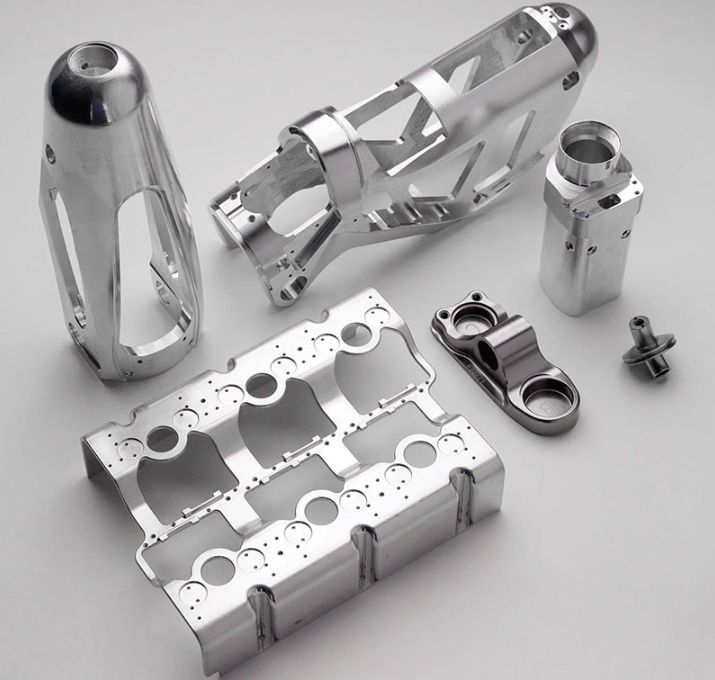
Root Causes of Part Warpage: Residual Stress and Cutting Forces
Identifying the physical phenomena behind material movement is essential for formulating effective mitigation strategies against thin-wall machining distortion.
Bulk Material Residual Stress and Stress Relief Protocols
Internal stress state within extruded or rolled stock acts as a primary catalyst for material movement once structural constraint is removed during material removal.
- Pre-Machining Stress Distribution: Standard AL6061-T6 or AL7075-T6 stock contains asymmetric internal residual stresses from extrusion and thermal quenching; localized cutting unbalances these forces, causing instantaneous bowing. Rejin CNC utilizes pre-conditioned, stress-relieved materials (such as T651 temper) to minimize internal machining distortion during thin-wall CNC machining.
- Thermal Relaxation and Annealing: High-energy metal removal generates localized heat spikes that trigger thermal expansion and subsequent stress relaxation. Implementing roughing passes followed by dedicated stress-relief thermal cycles prevents distortion during final finish milling.
Mechanical Mechanics: Tool Deflection and Cutting Force Vectors
The interaction between the cutting edge and the workpiece wall dictates the magnitude of mechanical deformation.
- Tangential and Radial Force Partitioning: High radial cutting force components push thin walls away from the cutter, resulting in residual wall thickness variations up to 0.08 mm above drawing specs. Rejin CNC’s engineers deploy positive rake angle tooling to minimize radial thrust forces and prevent wall push-out.
- Tool Deflection Compensation Metrics: End mills with high length-to-diameter ratios (L/D > 4) suffer bending deflection under load; calculating tool deflection via beam elasticity models ensures cutter paths are offset to preserve nominal tolerances down to ±0.005 mm during thin-wall CNC milling.
Optimization Techniques: Tool Path Selection, Adaptive Feeds, and Dynamic Clamping
Eliminating deformation demands an integrated approach combining advanced CAM programming with flexible workholding strategies.
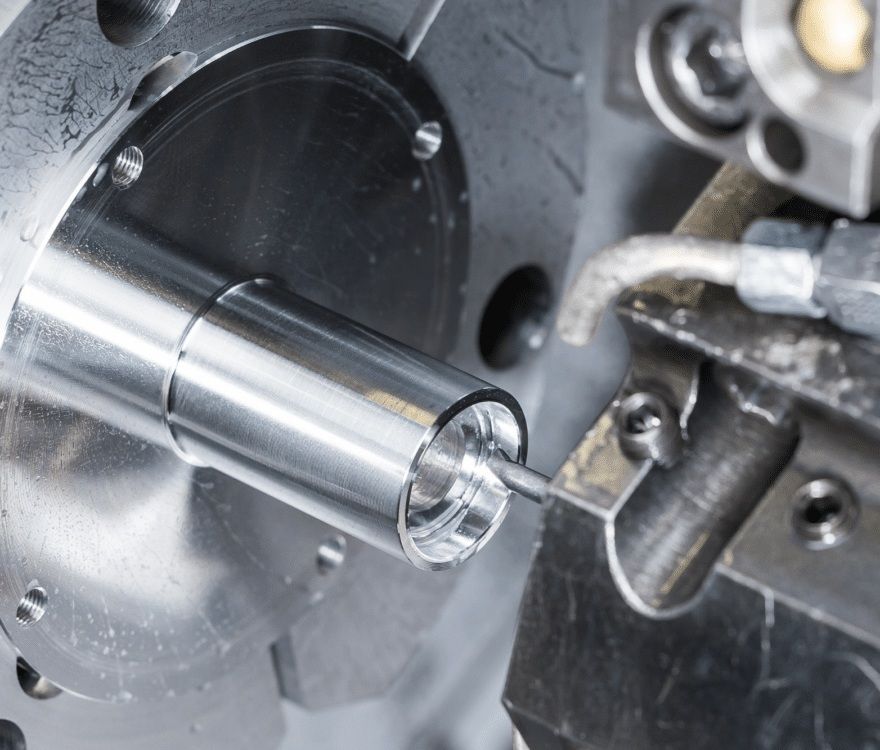
5-Axis Tool Orientation and Adaptive Toolpath Strategies
Leveraging multi-axis kinematics allows continuous optimization of tool contact vectors relative to flexible wall structures.
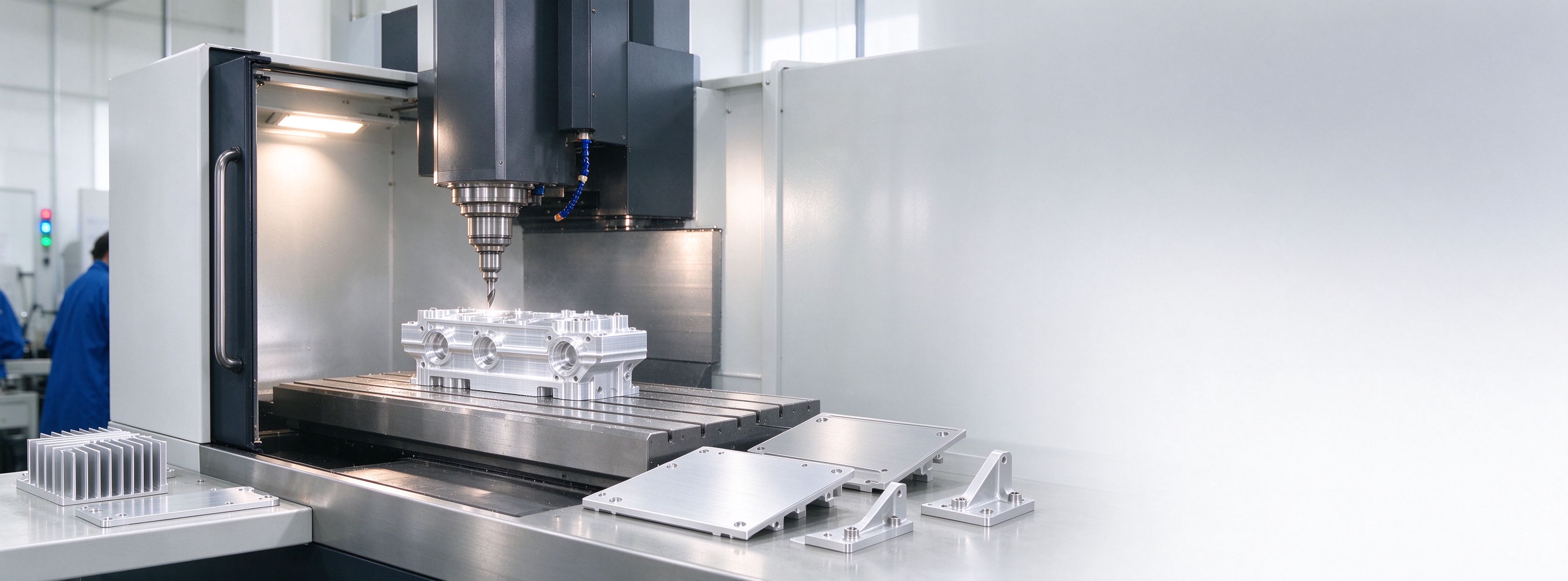
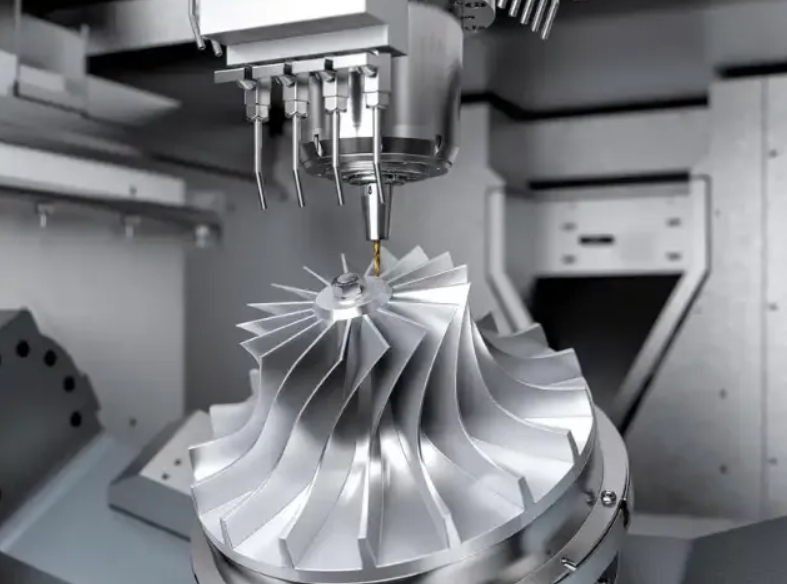
- Dynamic Tool Angle Engagement: Utilizing 5-axis CNC machining on advanced platforms like DMG MORI and Mazak centers enables continuous tool orientation adjustments (A/C axis adjustment). This directs the main cutting force down the rigid Z-axis of the workpiece rather than bending the unsupported wall.
- Constant Chip Load Adaptive Trochoidal Milling: Replacing traditional slotting paths with adaptive trochoidal toolpaths maintains a constant arc of engagement (typically 10%–15% radial stepover), preventing force spikes that trigger wall deflection and CNC machining deformation.
- Symmetrical Rib Roughing Sequences: Machining opposing sides of thin structural ribs simultaneously or in balanced step-down increments (stair-step depth of cut 0.5 mm–1.0 mm) equalizes opposing mechanical forces, mitigating thin wall machining distortion.
Workholding Engineering and Dynamic Clamping Solutions
Conventional vise clamping easily crushes delicate thin-wall profiles, causing severe clamping deformation, necessitating custom fixture engineering.
- Vacuum and Low-Melting Alloy Fixturing: Uniform vacuum chucking or backing thin pockets with water-soluble structural support alloys provides continuous dampening across complex surfaces, eliminating localized clamping deformation.
- Clamping Torque Standardized Parameters: Establishing strict torque limits (e.g., 5 N·m–8 N·m) on custom soft-jaw fixtures prevents mechanical frame twisting during high-speed thin-walled parts machining.
Coolant and Thermal Management in High-Speed Milling
Thermal equilibrium across the workpiece geometry is critical for micro-inch dimensional repeatability in thin-wall aluminum machining.
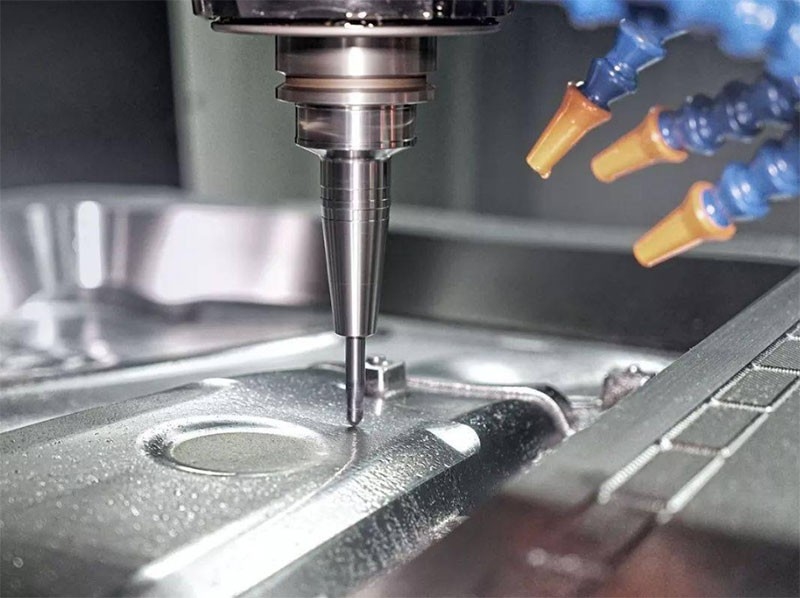
Thermal Control Protocols and MQL Implementation
Local thermal gradients induce non-uniform expansion, leading to dimensional errors once the part returns to ambient temperature.
- High-Pressure Through-Spindle Coolant Delivery: Deploying 70-bar through-spindle coolant flushes chips instantly from deep cavities, eliminating heat re-cutting and localized thermal expansion.
- Minimum Quantity Lubrication (MQL) Application: In high-speed thin-wall CNC milling, MQL systems deliver a precise aerosol mist of biodegradable lubricant, maintaining cutting zone temperatures while preventing thermal shock distortions.
Verified Industrial Case Study and Production Capacity
Real-world application metrics highlight Rejin CNC’s technical capabilities in precision CNC machining and thin-walled parts machining.
Case Proof: European High-End Audio Brand Control Unit Enclosure
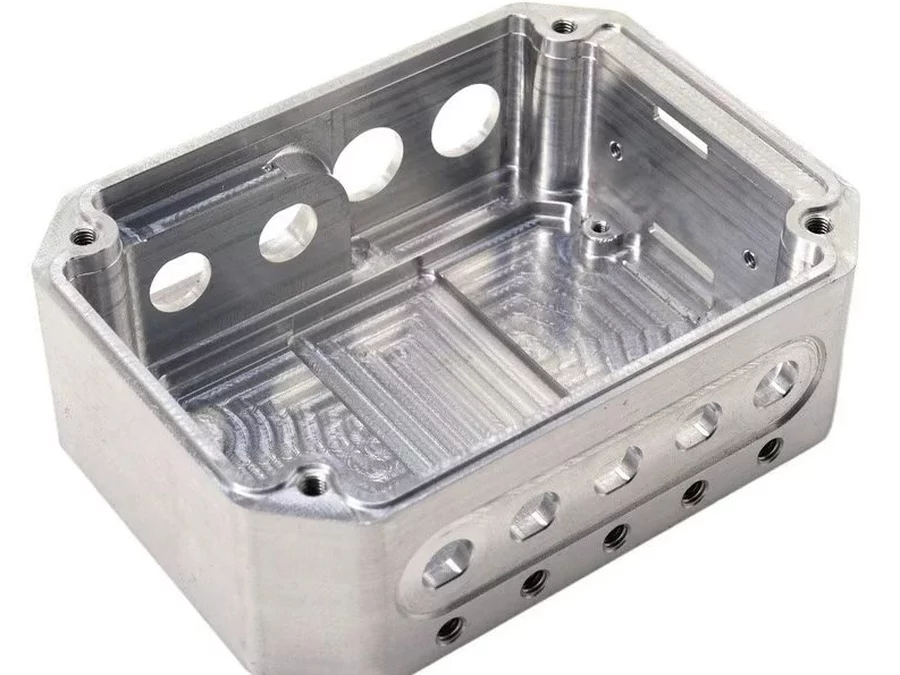
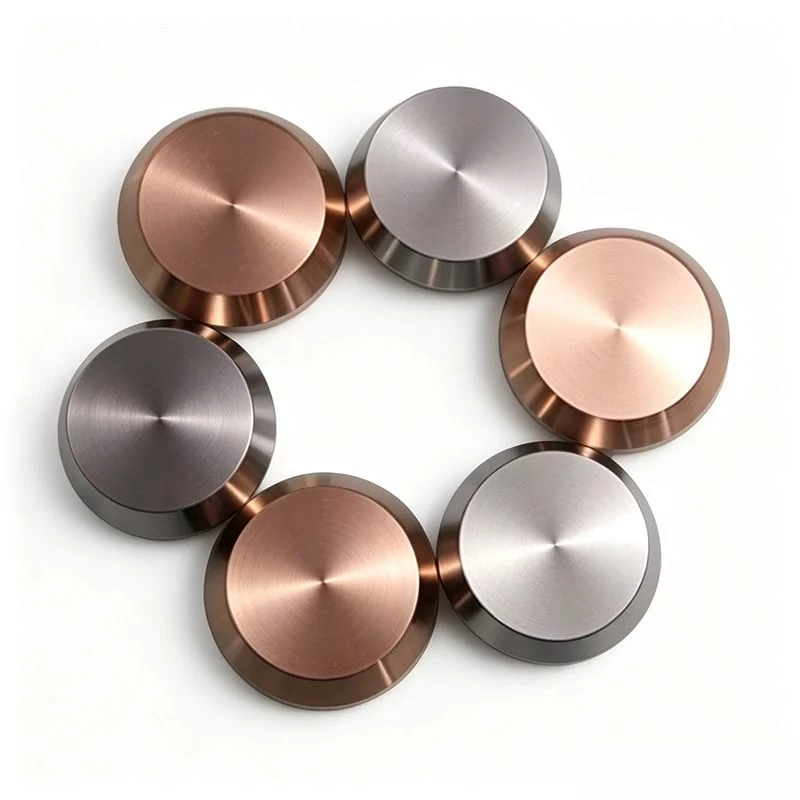
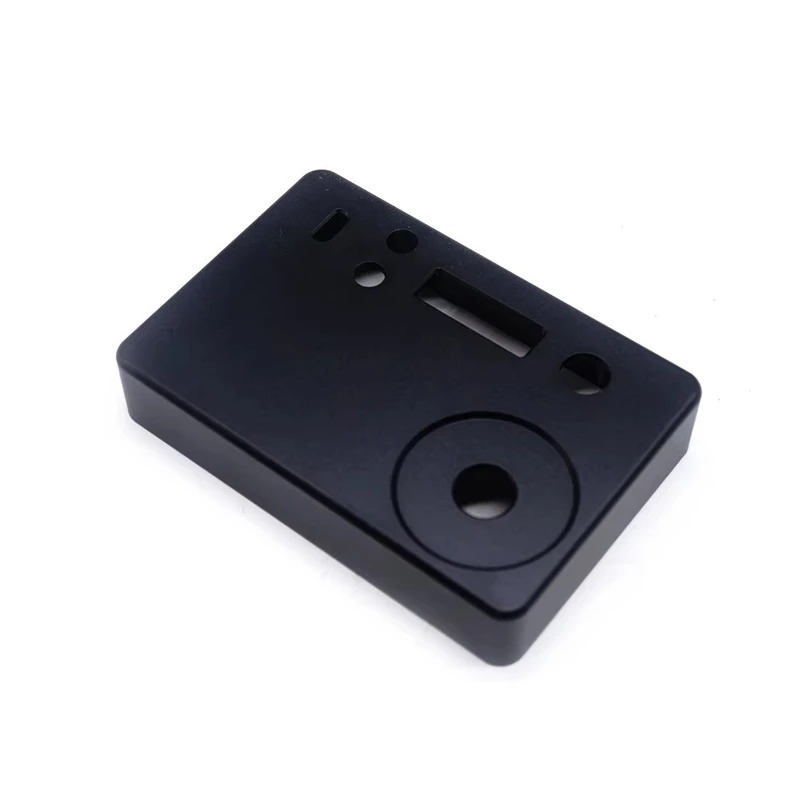
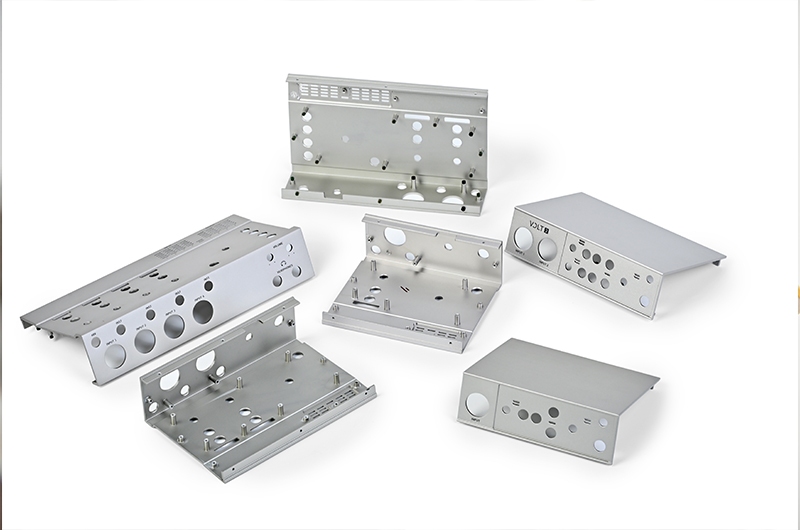
- Project Challenge: A leading European audio equipment brand required custom aluminum enclosures featuring 0.8 mm wall thickness, strict horizontal brushed aesthetics, and an anodized finish with flat surface tolerance within ±0.015 mm, without suffering from thin-wall machining distortion.
- Rejin CNC Engineering Solution: Rejin CNC implemented tailored 5-axis milling strategies with adaptive trochoidal milling on Mazak machining centers combined with custom vacuum fixture support. By applying strict 5-axis toolpath optimization and controlling tool orientation to direct cutting forces along structural ribs, part warpage was completely eliminated.
- Quantitative Results & Scale: Achieved 100% dimensional compliance across monthly volume runs exceeding 20,000 units. First-pass inspection yield reached 99.6%, with client defect returns dropping under 0.3%. Prototyping lead time was compressed from 12 days to 5 days, supporting rapid global product deployment.
Conclusion: Reliable Ultra-Thin CNC Component Manufacturing
Mastering thin-wall CNC machining requires combining 5-axis CNC machining, dynamic stress relief, custom workholding to prevent clamping deformation, and precise thermal management. At Rejin CNC, our 22+ years of manufacturing experience, 100+ advanced CNC machining centers, and comprehensive DFM design support empower global OEM clients across audio, automotive, UAV, and 3C electronics industries to achieve precise, warp-free component production.
Optimize Your Thin-Walled CNC Manufacturing Today
Upload your CAD models for a free, comprehensive DFM review and official quotation within 24 hours. From rapid prototypes (3–5 day lead time) to high-volume OEM mass production (20,000+ units/month), Rejin CNC delivers reliable, high-precision thin-wall CNC milling solutions tailored to your exact specifications.
- Phone: +86 13790500374
- Email: info@rejincnc.com
FAQ
Q: What is the minimum wall thickness achievable in precision thin wall aluminum machining?
A: With optimized 5-axis toolpath optimization, controlled cutting force vectors, and specialized vacuum workholding, production wall thickness in thin-wall CNC machining can routinely reach 0.5 mm to 0.8 mm in aluminum alloys while maintaining tolerances within ±0.005 mm.
Q: How does 5-axis CNC machining reduce deformation compared to standard 3-axis milling?
A: 5-axis CNC machining allows continuous cutter tool orientation, directing cutting force vectors along the workpiece’s strongest structural axis and completing multi-sided features in a single setup to eliminate re-clamping stress stackup and CNC machining deformation.
Q: When should an OEM buyer transition from thin-walled parts machining to sheet metal stamping?
A: Stamping becomes cost-effective for simple thin-wall geometries at monthly volumes exceeding 2,000–5,000 units, whereas thin-wall CNC milling is ideal for complex, thick-to-thin transitions, low-to-medium batch sizes, or zero-upfront-tooling projects.
Q: What material tempers are recommended to minimize machining distortion during thin wall CNC milling?
A: Stress-relieved tempers such as AL6061-T651 or AL7075-T651 are highly recommended for thin-walled parts machining, as they undergo mechanical stretching prior to machining to equalize internal stress distribution and prevent post-machining warpage.