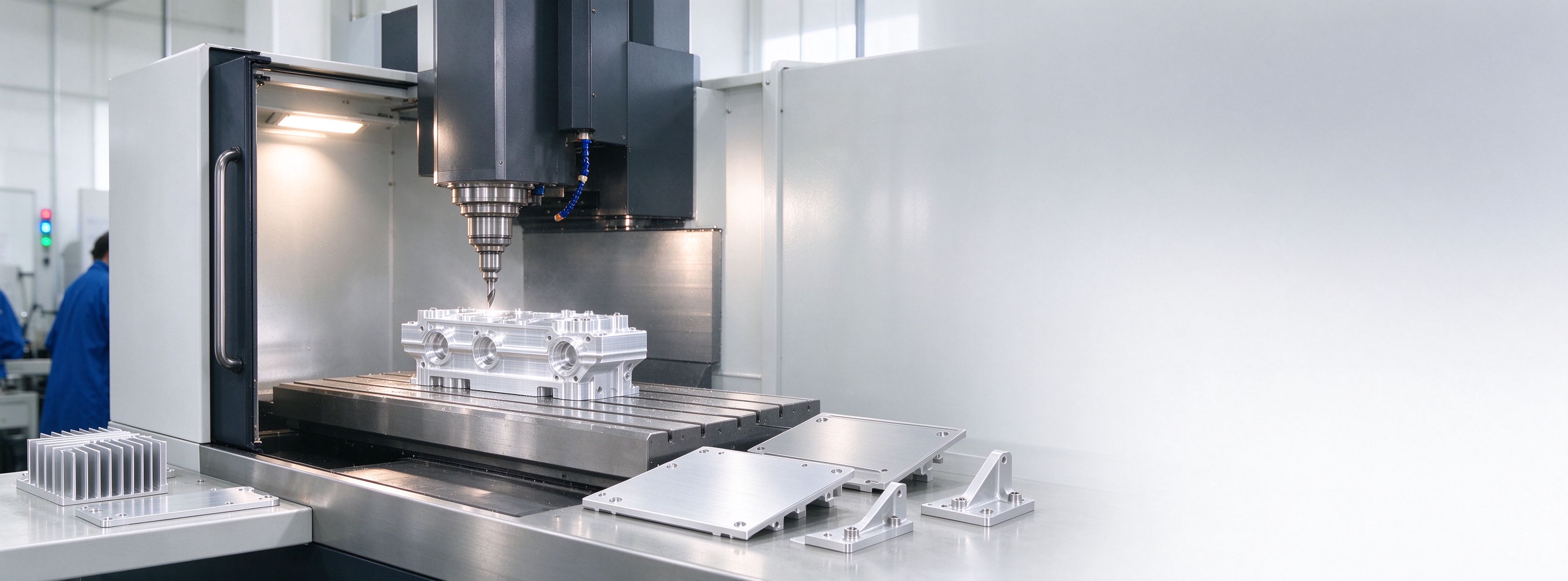
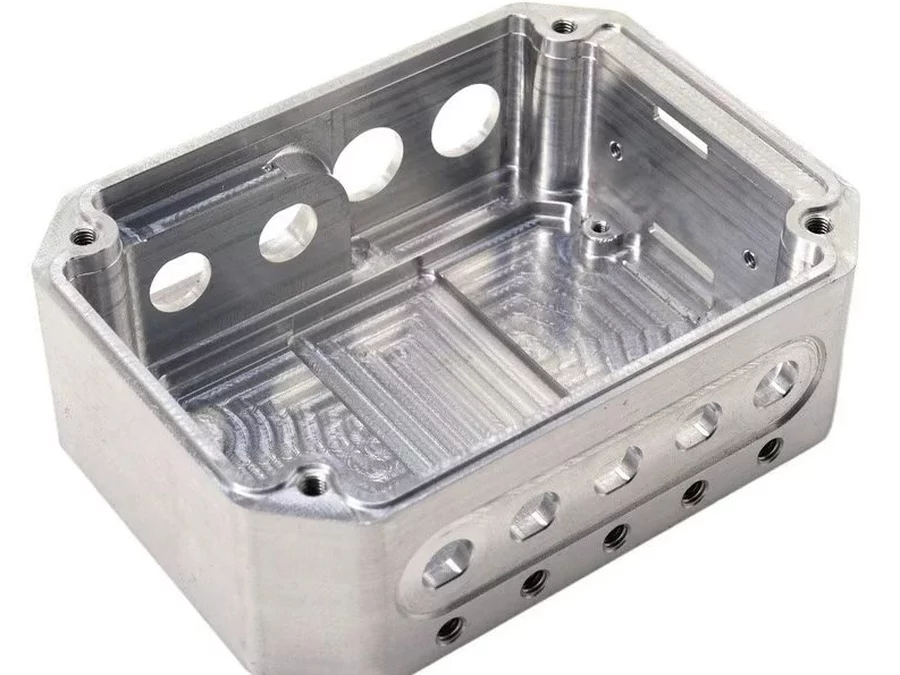
CNC machining centre: vertical machining center cutting an aluminium housing
Insight
Pilot Runs, Fast: Low-Volume Milling and Turning for Quick Validation

Machining know-how, process notes and industry updates from our CNC production floor.

Unlock Fast Pilot Runs with Low-Volume Milling & Turning

  • Unlock Fast Pilot Runs with Low-Volume Milling & Turning Eren
  • 18th September 2026

Low-Volume Milling and Turning for Product Validation and Pilot Production

Moving from a digital design to physical parts marks a key stage in hardware work. Teams often risk high costs when they skip from fast prototypes straight to expensive hard tooling without solid testing. Low-volume CNC machining fills this need by letting engineering groups check mechanical fit, run thermal tests, confirm dimensional accuracy, and test market interest using limited upfront tooling spend.

  • Risk Reduction: Small-batch CNC machining eliminates major hard-tooling commitments while allowing teams to verify real-world performance under operational conditions.
  • Design Optimization: Prototype CNC machining supports rapid engineering changes before final production tooling or process parameters are locked down.
  • Production Parity: CNC machining for product validation delivers components from production-grade metals with end-use mechanical properties, surface finishes, and realistic functional performance.

To help hardware innovators move efficiently from concept to commercialization, Rejin CNC provides low-volume CNC machining, CNC machining for pilot production, and precision manufacturing solutions tailored to product validation and pre-production requirements.

Navigating the Prototype-to-Production Gap: Financial and Technical Decision Thresholds

Transitioning hardware from initial CAD validation to pre-mass production requires a process that balances unit cost, lead time, flexibility, and repeatable batch consistency. Selecting between flexible CNC processing and permanent tooling should therefore consider both expected volume and design maturity.
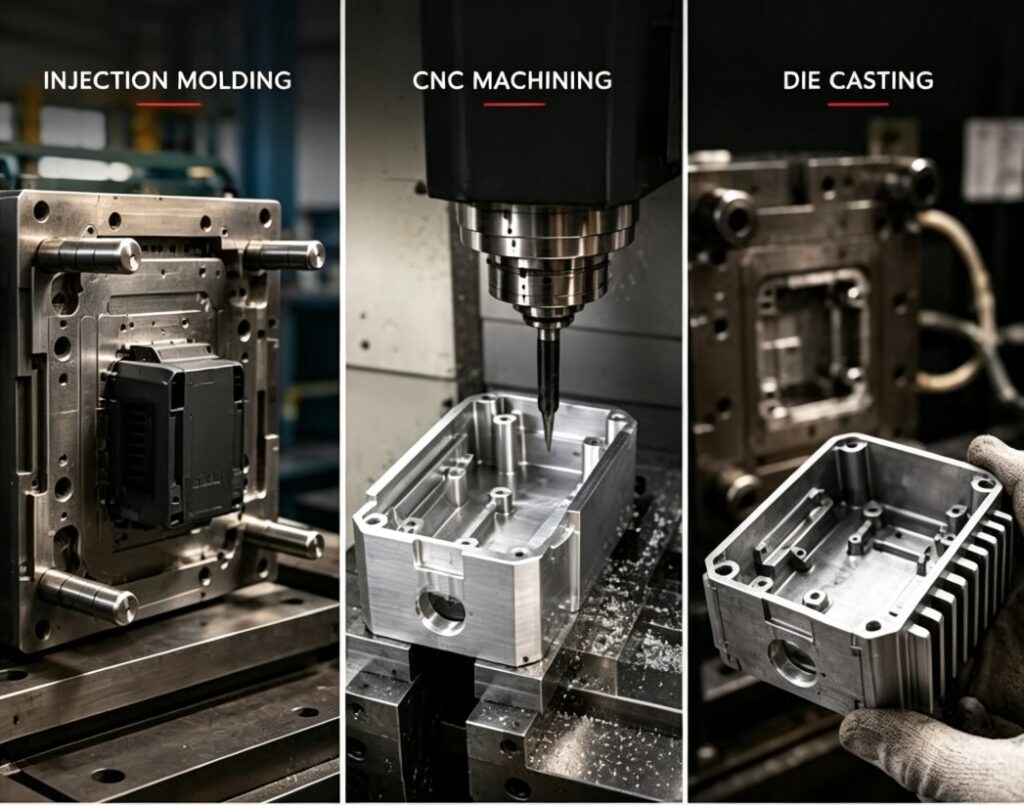
Low-volume CNC machining bridges prototype validation and mass production

Break-Even Analysis: CNC Machining vs. Injection Molding and Die Casting

Evaluating whether to use machining or invest in hard tooling depends on production quantity, geometry stability, and future design-change risk.

  • Tooling Capital Amortization Threshold: When production volumes remain under approximately 1,000 to 3,000 units, low-volume CNC milling can avoid the substantial upfront investment associated with die-casting dies or steel injection molds.
  • Design Uncertainty and ECO Flexibility: Engineering Change Orders are easier to implement through CAM updates during low-volume CNC machining, whereas modifications to hard tooling can create longer delays and additional tooling costs.
  • Material Property Parity: Machining directly from wrought aluminum billets or stainless steel bar stock allows CNC machining for product validation to reflect many of the mechanical characteristics expected from the intended end-use material.

For hardware teams still refining form, fit, and function, low-volume CNC milling and low-volume CNC turning provide greater flexibility than committing immediately to fixed tooling.

Precision Engineering Scenarios: Milling and Turning in Critical Hardware Applications

Pilot production requires specialized machining methods tailored to the mechanical, acoustic, and thermal challenges of complex components. Depending on geometry, a project may combine low-volume CNC milling, precision CNC turning, and multi-axis machining within one validation program.
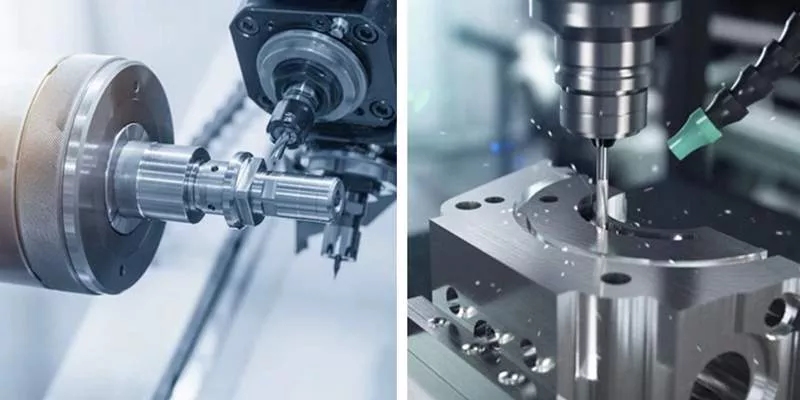
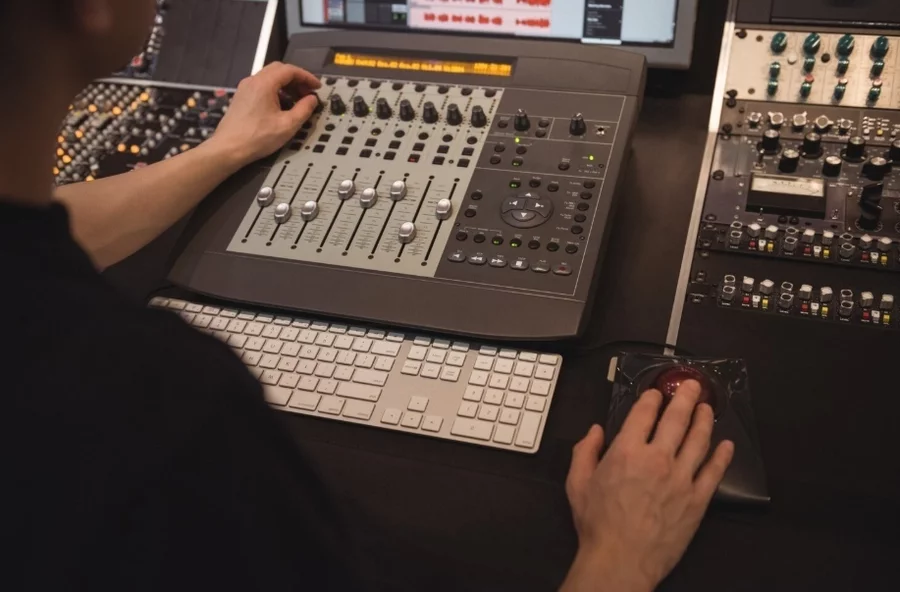
Precision CNC machining supports critical audio and drone hardware applications

Complex Enclosures for Premium Electroacoustic Hardware

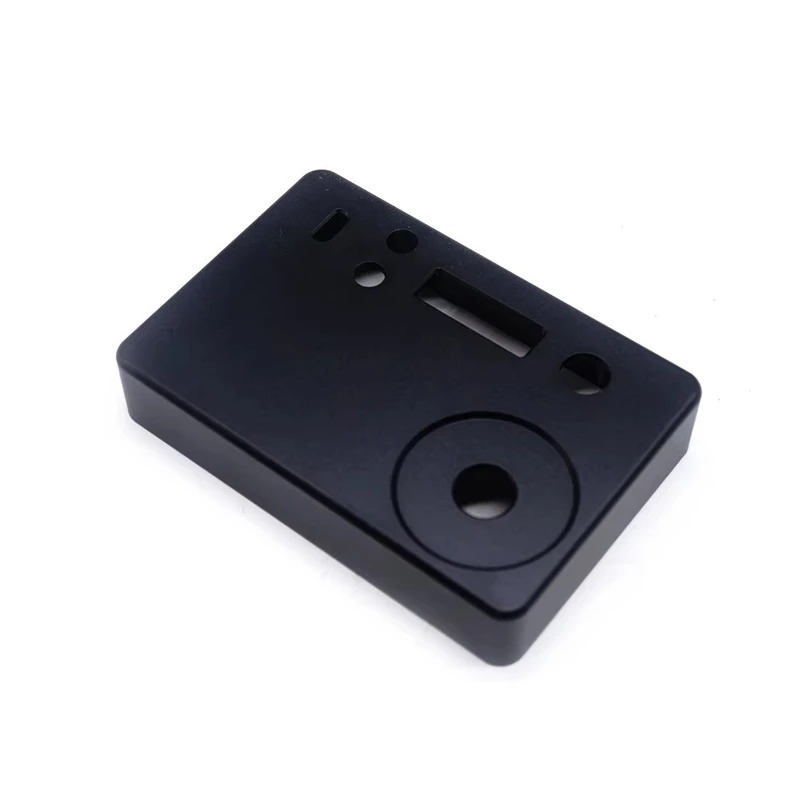
High-end audio enclosures require strict dimensional control to maintain acoustic sealing and consistent cosmetic quality.

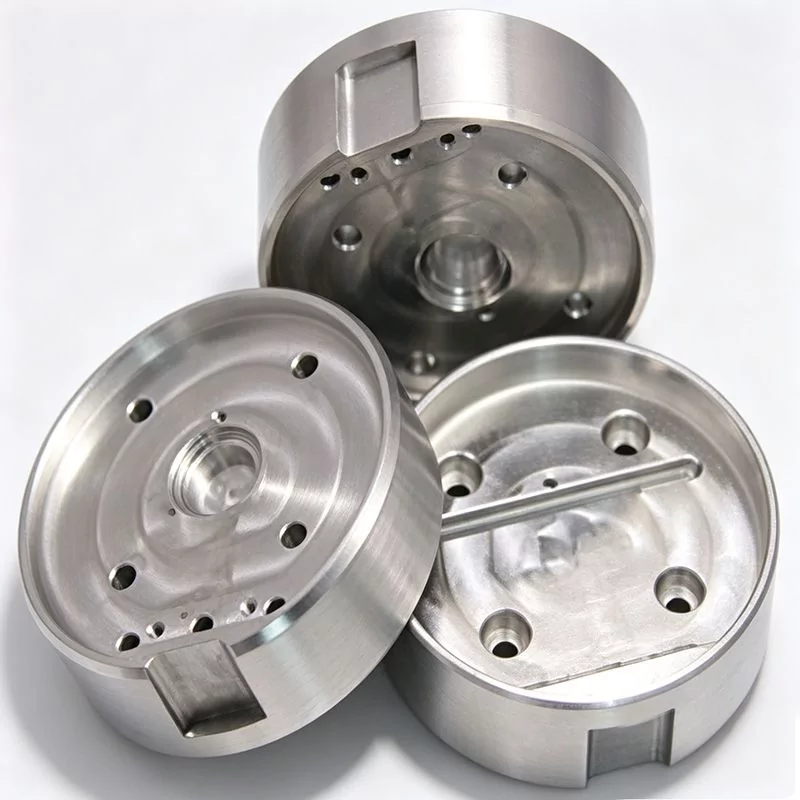
  • Thin-Wall Acoustic Cavity Milling: Maintaining thin-wall geometry while controlling dimensional accuracy requires optimized high-speed cutting strategies during low-volume CNC milling and prototype CNC machining.
  • Aesthetic and Functional Surface Finishing: Integrating bead blasting and anodizing helps maintain visual batch consistency without compromising threads, sealing faces, or other precision features.

This type of small batch CNC machining is particularly valuable when hardware brands need limited pilot quantities before approving a larger commercial release.

Structural Electronics and Drone Frame Mounts

UAV structural hubs demand high strength-to-weight ratios and precise bearing fits under dynamic operating loads.

  • 5-Axis Machining for Monolithic Rigidity: 5-axis small-batch CNC machining can produce compound angles and complex monolithic structures in fewer setups, reducing tolerance accumulation between separate parts.
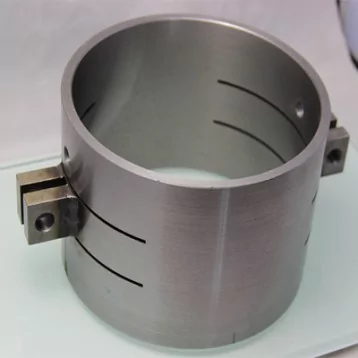
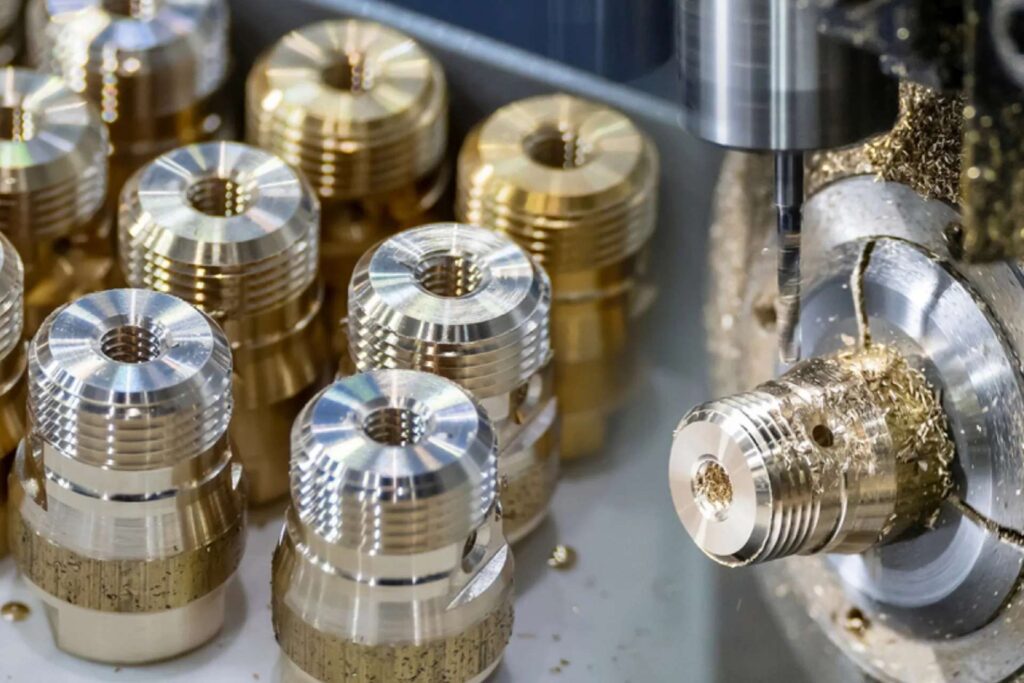
  • Concentricity in Turned Dynamic Elements: Precision CNC turning and low-volume CNC turning are suitable for motor mounts, shaft housings, and cylindrical parts where runout, concentricity, and rotational balance are critical.

For rotational hardware, controlled precision CNC turning helps maintain dimensional accuracy and repeatable geometry across pilot batches.

Practical Verification: Production Scale and Equipment Capability Proofs

B2B procurement teams should evaluate suppliers based on machining capabilities, quality systems, and demonstrated production reliability rather than capacity claims alone.

Case Study: Pilot Production for a European Headphone Brand

Validating a premium audio design before mass-market release required a controlled pilot production CNC machining workflow under demanding tolerance and cosmetic requirements.

  • Project Scope and Batch Scale: Rejin CNC completed a pilot production run of 300 precision acoustic cup housings for a European headphone project within a defined production window.
  • Machining Fleet and Metrology Infrastructure: High-precision multi-axis machining combined with CMM inspection supported tight-tolerance CNC machining, dimensional accuracy, and stable batch consistency.
  • Plant Capacity and Order Flexibility: Rejin CNC supports work from individual prototypes through small batch CNC machining, CNC machining for pilot production, and larger serial manufacturing.

This flexibility helps customers maintain a controlled prototype-to-mass-production path without changing suppliers midway through development.

End-to-End Technical Services: Securing Quality from DFM to Final Delivery

Reducing manufacturing risk during pilot production: CNC machining requires a structured engineering workflow that identifies manufacturability problems before material is cut.
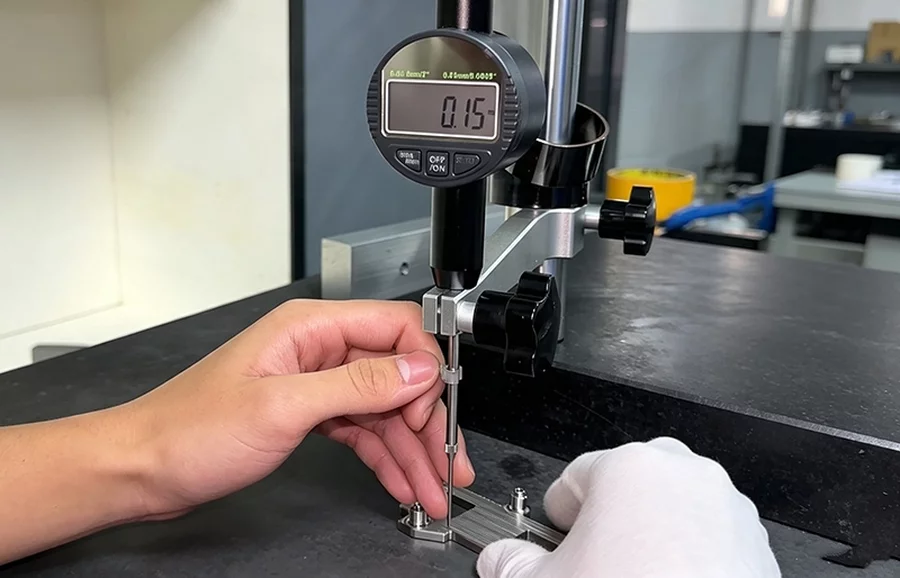
DFM and quality control reduce CNC pilot production risks

Front-End Engineering Analysis and Quality Protocol

Standardized quality control and pre-production engineering help ensure smoother transitions from prototype to mass production.

  • Pre-Production DFM Review: A detailed DFM review and design for manufacturability analysis can identify deep internal corners, thin-wall chatter risks, excessive thread depth, difficult tool access, and unnecessarily tight tolerances.
  • First Article Inspection (FAI) and CMM Verification: FAI and dimensional inspection verify that tight-tolerance CNC machining requirements and critical dimensional accuracy targets are met before batch release.
  • Unified Surface Finishing Ecosystem: Integrated finishing workflows—including anodizing, sandblasting, electroplating, powder coating, polishing, and laser engraving—help reduce multi-vendor handoffs and support better batch consistency.

An early DFM review is especially valuable for CNC machining for product validation, because design corrections made before production are usually faster and less expensive than changes discovered during pilot assembly.

Partner with Rejin CNC for Your Next Pilot Run

Rejin CNC offers complete low-volume CNC machining services. These include early design checks, pilot production work, and larger manufacturing runs.
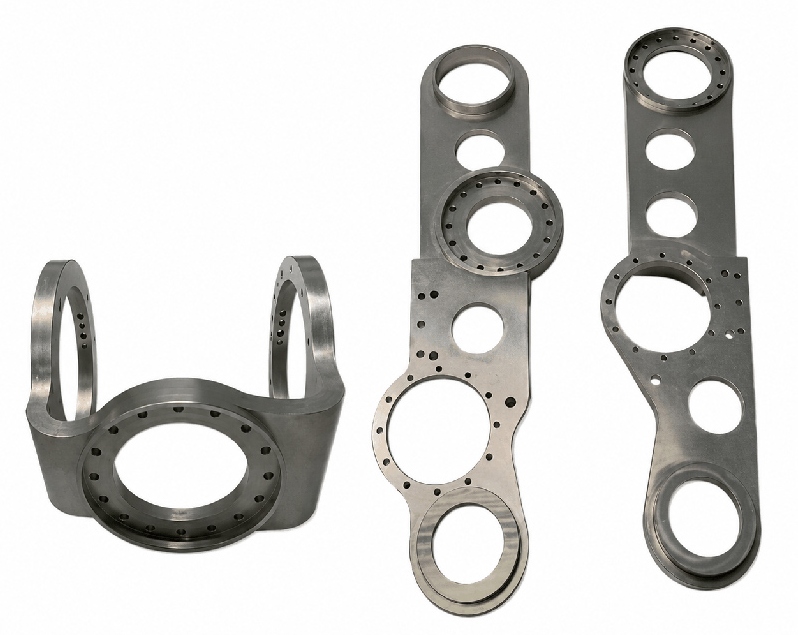
Rejin CNC supports precision pilot runs and low-volume machining

Precision Machining & Prototyping Capabilities

Our shop handles complex shapes while keeping lead times short and quality steady across every order.

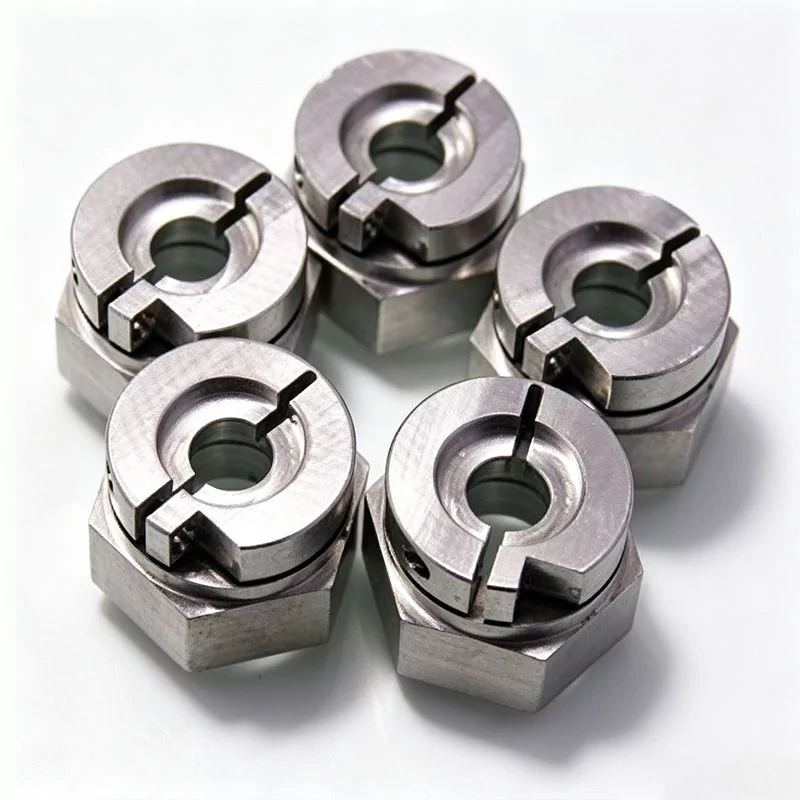
  • 5-Axis Milling & Precision Turning: Combines low-volume CNC milling, precision CNC turning, and low-volume CNC turning for custom structural components, housings, shafts, and precision parts.
  • Scalable Production Fleet: Supports one-off prototype CNC machining, small batch CNC machining, and larger production programs through a scalable CNC equipment base.
  • Rapid Prototyping Lead Times: CNC milling, turning, and sheet metal services support fast iteration during CNC machining for product validation and engineering verification.

Engineering DFM & Integrated Surface Treatment Ecosystem

We pair early engineering input with solid process control and finishing steps. This approach cuts down on later changes and keeps projects on track.

  • Front-End DFM & Technical Support: Engineering teams conduct a detailed DFM review and design for manufacturability assessment of CAD drawings before machining begins.
  • Complete Surface Finishing: Integrated anodizing, sandblasting, polishing, electroplating, powder coating, painting, screen printing, and laser engraving help maintain consistent appearance across pilot and repeat orders.
  • Certified Quality Verification: First Article Inspection, dimensional verification, and controlled process documentation support tight-tolerance CNC machining, dimensional accuracy, and repeatable batch consistency.

Speed up your next project with reliable CNC machining for pilot production. Reach Rejin CNC at info@rejincnc.com and send your 2D or 3D files. You will get a DFM review, practical feedback, and a quote for your low-volume CNC machining needs.

FAQ

Q: What production volumes are best suited for low-volume CNC machining?

A: Low-volume CNC machining works well when quantities stay small enough that heavy tooling costs do not add up. It also fits projects where the design keeps changing. Teams turn to this method for prototypes, engineering validation, pre-production runs, and other small-batch CNC machining programs.

Q: What is the difference between prototype CNC machining and pilot production CNC machining?

A: Prototype CNC machining helps check design ideas, fit, and basic function. Pilot production CNC machining shifts focus toward steady processes, consistent batches, careful quality checks, and steps that prepare for scaling from prototype to mass production.

Q: How does early DFM review improve CNC machining for pilot production?

A: A solid DFM review spots manufacturing issues early. Following design for manufacturability ideas can ease part shapes, give tools better access, cut back on tight tolerances, and trim both setup and cutting time.

Q: Why are dimensional accuracy and batch consistency important during product validation?

A: Good dimensional accuracy makes sure test results match the real design instead of random shop variation. Strong batch consistency lets engineering groups see if performance holds steady across runs. This step comes before any move from CNC machining for product validation into full production.
 

Tags:

Table of Contents

Frequently Asked Questions

The ordering process is simple: 1.Submit your design files 2.Select materials and manufacturing processes 3.Receive quotation 4.Confirm the order 5.Production and delivery
We provide a wide range of services, including CNC Machining Services, Sheet Metal Fabrication, Surface Finishing Solutions, and DFM Analysis Support.
We offer multiple CNC machining materials, such as Copper (Cu), Iron (Fe), Aluminum (Al), Stainless Steel, and Engineering Plastics.
We accept credit card, PayPal, and T/T Bank Transfer.
Yes. You can track your order via our online tracking system or contact our support team through Customer Support Team.
Our CNC machining delivers high precision, typically with a tolerance up to ±0.005mm, depending on the material and complexity of the part.
Yes. We offer design and engineering assistance to bring your ideas to life. Our team can help with product design, prototyping, and optimization.
RELATED PRODUCTS

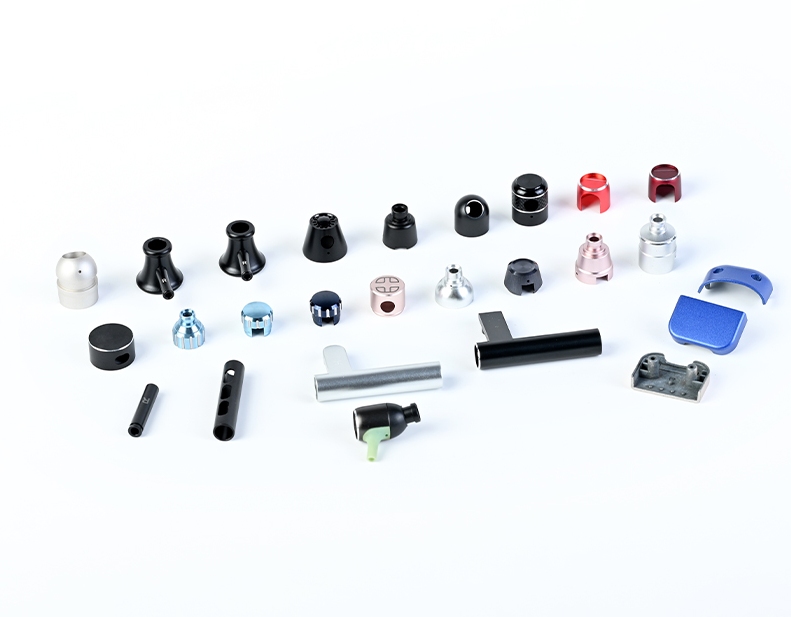
Parts We Machine Every Day

View More
SIMPLE PROCESS

What Happens After You Click Send?

1
Inquiry Received

Your message lands directly with our senior engineers — instantly acknowledged.

2
Engineer Review

We study your requirements and propose a workable solution with material & process options.

3
Quote Within 24h

Detailed quotation with specs, options and lead time — no hidden fees.

4
Sample & Production

Approve the sample, then we mass-produce with full QC and on-time shipping.

WhatsApp: +86 13790500374

Email: info@rejincnc.com

Request a Quote

Custom Quote Within 24 Hours

    Full Name *

    Business Email *

    Phone / WhatsApp *

    Company Name

    Upload Drawing / Sketch (Optional)

    No file selected

    Project Details

    Your CAD files are kept strictly confidential. Quotation within 24 hours.