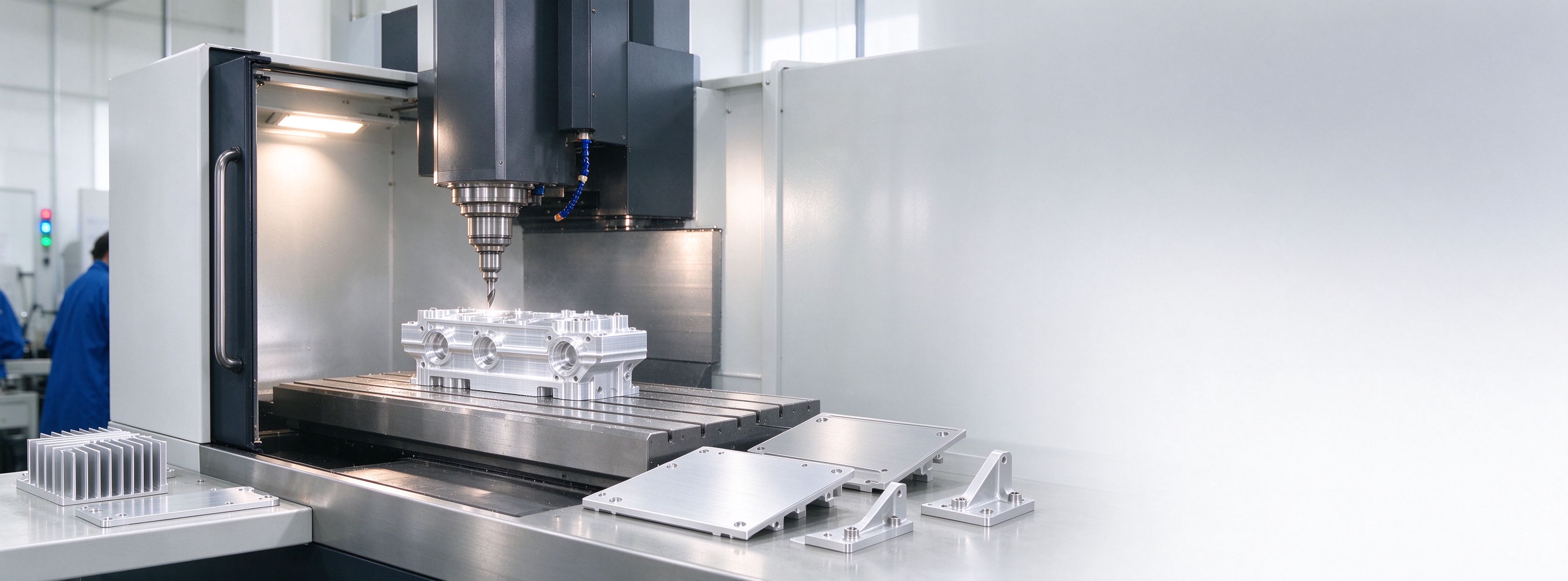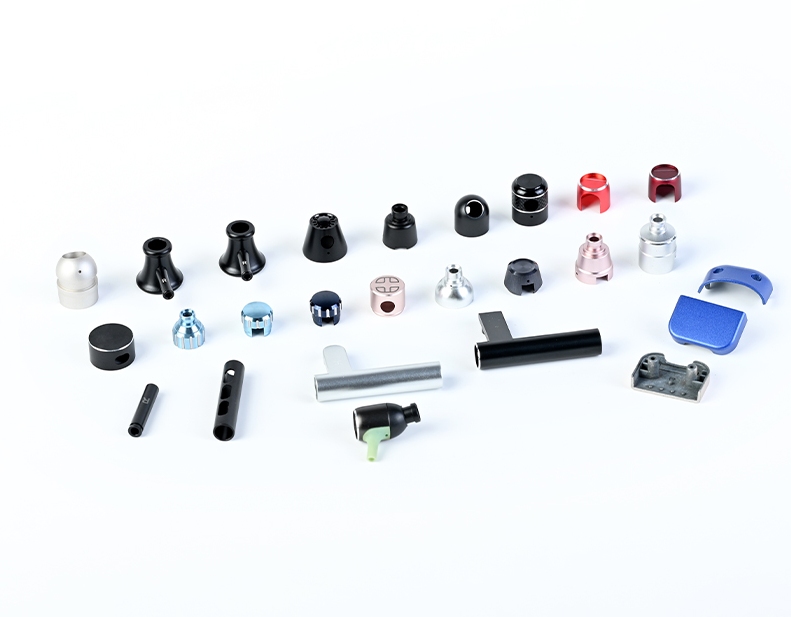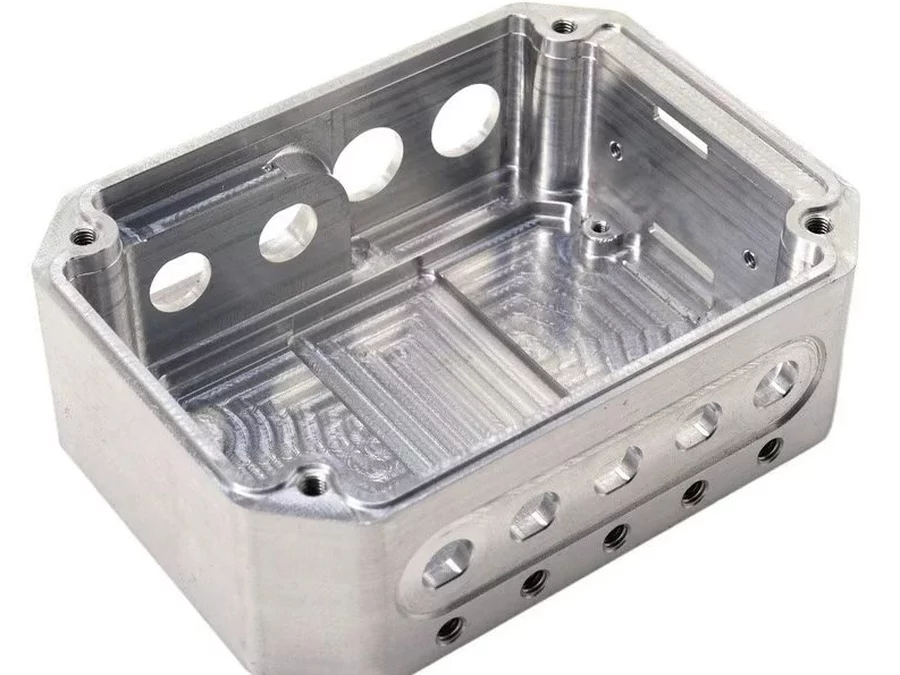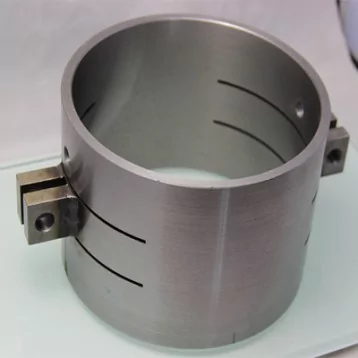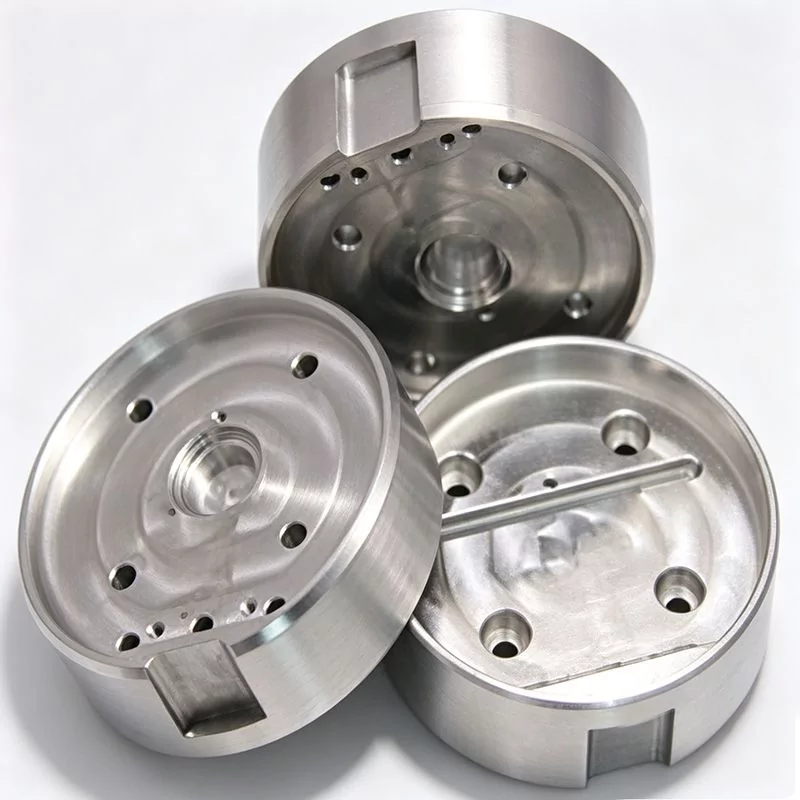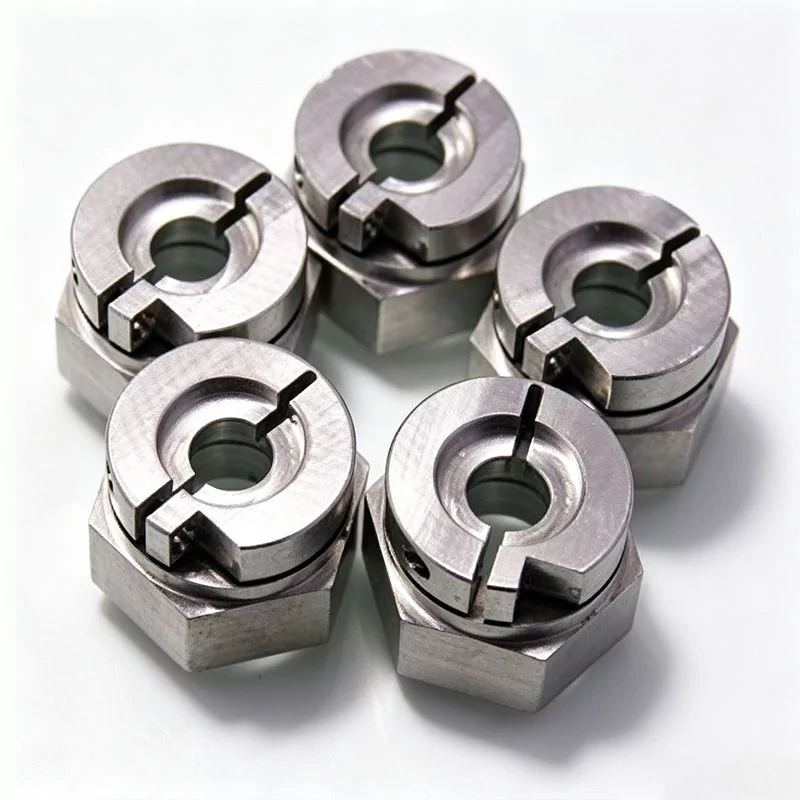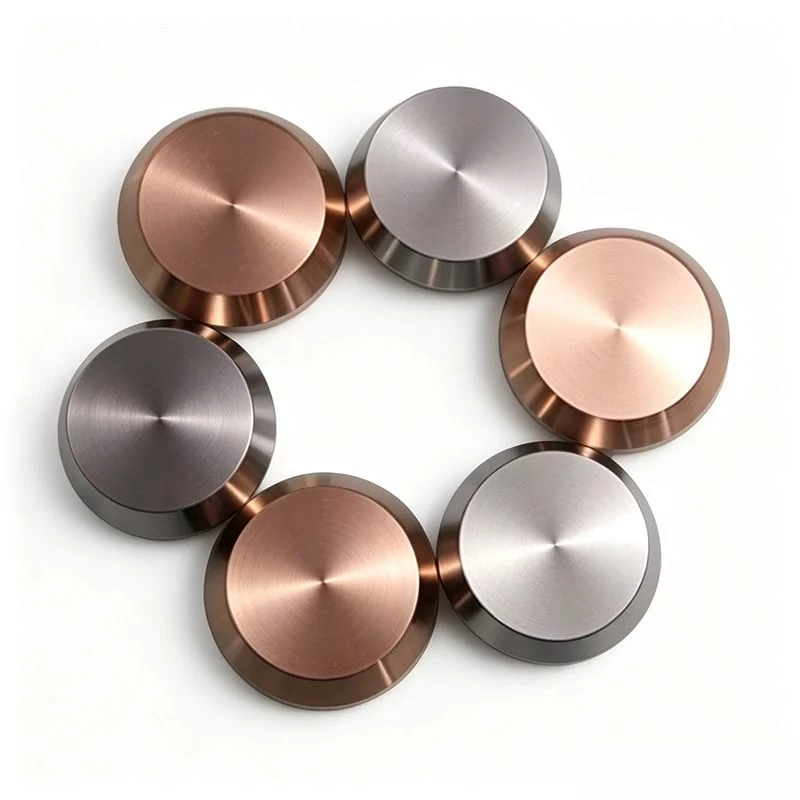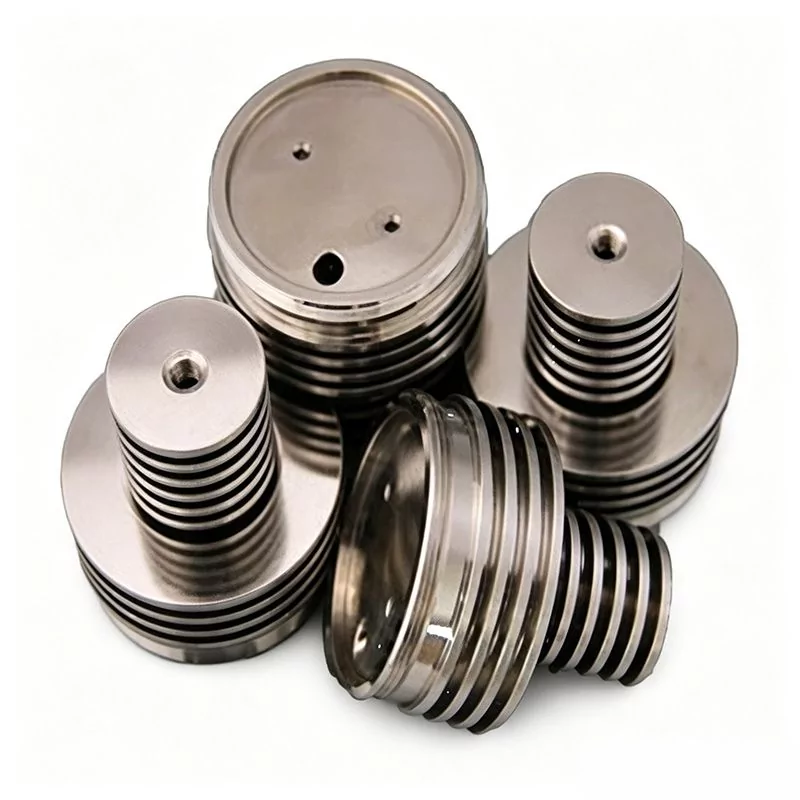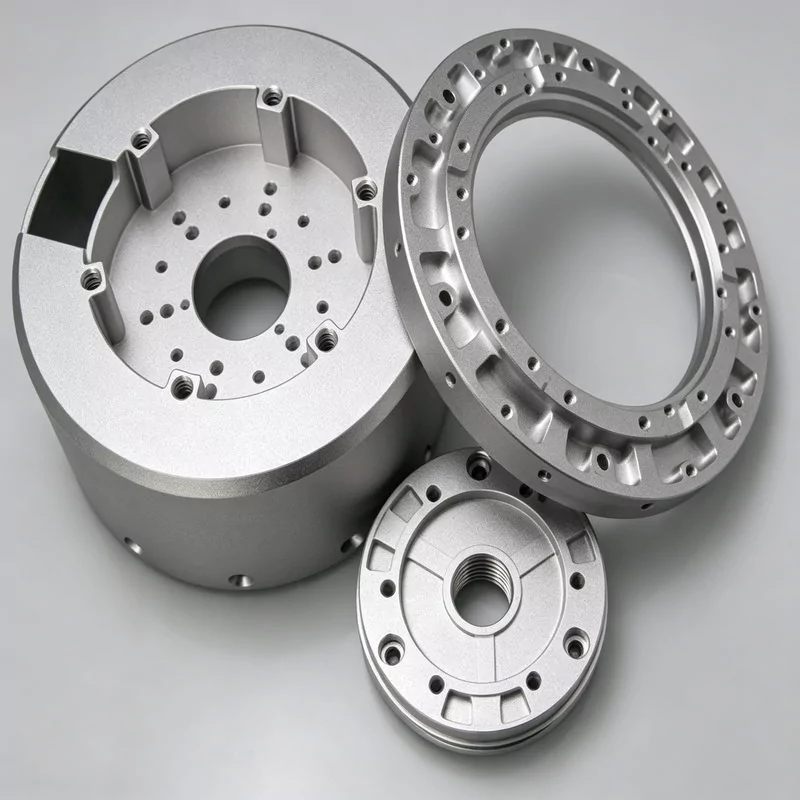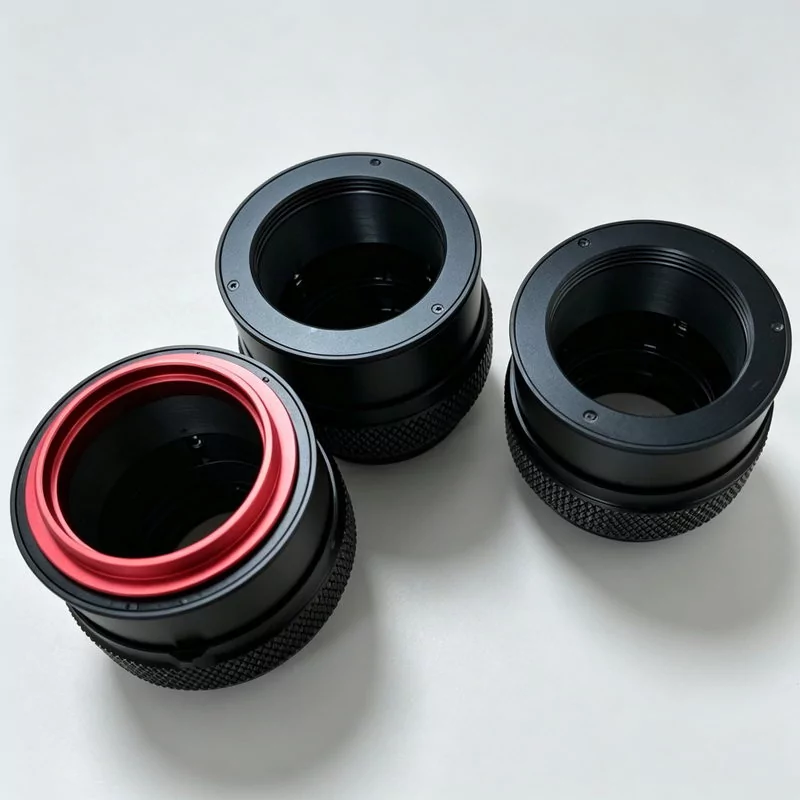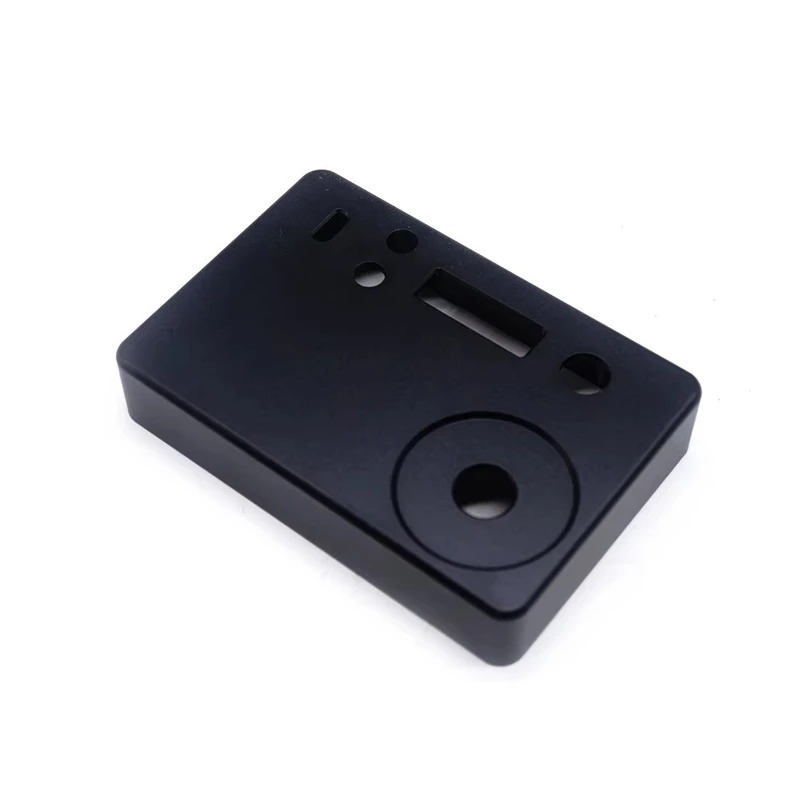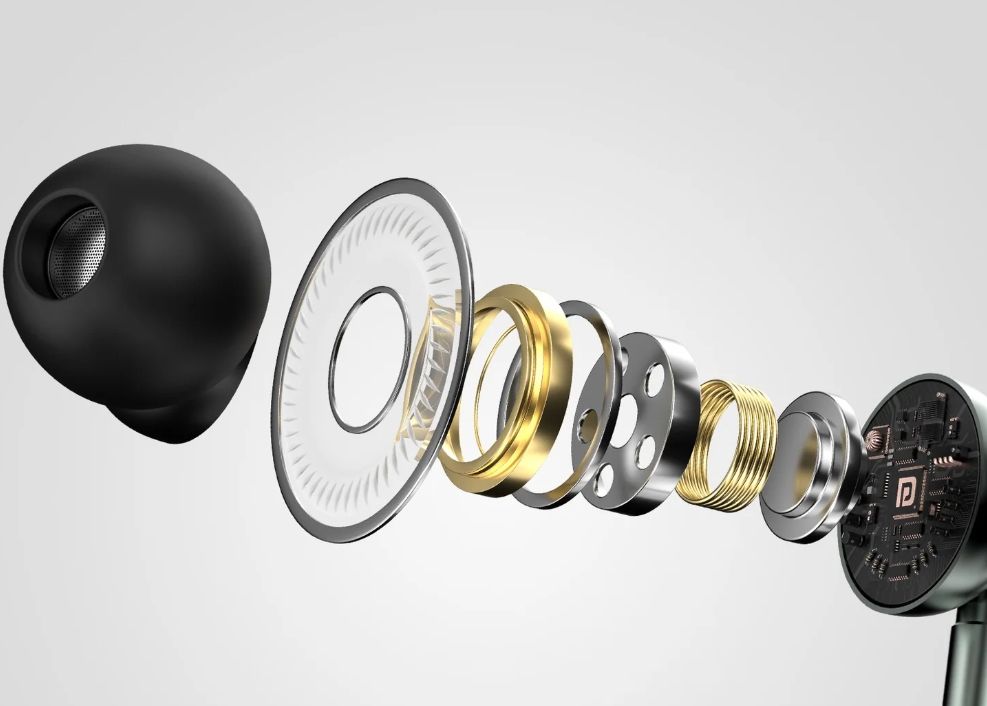
Selecting the right CNC earphone housing manufacturer for acoustic device housings requires evaluating both aesthetic refinement and structural precision. Premium earphones, wireless earbuds, digital-to-analog converters (DACs), and audio control panels demand tight-tolerance CNC machining, consistent cosmetic finishes, and precise acoustic cavity geometry. Hardware engineers and procurement managers must look beyond basic machining claims to evaluate concrete technical capabilities, finishing infrastructure, and quality control systems.
Key criteria for evaluating a potential aluminum earphone housing manufacturer include:
- Material and Acoustic Expertise: Capability to machine thin-wall acoustic chambers from high-grade alloys such as 6063 aluminum without structural distortion.
- Surface Finish Repeatability: In-house anodizing, sandblasting, and polishing capabilities that maintain surface finish consistency and minimize batch-to-batch visual variance.
- Precision Dimensional Control: Tight tolerance CNC machining capabilities for soundboard sealing, driver seating, and complex internal acoustic structures.
- Scalable OEM Production: Reliable prototype-to-mass-production transitions supported by engineering collaboration and production capacity.
Choosing an experienced electroacoustic components manufacturer helps ensure that complex CAD geometry converts reliably into high-performance commercial products. Rejin CNC operates as a specialized Dongguan-based CNC earphone housing manufacturer and CNC audio enclosure manufacturer, providing end-to-end CNC precision machining and custom aluminum audio enclosure solutions for global audio hardware brands.
Technical Evaluation Standards for Audio Hardware Machining
Selecting a qualified CNC audio enclosure manufacturer requires evaluating engineering parameters that directly affect acoustic performance, structural durability, assembly precision, and production scalability.
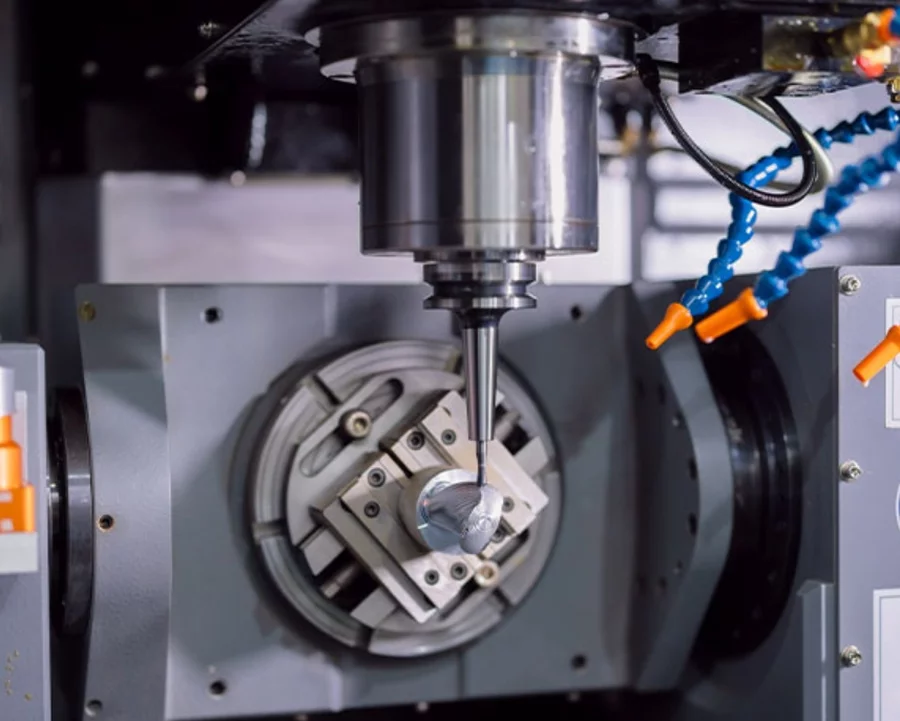
Material Selection and Structural Soundness
The chosen metal alloy directly determines acoustic vibration behavior, thermal dissipation, machinability, and the final appearance of an anodized aluminum housing.
- 6063 Aluminum vs. 6061 Aluminum Application Limits: 6063 aluminum offers a fine surface structure suitable for smooth sandblasting and attractive anodized aluminum housing finishes, making it a practical choice for consumer custom earphone housing parts, whereas 6061 aluminum can be selected for higher structural-load chassis applications.
- Thin-Wall Machining Capabilities (0.8mm to 1.2mm): Precision milling of lightweight CNC-machined earphone housing shells requires specialized cutter paths and workholding strategies to reduce wall chatter, tool deflection, and structural deformation.
- Stamping vs. CNC Machining Decision Threshold: Stamping can be cost-effective for simple flat decorative sheets at high volumes, whereas CNC machining for audio equipment is better suited to complex 3D acoustic cavities, internal porting, and detailed enclosure geometries.
Precision Tolerances for Acoustic Fit and Assembly
Microscopic dimensional variations inside a CNC-machined earphone housing can alter internal air volume, driver positioning, and sealing integrity. For this reason, tight-tolerance CNC machining is a central evaluation criterion for audio hardware suppliers.
- Acoustic Cavity Tolerances (upto ±0.005mm): Maintaining consistent chamber dimensions across left and right custom earphone housing parts helps control assembly fit and acoustic cavity consistency.
- Waterproof O-Ring Sealing Compression: Precision machining of sealing grooves provides controlled gasket compression for wireless earphone housing assemblies.
- RF Antenna Line Slotting: Advanced 3C electronics CNC machining enables integration of plastic antenna windows into aluminum shells while maintaining controlled interface gaps for Bluetooth-related structural requirements.
Surface Finish Consistency and Aesthetic Capabilities
Cosmetic defects on high-end audio hardware can immediately affect consumer quality perception, making surface finish consistency an essential requirement when selecting an aluminum earphone housing manufacturer.
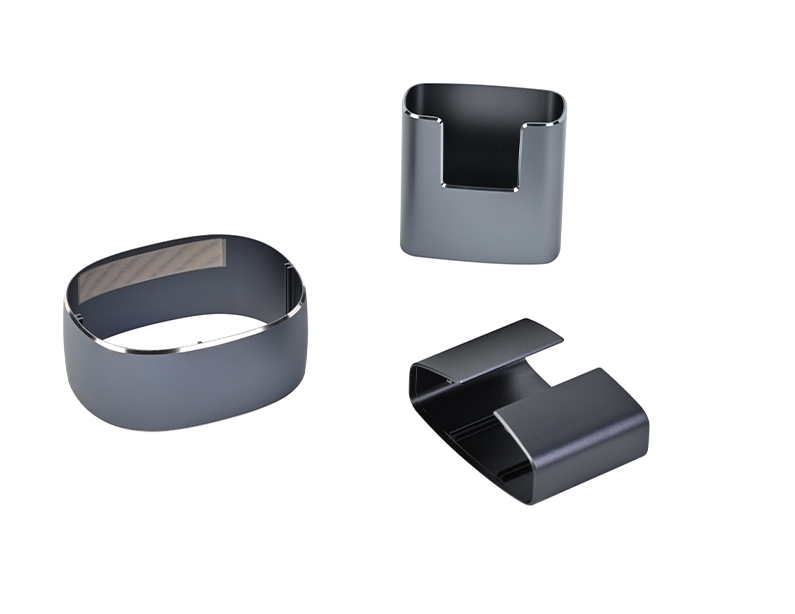
Advanced Anodizing and Visual Treatments
Integrated surface processing can reduce intermediate handling while improving surface finish consistency across repeated orders of custom aluminum audio enclosure and earphone housing parts.
- Batch-to-Batch Color Matching Control: Controlled anodizing processes help maintain consistent color across large production batches of anodized aluminum housing components.
- Secondary Oxidation and High-Gloss Diamond Beveling: Combining CNC diamond-tool chamfering with multi-stage anodizing produces reflective edges along custom earphone housing contours.
- Tactile Grip Patterning (CD Texture & Knurling): Precision CNC turning creates micro-grooves and knurled textures on audio knobs and interface panels, combining tactile feedback with durable surface performance.
Mechanical Surface Processing and Branding Integration
In addition to electrochemical treatments, precision mechanical preparation and post-finish branding complete the visual identity of premium CNC-machined earphone housing and audio enclosure components.
- Precision Polishing and Sandblasting Texturing: Mechanical polishing and controlled sandblasting remove machining marks and create uniform matte or polished textures before anodizing.
- High-Precision Screen Printing and Laser Engraving: Laser engraving and screen printing provide brand logos, port labels, and control markings on a custom aluminum audio enclosure.
- Multi-Process Protective Finishes: Electroplating, powder coating, anodizing, and custom painting provide different aesthetic and protective options for CNC machining for audio equipment projects.
Production Scale, Machinery, and Quality Verification
Evaluating a manufacturer’s equipment fleet and quality control processes helps determine whether it can support prototype to mass production requirements without sacrificing dimensional or cosmetic consistency.
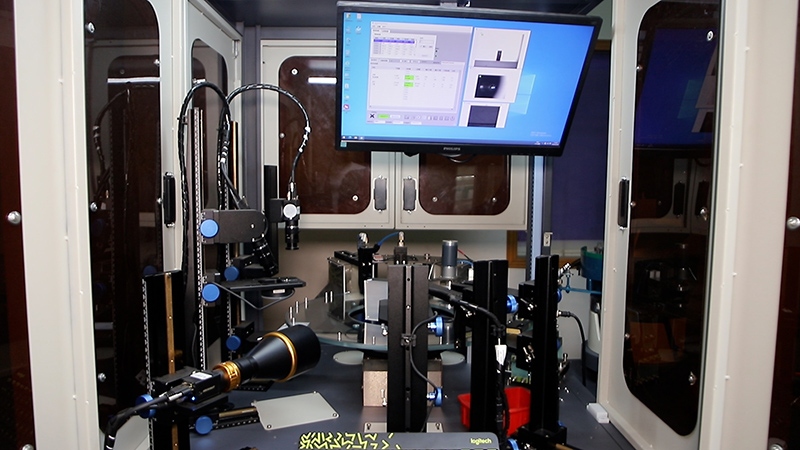
Machining Infrastructure and Order Flexibility
Advanced production equipment provides the repeatability required for high-density electroacoustic assemblies and 3C electronics CNC machining.
- Tier-1 CNC Machine Fleet: Rejin CNC operates 200+ precision machining centers, including multi-axis milling centers and CNC lathes with live tooling, supporting complex CNC-machined earphone housing and audio enclosure geometries.
- Production Volume and MOQ Thresholds: Flexible production frameworks support engineering runs from around 100 units through larger serial production, making the company suitable for prototype to mass production programs.
- Certified Quality Management Systems: ISO 9001 and IATF 16949 quality frameworks support dimensional traceability through Coordinate Measuring Machine (CMM) inspection and First Article Inspection (FAI).
Engineering Collaboration and DFM Support
Early DFM support helps eliminate difficult-to-machine features and reduce production risk before manufacturing begins.
- Design for Manufacturability (DFM) Analysis: Dedicated DFM support evaluates wall thickness, internal corner radii, cutter accessibility, workholding, and machining strategy for custom earphone housing and enclosure designs.
- Prototype to Mass Production Acceleration: Rapid CNC prototyping supports functional sample verification before moving into serial manufacturing, creating a structured prototype-to-mass-production workflow.
- Advanced Quality Assurance & Inspection: First Article Inspection and dimensional verification support repeatable quality across larger production runs.
Practical Application Scenarios and Proven Case Evidence
Reviewing real-world production records helps buyers determine whether a CNC earphone housing manufacturer or electroacoustic components manufacturer can handle commercial production requirements.
Electroacoustic Application Case Studies
Documented production experience demonstrates how CNC machining for audio equipment can solve engineering and cosmetic challenges for audio hardware projects.
- European Headphone Brand Partnership: Rejin CNC manufactured high-volume CNC-turned aluminum earphone components, demonstrating experience as an aluminum earphone housing manufacturer for repeated production orders.
- North American Audio Equipment Supplier: Produced custom aluminum audio enclosure parts and control panels featuring brushed finishes and laser engraving.
- Global Audio Interface & Mixer Manufacturer: Supplied CNC-machined mixer enclosures and audio interface panels with anodized finishing and custom silk-screened graphics.
Specialized Component Manufacturing Track Record
Complex electroacoustic hardware relies on diverse machining processes, material expertise, and controlled production standards.
- Custom Stainless Steel Audio Hardware: Precision-machined structural mountings and hardware support demanding audio equipment assemblies.
- Multi-Axis CNC Turning for Earphone Components: Live-tooling CNC lathes manufacture cylindrical custom earphone housing parts and acoustic nozzles requiring controlled rotational symmetry and thread precision.
- Multi-Industry Production Reliability: Rejin CNC applies established quality-management practices from automotive and 3C electronics CNC machining to electroacoustic component production.
Partner with Rejin CNC for Audio Hardware Excellence
Selecting a specialized CNC audio enclosure manufacturer can streamline machining, finishing, inspection, and supply-chain coordination.
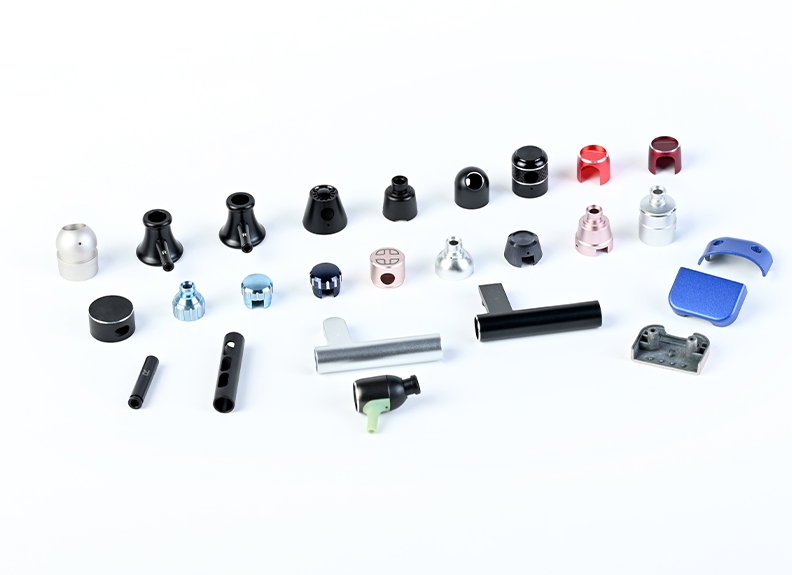
One-Stop CNC Machining Solutions
Rejin CNC combines multi-axis machining, DFM support, surface treatment, and quality assurance for custom earphone housing and custom aluminum audio enclosure manufacturing.
- End-to-End Vertical Manufacturing: From initial DFM support to precision machining and anodized aluminum housing finishing, Rejin CNC manages multiple production stages under one manufacturing structure.
- Request a Free Quote and DFM Analysis: Contact Rejin CNC at info@rejincnc.com to receive a quotation and manufacturability assessment for your CNC machining for audio equipment project.
- Robust Quality Certifications & Traceability: ISO 9001 and IATF 16949 frameworks support material traceability, dimensional inspection, and repeatable production control.
Why Global Audio Brands Trust Rejin CNC
Consolidating machining and finishing with one qualified CNC earphone housing manufacturer can reduce multi-vendor handoffs and simplify quality management.
- Decades of Hardware OEM Expertise: Manufacturing experience since 2003 supports complex acoustic cavities, thin-wall 6063 aluminum components, and precision CNC-machined earphone housing projects.
- Massive In-House Machining Capacity: More than 200 CNC machines support production scheduling for prototypes, pilot runs, and prototype-to-mass-production programs.
- Supply Chain Risk Mitigation: In-house milling, turning, polishing, anodizing, and inspection help maintain dimensional control and surface finish consistency across production.
FAQ
Q: How do you prevent color variance in batch anodizing for aluminum earphone housings?
A: Surface finish consistency is supported by controlling the aluminum material, anodizing conditions, and approved reference samples. Using consistent 6063 aluminum and controlled finishing parameters helps maintain repeatable color across anodized aluminum housing production batches.
Q: What is the minimum wall thickness achievable for CNC machined earphone housings?
A: For 6063 aluminum, uniform wall thicknesses down to 0.8mm can be machined with appropriate cutter paths and workholding. Localized thinner areas may require additional engineering review and DFM support before production.
Q: At what production volume should audio enclosures switch from CNC machining to die-casting or stamping?
A: CNC machining for audio equipment is well suited to complex 3D internal structures and lower-to-medium production volumes. Stamping may become more economical for simple flat components at significantly higher volumes, while the final choice should consider tooling investment, geometry, finish, and annual demand.
Q: How does internal CNC surface finish impact acoustic performance in earphone chambers?
A: Internal geometry and surface condition can influence airflow and acoustic cavity behavior. Tight-tolerance CNC machining helps maintain consistent internal dimensions and surface characteristics across left and right CNC-machined earphone housing components.