
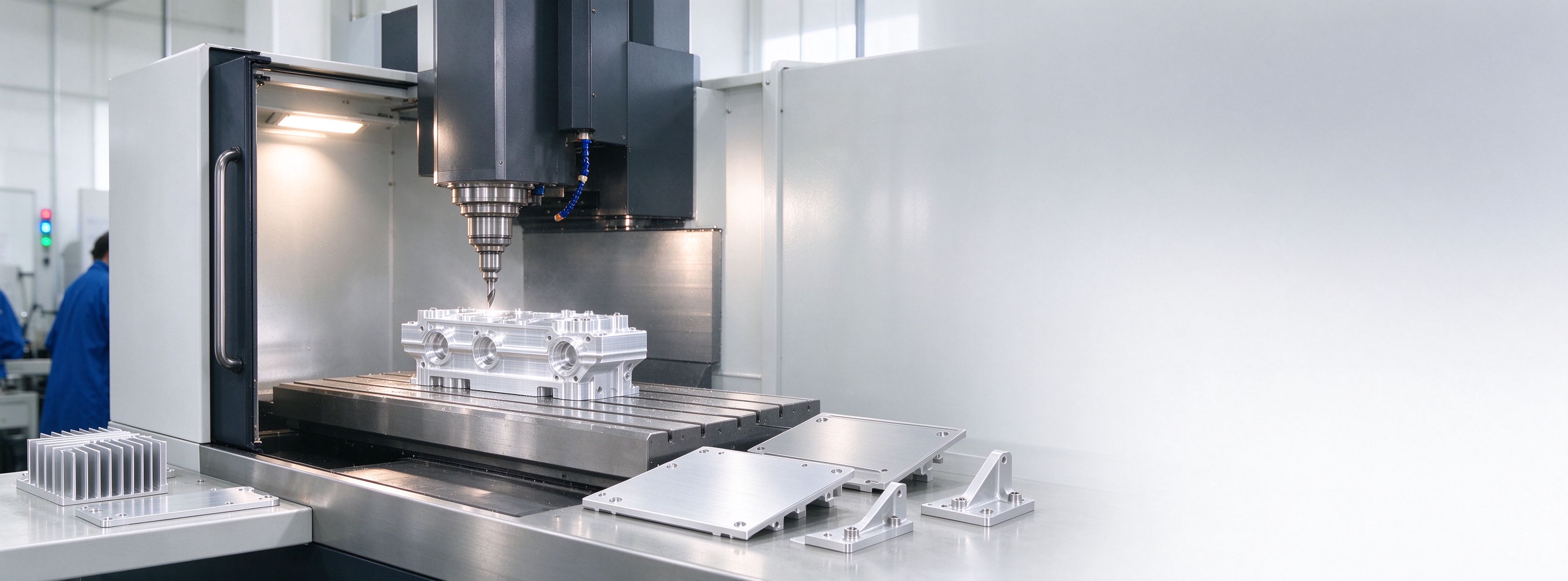
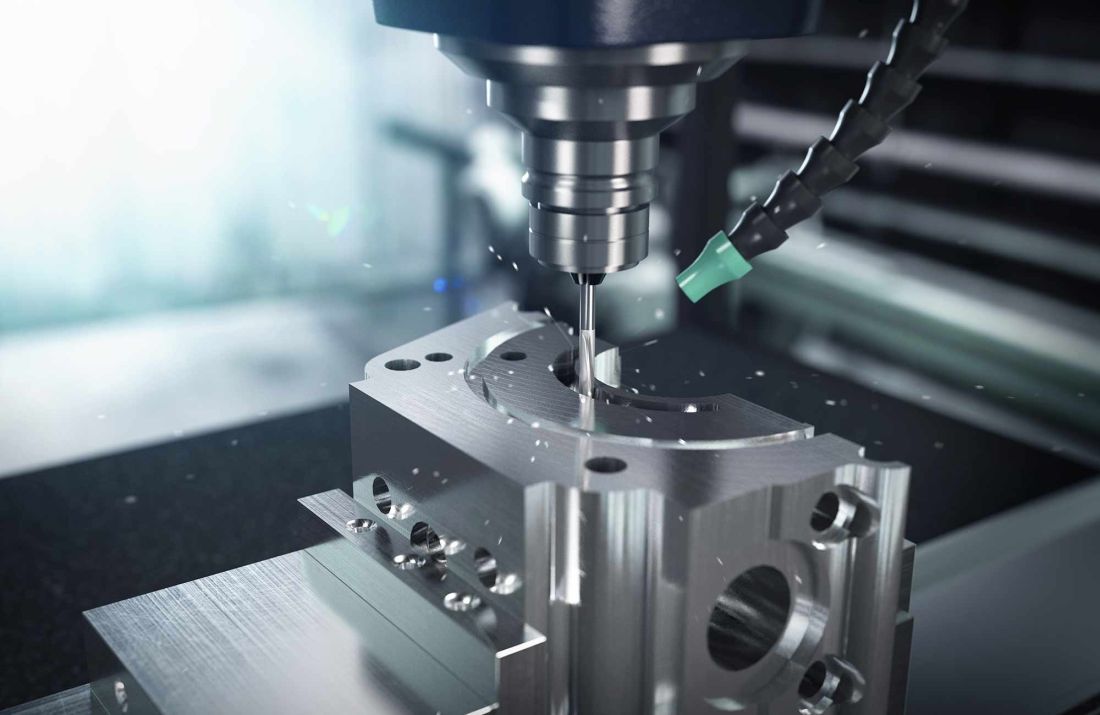
The year 2026 brings major changes to manufacturing around the world. The old lines between standard hardware making and smart, very accurate engineering have started to fade. At Rejin CNC, our team has grown right along with these changes for more than twenty years. We started as a mold shop back in 2003 and have built up into a full-service precision manufacturing operation. Leading the way means you need more than just top machines. You also have to get a good feel for the new directions that will shape the next round of industrial parts.
This piece looks at the main trends driving precision CNC machining right now in 2026. It shows how these changes help tackle everyday engineering problems that companies face. Rejin CNC keeps supporting fields like aerospace and pro-audio gear by working with strong 5-axis setups, solid IATF 16949 quality processes, and solid know-how in Design for Manufacturing.
Product designs keep getting smaller and pack more functions into one piece. Because of that, buyers want parts with tricky shapes more than ever in 2026. Driven by the soaring global penetration of New Energy Vehicles (NEVs) and the rapid premiumization of medical devices, industrial design in 2026 demands unprecedented geometric complexity that traditional machining simply cannot achieve. This macro shift has turned advanced multi-axis execution into the industry baseline.
These days, using 5-axis CNC machining counts as a basic requirement in fields that need tight micron accuracy and detailed curved surfaces.
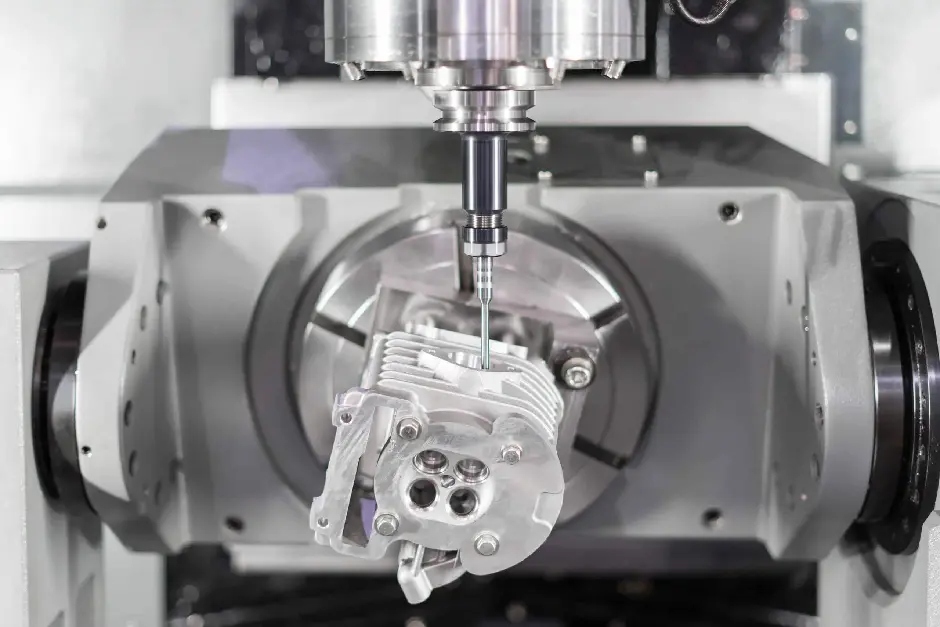
In 2026, the companies doing best mix quick prototyping with steady high-volume runs. As product lifecycles compress and consumer hardware demands rapid iterative updates, standard factory floors are forcing a shift toward hyper-flexible, automated hybrid setups. Global supply chains now prioritize suppliers who can scale instantly without losing asset agility.
Supply chains today call for fast custom batches. Rejin CNC handles this well by moving smoothly from the first CAD file all the way to thousands of finished pieces.
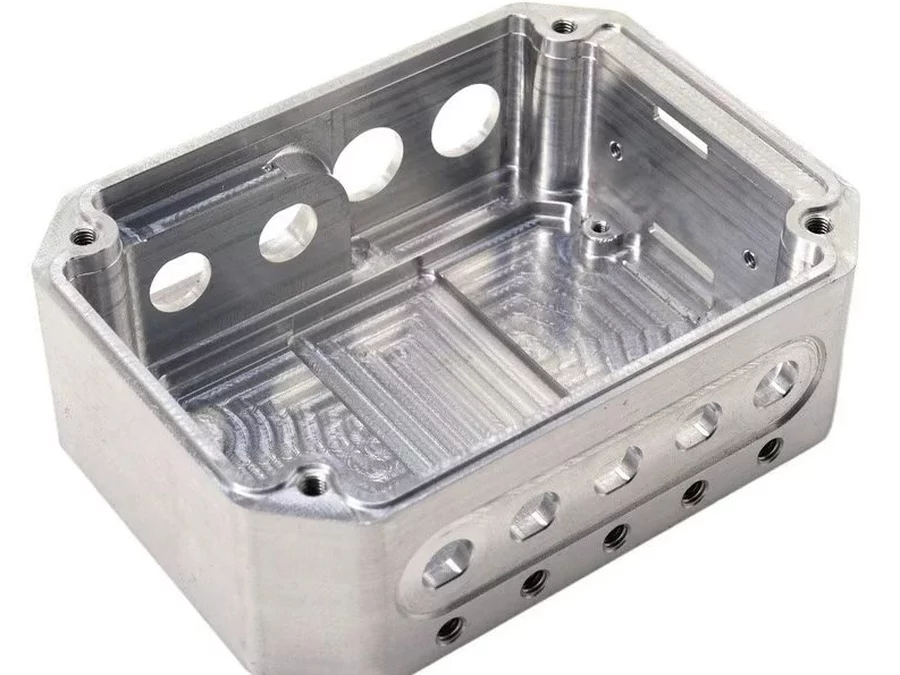
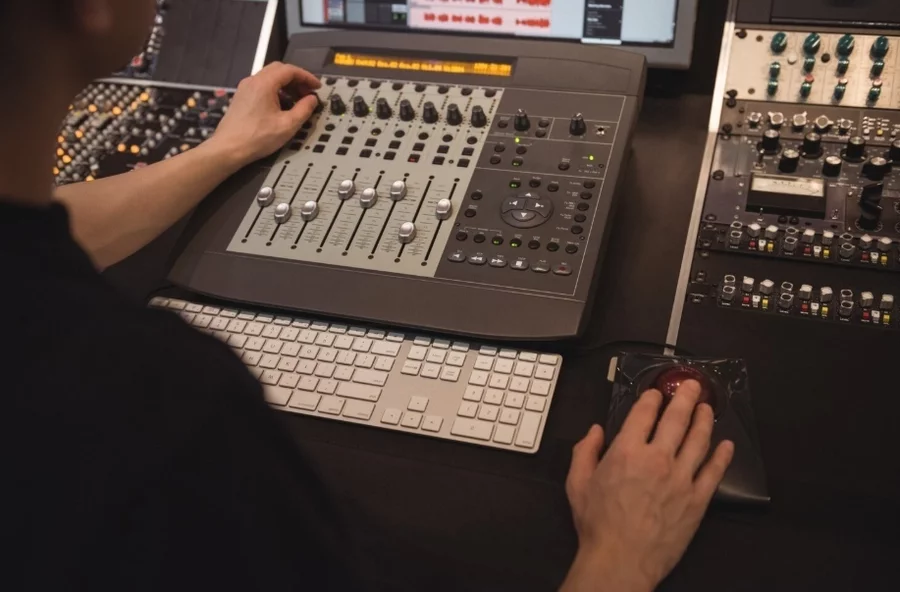
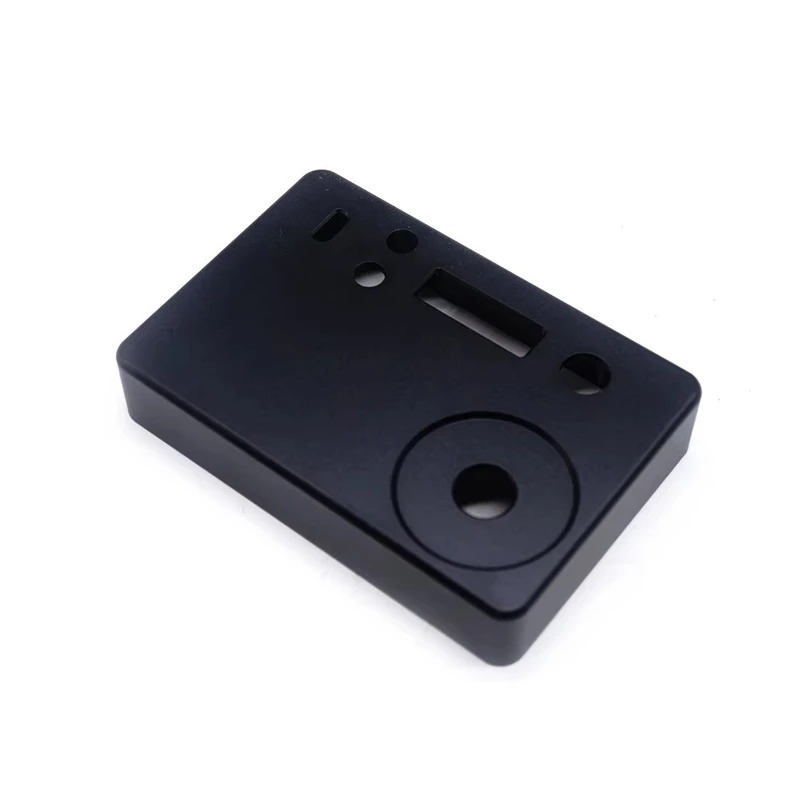
To understand how these hybrid scaling trends manifest in real-world scenarios, consider our work with a “North American Audio Equipment Supplier.” The professional audio market in 2026 demands a rapid pivot from boutique designer prototypes to retail-ready mass production. The client required a compact control unit enclosure with a minimalist, high-end aesthetic that could be scaled rapidly.
Choosing materials now goes past basic aluminum or steel. Teams look closely at how strong a part is compared to its weight and how well it holds up in tough conditions. Stricter global emissions standards for aerospace and net-zero goals in high-end transport have triggered a massive surge in the use of hard-to-machine, lightweight materials. Machining efficiency is now defined by a shop’s ability to master these advanced alloys.
Fields such as UAVs and medical equipment need materials that survive harsh surroundings while staying light.
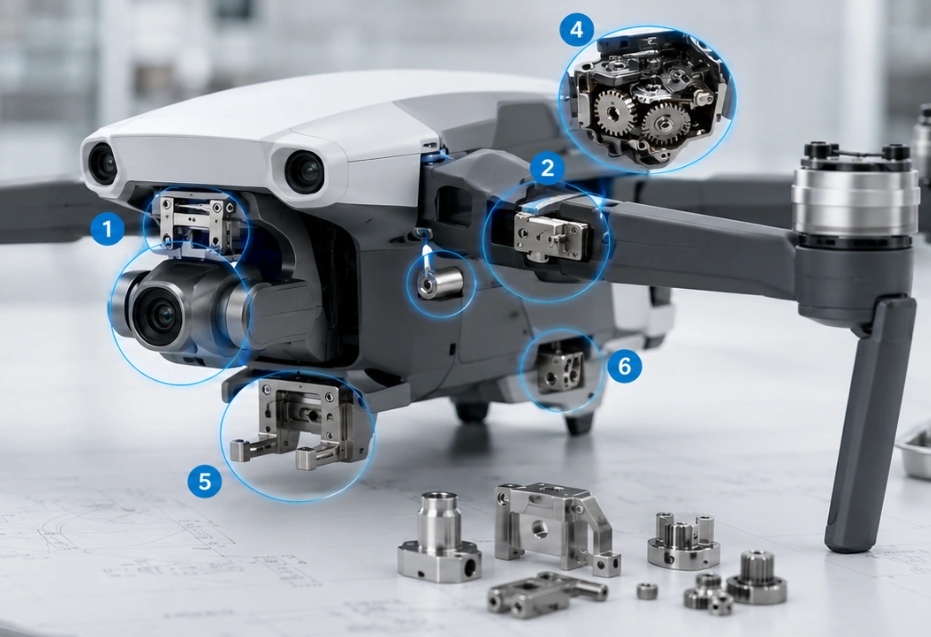
A CNC supplier today does more than cut metal. The job has grown into helping clients avoid supply chain headaches and reach better results. With geopolitical adjustments shifting supply lines, the industrial sector in 2026 favors deeply integrated technical partnerships over siloed job shops. Frontloading manufacturing intelligence has become the ultimate tool to combat rising raw material overheads.
Design for Manufacturing sits at the center of what Rejin CNC offers. It turns drawings into practical, money-saving production plans.
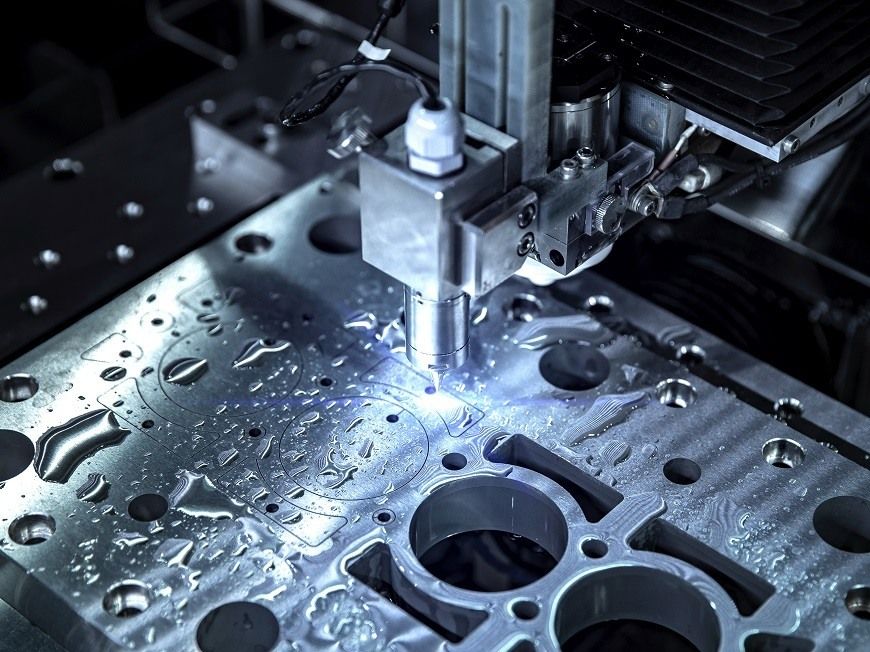
Looking ahead through the rest of 2026, the picture stands out. Tolerances keep getting tighter, part shapes grow more involved, and everyone needs a steady partner they can count on. Rejin CNC brings 23 years of shop-floor experience together with current 5-axis machines and IATF 16949 standards. The parts we deliver do more than meet specs — they perform strongly in the field.
No matter if you work on new medical tools, advanced UAVs, or high-grade audio gear, our crew stands ready with the skills and capacity your project needs.
A: Right now, high precision usually means tolerances of ±0.005 mm. Holding these numbers day after day takes good multi-axis equipment and shops that control temperature carefully.
A: A volume between 3,000 and 10,000 pieces serves as the critical evaluation window, depending heavily on part complexity. Below 3,000 pieces, the cost of stamping dies pushes engineering teams toward CNC machining. Once you reach 10,000 or more of the same standard part, stamping generally saves money on each unit.
A: 5-axis work lets you cut complex curves and deep pockets in one clamping. You avoid the small errors that add up when you move the part around. The finished lightweight aerospace pieces end up stronger and more reliable.
A: DFM catches problems like hard-to-machine details while the design still sits on the drawing board. Solving them early means fewer prototype loops and shorter delays before full production starts.
Your message lands directly with our senior engineers — instantly acknowledged.
We study your requirements and propose a workable solution with material & process options.
Detailed quotation with specs, options and lead time — no hidden fees.
Approve the sample, then we mass-produce with full QC and on-time shipping.
WhatsApp: +86 13790500374
Email: info@rejincnc.com
Your CAD files are kept strictly confidential. Quotation within 24 hours.