Navigating Precision Machining for Custom Aluminum Components
Choosing the most suitable alloy and manufacturing process to manufacture aluminum parts on a CNC machine is a critical engineering decision that affects performance, pricing, and manufacturing time. By learning about the properties of materials, structural stability, tolerances in aluminum CNC machining, and the machining process, technical procurement specialists can optimize the manufacturing of aluminum CNC-machined parts.
The Role of Modern CNC Machining in High-Performance Aluminum Applications
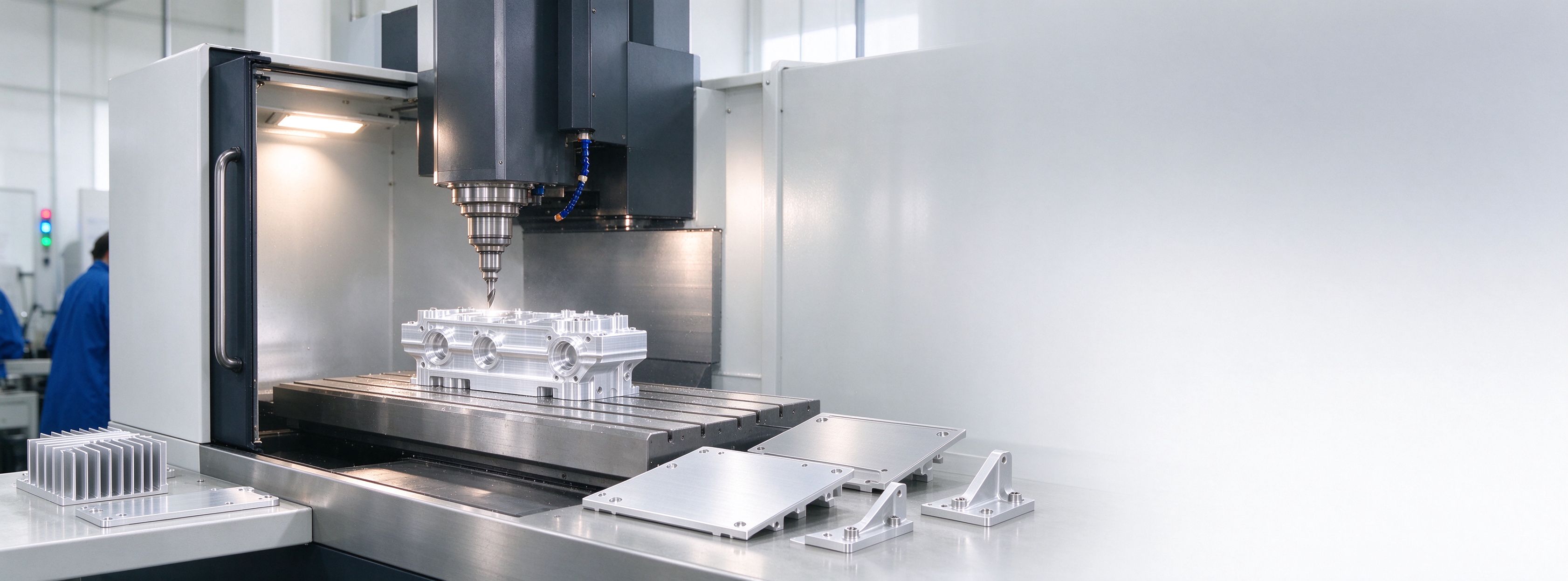
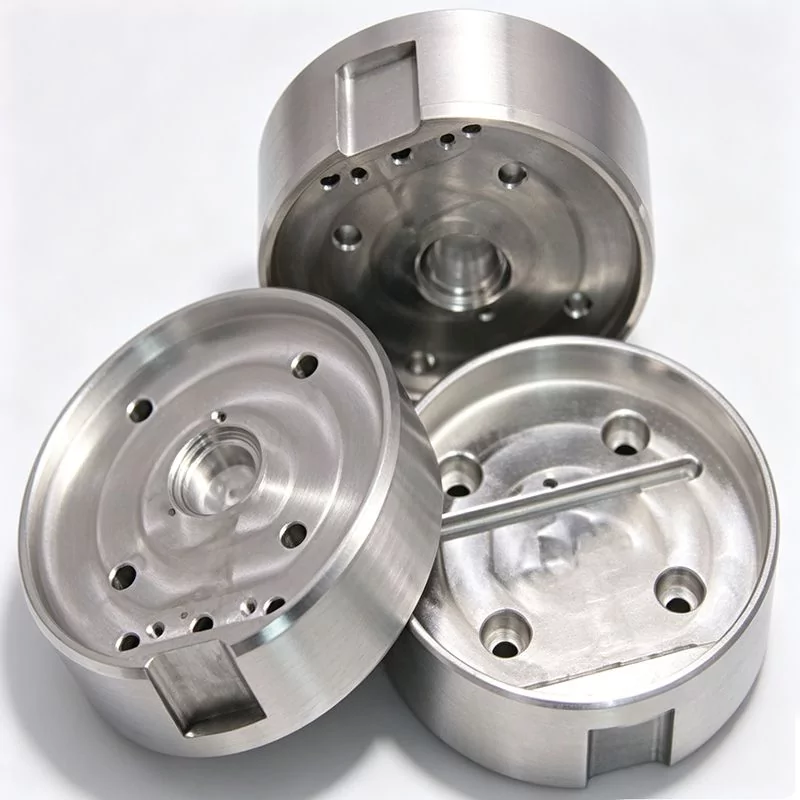
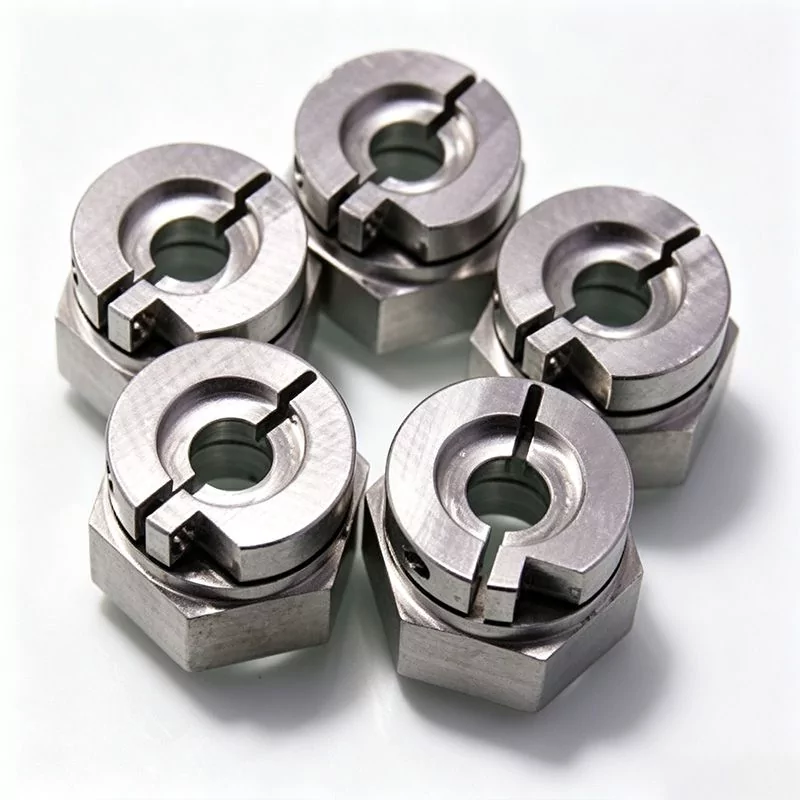
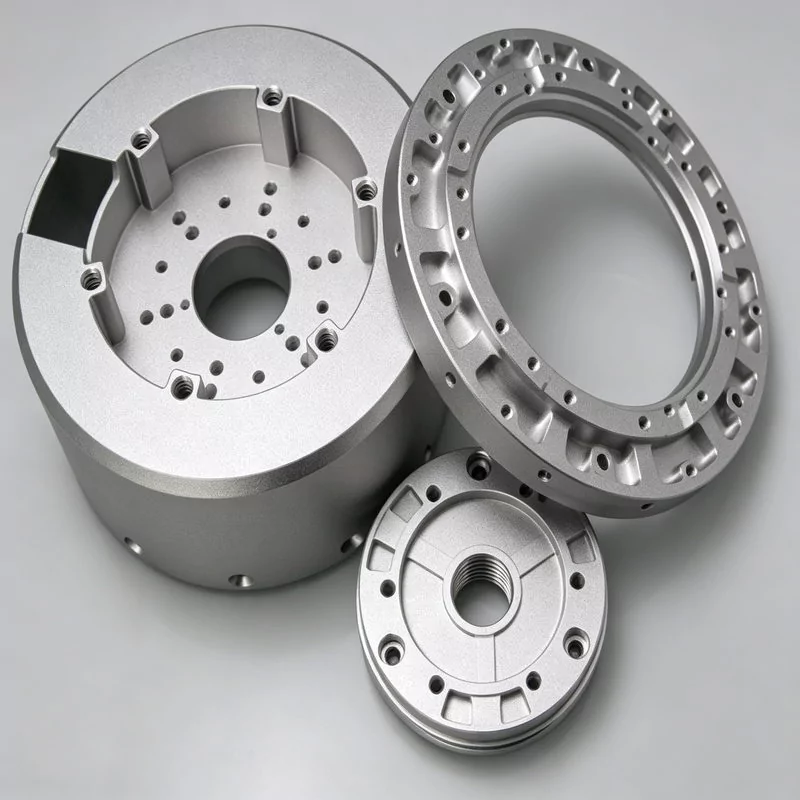
Aluminum alloys continue to be favored as a lightweight material for enclosures, thermal control devices, and stress-resisting parts due to their versatility and excellent machinability through aluminum CNC machining.
- High Strength-to-Weight Ratio: Aluminum alloys provide high strength with reduced weight of assemblies, making custom aluminum CNC parts suitable for weight-sensitive applications.
- Superior Machinability and Surface Quality: The low cutting forces allow increased spindle speed and feed rates and achieve quality aluminum CNC machined parts with long tool life.
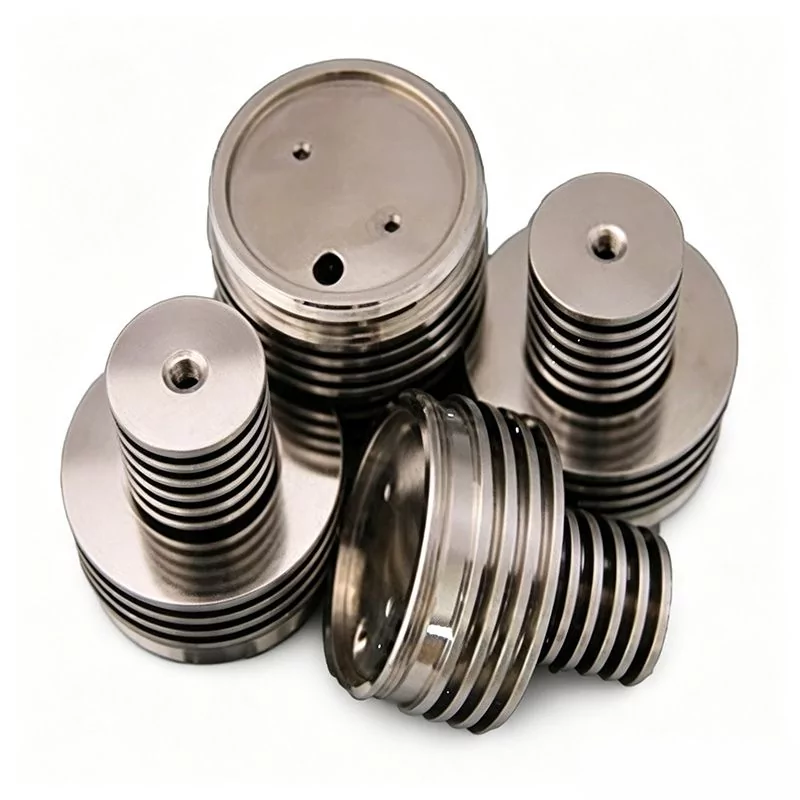
- Thermal and Electrical Conductivity: High heat dissipation ability makes aluminum alloys indispensable in the manufacturing of heat sinks, enclosures, AI liquid cooling cold plates, and other precision aluminum CNC machined products.
- Scalable Production Flow: Precision milling and turning allow easy transition from rapid functional prototypes to large-scale custom aluminum CNC part production without costly hard tooling.
- Custom Aluminum CNC Parts Manufacturer Partner in Dongguan: Rejin CNC supplies certified custom aluminum CNC parts and provides 3-axis to 5-axis aluminum CNC machining with tolerances of up to ±0.005mm for international industrial clients.
Alloy Selection Matrix: 6061 vs 7075 Aluminum
Selecting between 6061 vs 7075 aluminum depends on balancing yield strength, corrosion resistance, weldability, machinability, and raw material costs. Evaluating these metallurgical profiles ensures CNC-machined aluminum parts satisfy operational demands without over-specifying procurement costs.
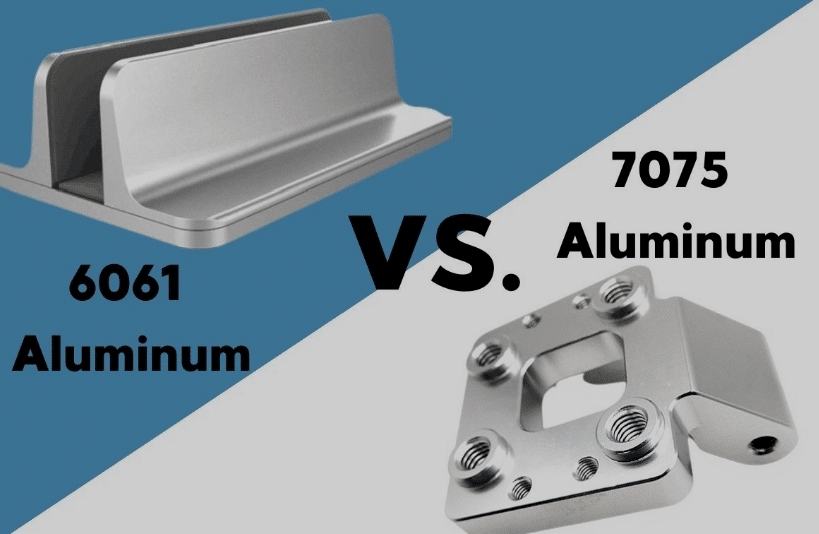
Technical Evaluation for 6061 vs 7075 Aluminum
Selection of the proper alloy grade involves a comparison of mechanical stress limits and overall production cost limitations.
- 6061-T6 Mechanical Properties: With 276 MPa yield strength, the alloy is highly corrosion-resistant, easily weldable, and structurally versatile, making 6061 aluminum CNC machining ideal for ordinary applications.
- 7075-T6 Mechanical Properties: It is a zinc-containing alloy with 503 MPa yield strength, offering high steel-like strength and fatigue resistance properties in structural applications where 7075 aluminum CNC machining is recommended.
- Cost and Machinability Considerations: The unprocessed material costs 25%-35% more than 6061 material and leads to increased tool wear, thus influencing the overall unit costs.
Processing Considerations for 6061 vs 7075 Aluminum
Alloy grades react differently to high-speed aluminum CNC machining and require specific feeding, coolant pressure, tool geometry, and workholding to prevent any deformation.
- CNC Machining Behavior of 6061 Aluminum: 6061 aluminum CNC machining requires a sharp rake angle and coolant pressure control to avoid chip re-welding and built-up edge.
- CNC Machining Behavior of 7075 Aluminum: The high hardness of 7075 aluminum allows machining without formation of built-up edge, with very good surface finish below Ra 0.8 μm when using rigid workholding.
- Corrosion Resistance and Anodizing Properties: 6061 gives excellent color consistency in anodized aluminum CNC components, while the high copper concentration in 7075 aluminum gives a darker anodized appearance.
Engineering Precision: Tolerances and Complex Geometries
Achieving tight-tolerance aluminum machining requires ambient thermal control, multi-axis machine kinematics, optimized toolpaths, and stable workholding. Managing internal stress within raw stock prevents dimensional drift during heavy aluminum CNC machining operations.
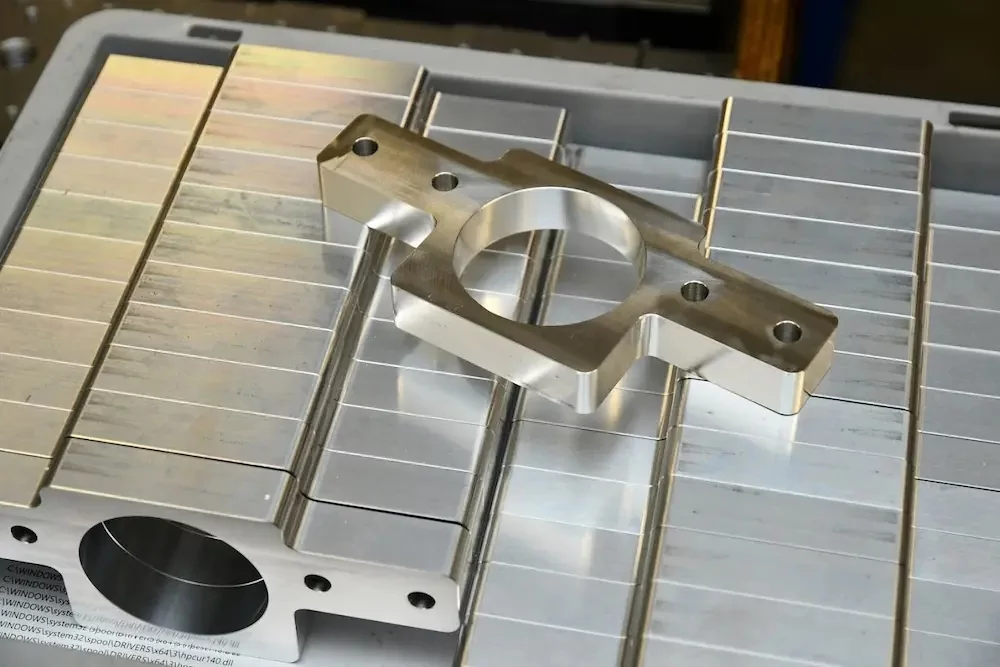
Managing Aluminum CNC Machining Tolerances
Dimensional consistency depends on machine tool repeatability, climate-controlled environments, cutting force mitigation, and carefully defined aluminum CNC machining tolerance requirements.
- Thermal Expansion Controls: Aluminum’s thermal expansion coefficient (~23 × 10-6/ K) requires climate-controlled workshops and temperature-compensated coolants when producing custom aluminum CNC parts with demanding tolerances.
- Stress-Relief Pre-Treatments: Machining stressed raw billets can induce distortion; utilizing T651 stress-relieved temper stock improves dimensional stability during deep milling and tight-tolerance aluminum machining.
- Tooling and Feed Optimization: High-speed balanced tool holders and suitable cutting tools maintain consistent cutting pressure, helping control bore tapering and dimensional drift in precision CNC machined aluminum parts.
Overcoming Thin Wall Aluminum Machining Challenges
Executing thin-wall aluminum machining introduces severe chatter and elastic deformation risks when wall thicknesses fall below critical structural limits.
- Deflection and Vibration Thresholds: Walls under 1.0mm require adaptive high-speed toolpaths to minimize radial forces and prevent flexing during thin-wall aluminum machining.
- Custom Vacuum Workholding Fixtures: Conformal vacuum plates and distributed support fixtures reduce clamping deformation in delicate custom aluminum CNC parts.
- 5-Axis Aluminum Machining Advantages: Utilizing 5-axis aluminum machining enables complete multi-sided features in fewer setups, helping eliminate compound fixturing errors and maintain perpendicularity between critical surfaces.
Design for Manufacturability (DFM) and Surface Finishing
Implementing practical DFM for aluminum CNC parts during the CAD design phase lowers cycle times, reduces tool wear, and ensures repeatable production yield. Selecting compatible surface treatments further protects CNC-machined aluminum parts against environmental degradation.
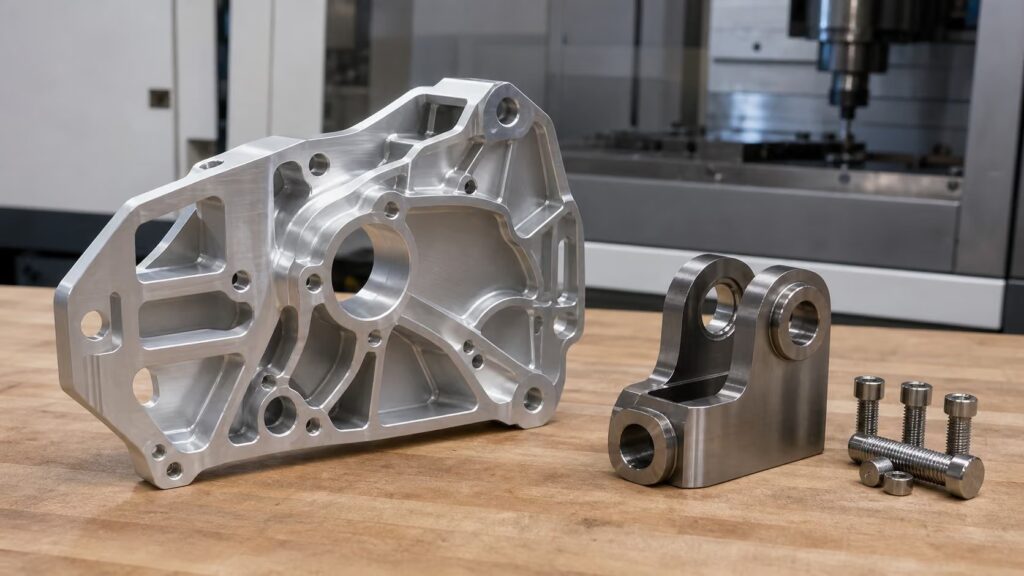
Essential DFM Guidelines for Aluminum CNC Parts
Designing part geometry for ease of standard cutting tool accessibility will lead to efficient aluminum CNC machining that is economically viable and does not impact functionality and integrity.
- Internal Pocket Radii: By designing internal pocket radii to at least 1/3 of the pocket depth, it becomes easier for standard end mills to work on pocket corners.
- Gradual Thickness Changes: Abrupt changes in section will cause stress concentration. To avoid warping during the machining process, design for gradual thickness changes should be used.
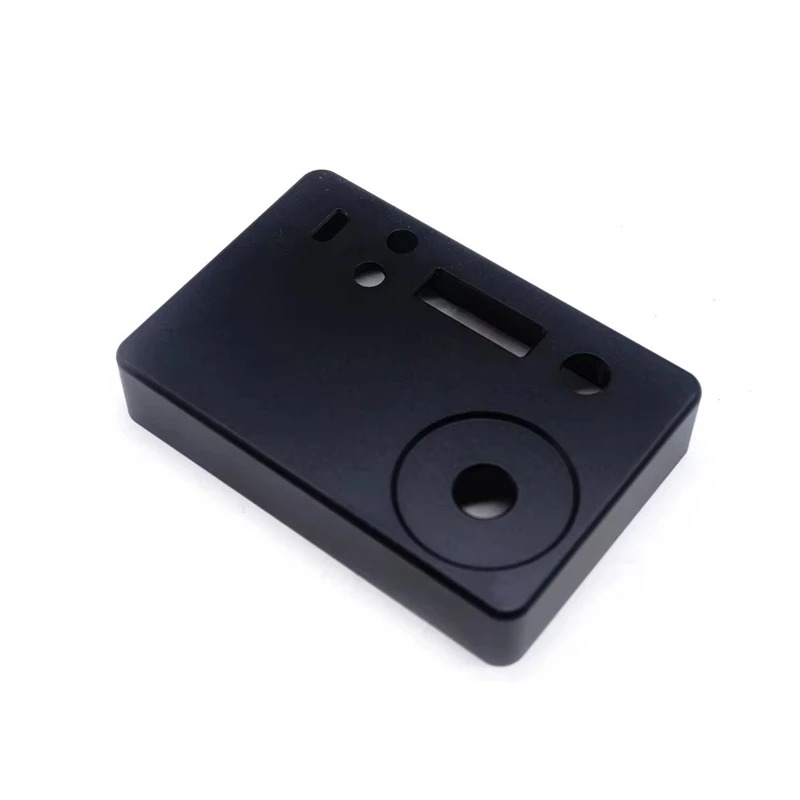
- Process Choice Determination (CNC or Stamping): When machining shallow covers, the choice of CNC or stamping can be made considering the volume of production.
Anodized Aluminum CNC Parts and Surface Finishing
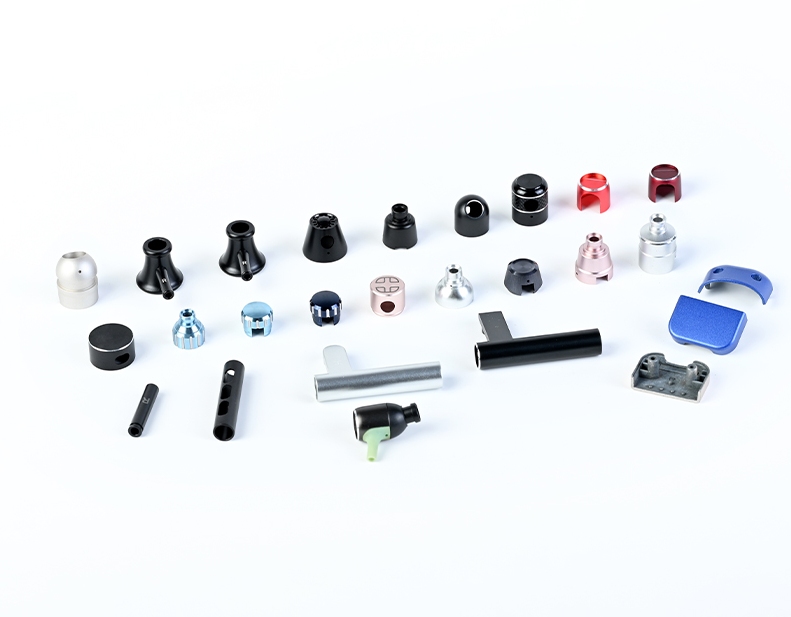
The surface finishes improve corrosion protection, wear resistance, and aesthetic appearance for industrial enclosures and electroacoustic components.
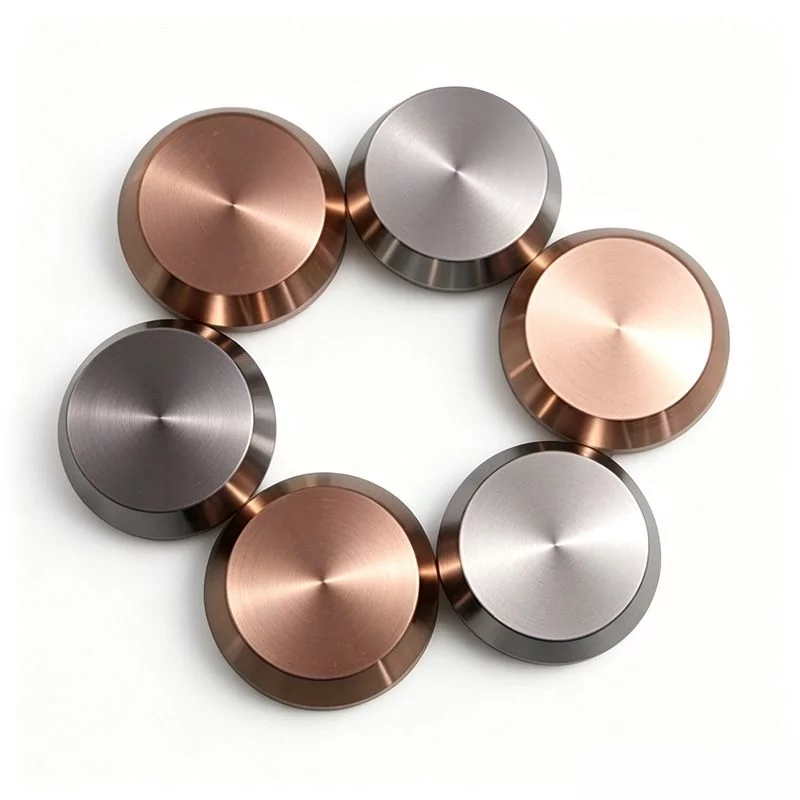
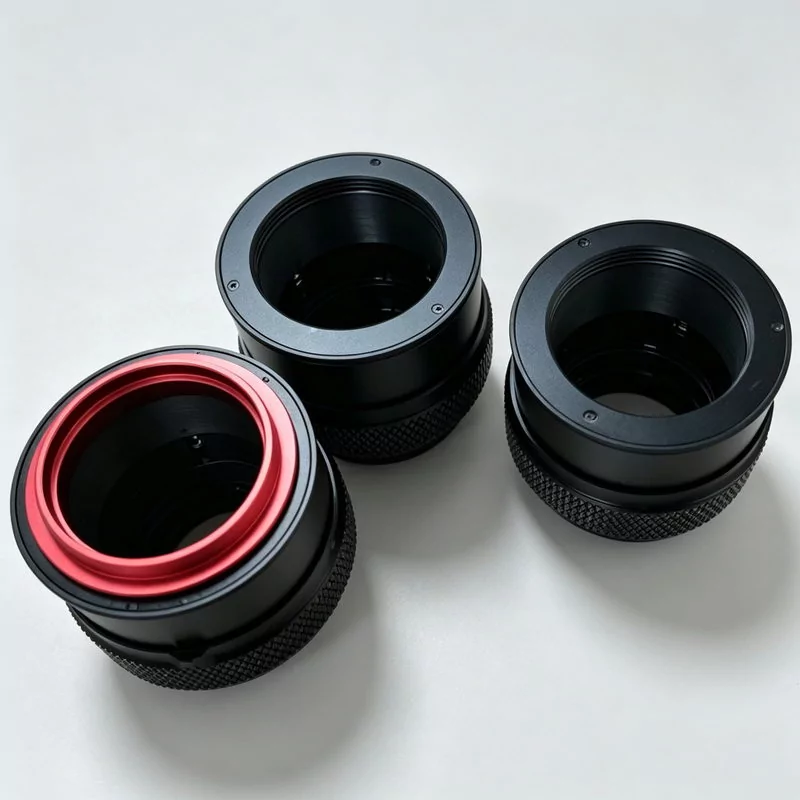
- Type II Anodizing: Provides a 5-25 μm thick anodized finish, providing corrosion protection and color to the anodized aluminum CNC component.
- Type III Anodizing: Provides a 25-50 μm thick hard oxide coating for anodized aluminum CNC components that are subjected to high wear conditions.
- Aesthetic Surface Treatments: Fine glass media-based precision bead blasting provides a consistent matte finish to hide tool marks prior to anodizing.
Evaluating and Selecting an OEM Machining Supplier
Partnering with a reliable aluminum CNC machining supplier requires auditing machine capabilities, metrology equipment, engineering support, and manufacturing scale. Traceable quality verification prevents costly production delays and sub-assembly fitting failures.
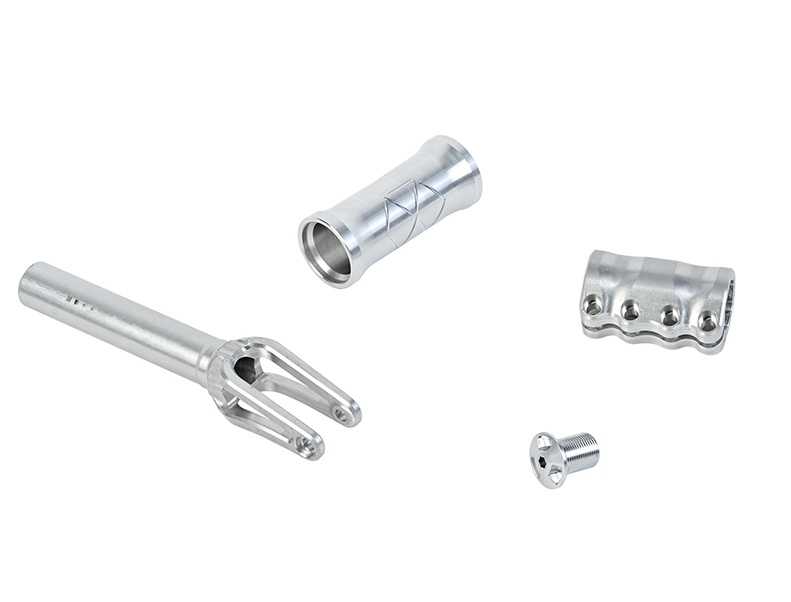
Verification, Quality Assurance, and CMM Inspection
The quality management system ensures compliance with customer drawing requirements with regard to each manufactured lot.
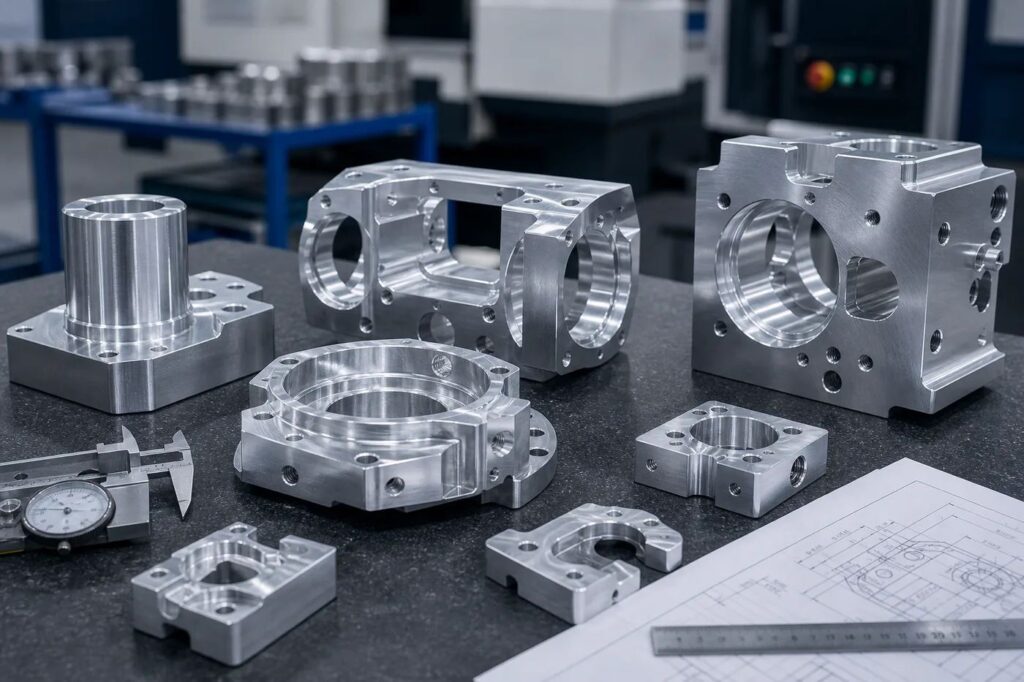
- CMM Inspection Metrology: The high-precision CMM inspection ensures inspection of complex geometrical features, hole tolerances, flatness, perpendicularity, and positional relationships as per CAD drawings.
- First Article Inspection (FAI): Performing the standardized First Article Inspection (FAI) procedures confirms the setup of machines, offset of tools, and positioning of fixtures before manufacturing aluminum parts CNC.
- Certified Quality Management System: Operating in accordance with IATF 16949 and ISO 9001 certified systems ensures material traceability, process control, and aluminum machining to tight tolerances.
Case Study and Scale-Matching Criteria
B2B procurement managers must evaluate whether an aluminum CNC machining manufacturer in China has the equipment and capacity required for both prototyping and serial production.
- AI Liquid Cooling Cold Plate Case: Rejin CNC used 6061 aluminum CNC machining to produce cooling plates with thin internal features and demanding flatness requirements.
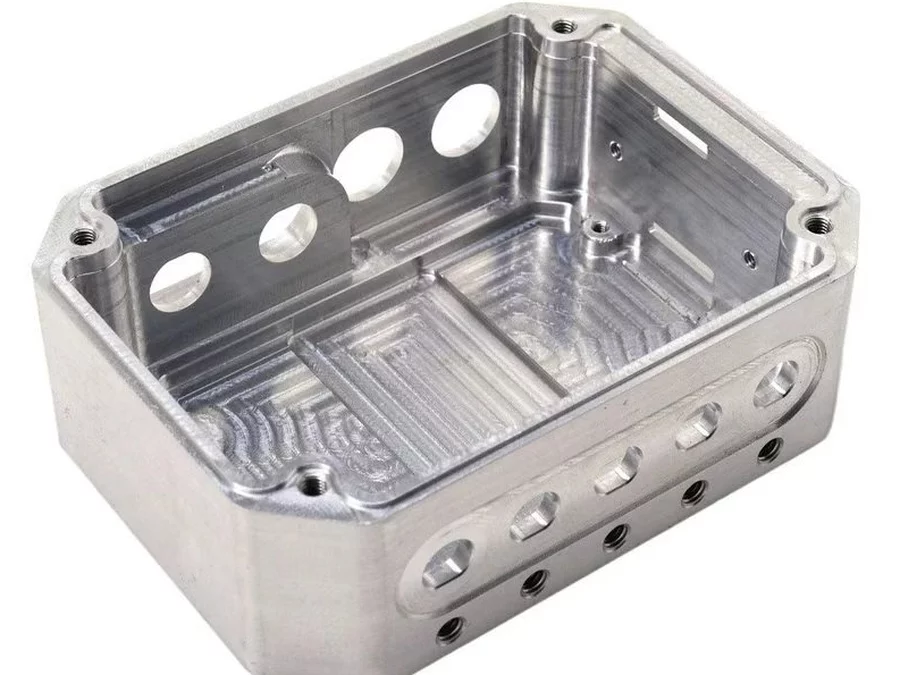
- Automotive Electronics Housing Case: Utilizing 5-axis aluminum machining for complex 6061 aluminum housing structures reduced setup requirements while improving dimensional consistency across multi-sided features.
- Production Capacity and Scale Benchmarks: As a specialized aluminum CNC machining manufacturer in China, Rejin CNC supports prototype and production projects requiring machining, inspection, finishing, and repeat supply.
Partner with Rejin CNC for Precision Aluminum Solutions
Rejin CNC provides comprehensive custom manufacturing services designed to streamline supply chains, reduce procurement friction, and accelerate time-to-market. Our engineering team works directly with customers to transform CAD models into high-precision CNC-machined aluminum parts.
Streamlined Production with Rejin CNC
From initial DFM review to final surface finishing and packaging, our end-to-end capabilities support dependable quality and predictable delivery schedules.
- Direct Engineering DFM Consulting: Receive DFM for aluminum CNC parts to identify machining risks, optimize tolerances, improve manufacturability, and reduce total unit costs.
- Integrated In-House Capabilities: Combined aluminum CNC machining, 5-axis aluminum machining, surface finishing, and CMM inspection reduce multi-vendor coordination and simplify quality control.
- Request Your Project Quote Today: Contact Rejin CNC to submit your 2D/3D CAD drawings for a comprehensive quote and technical DFM feedback.
FAQ
Q: What is the smallest wall thickness that can be obtained with custom aluminum CNC machining?
A: Traditional milling technology allows manufacturing relatively thin walls, but with the help of special thin-walled aluminum machining and 5-axis aluminum machining, you will be able to create thinner walls based on wall height, geometry, and tolerance.
Q: Which aluminum alloy should I choose – 6061 or 7075?
A: For your general structural part and audio housing production, you should go with 6061 aluminum CNC machining. If you need higher mechanical strength and fatigue resistance, 7075 aluminum CNC machining is more appropriate for you.
Q: What tolerances can be guaranteed in the process of batch production?
A: Traditional production allows manufacturing pieces with standard tolerances, but tight-tolerance aluminum machining will require strict process control. Aluminum CNC machining tolerance is determined by geometry, features, equipment, workholding, environmental stability, and inspection.
Q: How do I know when it is time to go for stamping and die casting?
A: This depends on annual quantity, geometry, complexity of tooling, design stability, and tolerances. Aluminum CNC machining can still be used in such cases.
Q: Why is CMM inspection important when choosing an aluminum CNC machining supplier?
A: CMM inspection provides traceable verification of complex geometries and critical dimensions. For buyers evaluating an aluminum CNC machining supplier or an aluminum CNC machining manufacturer in China, strong metrology capability is essential for high-precision OEM projects.