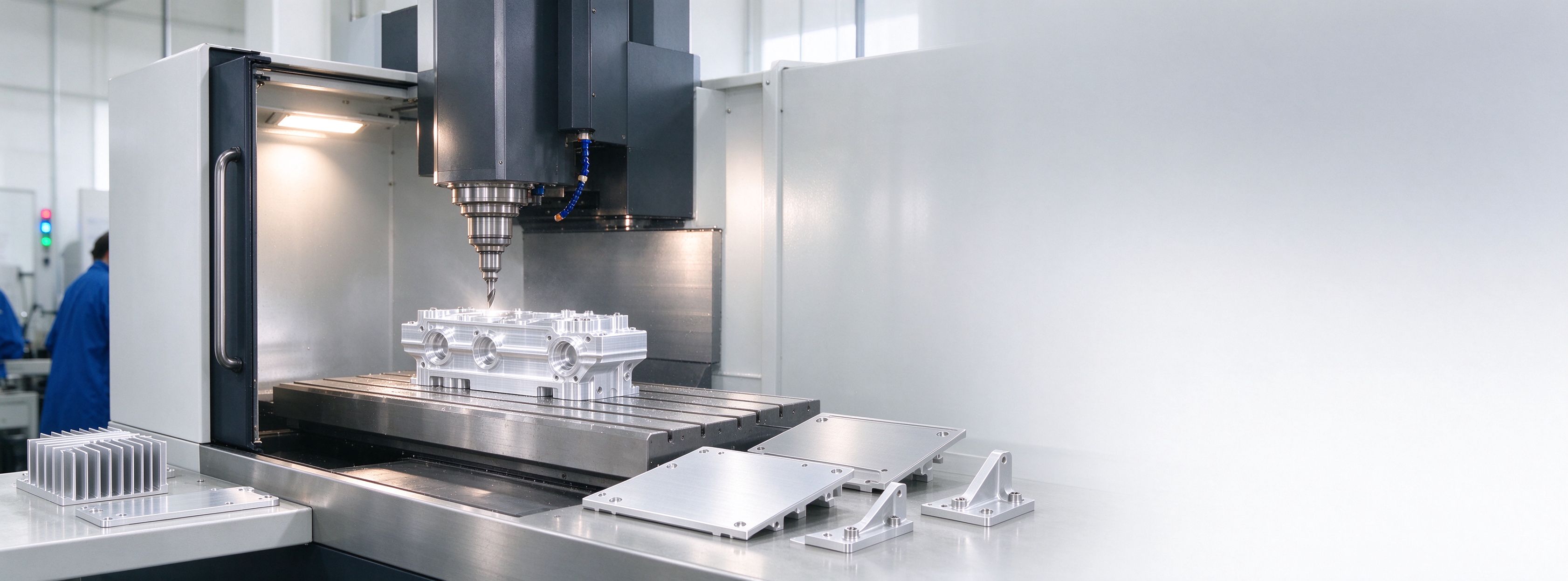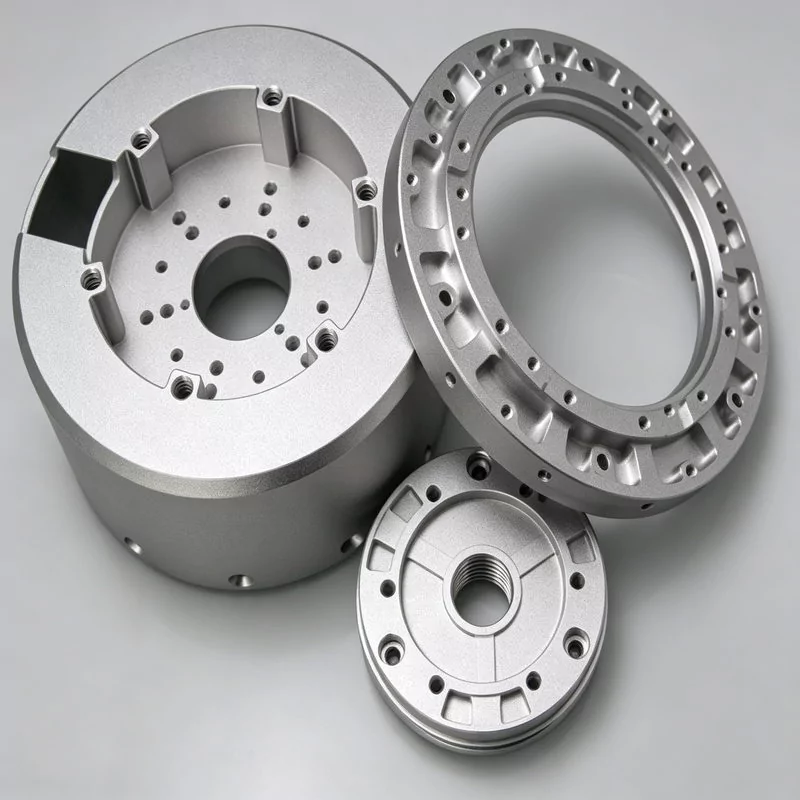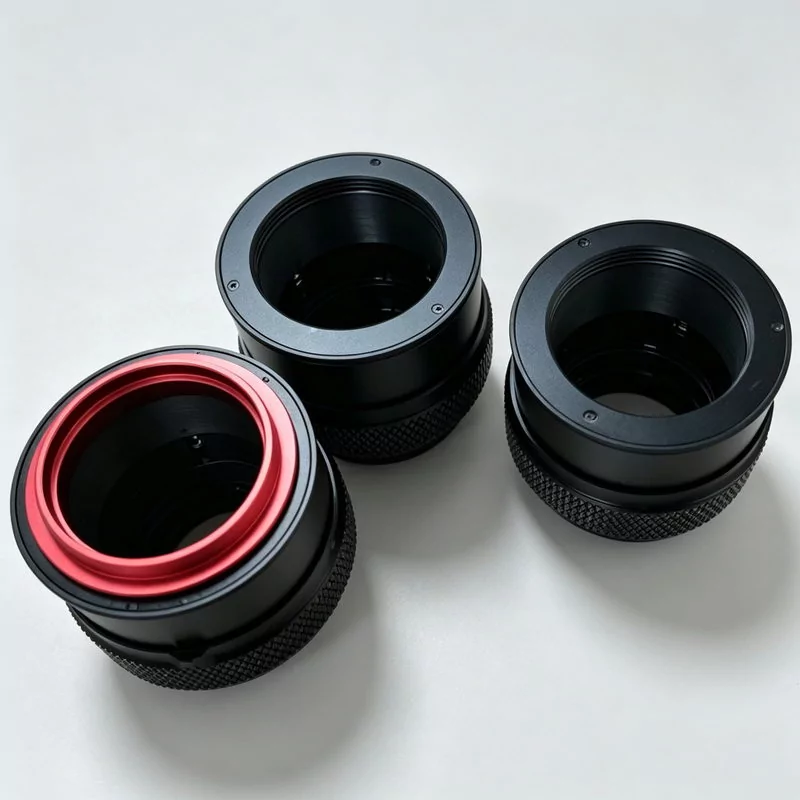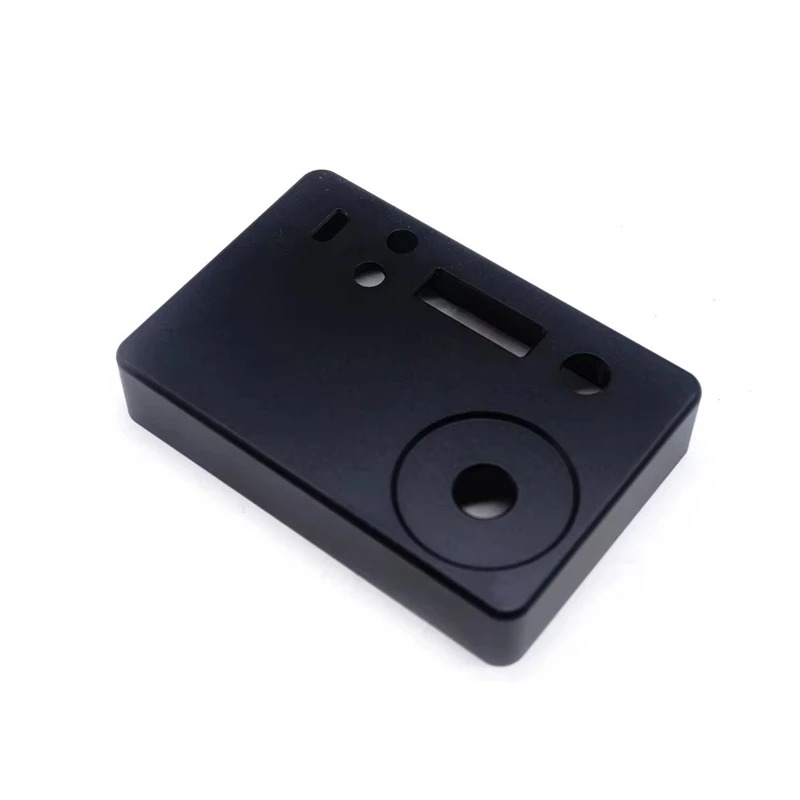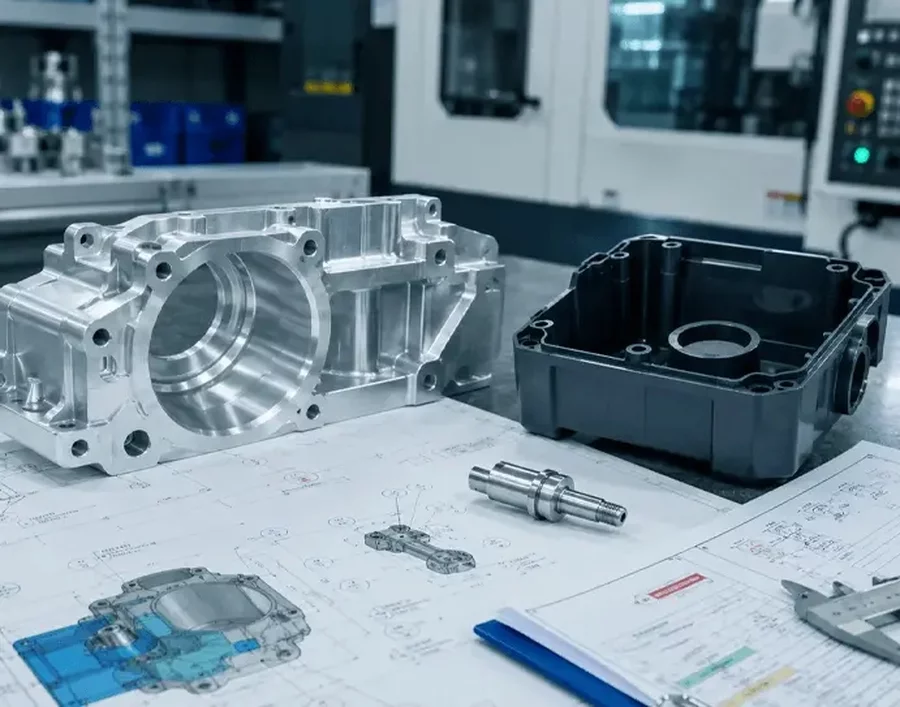
Electric mobility pushes engineers to improve structural strength, lower weight, and handle heat better. Automotive OEMs and Tier-1 suppliers rely on CNC machining for electric vehicles, along with precision CNC machining for automotive parts. These methods deliver steady results in demanding conditions.
- Tight Tolerance Engineering: High-stress EV powertrain parts and structural interfaces hold repeatable tolerances of ±0.005 mm, along with other tight-tolerance automotive parts.
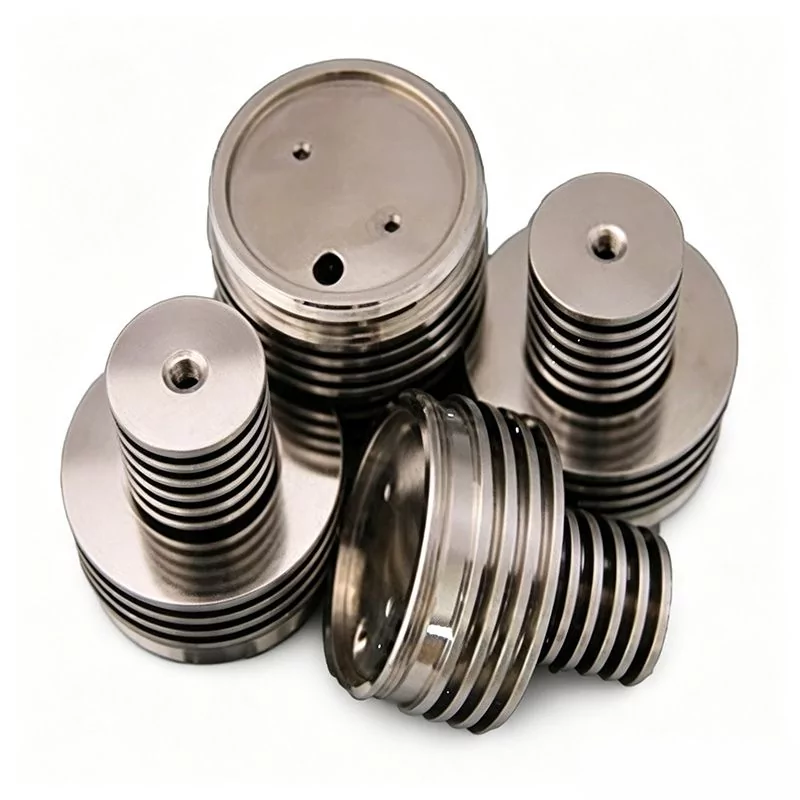
- Thermal Performance Optimization: Aluminum CNC machining for EV parts produces dense aluminum heat sinks and coolant housings. These parts move heat away from high-voltage electronics in an efficient way.
- Rapid Cycle Time Reduction: 5-axis CNC machining for EV parts completes complex shapes in single setups. This shortens overall production lead times.
- IATF 16949 Quality Assurance: Standard automotive CNC quality control removes process variations in both prototype and serial production runs.
As a China-based custom EV parts manufacturer, Rejin CNC provides complete EV CNC machining. The work links early engineering designs with full-scale commercial manufacturing.
Key Engineering Challenges in Modern EV Manufacturing
Electric drivetrain components demand far stricter geometric and thermal tolerances than traditional internal combustion engine parts due to higher rotational speeds and intense thermal density. Reliable electric vehicle parts machining therefore requires precise process control across both structural and powertrain applications.
Precision and Thermal Management in EV Powertrains
Power electronics and electric motors work best at steady temperatures. This calls for parts with complex shapes and flat surfaces for seals to sit on.
- Inverter Heat Sink Flatness: Large aluminum cold plates are machined flat to 0.02 mm. The tight tolerance cuts heat resistance where the IGBT module touches the cooling jacket.
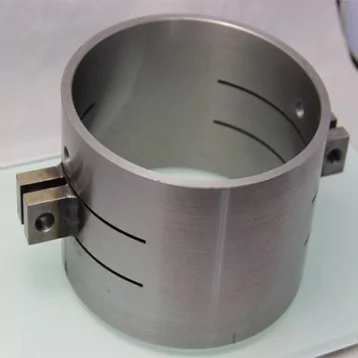
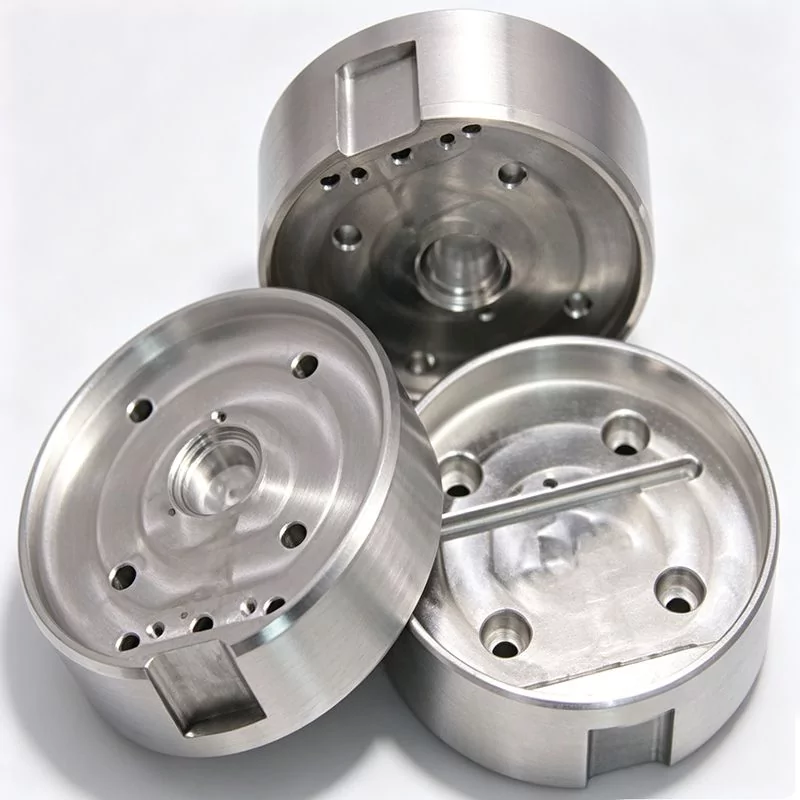
- EV Motor Housing CNC Machining: Bearing seats stay concentric within ±0.005 mm. That stops rotor shift, lowers vibration from electromagnetic forces, and reduces noise at high speeds.
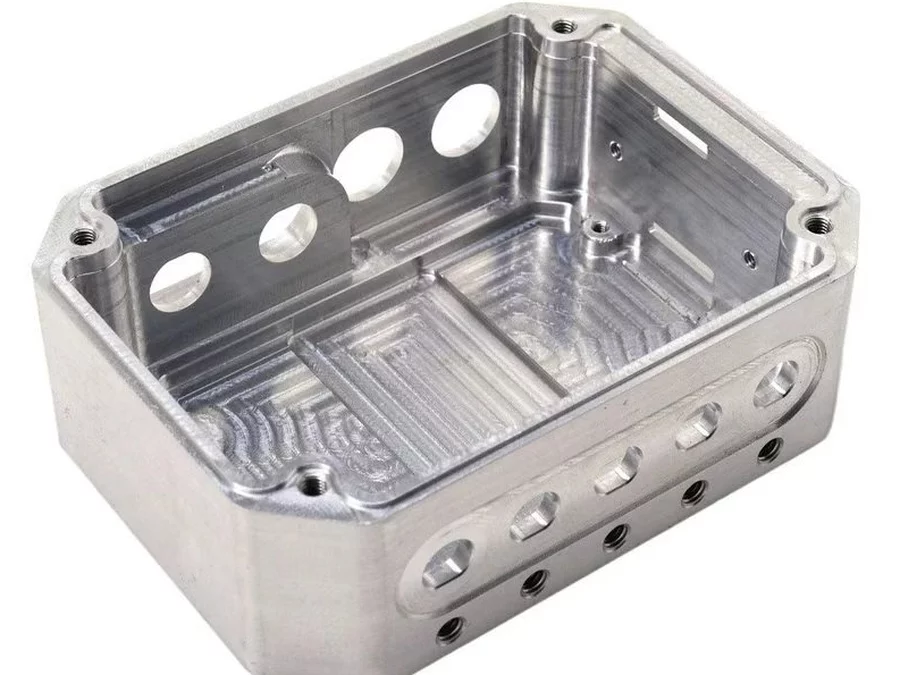
- Cooling Channel Integrity: Deep, narrow passages in aluminum housings are cut without tool bending. The passages stay leak-free in pressure tests and support reliable CNC-machined EV powertrain components.
Structural Integrity and Lightweighting for EV Chassis
EV structural parts need solid strength but less weight overall. Lighter cars travel farther on each charge.
- Thin-Walled Deformation Control: Cutting thin 6061-T6 aluminum leaves stress in the metal. Special clamps and fast milling stop warpage after the work.
- Subframe Node Machining: Suspension mounts take heavy loads. Accurate bolt holes keep the geometry right and help the parts last through repeated use.
- Manufacturing Process Thresholds: Runs under 8,000 units a year work well with custom EV CNC mass production. It avoids the high cost of hard tooling needed for die casting or stamping.
Advanced Manufacturing Capabilities and Core Technologies
Navigating complex automotive geometry demands advanced machine tools alongside specialized engineering expertise at every manufacturing phase. A qualified CNC automotive parts manufacturer must support both complex CNC machined EV parts and scalable production requirements.
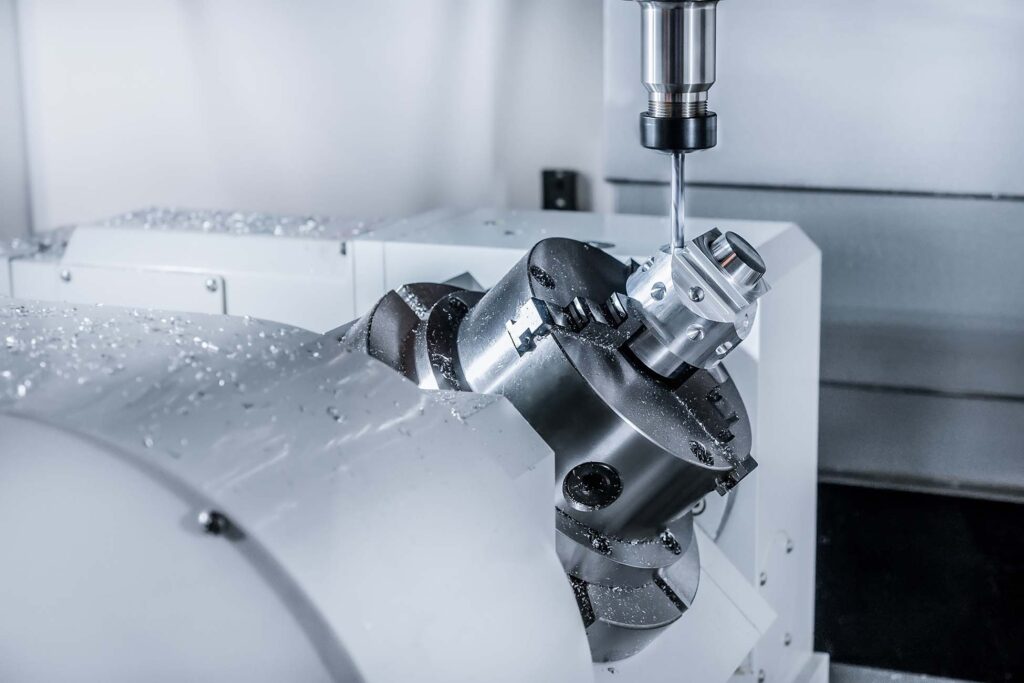
High-Precision 5-Axis CNC Milling & Turning Infrastructure
Deploying multi-axis machining technologies allows complex geometries to be completed in single setups, avoiding manual repositioning errors.
- Advanced Equipment Fleet: Utilizing over 200 high-end CNC machining units, including 5-axis machining centers, 4-axis mills, and high-speed tapping systems.
- Single-Setup Efficiency: Utilizing 5-axis CNC machining for EV parts reduces multi-pass clamping procedures by up to 80%, ensuring ultra-precise spatial relationships between intersecting bores and angled surfaces.
- Machining Cycle Optimization: Redesigning toolpaths and cutting parameters for complex EV motor housing CNC machining reduces per-part cycle times from 120 minutes down to 45 minutes while improving surface finishes to Ra 0.8 μm.
DFM Optimization and Engineering Support
Early collaboration between automotive design teams and machining engineers identifies latent manufacturing risks prior to cutting metal.
- DFM for EV Parts: Analyzing submitted 3D CAD models for wall thickness consistency, internal corner radii, and deep pocket tool access within 24 hours of submission.
- Material Selection Optimization: Assisting procurement teams in selecting optimal aluminum alloys—such as lightweight 6061-T6, high-strength 7075-T6, or cast aluminum ADC12—to balance mechanical strength against machining efficiency.
- Tool Accessibility Engineering: Reconfiguring internal feature radii to allow standard end-mill usage, effectively lowering custom tooling expenditures and unit production costs.
Quality Control and Industry Certification
High-reliability automotive components require full-process metrology tracking to guarantee that every serial production part complies with original engineering specifications. Robust automotive CNC quality control is especially important for tight-tolerance automotive parts used in safety-critical EV assemblies.
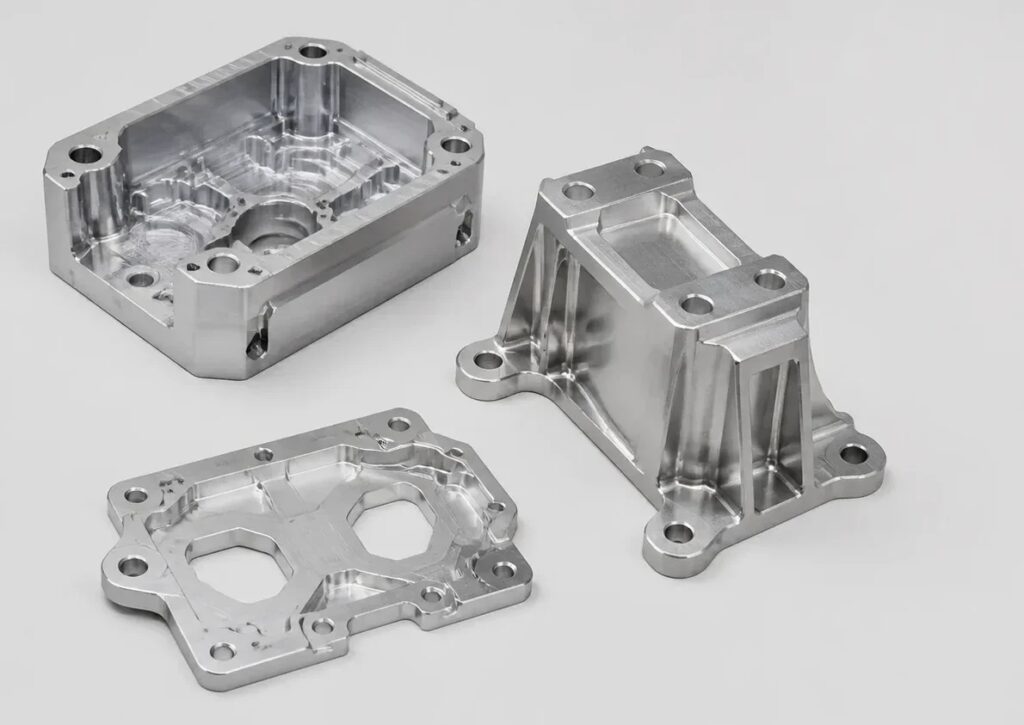
IATF 16949 Metrology and Inspection Rigor
Comprehensive quality management protocols ensure stable, repeatable quality standards across EV parts prototyping and serial mass production phases.
- Automotive Certification Standards: Operating under fully audited IATF 16949 and ISO 9001 certified quality management systems tailored for high-requirement automotive manufacturing.
- Advanced Metrology Verification: Employing high-precision ZEISS Coordinate Measuring Machines (CMM) and optical surface profilers to verify tight-tolerance automotive parts down to micron-level accuracy.
- First Article Inspection (FAI) and 100% Checking: Conducting full FAI validation on initial production runs, supplemented by 100% critical-dimension checks for high-risk EV powertrain parts.
Practical Application Case Studies and Capacity Metrics
Providing clear production capacity parameters and proven industry track records assists B2B procurement managers in qualifying an automotive CNC machining supplier China for global EV programs.
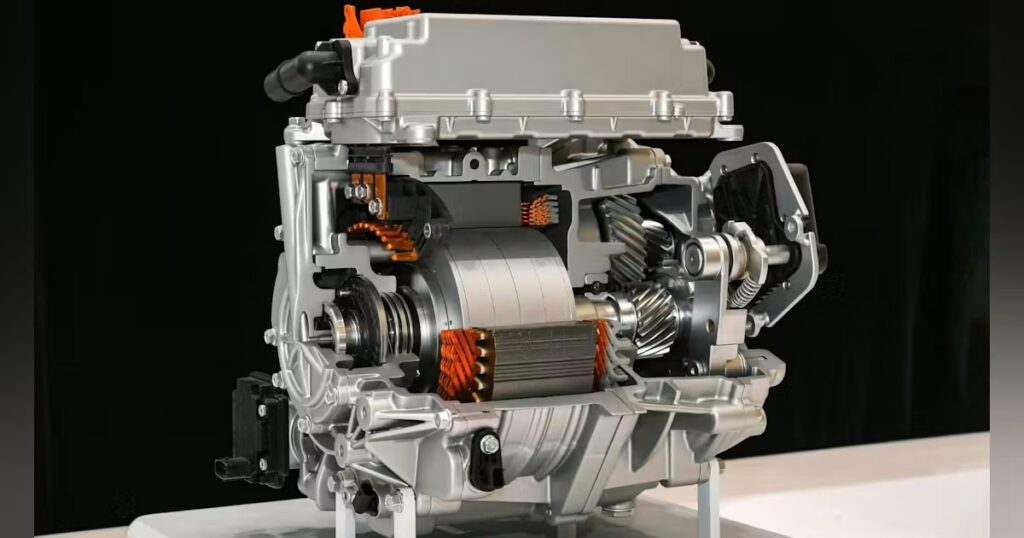
Mass Production of EV Motor Housings for European Tier-1 Supplier
Supplying core drive components for global EV platforms demands robust monthly throughput alongside consistent dimensional stability.
- Client and Project Scope: Partnered with a European Tier-1 electric drivetrain manufacturer to produce liquid-cooled aluminum motor enclosures through precision EV motor housing CNC machining.
- Production Volume Scale: Established a dedicated cellular machining line delivering a monthly production output of 35,000 units while maintaining internal bore roundness within 0.008 mm.
- Sealing Surface Quality: Achieved a critical sealing face roughness below Ra 0.8 μm, passing 100% helium leak tests under operating pressures.
Rapid Prototyping and Scaling for Battery Structural Components
Supporting fast-paced EV development cycles requires flexible manufacturing minimums backed by rapid lead times.
- Low Minimum Order Quantity (MOQ): Offering flexible procurement starting at an MOQ of 1 piece for EV parts prototyping, functional fitting, and physical crash validation.
- Rapid Delivery Timelines: Delivering verified aluminum CNC-machined EV structural parts within 2 to 5 working days from finalized design release.
- Seamless Scalability: Transitioning low-volume trial runs into stable EV CNC mass production with monthly capacities exceeding 50,000 units, utilizing scalable workholding and pre-vetted aluminum billet inventory.
Comprehensive Technical Services & One-Stop OEM Solutions
Rejin CNC provides an integrated suite of custom manufacturing and engineering support services engineered to bridge early prototype development and high-volume commercial production. As a custom EV parts manufacturer and automotive CNC machining supplier China, our fully closed-loop vertical supply chain reduces multi-supplier coordination costs while ensuring strict quality standards across every production phase.
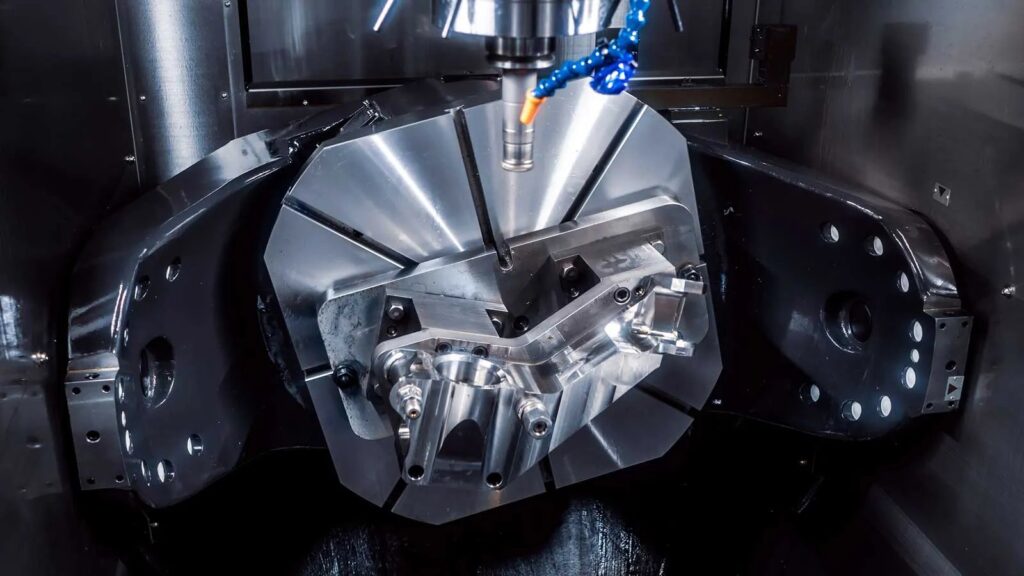
Precision CNC Machining & Multi-Axis Turning Services
We utilize high-precision multi-axis machining infrastructure to manufacture intricate EV structural parts, EV powertrain parts, and other automotive components with tight dimensional tolerances.
- 5-Axis Simultaneous CNC Milling: Machining complex geometries in a single setup minimizes repositioning errors and significantly reduces per-part cycle times for detailed housings and other CNC-machined EV parts.
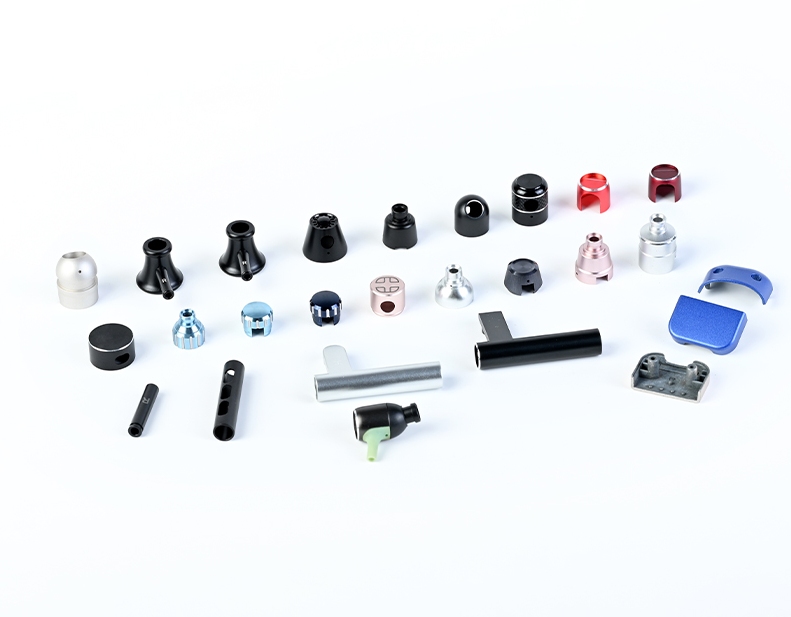
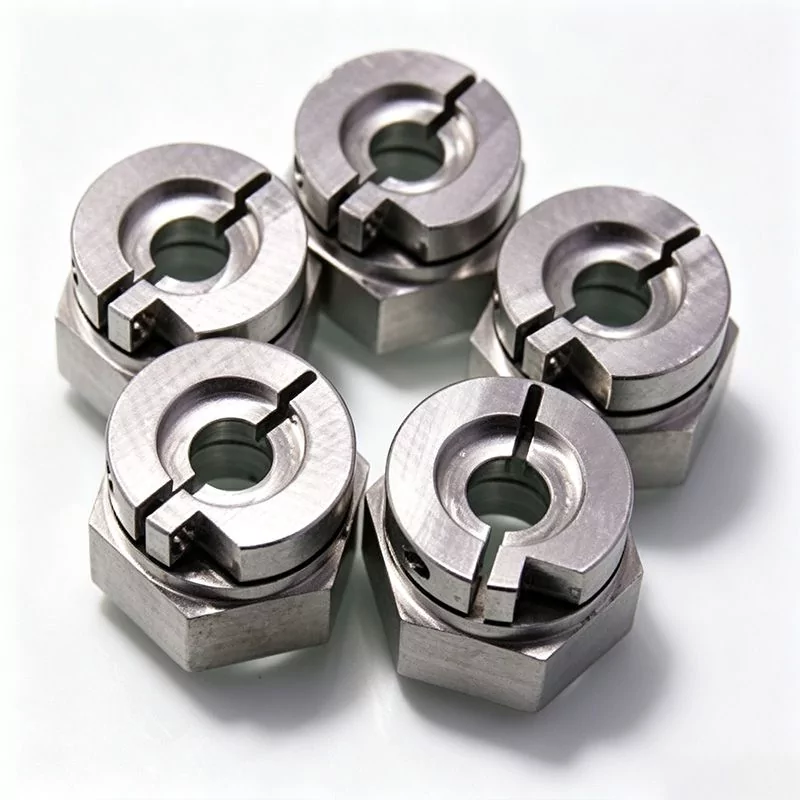
- Precision CNC Turning & Fasteners: Custom turning capabilities deliver turned studs, nuts, and precision fasteners with high thread accuracy and stable performance.
- Micron-Level Precision Execution: Routine precision CNC machining for automotive parts maintains repeatable dimensional tolerances within±0.005 mm for critical OEM applications.
DFM Engineering Support & Rapid Prototyping
Our engineering team collaborates directly with customer design teams to optimize part structures for manufacturability and cost efficiency before cutting metal.
- Free DFM Manufacturability Review: Providing professional DFM for EV parts by analyzing submitted 2D/3D CAD drawings within 24 hours to optimize geometry, wall thickness, and tool access while lowering unit production costs.
- First Article Inspection (FAI): Implementing rigorous FAI procedures verifies tooling, machinery, and production stability to eliminate batch-level defects early.
- Rapid Prototype Delivery: Delivering fully verified EV parts prototyping samples within 2 to 5 working days for rapid appearance checking and physical assembly validation.
Sheet Metal Fabrication & In-House Surface Finishing
To deliver complete turnkey subassemblies, we combine custom sheet metal fabrication with comprehensive surface treatment capabilities under one roof.
- Sheet Metal OEM & Metal Stamping: Fabricating custom metal enclosures, structural frames, and precision stamped components with consistent accuracy.
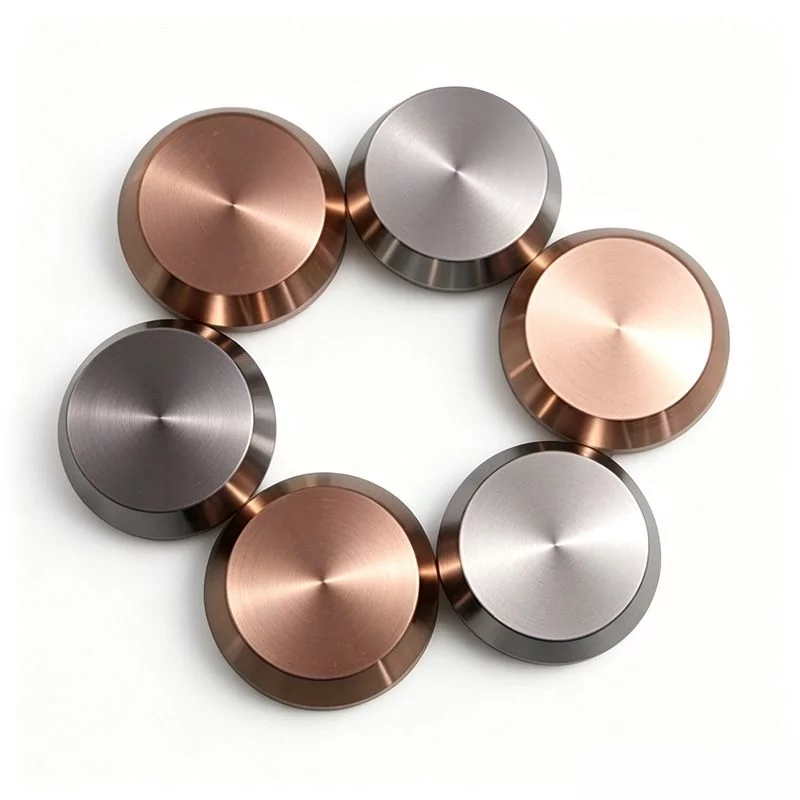
- Automated Surface Finishing Lines: Operating automated anodizing, sandblasting, and custom finishing lines to enhance surface durability and aesthetic appearance.
- IATF 16949 Quality System Integration: Operating under IATF 16949 and ISO 9001 certified quality standards with 100% inspection services to support consistent delivery.
Conclusion
Sourcing precision CNC-machined EV structural parts and CNC-machined EV powertrain components requires a manufacturing partner with proven technical depth, advanced 5-axis infrastructure, and rigorous automotive quality systems. By pairing robust DFM for EV parts with IATF 16949-compliant metrology, Rejin CNC enables automotive buyers to reduce development risks, control unit costs, and accelerate commercial production timelines.
Ready to accelerate your electric vehicle manufacturing project?
- Email: info@rejincnc.com
- WhatsApp:+86 13790500374
FAQ
Q: What is the threshold value when making a choice between CNC machining and die casting in EV motor housing applications?
A: Below annual volumes of 5,000 to 8,000 pieces, CNC machining for electric vehicles is usually more efficient in terms of price, given that it is not accompanied by tooling costs. At an annual production rate above 10,000 pieces, high-pressure die casting followed by CNC finish machining could be a more effective approach.
Q: How can 5-axis CNC machining ensure warpage-free thin-wall aluminum construction of EV parts?
A: 5-axis CNC machining for EV parts prevents distortion because the whole process is completed in one clamping stage. In combination with high-speed adaptive milling technology, the forces and thermal effects can be controlled through the right fixtures.
Q: What level of surface finishing and tolerance is possible for electric powertrain thermal interface components?
A: Precision CNC machining of automotive components provides dimensional tolerances of ±0.005 mm. The sealing and thermal interface surfaces of CNC-machined EV powertrain components can be machined to Ra 0.8 µm or better.
Q: What lead time should be expected for EV CNC prototyping and EV CNC serial mass production?
A: EV parts prototyping normally takes between 2 and 5 days, while the manufacturing of EV CNC parts in series mass production takes 2 to 4 weeks.