De-Risking Hardware Development Through Low-Volume Machining
Shifting from early prototypes to full production means weighing cost, timing, and exact measurements. Low-volume CNC machining and low-volume precision machining bridge this step. Industrial buyers can then lower risks when launching products.
Navigating the Challenges of Low-Volume Production
Today’s hardware development needs space for flexibility, rapid iterations, and consistent quality. Hardware engineers and procurement professionals frequently face practical difficulties in going from the test hardware to the mass production stage:
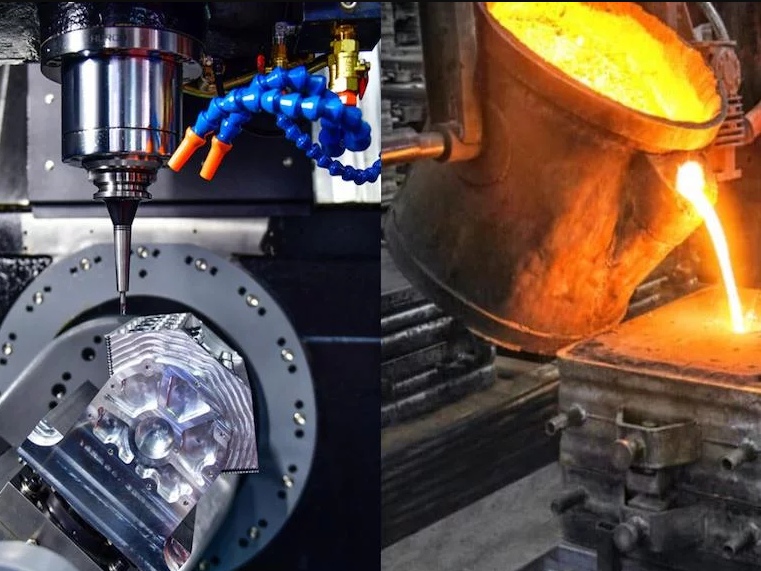
- Expensive up-front tooling costs: Tooling using traditional injection molding or die casting methods entails high costs that cannot be justified for low volume or uncertain demand.
- Long lead time of suppliers: Mass production suppliers tend to de-prioritize small volume orders (under 10,000 pcs), making project timelines long.
- Difficulty in keeping dimensional tolerances: Keeping tight geometric tolerances through short-run manufacturing without specialized tooling is difficult.
- Difficulty in keeping consistent material traceability: Sourcing small volumes results in inconsistent raw material quality.
Rejin CNC: Your Precision Manufacturing Partner
Rejin CNC provides custom precision manufacturing solutions tailored specifically to bridge the gap between design and high-volume output.
- Certified manufacturing standards: Operating under IATF 16949 and ISO quality management systems to guarantee compliance for demanding OEM applications.
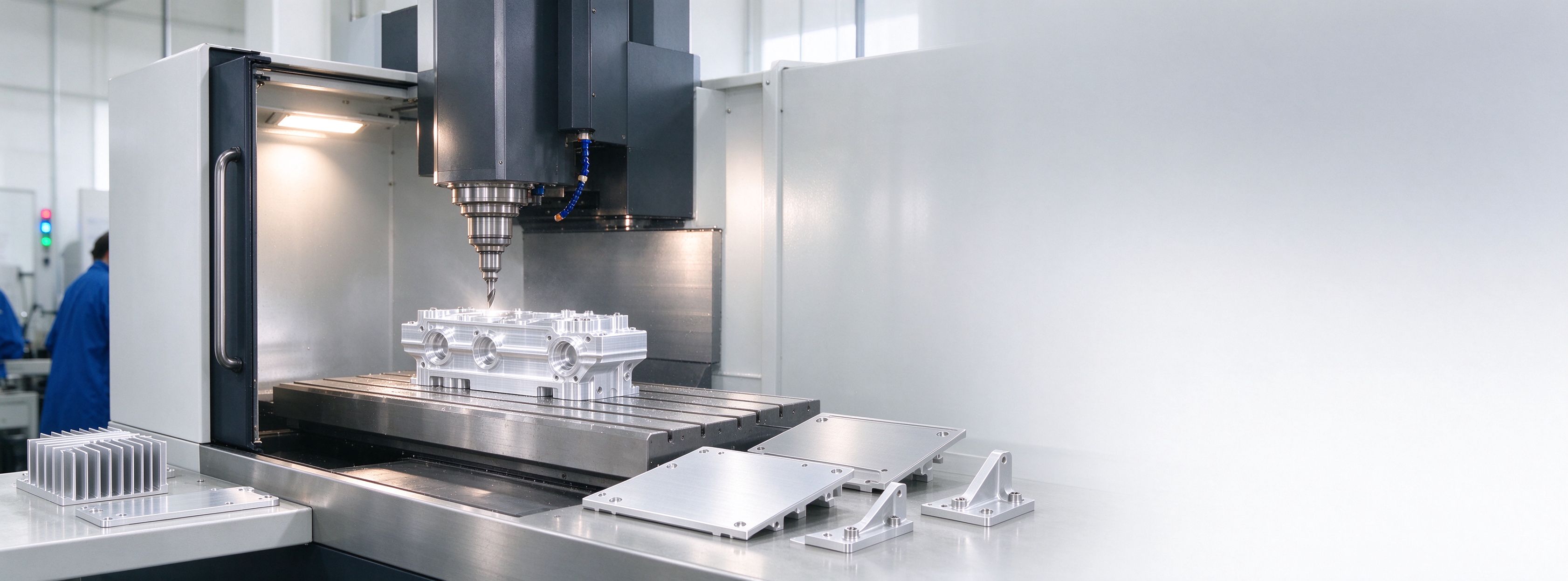
- Advanced multi-axis machinery: Equipped with over 200 high-precision 3-axis, 4-axis, and 5-axis CNC machining centers alongside live-tooling turning centers.
- Rapid execution cycles: Delivering functional prototypes within 7 to 12 business days and full pilot production batches in 15 to 25 business days.
- Comprehensive quality documentation: Providing Full First Article Inspection (FAI), CMM dimensional reports, material certificates, and PPAP documentation upon customer request.
Understanding Low-Volume CNC Machining in Modern Manufacturing
High-mix, low-volume CNC machining serves as an essential bridge between product engineering and commercial rollout. Strategic sourcing in this phase helps OEMs avoid heavy upfront tooling expenses while securing tight-tolerance parts through flexible low-volume CNC manufacturing.
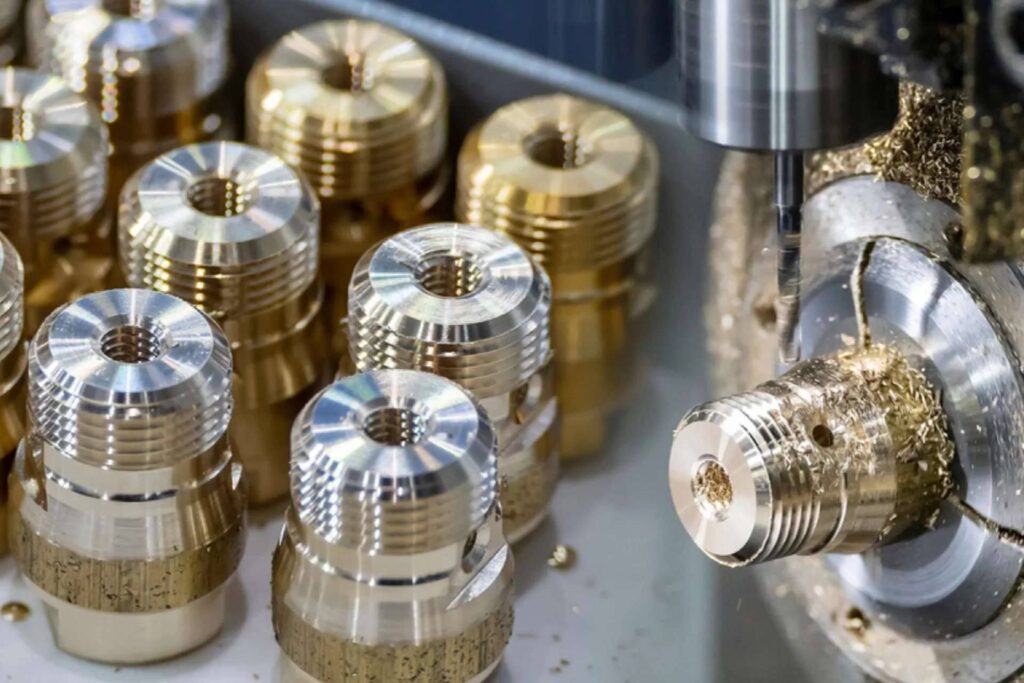
The Strategic Role of Bridge Production CNC Machining
Utilizing low-volume CNC machining allows hardware companies to validate market demand without tying up capital in hard tooling. By choosing CNC machining for pilot production, engineering teams can perform real-world assembly and thermal testing on final-grade engineering materials. This strategy of bridge production CNC machining mitigates financial risk by creating a flexible supply chain capable of handling ongoing design iterations and scalable low-volume CNC production.
Product Lifecycle Sourcing Strategy:
| Prototype Phase |
Low-Volume / Bridge Phase |
High-Volume Mass Production |
| 1 – 10 Units |
50 – 1,000 Units |
10,000+ Units |
| Design Validation |
Rejin CNC Bridge Machining |
Hard Tooling / Die Casting |
| Fast Turnaround |
Zero Tooling Cost, Fast Pilot Run |
High Initial Capital Cost |
Key Cost Drivers in Small Batch CNC Milling and Turning
Managing low-volume CNC machining cost requires a granular understanding of setup efficiency versus machine run time:
- Fixture and setup overhead: Machining cost per unit drops significantly when multi-part modular fixtures are used to minimize machine changeover time.
- Raw material yield efficiency: Selecting standardized bar stock or billet dimensions reduces raw material waste and lowers tool wear rates.
- Machining cycle optimization: High-feed roughing combined with optimized tool paths directly reduces runtime on 5-axis and 3-axis equipment.
- Tolerance classification impact: Specifying tight tolerances (e.g., ±0.005 mm) only on critical mating features prevents unnecessary secondary grinding or honing costs.
Technical Capabilities & Application Scenarios
Matching component geometry with optimal machining dynamics directly impacts dimensional stability and surface finish. Advanced multi-axis machining resolves intricate setup challenges across high-demand industrial applications.
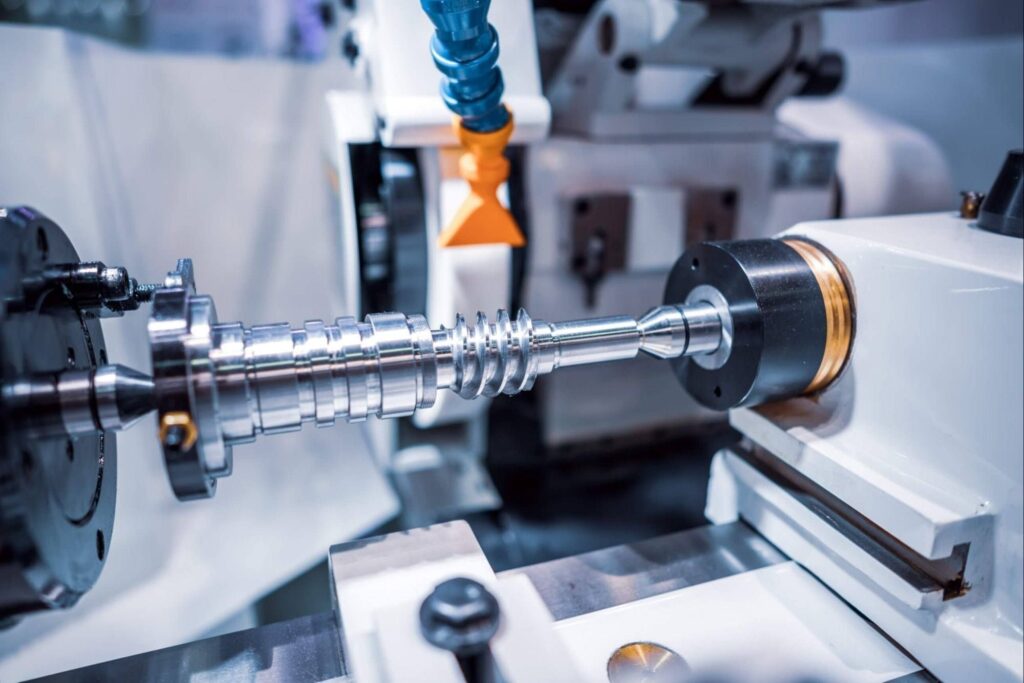
Multi-Axis CNC Milling and Live-Tooling Turning Solutions
Rejin CNC deploys versatile manufacturing technologies tailored to small-batch CNC machining and complex mechanical geometry:
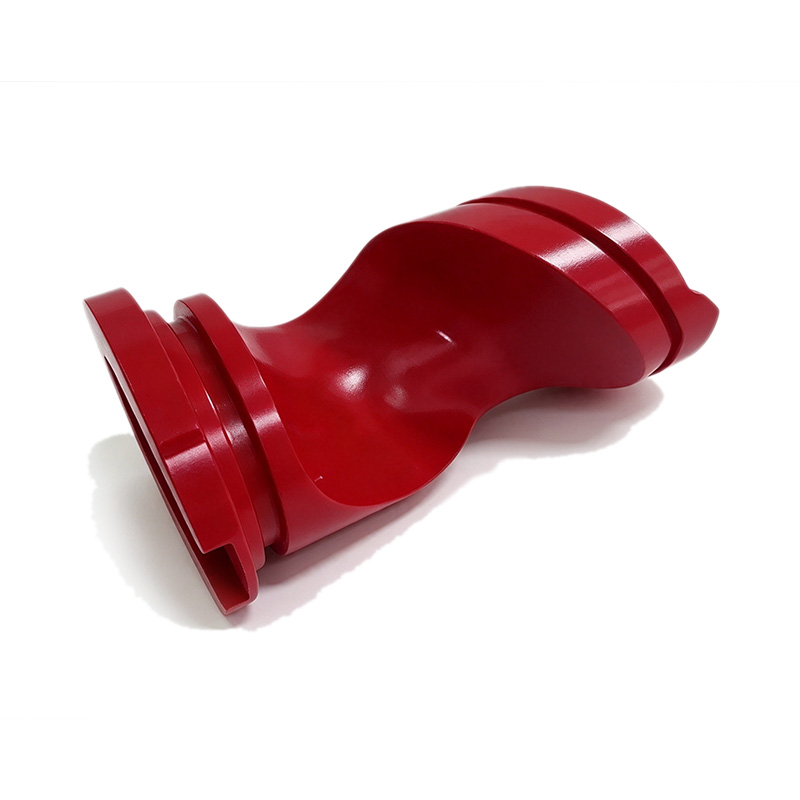
- 5-Axis CNC milling: Supports precision low-volume CNC milling and achieves complex compound angles and organic contours in a single fixture setup, maintaining position accuracy within ±0.005 mm.
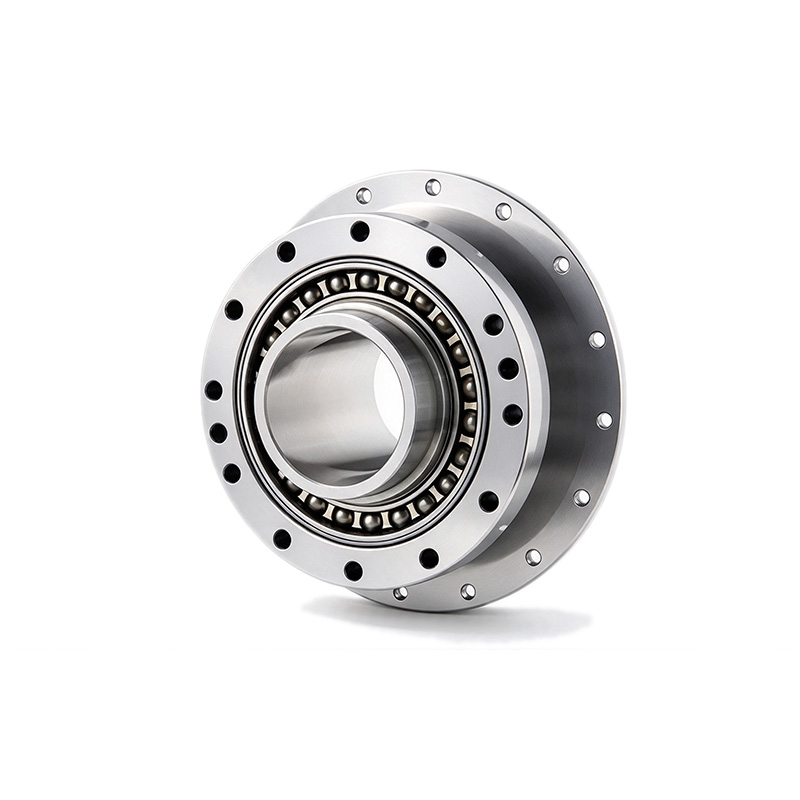
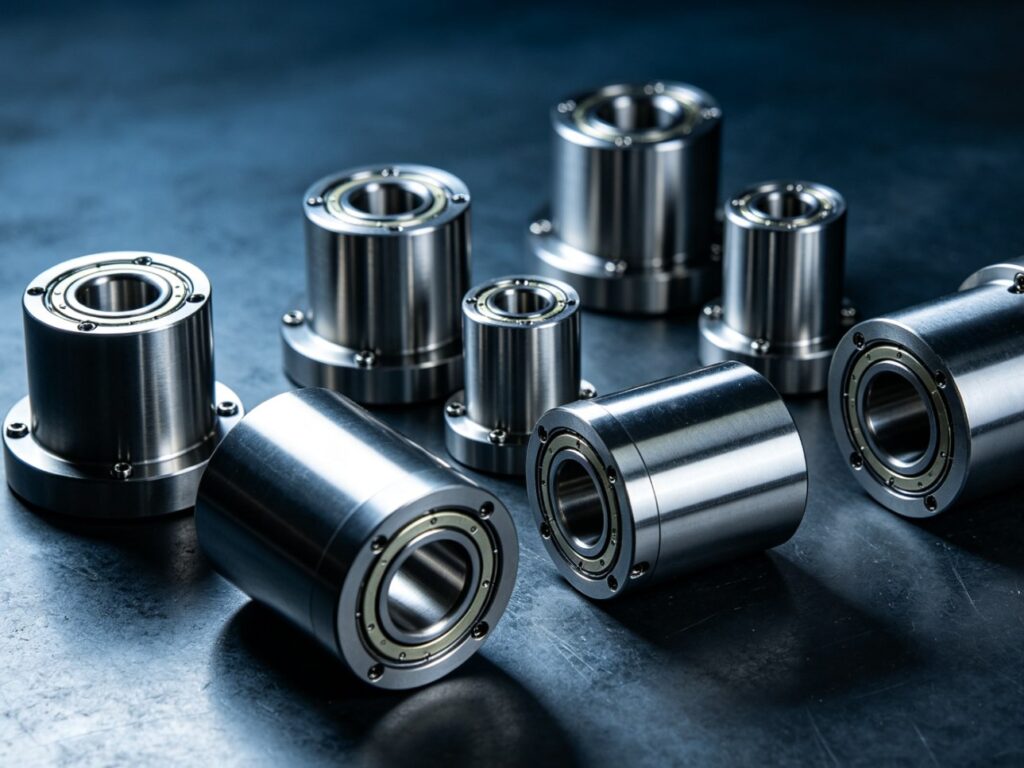
- Live-tooling CNC turning: Power turrets execute axial drilling, off-center tapping, and knurling in one setup, eliminating secondary operation errors.
- Sheet metal fabrication integration: Combines precision CNC-machined structural frames with bent sheet metal enclosures for complete electro-mechanical assemblies.
- Precision surface finishing: In-house surface treatments including Type II/III anodizing, sandblasting, and chemical conversion coating ensure robust environmental protection.
| Process |
Target Tolerances |
Key Feature Capability |
| 5-Axis CNC Milling |
±0.005 mm to ±0.01 mm |
Complex 3D Contours |
| Live-Tooling Turning |
±0.005 mm |
Concentric Threading |
| Precision Anodizing |
ISO 7599 Compliant |
Corrosion Resistance |
Targeted Applications: Automotive Electronics, Audio, 3C, and Thermal Management
Our low-volume CNC manufacturing capabilities solve specific mechanical bottlenecks across specialized sectors:
- Automotive & EV electronics: Custom aluminum sensor housings, ECU enclosures, and high-voltage connector brackets requiring tight electromagnetic shielding and thermal dissipation.
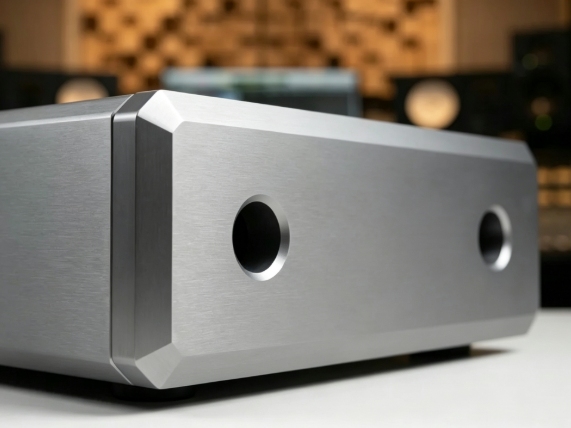
- Professional audio hardware: High-end electroacoustic enclosures, faceplates, aluminum control knobs, and chassis components with premium decorative anodized finishes.
- Custom 3C electronics accessories: Lightweight handheld device frames, heat sink brackets, and structural clips machined from high-strength aluminum 6061-T6 and 7075 alloys.
- Thermal management solutions: Precision AI liquid cooling cold plates and dense pin-fin heat sinks requiring planar flat surfaces down to 0.01 mm flatness to prevent liquid leakage.
Engineering Insights: Overcoming Design & Quality Challenges
Early engagement during the engineering phase prevents costly secondary ops and machining bottlenecks. Rigorous design-for-manufacturability and quality verification ensure batch-to-batch repeatability.
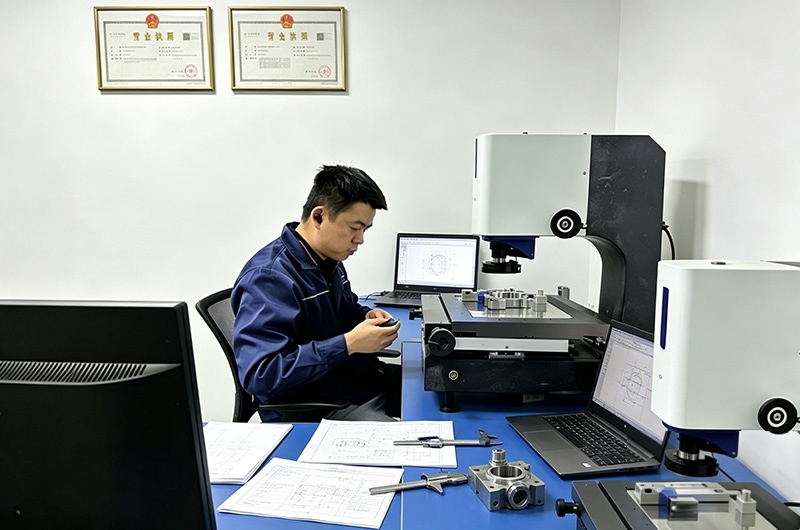
Proactive DFM Optimization for Custom Low Volume CNC Parts
Every engineering drawing submitted to Rejin CNC undergoes a detailed DFM review within 24 hours to optimize custom low-volume CNC parts:
- Wall thickness verification: Recommending minimum wall thicknesses of 1.2 mm on aluminum and 1.5 mm on steel components to avoid vibration chatter during high-speed milling.
- Internal corner radii sizing: Standardizing corner radii to R0.5 mm or larger allows the use of standard end mills, preventing costly EDM sinker operations.
- Deep cavity chip evacuation: Designing tool relief channels in deep pockets reduces chip re-cutting and extends tool cutting edge longevity.
- Thread engagement standardization: Advising thread depths limited to 2x nominal diameter to minimize tap breakage in tough alloys like titanium or stainless steel.
Quality Verification and Material Compliance Standards
Ensuring component reliability requires verifiable inspection protocols:
- Coordinate Measuring Machine (CMM) analysis: Verifying complex geometric dimensioning and tolerancing (GD&T) features against native 3D CAD models.
- Spectrometric material validation: Confirming raw material chemical composition via X-ray fluorescence (XRF) prior to machining to prevent alloy mix-ups.
- In-process dimensional monitoring: Performing automated probing checks every 50 parts during small batch CNC machining runs to compensate for thermal expansion.
- Surface roughness profilometry: Confirming post-machining surface roughness levels down to Ra 0.8 µm on critical sealing faces.
Proven Case Proof: Scaling AI Liquid Cooling Heat Sinks
Translating technical capabilities into tangible engineering outcomes requires structured quality control and process repeatability under real project deadlines.
Case Analysis: 200-Unit Pilot Run of Micro-Channel Cold Plates
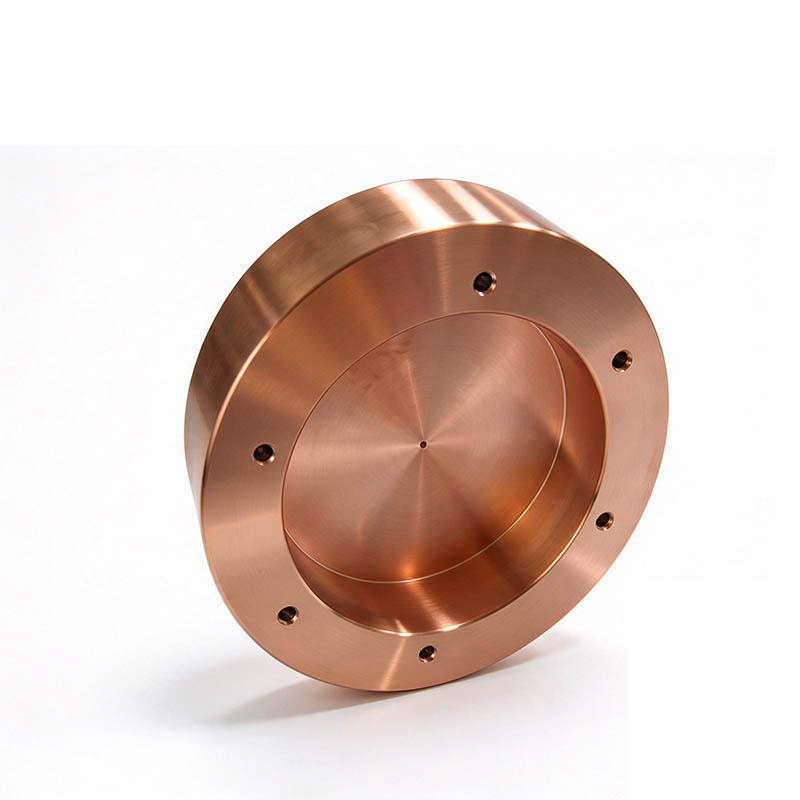
An industrial computing customer required a fast pilot run of 200 custom copper liquid cooling cold plates for an AI server enclosure, featuring 0.3 mm micro-channels and high flatness specifications:
- Engineering challenge: Machining high-density micro-channel fins in oxygen-free copper without fin deformation, while maintaining a top surface flatness under 0.01 mm.
- Process optimization: Rejin CNC deployed specialized high-speed diamond micro-end mills on 5-axis CNC machining centers, optimizing tool speed to reduce cutting force.
- Results delivered: Shipped all 200 fully anodized and nickel-plated cold plates in 14 business days, passing 100% helium leak testing and achieving a controlled defect rate under 30 PPM.
Supplier Selection Framework & Next Steps
Choosing a reliable manufacturing partner involves evaluating dynamic capacity, quality documentation, and engineering support. Streamline your sourcing pipeline with structured DFM assessments.
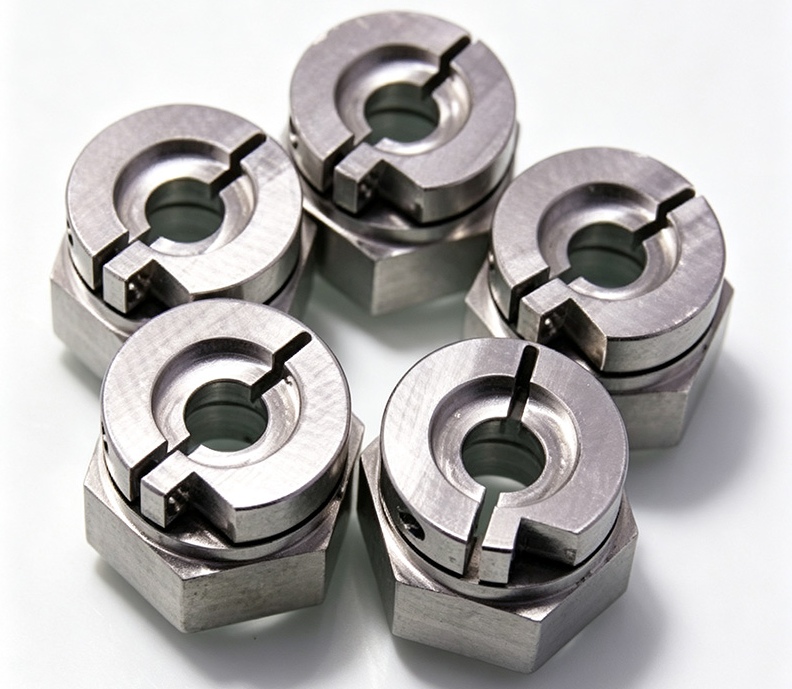
How to Evaluate a Low Volume CNC Machining Supplier
Industrial buyers should systematically evaluate any low-volume CNC machining supplier or low-volume CNC machining manufacturer using key engineering criteria:
- Clear technical feedback: Ensure the supplier provides automated or manual DFM reports before cutting metal.
- Traceable quality records: Confirm availability of FAI, raw material batch certificates, and CMM inspection records.
- Flexible production capability: Verify that the plant can seamlessly transition from 10-unit prototype runs to 1,000-unit pilot runs on the same machine infrastructure.
- Transparent lead time commitments: Look for clear lead time milestones, such as 7–12 days for prototypes and 15–25 days for batch manufacturing.
| Checklist Item |
Industry Benchmark Standard |
| Preliminary DFM Turnaround |
Within 24 hours |
| Standard Machining Tolerance |
±0.005 mm to ±0.01 mm |
| Prototype Delivery Window |
7 to 12 business days |
| Production Batch Lead Time |
15 to 25 business days |
| Quality Compliance |
IATF16949 / ISO Certified |
Accelerate Your Next Pilot Production Run
Partner with Rejin CNC for professional low-volume CNC machining services, small batch CNC milling, or turning projects. Upload your 2D and 3D CAD files today to receive an actionable engineering DFM review and an official quote within 24 hours. Contact our engineering support team directly at info@rejincnc.com or via WhatsApp at +86 13790500374 to start your manufacturing journey.
FAQ
Q: What is the ideal order volume range for low-volume CNC machining?
A: Low-volume CNC machining usually handles quantities from 10 to 1,000 units. This range keeps unit costs reasonable before any move to full-scale tooling.
Q: How does DFM analysis help lower custom low-volume CNC parts cost?
A: DFM analysis spots deep pockets, tight radii, and tight tolerances early on. Engineers can then cut machine runtime and skip complex secondary operations.
Q: Which surface treatments are best suited for custom aluminum CNC components?
A: Type II color anodizing adds decorative wear resistance. Type III hardcoat anodizing gives strong corrosion protection. Chemical conversion coating maintains electrical conductivity.
Q: What is the typical lead time for small batch CNC machining projects?
A: Standard prototype turnaround takes 7 to 12 business days. Bridge production batches from 100 to 1,000 parts ship in 15 to 25 business days.