
 Prototype Phase Dilemma: Mold Tooling vs Direct CNC Machining
Evaluating early-stage automotive manufacturing routes requires balancing upfront capital investment against physical iteration timelines. This section examines the technical decision framework between rapid CNC prototyping and die-cast tooling during pre-series development.
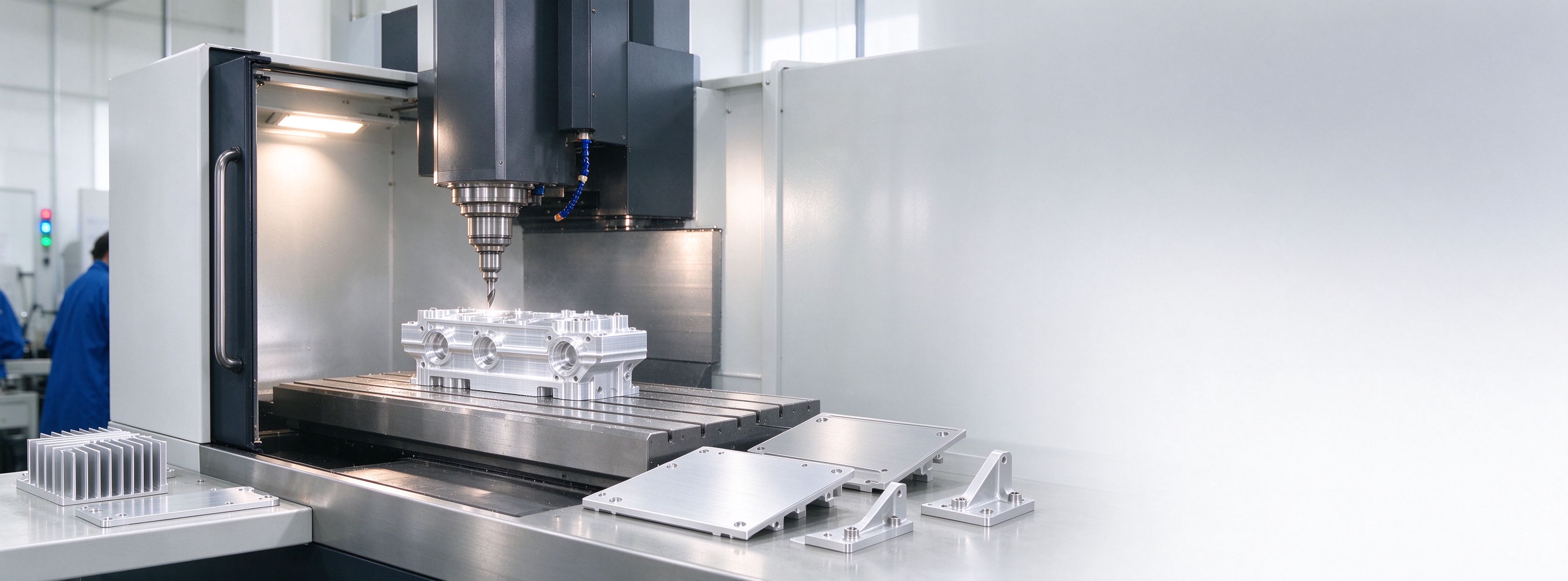
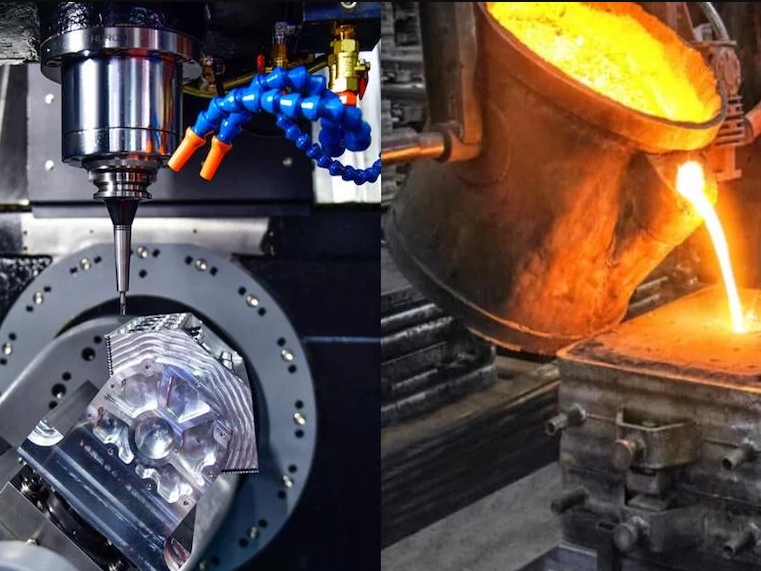
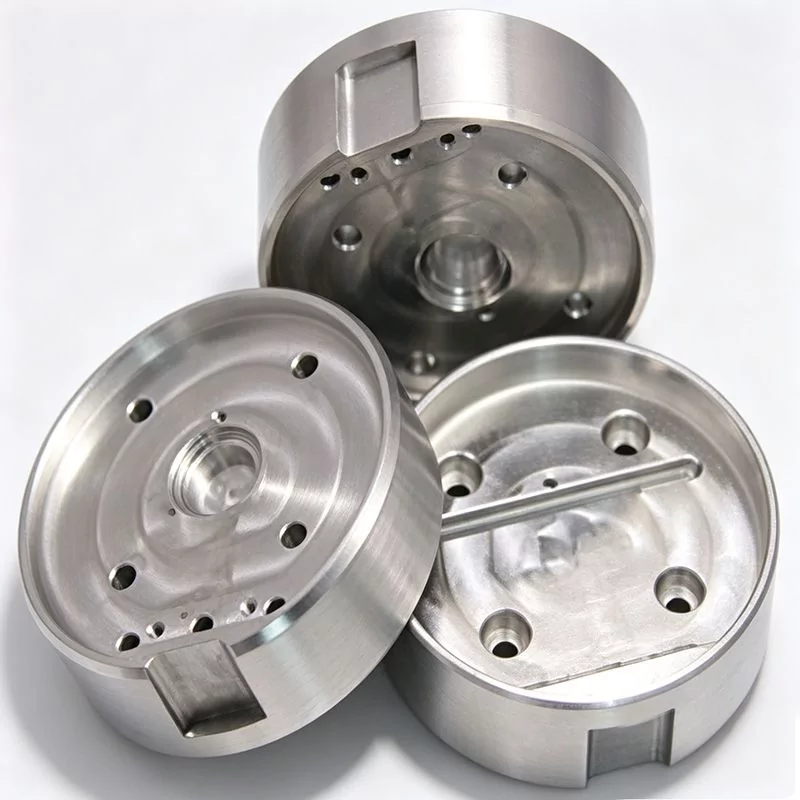
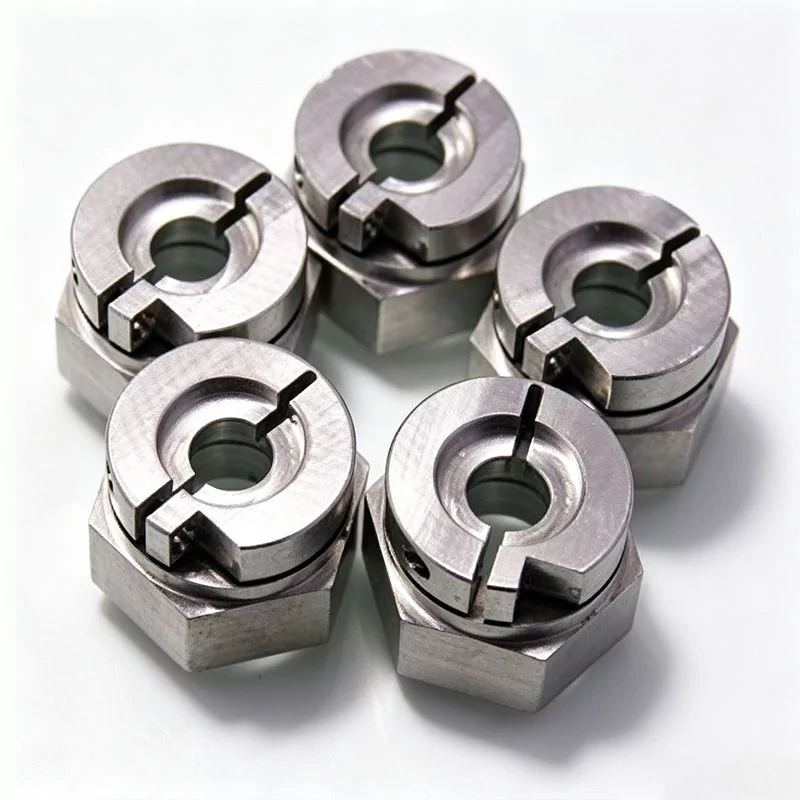
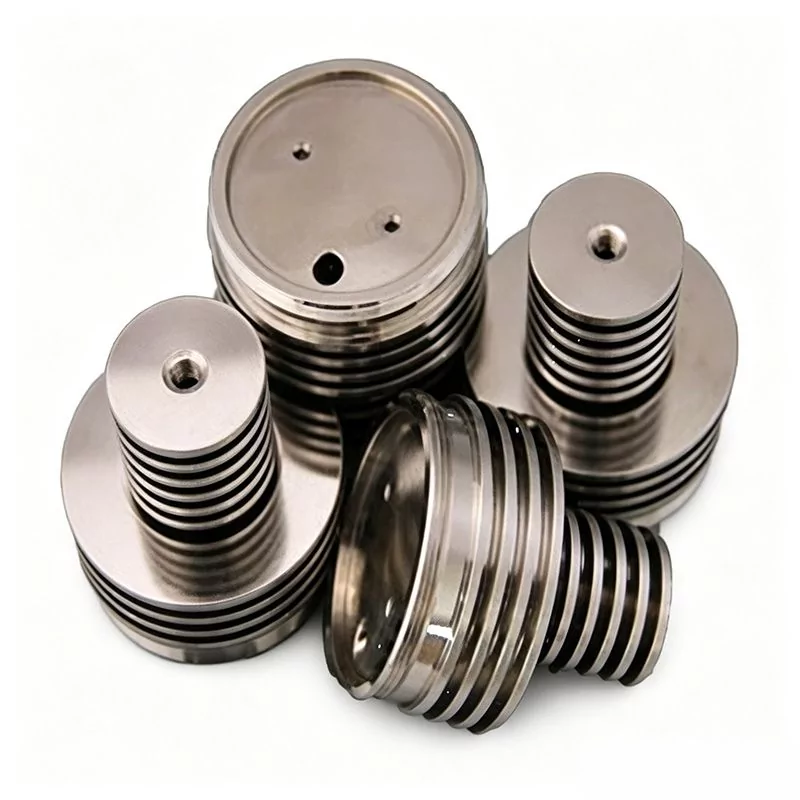
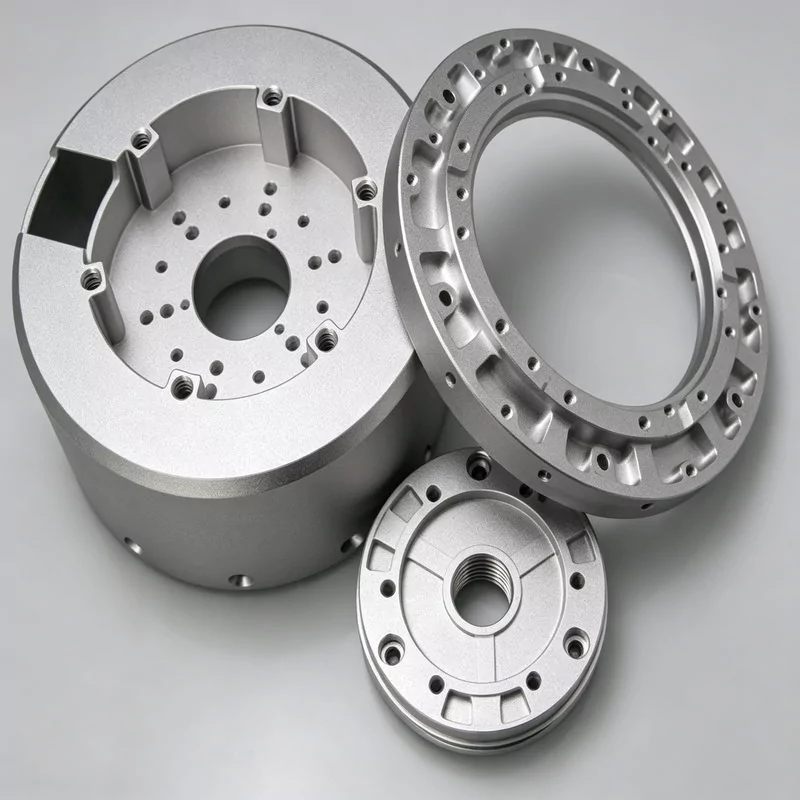
Automotive product development demands rigorous physical testing of complex components, such as electric vehicle (EV) motor enclosures, battery management brackets, inverter cold plates, and structural connectors. During pre-series validation, automotive engineers face a critical technical fork in the road: CNC milling vs. die casting. High-Pressure Die Casting (HPDC) is the dominant process for mass-producing aluminum components due to its ultra-low piece-part cost at scale. However, its multi-week mold fabrication lead times and steep Non-Recurring Engineering (NRE) tooling costs create severe bottlenecks when design adjustments are required. Utilizing CNC milling for automotive parts through advanced automotive parts CNC machining allows engineering teams to machine functional components directly from wrought aluminum billet, eliminating hard tooling requirements and reducing development cycles from months to days.
Rejin CNC operates as a specialized custom automotive parts manufacturer and precision CNC machining manufacturer, providing full-service precision machining and prototyping solutions for global Tier-1 suppliers and automotive OEMs.
Quantifying manufacturing economics across volume thresholds is critical for optimizing engineering budgets. Below is a breakdown comparing non-recurring engineering (NRE) tooling fees against direct unit machining costs.
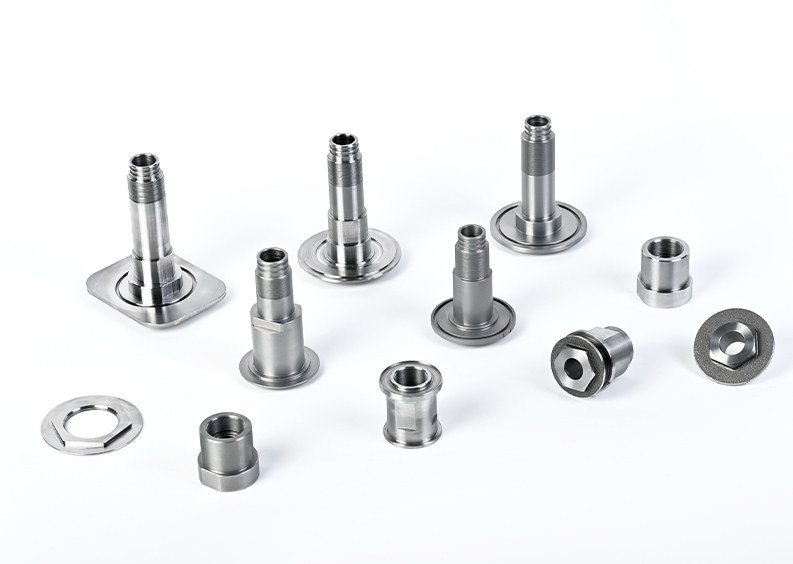
When evaluating die casting vs CNC machining for early-stage prototype runs, total financial outlay must be evaluated across fixed tooling expenses and variable unit production costs.
Speed to market during vehicle homologation and thermal testing often determines project delivery schedules.
Material structural integrity directly impacts the physical reliability of load-bearing auto components under severe operational stresses. This section analyzes the metallurgical differences between wrought billet stock and high-pressure cast alloys.
| Feature / Metric | CNC Machined Billet (AL6061 / AL6063) | High-Pressure Die Casting (A380 / ADC12) |
| Internal Porosity | Virtually Zero (Wrought dense microstructure) | High risk (Gas entrapment & shrinkage voids) |
| Tensile Strength (Yield) | High (~275 MPa for 6061-T6) | Moderate (~160 MPa for A380) |
| Fluid Sealing Capability | Pressure-tight without impregnation | May require secondary vacuum impregnation |
| Dimensional Tolerance | Up to ±0.01mm | Standard ±0.1mm to ±0.3mm |
| Anodizing Cosmetic Quality | Uniform, streak-free surface oxidation | Prone to splotching due to high silicon content |
Internal structural voids are a cause of mechanical breakdown in high-stress, precision-machined auto parts in dynamic fatigue tests.
Tight tolerance control for lightweight automotive enclosures requires controlled clamping processes and toolpaths.
Partnering with an experienced custom CNC machining supplier bridges the gap between digital CAD concepts and automotive-grade physical compliance. Rejin CNC supports automotive prototype machining, precision-machined auto parts, and scalable low-volume automotive manufacturing through strict quality protocols and engineering controls.
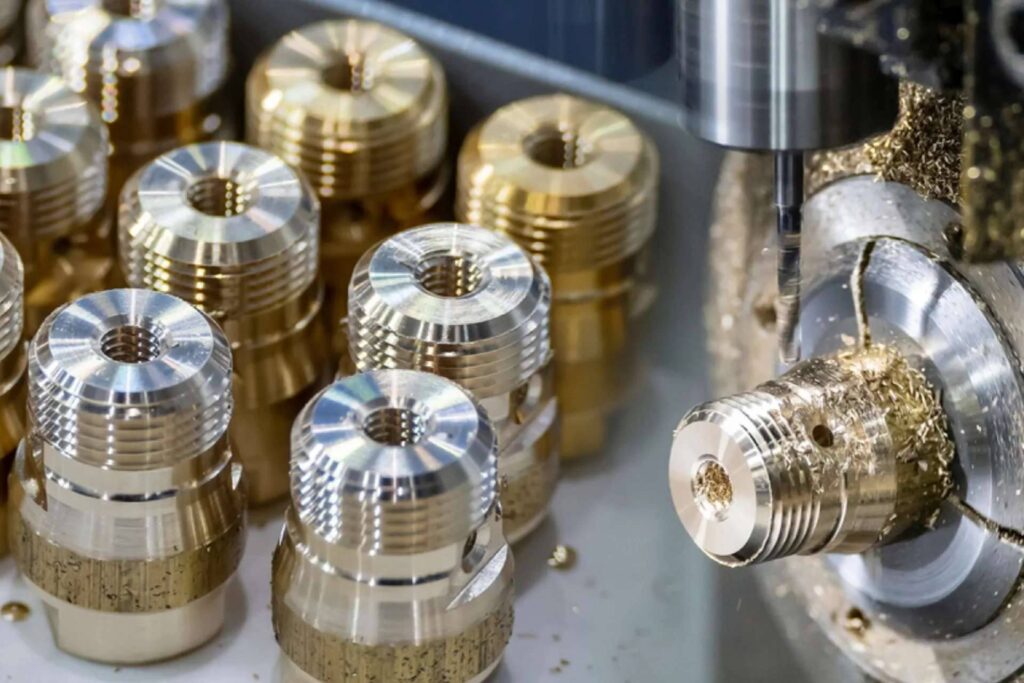
Rejin CNC functions as an integrated automotive component supplier, supporting design engineers through every stage of development.
Whether you need high-precision automotive prototype machining, CNC machining for automotive prototypes, or low-volume production batches, Rejin CNC delivers certified precision, fast turnarounds, and complete quality documentation.
As a trusted custom CNC machining supplier, CNC prototype parts supplier, custom automotive parts manufacturer, and automotive component supplier, our engineering team is ready to review your CAD files.
Request Your Free DFM Review & Instant Quote
Upload your CAD drawings (STEP/IGES/DWG) today to receive detailed DFM feedback and pricing within 24 hours.
A: It usually happens once the design geometry is fixed, and annual production exceeds 1,000 to 5,000 pieces, as the cheaper per-piece cost of die-cast pieces pays for the mold tooling.
A: In the case of CNC machined aluminum, a part is made of solid billet with a dense, void-free structure, making the part free from any liquid or gas leakage under high pressure, unlike in die-cast products, which tend to have internal porosity that requires sealing.
A: Die-casting alloys (such as A380 or ADC12) are designed for good flow properties and not for machining. High-density wrought alloys (such as AL6061-T6 and AL6063-T5) are used for CNC prototypes due to their equal or higher strength than the cast alloy.
A: Documentation available in relation to automobile prototype production includes dimensional CMM inspection reports, raw material certifications, surface finish inspection reports, FAI reports, and PPAP documentation on request.
Your message lands directly with our senior engineers — instantly acknowledged.
We study your requirements and propose a workable solution with material & process options.
Detailed quotation with specs, options and lead time — no hidden fees.
Approve the sample, then we mass-produce with full QC and on-time shipping.
WhatsApp: +86 13790500374
Email: info@rejincnc.com
Your CAD files are kept strictly confidential. Quotation within 24 hours.