
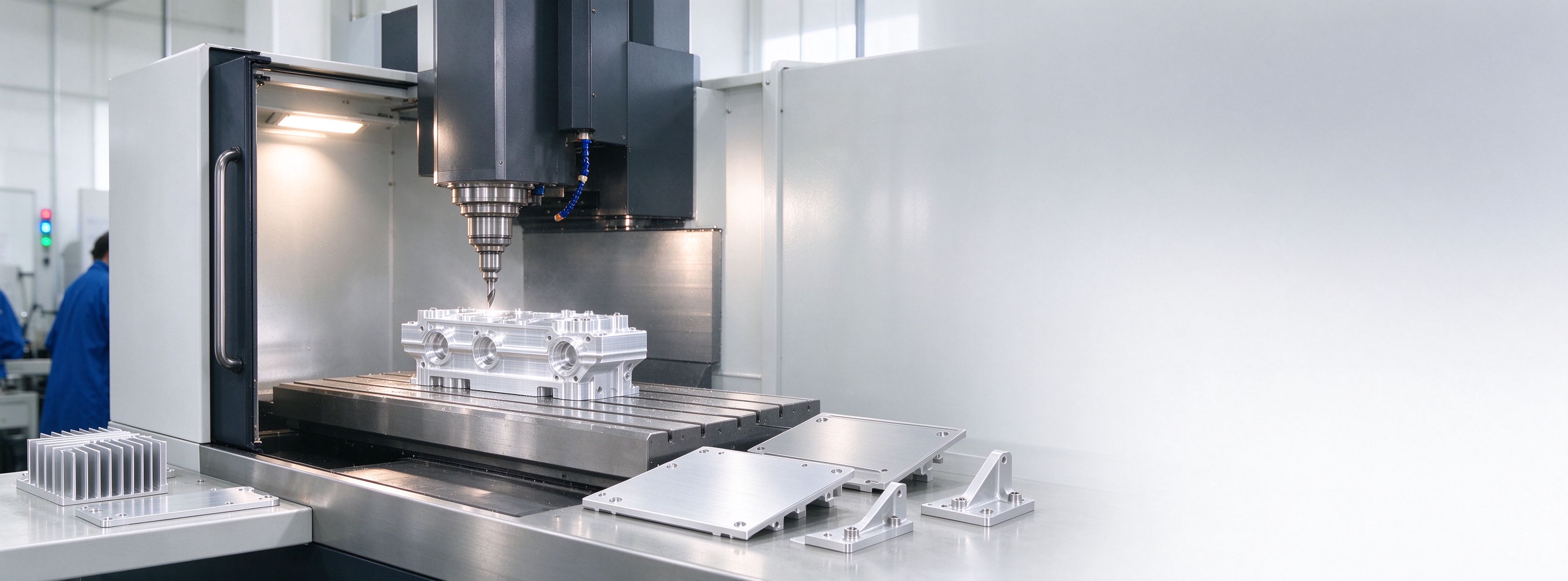
Engineers and procurement heads face a critical strategic choice between stamping and machining when launching high-volume hardware projects. Selecting the incorrect method can lead to prohibitive tooling costs, excessive material waste, or parts that fail to meet assembly tolerances. Rejin CNC, an integrated OEM/ODM precision manufacturer based in Dongguan, leverages over 22 years of industry experience to guide global buyers through these complexities. Operating under ISO 9001:2015 and IATF 16949 certifications, the company provides a vertically integrated ecosystem featuring advanced 5-axis CNC machining, high-precision sheet metal fabrication, and comprehensive surface treatments.
Understanding the fundamental material interactions of each process is critical to determining design feasibility and total cost of ownership (TCO).
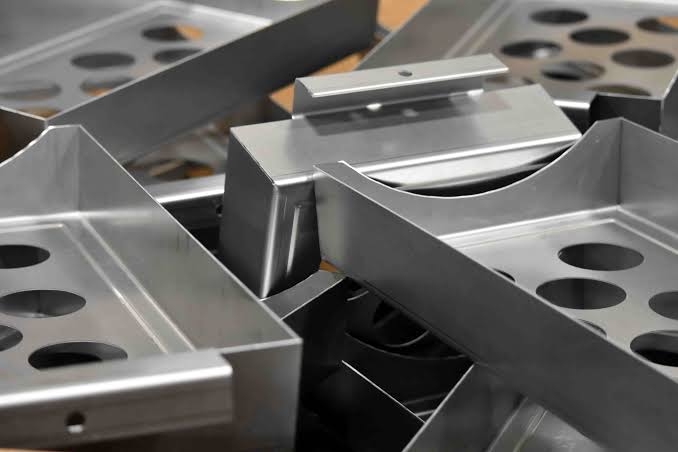
Metal stamping uses very high tonnage presses and custom-made progressive dies or continuous dies to form flat sheet metal and create very complex shapes using high levels of mechanical force.
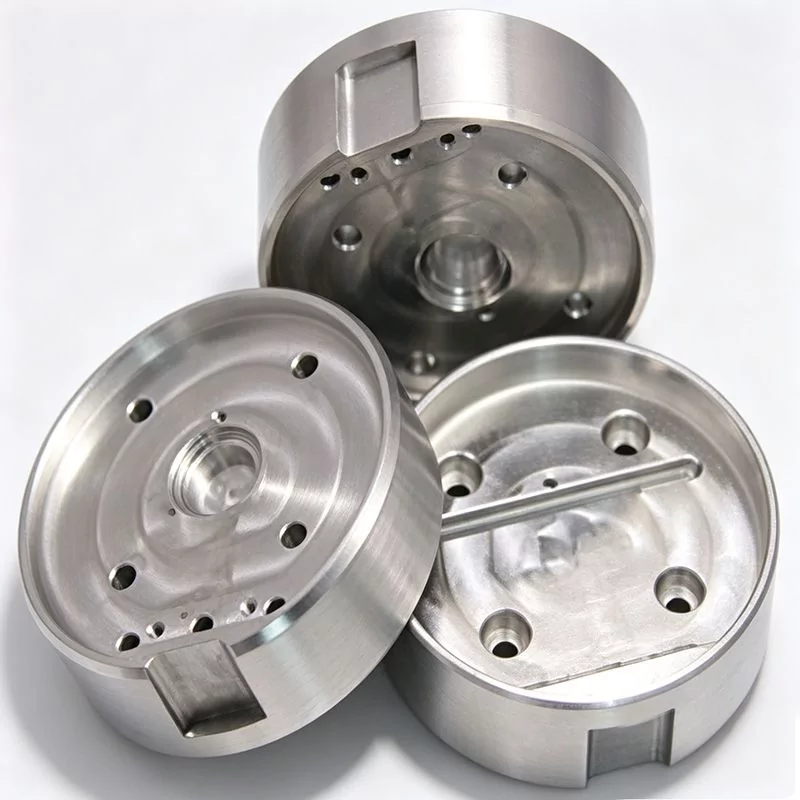
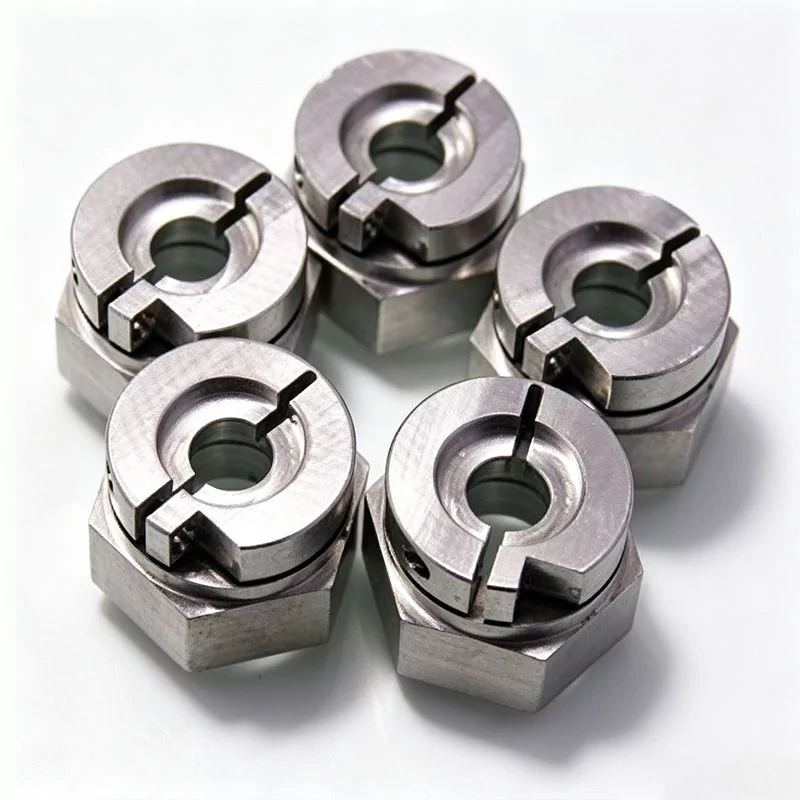
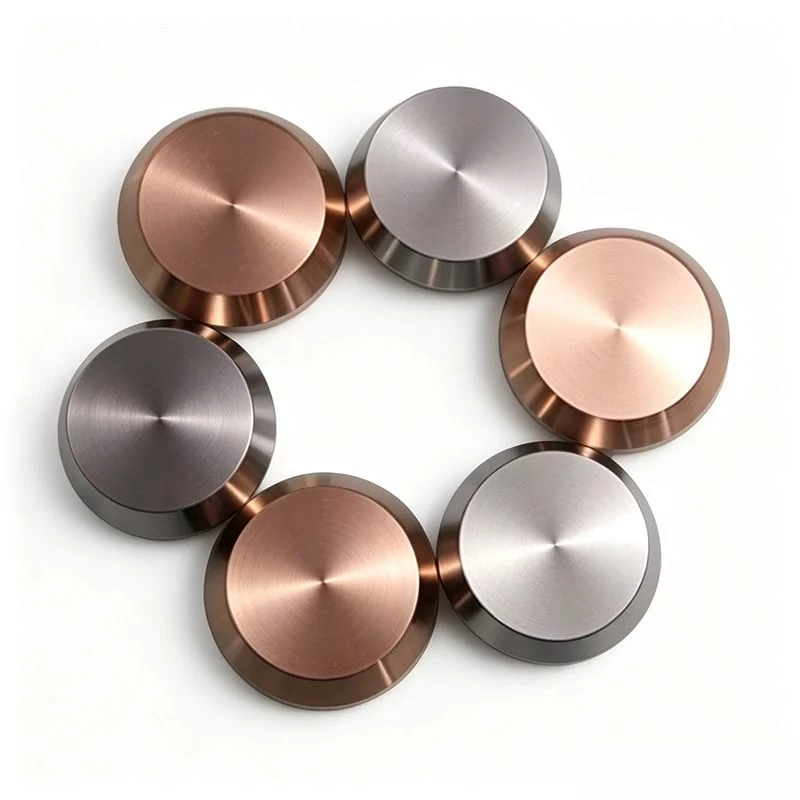
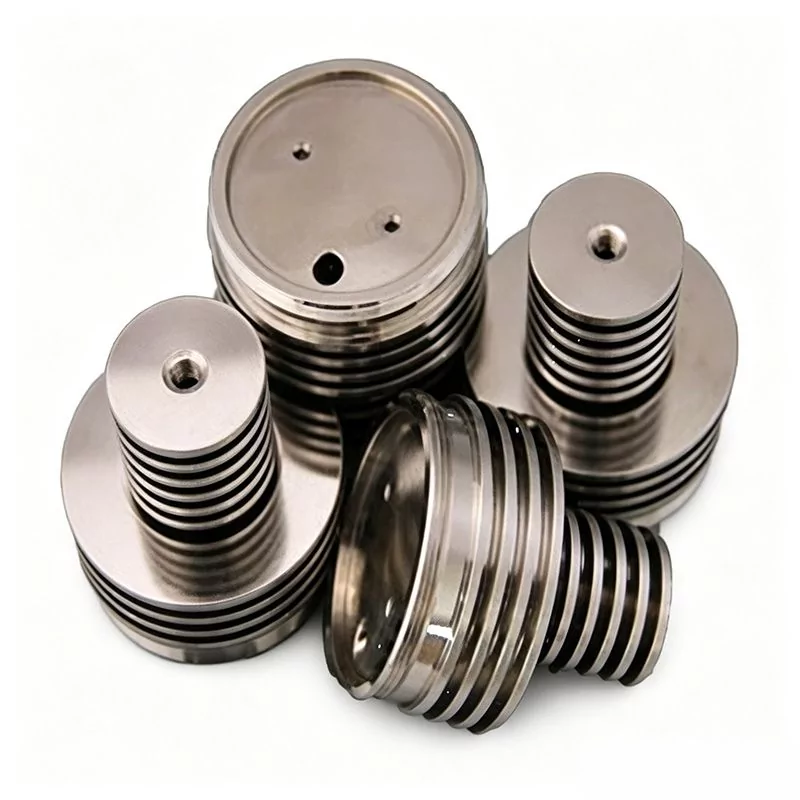
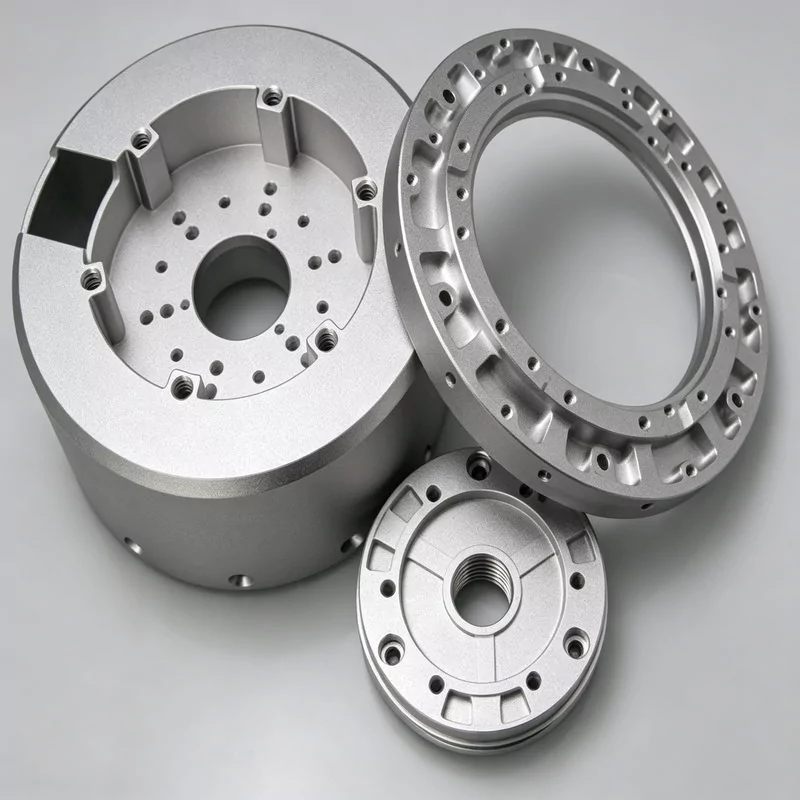
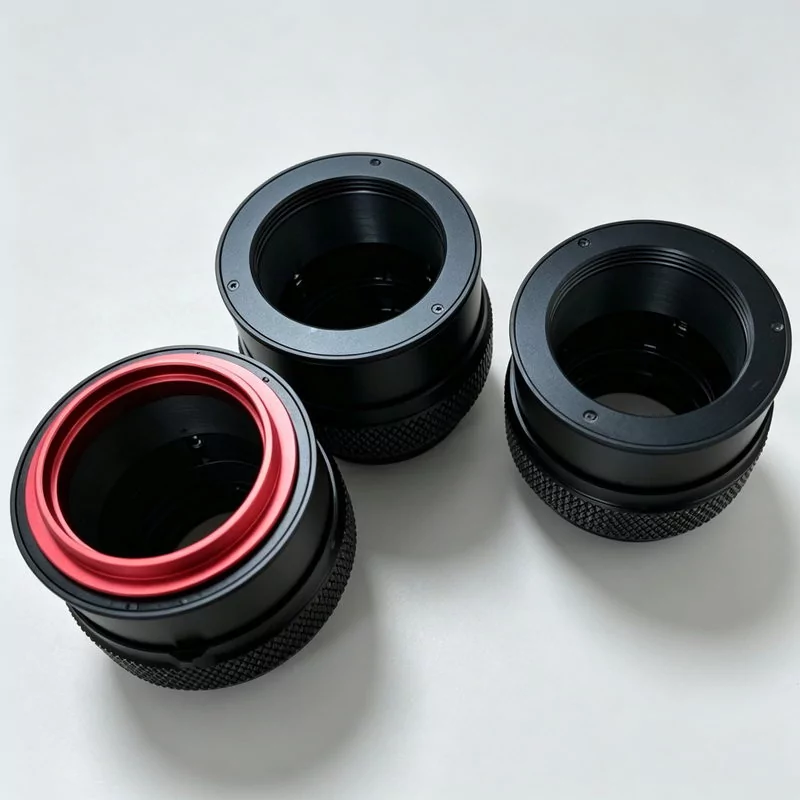
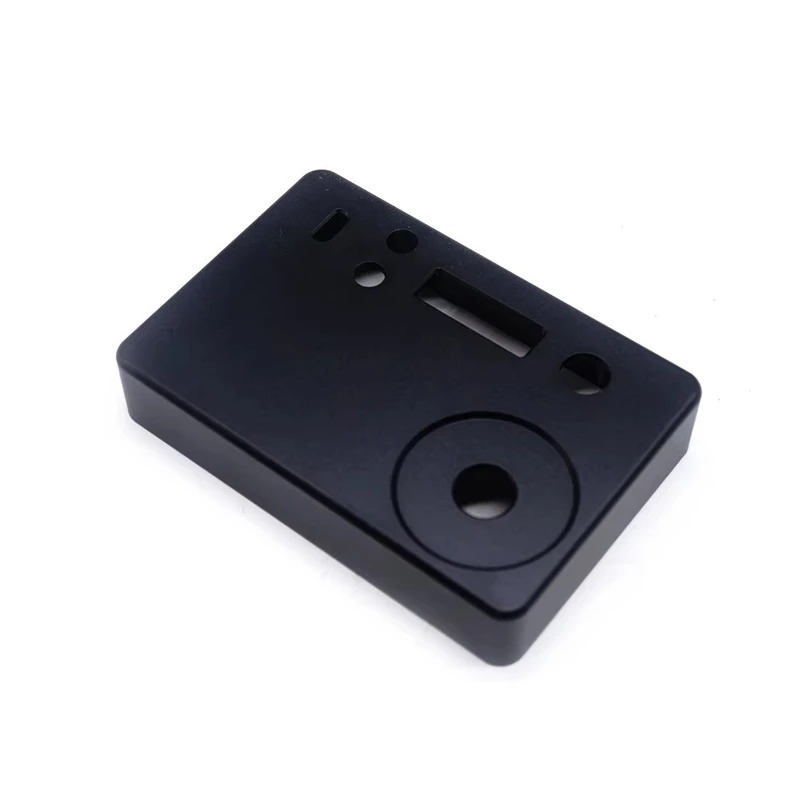
CNC machining is a subtractive precision process where computer-controlled tools remove material from solid blocks or bars. Unlike standard shops, Rejin CNC utilizes a fleet of 100+ advanced machining centers, including industry-leading equipment brands such as Mazak and DMG MORI, to ensure thermal stability and micron-level repeatability.
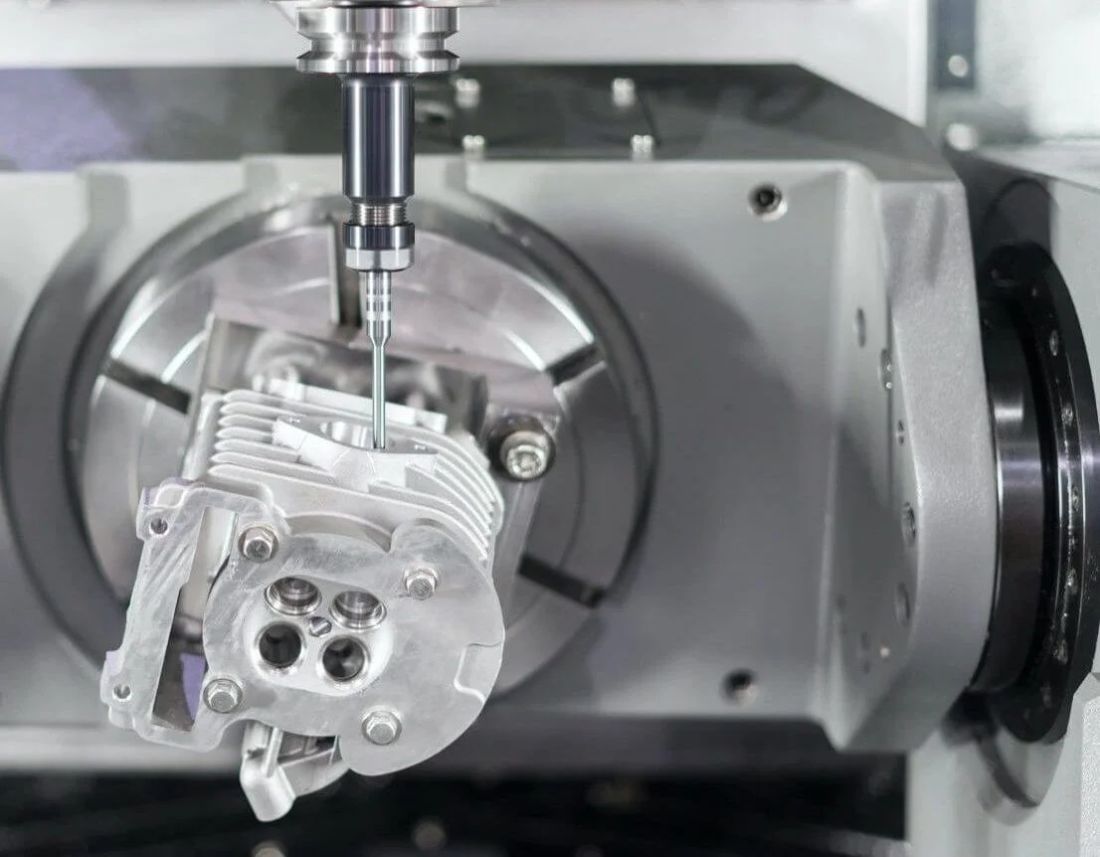
Choosing between these processes depends on production volume and part complexity. Metal stamping offers unmatched cost-efficiency and material utilization for high-volume, standardized components. Conversely, CNC machining provides the superior precision and flexibility required for intricate 3D geometries, supporting everything from rapid prototyping to high-precision production.
| Comparison Factor | Metal Stamping | CNC Machining |
| Upfront Tooling Cost | High (Requires custom progressive or hardened tool steel dies) | Near Zero (Uses digital G-code programs & standard workholding) |
| Cost Per Piece (High Volume) | Extremely Low (Highly cost-effective for mass production) | Medium to High (Determined by machine cycle time and tool wear) |
| Dimensional Tolerances | Standard: ±0.02mm to ±0.05mm | High Precision: Up to ±0.001mm |
| Material Utilization Rate | Very High (Optimized nesting reaches >90%) | Lower (Subtractive process, generates chips/shavings) |
| Geometric Capabilities | Ideal for uniform wall thickness, flat sheets, and formed brackets | Ideal for complex 3D profiles, deep pockets, threads, and varying cross-sections |
| Best Suited For | Large runs of uniform components (MoQ ≥ 10,000+ pcs) | Prototypes, multi-SKU orders, or intricate tight-tolerance parts |
Picking the right method starts with checking part shape, surface goals, and upfront costs in detail.
Wall changes, inside threads, and deep cutouts help set the right path for making the part.
Close fits and small gaps call for steady control over finish and size. Each case needs its own steps.
Comparing initial tooling expenses against the cost per piece shows the real economics of a production run.
Practical use on the shop floor shows how Rejin CNC applies these methods to fix real engineering problems.
Stamping is the primary choice when unit cost and lightweight support are the driving factors for massive output.
Machining is reserved for applications where part failure is not an option and tolerances are extreme.
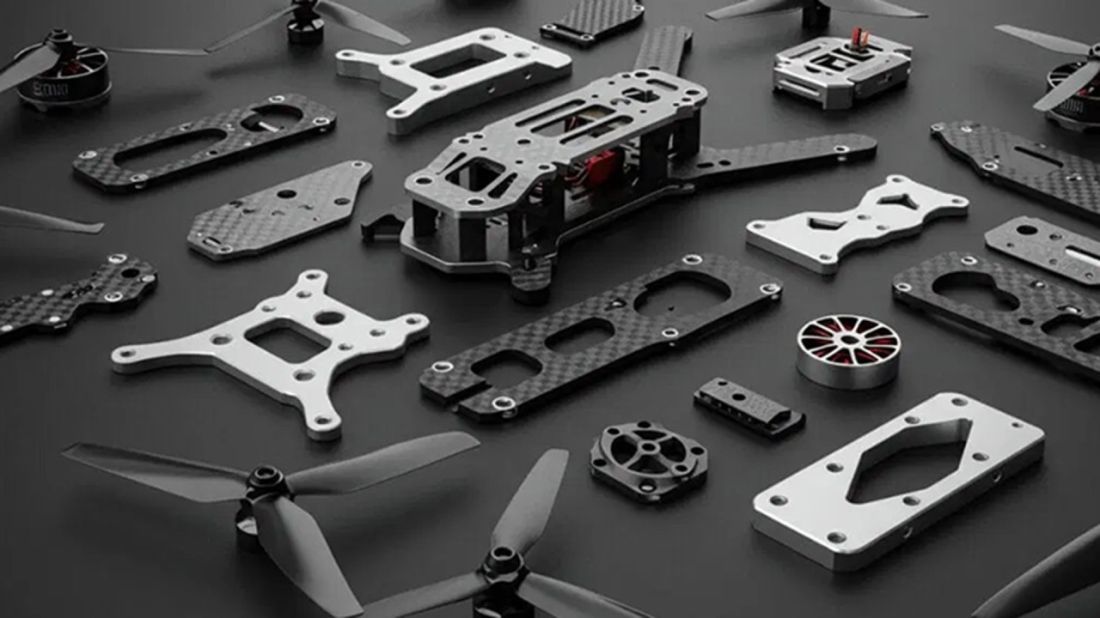
Whether your project requires the high-velocity output of stamped brackets or the extreme micron-level accuracy of 5-axis CNC machining, Rejin CNC provides the technical depth and equipment scale to deliver. Our engineering team conducts rigorous Design for Manufacturability (DFM) reviews for every inquiry, identifying potential cost traps and production risks before a single chip is cut.
Take action on your next high-volume program. Upload your 3D CAD files today. Our experts, supported by our IATF 16949 certified quality system, will provide a detailed, competitive quote within 24 hours.
A: CNC machining often becomes the only workable option for parts that carry complex 3D shapes, deep cavities, or tolerances down to the micron level. This holds true no matter the order size. Metal stamping cannot produce such forms at all.
A: Stamping calls for even wall thickness across the sheet metal. Parts that show varying cross-sections, stepped blind holes inside, or threads already formed will need major changes before they suit stamping.
A: Hard metals and special alloys wear out stamping dies in short order. This pushes tool upkeep costs much higher. CNC machining works through these materials more readily by using stronger cutter profiles and steady guided paths.
A: Yes. In high-volume runs that need both low-cost forming and fine details, parts first receive stamping to near-final shape. They then move to a CNC machine for accurate boring, face milling, or thread tapping.
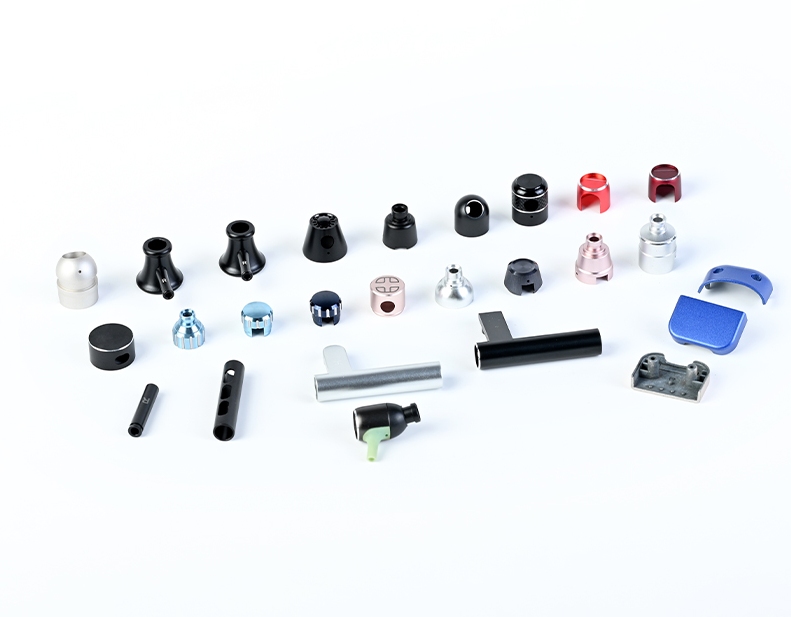
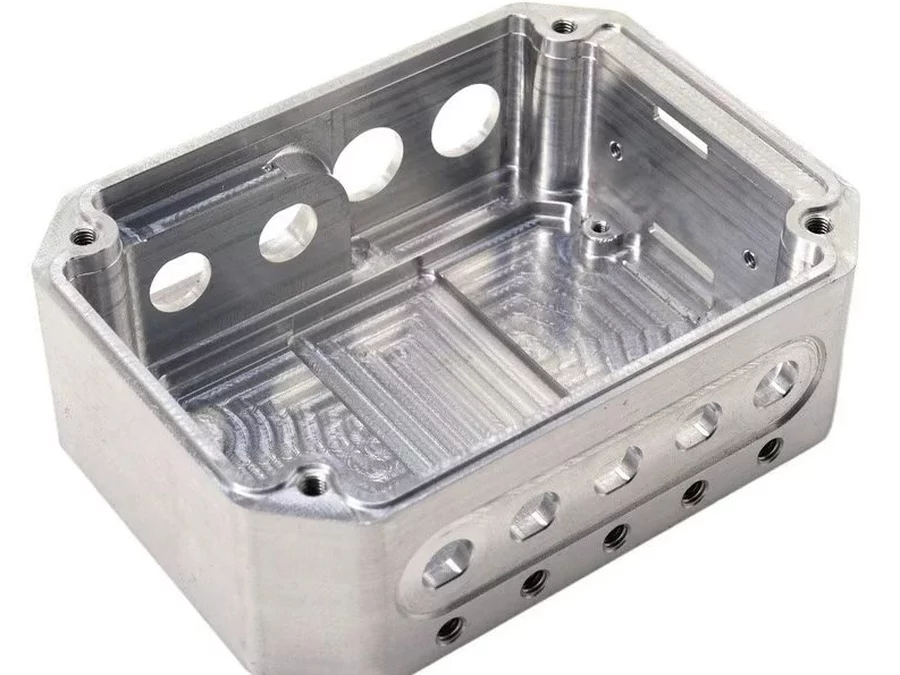

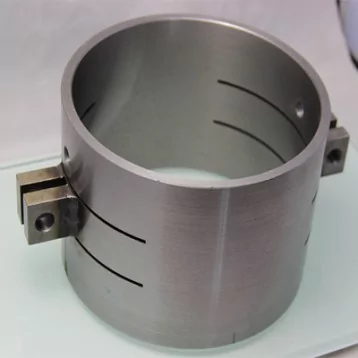
Your message lands directly with our senior engineers — instantly acknowledged.
We study your requirements and propose a workable solution with material & process options.
Detailed quotation with specs, options and lead time — no hidden fees.
Approve the sample, then we mass-produce with full QC and on-time shipping.
WhatsApp: +86 13790500374
Email: info@rejincnc.com
Your CAD files are kept strictly confidential. Quotation within 24 hours.