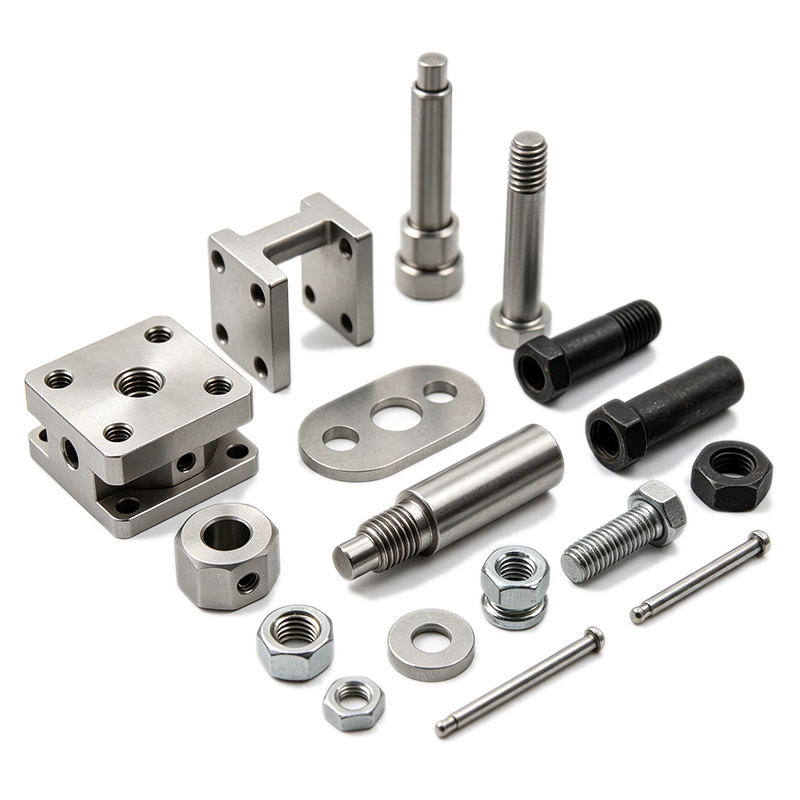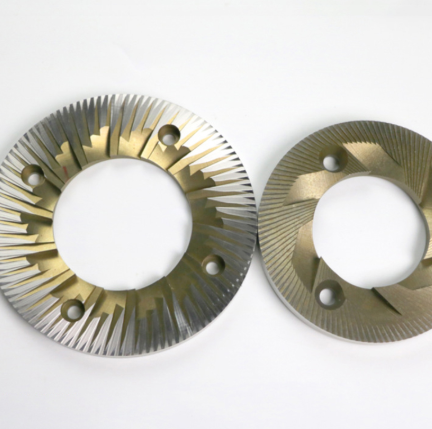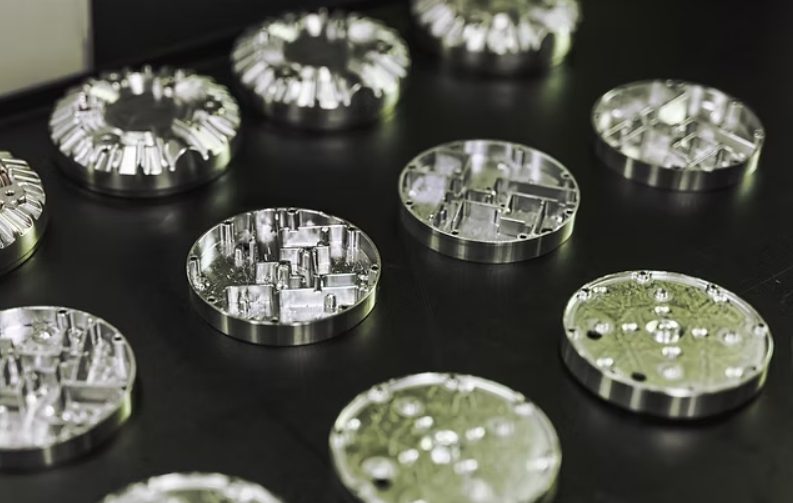
Hardware startups often run into money and engineering issues when shifting from a lab prototype to a ready product. Costs for injection molding or die casting tools can empty their budget before design checks finish.
Low-volume CNC machining provides a useful manufacturing option. It lets hardware teams move past this point with exact material cutting, quick design changes, and production that grows as needed. Rejin CNC, an ISO 9001:2015 and IATF 16949 certified maker, helps global engineering teams create high-tolerance metal and plastic parts from digital designs without large upfront tooling costs.
Overcoming the High-Tooling Barrier in Early-Stage Hardware R&D
Early hardware work calls for full checks on shape and strength. This must happen without heavy spending on fixed steel molds.
Eliminating Upfront Fixed Costs
- Zero Hard Tooling Required: Old die methods and large stamping molds raise costs for new firms. Low-volume CNC machininguses software to cut parts and skips physical molds.
- Capital Preservation: Startups can shift limited funds from tooling into market tests, design work, and basic electronics.
- Flexible Order Volume: Batches from 10 to 1,000 units let teams match output to real demand and new funding rounds.
Accelerating Iterative Design Cycles
- Seamless Code Updates: Changing a part needs only a CAD update and fresh G-code. It avoids weeks of work on a steel mold.
- Rapid Functional Testing: Startups can run several design tests at once. They find weak spots, fit problems, or assembly snags in real use within days.
Mitigating Manufacturing Risks via Advanced Technical Frameworks
Bridging the gap to mass production requires proactive design optimization to ensure that early-stage geometries remain manufacturable at scale.
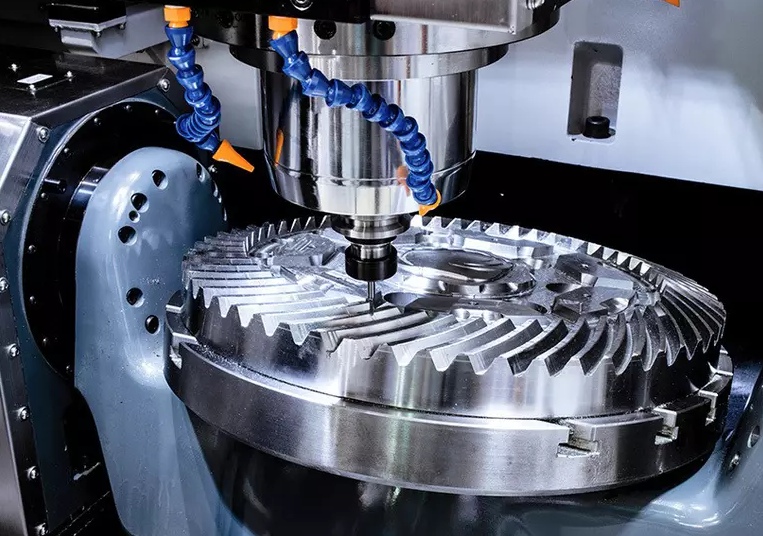
Design for Manufacturing (DFM) Analysis Support
Low-volume manufacturing must serve as a rigorous testing ground for mass-production feasibility.
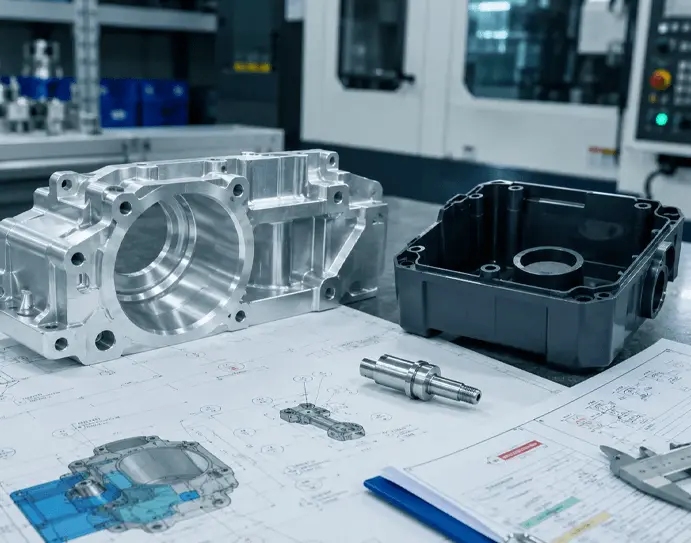
- Early Risk Mitigation: Proactive DFM analysis identifies deep internal pockets, sharp internal corners, and excessively thin walls that cause tool deflection or structural failure during production.
- Cost Trap Elimination: By optimizing fillet radii, reducing non-standard thread specifications, and standardizing component depths, design engineers can drastically lower single-unit cycle times and preparation costs before hard tooling is locked in.
Achieving Micron-Level Machining Accuracy
Industrial components require rigorous dimensional compliance to function correctly within complex mechanical assemblies.
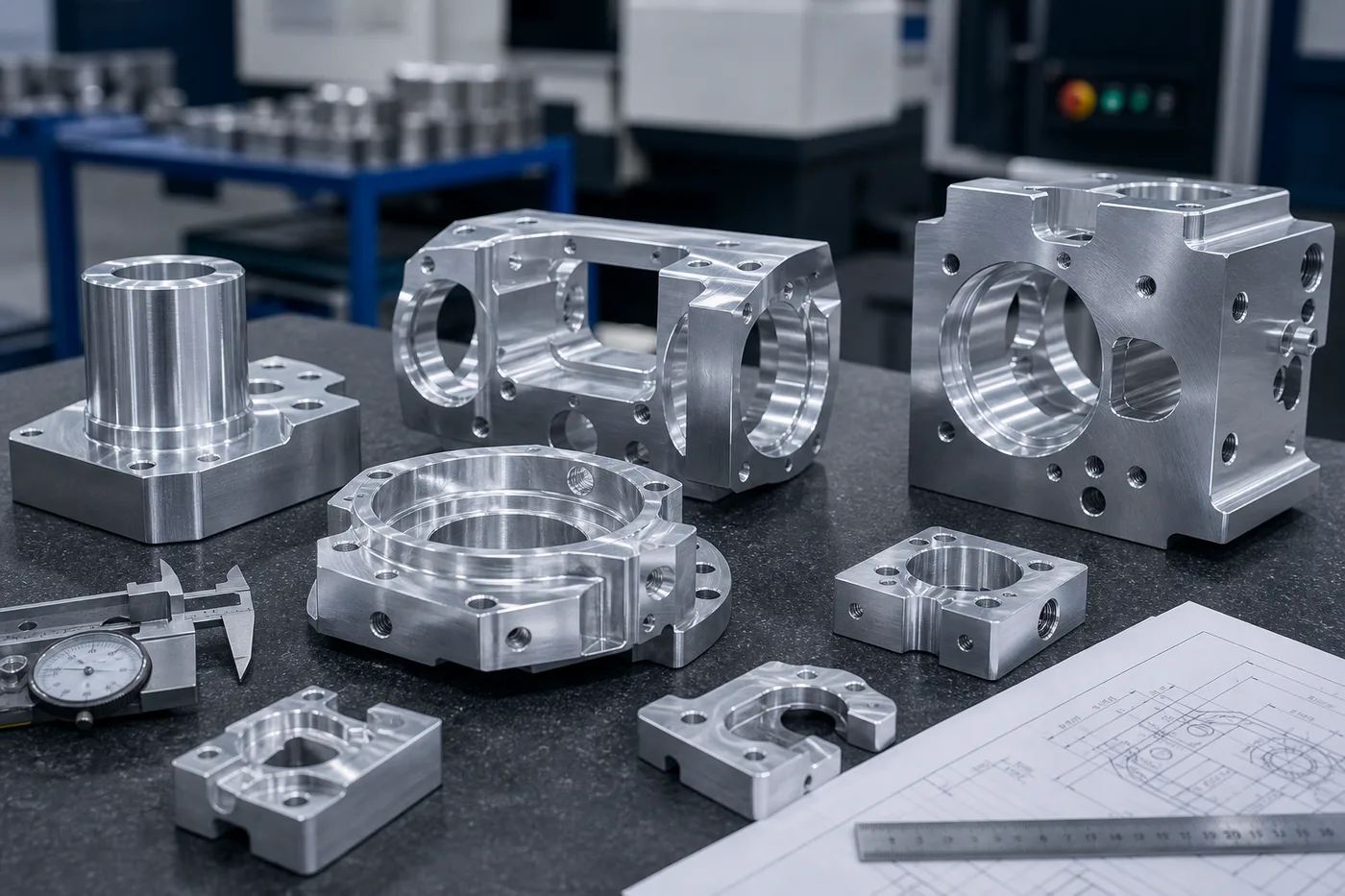
- Tight Tolerance Control: Advanced CNC turning and multi-axis milling consistently hold linear and diametric tolerances up to ±0.005mm. This prevents the accumulation of tolerance stack-up errors across multi-part assemblies.
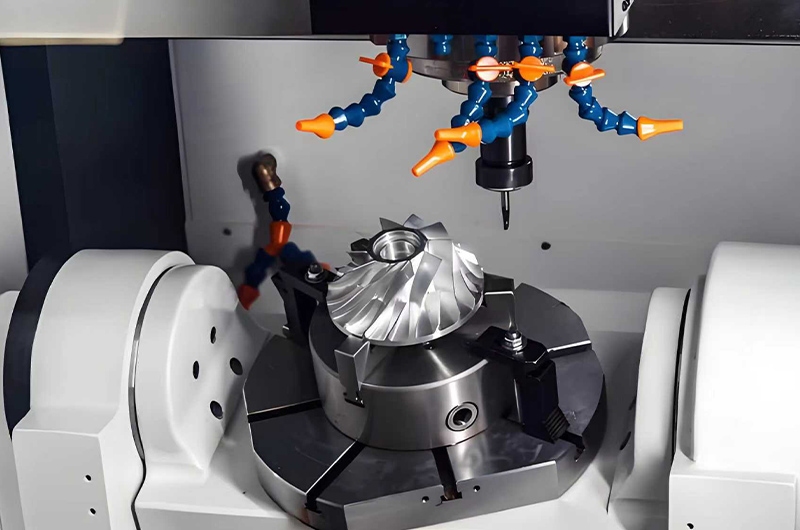
- Advanced Multi-Axis Linkage: Utilizing 5-axis CNC machiningallows complex curved surfaces, organic contours, and intricate features to be cut in a single setup. This reduces clamping re-fixturing errors by over 80% and ensures superior geometric dimensioning and tolerancing (GD&T) consistency.
Specialized Application Scenarios Across High-Value Industries
Low-volume manufacturing gives the best results in complex technical setups that need high accuracy.

Electroacoustic and Pro Audio-Visual Infrastructure
- Material Selection: We process acoustic-grade 6061 and 7075 aluminum alloys with care. This gives good structural damping and strong resonance performance.
- Component Examples: Premium acoustic earphone housings, structural microphone grilles, and specialized internal chassis for pro-grade sound consoles.
- Technical Advantage: A surface finish below Ra0.8μm comes from careful tool paths. This reduces internal sound reflections and supports clear audio output.
3C Electronics Accessories and Smart Terminals
- Material Selection: High-grade aluminum alloys, durable stainless steels, and robust engineering plastics like PEEK or POM.
- Component Examples: Structural expansion docks, high-strength iPad hubs, custom laptop unibody enclosures, and internal heat-dissipation framing.
- Technical Advantage: CNC turning and milling keep complex cutouts aligned with fast circuit boards inside these parts.
Automotive Systems and High-Precision Fasteners
- Material Selection: High-tensile alloy steels, titanium alloys, and lightweight aluminum configurations.
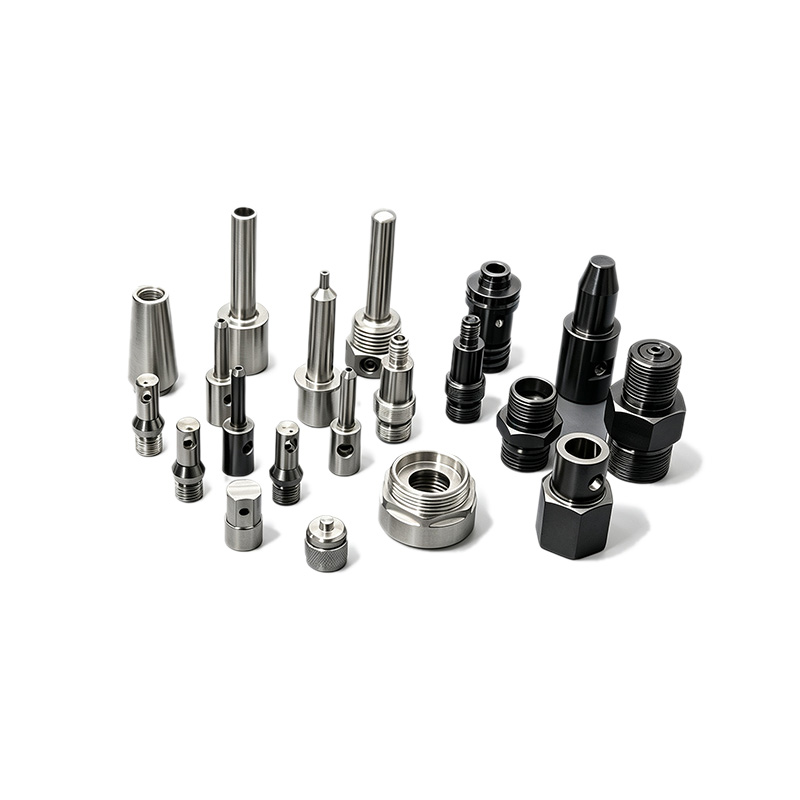
- Component Examples: Engine system brackets, customized chassis control arms, performance forged wheel components, and custom threaded precision fasteners.
- Technical Advantage: Production follows IATF 16949 rules. This gives the fatigue strength needed for parts under repeated stress.
Streamlining Scaling Through Integrated Vertical Production Services
Moving into mass production works better with one complete manufacturing process. It covers raw material sourcing through to final surface prep.
Comprehensive Surface Finishing Solutions
- Anodizing and Chemical Passivation: Type II and Type III hard anodizing give strong resistance to corrosion and wear. It also allows exact color choices for looks.
- Advanced Mechanical Finishing: Bead blasting and polishing at high precision takes away small tool marks. This leaves a smooth feel on surfaces that customers see.
- Permanent Branding Integration: Electroplating, silk screening, and fiber laser engraving add lasting marks. These include serial numbers, text, and logos that stay in place.

Rigorous Quality Assurance Architecture
- First Article Inspection (FAI): We check the first part from every new run with full dimensional checks. This confirms that the settings are right before the rest of the batch.
- 100% Dimensional Inspection: Key features like press-fit holes and threads get full checks. This helps deliver parts that work without issues in the field.
Accelerate Your Journey from Prototype to Market Realization
High tooling costs and long lead times often slow hardware projects. Partnering with Rejin CNC opens up 3-axis, 4-axis, and 5-axis machining, along with expert DFM reviews and support for low-volume runs.
[Get a Personalized, Detailed Quote Within 24 Hours]
Send your STEP/IGS files and drawings to our team at Ruonan@rejincnc.com. This cuts setup time and speeds your path to market.
FAQ
Q: Why choose low-volume CNC machining over 3D printing for functional product prototyping?
A: 3D printing works well for basic concept models. CNC machining uses real production metals and engineering plastics instead. It delivers the mechanical properties, strength, tight tolerances, and finishes needed for actual stress tests and certification.
Q: How does low-volume manufacturing help protect a hardware startup’s cash flow?
A: It avoids the high cost of steel molds for injection or stamping. Startups can make small batches of what they need right now, keep money free for design changes, and prevent extra stock from piling up.
Q: What are the primary design factors that drive up the unit cost of low-volume CNC parts?
A: Cost rises with parts that need several machine setups. Extremely tight tolerances under ±0.005mm add expense too. Deep square corners often call for EDM work, and tough materials like titanium or hard tool steels raise the price further.
Q: Can low-volume CNC-machined parts be used directly as end-use products for initial market launches?
A: Yes. High-precision finishes such as hard anodizing, electroplating, laser engraving, and bead blasting give the parts solid strength and a clean look that matches mass-produced items.


 Eren
Eren