
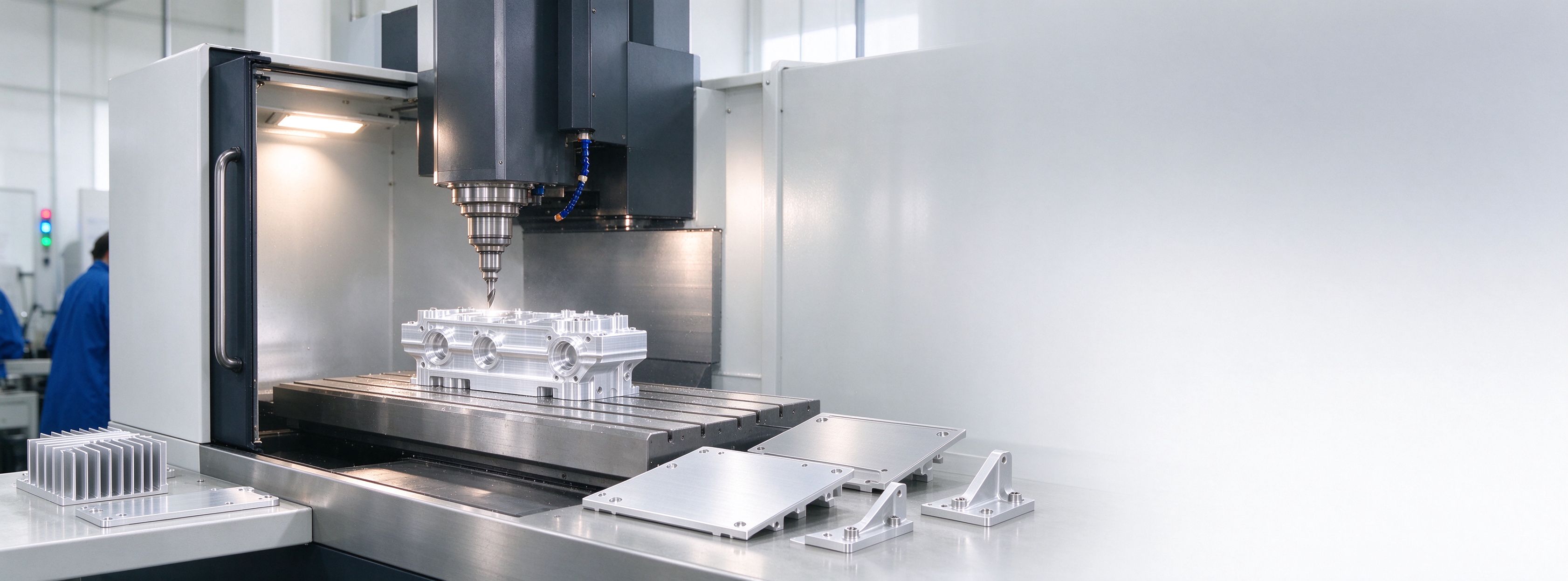
Custom Aluminum Heat Sink CNC Machining for Thermal Efficiency
-
Eren
- 29th October 2026
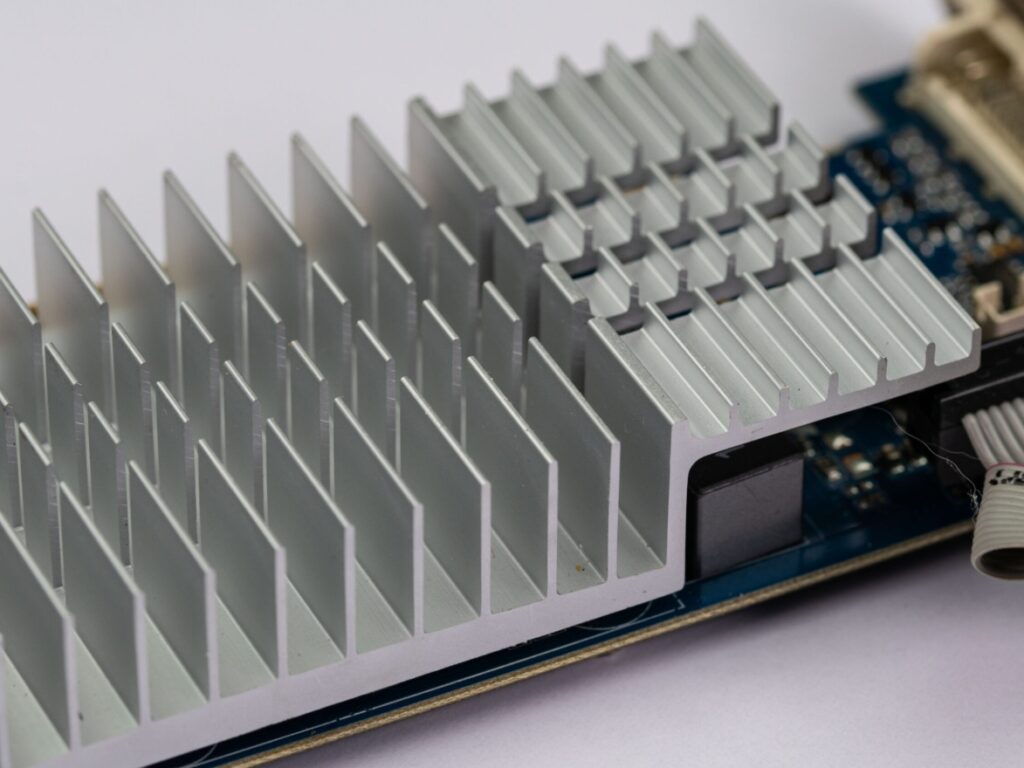
Bridging Thermal Efficiency and Precision Manufacturing in 3C and Telecom Electronics
In the case of increased 5G power density and further miniaturization of electronic device technology, thermal management is considered to be the key challenge in terms of ensuring reliable operation. Thermal management becomes the determining factor in the longevity and performance stability of current technologies; hence, a greater demand has been observed for aluminum heat sink CNC machining services.
The Rising Thermal Challenge in High-Density Electronics
Modern base stations for telecommunications and thin consumer devices have more computational ability per unit volume than ever before.
- Exponential Heat Flux Increase: The higher switching rates of 5G RF power amplifiers cause local hot spots, which must be cooled instantly and efficiently by a high-quality aluminum heat sink.
- Tight Spatial Limits: There is an extremely tight volumetric budget for enclosure designers, which means the thermal engineers must increase surface area without increasing footprint size.
- Reliability under Thermal Stress: Thermal cycling causes warping and delamination of interfaces if the materials do not have dimensional stability.
Rejin CNC: Your Trusted Partner in Thermal Management Solutions
Rejin CNC offers customized precision engineering for the unique requirements of international hardware manufacturers, as a leading heat sink manufacturer in China as well as a reliable telecom heat sink manufacturer.
- Advanced CNC Machine Capabilities: Furnished with high-end CNC Milling and 5-Axis Machining Centers to cope with advanced CNC-milled aluminum heat sink profiles.
- ISO & IATF Certified Quality System: Being operated with stringent quality management systems of ISO 9001 and IATF 16949 standards for lot-to-lot uniformity of quality.
- Full Range of Design Services: Providing all-encompassing services ranging from free-of-cost DFM studies to surface finishing of all custom CNC heat sinks.
Core Engineering Challenges in Custom Aluminum Heat Sink Machining
Fabrication of top-quality thermal parts is associated with facing many significant mechanical challenges when working with the material. Making use of aluminum heat sink CNC machining and producing thermal parts with the best possible performance requires careful control of various aspects.
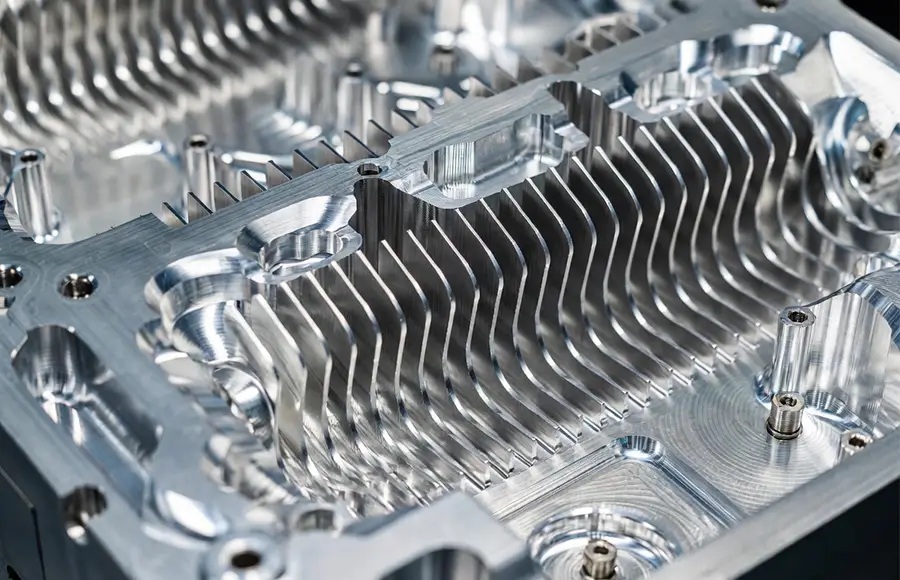
Managing Fin Density and Aspect Ratios in High-Performance Profiles
The formation of ultra-thin and dense cooling fins is very important for increasing convective heat transfer; however, it poses serious machining problems.
- Problem of Tool Deflection: Fins that have high aspect ratios experience chatter and deflection due to normal cutting forces. Thus, special high-speed micro-end mills must be used.
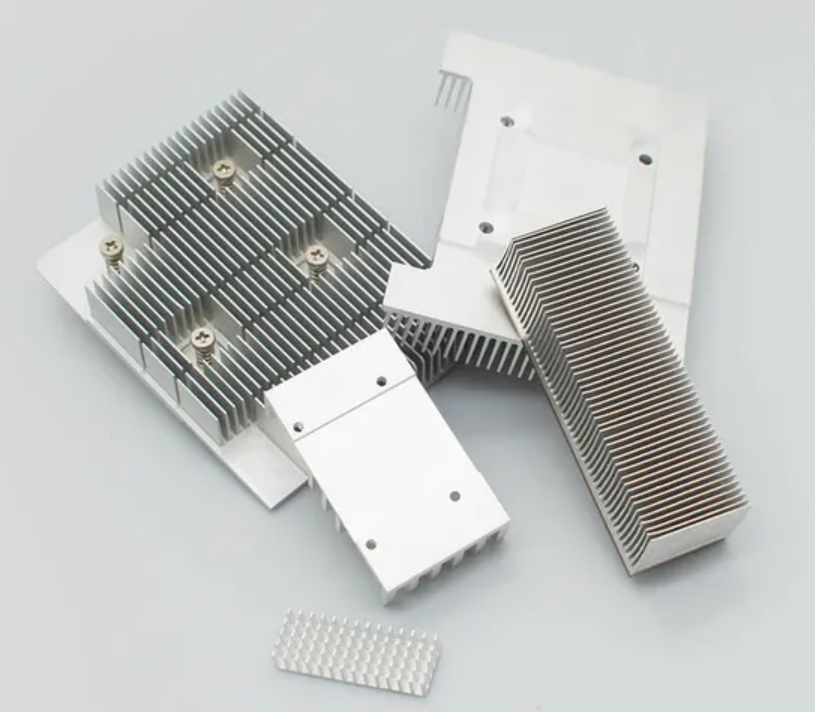
- Heat Sink Fin Design Using CNC: CNC heat sink fin design takes care of the proper fin thickness and channel width to ensure stability and surface area exposure.
- Preventing Chatter: To prevent chatter and maintain surface finish on the floor of the channel, variable helix cutters and feed rates can be used.
Controlling Flatness Tolerance and Contact Resistance at the Interface
Thermal grease or phase-change materials can only bridge microscopic gaps; base flatness dictates direct thermal conduction efficiency.
- Stringent Heat Sink Flatness Tolerance: Maintaining a heat sink flatness tolerance within ±0.01 mm ensures intimate contact with high-power IC packages or transceiver modules.
- Minimizing Thermal Contact Resistance: Eliminating microscopic air pockets prevents localized hot spots and premature semiconductor degradation.
- Fly-Cutting Precision: Utilizing precision fly-cutting operations on milled bases achieves mirror-like surface finishes that optimize interfacial heat transfer.
Advanced Manufacturing Technologies & Material Selection
Selecting the correct raw material and machining methodology forms the backbone of any successful thermal subsystem design and electronics heat sink CNC machining project.
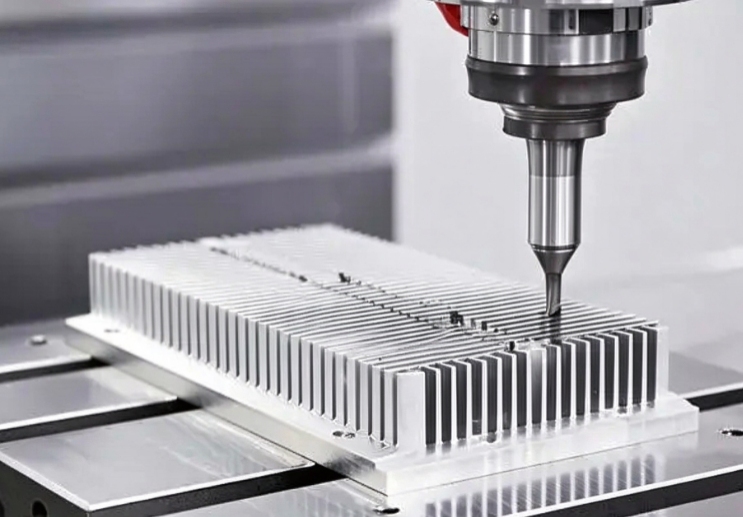
6061 vs. 6063 Aluminum: Selecting the Optimal Alloy for Conductivity and Strength
Aluminum alloys differ in their properties: extrudability, Mechanical Strength, and Thermal Conductivity.
- 6061 Aluminum Heat Sink Applications: 6061 aluminum heat sink is chosen for structural parts that need mechanical strength and threads for fastening, along with secondary pocket milling.
- 6063 Aluminum Heat Sink Benefits: 6063 aluminum heat sink has better extrudability properties and is characterized by higher thermal conductivity. Thus, this alloy is preferable for complex fin profile shapes.
- Minimum Thermal Conductivity Values: 6061 and 6063 heat sinks provide thermal conductivity values from 160 to 200 W/m·K.
Precision CNC Milling and Post-Machining Surface Treatments
Secondary processing and coating of the raw aluminum pieces are essential for durability in the operating environment.
- Multi-Axis Contouring: The use of 3-axis and 5-axis CNC machiningcenters results in the development of the multi-hole mounts, counter-bores, and heat pipes in a custom-made CNC heat sink.
- Type II and Type III Anodizing: The electrochemical treatment increases corrosion resistance and emissivity without compromising the thermal path conductivity.
- Electrolytic Passivation and Degreasing: Micro-burr and oil removal ensures that the electrical and thermal contacts are immaculate at final assembly time.
Application Scenarios, Case Studies & Quality Assurance
Practical deployment reveals how custom thermal components and CNC-machined aluminum heat sink solutions solve real-world engineering bottlenecks in demanding electronic environments.
Practical Deployment in 5G Telecom Equipment and Consumer Devices
Thermal components should integrate smoothly with complicated housing assemblies and withstand continuous loading during operation.
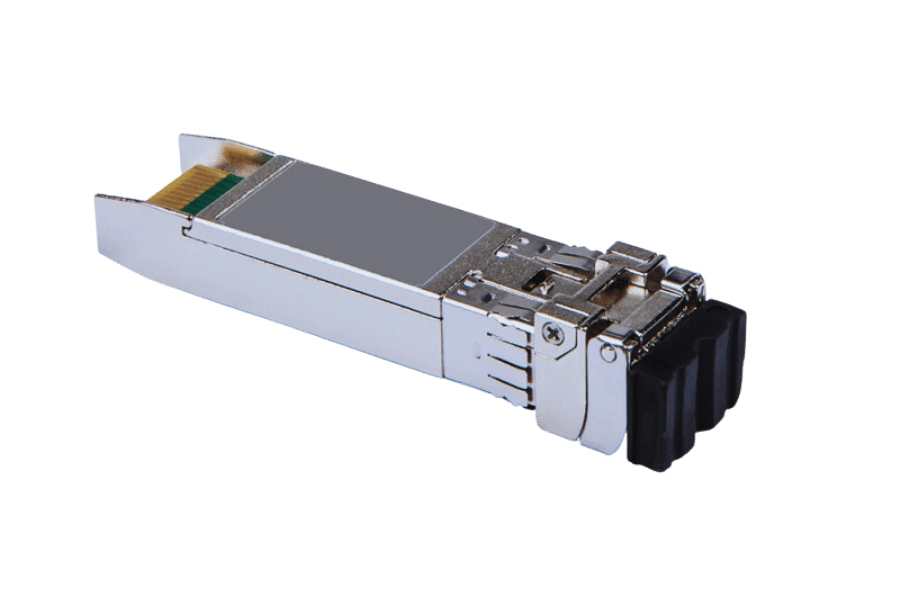
- Integration of a 5G Telecom Heat Sink: A 5G telecom heat sink made up of custom-milled baseplates, liquid channels, and interlocking fins is used to dissipate high heat loads from RRUs at extremely high outdoor temperatures. These serve as useful custom heat sinks for telecom devices that require both space and heat dissipation.
- Heat Sink Installation in Consumer Electronics: The use of ultra-thin milled housing along with thermal plates in consumer electronics heat sinks allows for effective localized heat dissipation in high-performance portable computing and smart devices.
- Cooling of LEDs and Power Electronics: Machined aluminum profiles keep the junctions stable at high power in LEDs and switching power supplies.
Verified Quality Systems and Magnitude-Backed Performance Data
Engineering capability can be translated into field performance through strict metrology and scalable manufacturing capability.
- Strict CMM Dimensional Checking: Each production batch will go through full or statistical checking by coordinate measuring machines, resulting in thorough inspection reports.
- Proven Scalable Production Capability: Rejin CNC has already achieved the manufacture of more than 50,000 customized thermal components per year for Tier-1 hardware suppliers, with 99.4% on-time delivery.
- Strict Neutral Salt Spray Testing: Anodized heat sinks that have been surface-treated will endure between 96 and 200 hours of neutral salt spray tests.
DFM Optimization and Collaboration Workflow
Bridging the gap between a designer’s 3D CAD model and shop-floor reality requires structured engineering communication.
Maximizing Cost Efficiency Through Upfront DFM Review
Feedback in the early stages of manufacture avoids expensive tooling modifications and removes unnecessary machining tolerances.
- Over-Tolerancing: A suggestion for tolerance reduction from ±0.005 mm to ±0.02 mm on surfaces that are not functionally critical is made.
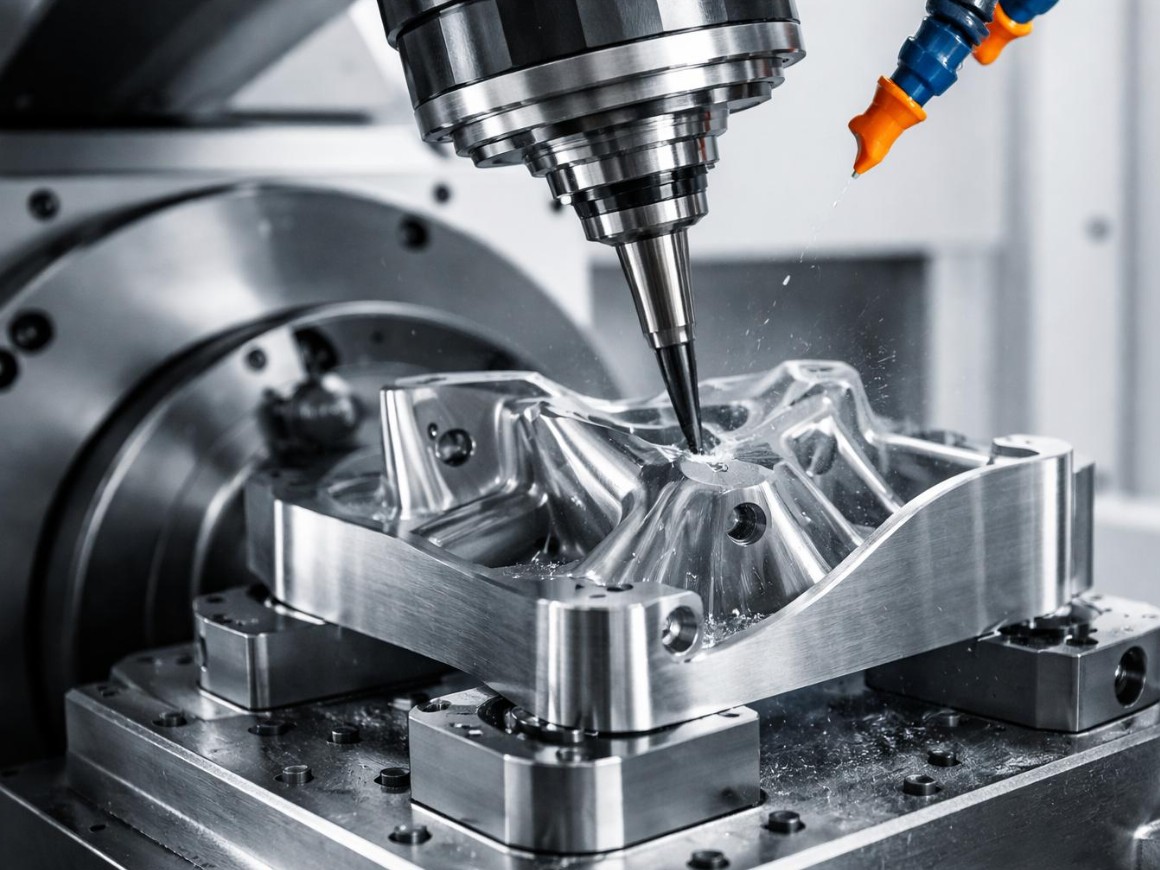
- Internal Corner Radius Modification: Changing the internal radius from 90 degrees to greater values allows for standard tooling diameters and fewer machining operations.
- Cost Savings Statistics: Upfront DFM evaluation usually cuts the cost of manufacturing parts by 10% to 30%, without thermal performance loss.
Streamlined Project Execution from Rapid Prototyping to Mass Production
Consistency in the manufacturing time frame guarantees a smooth development cycle of hardware for fast-paced product development teams.
- Prototyping Time Frame: Fully machined functional prototypes are ready within 5-7 days after approving the STEP file.
- Project Routing Consistency: Production processes involving material supply, CNC milling, surface treatment, and packaging are taken care of under one point of contact.
- Data Protection: Confidentiality through an NDA and a secure digital process for all 3D CAD drawings and technical drawings.
Elevating Thermal Efficiency for Next-Generation Electronics
Thermal management of telecoms and 3C electronics calls for a fine balance of alloy know-how, CNC machining of high-performance electronics heat sinks, and stringent quality control. Working together with a seasoned telecom heat sink maker can ensure that thermal designs move seamlessly from idea to mass production.
Partner with Rejin CNC for High-Performance Thermal Solutions
Accelerate hardware development with an established custom heat sink manufacturer in China specializing in custom aluminum heat sink CNC machining. Contact Rejin CNC’s senior engineering team today to submit CAD drawings for a complimentary 24-hour DFM manufacturability analysis and competitive factory-direct quote.
- Engineering Email: info@rejincnc.com
- Direct Phone / WhatsApp: +86 13790500374
FAQ
Q: What is the highest possible ratio for fin height to pitch for custom CNC-machined aluminum heat sink fabrication?
A: High-speed milling processes combined with micro-tooling will allow achieving ratios up to 10:1, depending on the alloy and thickness of the material selected.
Q: In what way does the process of surface anodizing influence the performance of thermal conductivity of custom CNC heat sinks?
A: The common type II or type III black anodizing process increases surface emissivity by 15% to 20%, thus improving radiative heat transfer in environments where convective heat transfer rate is limited.
Q: Which types of CAD files are necessary to start the DFM evaluation of your custom CNC heat sink project?
A: STEP, IGES, or SolidWorks 3D models, along with the 2D PDF drawing that contains important tolerances, flatness requirements, and thread specifications, are preferable.
Q: How is base flatness measured on CNC heat sink manufacturing orders for electronics components?
A: Base flatness is tested for the whole base surface area with the use of high-precision granite surface plates and dial gauges or a CMM optical measuring system.
Recent Posts

Thermal Management Design: Why CNC Machined Heatsinks Outperform Extrusions
How to Design Internal Corners and Undercuts for Cost-Effective CNC Milling

Low-Volume CNC Machining: Sourcing for Prototyping Rapid Hardware
RELATED PRODUCTS
Parts We Machine Every Day
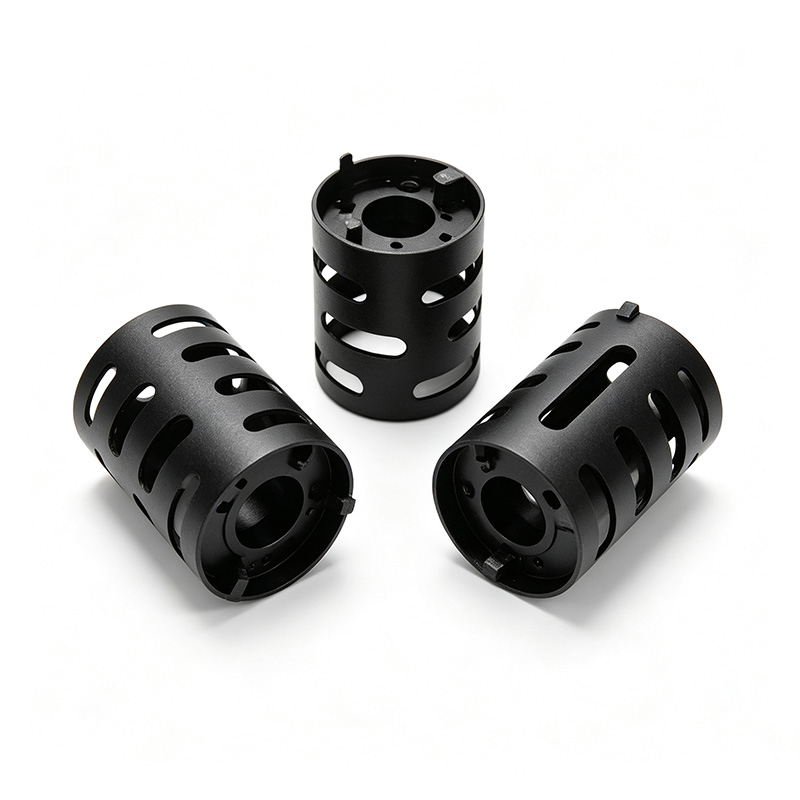
CNC Machined Aluminum Heat Sink Sleeves & Motor Cooling Cages
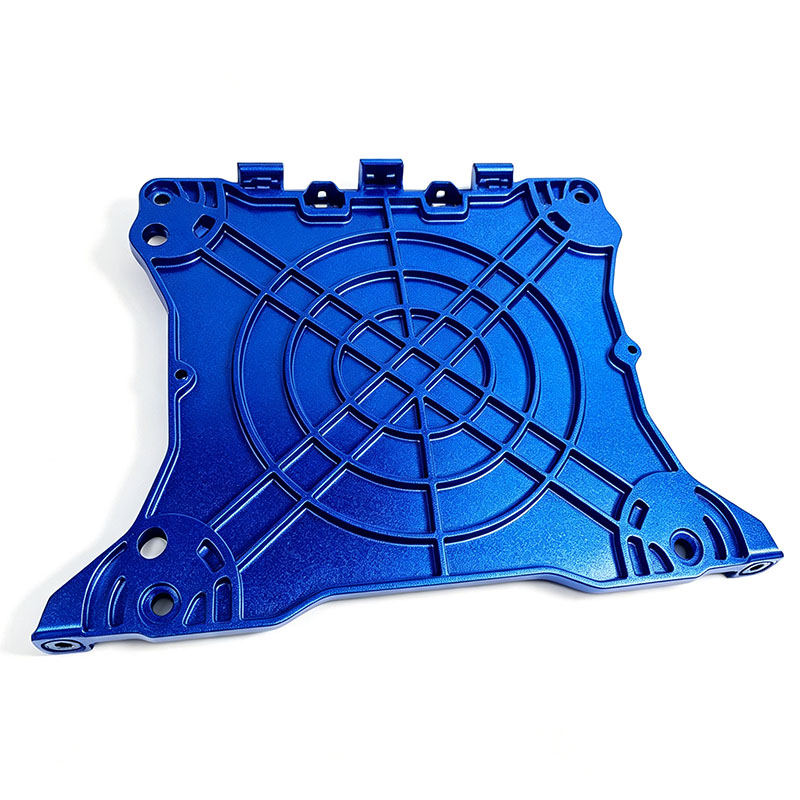
CNC Aluminum Automotive Brackets & Lightweight Structural Links
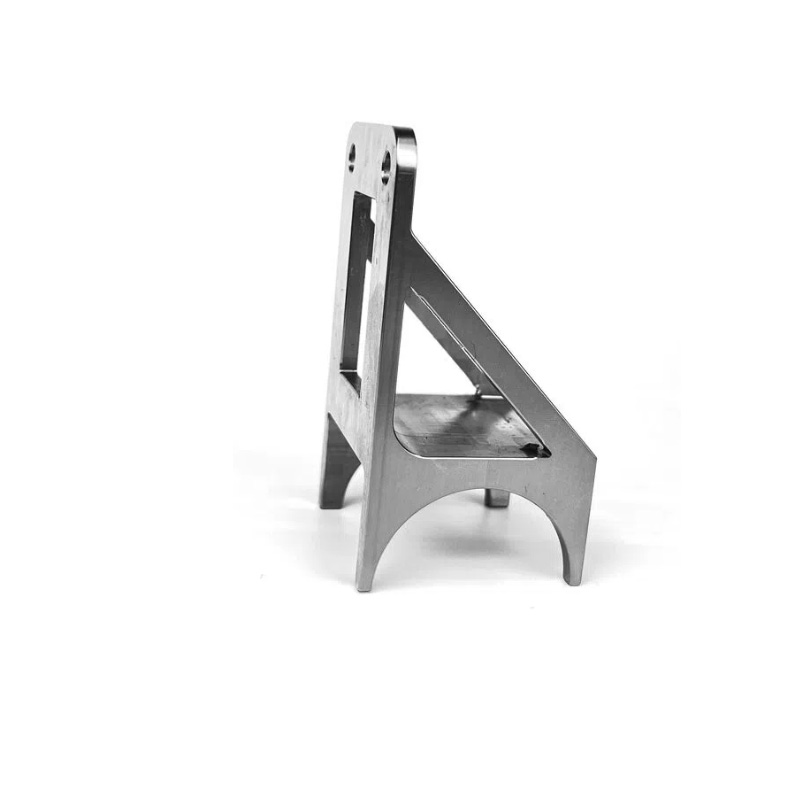
CNC Machined 304 Stainless Steel Support Brackets for UAV Avionics & Sensor Mounts

CNC 5-Axis Aluminum Tri-Arm Structural Hub for UAV Airframes
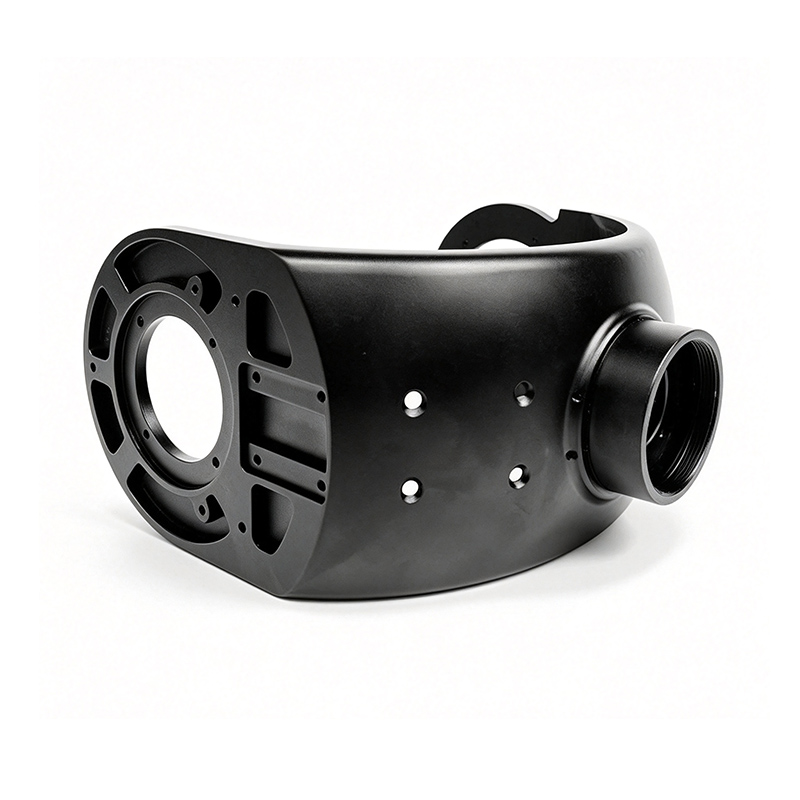
CNC UAV Camera Gimbal Brackets & Yoke Frames | 6061 Aluminum
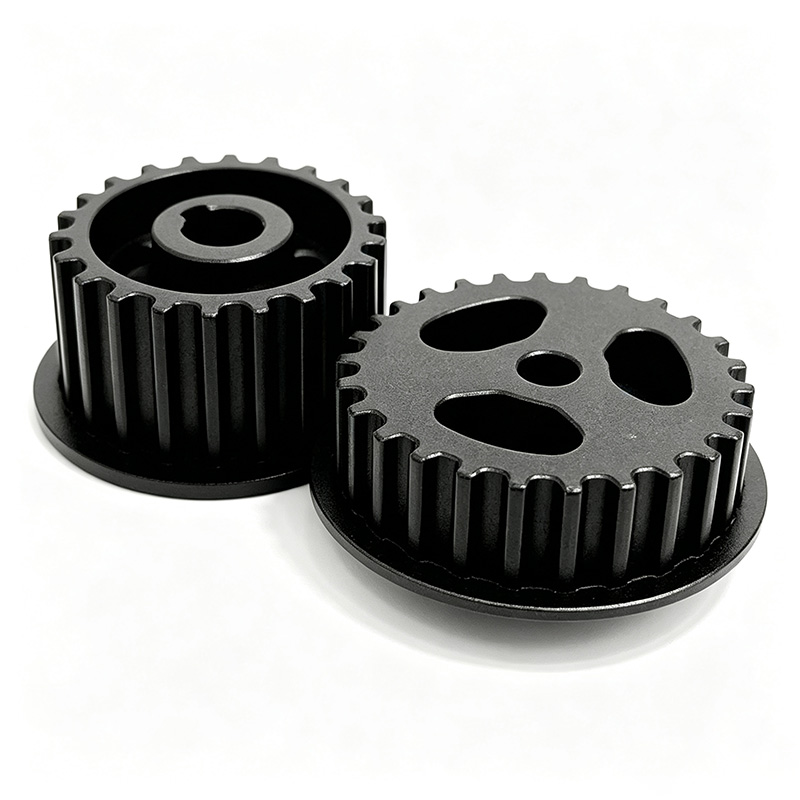
Custom CNC Aluminum Timing Belt Pulleys with Keyway Bore & Lightening Holes for Robot Drives

Custom CNC Stainless Steel Flanged Hub Housings & Bearing Adapter Brackets for Robot Joints

Custom CNC Brass Bulkhead Hose Barb Fittings (M8) Elbow & Straight for UAV Fluid Reservoirs
SIMPLE PROCESS
What Happens After You Click Send?
Your message lands directly with our senior engineers — instantly acknowledged.
We study your requirements and propose a workable solution with material & process options.
Detailed quotation with specs, options and lead time — no hidden fees.
Approve the sample, then we mass-produce with full QC and on-time shipping.
WhatsApp: +86 13790500374
Email: info@rejincnc.com

Scan this QR code with your WeChat app to add us as a contact — send drawings, get quotes within 24 hours and chat with our engineers directly.
Custom Quote Within 24 Hours
Your CAD files are kept strictly confidential. Quotation within 24 hours.