
 Eren
Eren
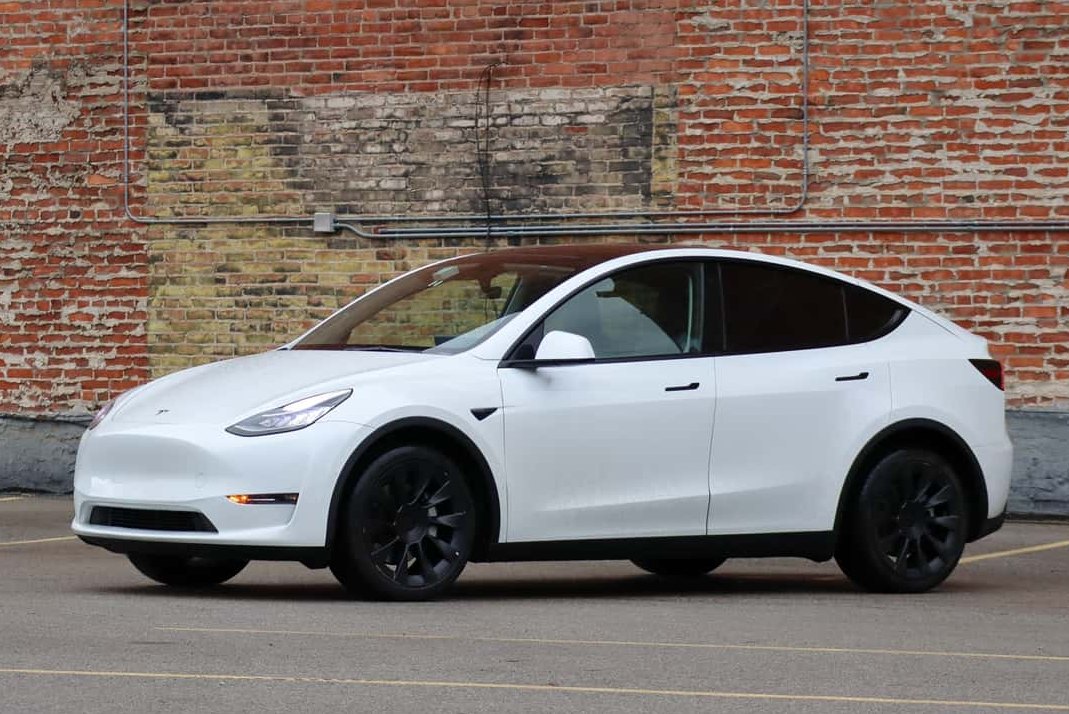
The worldwide move to green transportation has made the Electric Vehicle (EV) sector a competitive field for design advances. EV makers face issues beyond battery power. They deal with better fuel use, heat control, and constant efforts to cut weight. Each gram removed means longer driving distance and better handling. Central to this change is the smart use of accurate aluminum pieces.
Rejin CNC leads this shift. We supply top-quality CNC machining services that connect detailed digital plans to strong, real-world parts. With more than 20 years of know-how, we focus on full integration in EV building—from quick prototypes to large-volume output.
Aluminum now forms the base of electric vehicle design. It provides a good mix of less weight and solid strength. To meet these aims, picking the best aluminum type marks the start of strong engineering.
In the EV field, choosing materials drives results. Aluminum alloys like the 6061 and 7075 series give a better strength-to-weight balance than regular steel.
Swapping out heavy cast-iron parts for CNC-cut aluminum ones cuts the vehicle’s total weight a lot. This drop in weight reduces energy use per mile. As a result, it tackles “range anxiety”—the main barrier to wide EV use.
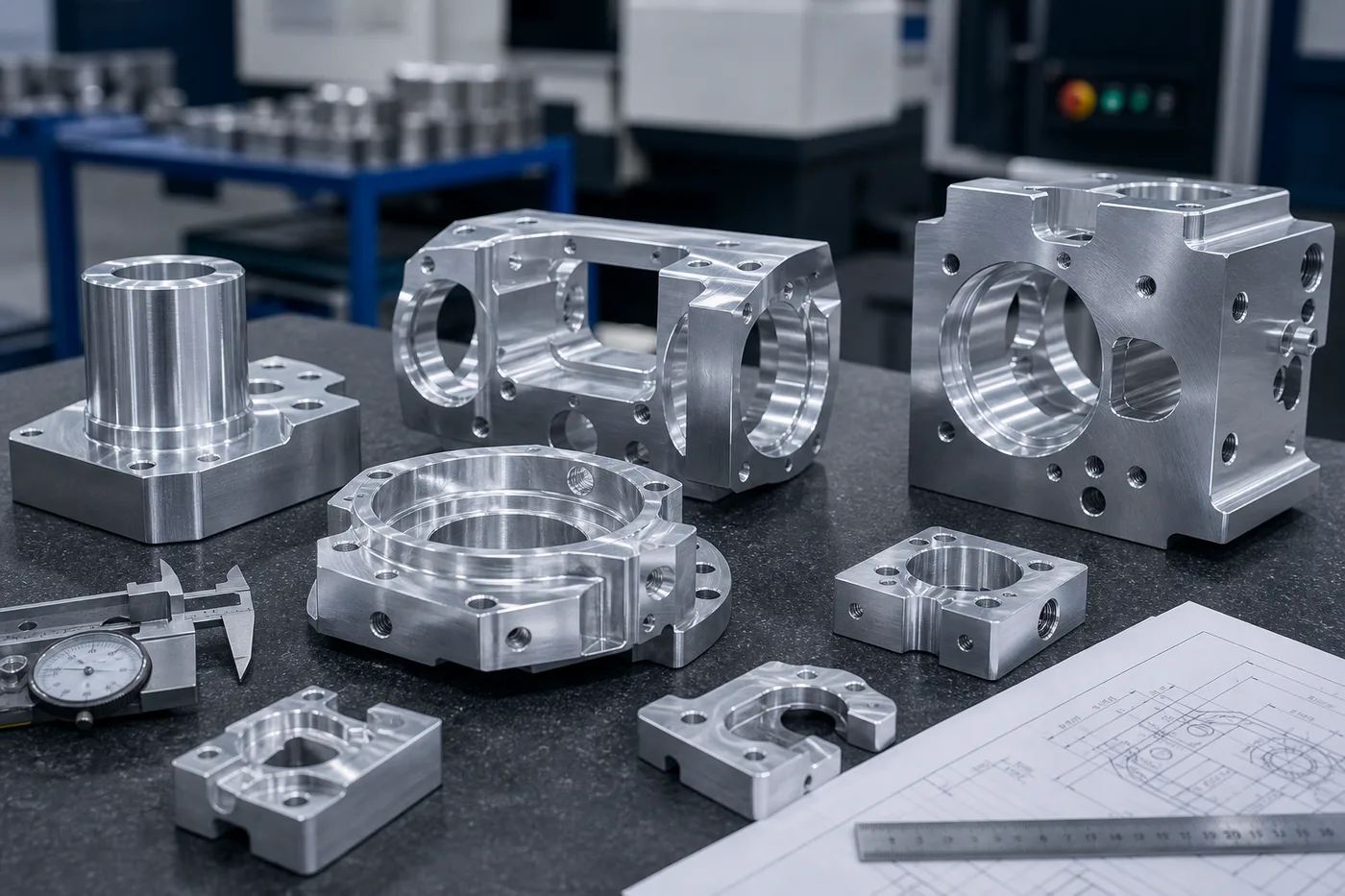
Accuracy sets the bar in the EV parts chain. A tiny error of one micron can affect safety. Our cutting-edge machining tools make sure every tricky design comes out just right.
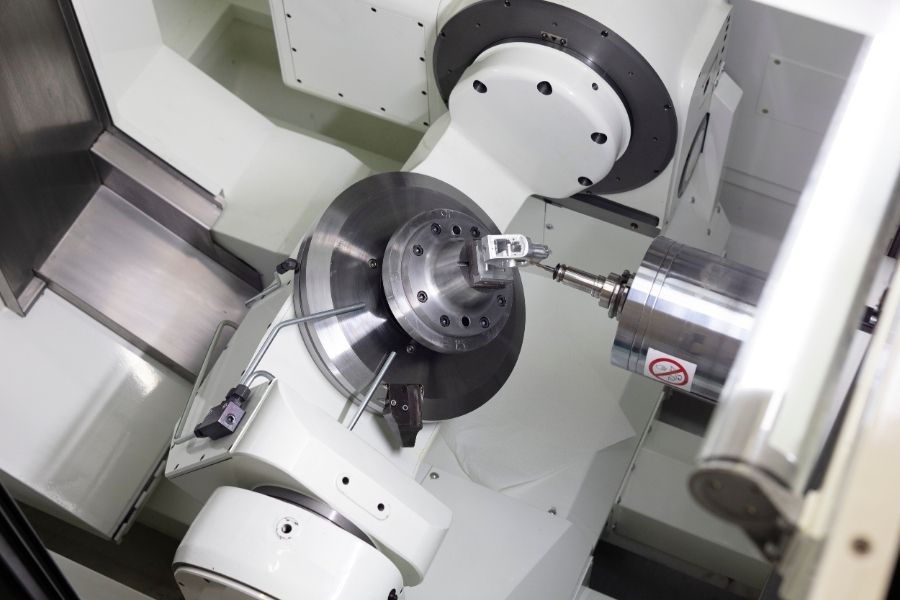
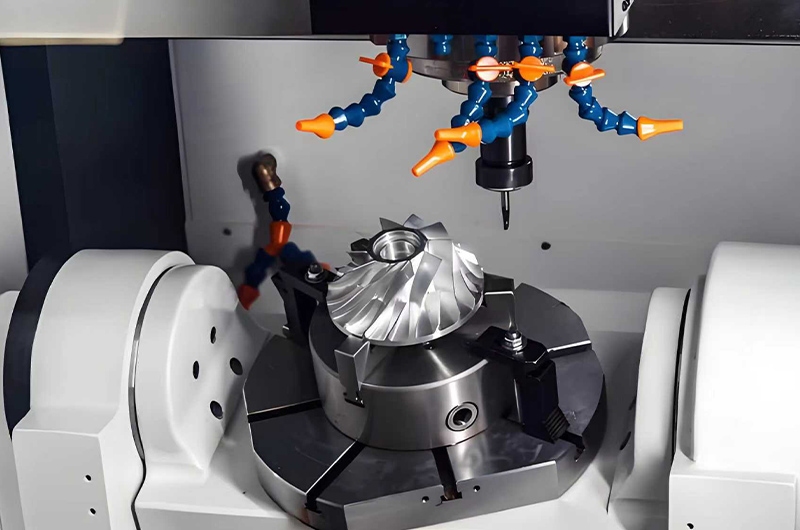
Today’s EV shapes often include odd forms and detailed inner paths. Standard 3-axis machines handle these poorly.
EV drive systems need strict limits. Rejin CNC produces exact parts with limits as tight as ±0.005 mm.
Ideas on paper must work in practice. They need to fix real issues in electric drive systems. Our parts target the toughest problems in the automotive parts.
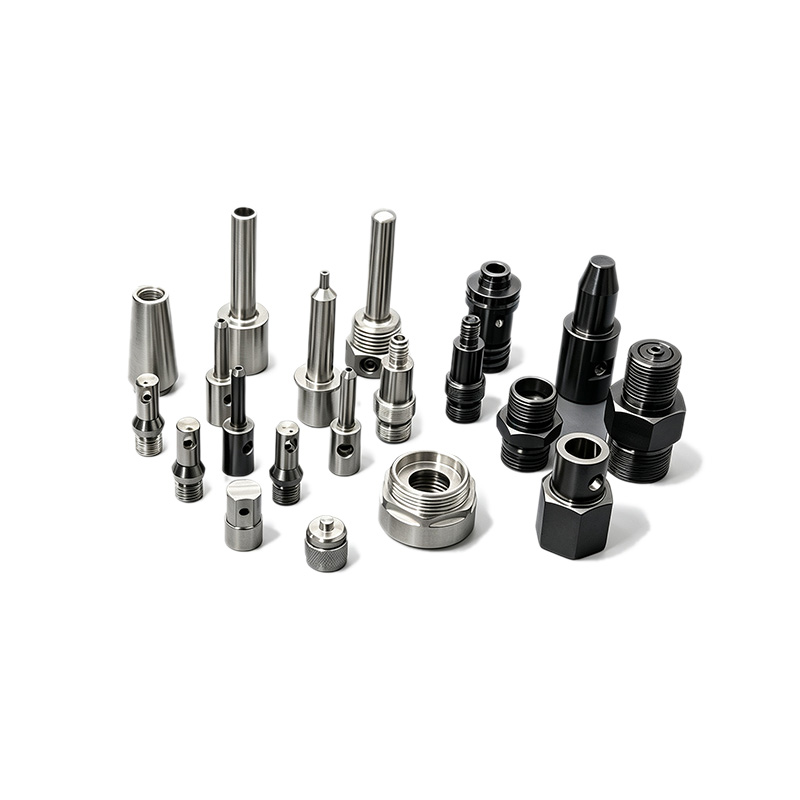
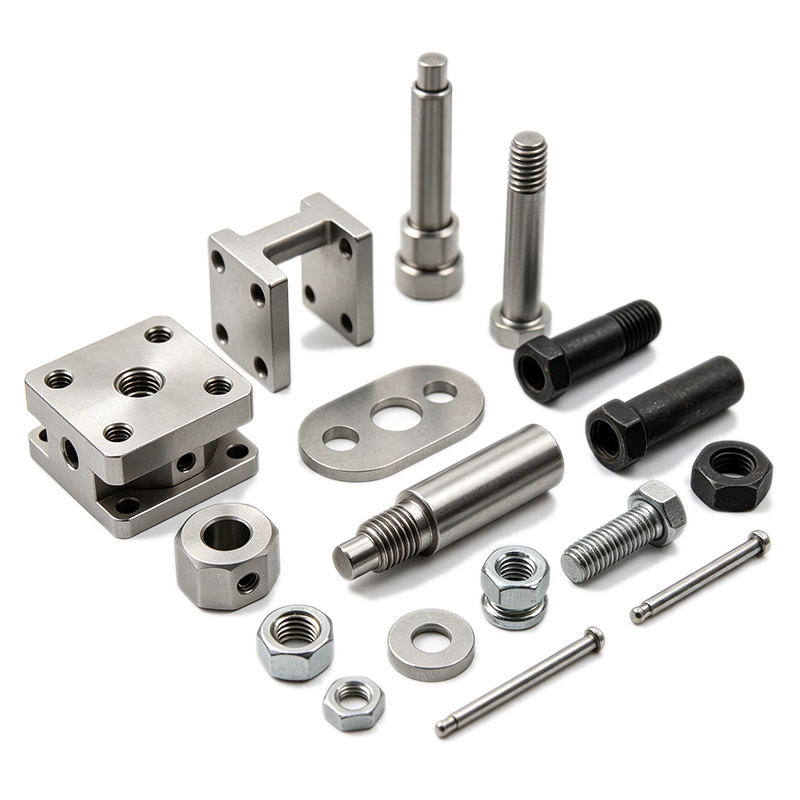
Fasteners are critical for vehicle structural integrity. In high-vibration NEV environments, standard parts often loosen, causing safety risks.
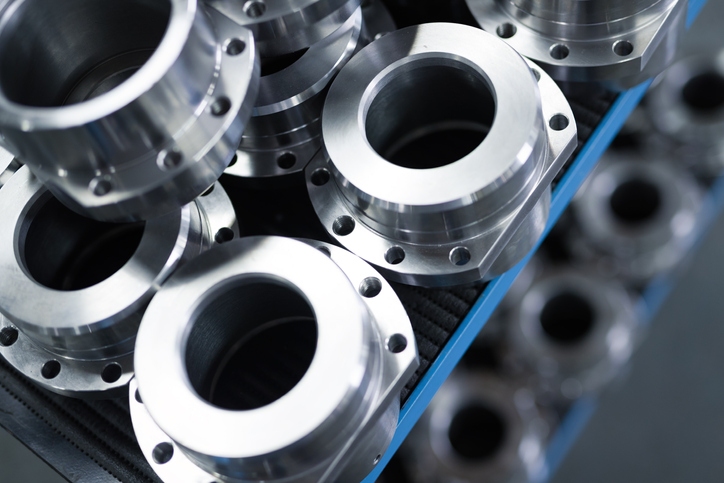
The battery pack acts as the heart of an EV. Keeping its temperature steady is crucial for safe use and long life.
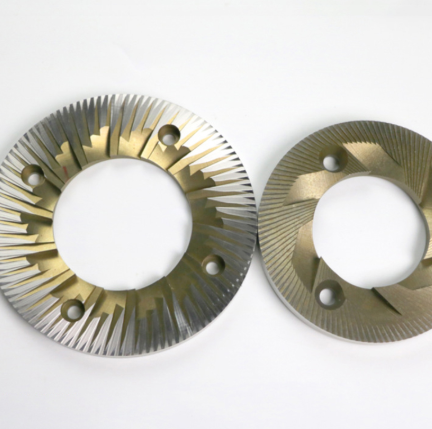
Electric motors run at high speeds. They produce much heat and shaking.
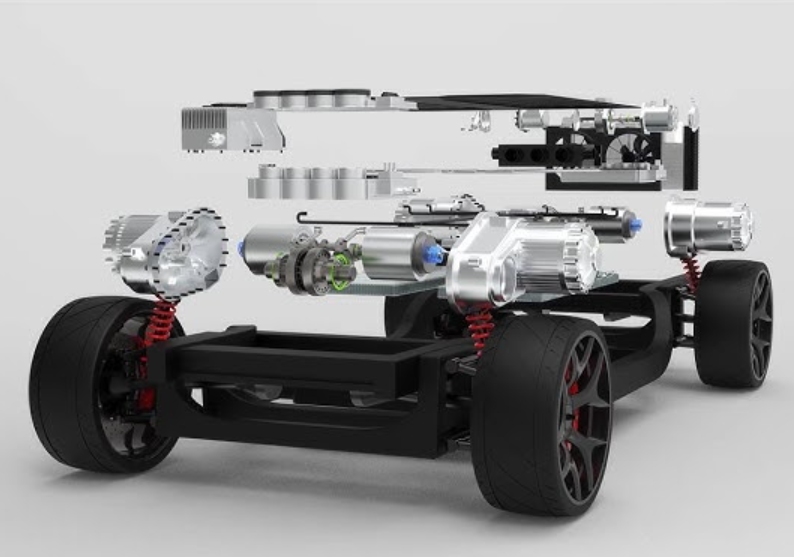
Shifting to Electric Vehicles goes beyond fuel type. It reshapes how we build them. Winning here means finding a partner who grasps light materials and exact multi-axis cutting. Rejin CNC blends 22 years of field work with over 100 modern machining units. We give full, accurate custom help—from initial samples to big production runs.
If you design new battery centers or heavy chassis parts, our group stands ready to make your plans a reality. We use fine detail and car-level toughness.
Cut weight, boost heat handling, and grow your output with Rejin CNC.
[Contact Us for a Free DFM Analysis & Quote Today!]
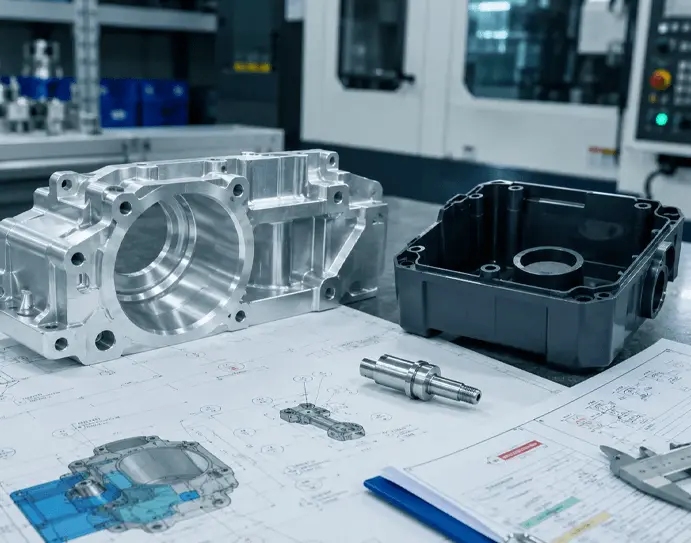
A: CNC machining gives better size accuracy (±0.005mm) and avoids inner voids seen in casting. This matters for tight seals in EV liquid cooling and strength in stressed chassis parts.
A: 6061 costs less and machines or welds simply, suiting enclosures. 7075 raises price but delivers higher strength-to-weight, enabling slimmer, lighter pieces in load-heavy spots like suspension mounts.
A: It cuts complex, curved cooling fins and inner parts in one go. This shortens build time from 120 to 45 minutes and aligns motor bearing seats perfectly, cutting noise and shaking.
A: IATF 16949 stands as the key rule for auto quality control. It supports data-based processes, firm checks, and steady output for vital EV safety parts.