
 Eren
Eren
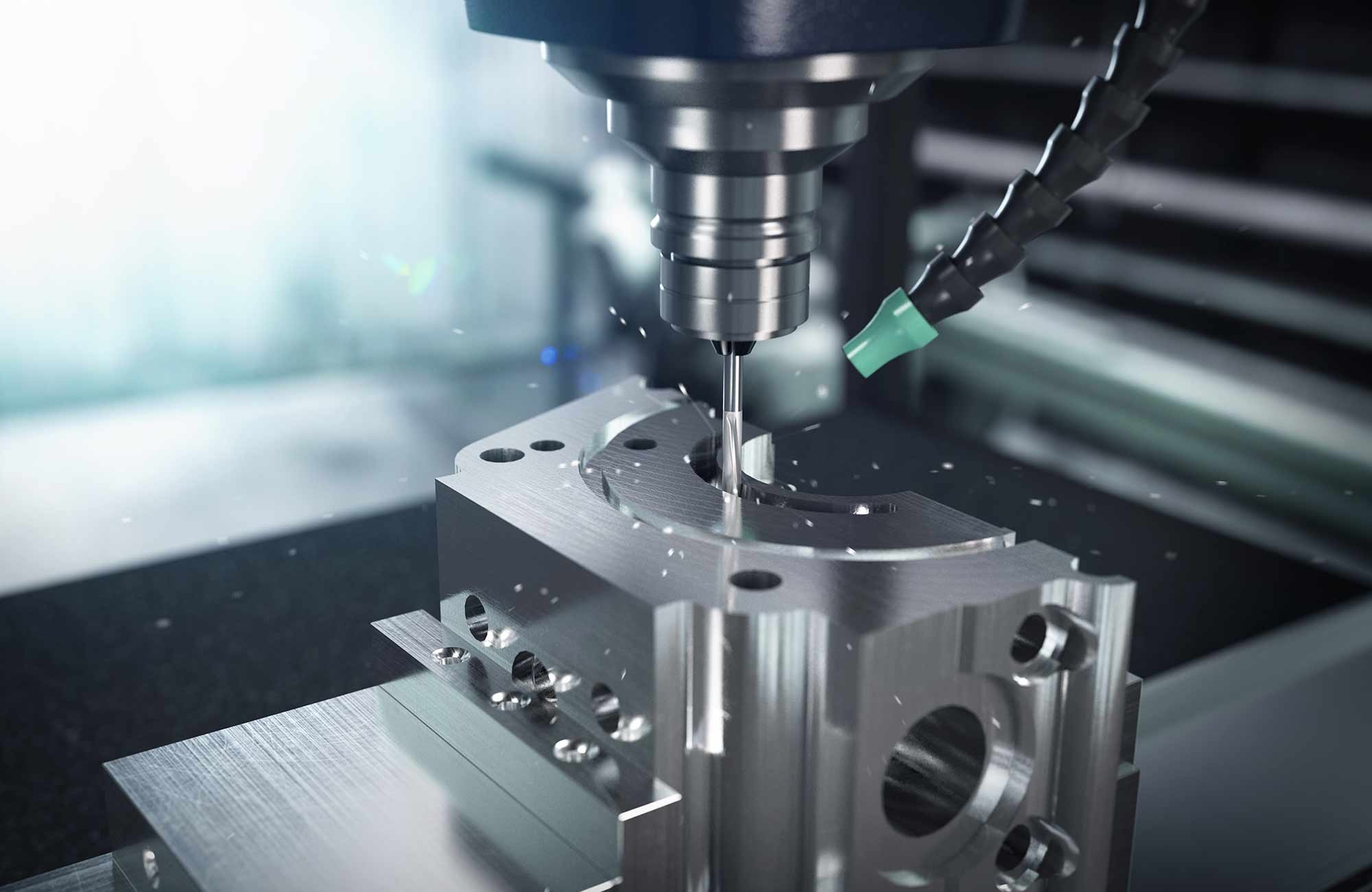
In the field of buying industrial parts, the “lowest price” can pull you in like a risky lure that brings unexpected bills. When looking for metal pieces, many mix up General CNC Machining and Precision CNC Machining as just small changes in numbers. But for a company pushing to lead the market, that small number marks the line between a smooth rollout and a major pullback.
At Rejin CNC, we have watched for more than 20 years the problems from basic manufacturing: parts that do not line up, early wear on pieces, and rising costs from fixes. Precision engineering serves as a way to cut risks. It guards your profits.
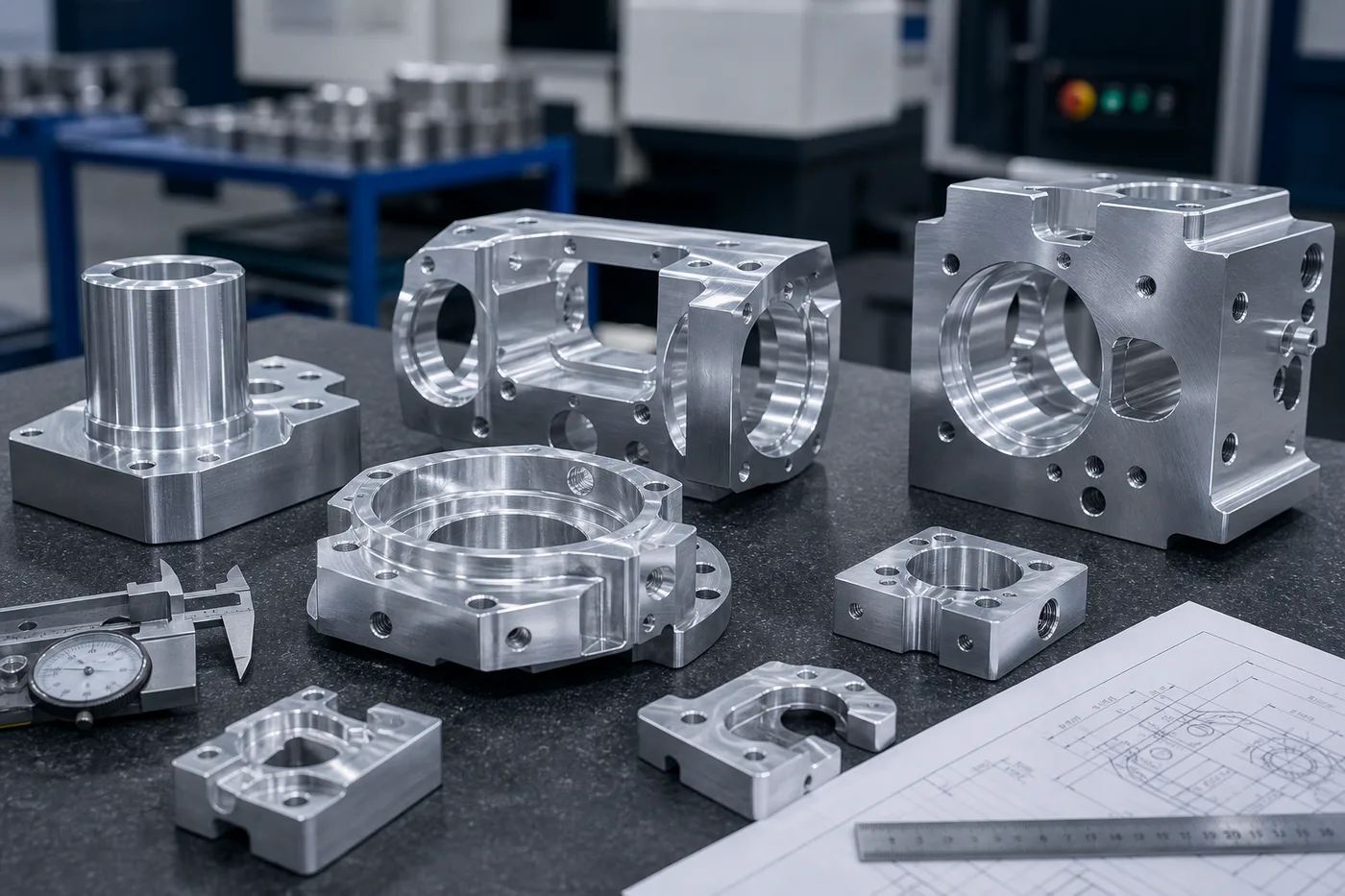
General CNC machining usually works with fits in the range of ±0.1mm to ±0.05mm. This fits okay for basic supports or show parts, but it breaks down in tricky machine systems.
One frequent problem we handle at Rejin CNC is “tolerance stack-up.” Picture a setup with five CNC-cut parts. If each comes from a basic maker at the limit of their ±0.1mm range, the whole setup might shift by 0.5mm.
Basic workshops often miss the right cooling setups and shake-control gear for special metals. As a result, they get bad cut paths and rough marks from vibration.
Precision goes beyond the last measure; it covers the tools and steps to get there.
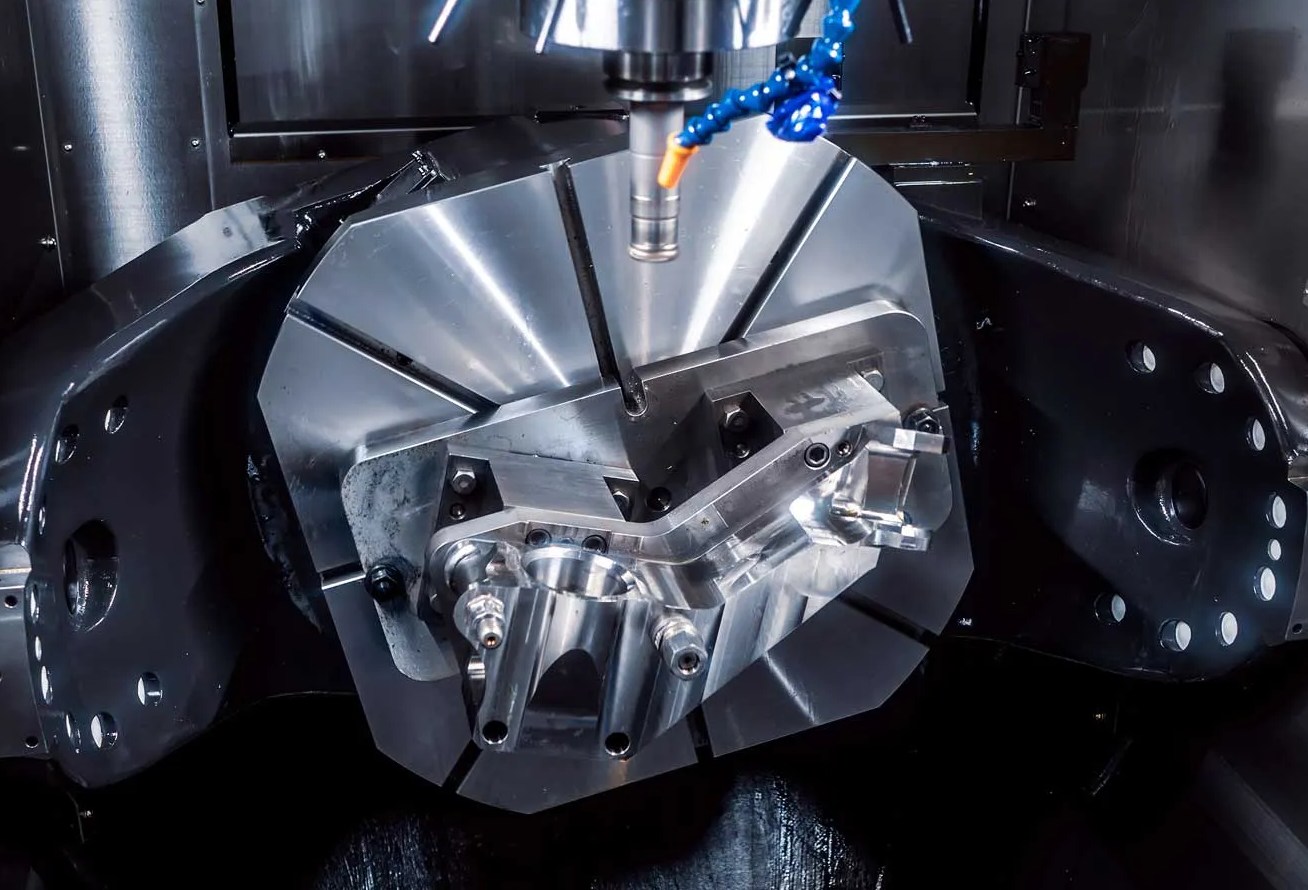
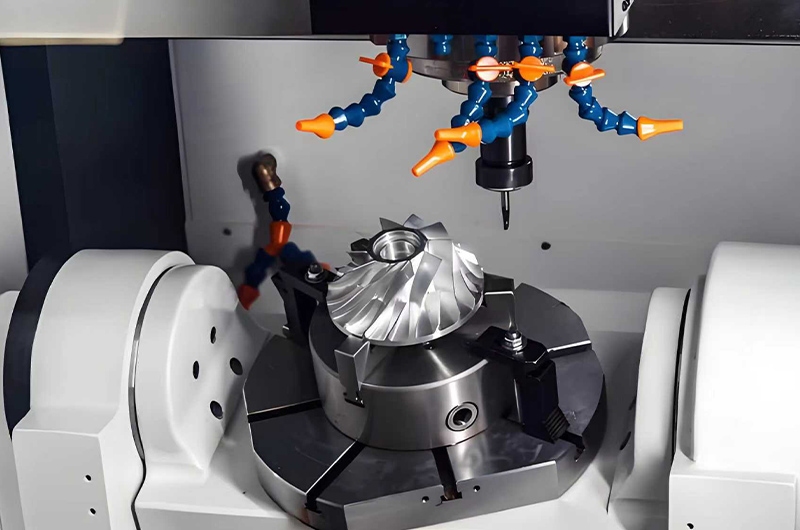
Common 3-axis machines need the piece moved by hand to reach other sides. Each time a worker shifts it, a “setup mistake” creeps in.
A piece might measure right but work wrong if the outer layer gets poor care. Basic cutting often sees finishing as a side task.
To grasp precision’s worth, consider its role in real use.
In top audio work, the inner space of an earbud or speaker case works as a sound box.
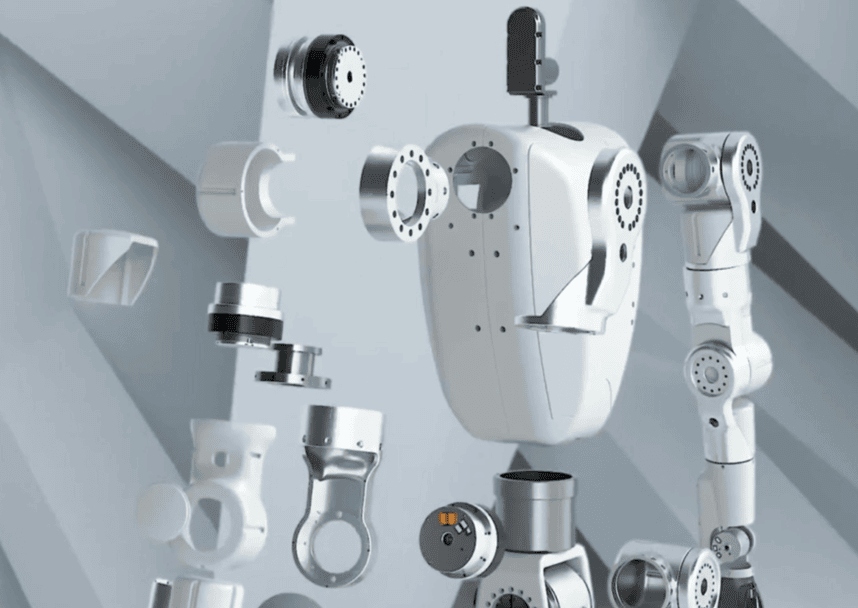
Robot joints and UAV (Unmanned Aerial Vehicle) frames demand top power-to-weight balance. This means “thin-wall cutting,” where metal gets shaped to under 1mm thick.
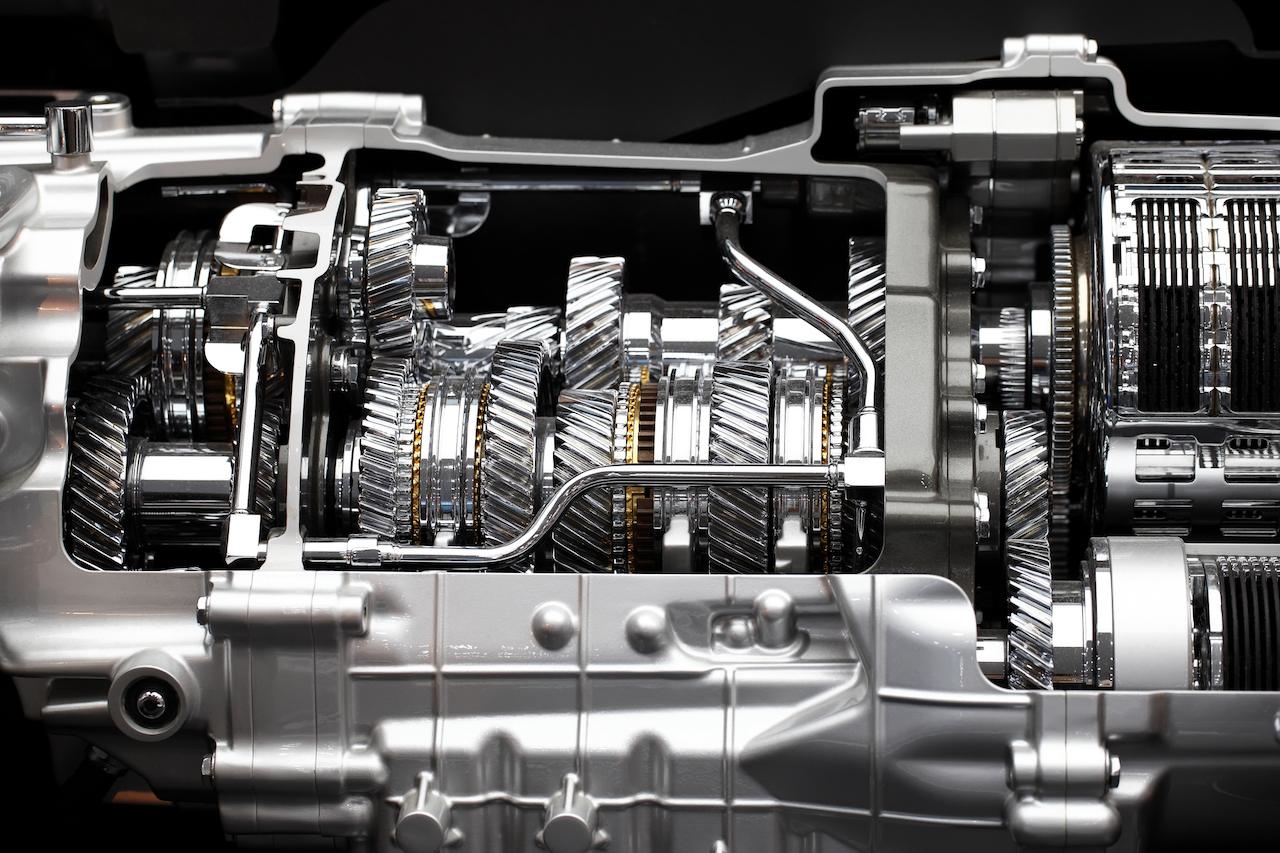
In car gear or motor parts, a slightly uneven round shape will shake at fast turns.
We do not simply follow plans; we adjust them. Our job links your build team’s ideas to the shop floor facts.
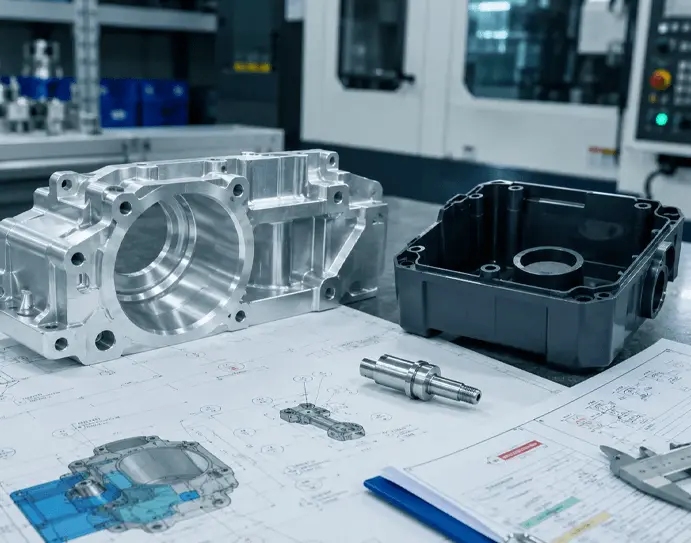
Before any metal gets cut, our builders run a DFM (Design for Manufacturing) review.
Our site holds ISO 9001:2015 and IATF 16949 approval. So every step—from starting material checks (FAI) to full end reviews—gets recorded. We rely on CMM (Coordinate Measuring Machines) and light projectors to confirm that shipped items match your order.
Basic CNC cutting might look like a bill saver for your parts list (BOM), but failure costs down the line hit harder. If you build the next 3C tech, health tools, or factory auto systems, your pieces’ accuracy builds your name’s trust.
At Rejin CNC, we give more than “metal items.” We bring calm from 22 years of building skills, over 100 top cut stations, and a pledge to “From Blueprint to Reality.”
Ready to eliminate the hidden costs of poor machining?
[Contact Rejin CNC Today for a Technical Consultation and Quote]
A: It guarantees tight fits and stops “shake and rub” from loose fits. This lengthens life for active parts and keeps steady work in tough spots like health or air fields.
A: No. Though key for test runs, exact cutting in large quantities lowers “full cost” by cutting fixed work and waste. In the end, it saves money for a big output.
A: Most work metals (Aluminum, Stainless Steel, Titanium, Brass) and build plastics work for exact cutting. Yet material pick shapes the fit level; our DFM helps pick the right one for your needs.
A: 5-axis cutting handles more twisted shapes and smoother outsides since the tool holds the best cut angle. It also cuts mistakes by skipping several hand shifts.