
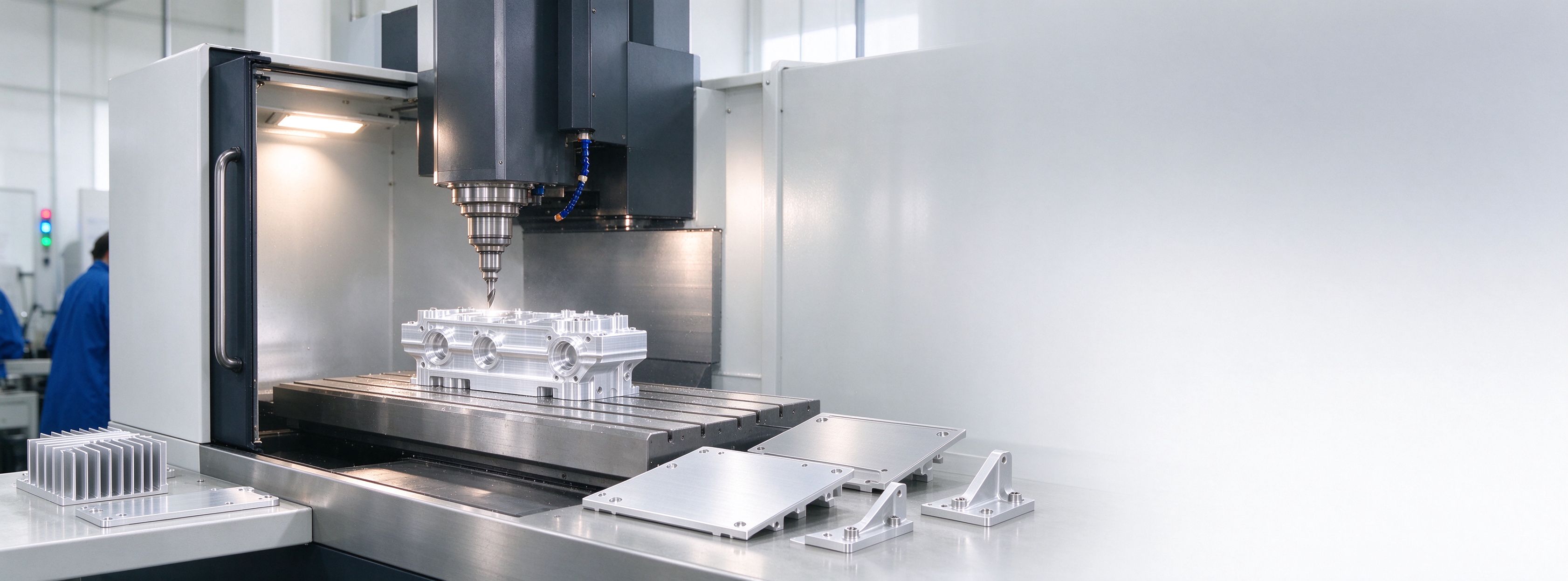
Custom Aluminum Heat Sink CNC Machining for Peak Thermal Efficiency in 5G Infrastructure
-
Eren
- 19th November 2026
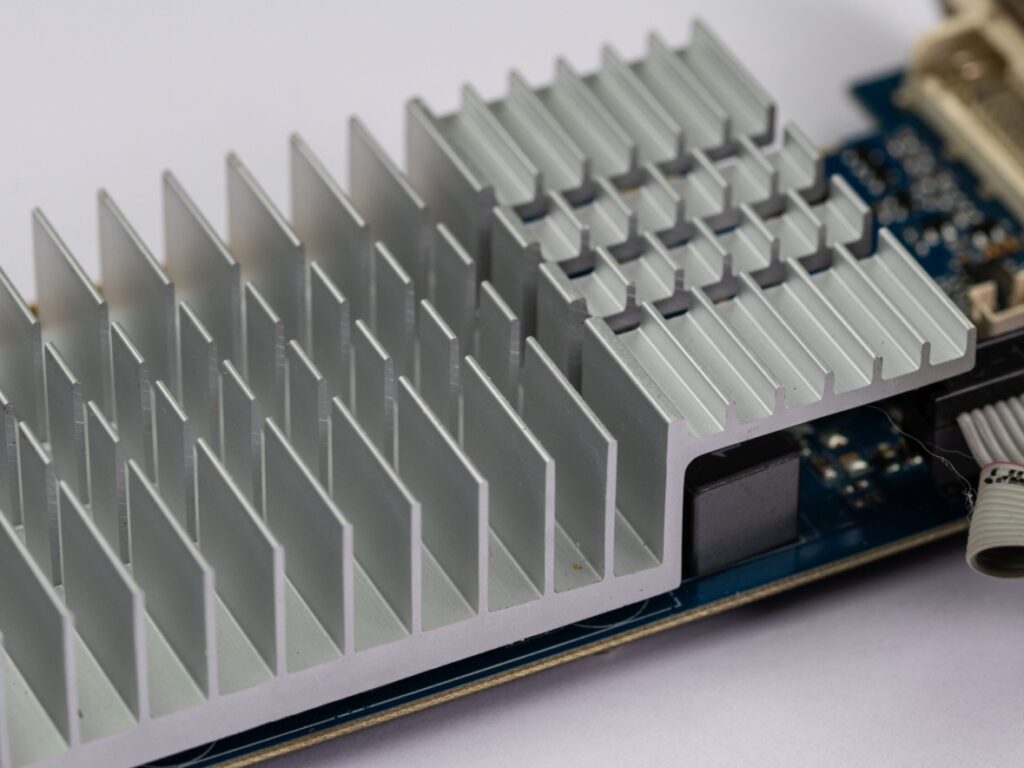
5G communication networks have impacted the thermal management of outdoor electronics enclosures. Base stations with massive MIMO antennas transmitting more data loads have increased the thermal loads dissipation requirements inside the enclosure in exponential proportions. Today’s 5G radio unit heat sinks and 5G telecom heat sinks need to be able to dissipate thermal loads greater than 800 to 1200 Watts in the absence of forced cooling. In order to function effectively, heat sink CNC machining is required.
The thermal engineer dealing with very high heat density confronts a number of design issues:
- High heat density in enclosed housings: High-frequency power amplifier chips produce hot spots that require heat transfer through high-conductivity channels to the cooling fins.
- Dimensional limitations in outdoor installations: 5G RRU heat sinks in outdoor installations need to have the largest fin surfaces possible in a constrained volume.
- Strict mechanical interface flatness specifications: Warping of the thermal interface results in reduced surface area and faster thermal interface material pump-out due to thermal cycling.
- Environmental exposure to adverse weathering: Outdoor base stations need to have coating layers that increase emissivity but resist salt fog corrosion.
- Very high rigidity under strong wind loading: Cooling fins that are thin and profiled need to have enough strength to cope with ambient vibrations and wind loading.
As a way of meeting these needs, global telecommunications Original Equipment Manufacturers (OEMs) collaborate with manufacturing specialists such as Rejin CNC. With certifications under ISO 9001 and IATF 16949, Rejin CNC is a custom telecom heat sink manufacturing company based in Dongguan, China.
Extrusion vs. CNC Milling: When Full-Block CNC Machining Is Necessary for Complex Fin Geometries
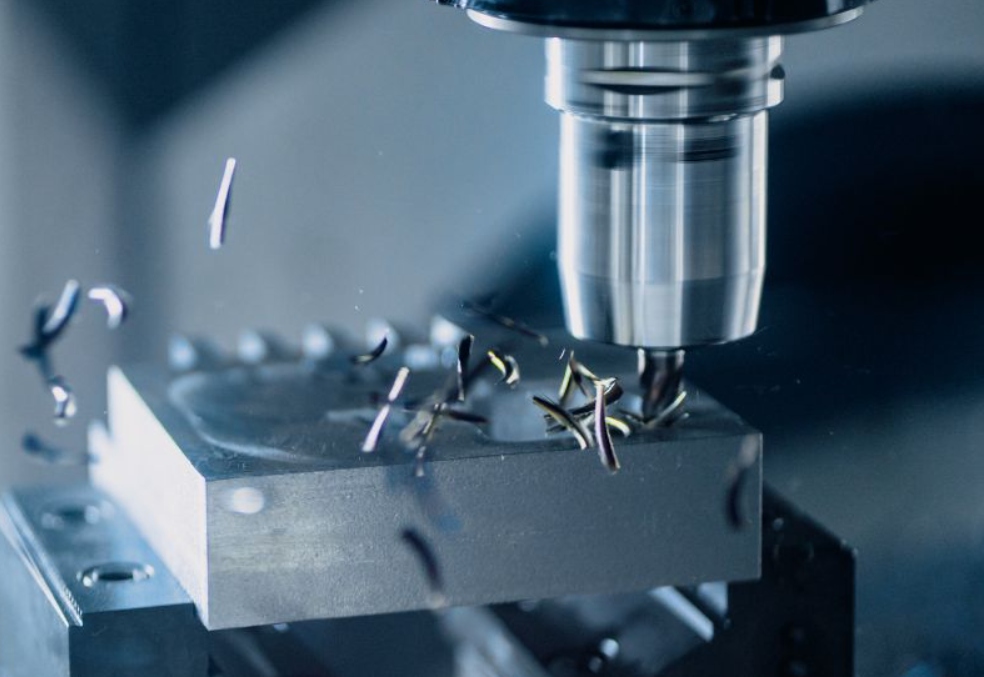
While traditional extrusion suits uniform cooling profiles, next-generation telecom hardware often exceeds extrusion limits. Full-block CNC machining becomes essential when high-power 5G base station heat sink designs require 3D air passages, varying fin heights, or integrated fluid channels.
Structural Limitations of Traditional Aluminum Extrusions in 5G Infrastructure
Standard extrusion forces heated metal through a die, imposing constraints on part design and material choice.
- Aspect ratio restrictions in extrusion dies: Traditional extrusion dies cap fin height-to-gap aspect ratios at 8:1 or 10:1, hindering dense fin arrangements required for high-wattage power amplifiers.
- Requirement for uniform cross-sectional geometry: Extruded profiles cannot incorporate localized mounting bosses, pocketed recess zones, or cross-cut air channels without secondary machining.
- Material conductivity trade-offs: Extrusion alloys like 6063 aluminum offer good extrudability but lower yield strength compared to fully tempered 6061-T6 aluminum block stock used in structural heat plates.
- Post-extrusion thermal warping: Long extruded profiles frequently suffer from longitudinal twist and bow during cooling, requiring secondary fly-cutting to restore flat mounting surfaces.
Advantages of Full-Block CNC Machining for Complex Thermal Geometries
Machining an aluminum heat sink for 5G infrastructure directly from solid billet stock eliminates extrusion constraints, enabling customized thermodynamic structures.
- Unrestricted 3D surface geometries: Multi-axis CNC millingenables complex 3D fin contours, radial pin arrays, and staggered layouts optimizing turbulent convection in outdoor 5G telecom heat sink units.
- Monolithic structural integration: Milling the heat sink body from a single solid block creates a seamless thermal path from baseplate to cooling fins, eliminating interfacial thermal resistance caused by bonded joints.
- Precision pocketing for active components: High-speed CNC mills machine multi-level pocketing directly into the baseplate, allowing direct mounting of 5G power amplifier heat sink transistors and RF shielding covers.
- Integrated liquid-cooling cold plate pathways: Full-block machining enables a custom CNC cold plate for telecom equipment featuring internal fluid channels and vacuum-brazed cover plates for high-density data hubs.
Optimizing Fin Pitch and Thickness for Maximum Surface Area Convection
Convective heat transfer in passive cooling depends on balancing surface area against airflow resistance. In a CNC-machined aluminum heat sink, placing fins too close restricts draft, while spacing them too far apart reduces total surface area.
Engineering High-Density Heat Sink Fins and Aspect Ratio Tolerances
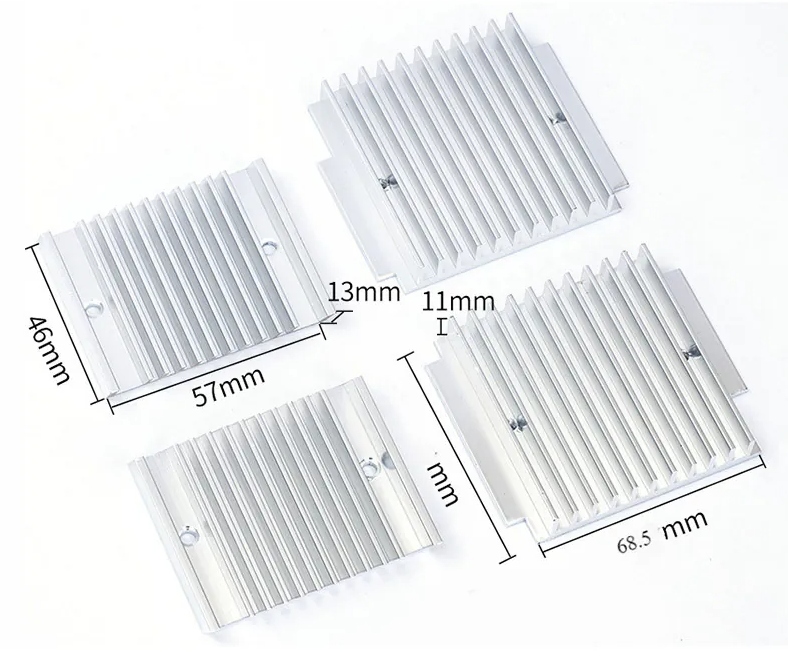
Achieving optimal thermodynamic efficiency requires high-density heat sink fins machining executed with high-speed CNC milling spindles and thin-wall end mills.
- High aspect ratio fin milling: Rejin CNC utilizes 15,000 RPM VMCs with in-process probing to cut deep fin channels, achieving aspect ratios up to 15:1 with fin thicknesses down to 0.8 mm.
- Fin pitch optimization for natural convection: Engineering fin pitch spacing between 1.2 mm and 2.5 mm provides the ideal compromise between boundary layer air expansion and volumetric surface area in outdoor 5G radio unit heat sink assemblies.
- Tool vibration suppression techniques: High-shear carbide tooling combined with custom vacuum fixturing prevents thin fin chatter, ensuring surface finishes down to Ra 0.8 µm.
- High-feed machining toolpaths: Advanced CAM algorithms generate trochoidal toolpaths that maintain uniform chip loads, minimizing forces that could distort thin fins.
Material Selection: 6061 Aluminum Alloy vs. 6063 Aluminum Alloy
Selecting the aluminum alloy involves evaluating thermal conductivity, yield strength, machinability, and surface finishing compatibility.
- 6061 aluminum heat sink CNC machining: Offering thermal conductivity of 167 W/m·K and tensile strength of 310 MPa, 6061-T6 aluminum provides superior structural strength and dimensional stability for heavy outdoor base station chassis.
- 6063 aluminum heat sink performance: Exhibiting higher thermal conductivity of 200 W/m·K but lower yield strength (214 MPa), 6063 aluminum is preferred for lighter thermal management parts requiring superior cosmetic anodizing.
- Copper insert integration: For localized high heat flux applications, high-power CPU and power amplifier mounting zones incorporate press-fit or vacuum-brazed T2 copper heat spreader blocks into the CNC-milled aluminum baseplate.
- Raw material traceability standards: Raw aluminum inventory at Rejin CNC is verified via spectrometry and supplied with material mill test certificates (MTC) for global OEM compliance.
Post-Processing: Chemical Conversion Coatings and Anodizing for Enhanced Thermal Radiation
Machining an aluminum heat sink is only part of manufacturing. Outdoor telecom hardware operates under exposure to UV, moisture, salt spray, and temperature swings, requiring chemical surface treatments.
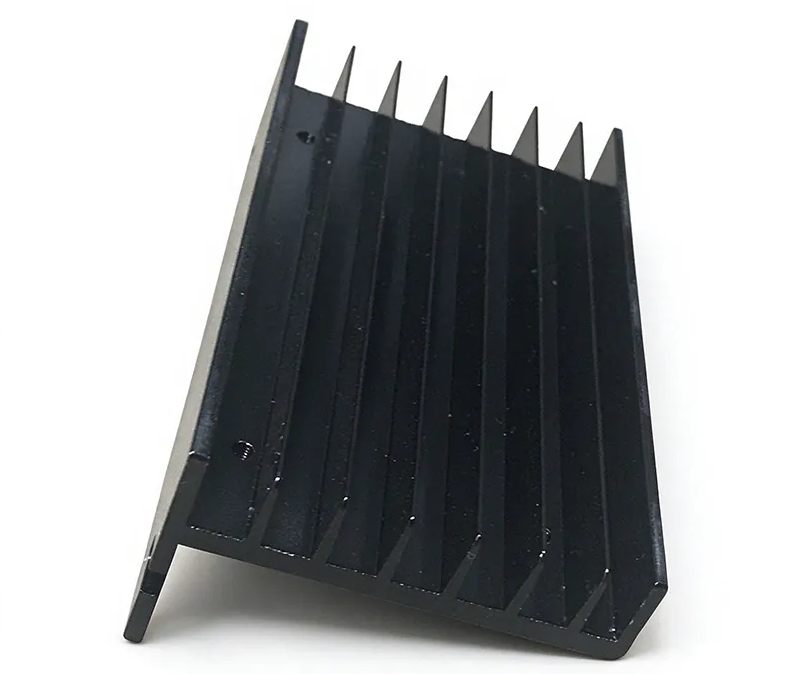
Surface Treatments for Outdoor Telecom Environments
Besides preventing corrosion, surface treatments raise thermal emissivity from 0.05 for raw aluminum to over 0.85 for anodized surfaces.
- Type II decorative color anodizing: Produces a protective oxide film layer between 10 µm and 25 µm thick that can be dyed black or silver, significantly improving thermal radiation performance in ambient air.
- Type III hard coat anodizing: Creates a dense anodic layer up to 50 µm thick, providing maximum wear resistance and environmental protection for remote radio unit housings operating in desert or coastal environments.
- Chromate chemical conversion coating (MIL-DTL-5541): Applied to internal grounding cavities and RF shielding contact zones where low electrical contact resistance must be maintained alongside corrosion protection.
- Neutral salt spray chamber verification: Finish coatings undergo salt spray testing up to 720 hours per ASTM B117 standards, ensuring durability without coating degradation.
Quality Control, Flatness Tolerances, and Third-Party Metrics
Heat transfer between power transistors and the heat sink base depends on microscopic surface contact. Baseplate distortion creates air gaps that impair thermal dissipation.
- Strict heat sink base flatness tolerance: Rejin CNC holds baseplate flatness to within 0.01 mm per 100 mm using fly-cutting and stress-relief passes, preventing TIM pump-out during thermal expansion cycles.
- 3D coordinate measuring machine (CMM) inspection: Critical mounting hole patterns, pin-fin heights, and complex GD&T tolerances are 100% verified using automated Zeiss CMM 3D scanning equipment before shipment.
- Case study volume metric validation: Demonstrating scalable production capability, Rejin CNC delivered over 50,000 precision CNC-machined aluminum heat sink units annually for a European telecom OEM, maintaining a first-pass yield rate exceeding 99.8%.
- Comprehensive First Article Inspection (FAI): Every production lot includes FAI reports, material mill certs, CMM inspection logs, and certificate of conformance (COC) documentation.
Partnering with Rejin CNC for Rigorous CMM Inspection and Thermal Parts
Achieving peak thermal efficiency in 5G infrastructure requires combining advanced thermodynamic design with uncompromising CNC precision. From high-density fin milling and ultra-flat baseplate machining to conversion coatings and 100% CMM verification, precision heat sink fin machining demands a direct factory partner with proven technical expertise.
Rejin CNC brings over 23 years of CNC machining experience, operating a 200+ machine facility equipped with high-speed 3/4/5-axis VMCs. By partnering with an engineer-owned factory in Dongguan, China, global OEM procurement teams eliminate middleman markup, reduce lead times, and gain direct engineering collaboration.
- Fast 24-Hour DFM & Quoting: Upload STEP or IGES drawings to receive free manufacturability analysis and a quote within one business day.
- Flexible Scale from Prototype to Mass Production: Validate designs with low-volume prototype runs from 1 piece before scaling to 50,000+ unit production runs.
- Guaranteed Confidentiality & Quality: Customer CAD files are protected under strict NDAs and stored on secure internal networks.
Contact Rejin CNC today at info@rejincnc.com or send your CAD files through our quote portal to optimize your next-generation thermal management components.
FAQ
Q: Why is CNC machining preferred over die casting for high-power 5G heat sinks?
A: CNC machining utilizes wrought aluminum alloys (6061/6063) with higher thermal conductivity (~167–200 W/m·K) and zero porosity versus cast aluminum (~90–120 W/m·K). CNC machining also enables thinner fins, higher aspect ratios, and tighter baseplate flatness to minimize thermal resistance.
Q: How does heat sink baseplate flatness impact overall thermal performance in telecom equipment?
A: A distorted baseplate creates micro-gaps against electronic heat sources. This forces thermal interface materials to fill larger voids, raising thermal resistance and accelerating TIM pump-out during thermal cycling.
Q: What surface finish roughness (Ra) is recommended for heat sink contact surfaces?
A: Surface roughness of Ra 0.8 µm to Ra 1.6 µm is optimal for thermal contact faces. This smoothness ensures uniform TIM bondline thickness without microscopic high spots that impede heat transfer.
Q: What aspect ratios can be reliably achieved when machining high-density heat sink fins?
A: Using high-speed CNC milling VMCs and optimized toolpaths, fin aspect ratios up to 15:1 are reliably machined, enabling fin thicknesses down to 0.8 mm and pitch spacing down to 1.2 mm for maximum surface area.
Recent Posts

RELATED PRODUCTS
Parts We Machine Every Day
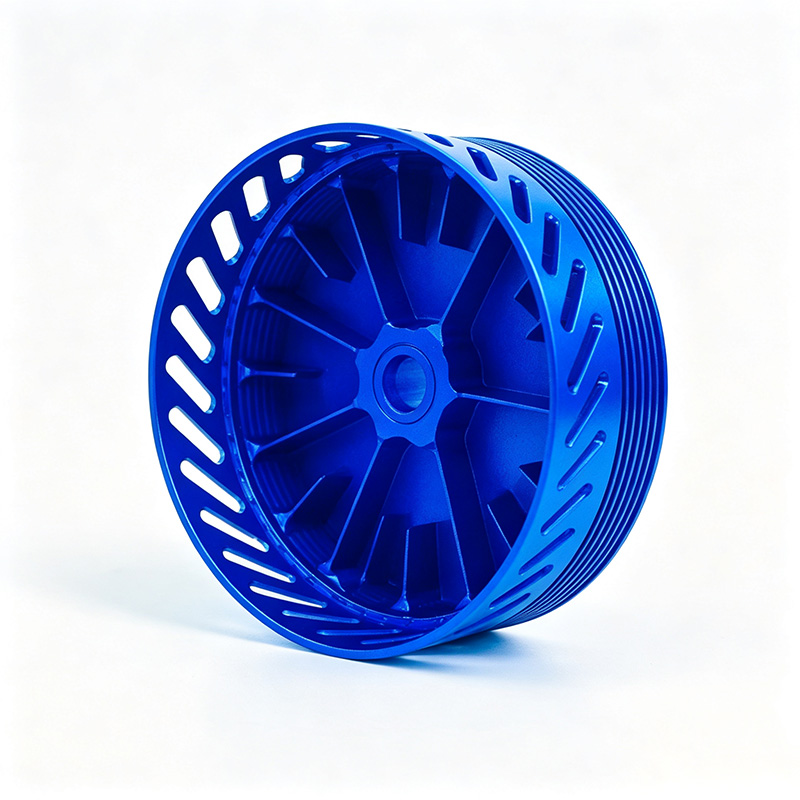
Custom CNC Machined 6061 Aluminum Centrifugal Fan Impeller in Blue Anodized Finish
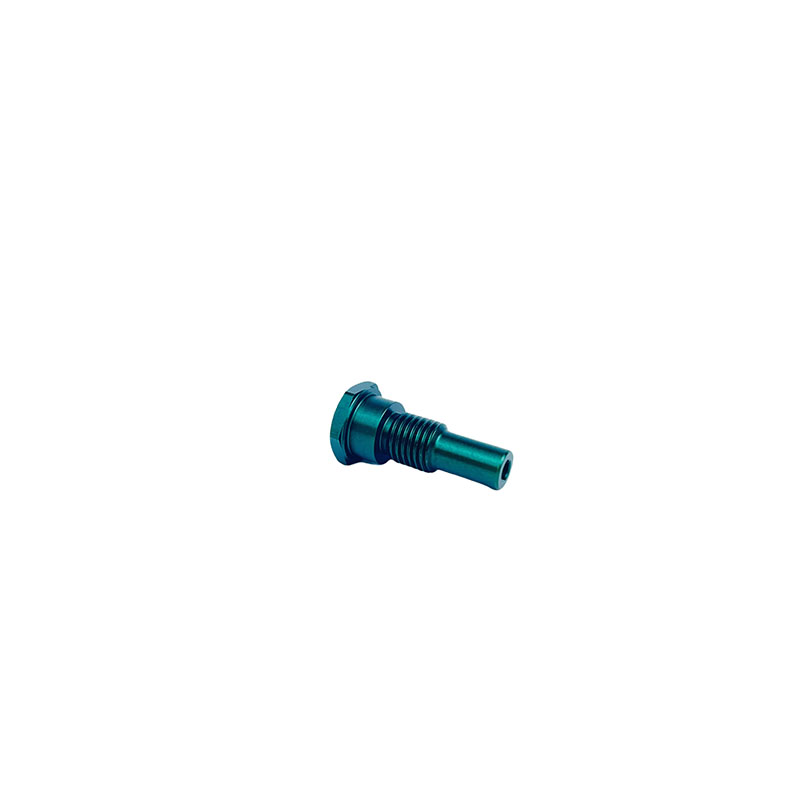
Custom CNC Machined Shock Absorber Bolt in Teal Anodized Aluminum
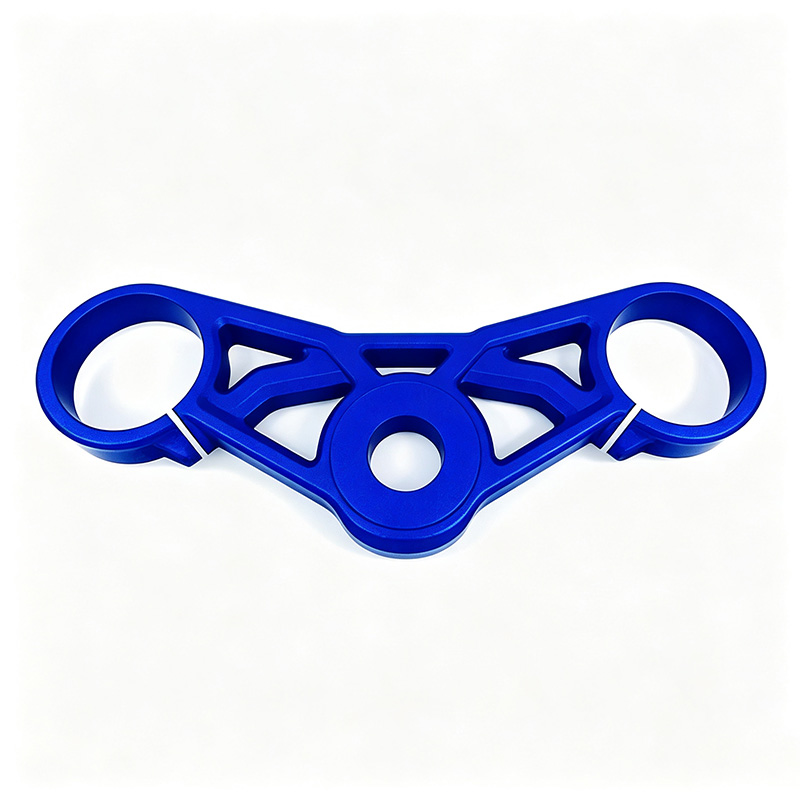
Custom CNC Machined Motorcycle Upper Triple Clamp in Blue Anodized Aluminum
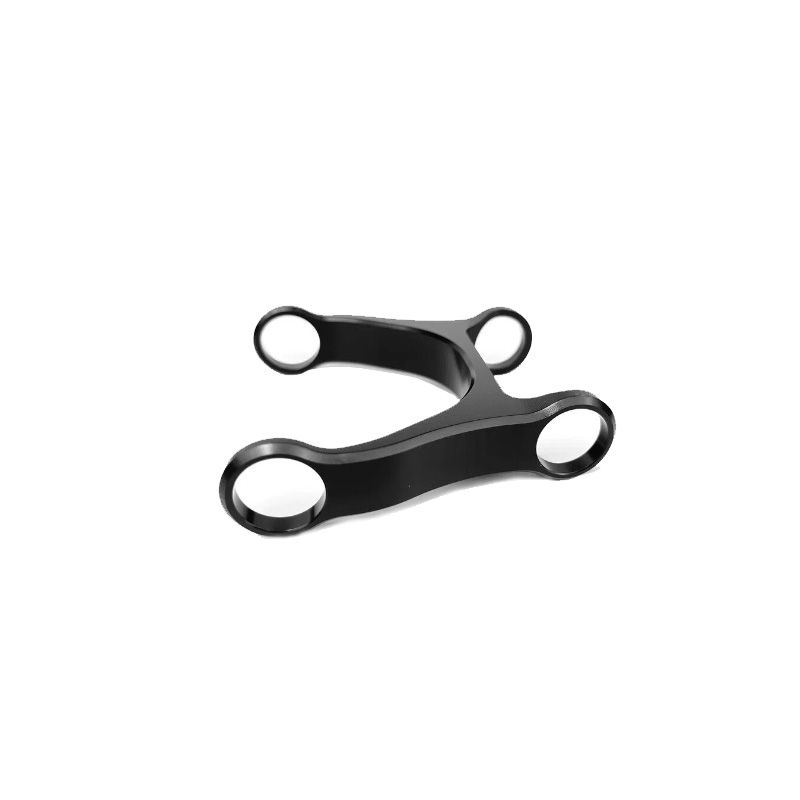
Custom CNC Machined Bicycle Bracket in 7075-T6 Aluminum
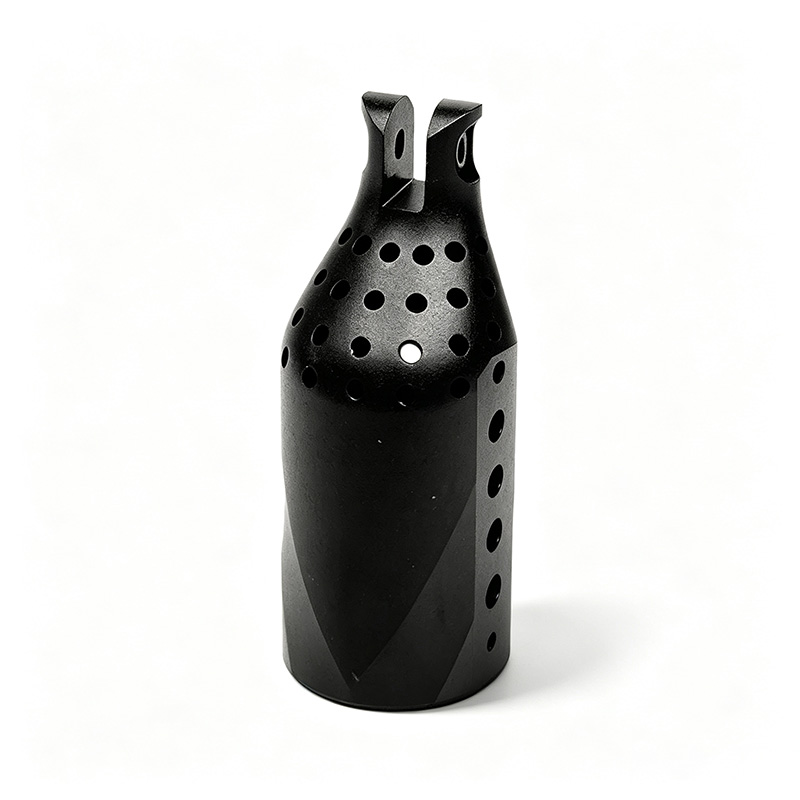
Custom CNC Machined Surgical Light Housing in Black Anodized Aluminum
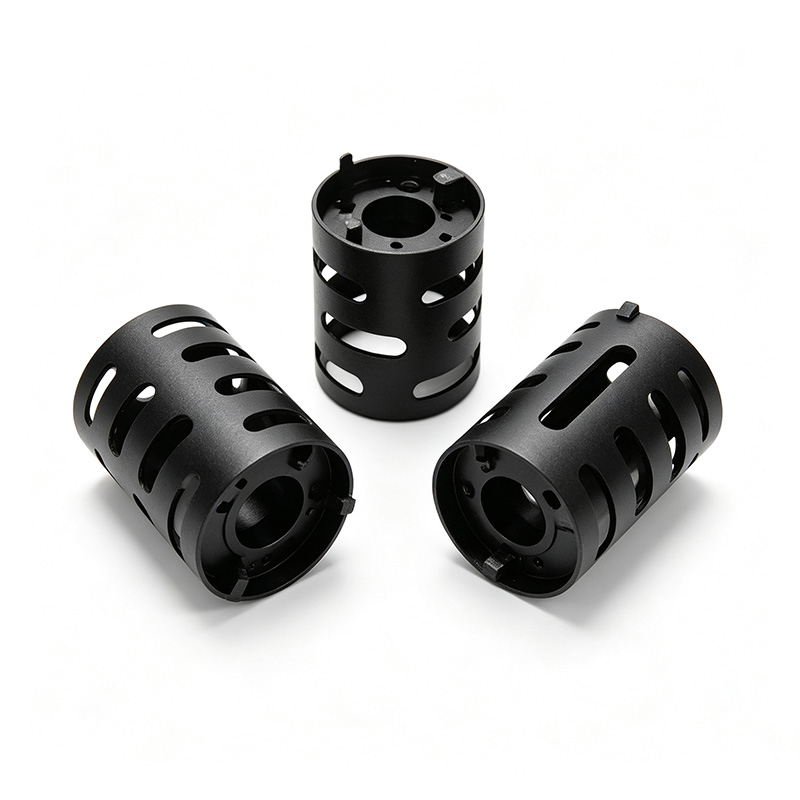
CNC Machined Aluminum Heat Sink Sleeves & Motor Cooling Cages
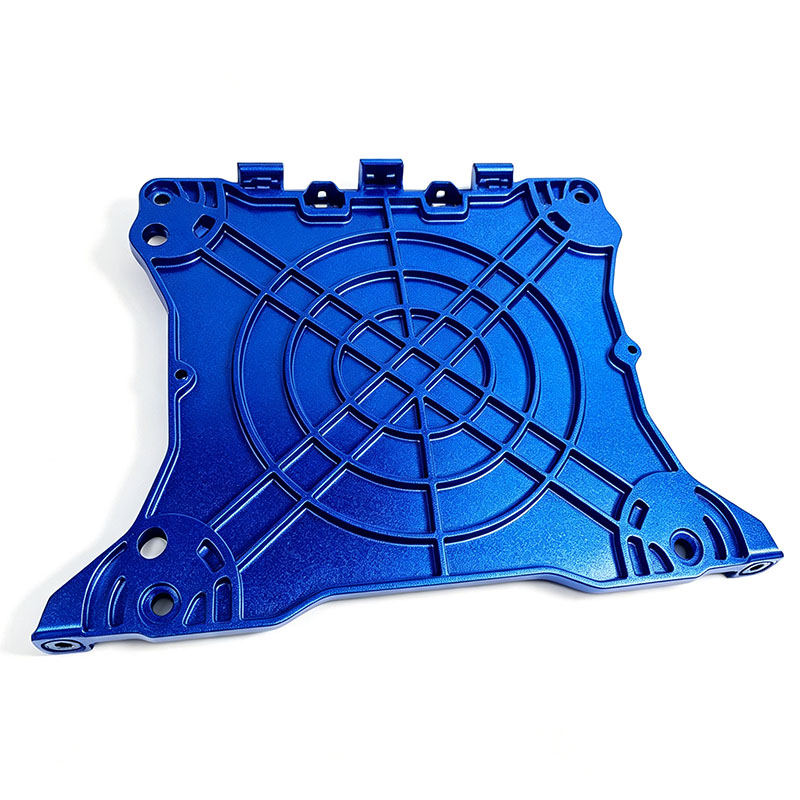
CNC Aluminum Automotive Brackets & Lightweight Structural Links
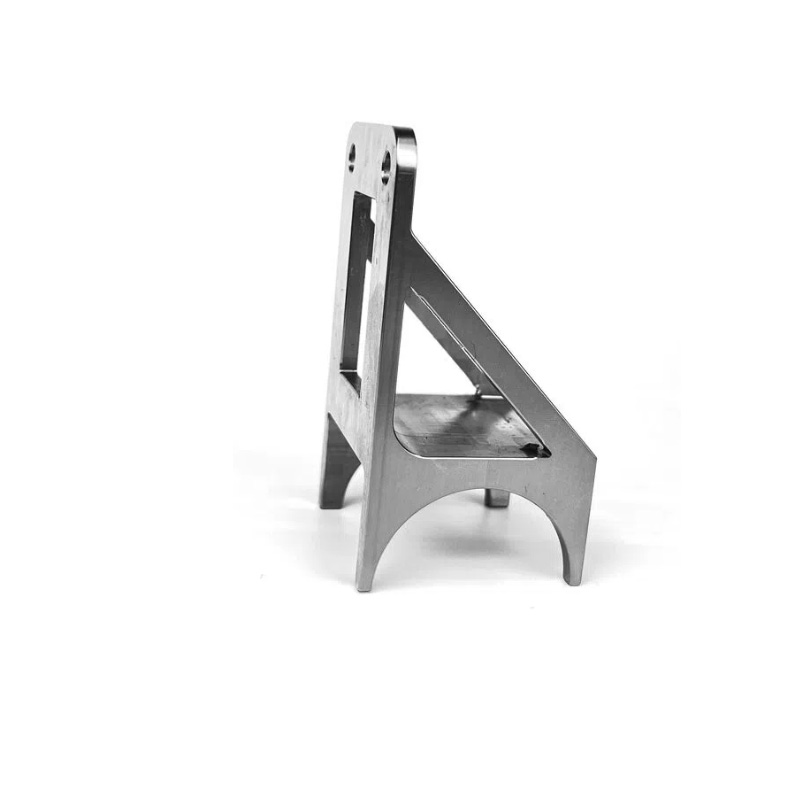
CNC Machined 304 Stainless Steel Support Brackets for UAV Avionics & Sensor Mounts
SIMPLE PROCESS
What Happens After You Click Send?
Your message lands directly with our senior engineers — instantly acknowledged.
We study your requirements and propose a workable solution with material & process options.
Detailed quotation with specs, options and lead time — no hidden fees.
Approve the sample, then we mass-produce with full QC and on-time shipping.
WhatsApp: +86 13790500374
Email: info@rejincnc.com

Scan this QR code with your WeChat app to add us as a contact — send drawings, get quotes within 24 hours and chat with our engineers directly.
Custom Quote Within 24 Hours
Your CAD files are kept strictly confidential. Quotation within 24 hours.