Schneller skalieren: Wie CNC-Kleinserienfertigung Startups stärkt
Schneller skalieren: Wie CNC-Kleinserienfertigung Startups stärkt
Sie waren
28. Mai 2026
Hardware-Startups stoßen beim Übergang vom Laborprototypen zum marktreifen Produkt häufig auf finanzielle und technische Probleme. Die Kosten für Spritzguss- oder Druckgusswerkzeuge können ihr Budget aufbrauchen, bevor die Designprüfungen abgeschlossen sind.
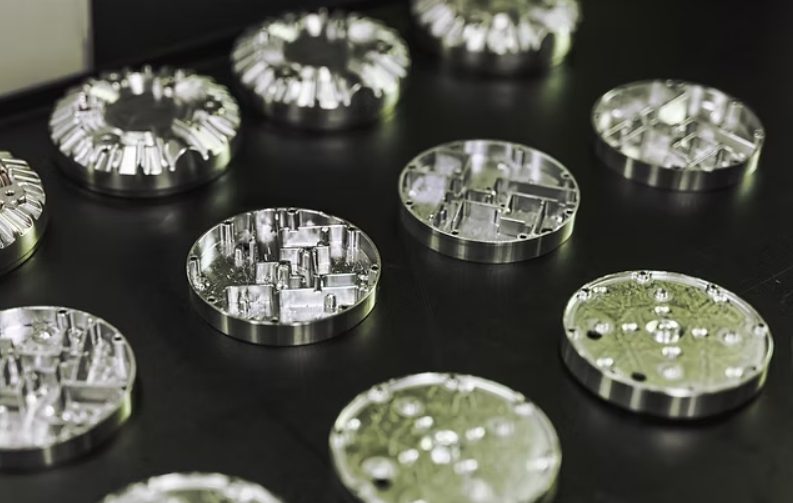
Die CNC-Bearbeitung kleiner Serien bietet eine sinnvolle Fertigungsoption. Sie ermöglicht es Hardware-Teams, diesen Punkt zu überwinden und durch präzises Materialschneiden, schnelle Designänderungen und eine bedarfsgerechte Produktion zu überzeugen. CNC von Rejin, ein nach ISO 9001:2015 und IATF 16949 zertifizierter Hersteller, unterstützt globale Ingenieurteams bei der Herstellung hochpräziser Metall- und Kunststoffteile aus digitalen Konstruktionen ohne hohe Vorlaufkosten für Werkzeuge.
Überwindung der hohen Werkzeugkostenbarriere in der frühen Phase der Hardware-F&E
Die ersten Arbeiten an den Bauteilen erfordern umfassende Prüfungen auf Form und Festigkeit. Dies muss ohne hohe Ausgaben für starre Stahlformen erfolgen.
Eliminierung der anfänglichen Fixkosten
Keine aufwendigen Werkzeuge erforderlich: Herkömmliche Werkzeugmethoden und große Stanzformen treiben die Kosten für neue Unternehmen in die Höhe. CNC-Bearbeitung in Kleinserien.nutzt Software zum Zuschneiden von Teilen und verzichtet auf physische Formen.
Kapitalerhalt: Startups können begrenzte Mittel von der Werkzeugentwicklung in Markttests, Designarbeiten und grundlegende Elektronik umschichten.
Flexibles Bestellvolumen: Losgrößen von 10 bis 1.000 Einheiten ermöglichen es den Teams, die Produktion an die tatsächliche Nachfrage und neue Finanzierungsrunden anzupassen.
Beschleunigung iterativer Designzyklen
Nahtlose Code-Aktualisierungen: Für die Änderung eines Bauteils ist lediglich eine CAD-Aktualisierung und ein neuer G-Code erforderlich. Dadurch werden wochenlange Arbeiten an einer Stahlform vermieden.
Schnelle Funktionstests: Startups können mehrere Designtests gleichzeitig durchführen. Sie finden Schwachstellen, Passprobleme oder Montagefehler im realen Einsatz innerhalb weniger Tage.
Minderung von Fertigungsrisiken durch fortschrittliche technische Rahmenbedingungen
Um die Lücke zur Massenproduktion zu schließen, ist eine proaktive Designoptimierung erforderlich, um sicherzustellen, dass die Geometrien in frühen Entwicklungsstadien auch in großem Maßstab herstellbar bleiben.
Unterstützung der Design for Manufacturing (DFM)-Analyse
Die Kleinserienfertigung muss als strenges Testfeld für die Machbarkeit der Massenproduktion dienen.
Frühzeitige Risikominderung: Durch eine proaktive DFM-Analyse werden tiefe innere Vertiefungen, scharfe innere Ecken und übermäßig dünne Wände identifiziert, die während der Produktion zu Werkzeugverformungen oder strukturellem Versagen führen können.
Vermeidung von Kostenfallen: Durch die Optimierung von Abrundungsradien, die Reduzierung nicht standardisierter Gewindespezifikationen und die Standardisierung von Bauteiltiefen können Konstrukteure die Zykluszeiten einzelner Einheiten und die Vorbereitungskosten drastisch senken, bevor die Werkzeuge endgültig ausgewählt werden.
Erreichen einer Bearbeitungsgenauigkeit im Mikrometerbereich
Industriekomponenten erfordern eine strikte Einhaltung der Abmessungen, um in komplexen mechanischen Baugruppen korrekt zu funktionieren.
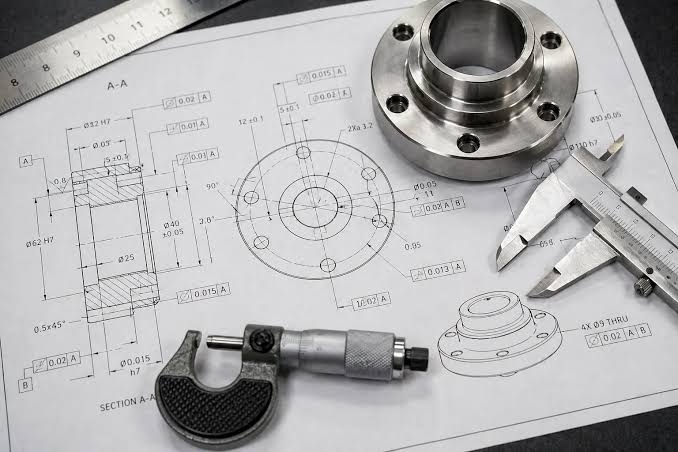
Enge Toleranzkontrolle: Moderne CNC-Dreh- und Mehrachsenfräsverfahren gewährleisten konstant lineare und diametrale Toleranzen bis zu ±0,005 mm. Dadurch wird die Akkumulation von Toleranzfehlern bei mehrteiligen Baugruppen verhindert.
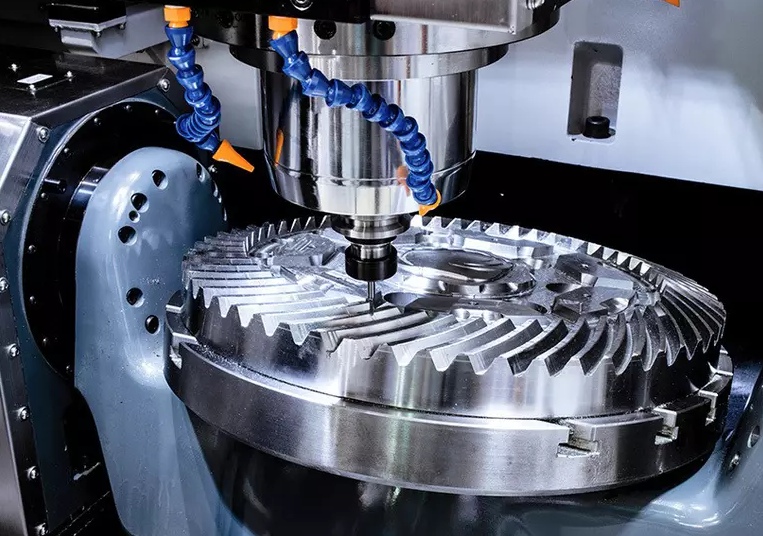
Fortschrittliche Mehrachsen-Verkettung: Nutzung 5-Achs CNC BearbeitungErmöglicht das Schneiden komplexer, gekrümmter Oberflächen, organischer Konturen und filigraner Details in einer einzigen Aufspannung. Dadurch werden Nachspannfehler um über 80 % reduziert und eine überragende Konsistenz bei der geometrischen Bemaßung und Tolerierung (GD&T) gewährleistet.
Spezielle Anwendungsszenarien in hochwertigen Branchen
Die Fertigung in kleinen Stückzahlen liefert die besten Ergebnisse bei komplexen technischen Systemen, die eine hohe Genauigkeit erfordern.
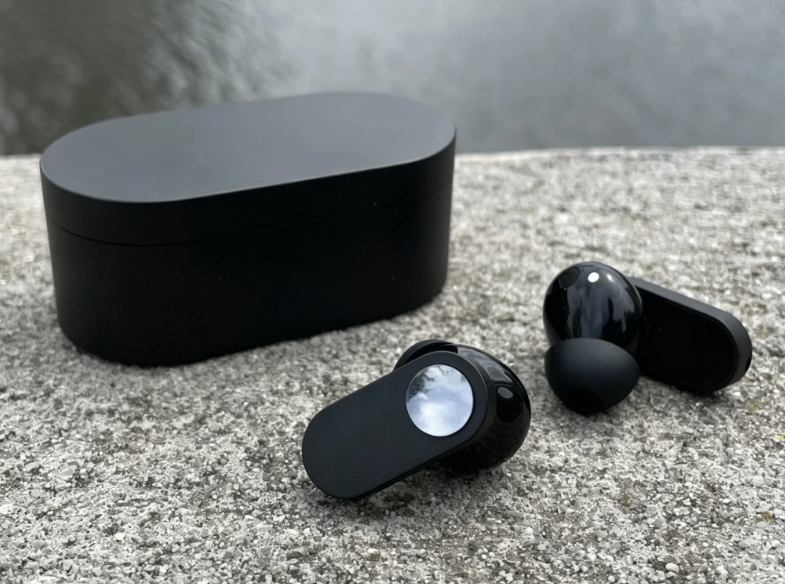
Elektroakustische und professionelle audiovisuelle Infrastruktur
Materialauswahl: Wir verarbeiten die Aluminiumlegierungen 6061 und 7075 in Akustikqualität mit größter Sorgfalt. Dies gewährleistet eine gute strukturelle Dämpfung und ein hohes Resonanzverhalten.
Technischer Vorteil: Eine Oberflächenrauheit unter Ra 0,8 μm wird durch präzise Werkzeugwege erreicht. Dies reduziert interne Schallreflexionen und sorgt für eine klare Audioausgabe.
3C Elektronikzubehör und intelligente Terminals
Materialauswahl: Hochwertige Aluminiumlegierungen, langlebige Edelstähle und robuste technische Kunststoffe wie PEEK oder POM.
Komponentenbeispiele: Strukturelle Erweiterungsdocks, hochfeste iPad-Hubs, kundenspezifische Unibody-Gehäuse für Laptops und interne Wärmeableitungsrahmen.
Technischer Vorteil: CNC-Drehen und -Fräsen sorgen für die präzise Ausrichtung komplexer Ausschnitte mit schnell laufenden Leiterplatten im Inneren dieser Teile.
Automobilsysteme und hochpräzise Befestigungselemente
Materialauswahl: Hochfeste legierte Stähle, Titanlegierungen und leichte Aluminiumkonstruktionen.
Technischer Vorteil: Die Fertigung erfolgt gemäß den IATF-16949-Regeln. Dies gewährleistet die für Bauteile unter wiederholter Belastung erforderliche Dauerfestigkeit.
Optimierung der Skalierung durch integrierte vertikale Produktionsdienstleistungen
Der Übergang zur Massenproduktion gelingt besser mit einem durchgängigen Fertigungsprozess. Dieser umfasst die Rohstoffbeschaffung bis hin zur abschließenden Oberflächenvorbereitung.
Umfassende Oberflächenveredelungslösungen
Anodisieren und chemische Passivieren: Hartanodisieren nach Typ II und Typ III bietet eine hohe Beständigkeit gegen Korrosion und Verschleiß. Zudem ermöglicht es die präzise Auswahl von Farben für eine optimale Optik.
Hochwertige mechanische Oberflächenbearbeitung: Durch hochpräzises Kugelstrahlen und Polieren werden selbst kleinste Werkzeugspuren entfernt. Dies sorgt für eine glatte Haptik der Oberflächen, die für den Kunden sichtbar sind.
Permanente Markenintegration: Galvanisierung, Siebdruck und Faserlasergravur sorgen für dauerhafte Markierungen. Dazu gehören Seriennummern, Texte und Logos, die dauerhaft fixiert bleiben.
Strenge Qualitätssicherungsarchitektur
Erstmusterprüfung (FAI): Wir prüfen das erste Teil jeder neuen Produktionscharge mit vollständigen Maßkontrollen. Dadurch wird sichergestellt, dass die Einstellungen korrekt sind, bevor der Rest der Charge geprüft wird.
100 % Maßprüfung: Wichtige Merkmale wie Presspassungen und Gewinde werden umfassend geprüft. Dies trägt dazu bei, dass die Teile im praktischen Einsatz einwandfrei funktionieren.
Beschleunigen Sie Ihren Weg vom Prototyp zur Markteinführung
Hohe Werkzeugkosten und lange Lieferzeiten verlangsamen häufig Hardwareprojekte. Die Partnerschaft mit Rejin CNC eröffnet Ihnen die Möglichkeit der 3-, 4- und 5-Achs-Bearbeitung sowie Experten-DFM-Prüfungen und Unterstützung für Kleinserien.
Senden Sie Ihre STEP/IGS-Dateien und Zeichnungen an unser Team unter Ruonan@rejincnc.com. Dies verkürzt die Einrichtungszeit und beschleunigt Ihre Markteinführung.
FAQ (häufig gestellte Fragen)
F: Warum sollte man bei der Herstellung funktionaler Produktprototypen die CNC-Bearbeitung in Kleinserien dem 3D-Druck vorziehen?
A: 3D-Druck eignet sich gut für einfache Konzeptmodelle. Die CNC-Bearbeitung hingegen verwendet echte Produktionsmetalle und technische Kunststoffe. Sie liefert die mechanischen Eigenschaften, Festigkeit, engen Toleranzen und Oberflächengüten, die für Belastungstests und Zertifizierungen erforderlich sind.
F: Wie trägt die Fertigung kleiner Stückzahlen zum Schutz des Cashflows eines Hardware-Startups bei?
A: Dadurch werden die hohen Kosten für Stahlformen zum Spritzgießen oder Stanzen vermieden. Startups können kleine Chargen dessen herstellen, was sie aktuell benötigen, haben so genügend Kapital für Designänderungen und verhindern, dass sich überschüssige Lagerbestände anhäufen.
F: Was sind die wichtigsten Konstruktionsfaktoren, die die Stückkosten von CNC-Teilen in kleinen Stückzahlen in die Höhe treiben?
A: Die Kosten steigen bei Teilen, die mehrere Maschinenaufspannungen erfordern. Extrem enge Toleranzen unter ±0,005 mm verteuern die Fertigung zusätzlich. Tiefe, rechtwinklige Ecken erfordern oft die Bearbeitung mittels Funkenerosion, und harte Werkstoffe wie Titan oder Werkzeugstähle erhöhen den Preis weiter.
F: Können CNC-gefertigte Kleinserienteile direkt als Endprodukte für die Markteinführung verwendet werden?
A: Ja. Hochpräzise Oberflächenbehandlungen wie Hartanodisieren, Galvanisieren, Lasergravieren und Kugelstrahlen verleihen den Teilen eine hohe Festigkeit und ein sauberes Aussehen, das zu serienmäßig hergestellten Artikeln passt.
Der Bestellprozess ist einfach:
1.Senden Sie Ihre Entwurfsdateien
2.Select Materialien und Fertigungsprozesse
3.Receive Angebot
4. Bestätigen Sie die Bestellung
5. Produktion und Lieferung
Wir bieten ein breites Spektrum an Dienstleistungen, einschließlich CNC-Bearbeitungsdienstleistungen, Blechfertigung, Oberflächenverbindungslösungen und DFM-Analysesupport.
Wir bieten mehrere CNC-Bearbeitungsmaterialien an, wie Kupfer (Cu), Eisen (Fe), Aluminium (Al), Edelstahl und Ingenieurkunststoffe.
Wir akzeptieren Kreditkarte, PayPal und T / T Banküberweisung.
- Ja. - Ja. Sie können Ihre Bestellung über unser Online-Tracking-System verfolgen oder unser Support-Team über das Customer Support-Team kontaktieren.
Unsere CNC-Bearbeitung liefert eine hohe Präzision, typischerweise mit einer Toleranz von bis zu ±0,005mm, je nach Material und Komplexität des Teils.
- Ja. - Ja. Wir bieten Ihnen Design- und Engineering-Unterstützung, um Ihre Ideen zum Leben zu erwecken. Unser Team kann Ihnen bei Produktdesign, Prototyping und Optimierung helfen.
Unsere iPad-Naben sind CNC-bearbeitet aus hochwertigen Metallmaterialien, die eine stabile Struktur, eine effiziente Wärmeableitung und eine präzise Schnittstelle bieten
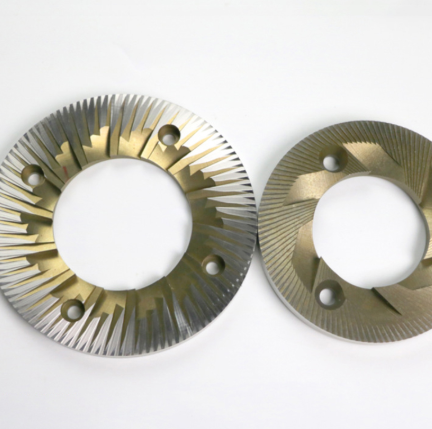
Ein professioneller Hersteller, der sich auf kundenspezifische, nicht-standard CNC-Bearbeitung mechanischer Teile spezialisiert hat. Wir können eine breite Palette an speziellen Gehäusen und anderen Kaffeemaschinenkomponenten nach Kundenanforderungen mit einer breiten Auswahl an Materialien anpassen. Fühlen Sie sich frei, uns für Anfragen zu kontaktieren!
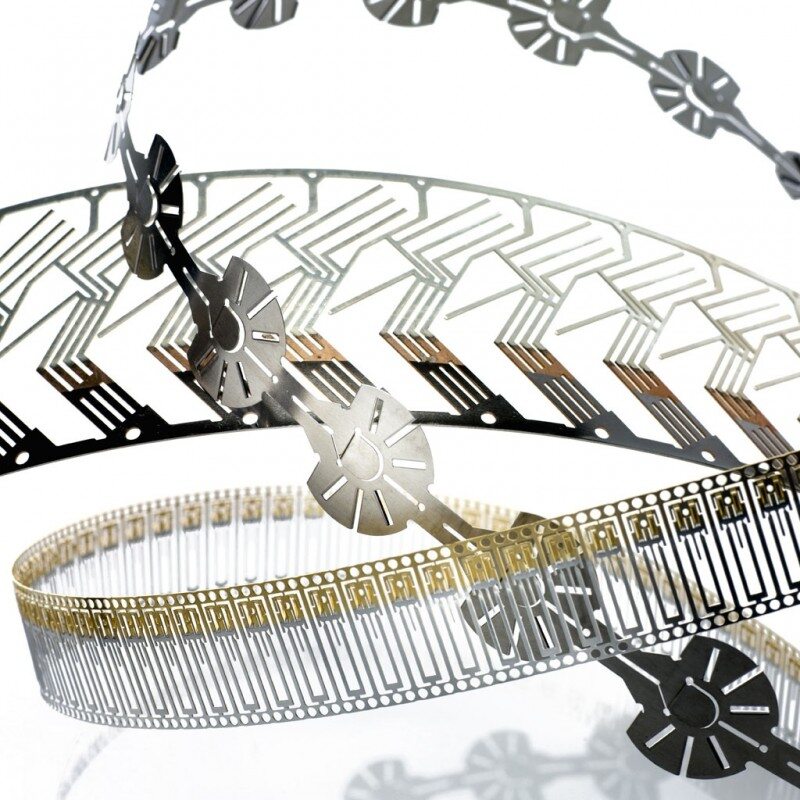
Rejin CNC fertigt Präzisionsstempelteile mit hoher Dimensionsgenauigkeit und konsistenter Qualität. Unsere Metallstempelkomponenten werden weit verbreitet in der Elektronik, Automobil- und Industrieausrüstung und unterstützen die OEM- und ODM-Produktion.
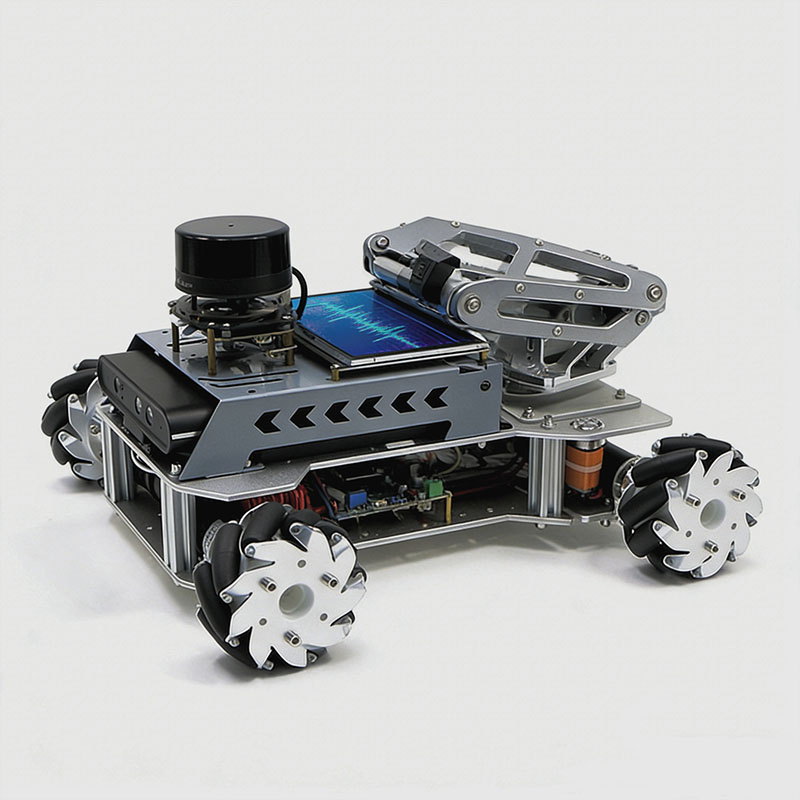
Diese CNC-bearbeiteten Roboterkomponenten sind für Robotersysteme entwickelt, einschließlich Gelenkteile, Wellen und Bauteile. Hohe Präzision sorgt für reibungslose Bewegung und langfristige Stabilität.
Rejin CNC | Custom CNC Machining & Sheet Metal Manufacturer
From Blueprint To Finished Precision Metal Parts | ISO & IATF Certified Custom OEM Factory
Upload your CAD drawings & specifications, get a customized quotation within 24 hours. We provide free design support, ultra-tight tolerance machining and full quality inspection for all OEM orders.


 Sie waren