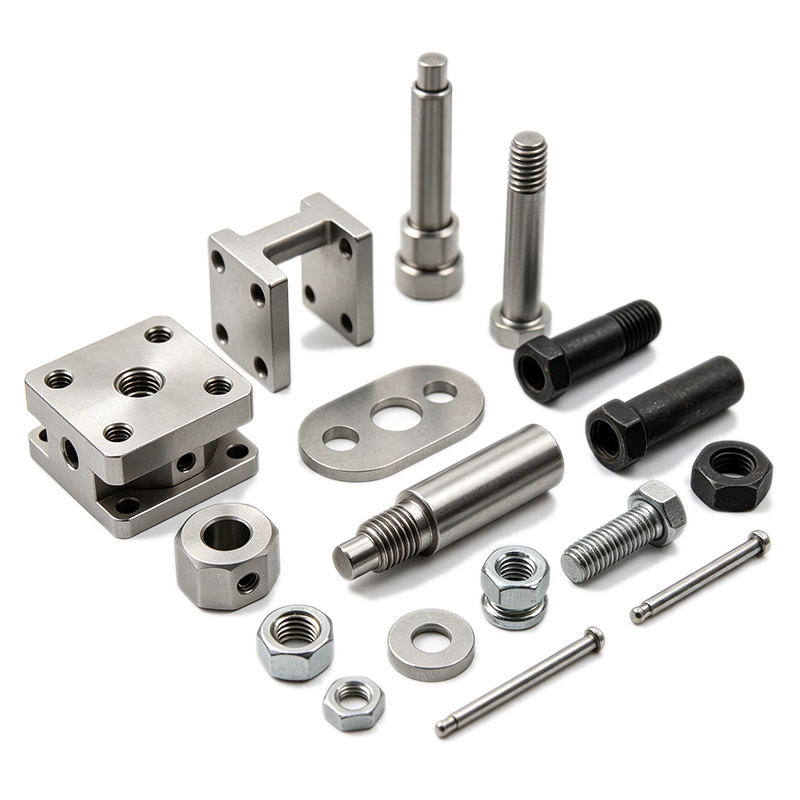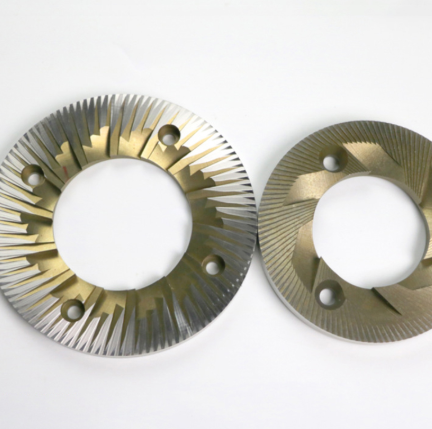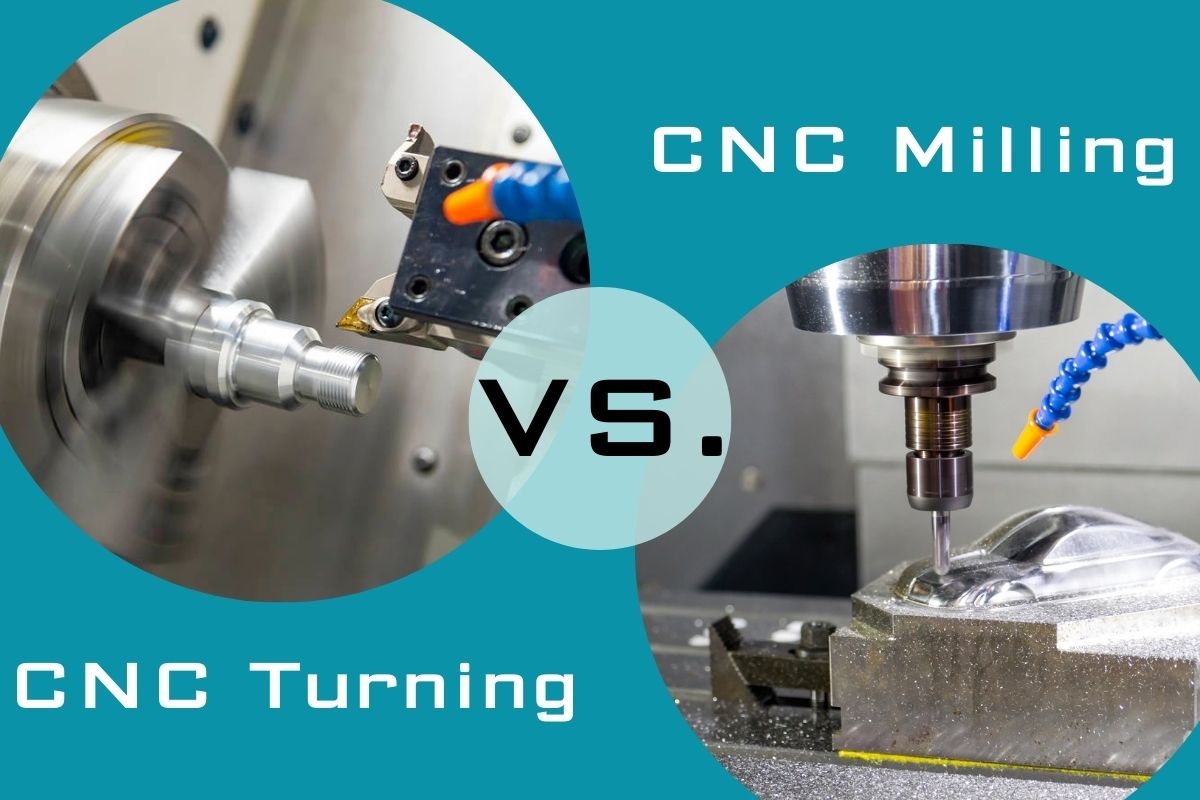
When it comes to precision engineering, the selection of a suitable subtractive manufacturing technique is essential to save cost and enhance efficiency. Design engineers and procurement professionals dealing with miniature components used in electrical appliances, medical equipment, or aviation products can be required to select either CNC turning or CNC milling technology. Rejin CNC works as a certified ISO 9001:2015 and IATF 16949 manufacturer. This business specializes in providing top-notch CNC machining service, tight tolerances, superior surface finishing, and timely deliveries. Understanding the real differences between these two techniques makes it possible to develop parts effectively.
Core Mechanics: How Turning and Milling Shape Your Parts
Choosing the best production route starts with understanding how each method handles raw material during cutting.
The Mechanics of CNC Turning
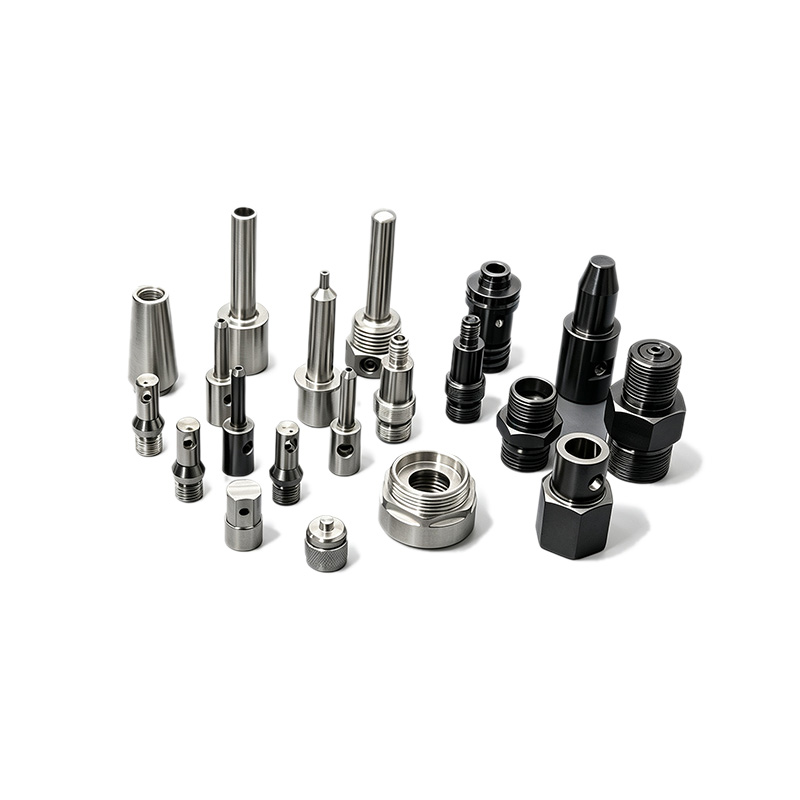
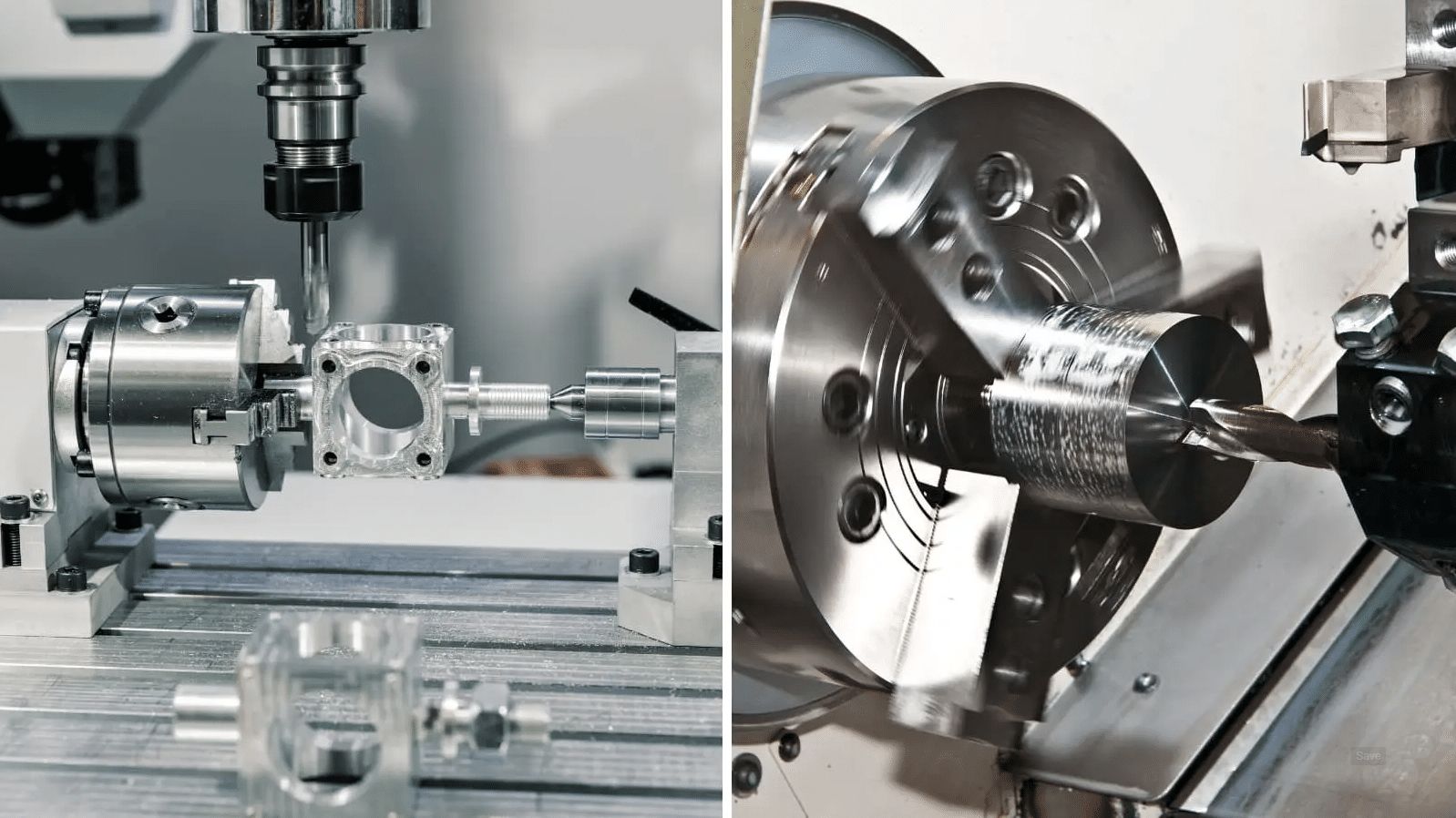
CNC turning works well for round parts. The material spins quickly in a chuck while a fixed tool removes excess stock.
- Rotational Symmetry: The workpiece sits firmly in a fast-spinning chuck. This setup suits parts that need even, round shapes.
- Subtractive Pathing: Tools move along the X and Z directions to cut away material. The result keeps excellent roundness throughout the piece.
- Component Focus: This process fits cylindrical items such as small shafts, custom screws, bushings, and pins.
The Mechanics of CNC Milling
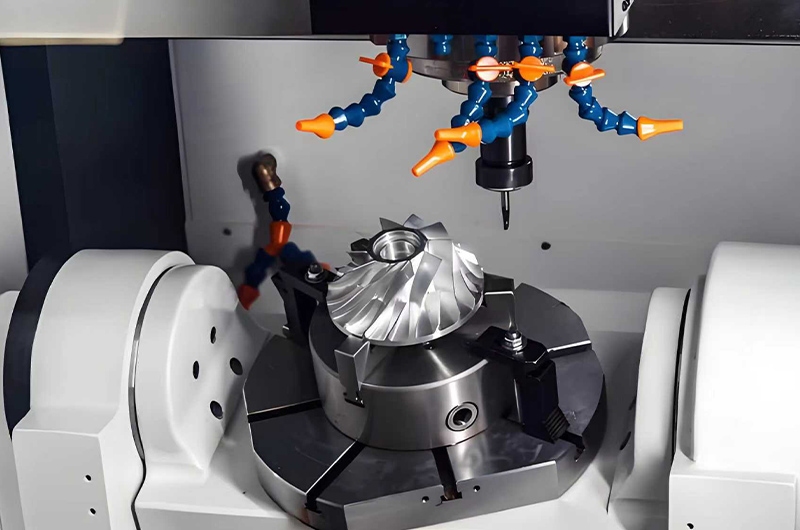
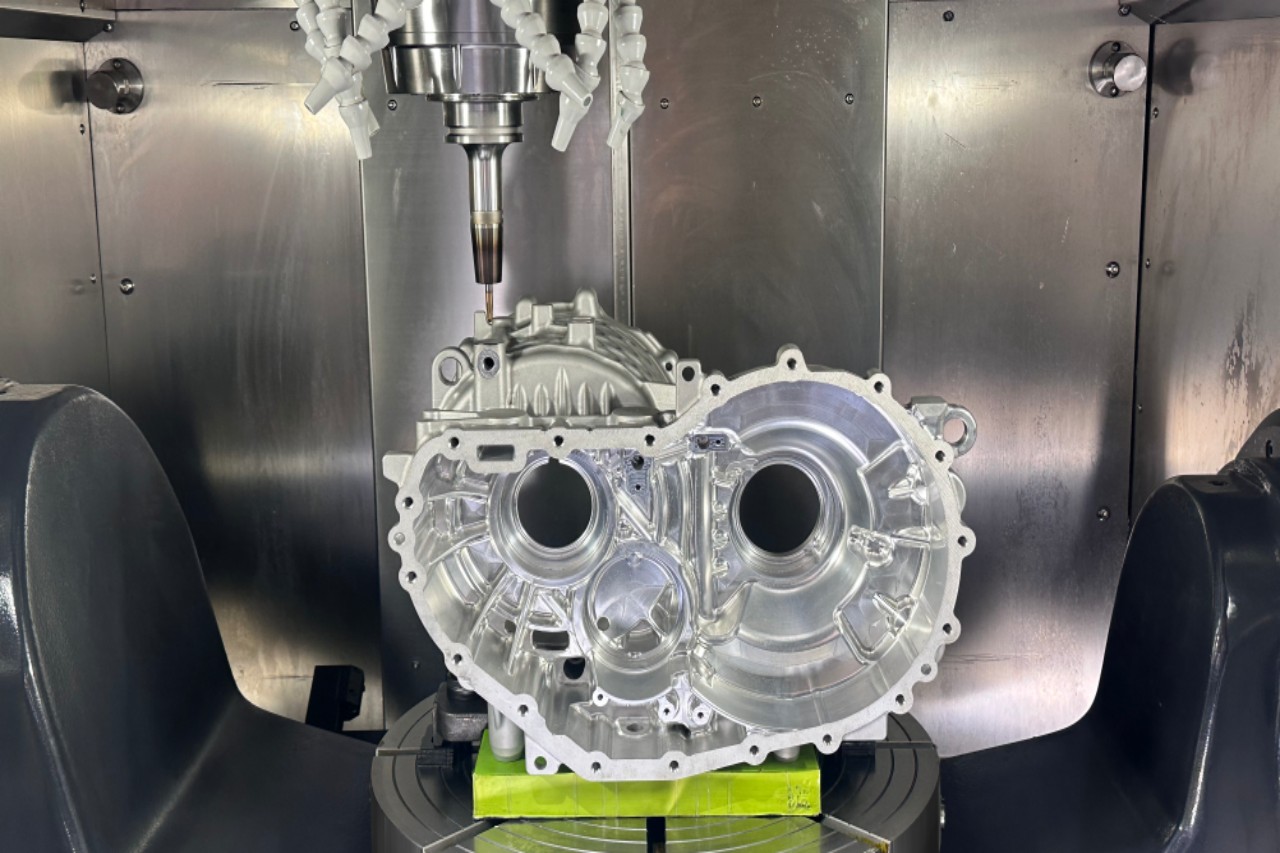
CNC milling holds the material still while rotating cutters move around it to create detailed shapes.
- Multi-Axis Movement: Tools travel across three, four, or five axes. They follow complex paths over a fixed block.
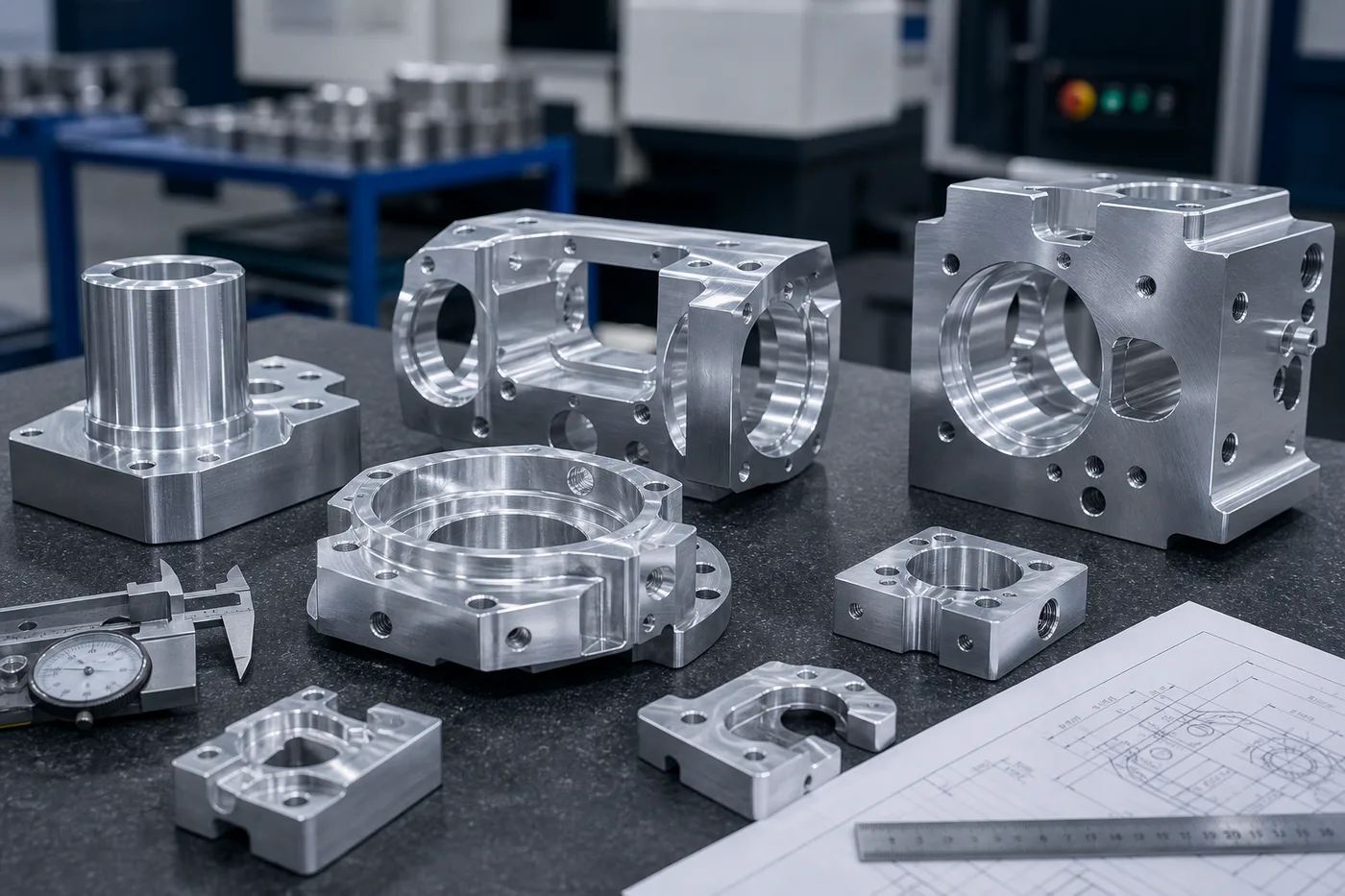
- Prismatic Shaping: The method quickly removes material to form square, angled, or free-flowing shapes.
- Component Focus: Milling stands out for detailed enclosures, support brackets, and multi-sided connectors.
Technical Comparison: Accuracy, Geometry, and Materials
When tight tolerances decide the success of medical assemblies or aerospace parts, specific details matter more than general talk.
Precision and Dimensional Consistency
Producing thousands of small parts with micron-level accuracy calls for stable machines and careful setup.
- Ultra-Tight Tolerances: Rejin CNC runs advanced equipment that holds dimensions down to ±0.001mm in many cases.
- High Repeatability: Computer programs remove human mistakes. This delivers the same results across large batches of components.
- Friction Elimination: Consistent sizes prevent fitting problems. Parts go together smoothly in sensitive assemblies.
Geometric Complexity and Multi-Axis Capabilities
The shapes you can create depend on how freely the machine can reach the material from different directions.
- 5-Axis Simultaneous Linkage: Advanced milling removes the buildup of errors that happen when parts get moved and clamped again.
- Single-Setup Execution: Deep holes, thin walls, curved faces, and uneven outlines form in one holding position.
- Structural Integrity: Fewer repositionings keep features aligned properly on complicated pieces.
Material Adaptability and Hardened Stock
Modern parts come from many different metals and tough engineering plastics.
- Exotic Metals: Special setups manage hard materials like titanium alloys, 304/316 stainless steel, and copper without major issues.
- Lightweight Alloys: Grades such as 6061 and 7075 aluminum machine cleanly at good speeds and resist warping from heat.
- Specialized Polymers: Industrial plastics cut smoothly without cracking or leaving rough edges.
Surface Quality and Secondary Post-Processing
Many industrial parts need particular finishes to handle moisture, wear, or appearance requirements.
Achieving High-Grade Surface Roughness
Feed rate, spindle speed, and tool shape work together to set the initial surface condition.
- Premium Finishes: Good tooling produces surface roughness from Ra0.2 to Ra1.6 in many cases.
- Friction Reduction: Smooth starting surfaces often remove the need for extra hand polishing and save on costs.
- Micro-Burr Removal: Clean edges help sensitive parts work properly inside compact electronic devices.
Integrated Surface Finishing Solutions
A complete process moves easily from machining to final treatments.
- Anodizing & Sandblasting: These treatments protect aluminum parts from corrosion and give a nice, even appearance.
- Electroplating & Heat Treatment: They add wear resistance and hardness to small steel components under stress.
- Permanent Marking: Laser engraving and silk screening add serial numbers and identification marks directly on the parts.
Choosing the Right Process for Your Industry
Different sectors face unique challenges that point toward either turning or milling.
Optimal Scenarios for Precision Turning
Turning excels when parts need perfect roundness and even fits for long service life.
- 3C Electronics: Custom aluminum earphone parts require accurate roundness for internal sound drivers.
- High-Precision Fasteners: Small threaded screws and lock pins used in robotic joints benefit from this method.
- Medical Hardware: Tiny shafts and guide pins need very smooth surfaces to meet medical standards.

Optimal Scenarios for Complex Milling
Milling becomes the better choice when designs move beyond round shapes to include multiple faces and details.
- Aerospace & Drones: Lightweight structural pieces from 7075 aluminum come from solid blocks with clean results.
- Consumer Hubs: Milled metal docks and enclosures feature precise ports and effective heat dissipation areas.
- Automotive Brackets: Custom sensor mounts and fluid housings for electric vehicles match exact requirements.
Support Services: Streamlining From Blueprint to Production
A good manufacturing partner offers more than cutting. It includes design checking and clear quality records.
Design for Manufacturing (DFM) Optimization
Finding issues in the digital model before cutting material saves time and money.
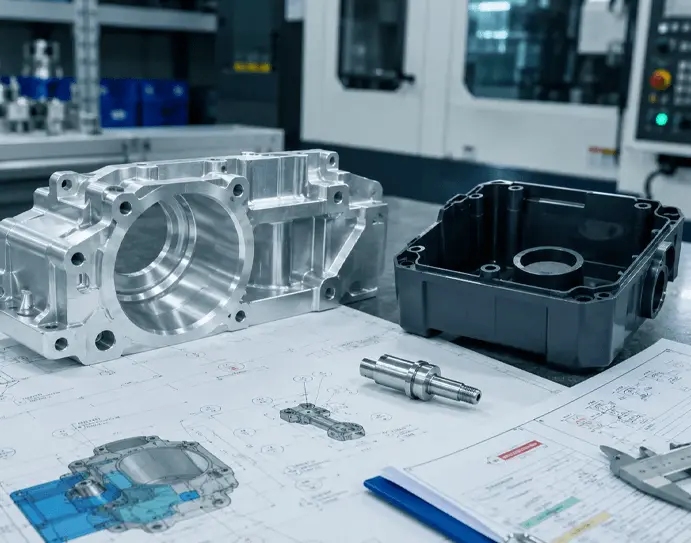
- Blueprint Refinement: Engineers examine 2D and 3D files to catch costly features or machining problems early.
- Toolpath Optimization: Practical suggestions on design and material make small parts simpler and cheaper to produce in quantity.
- Prototype Acceleration: Quick feedback shortens early sample runs to 3 to 7 days in many projects.
Turnkey Quality Assurance and Rapid Delivery
Moving from approved design to steady production needs reliable equipment and testing.
- Full-Process QA: Inspections start with the first article and continue through complete batch checks. Critical measurements stay under control.
- Traceable Documentation: Each delivery includes detailed reports that confirm all specifications were met.
- Flexible Scale: The production setup manages small prototype runs and large orders with similar attention to detail.
Optimize Your Supply Chain Today
Poor tolerances, slow deliveries, and assembly problems cost time and money. Rejin CNC provides accurate CNC machining, close tolerance work, quality surface results, and dependable schedules. Whether you need small turned acoustic components or complex 5-axis milled aerospace pieces, the engineering team stands ready to support your project.
[Get a Free Quote Within 24 Hours] Upload your 2D/3D drawings (STEP, IGES, DWG) now at Ruonan@rejincnc.com or reach out via WhatsApp at +86 18362358467 to start your next project.
FAQ
Q: Which process is more cost-effective for producing simple cylindrical parts, CNC turning or CNC milling?
A: CNC turning usually costs less for round parts. The steady rotation removes material faster and causes less wear on tools than milling does.
Q: Can a single high-precision component combine both CNC turning and CNC milling processes?
A: Yes. Many complex small parts run on turn-mill machines. These combine a spinning chuck with live milling tools to finish the piece in one holding.
Q: How does material hardness affect the choice between turning and milling for micro-components?
A: Harder materials like titanium create more heat. Turning manages round shapes well through continuous cuts. Milling needs strong 5-axis setups and careful tool paths to avoid breaking tools.
Q: What is the primary factor causing dimensional deviations in mass-produced small CNC parts?
A: Tool wear and heat buildup cause most variations. Shops control this with automatic tool adjustment, steady coolant flow, and multiple inspection steps during production.


 Eren
Eren