Smooth Aerial Shots: Precision CNC-Machined Camera Gimbals
Eren
26th June 2026
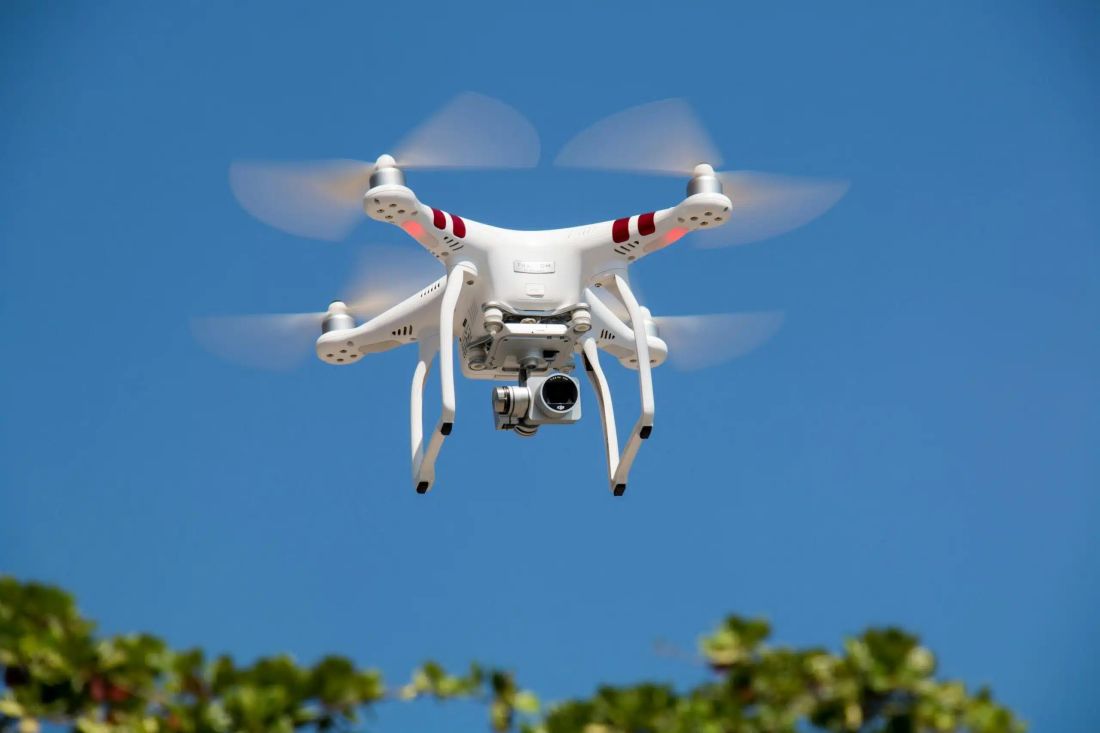
In professional aerial cinematography and industrial drone inspections, even a short burst of structural vibration can spoil hours of recorded footage or damage important data. High-altitude conditions expose UAVs to strong winds and constant motor vibrations. Stabilizing frameworks, therefore, need to work without any flaws. Camera gimbals and damping mounts built to exact standards deliver the smooth panning and steady images that professionals rely on.
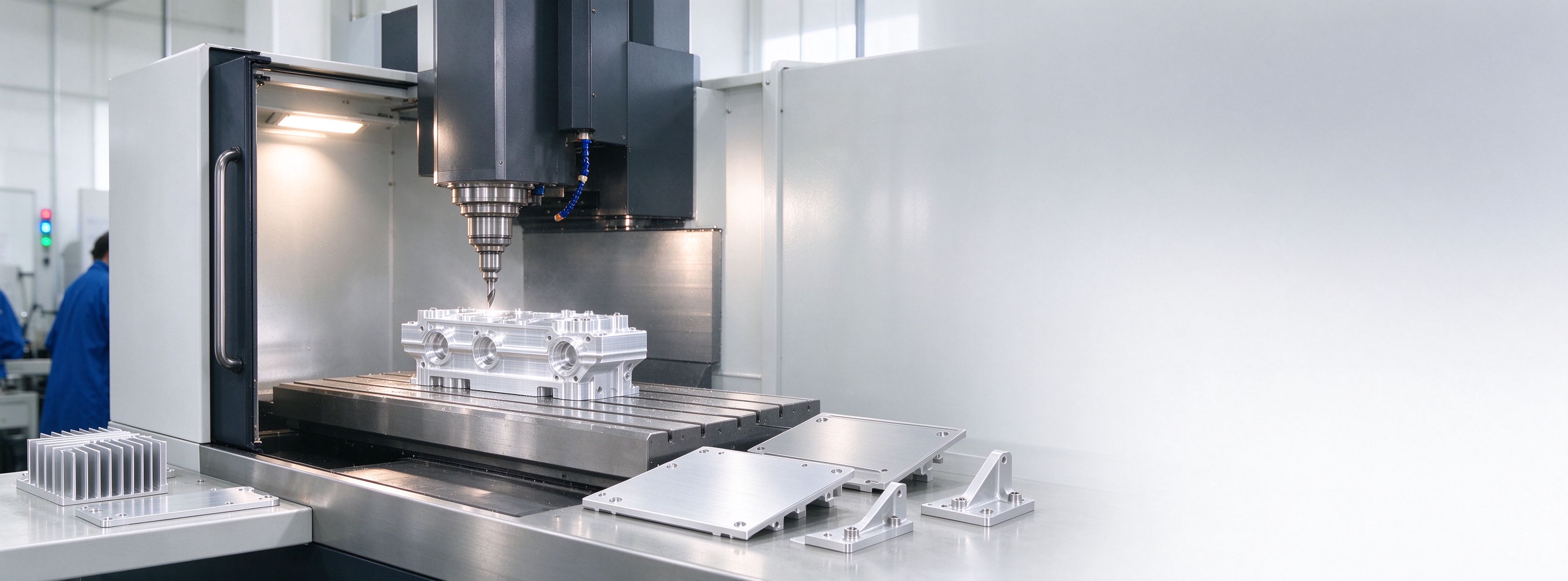
At Rejin CNC, the team develops manufacturing methods that connect detailed aerospace plans with actual performance on the job. As an ISO 9001:2015 and IATF 16949 certified precision machining facility, we operate over 100 high-end machining centers, including premium imports from Brother, Fanuc, and Mazak. This high-tier equipment capability allows us to produce accurate components strong enough for the stresses of real flight work, backed by verifiable third-party quality standards. Close attention to tolerances and smart material choices helps engineering teams remove tiny vibrations at the hardware level before they affect the camera.
Structural Integrity: Eliminating Micro-Vibrations through Materials
The raw material chosen determines how effectively an aerial camera mount deals with high-frequency vibrations in tough flight conditions.
High-Grade Lightweight Alloys for UAV Frameworks
Industrial drone designs require a careful balance between solid strength and keeping added weight as low as possible.
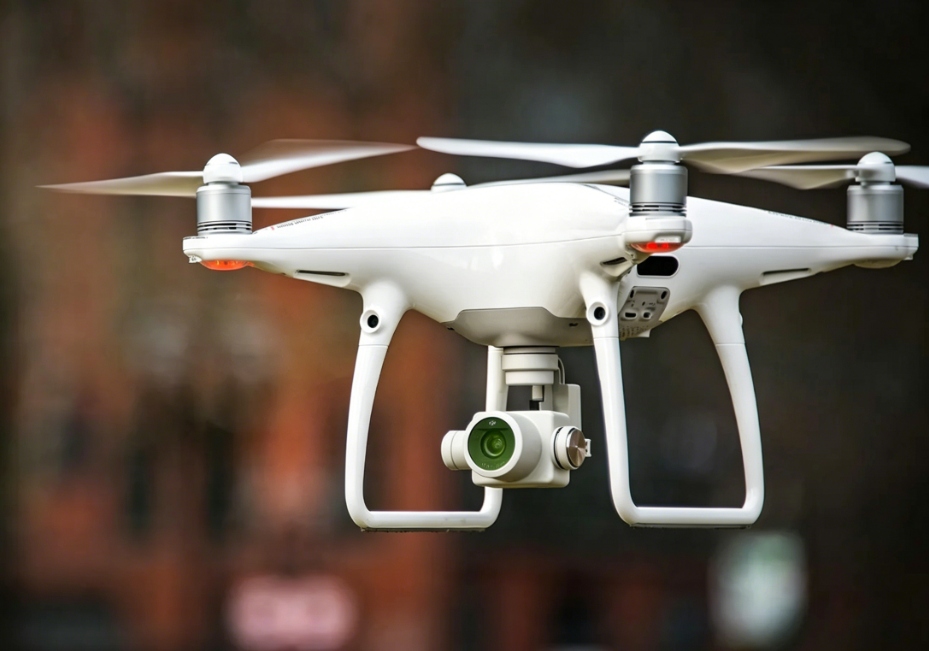
6061 & 7075 Aluminum Customization: We machine gimbal arms and bracket clamps from aircraft-grade aluminum. This gives solid support while staying light enough to avoid draining drone battery life during long flights.
Magnesium-Aluminum Implementations: For high-end cinematography work, magnesium alloys produce very light structures. These reduce total system weight and allow quicker response in the air.
Resonance Suppression Engineering: Materials picked for their ability to absorb vibrations naturally keep motor noise away from sensitive camera sensors. This step makes a real difference in footage shot through bumpy air over extended periods.
Advanced Surface Treatments for Harsh Outdoor Operations
Machined parts need good surface protection to maintain exact dimensions in marine environments, hot, humid zones, or dusty job sites. Through our advanced Surface Treatments and fully automated anodizing lines, we ensure extreme climate resilience:
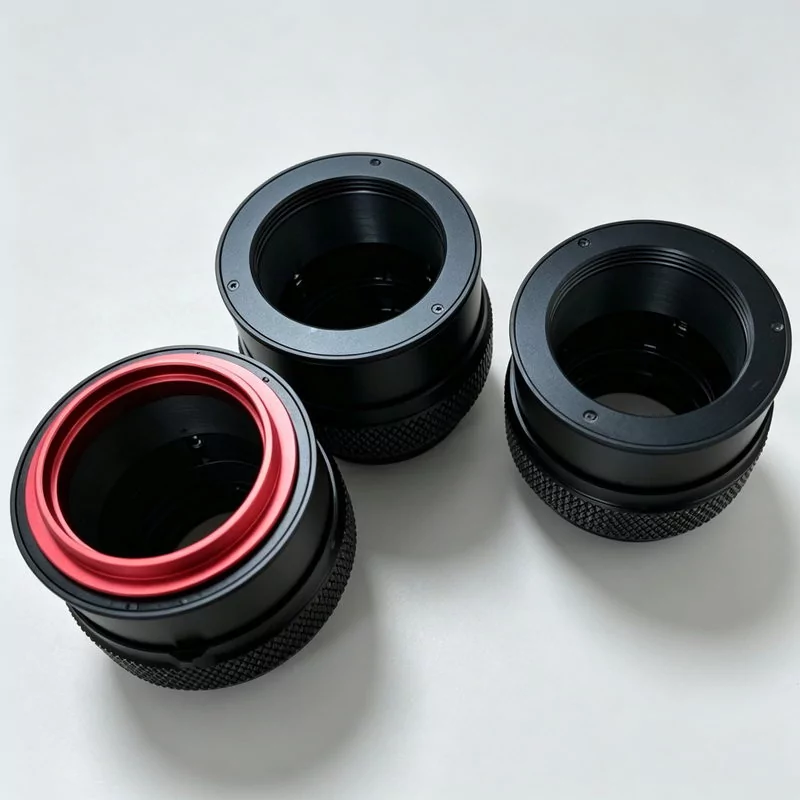
Type II and Type III Hard Anodizing: The treatment builds a tough outer layer that stands up to corrosion. It stops weather exposure from changing component sizes or fit over repeated missions.
Fine-Grit Bead Blasting: This clears machining marks and leaves a uniform matte surface. The finish cuts down on sun glare and unwanted reflections that could appear in the video from various shooting angles.
Laser Engraving for Part Tracking: Permanent marks on each piece make identification straightforward. Crews can line up parts correctly during on-site assembly without confusion.
Ultra-Precision Machining: Achieving Flawless Linkage and Balance
Even a tiny misalignment in components can force gimbal motors to strain, which shows up as visible shake on screen.
Multi-Axis Link CNC Milling for Complex Geometric Gimbals
Single-piece gimbal frames call for specialized equipment to avoid the alignment buildup that happens with multiple separate parts.
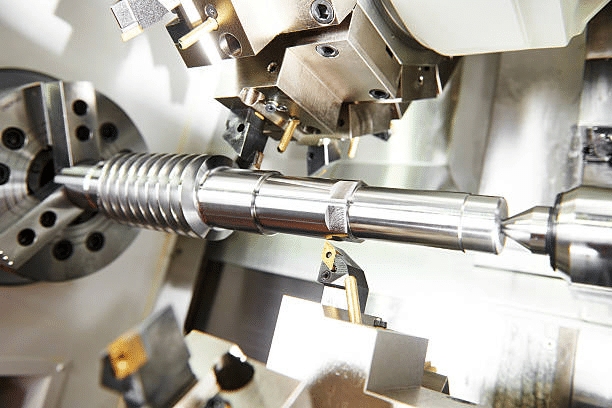
Simultaneous 5-Axis Linkage Machining: Utilizing multi-axis equipment like Mazak linkage centers, our 5-Axis CNC Machining handles intricate curved shapes in a single setup. This approach limits errors that might appear if parts required several separate operations.
±01mm Tolerance Management: Working strictly to these measurements stops extra play at connection points. The result keeps everything stable during quick camera movements.
Monolithic Structural Integration: Cutting each component from one solid block of metal builds greater overall strength. It avoids the weaker areas typical of welded or fastened constructions.
High-Volume CNC Turning for Smooth Circular Rotation Hubs
Good panning and tilting depend on hubs, bearing seats, and motor mounts that stay perfectly round.
High-Speed Rotational Accuracy: CNC turning equipment creates bearing pockets with true centering. This prevents axes from sticking during operation.
Zero-Wobble Pivot Points: Exact roundness allows free and steady movement on every axis. Teams in the field notice how the camera holds position reliably through turns and adjustments.
Mass-Production Consistency: Digital control programs help every part match approved dimensions, whether it is the first sample or the one-thousandth unit off the line.
Case Study: Industrial UAV Damping Components
To give B2B procurement teams a transparent reference for our operational scale and capacity, here is a verified production case:
Client Profile: A leading European industrial drone inspection brand.
Project Requirements: Lightweight 7075 aluminum gimbal brackets and multi-axis linkage arms requiring ±0.008mm tolerances and Type III hard anodizing.
Production Volume & Scalability: Initial prototyping completed within 5 days. Successfully transitioned into an ongoing high-volume run of 35,000 sets annually.
Capacity & Lead Times: Backed by our monthly capacity of over 100,000 precision parts, batch deliveries maintained a 100% on-time delivery rate with an internal dimension qualification rate of ≥99.5%.
Flexible Order Framework: We accommodate scalable commercial needs, offering flexible MOQs starting from 1–5 units for rapid R&D prototypes up to 10,000+ units for full-scale OEM mass production.
Engineering Support and Quality Assurance: From Prototype to Flight
Reliable hardware comes from early reviews and careful checks before anything ships.
Design For Manufacturing (DFM) Support for Component Optimization
Looking at drawings early catches potential problems. This saves money by reducing material waste and avoiding production delays.
Wall Thickness Evaluation: The team examines CAD files to balance thin sections for weight savings with enough material to prevent bending. Parts stay stable both during machining and in actual flight.
Corner Radius Refinement: Small changes to inside corners match standard cutting tools better. These adjustments reduce tool wear and help keep costs down on larger production runs.
Assembly Feasibility Analysis: Reviews confirm that interlocking parts fit together cleanly. In addition to CNC machining, our comprehensive Sheet Metal Fabrication services support integrated enclosure and chassis assemblies, ensuring field crews can finish final setup without constant small adjustments.
Comprehensive Quality Inspection Protocols
A camera mount proves its value through inspection records that confirm its dimensions and geometry.
First Article Inspection (FAI): Thorough measurements on initial parts establish production standards. This confirms all details before full batches start.
Coordinate Measuring Machine (CMM) Audits: Automated probes examine three-dimensional features closely. They verify that parts match the original CAD specifications.
100% Inspection Services: Critical areas, including contact surfaces, bearing locations, and threaded sections, receive complete checks. This supports our zero-defect delivery goal.
Elevate Your Aerial Stabilization Systems
Manufacturing issues or loose tolerances can hold back the quality of your camera work. Rejin CNC supplies 5-axis milling, accurate turning, and strict quality steps to create balanced gimbals without unwanted movement. Our team reviews designs with a focus on lighter weight, solid build, and dependable rotation during flight.
E-mail: nicole@rejincnc.com
WhatsApp:+86 13790500374
FAQ
Q: Why are CNC-machined gimbals preferred over carbon fiber or 3D-printed alternatives for professional aerial imagery?
A: Carbon fiber stays light. Yet it lacks the uniform stiffness and strong threads that motor housings require. 3D printing often leaves layer lines that can weaken the build. CNC-machined metal parts give steady strength all the way through. They also hold tolerances as close as ±0.01mm. These qualities cut joint play and support smooth bearing movement.
Q: How does a tolerance of ±0.01mm directly impact the performance of a 3-axis camera gimbal?
A: Gimbals rely on fast brushless motors to offset drone motion. A shift of just 0.02mm in a bearing pocket or pivot can throw an axis out of line. Motors then work harder to correct the issue. The outcome appears as high-frequency vibration, extra power draw, and reduced motor life.
Q: What aluminum alloy is best suited for drone camera mounts operating in high-vibration and high-stress environments?
A: Aluminum 6061-T6 fits many structural pieces well. It offers good weldability, toughness, and corrosion resistance. For faster flights or heavier camera loads, Aluminum 7075-T6 works better. Its higher yield strength manages sharp maneuvers and lowers vibration resonance more effectively.
Q: How can design engineers prevent structural deformation when designing ultra-thin, lightweight gimbal arms?
A: Internal ribs placed at key spots add support without making walls too thin. A minimum thickness of 1.5 mm to 2.0 mm for aluminum parts limits warping during machining. The same method guards against bending or twisting under high-speed flight conditions.
The ordering process is simple:
1.Submit your design files
2.Select materials and manufacturing processes
3.Receive quotation
4.Confirm the order
5.Production and delivery
We provide a wide range of services, including CNC Machining Services, Sheet Metal Fabrication, Surface Finishing Solutions, and DFM Analysis Support.
We offer multiple CNC machining materials, such as Copper (Cu), Iron (Fe), Aluminum (Al), Stainless Steel, and Engineering Plastics.
We accept credit card, PayPal, and T/T Bank Transfer.
Yes. You can track your order via our online tracking system or contact our support team through Customer Support Team.
Our CNC machining delivers high precision, typically with a tolerance up to ±0.005mm, depending on the material and complexity of the part.
Yes. We offer design and engineering assistance to bring your ideas to life. Our team can help with product design, prototyping, and optimization.
A professional manufacturer specializing in custom, non-standard CNC machining of mechanical parts. We can tailor-make a wide range of special housings and other coffee machine components according to customer requirements, with a broad selection of materials available. Feel free to contact us for inquiries!
Rejin CNC manufactures precision stamping parts with high dimensional accuracy and consistent quality. Our metal stamping components are widely used in electronics, automotive, and industrial equipment, supporting OEM & ODM production.
These CNC machined robot components are designed for robotic systems, including joint parts, shafts, and structural components. High precision ensures smooth motion and long-term stability.