 author
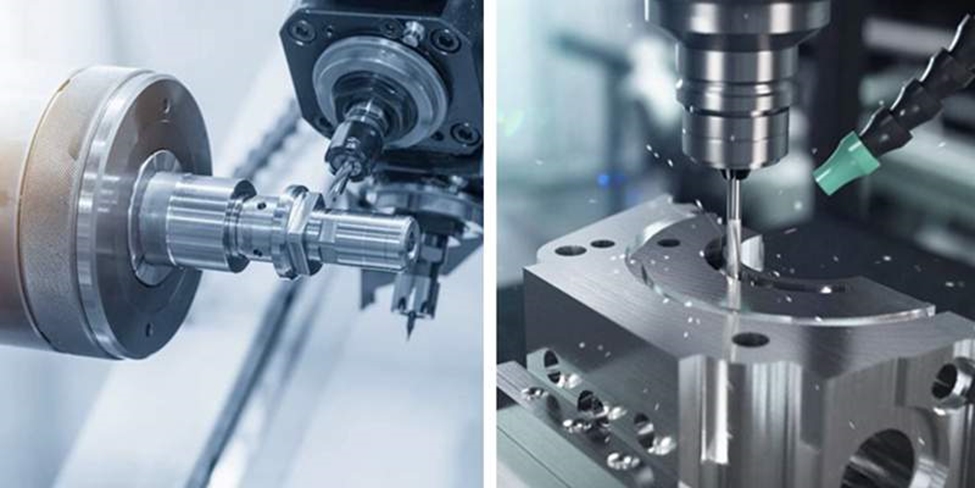
In the current fast-moving industrial environment, the time it takes to turn a design sketch into a finished product sold in stores often decides whether that product succeeds. The older approach faces growing pressure from a quicker method: small-batch rapid CNC machining.
Fields such as robotics, medical instruments, and aerospace can no longer afford waits of several months for tooling. Rejin CNC focuses on closing that delay. The company delivers accurate, one-off, or low-volume parts that let firms test ideas quickly and bring goods to customers sooner.
Manufacturing worldwide now leans away from uniform, catalog-standard pieces and toward detailed, custom-built components that combine several roles in one part. A number of practical reasons push this change.
Non-standard parts come from client-provided CAD files rather than any universal specification. They differ from stamping or molded items because no dedicated tool or die is needed upfront. That feature suits them well for runs of a few pieces up to several hundred.
Rejin CNC regularly handles structures such as these.
Working on custom, low-volume parts brings real challenges. It sits at the skilled, higher-value side of production.
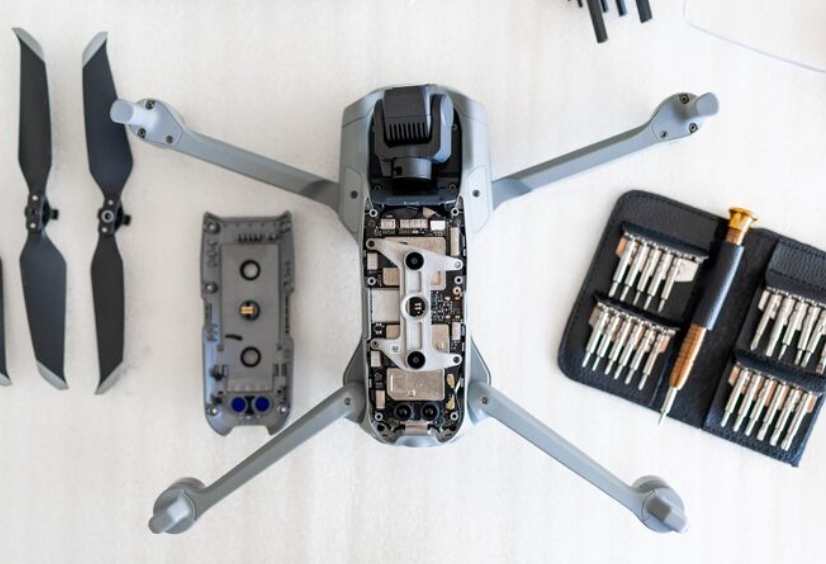
Newer designs frequently include deep pockets, slender sections, and surfaces that face several directions. Drone parts from Rejin CNC, for instance, need to stay light while keeping enough strength. That requires careful removal of material from various sides to reach the right balance.
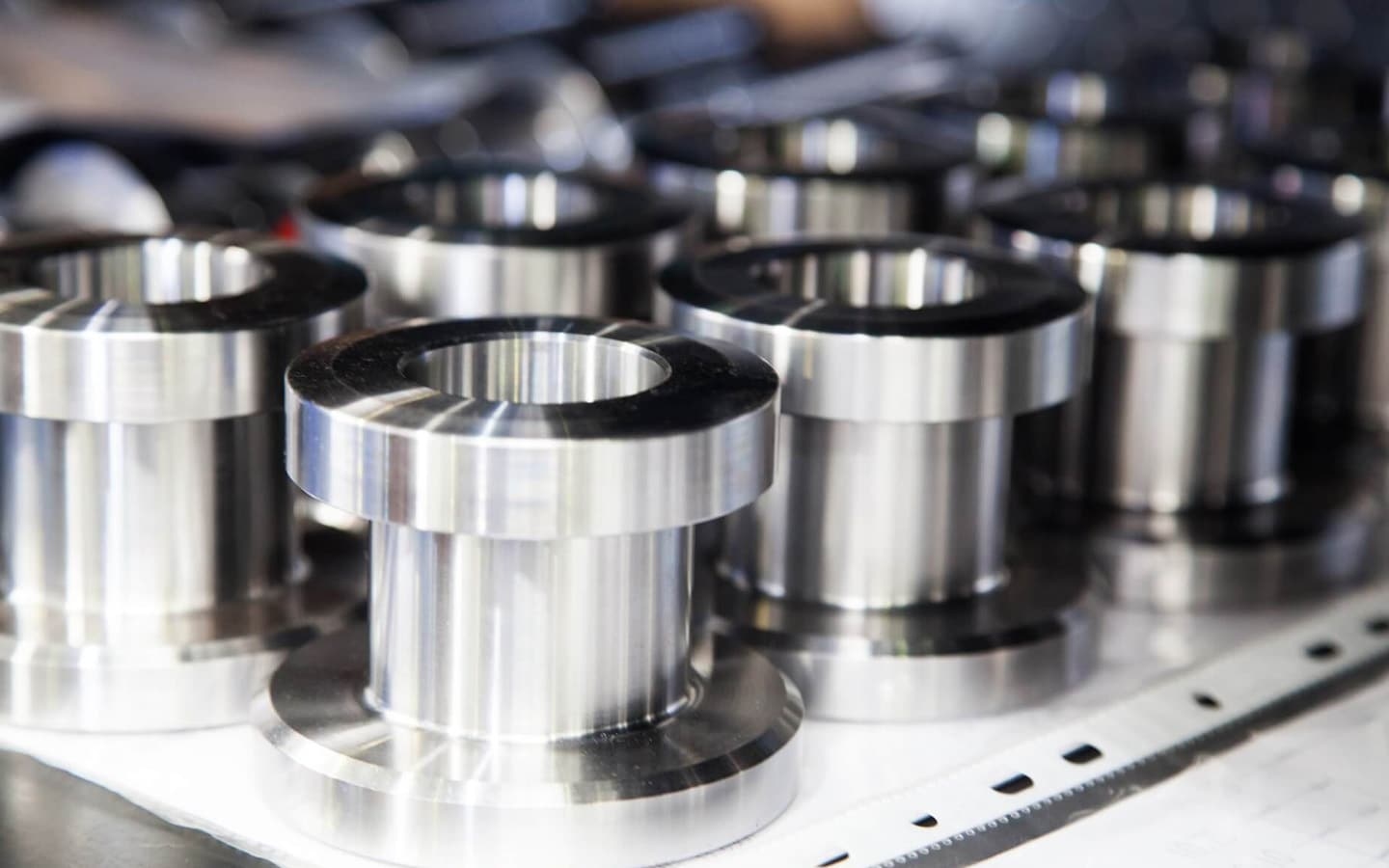
In limited runs, there is little margin for variation. When parts fit into a car’s fluid line or a robot arm joint, small mismatches add up and can stop the whole assembly from working. Rejin CNC relies on modern machines to hold dimensions within ±0.005mm, so all pieces in a batch of 50 align as intended.
Projects in small quantities often call for particular materials. The shop machines 6061 and 7075 Aluminum for aerospace uses, SUS304 and SUS316 Stainless Steel for medical and food-grade items, and high-grade plastics such as PEEK when low weight and electrical insulation matter.
CNC machining stands out for small-batch work because it combines adaptability with close accuracy.
Rejin CNC runs more than 100 machining centers, among them 3-axis, 4-axis, and 5-axis models. The 5-axis equipment changes the game for curved or angled shapes. It finishes complex forms in one clamping. Less resetting cuts wasted time and avoids errors that build up from moving the part between setups. That matters greatly for items like turbine blades or surgical tools.
Die casting and similar processes demand heavy upfront investment in molds plus weeks or months of waiting. CNC starts from a digital model and cuts material away step by step. For prototypes and early market tests, this path usually proves both cheaper and quicker.
Picking the correct stock goes beyond strength alone; it involves weighing performance against ease of cutting and final cost.
A capable partner does more than cut metal; it guides the entire job from start to finish.
The true benefit of rapid CNC shows up when it tackles everyday industry difficulties.
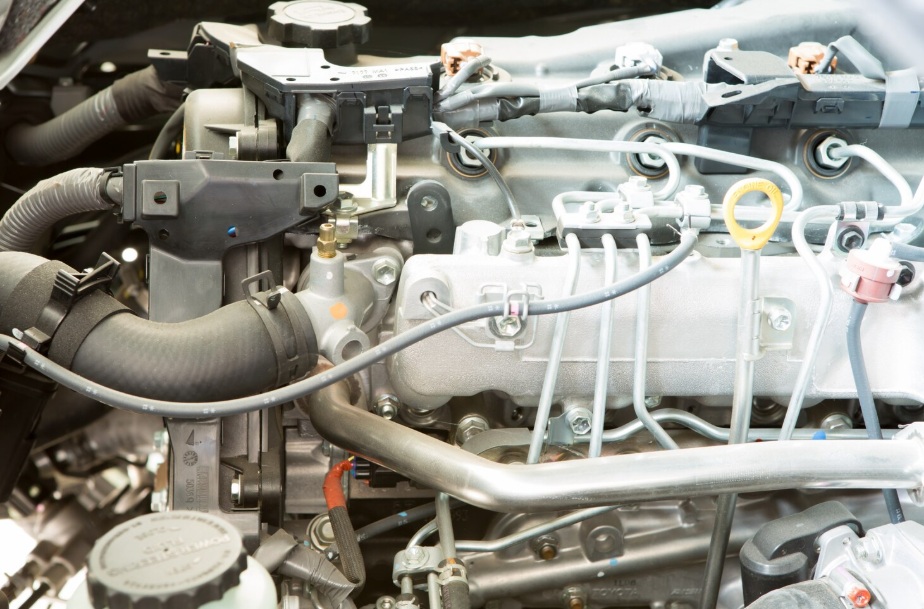
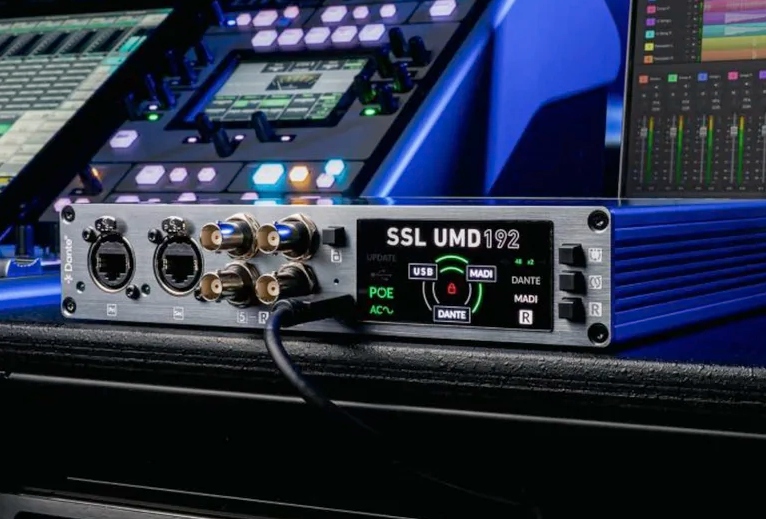
Small-batch production fuels today’s product advances. Working with a dedicated supplier like Rejin CNC brings 22 years of hands-on knowledge, an in-house anodizing line, and a steady focus on fine detail. Whether the task involves a medical robot or premium sound equipment, the full-service approach moves designs from screen to finished goods at a pace few others match.
Ready to move your project forward? Reach out to Rejin CNC for a no-charge DFM review and a detailed quote delivered within 24 hours.
A: 3D printing handles unusual shapes well, yet CNC delivers stronger parts, holds tolerances down to ±0.005mm, and supports finishes such as anodizing or fine polishing that printing struggles to match.
A: Aluminum 6061 generally offers the best value in small runs. It machines cleanly, balances strength against low weight, and accepts a range of surface treatments without added difficulty.
A: Early DFM review spots features that drive up expense or prove hard to cut before any metal is removed. Adjustments at that stage frequently cut production time and cost by 20-30%.
A: Detailed process sheets lock in every step. First Article Inspection sets the standard, followed by ongoing spot checks and a complete final inspection of key dimensions on every piece.