
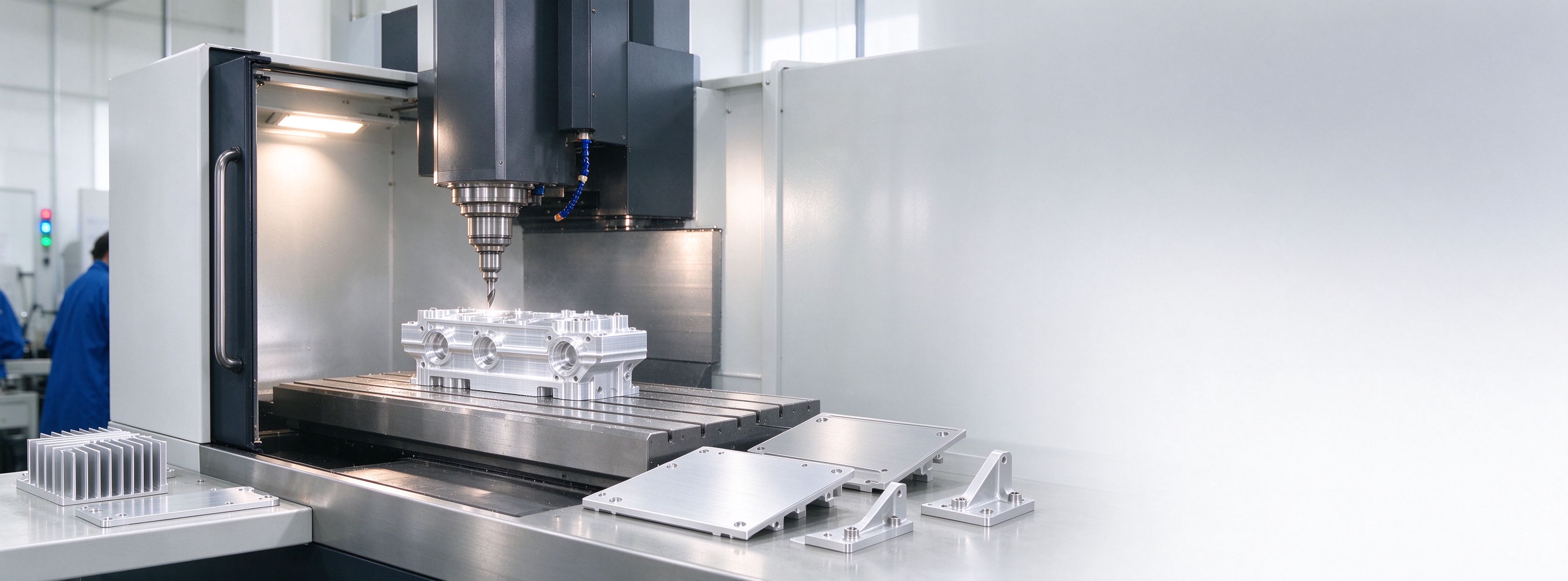
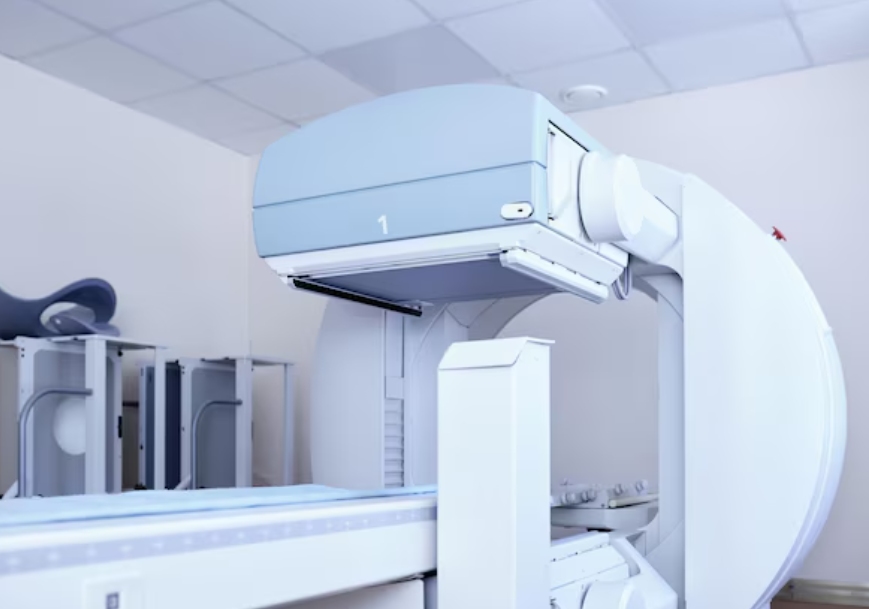
In the medical field, there is simply no room for mistakes. Whether the part belongs to a diagnostic scanner or a surgical instrument, the whole device often depends on the accuracy of one key structural piece or a custom connector. As medical equipment becomes more advanced, the need for non-standard parts—components made exactly to a customer’s drawing rather than standard catalog items—has grown sharply.
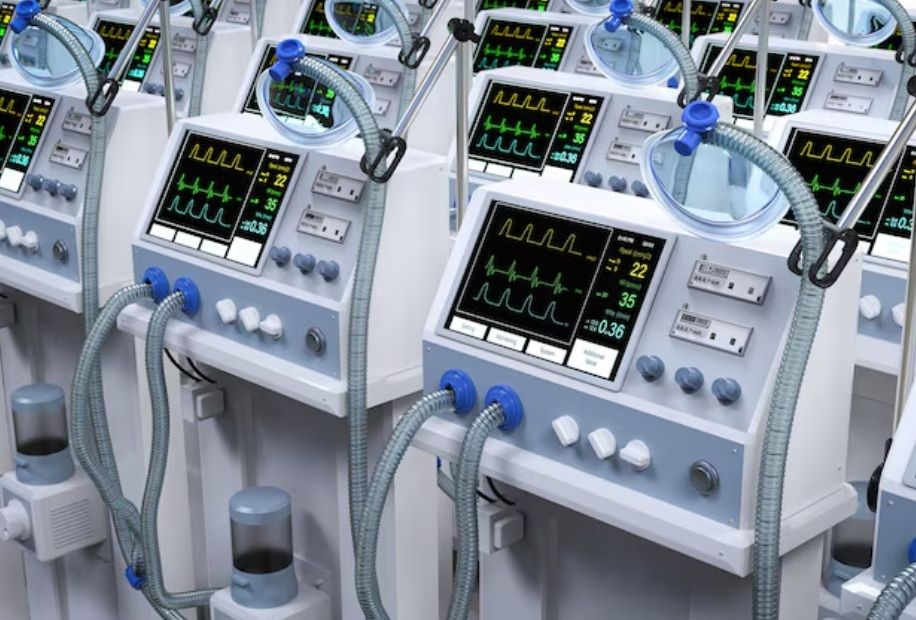
Rejin CNC brings more than 22 years of experience in precision work to this area. The company delivers critical components that satisfy strict ISO 13485 and IATF 16949 requirements.
Medical manufacturing is moving away from standard hardware. Designers now want compact, multi-purpose assemblies. This change comes from the push to make devices smaller and the growing use of robotic surgery systems and automated testing machines.
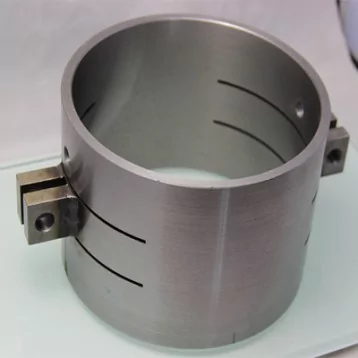
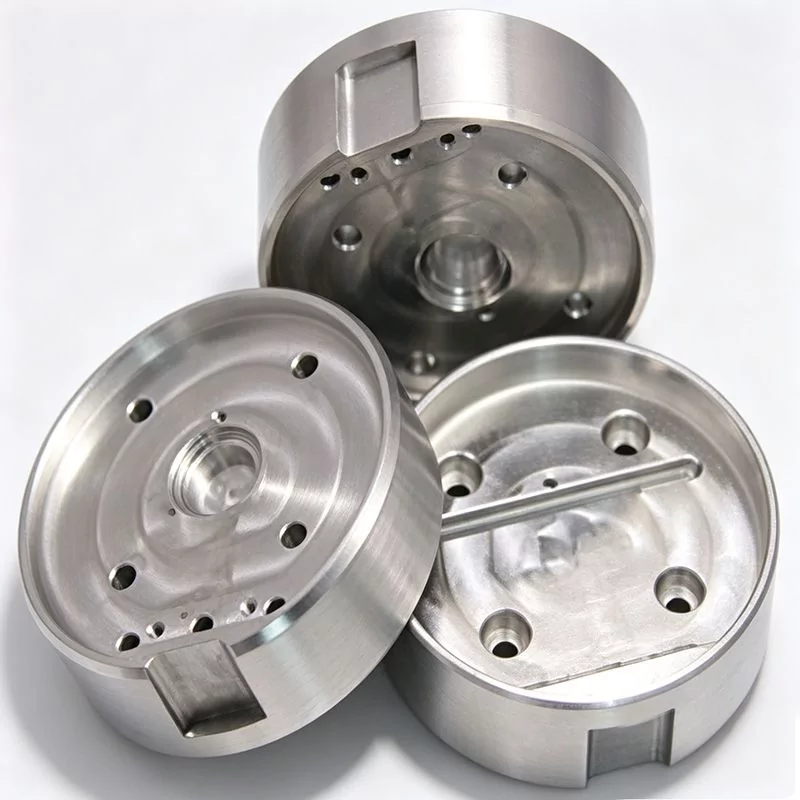
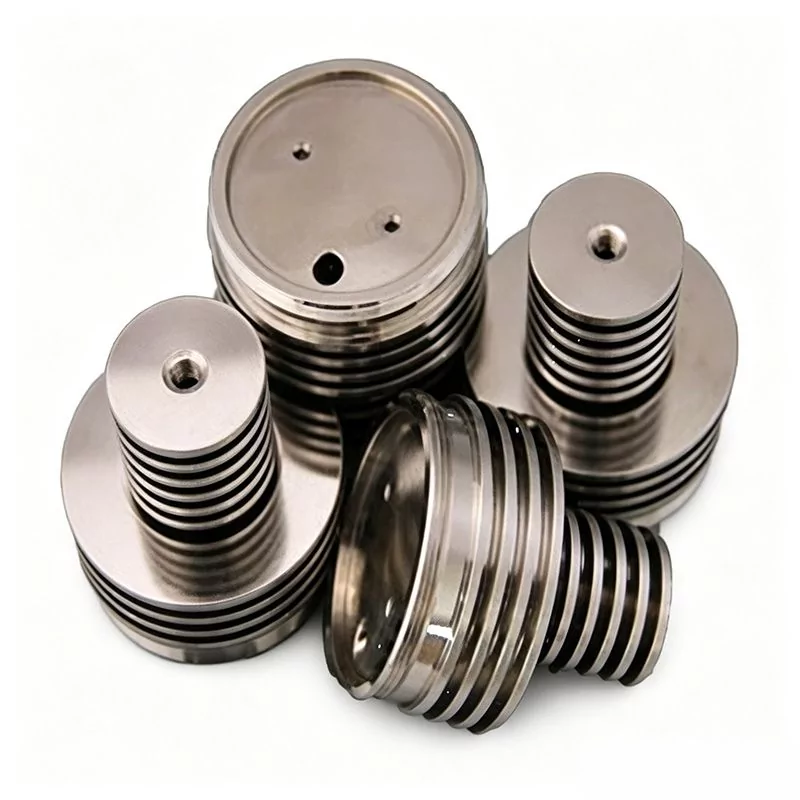
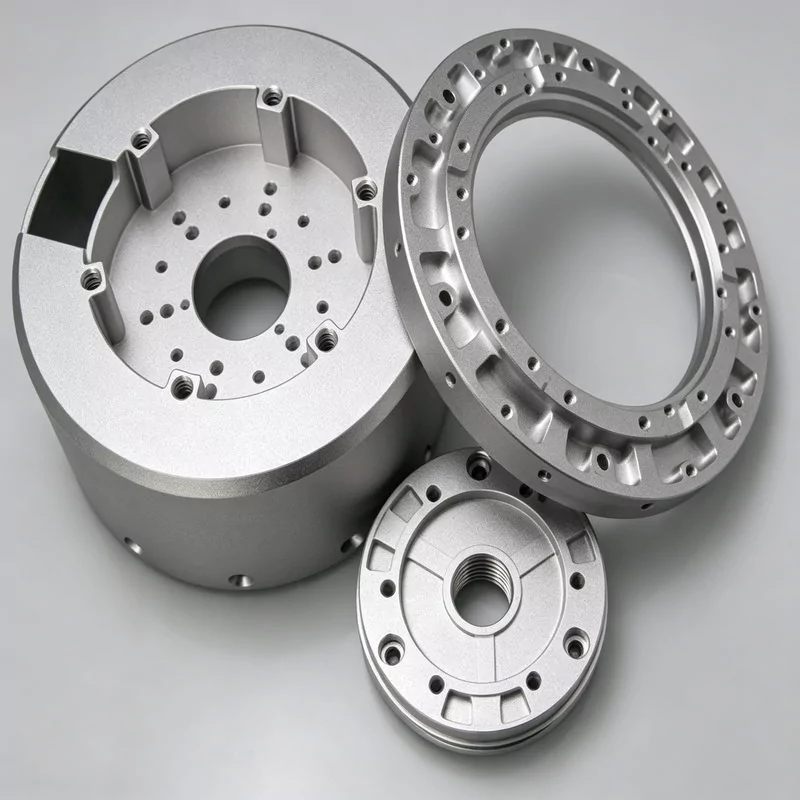
Today’s medical devices need parts that do several jobs at once. They must hold sensitive electronics, provide solid mounting locations, and help manage heat. Standard off-the-shelf pieces rarely meet all these needs, so custom CNC machining has become the practical choice.
Medical technology changes quickly. Manufacturers often need small runs of many different designs. They look for a supplier like Rejin CNC that can move smoothly from one prototype to a few hundred or a few thousand pieces without the high cost of injection molds.
Work in the healthcare sector brings difficulties that go well beyond ordinary factory jobs. The real test lies in handling very complicated shapes while keeping every part exactly the same.
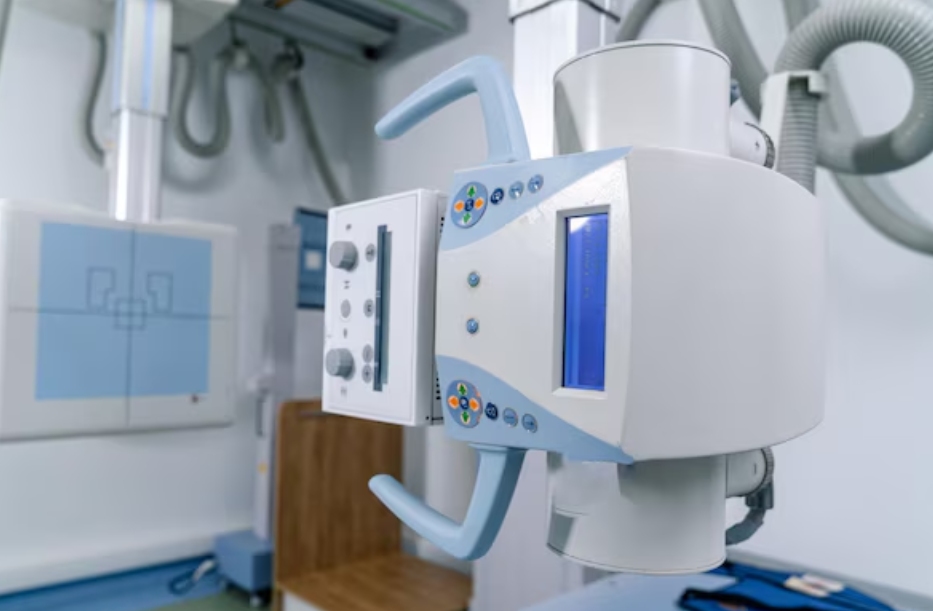
To manage these demands, modern multi-axis machines have become necessary. Older 3-axis equipment usually requires the part to be clamped and unclamped several times, which can introduce small alignment errors.
Rejin CNC relies on 5-axis CNC machining to finish complex shapes in one clamping.
Our multi-axis control and compensation systems allow accurate production of curved surfaces. Every batch stays close to the original digital design.
At Rejin CNC, we do more than simply cut metal. We develop practical solutions for medical situations where dependability counts most.
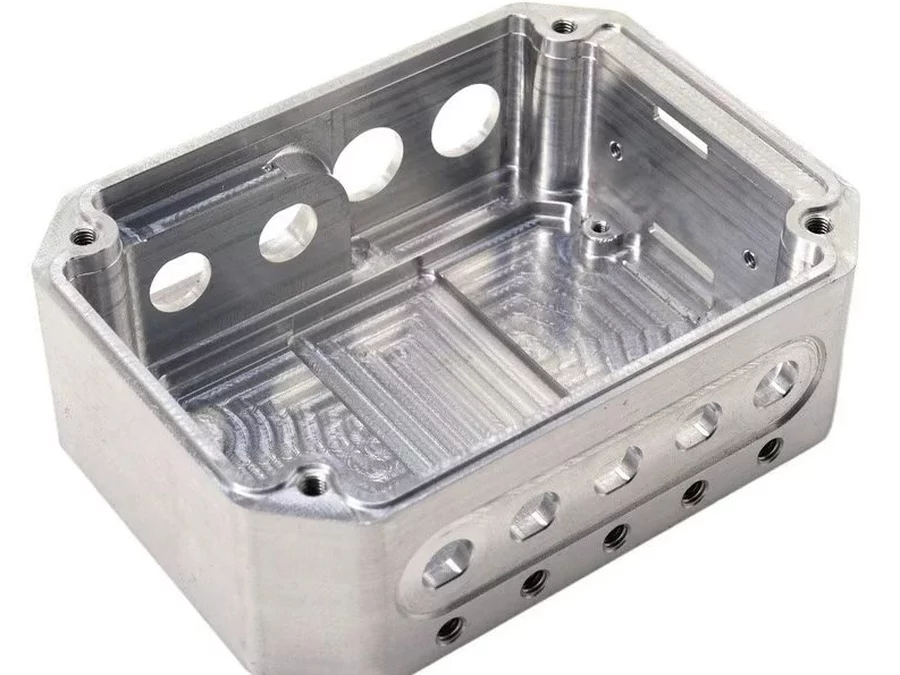
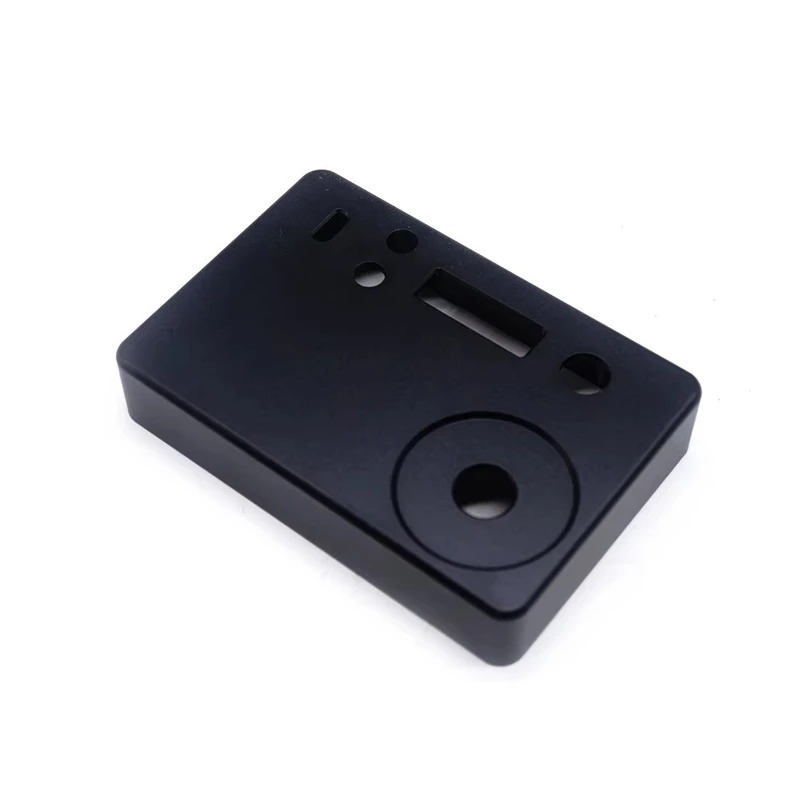
Housings for imaging equipment or portable monitors must shield internal sensors and stand up to strong cleaning chemicals.
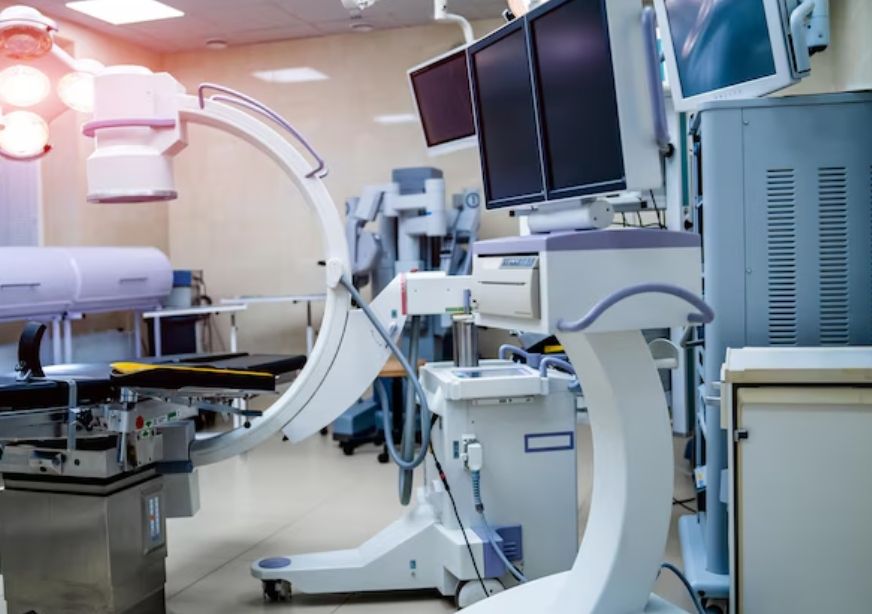
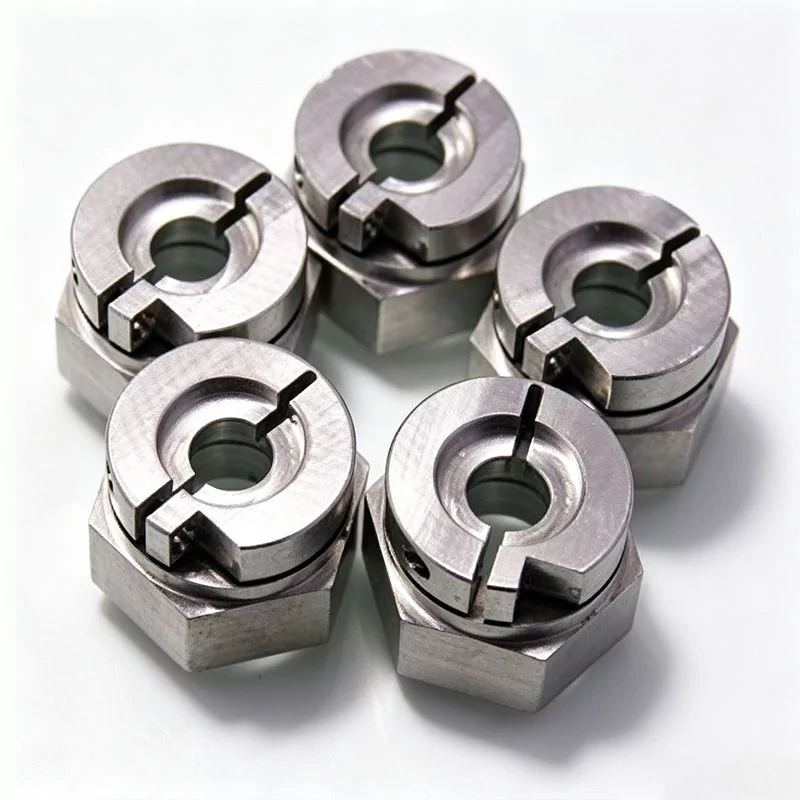
Connectors used in fluid lines or robotic joints must survive repeated pressure cycles and keep a tight seal for years.
Turning a drawing into a finished medical part follows a careful sequence of steps to reduce risk.
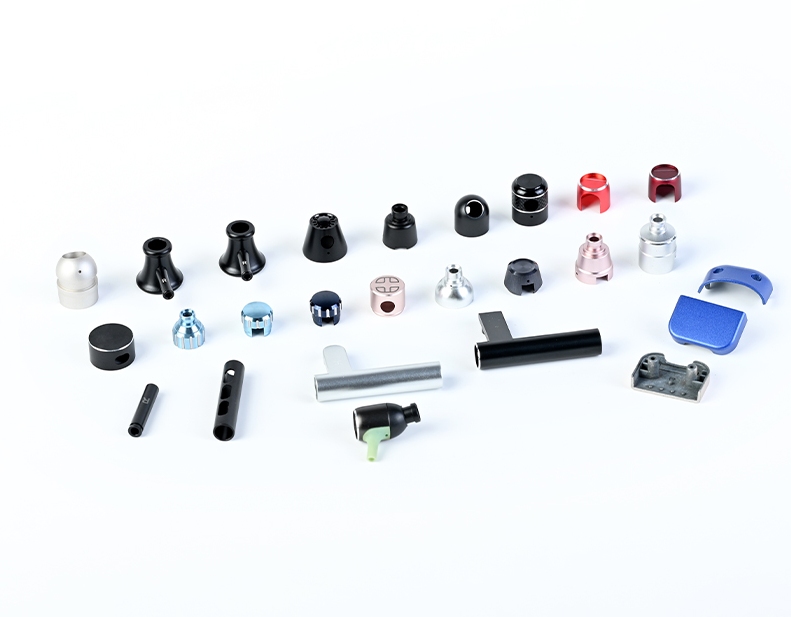
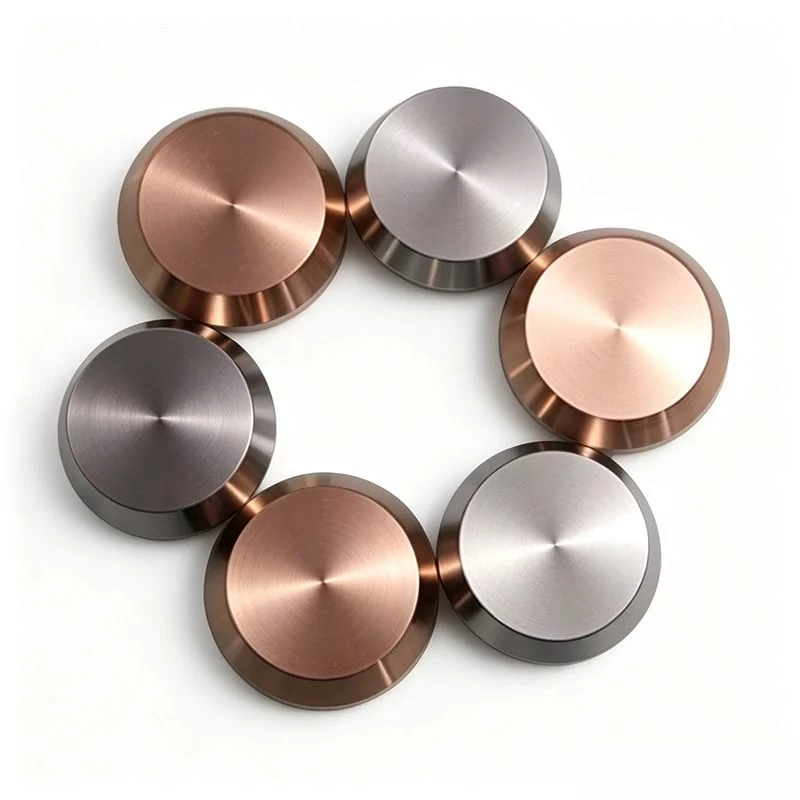
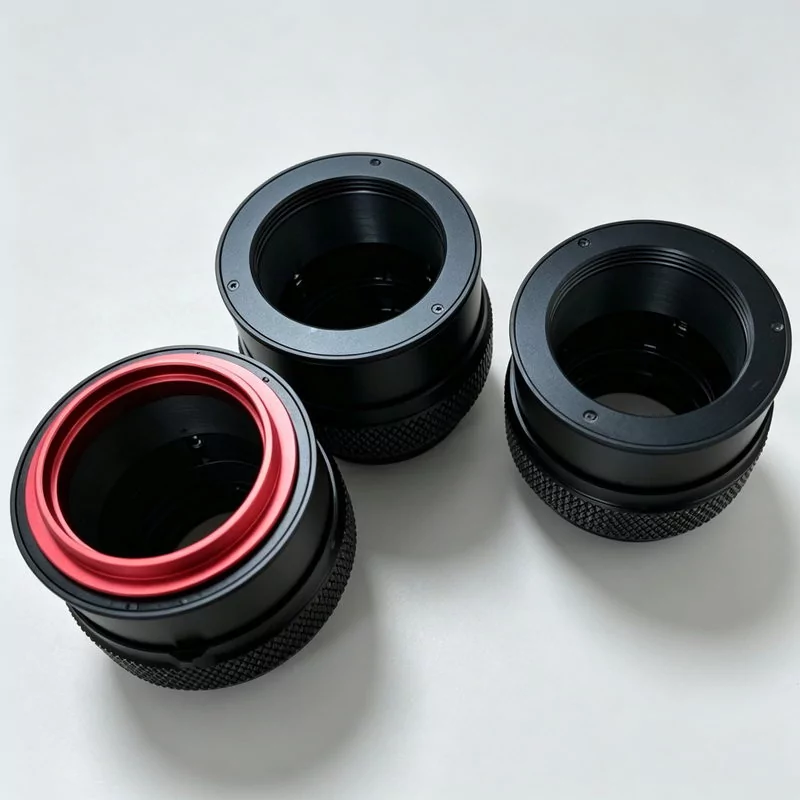
A medical component is not complete until its surface meets both functional and cleanliness standards.
Selecting a manufacturing partner for medical parts directly affects patient safety and how long the device will last. Rejin CNC supplies the technical skill, multi-axis equipment, and strict quality procedures needed to turn difficult designs into working components.
Whether your project involves new medical device housings or high-accuracy structural connectors, our team stands ready to deliver the consistency your work requires.
Ready to move from blueprint to reality? Contact Rejin CNC now for a Free Quote & DFM Analysis within 24 Hours
A: CNC machining needs no costly molds. This makes design changes quick and helps bring products to market faster. It also delivers stronger parts and tighter tolerances than typical molding methods.
A: We commonly hold tolerances as close as ±0.005mm. This level of accuracy helps create leak-proof seals in fluid systems and smooth movement in robotic joints.
A: 5-axis machining handles complex curved surfaces in one setup. It removes the small errors that appear when a part is moved between different fixtures. The result is better overall shape accuracy and a finer surface finish.
A: We often work with 304 or 316 stainless steel for its resistance to corrosion, titanium for its favorable strength-to-weight ratio and biocompatibility, and high-performance plastics like PEEK when lightweight and insulating properties are needed.
Your message lands directly with our senior engineers — instantly acknowledged.
We study your requirements and propose a workable solution with material & process options.
Detailed quotation with specs, options and lead time — no hidden fees.
Approve the sample, then we mass-produce with full QC and on-time shipping.
WhatsApp: +86 13790500374
Email: info@rejincnc.com
Your CAD files are kept strictly confidential. Quotation within 24 hours.