
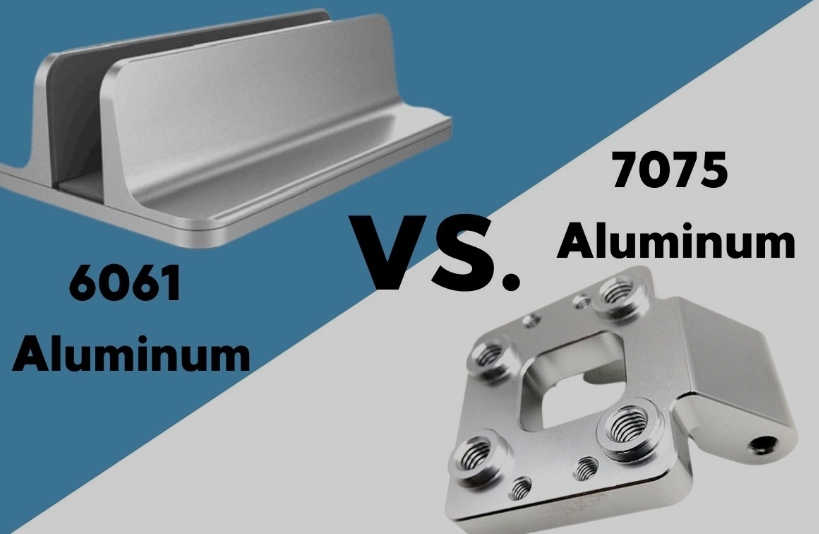
In precision manufacturing, picking the proper material is more than a starting task. It shapes the strength, weight, and durability of the end product. Engineers creating custom enclosures—for high-altitude UAVs, sensitive medical sensors, or tough robotics controllers—often face a choice between two leading aluminum alloys: 6061 and 7075.
Both provide solid strength-to-weight balances. However, they differ in how they handle stress, ease of machining, and overall cost. At Rejin CNC, we focus on turning these strong alloys into parts with micron-level accuracy. Grasping the differences between them helps refine your design for better results and easier production.
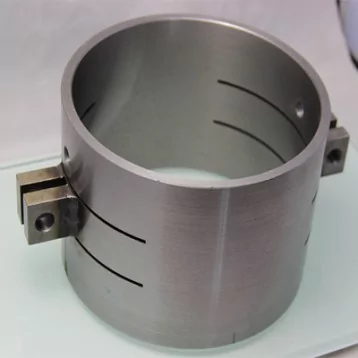
6061 aluminum serves as a reliable option in the field. It stands out for good resistance to corrosion and strong weldability, so it suits many standard industrial enclosures.
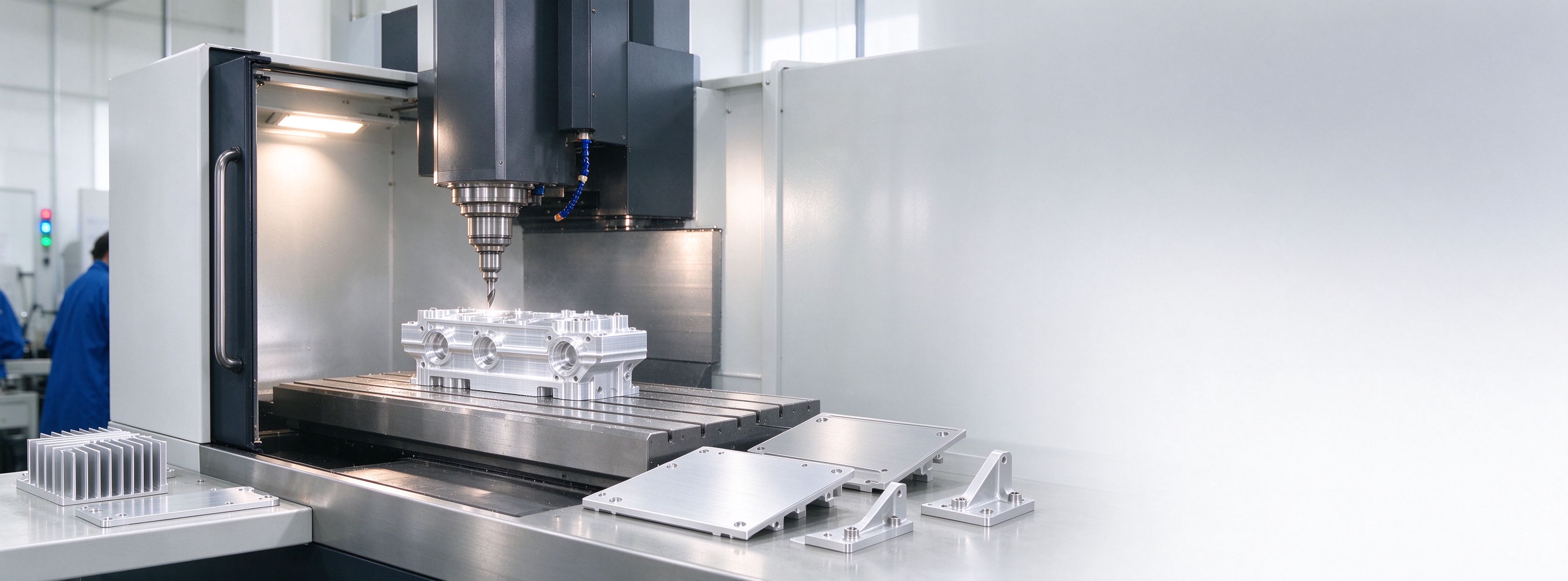
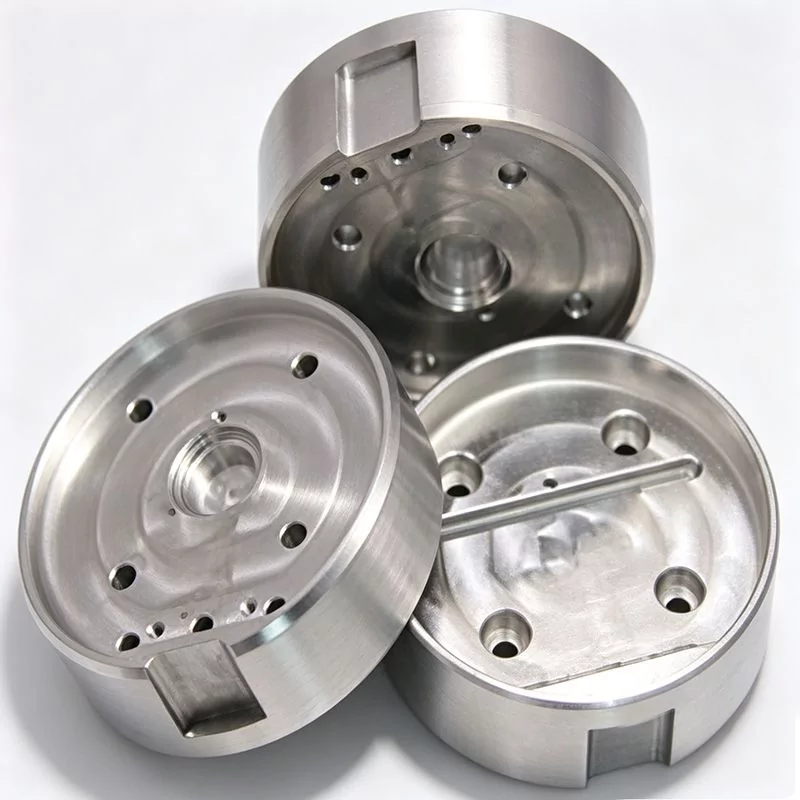
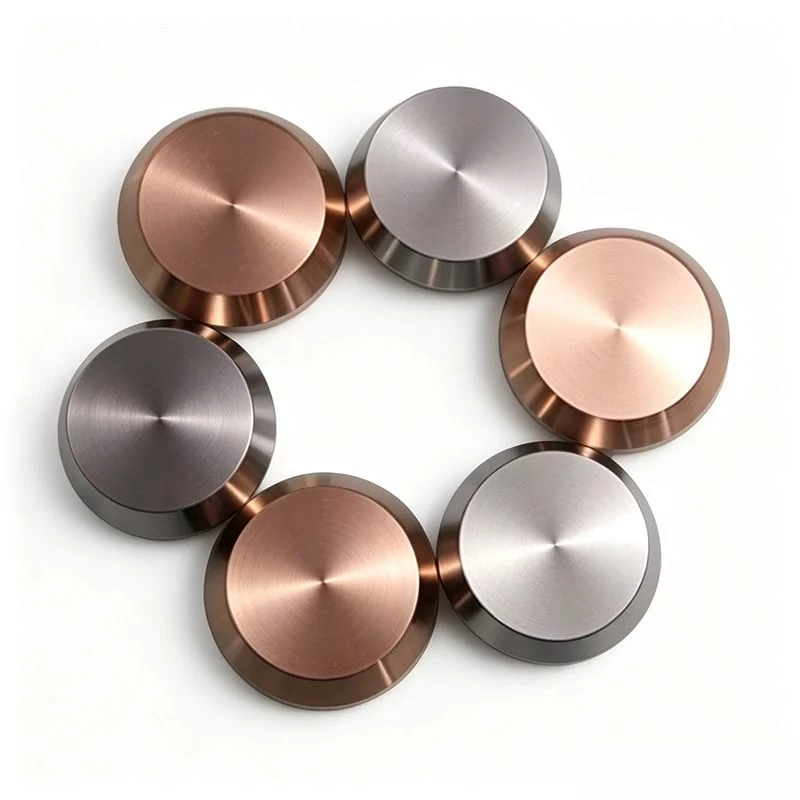
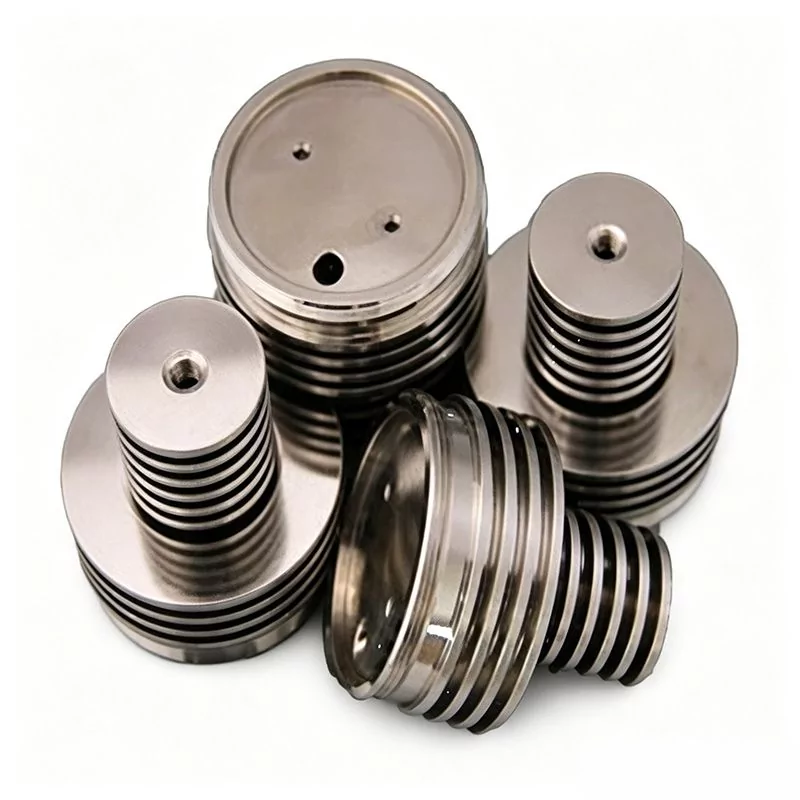
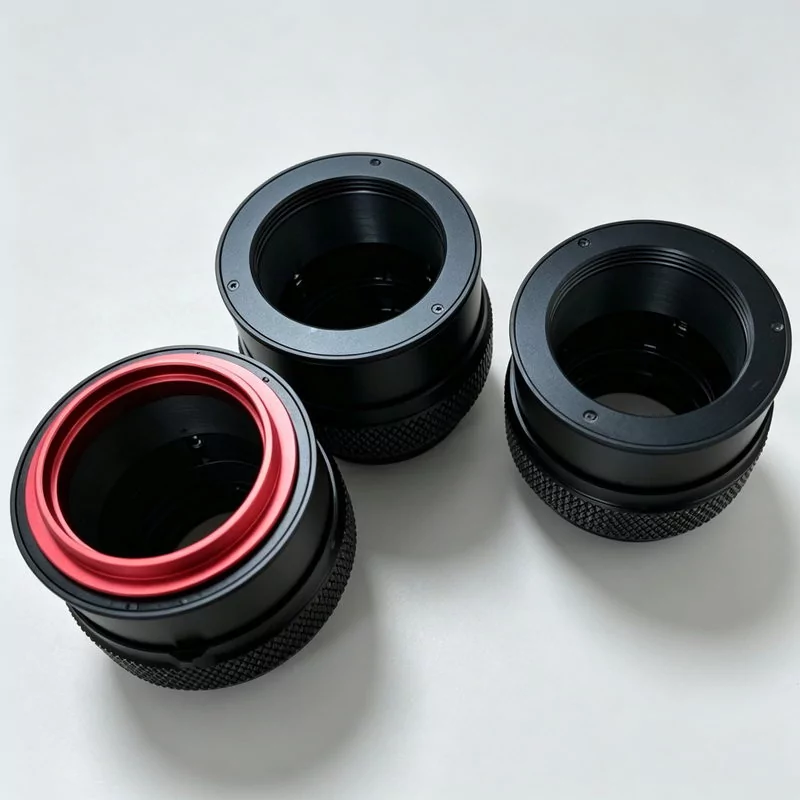
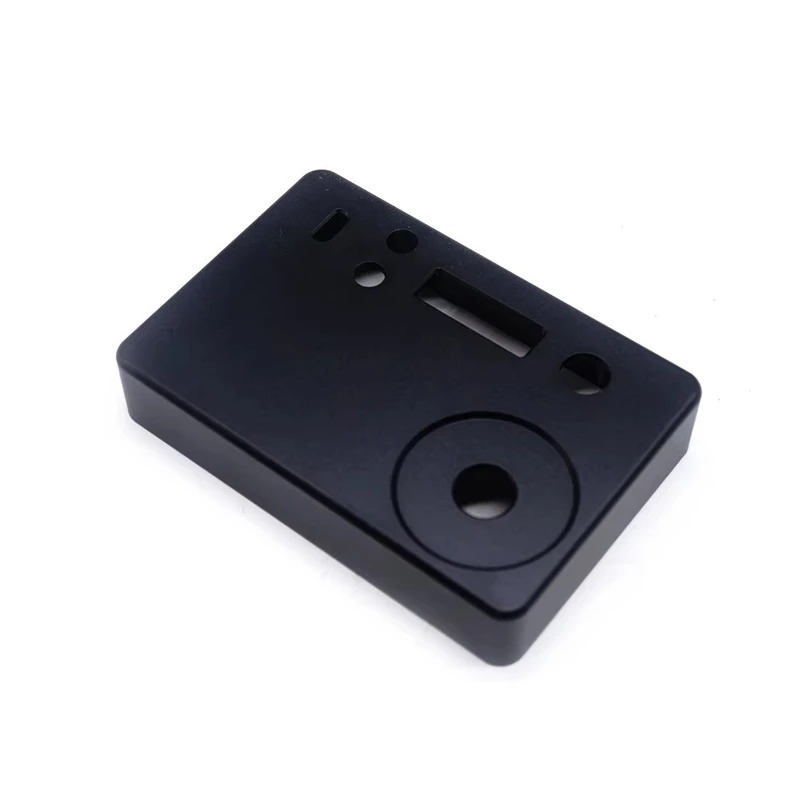
At Rejin CNC, we go beyond basic machining of 6061. We handle it with skill. Our fast automated CNC machines keep tolerances at ±0.005mm across big runs. For detailed audio-visual enclosures or handheld electronic devices, we use our established surface treatment setup to deliver Ra0.4–Ra0.8 smooth finishes or even sandblasting paired with Type II anodizing.
When you need top-notch strength and solid structure, 7075 aluminum—mainly mixed with zinc—takes the lead. Known as “aerospace grade,” it matches the power of some steels yet stays light.
7075 can be tricky to work with. It holds internal stresses and demands careful machining without proper know-how. Rejin CNC tackles these issues by using:
To choose wisely for your custom enclosure, look at these four main metrics.
Application Tip: If your enclosure faces high-pressure settings or physical knocks (like in industrial sensor housings), 7075 stands out.
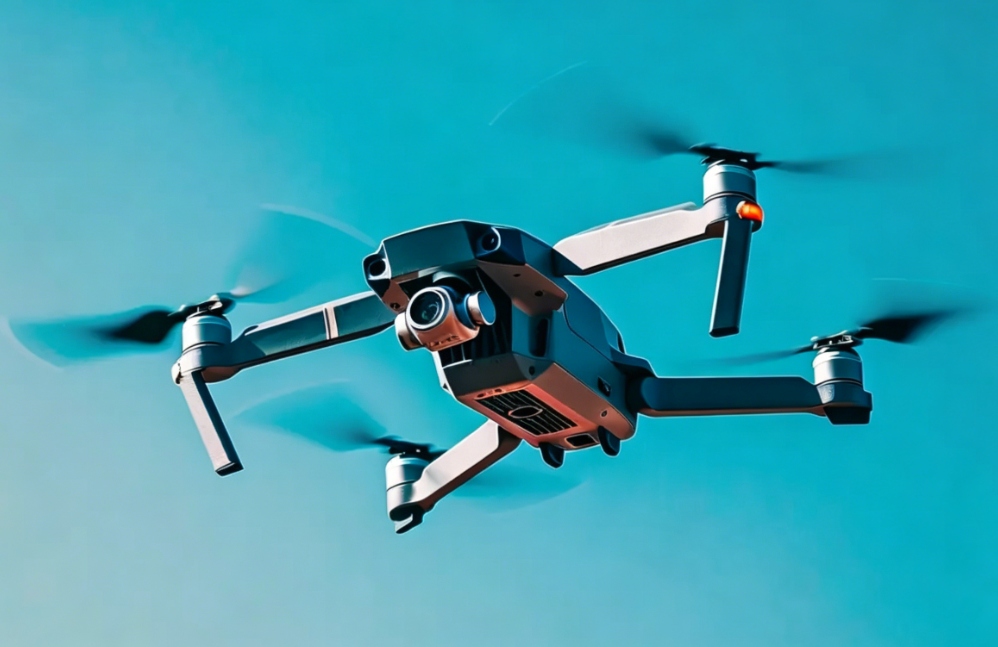
The two alloys share close densities. But 7075’s extra strength often means thinner walls, leading to a lighter build overall. This matters a lot for UAV parts, where weight affects flight.
6061 holds up better against the weather naturally. 7075 needs special coatings for protection, but 6061 works out cheaper for outdoor telecom enclosures dealing with air corrosion.
7075 costs much more than 6061 because of its involved mixing and harder machining. For large runs of 3C consumer electronics, 6061 gives better value.
How do these materials and Rejin CNC’s skills turn into practical fixes?
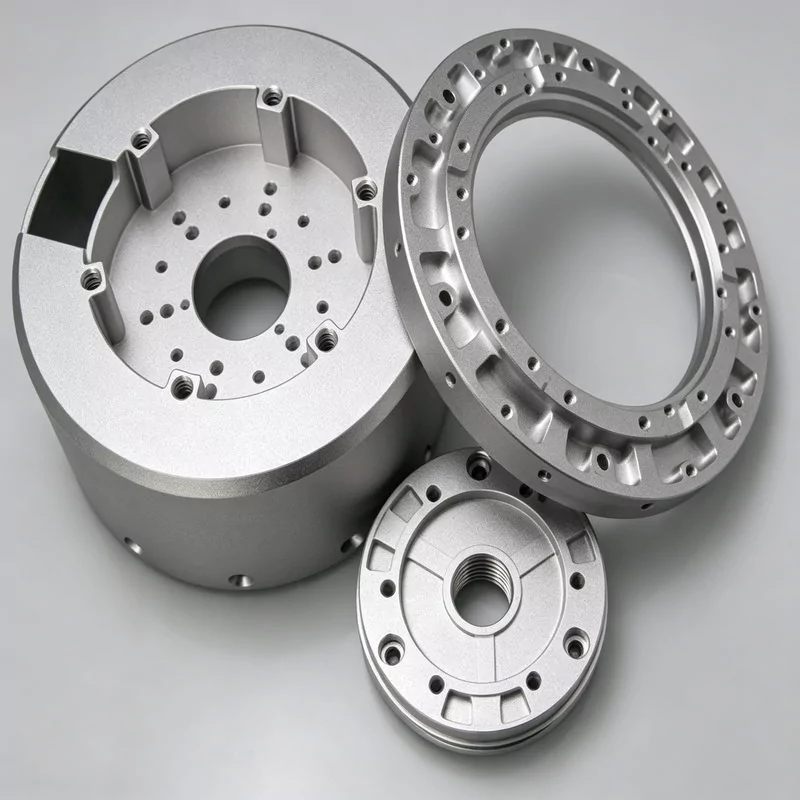
In drones, extra weight hurts performance. We use 7075 aluminum to build slim motor mounts and support ribs for clients. With our 5-axis CNC machining, we form hollow, detailed shapes that keep things firm.
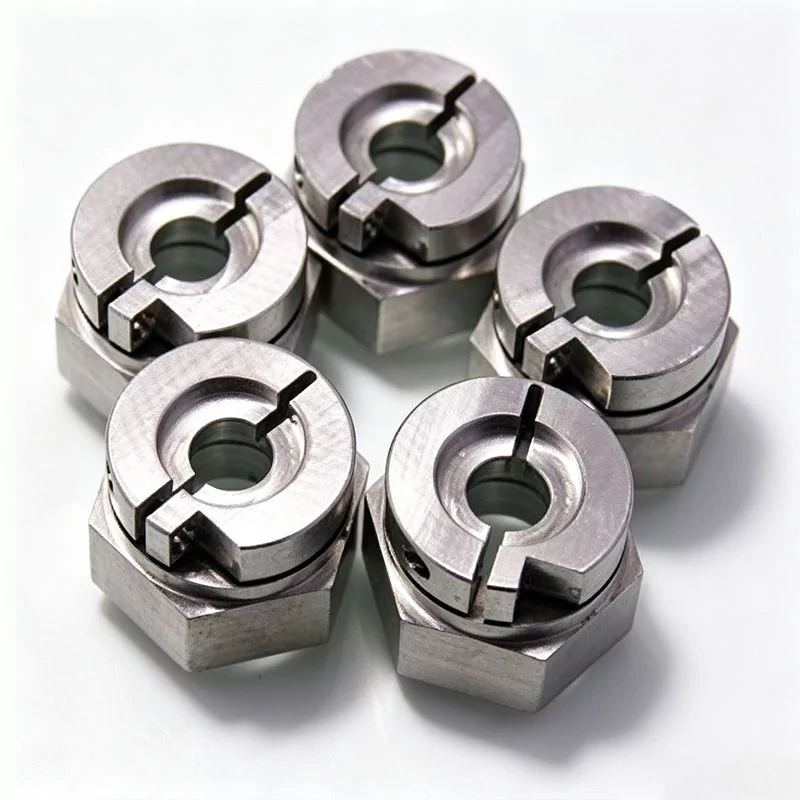
Robotic arms need quick motion and exact stops. We craft custom aluminum fasteners and joint enclosures that stay light (using 6061) and tough (via hard-anodizing).
As a dedicated CNC maker, Rejin CNC connects material knowledge with full production. We improve your plans, not just follow them.
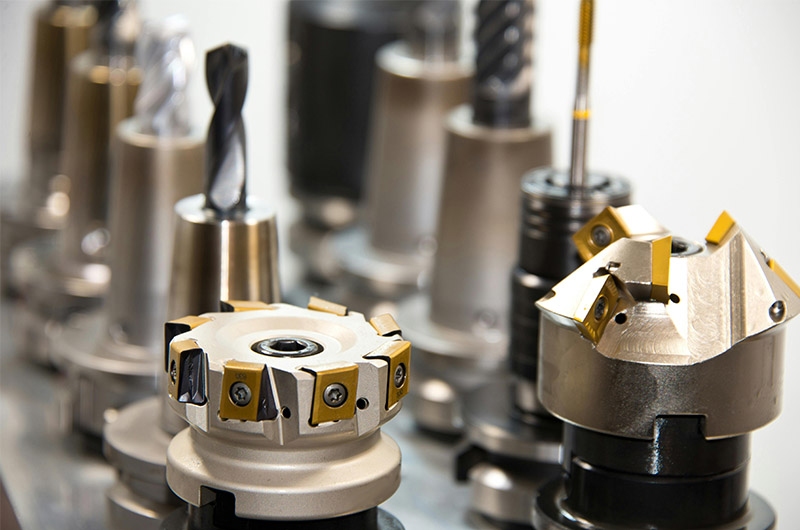
From first prototype to big production, our process focuses on quickness and dependability:
Picking between 6061 and 7075 hinges on your project’s main goals. For affordable, weather-resistant, and finish-friendly enclosures, go with 6061. When you require top strength, stress endurance, and weight savings, pick 7075.
At Rejin CNC, we bring the know-how for both. Our fine accuracy and full customization turn detailed designs into working parts.
[Contact Rejin CNC today for a professional DFM analysis and a personalized quote within 24 hours. Let us help you select the perfect material for your structural needs.]
A: No. 7075 proves tough to join by common welding approaches, thanks to its elevated zinc levels that spark cracks. For 7075 enclosures, builders favor mechanical fasteners or robust adhesives.
A: 6061 often yields a steadier and livelier surface post-anodizing. 7075 works for anodizing, but its zinc can produce a murkier, dimmer tone at times, notably in visual designs.
A: Yes, though it calls for solid 5-axis gear and steady-temp setups. 7075’s firmness aids in keeping razor-sharp tolerances, as it sticks less to cutters than gentler metals during work.
A: 6061 cuts wait times, permitting quicker cuts and milder tool damage. 7075 demands precise path setups and gentler paces, which can stretch job times a touch on tricky shapes.
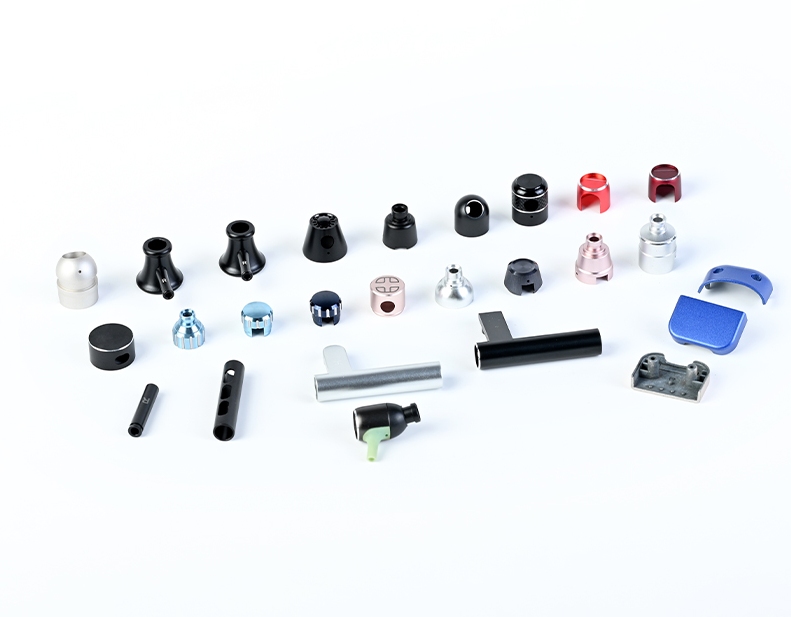
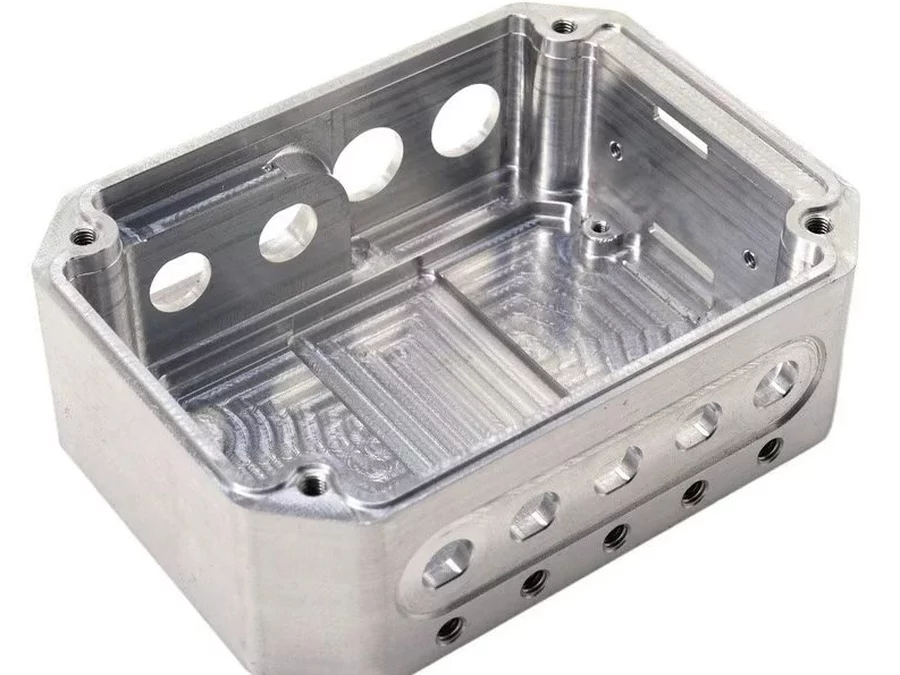
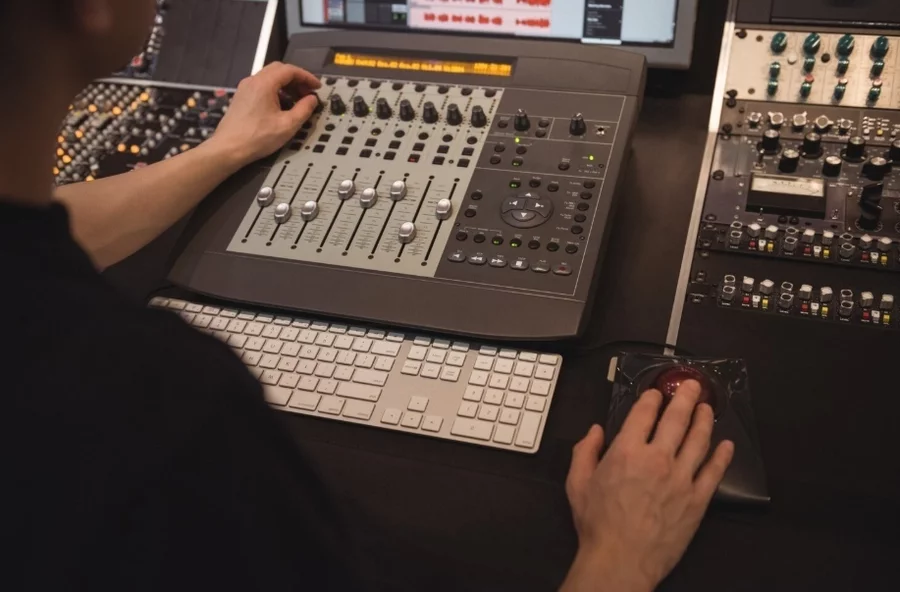
Your message lands directly with our senior engineers — instantly acknowledged.
We study your requirements and propose a workable solution with material & process options.
Detailed quotation with specs, options and lead time — no hidden fees.
Approve the sample, then we mass-produce with full QC and on-time shipping.
WhatsApp: +86 13790500374
Email: info@rejincnc.com
Your CAD files are kept strictly confidential. Quotation within 24 hours.