
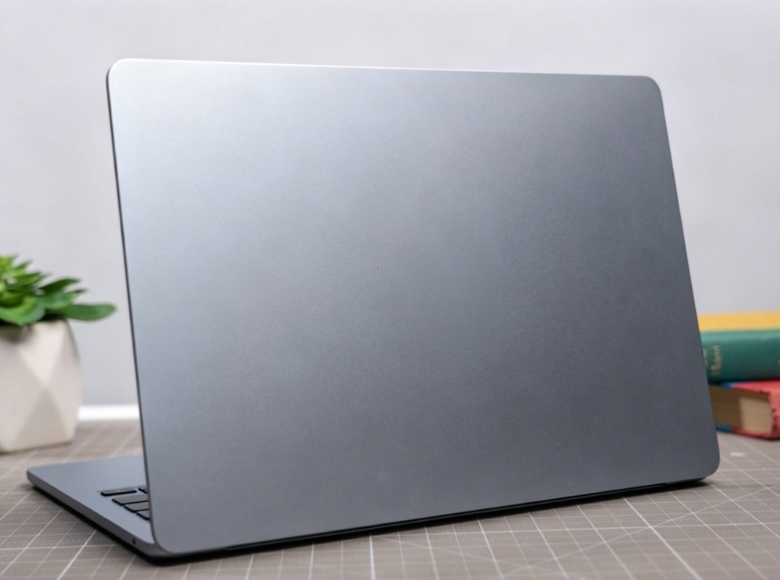
When you run your fingers across a MacBook Pro, you aren’t just feeling aluminum; you are experiencing a meticulously engineered tactile language. It is cool to the touch, matte but subtly reflective, and possesses a “satin” smoothness that feels premium without being slippery. In the world of industrial design, this is often referred to as the “Apple-esque” finish.
For manufacturers of high-end 3C electronics and professional audio gear, replicating this finish is more than an aesthetic choice—it is a competitive necessity. However, achieving this iconic touch is notoriously difficult. It requires a perfect harmony between precision CNC machining, specific abrasive media, and chemical anodizing.
At Rejin CNC, we specialize in bridging the gap between raw metal and high-end consumer-grade finishes. In this guide, we will deconstruct the technical process of achieving that premium satin touch on aluminum components.
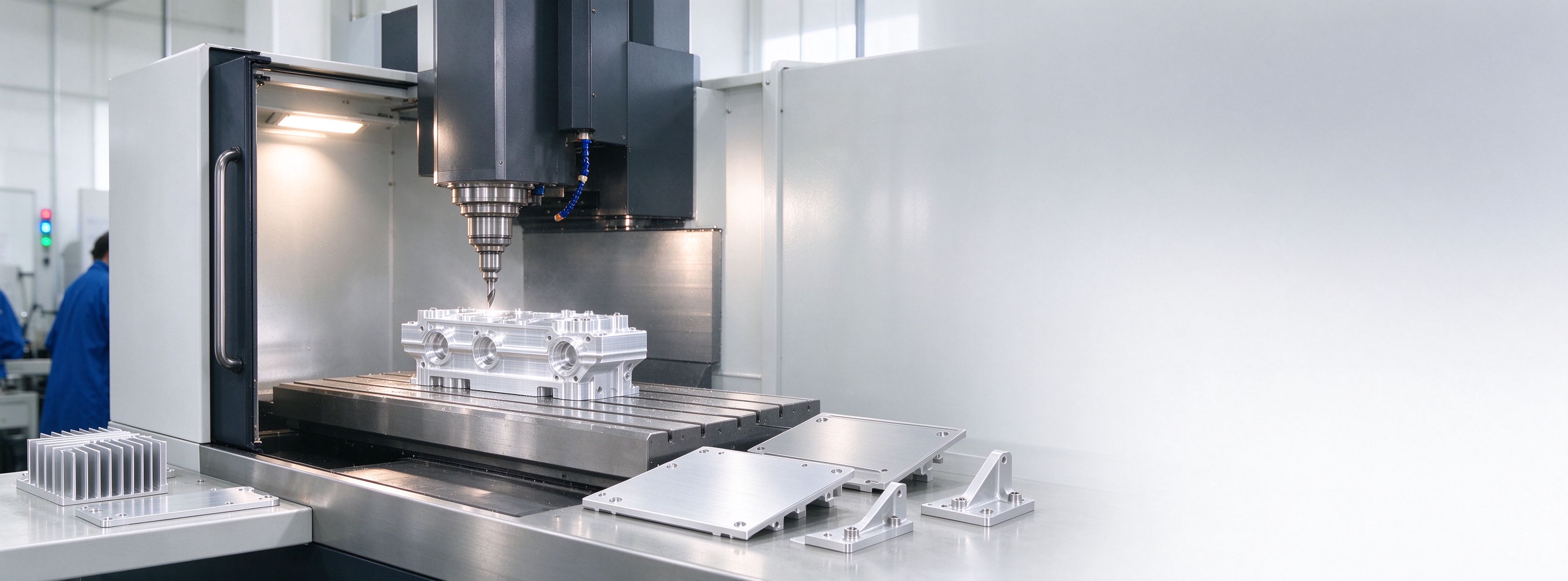
You cannot achieve a premium finish on a poor substrate. The “MacBook Feel” begins long before the part enters a sandblasting booth; it starts on the CNC machine bed.
The alloy composition significantly impacts how the metal reacts to chemical anodizing. We primarily utilize 6061 or 6063 aluminum for these projects. 6063, in particular, offers superior finishing characteristics and a finer grain structure, which is essential for achieving a uniform matte appearance after treatment.
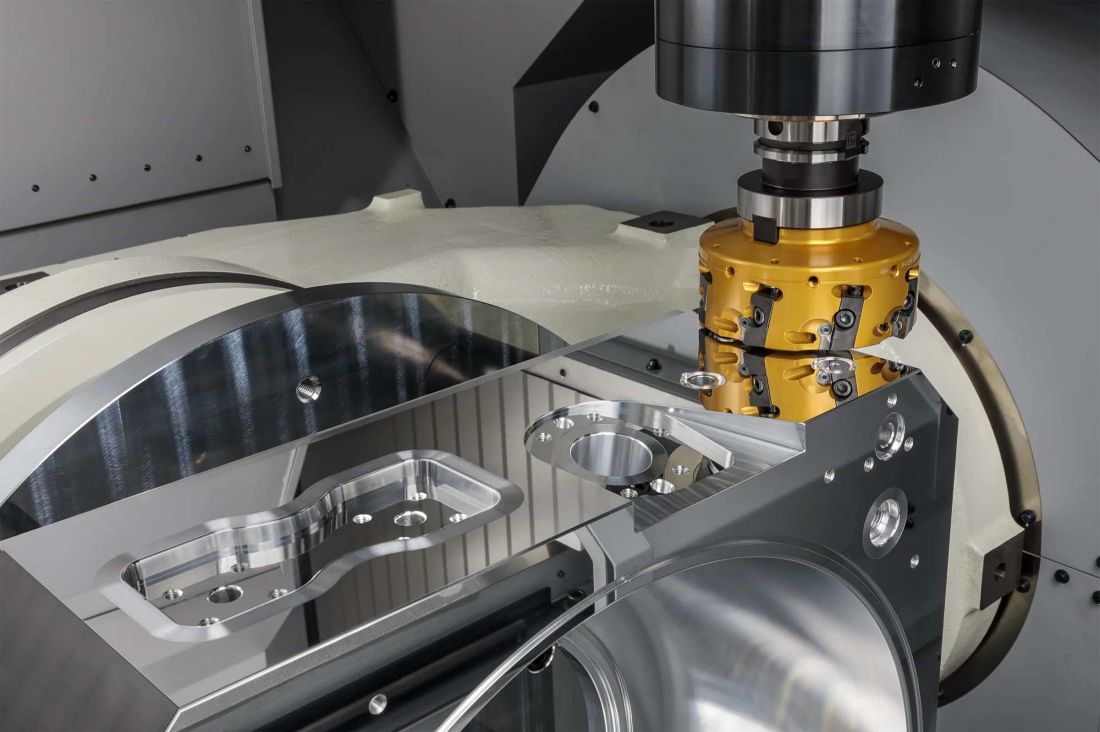
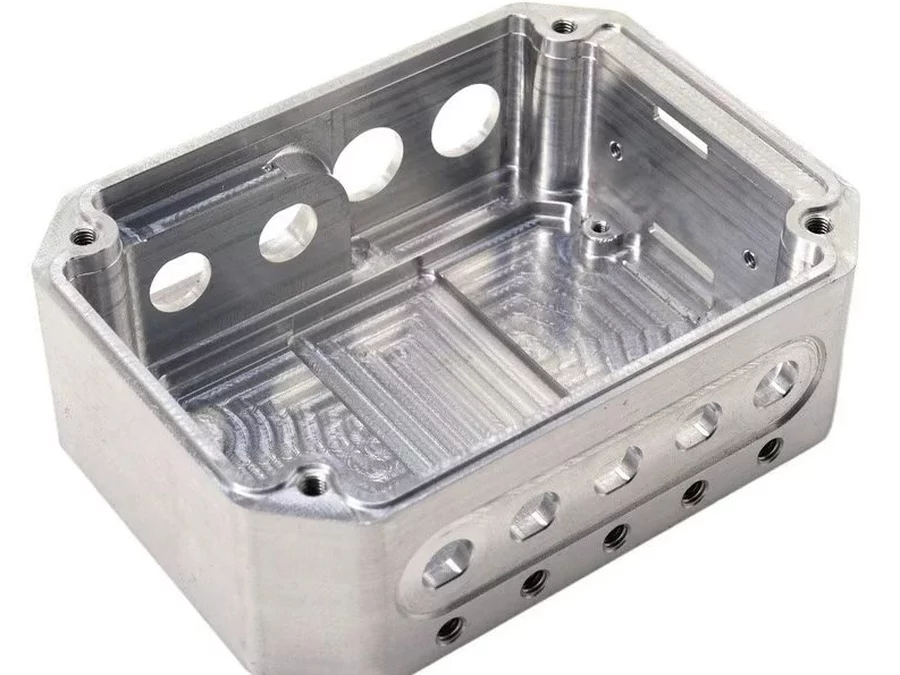
A common problem in standard machining is the presence of “scallop” marks or micro-ridges. If these are too deep, no amount of sandblasting will hide them.
The “Satin” touch is actually a landscape of millions of microscopic craters created by sandblasting. The challenge is making these craters uniform enough that they diffuse light evenly without feeling “gritty” like sandpaper.
To achieve the Apple-esque look, the choice of media is critical.
If the blasting pressure fluctuates even by 5 PSI, or the distance of the nozzle varies, the part will show “shading” or “tiger stripes” once anodized. At Rejin CNC, we use automated blasting processes for batch production to ensure that every square millimeter of a laptop casing or an audio panel receives the exact same kinetic energy.
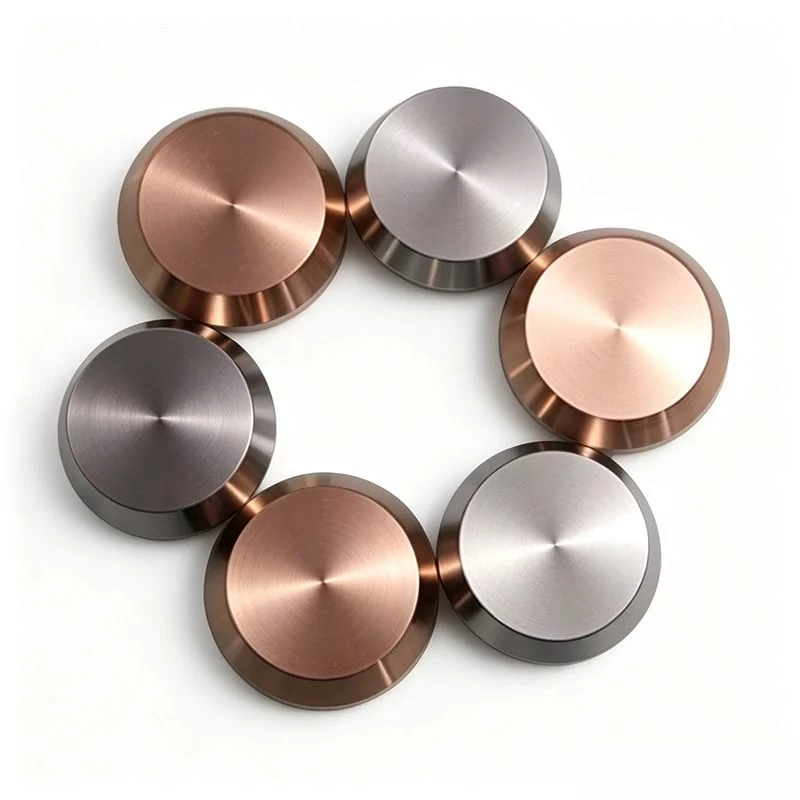
The final step is Type II anodizing, which creates a hard oxide layer that protects the metal while locking in the color.
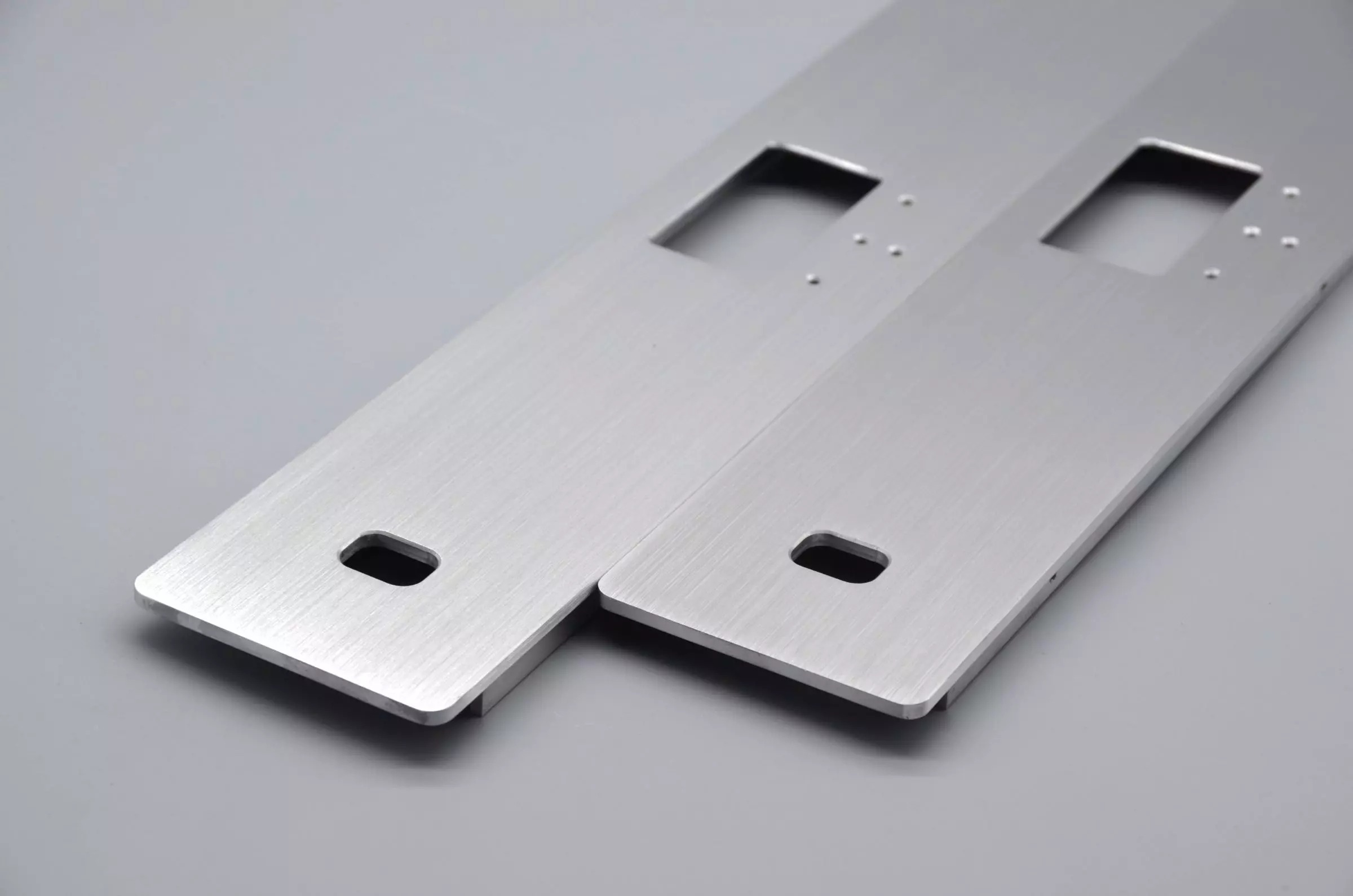
The “Space Gray” or “Satin Silver” look requires incredibly tight control over the anodizing bath’s temperature and chemical concentration.
The “feel” is finalized during the sealing process. By using high-quality hot-water sealing or cold-nickel sealing, we close the microscopic pores of the aluminum, resulting in that signature “dry” yet smooth tactile sensation that defines premium hardware.
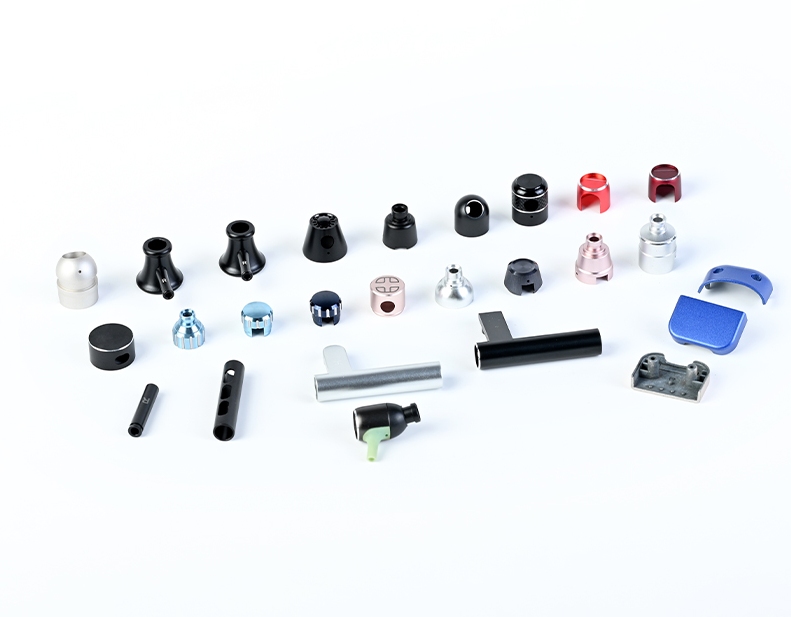
The “Apple-esque” finish isn’t just about looks; it solves functional problems in various high-stakes industries.
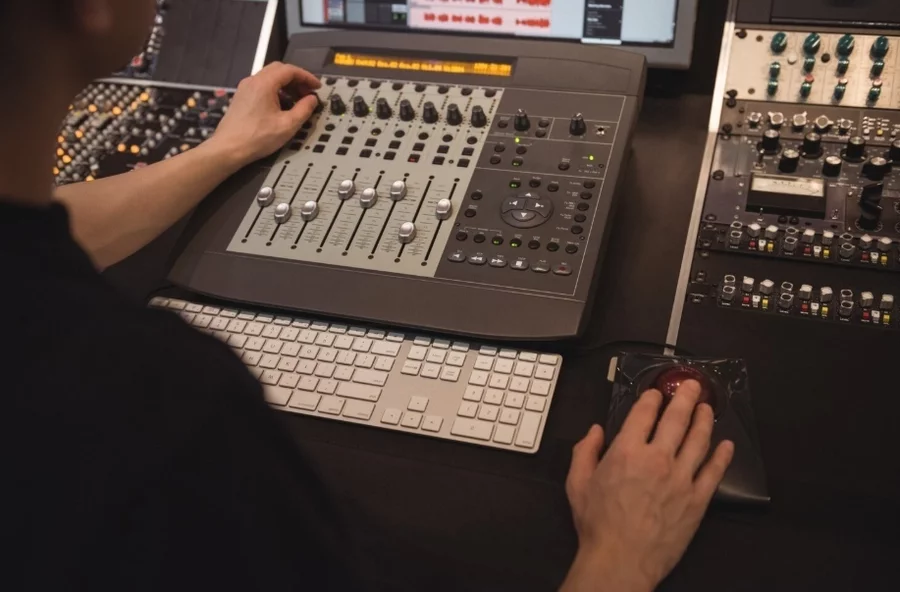
In the professional audio industry, equipment is often handled in low-light environments. A high-gloss finish would create distracting reflections and show every fingerprint.
For high-end industrial drones, heat dissipation and weight are key.
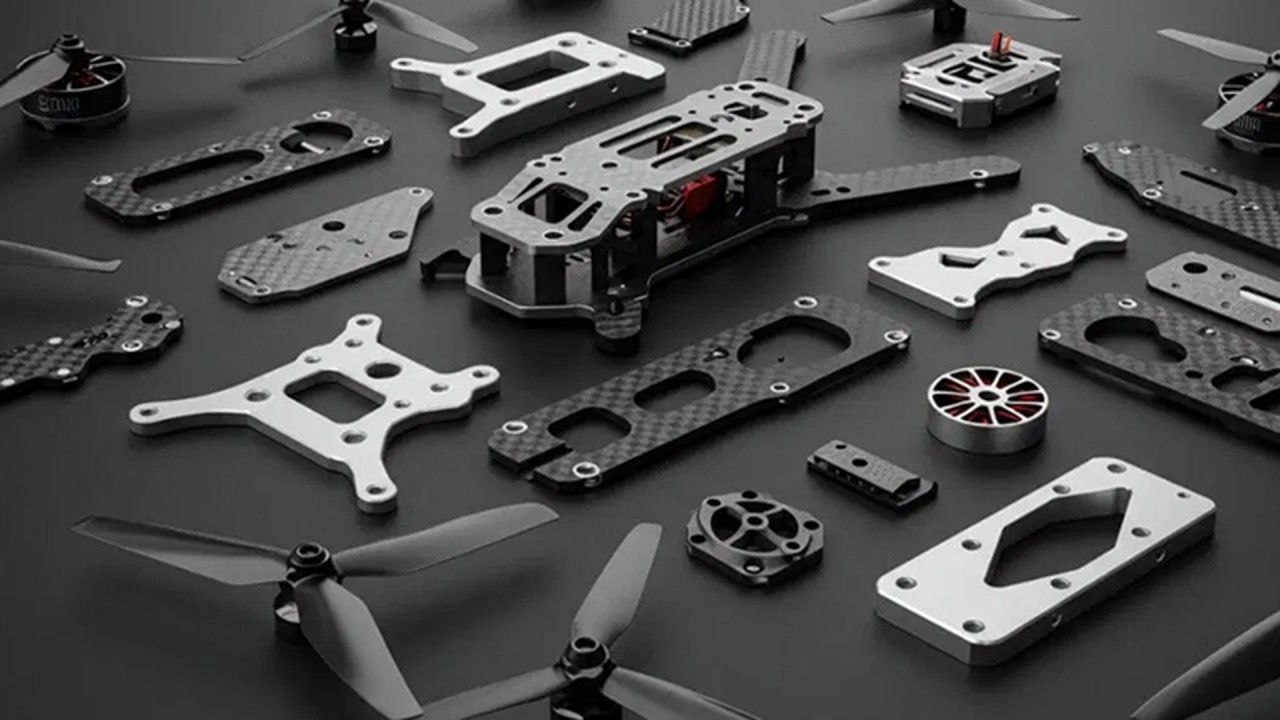
Rejin CNC is more than a machine shop; we are an integrated manufacturing partner based in Dongguan. With over 20 years of experience in metal parts manufacturing, we have built a reputation for delivering “consumer-grade” beauty with “industrial-grade” precision.
The difference between a “good” product and a “premium” one is often found in the last 10 microns of its surface. Contact Rejin CNC today to discuss your next project. Our engineers can provide a DFM analysis of your drawings and help you select the perfect grit and anodizing specs to achieve your desired “MacBook Feel.”
[Contact us for a Precision Quote Today]
A: You can get close-matte surfaces on Titanium or Stainless Steel with bead blasting. However, that exact “look” shines brightest on aluminum. This happens because of how it handles the anodizing process, a reaction that only that metal pulls off so well.
A: Yes, sandblasting removes material, acting as a subtractive step. It usually takes off just a few microns. At Rejin CNC, we adjust our starting machining sizes accordingly. That way, the finished piece stays true to your required tolerances, such as ±0.005mm.
A: Shifts in color often stem from differences in the aluminum alloy’s grain or changes in the anodizing bath’s heat levels. We address this through steady suppliers for materials and systems that track chemical levels automatically.
A: Anodizing creates a real chemical shift in the metal’s outer layer. So, it never chips or peels the way powder coating might. Plus, it stands up much better to scratches and cleaners with harsh chemicals. For this reason, it suits devices that people touch a lot.
Your message lands directly with our senior engineers — instantly acknowledged.
We study your requirements and propose a workable solution with material & process options.
Detailed quotation with specs, options and lead time — no hidden fees.
Approve the sample, then we mass-produce with full QC and on-time shipping.
WhatsApp: +86 13790500374
Email: info@rejincnc.com
Your CAD files are kept strictly confidential. Quotation within 24 hours.