Prototype vs. Production: Which CNC Run Best Fits Your Budget
Prototype vs. Production: Which CNC Run Best Fits Your Budget
Eren
2nd July 2026
For hardware procurement managers, product developers, and engineering leads, choosing between a low-volume prototyping run and a full-scale production launch is rarely straightforward. Striking the ideal balance between initial tooling costs, per-part pricing, and time-to-market can dictate the financial success of a project.
As a leading precision manufacturing partner, Rejin CNC specializes in delivering high-tolerance CNC turning, milling, 5-axis machining, and custom surface finishing from our state-of-the-art facility in Dongguan. Holding dual certifications in ISO 9001:2015 and IATF 16949, Rejin CNC acts as a reliable one-stop bridge from initial blueprint design to massive market rollout. Equipped with over 100 advanced machining centers, we help hardware buyers globally determine exactly when to prototype and when to transition to high-volume production to minimize overhead and maximize part consistency.
Demystifying Low-Volume CNC Prototyping
When you need to validate complex geometries, test structural fits, or pitch functional components to stakeholders without overextending your budget, low-volume runs are essential.
Key Characteristics of Prototyping Runs
Prototyping runs prioritize engineering flexibility and speed over economies of scale to ensure design flaws are corrected early.
Quantity Thresholds (1 to 100 Pieces): This volume window allows engineers to test real-world physical properties without committing to thousands of dollars in hard tool steel molds or stamping dies.
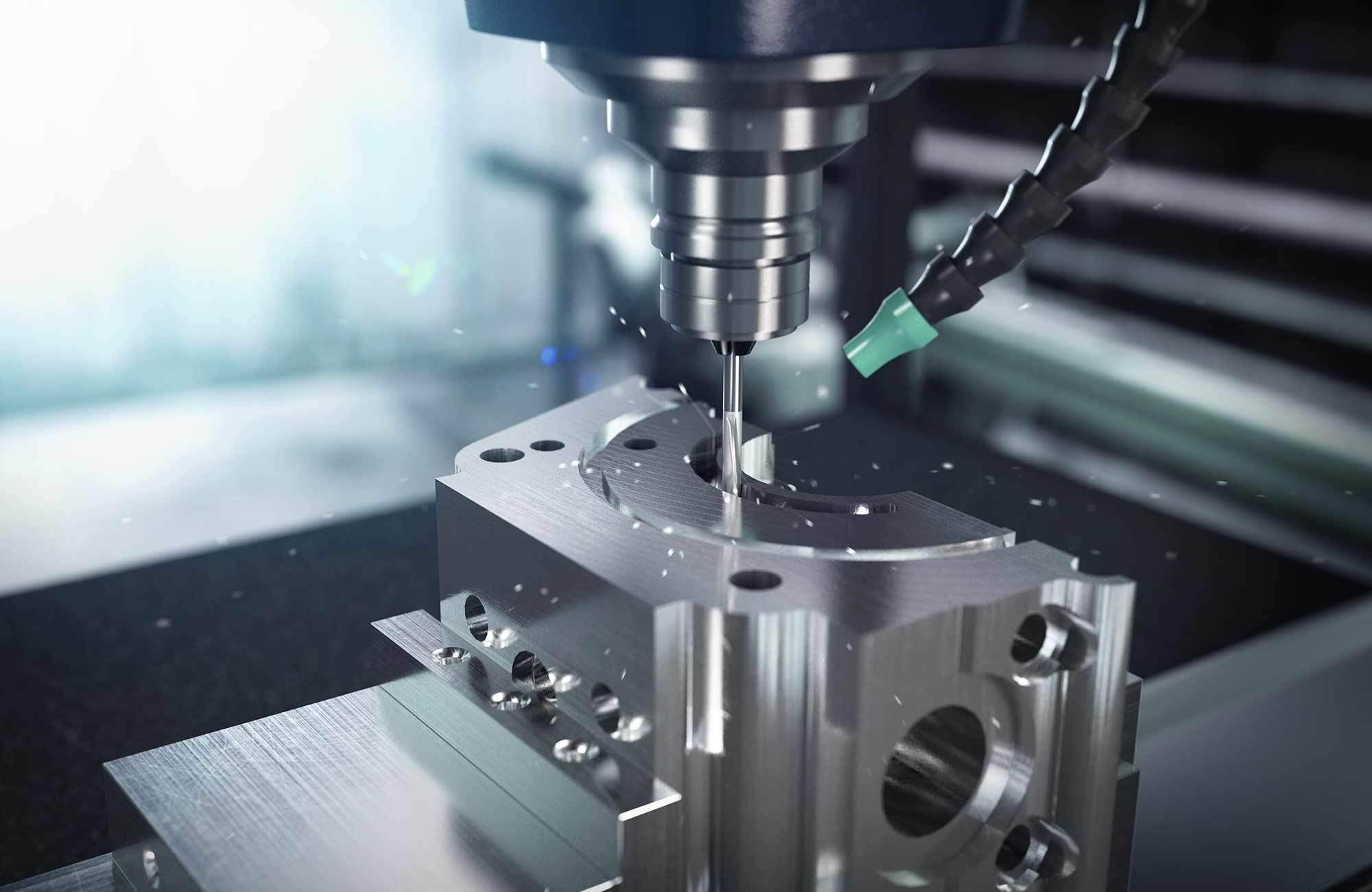
Rapid Lead Times (3 to 5 Days): Utilizing digital CAD/CAM programming rather than dedicated casting or stamping fixtures, parts are carved directly from solid stock billets, cutting engineering wait times by up to 60%.
Zero Upfront Tooling Costs: Because parts are machined using standard modular workholding setups on CNC milling, there are no capital expenditures on molds, lowering initial financial risks for new product testing.
Ideal Application Scenarios for Low Volumes
Low-volume manufacturing solves critical fit-for-purpose challenges across industries requiring highly specific or personalized components.
UAV Aerospace Connectors: Custom drone structural arms or sensor brackets machined from lightweight 6061-T6 aluminum alloys require extreme structural testing before flight approval.
Surgical Instrument Prototypes: Medical device designers frequently order 10–20 units of custom endoscopic handles to test ergonomic feel and weight distribution in clinical feedback loops.
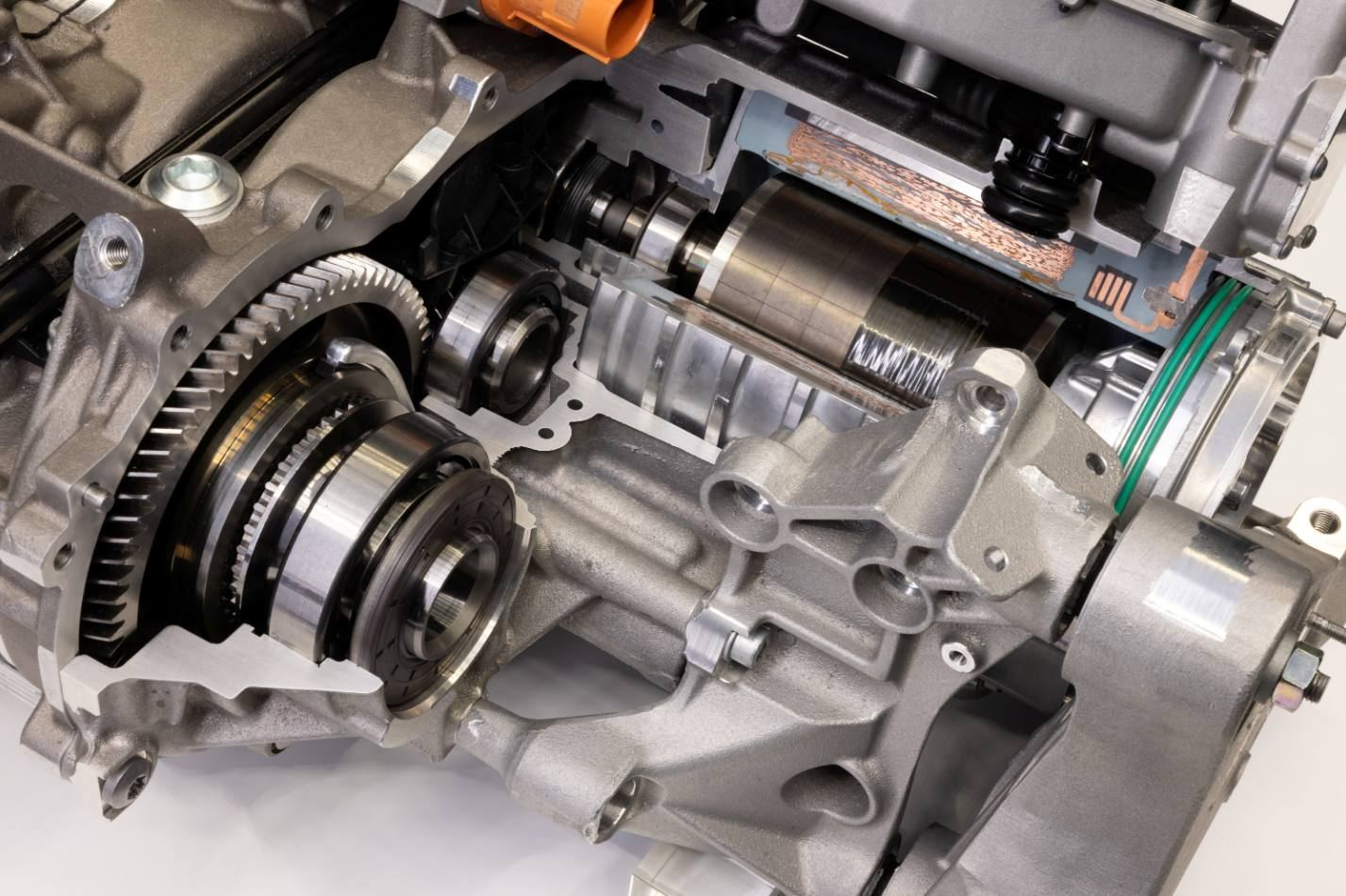
EV Motor Housing Iterations: Early-stage electric vehicle engineering requires high-precision structural enclosures to verify liquid cooling passages and thermal dissipation profiles before mass investment.
Navigating High-Volume CNC Production
Once a design is locked, verified, and ready for commercialization, the manufacturing strategy must shift toward lowering unit costs while tightening component consistency.
Key Characteristics of Production Machining
High-volume production relies heavily on automated manufacturing workflows and long-term asset optimization to squeeze out maximum cost efficiencies.
Quantity Thresholds (1,000 to 50,000+ Pieces): At this scale, the initial programming time and fixture setups are amortized over thousands of parts, drastically driving down the cost-per-part.
Ultra-Tight Tolerances (±01mm): Mass production requires absolute interchangeability, which is maintained using premium multi-axis machining centers to eliminate multi-setup stacked errors.
Automated Continuous Operation (24/7 Execution): Utilizing advanced MES tracking software, automatic tool changers, and robotic loading cells, factories minimize human error and ensure reliable batch-to-batch consistency.
Ideal Application Scenarios for Mass Production
Mass production solves the challenge of scalability for consumer facing and commercial industries where supply chain delays lead to direct market loss.
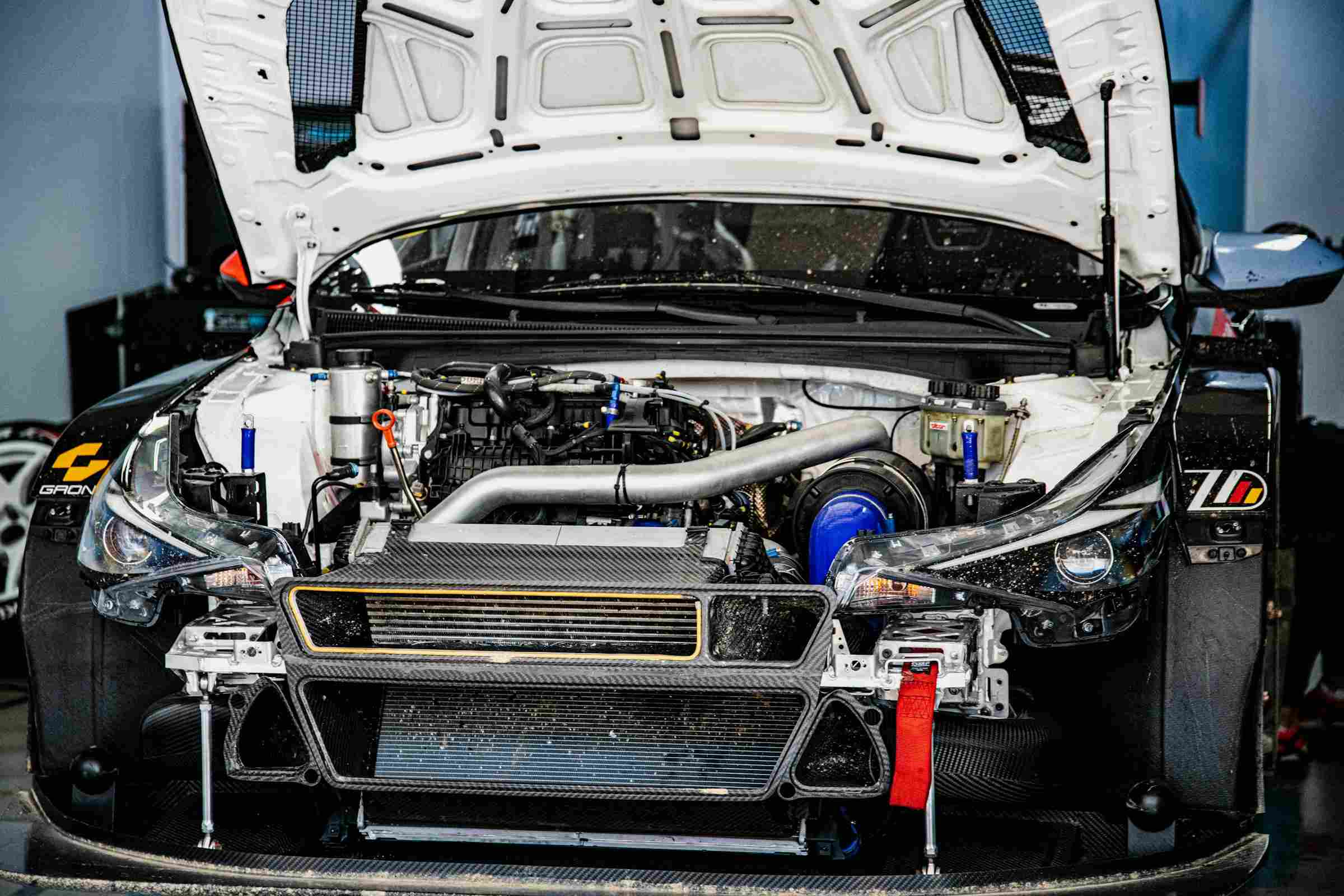
Automotive Engine Components: High-turnover automotive parts like steel engine shafts, custom transmission brackets, and fluid manifold valves demand strict zero-defect deliveries.
Pro Audio-Visual Hardware: High-end mixing console chassis, precision control knobs, and amplifier faceplates need hundreds of thousands of uniform parts matching strict visual standards.
Decisive Thresholds: How to Choose Your CNC Run Size
To optimize your procurement budget, you must analyze the exact cost inflection points where one manufacturing technique outbalances the other.
Strategic Run Comparison Matrix
The following comparison matrix maps out the core commercial and technical trade-offs between low-volume and mass-production runs to streamline your strategic supplier selection:
Decision Metric
Low-Volume Prototyping (1 – 100 Pcs)
High-Volume Production (1,000 – 50,000+ Pcs)
Primary Objective
Design verification & functional fit testing
Cost-per-part minimization & market scaling
Average Lead Time
3 to 7 business days
15 to 30 business days (batch delivery)
Upfront Setup Costs
Low (NRE programming fees only)
Moderate to High (Custom jigs, fixtures & soft tooling)
Unit Economics
Higher cost per individual component
Lowest possible cost via aggressive scaling
Machining Platform
Dedicated quick-response multi-axis cells
Automated lines (Robot loaded Mazak / DMG MORI)
Design Fluidity
High (Changes implemented instantly via CAM)
Low (Locked designs; changes incur rework costs)
Quality Validation
First Article Inspection (FAI) & manual checks
100% CMM tracking, SPC data & full traceability
Evaluating Volume Inflection Points
Determining the exact point where CNC machining gives way to alternative manufacturing methods prevents massive cost overruns.
The CNC vs. Stamping Boundary (3,000 to 5,000 Units): For thin metal enclosures, CNC sheet metal fabrication is highly cost-effective up to 3,000 units; beyond 5,000 pieces, investing in a permanent stamping die yields a lower total cost of ownership.
TheCNC Turning vs. Milling Threshold (Symmetry Dependent): Cylindrical components such as custom fasteners or shafts should utilize live-tool CNC turning centers, which remain highly cost-effective from 10 units up to 100,000 units due to rapid rotational cycle speeds.
The 3-Axis vs. 5-Axis Linkage Gate: If a complex part requires 4 or more manual re-fixturings on a standard 3-axis mill, transitioning to a 5-axis CNC machiningsetup reduces setup time by 80%, making it cheaper even for batches as small as 50 units.
Analyzing Material and Geometry Costs
The raw materials you specify and the internal geometries of your CAD files will fundamentally dictate the scale economy of your manufacturing batch.
High-Cost Materials (Titanium & Superalloys): For expensive materials like Grade 5 Titanium, low-volume CNC machining is tightly controlled via DFM analysis to minimize wasted chip volume and scrap costs.
Geometric Complexity Constraints: Deep internal square pockets or sharp internal walls cannot be milled without specialized EDM tools; optimizing these corners to round radii slashes cycle times by 35% across high-volume orders.
Surface Finish Requirements: Batches requiring premium cosmetic treatments like Type III hard-coat anodizing or fine bead blasting should be grouped into production runs of at least 500 parts to minimize batch-chemical setup fees.
How Rejin CNC Delivers Financial & Technical Peace of Mind
Maximizing your manufacturing budget requires an agile supplier that houses both precision tooling and large-scale manufacturing infrastructure under one roof.
At Rejin CNC, our production floor features elite, internationally recognized equipment including multi-axis machining centers from Mazak and DMG MORI. Our scaling capacity handles both specialized low-volume requests and robust bulk contracts effortlessly. For low-volume prototyping, our dedicated rapid-response engineering cell achieves 3-to-7-day delivery turnarounds. For scaled market releases, our plant boasts a monthly production capacity exceeding 500,000 precision parts, ensuring no supply chain bottlenecks for your brand.
High-Precision Automotive Parts and EV Component Scaling
The car and electric vehicle supply chain requires reliable mechanics, very tight dimensions, and the ability to ramp up output smoothly.
A Tier-1 automotive supplier asked Rejin CNC to produce aluminum EV motor cooling plates and internal transmission shafts.
The Engineering Problem: The cooling plates needed a flatness tolerance of ±0.01mm over a wide area to stop coolant leaks. Standard 3-axis milling struggled to hold this consistently across bigger batches.
The Integrated Solution: Rejin CNC used rigid DMG MORI machining centers with custom vacuum fixtures. Real-time tool path adjustments helped manage any deflection caused by heat during cutting.
The Production Quantities: Prototypes arrived within 5 days. This led to a 1,500-unit validation batch, followed by stable mass production at 50,000 units per month.
The Tangible Outcome: Switching to specialized 5-axis work brought the cycle time for each cooling plate down from 120 minutes to 45 minutes. Delivery stayed on schedule 100 percent of the time, and dimensions stayed well within the required ±01mm limits needed for automotive work.
Electroacoustic and Pro-Audio Components Case Study
Premium audio gear and studio equipment need excellent surface appearance plus precise mechanical performance with no play in moving parts.
A well-known European headphone brand worked with Rejin CNC to move aluminum audio knobs and ear-cup housings from early samples to steady production.
The Engineering Problem: The first design had sharp internal corners that caused tool vibration and longer machining times on regular 3-axis equipment. Early samples showed a 2.5 percent rejection rate due to cosmetic issues.
The Integrated Solution: The Rejin CNC engineering team reviewed the design thoroughly with DFM. They suggested adding a small 0.5mm radius to the internal pockets. This change allowed the use of high-speed 5-axis Mazak machines and smoother cutting.
The Production Quantities: The project started with a 10-piece prototype run for sound testing. Next came a 500-unit low-volume market check. It then grew into a regular order of 20,000 units each month.
The Tangible Outcome: Adjusting the internal shapes reduced cycle time per part by 35 percent. The company’s in-house automated anodizing line kept cosmetic rejects below 0.3 percent. Overall, the client saved more than $14,000 by avoiding wasted materials and rework.
Take Control of Your Precision Supply Chain
Don’t let poor manufacturing design waste your engineering budgets or hold up product launches. Rejin CNC supplies industry-certified precision. You may need one vital prototype to convince investors. You could also require 100,000 flawless parts shipped around the world. Upload your 3D CAD models in STEP, IGES, or SolidWorks formats today. Our technical specialists will send an interactive DFM analysis and a detailed quote within 24 hours.
Email: nicole@rejincnc.com
WhatsApp / Phone: +86 13790500374
FAQ
Q: What is the primary factor driving up the cost of a low-volume CNC prototyping run?
A: Setup time forms the main cost in a low-volume CNC prototyping run. It covers writing the CAM toolpaths, fitting the machine fixtures, and running test cuts. For a run of just five pieces, these early costs spread over fewer parts. This leads to a higher price per unit than in mass production.
Q: How does a Design for Manufacturing (DFM) review actively save money during high-volume production?
A: A DFM review spots complex shapes that slow CNC work. Examples include deep narrow pockets, tolerances tighter than needed, and sharp inside corners. Switching these to suit common tools can cut cycle times by 20% to 40%. The shorter run time then brings down overall machining and production costs.
Q: When should a procurement manager choose sheet metal stamping over CNC sheet metal fabrication?
A: Stamping calls for costly hard tooling dies that run into thousands of dollars before production starts. After that, parts form fast and cheaply. CNC usually works out better for runs under 3,000 units. When volume stays above 5,000 units, the lower part price makes the die cost worthwhile.
Q: Why is dual certification in ISO 9001:2015 and IATF 16949 critical for high-volume B2B sourcing?
A: ISO 9001:2015 sets a standard quality system in the factory. IATF 16949 adds rules for automotive work. These include risk checks, statistical process controls (SPC), and full part tracking. Together, they keep precision steady from the first piece to the 50,000th in big runs.
The ordering process is simple:
1.Submit your design files
2.Select materials and manufacturing processes
3.Receive quotation
4.Confirm the order
5.Production and delivery
We provide a wide range of services, including CNC Machining Services, Sheet Metal Fabrication, Surface Finishing Solutions, and DFM Analysis Support.
We offer multiple CNC machining materials, such as Copper (Cu), Iron (Fe), Aluminum (Al), Stainless Steel, and Engineering Plastics.
We accept credit card, PayPal, and T/T Bank Transfer.
Yes. You can track your order via our online tracking system or contact our support team through Customer Support Team.
Our CNC machining delivers high precision, typically with a tolerance up to ±0.005mm, depending on the material and complexity of the part.
Yes. We offer design and engineering assistance to bring your ideas to life. Our team can help with product design, prototyping, and optimization.
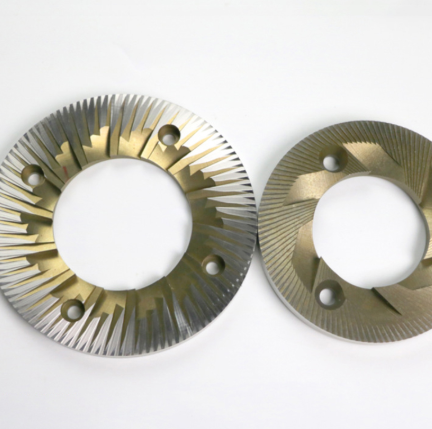
A professional manufacturer specializing in custom, non-standard CNC machining of mechanical parts. We can tailor-make a wide range of special housings and other coffee machine components according to customer requirements, with a broad selection of materials available. Feel free to contact us for inquiries!
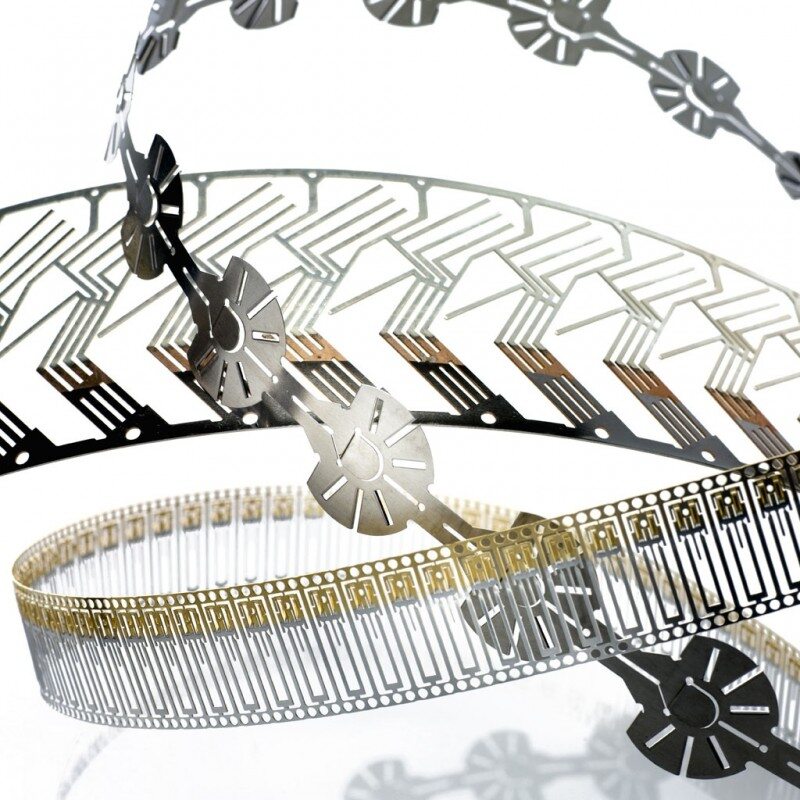
Rejin CNC manufactures precision stamping parts with high dimensional accuracy and consistent quality. Our metal stamping components are widely used in electronics, automotive, and industrial equipment, supporting OEM & ODM production.
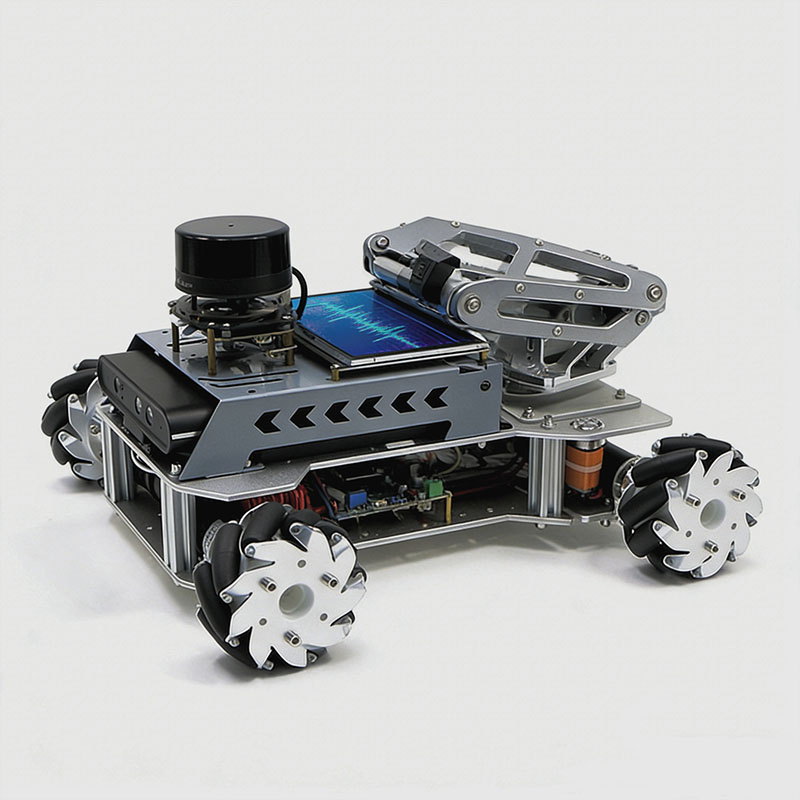
These CNC machined robot components are designed for robotic systems, including joint parts, shafts, and structural components. High precision ensures smooth motion and long-term stability.

 Eren
Eren