 Они были
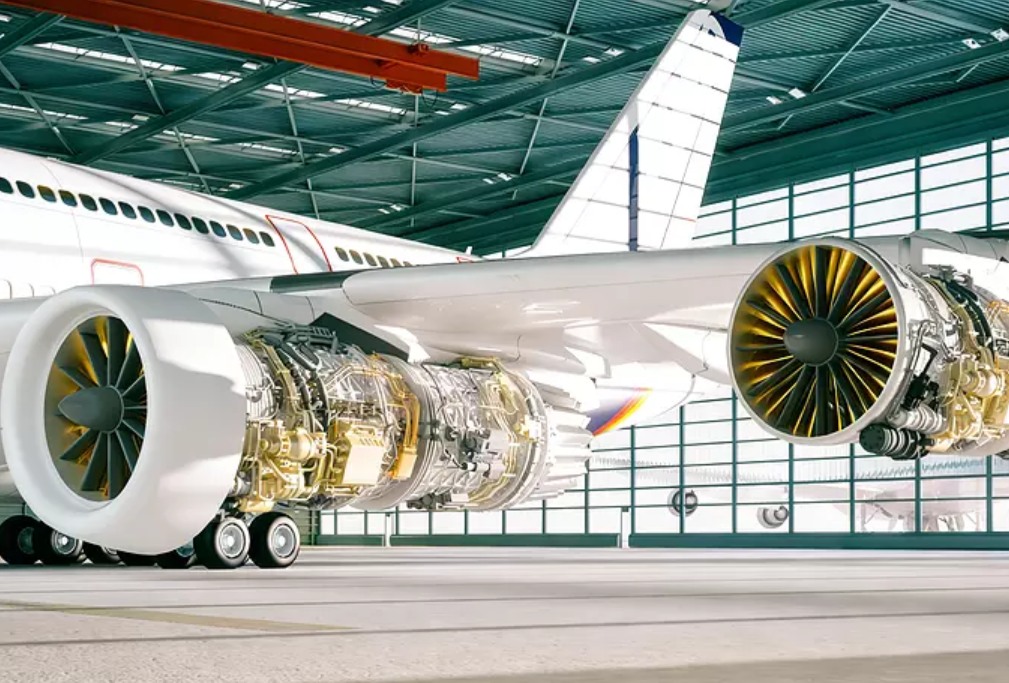
В суровом вакууме космоса или в условиях быстро движущихся высотных БПЛА высокая температура незаметно повреждает электронику. Без циркуляции воздуха обычные методы активного охлаждения, такие как вентиляторы, оказываются бесполезными. Здесь вступает в игру сочетание навыков и знаний в области пассивного охлаждения. Для инженеров аэрокосмической отрасли задача выходит за рамки простого отвода тепла; она включает в себя работу с ним в мельчайших пределах и при строгих ограничениях по весу.
В Rejin ЧПУМы посвятили годы совершенствованию производства этих важных деталей. После реализации тысяч проектов один материал стал неизменным лидером в этой области: алюминиевый сплав 6061.
Электронные компоненты аэрокосмической отрасли постоянно уменьшаются в размерах и увеличивают мощность, что приводит к большему накоплению тепла. Когда модуль связи спутника или контроллер полета дрона перегреваются, вся система выходит из строя.
В системах активного охлаждения используются движущиеся элементы, которые, как правило, выходят из строя из-за механических повреждений и потребляют значительную энергию. Пассивное охлаждение зависит от жилье для отвода и отвода тепла от внутренних частей, что обеспечивает следующие преимущества:
Что делает сплав 6061 особенным? Среди бесчисленного множества сплавов 6061 обеспечивает оптимальный баланс для инженеров аэрокосмической отрасли.
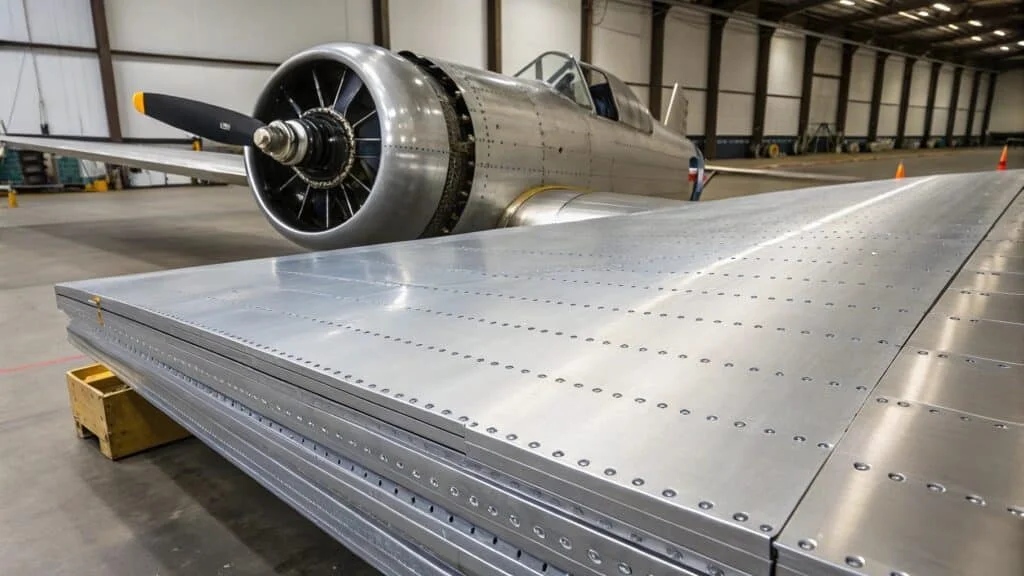
Алюминий 6061-T6 обладает теплопроводностью около 167 Вт/м·К. Хотя некоторые сплавы проводят тепло немного лучше, им обычно не хватает прочности, необходимой для защиты чувствительных датчиков. Сплав 6061 обеспечивает достаточную прочность для использования в качестве каркаса и стабильно отводит тепло от источника.
В аэрокосмической отрасли важен каждый грамм веса. Компания Rejin CNC специализируется на создании максимально тонких стенок корпусов из сплава 6061, иногда до 0,5 мм, при сохранении высокой прочности. Такой подход позволяет сохранить легкость корпуса и увеличить площадь для отвода тепла.
Выбор подходящего материала — лишь часть работы. Настоящее мастерство проявляется в процессе обработки. Компания Rejin CNC, будучи преданным своему делу производителем, уделяет особое внимание мельчайшим деталям при изготовлении прецизионных деталей.
Для пассивного охлаждения точка соединения для теплопередачи имеет огромное значение. Если корпус не прилегает плотно к электронным компонентам, образуется небольшое воздушное пространство, которое блокирует тепловой поток, подобно препятствию. Наша передовая технология ЧПУ-обработки гарантирует:
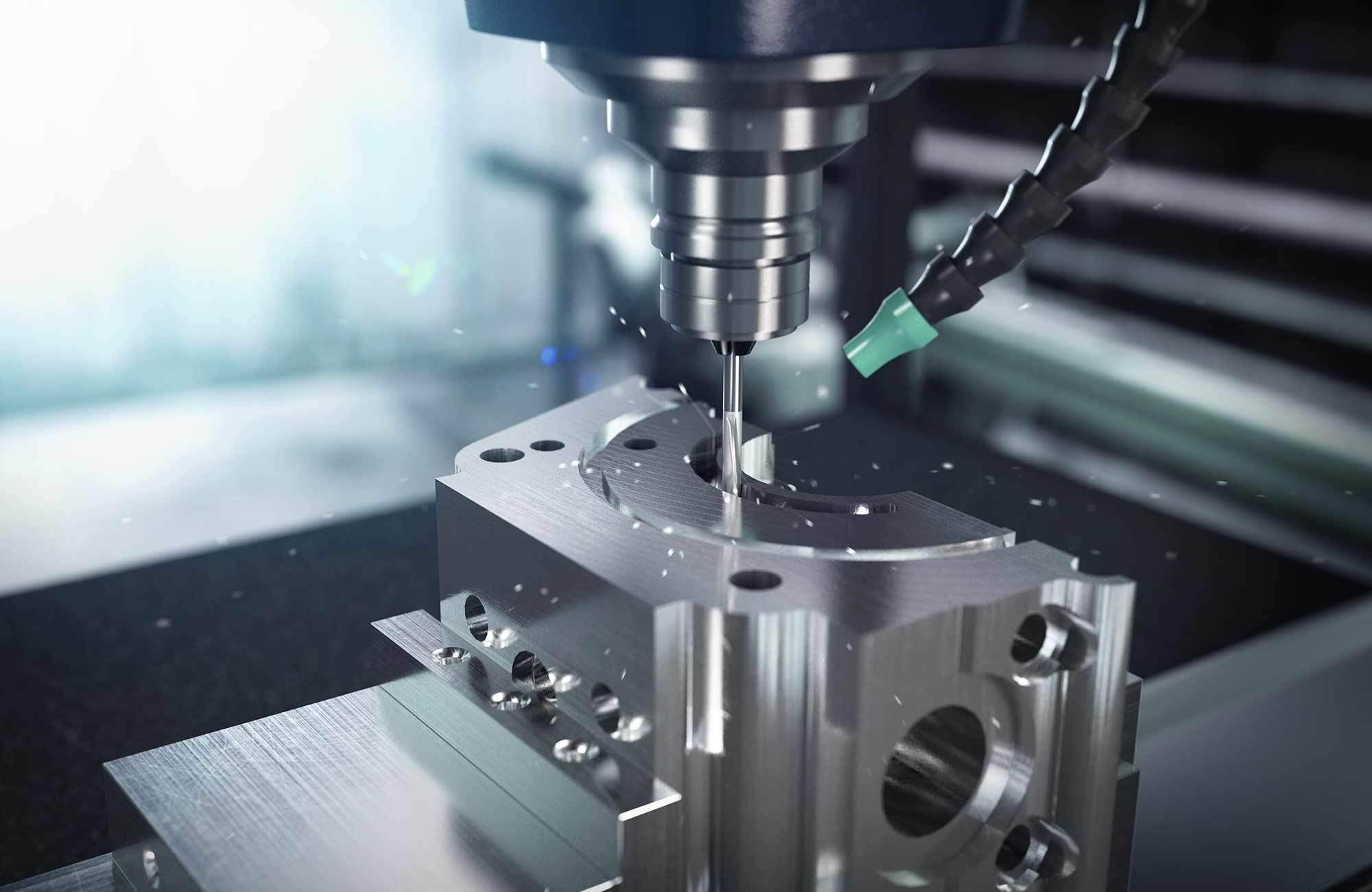
Базовая 3-осевая фрезеровка не справляется с формированием необходимых внутренних ребер и закрученных каналов охлаждения для лучшего отвода тепла. Компания Rejin CNC использует... 5-осная обработка ЧПУ, что позволяет нам:
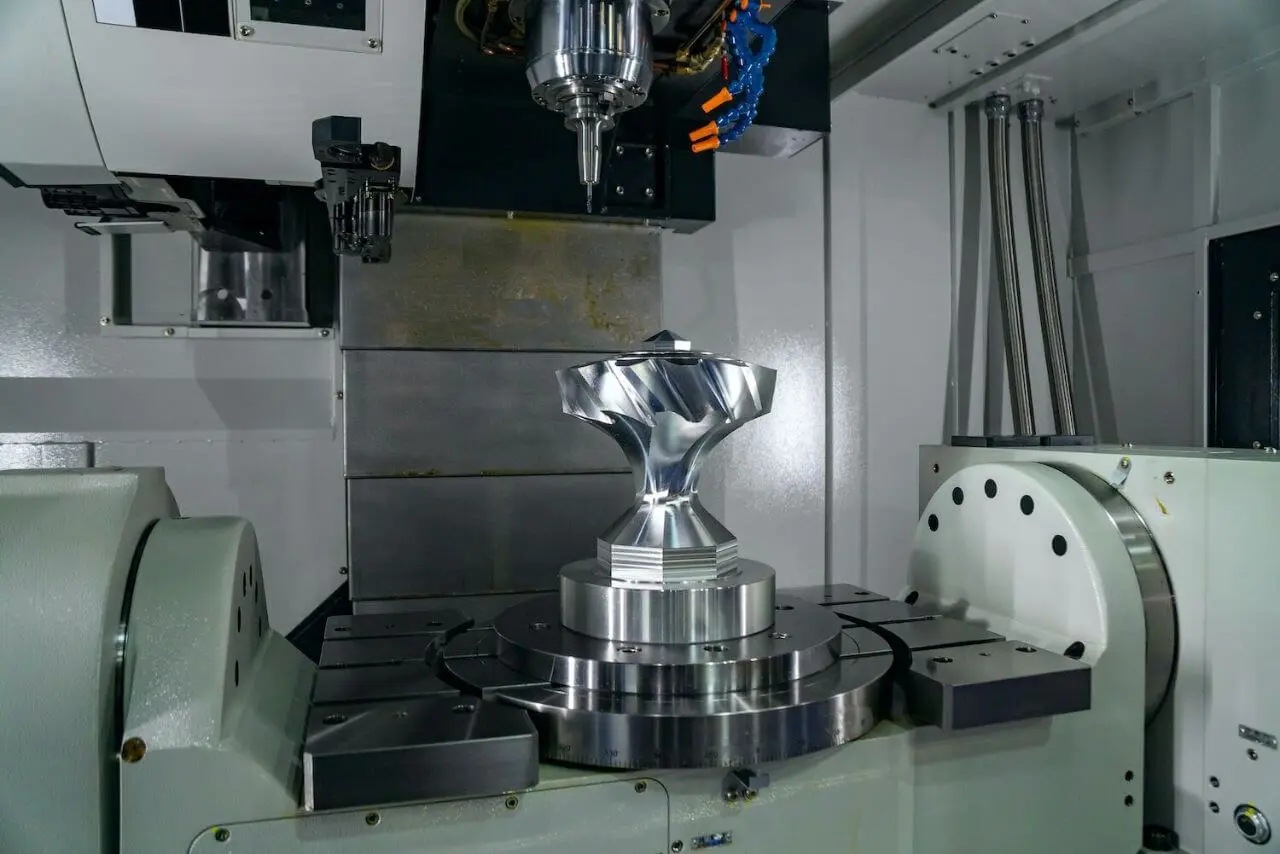
Одного лишь обычного алюминия зачастую недостаточно. Поверхность корпуса необходимо обработать, чтобы отводить тепло в окружающую среду или к основной раме.
В компании Rejin CNC мы выполняем полный спектр работ по финишной обработке прямо на месте:
Где находят применение наши изделия? Они служат в качестве ненавязчивых защитников в ключевых областях:
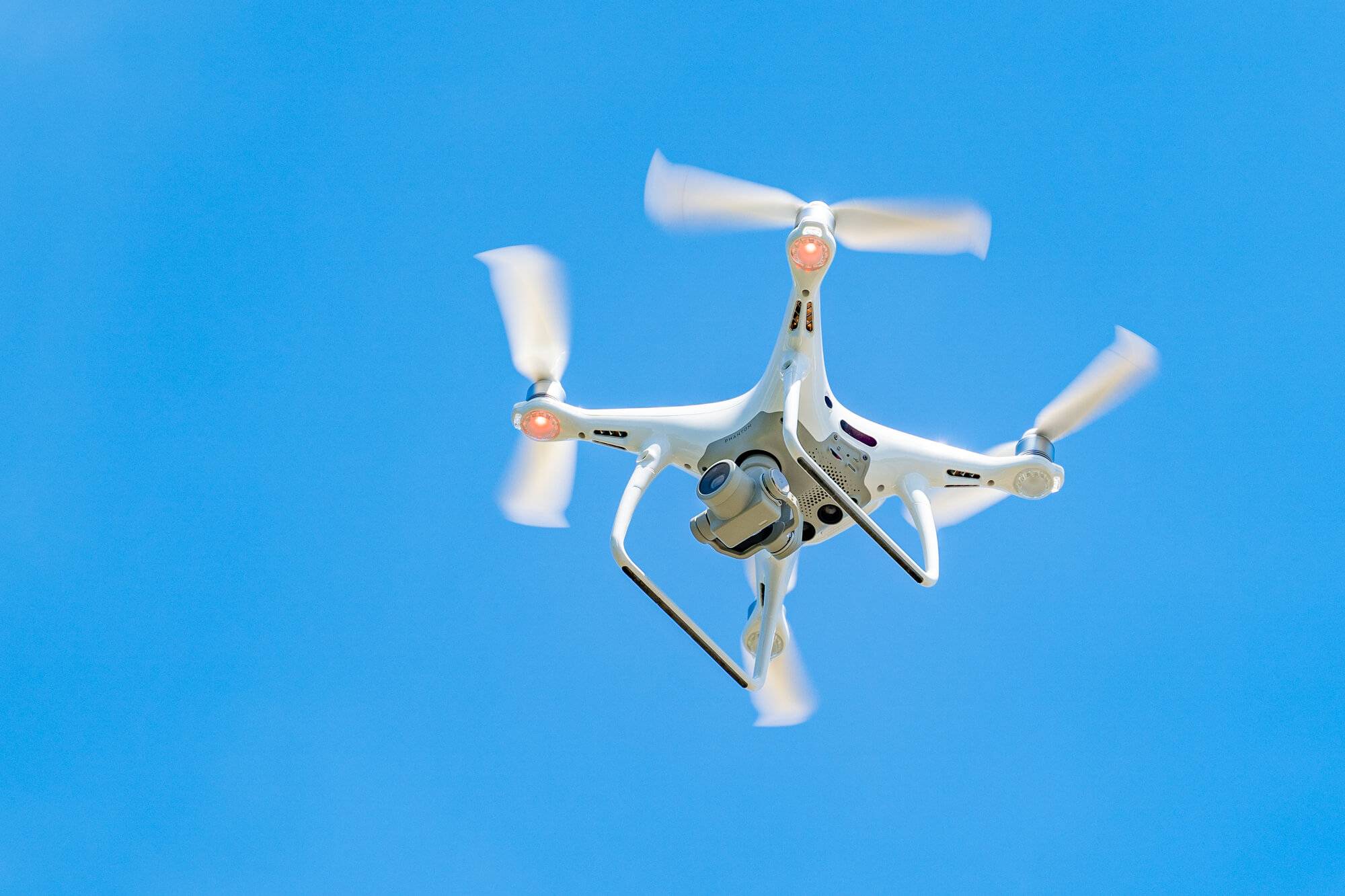
В компании Rejin CNC мы выходим за рамки обычной мастерской; мы выступаем в качестве ключевого партнера в производстве. В аэрокосмической отрасли скорость должна сочетаться с безупречными результатами.
Высокоточная обработка на станках с ЧПУ, строгий контроль допусков, превосходная чистота поверхности и стабильные поставки. Ваш надежный партнер в области металлических компонентов аэрокосмического класса.
[Свяжитесь с Rejin CNC сегодня [Для технического анализа DFM и получения коммерческого предложения]
А: Жесткие допуски обеспечивают максимальный контакт корпуса с тепловыделяющим компонентом. Даже микроскопический зазор может создать значительное тепловое сопротивление, вызывая перегрев электроники.
А: Да. Сплав 6061-T6 известен своими превосходными криогенными свойствами и способностью сохранять структурную целостность при широких колебаниях температуры, поэтому он является основным материалом в аэрокосмической отрасли.
А: Безусловно. Мы предлагаем поддержку в области проектирования с учетом технологичности производства (DFM) и можем предоставить рекомендации по оптимизации 2D/3D чертежей, чтобы сделать вашу деталь более «обрабатываемой», что часто снижает затраты и повышает производительность.
А: В зависимости от сложности, наша услуга быстрого прототипирования обычно позволяет изготавливать высокоточные образцы в течение 3-7 дней, после чего, после проверки конструкции, начинается стабильное серийное производство.