 author
In today’s fast-changing industrial world, the need for unusual, exact parts has reached new heights. Whether you work on fresh electric cars, health tools, or flight gear, picking the proper manufacturing method matters a lot for matching output, price, and market speed. The choice often comes down to two main ways: Sheet Metal Fabrication and CNC Machining.
At Rejin CNC, we focus on guiding engineers through this decision. When you grasp the special benefits of each approach, you can adjust your plans for building and make sure your item performs well in its end use.
Both methods deal with metal. But their basic ways of forming the stuff differ completely.
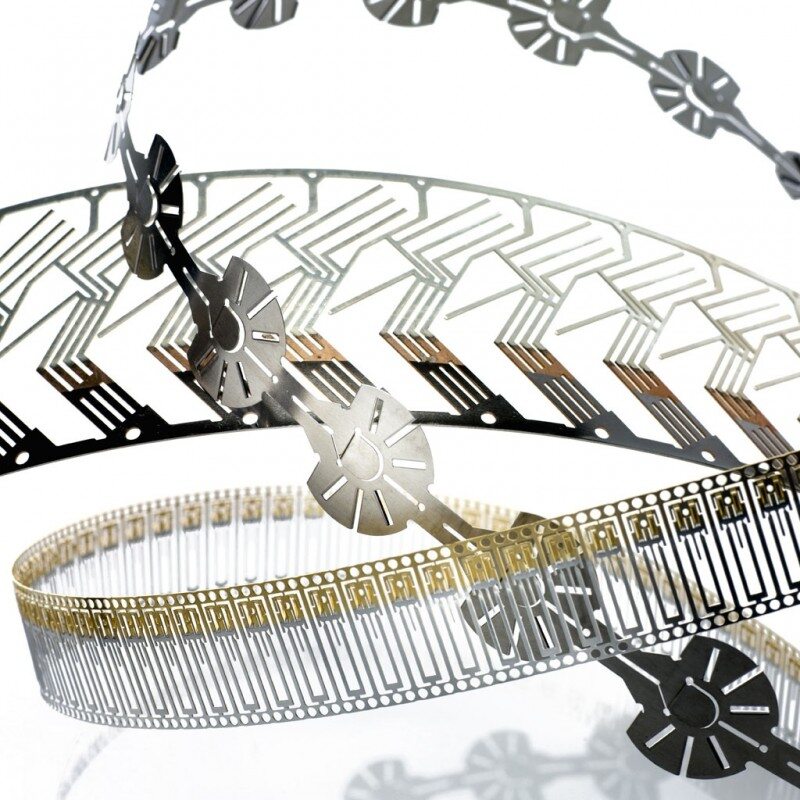
Sheet metal fabrication means forming thin, flat metal pieces—usually from 0.2mm to 3.0mm thick—with steps like laser cutting, careful bending, and welding. It works as a very effective “cold-shaping” method that uses material well, often above 90% via computer-guided layout. This way sets the norm for making empty or slim-walled builds with strong weight-to-strength balances.
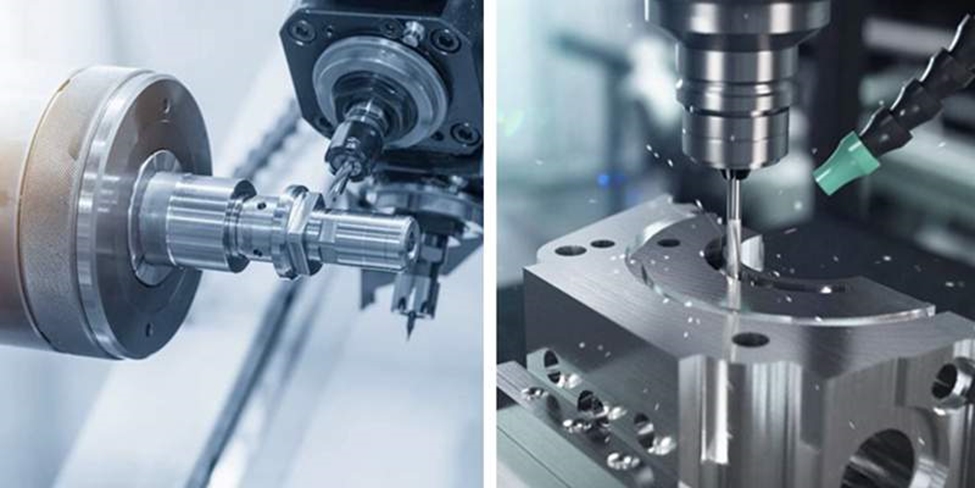
CNC (Computer Numerical Control) machining cuts away from a solid chunk of material to form a certain shape using spinning tools. It suits parts that need very close size control and tricky 3D inner setups. With Rejin CNC’s modern 5-axis machining centers, we finish multi-sided items in one go. This cuts setup mistakes by more than 80% against old 3-axis styles.
Sheet metal often wins when your piece calls for a big surface but a fairly thin shape.
Sheet metal fabrication shines in creating parts that stay light but firm in build. Since it depends on folding instead of taking away material, it keeps the metal’s grain pattern. That makes it perfect for car frames, fixing brackets, and factory cases.
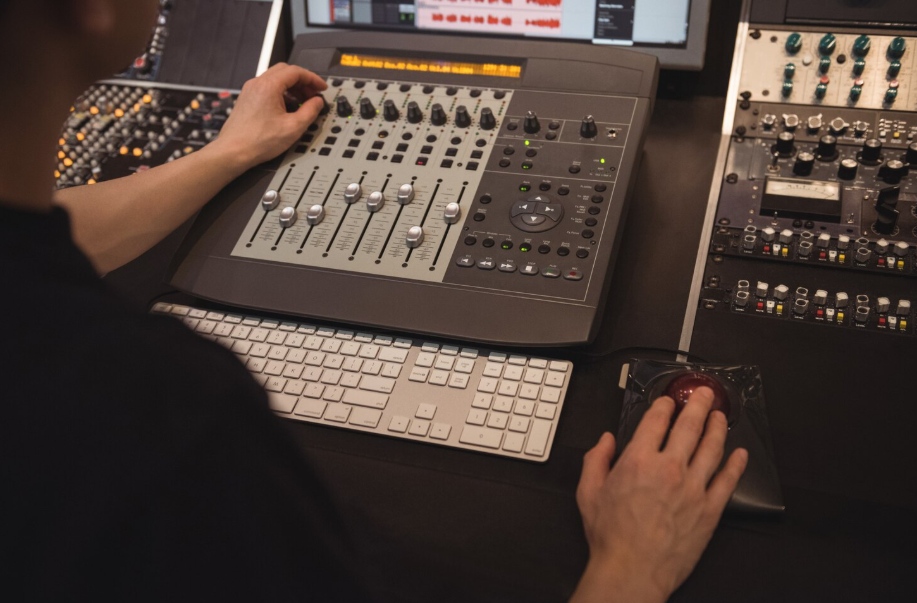
In the expert sound field, looks and toughness count heavily. Rejin CNC makes Custom Stamped Aluminum Audio Decorative Sheets and mixer enclosures through sheet metal stamping and laser cutting.
If your plan includes solid blocks, detailed curves, or tight fits that bending can’t handle, CNC machining fits best.
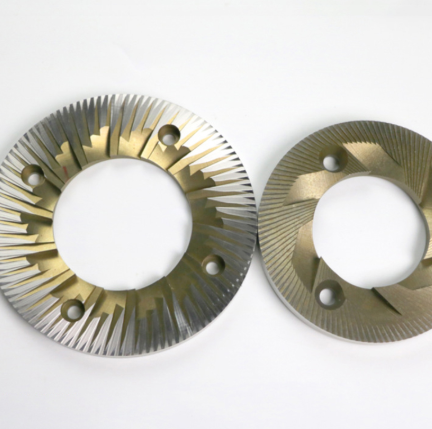
For pieces that go into quick-moving groups, the exactness from Rejin CNC stands out. Our CNC work hits tolerances as close as ±0.001mm to ±0.005mm. Our 5-axis CNC machining lets us shape complex bent surfaces like plane motor blades or health inserts with “micron-level” detail.
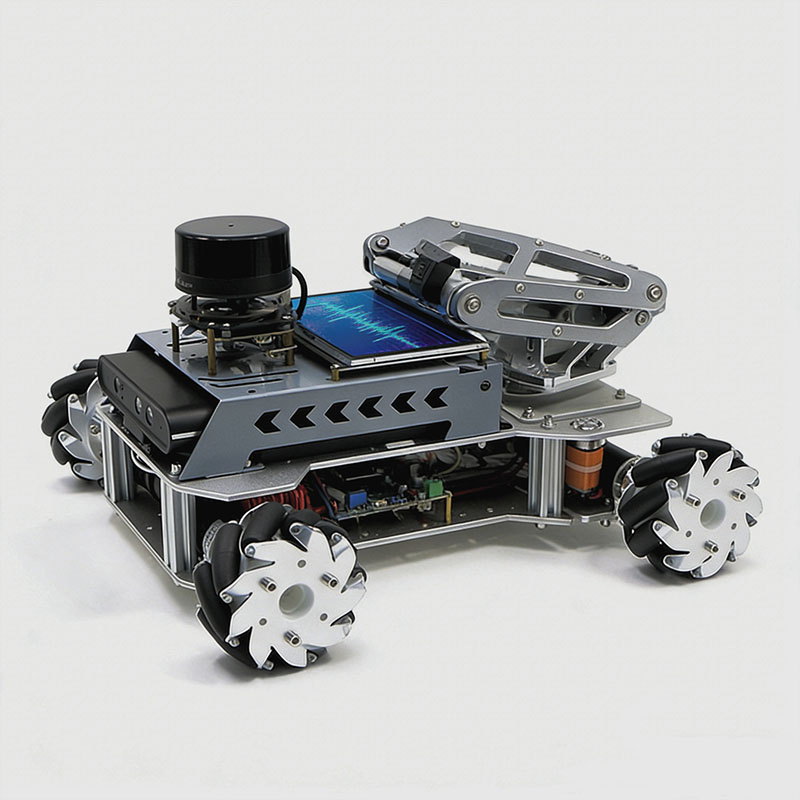
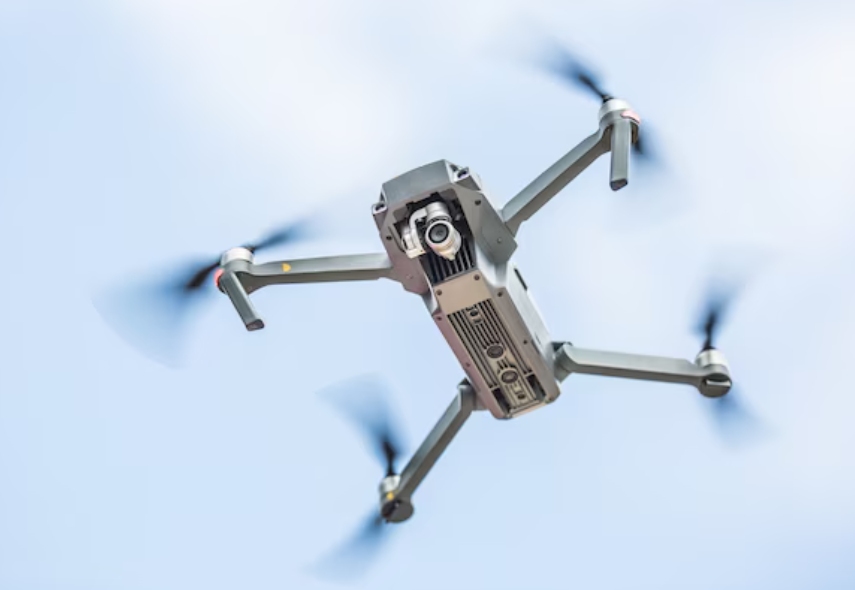
Modern robots and UAVs (Unmanned Aerial Vehicles) need components that are very tough and well-balanced.
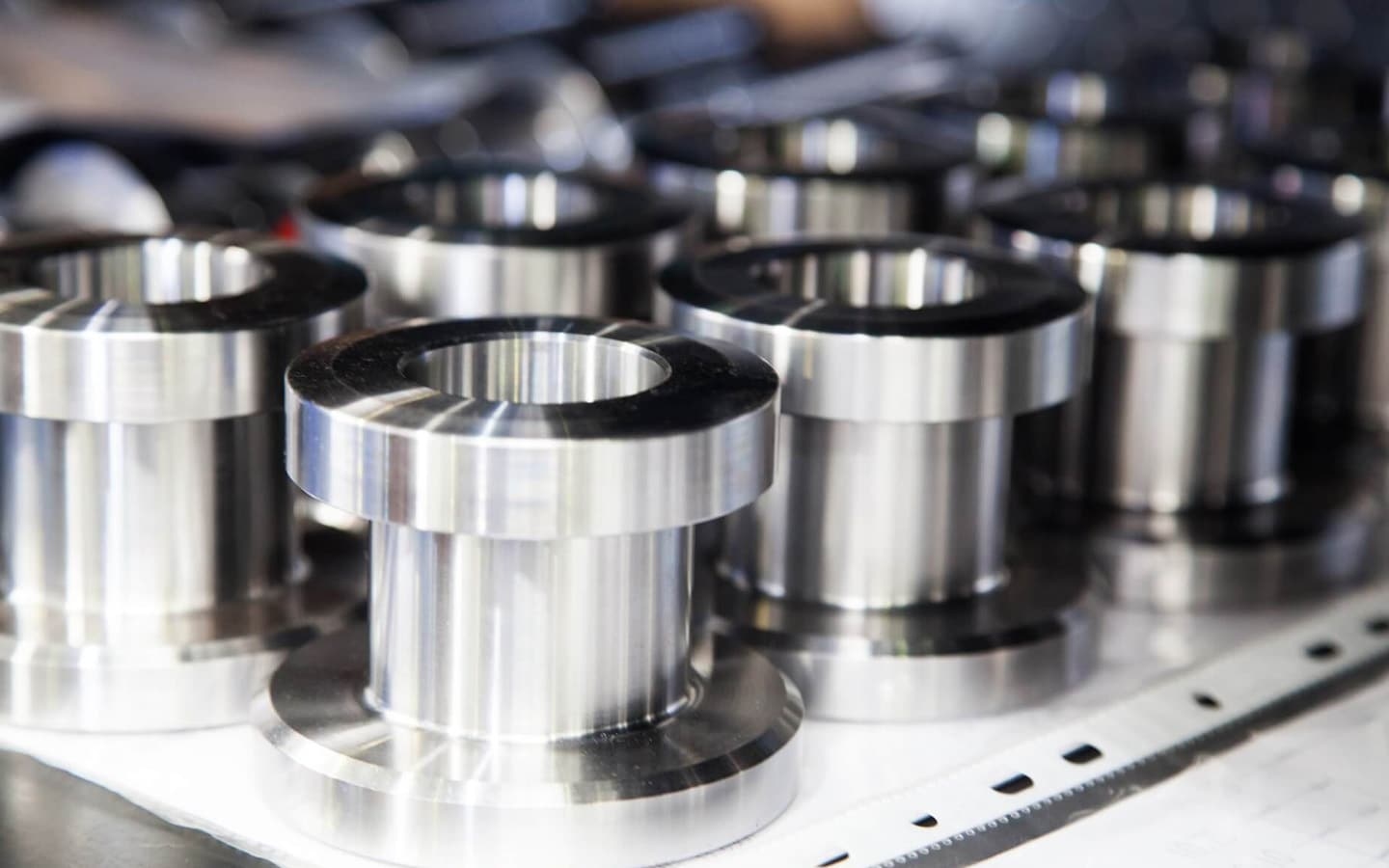
If your part has vital joins—like bearing spots or fluid links—CNC machining proves necessary. For instance, our Stainless Steel Connector Assemblies for vehicle fluid systems include built-in inner threads and stepped sealing edges. These features provide a no-leak match under strong pressure rounds. Sheet metal, though precise, usually works in a wider tolerance span (±0.2mm to ±0.5mm), fit for basic structural cases.
Rejin CNC handles a wide range of materials, including:
After-work steps bring the part to full form. We provide combined anodizing, sandblasting, electroplating, and laser engraving. For audio knobs or 3C electronic accessories, a knurled texture or a high-gloss anodized finish can be applied to enhance grip and a premium feel.
Rejin CNC has turned into a full-chain manufacturing force. We act as more than a plant; we serve as a key ally. Our offerings cover:
Don’t let building hurdles slow your new ideas. Whether you seek a 5-axis CNC-machined sample or a large group of exact sheet metal parts, contact Rejin CNC today for quality and trust.
A: CNC machining usually costs less for small groups (1-100 parts) because it avoids the big starting expenses of making stamping dies or special molds needed for bulk sheet metal work.
A: Yes, and more. While sheet metal sticks to flexible metals, CNC machining can work with items from aluminum and stainless steel to tough titanium mixes and engineering plastics like PEEK.
A: For samples and small groups, the usual wait is 3 to 7 days. Big-scale bulk making depends on the detail level, but our 100+ machining centers provide steady and quick output.
A: You can send your CAD files to Rejin CNC for a pro DFM (Design for Manufacturing) review. Our team will give notes on possible issues and suggest paths to cut costs while keeping quality.