 author
In medical work, even a difference of a few thousandths of a millimeter may affect the outcome of a procedure. As robotic-assisted operations and minimally invasive tools become more common, the need for components that move without any catch and hold exact dimensions has grown sharply. Rejin CNC has built its reputation over more than 22 years in this field.
Companies like Rejin CNC have moved beyond conventional workshop approaches. They adopt a focused, high-accuracy model suited to the demands of healthcare. Every part is produced with the clear understanding that it will connect to either the human body or a vital system. That awareness shapes not only the machining process but also the full quality framework, including our current ISO 9001:2015 and IATF 16949 certifications.
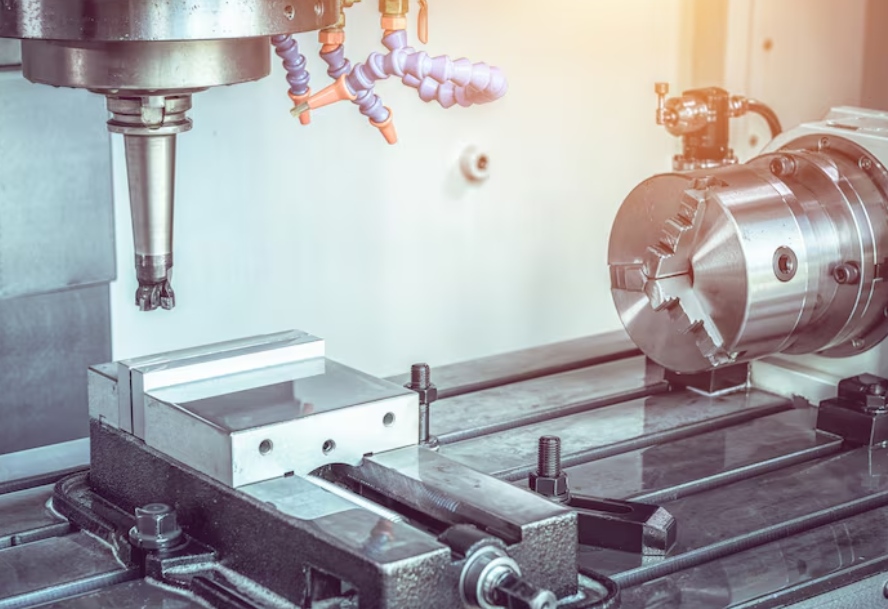
The human body features curved, irregular shapes rather than flat surfaces and basic rounds. To produce devices that align with such forms, 5-axis CNC machining has become the accepted method in medical production.
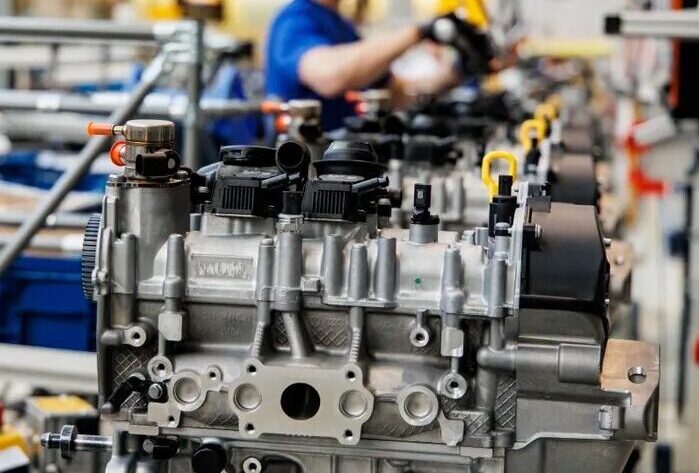
Older 3-axis machines often need several setups to reach all sides of a part. Each repositioning adds small positioning errors that accumulate. Rejin CNC employs advanced 5-axis systems that include rotational A and C axes along with the standard X, Y, and Z directions. This arrangement allows complete multi-face machining in one clamping.
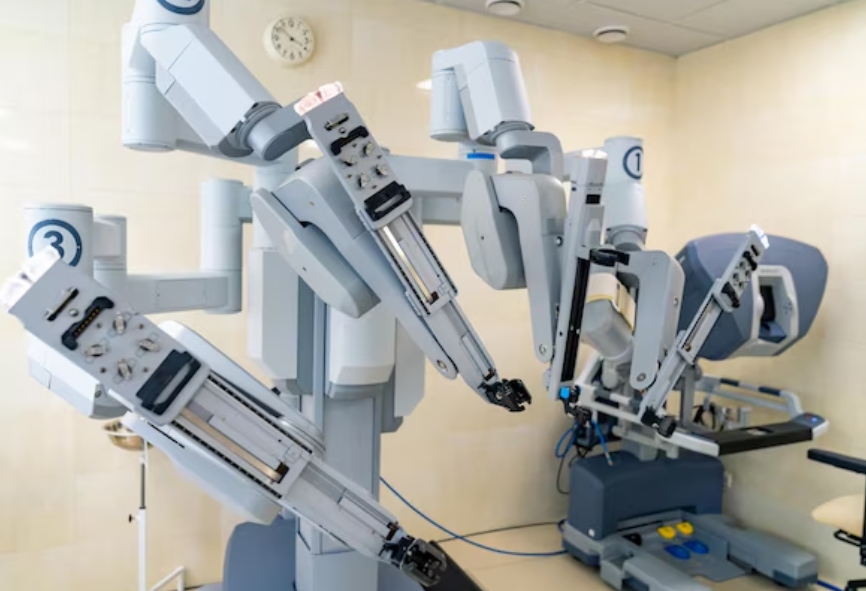
· Application Scenario: Robotic Surgical Joints.
Our 5-axis process plays a key role in making custom CNC-machined robot joints and structural parts. These components go into automated surgical arms that must perform steady, smooth movements during sensitive tasks. Machining the detailed internal bearing surfaces and rounded outer shapes in a single hold eliminates the 0.02mm alignment shifts typical of multi-setup 3-axis work. The result is reliable, fluid motion from the finished assembly.
Medical tools require a precise fit as well as surfaces that resist contamination. Rejin CNC maintains tolerances down to ±0.005mm. The 5-axis setup also permits dynamic tool angle adjustments during cutting, which produces surface finishes below Ra0.8μm.
· Application Scenario: Bone Drill Guides
In orthopedic procedures, drill guides need smooth internal channels to avoid friction between metal parts and to prevent areas where bacteria could collect. Our machining creates mirror-like internal surfaces. Surgical instruments then slide through without releasing tiny particles into the operative field, which directly supports safer outcomes for patients.
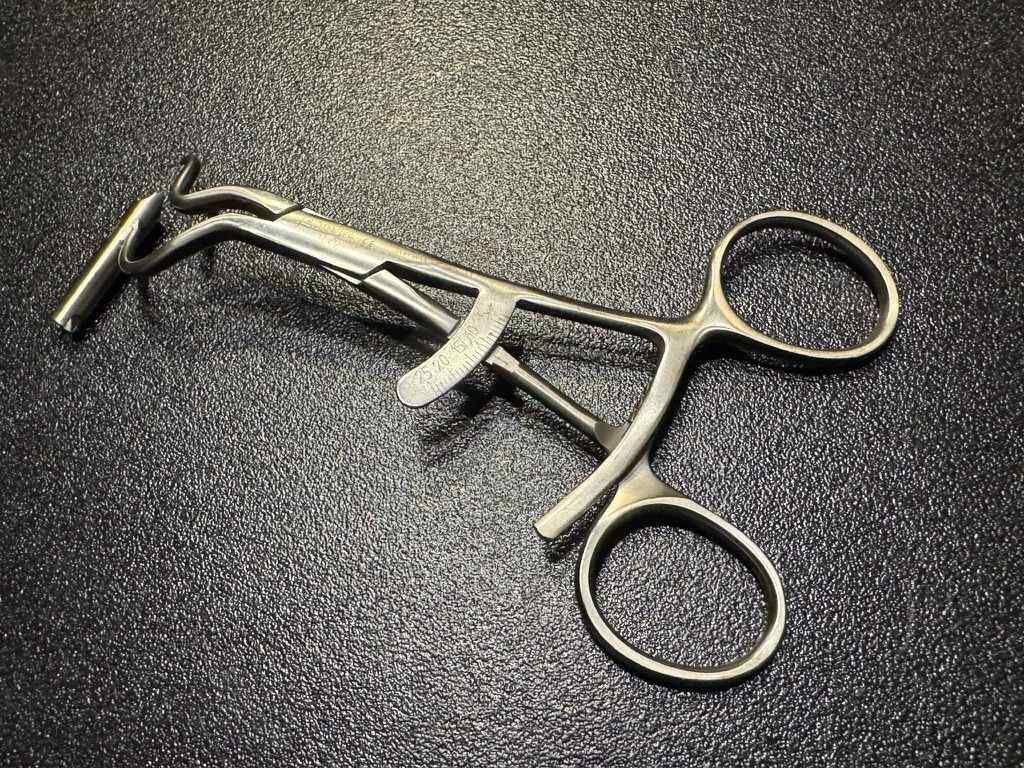
Material choices in medical applications rest on biocompatibility, favorable strength-to-weight balance, and resistance to repeated sterilization. A capable partner must demonstrate practical experience with more than common metals.
Rejin CNC regularly works with materials designed for healthcare use. Titanium alloys serve well in implants because they combine high strength with body compatibility. SUS316 stainless steel provides outstanding corrosion resistance for surgical instruments. PEEK offers a lightweight, tough option for protective enclosures and other structural elements.
Our custom CNC-machined medical device metal parts aim for uniform quality across every production run. We address the common weakness seen in lower-cost parts where durability falls short over time.
· Application Scenario: Stainless Steel Shaft-Sleeve Assemblies
These micro-machined shaft-sleeves, produced from SUS304, appear in portable diagnostic equipment. A frequent issue in such devices is mechanical failure after an accidental drop. By holding roundness within 0.01mm and carefully managing surface hardness, we keep internal alignment stable even after impact. That stability avoids downtime and repair expenses in busy clinical settings.
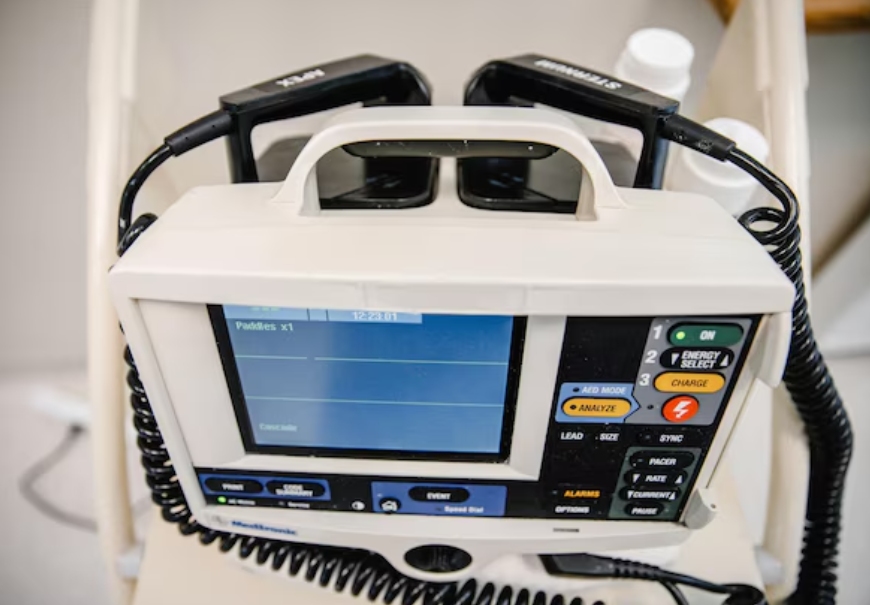
Relying on separate vendors for machining, surface treatment, and final checks often leads to gradual quality drift. Rejin CNC reduces that risk by managing the entire sequence in-house.
Our quality approach relies on clear data rather than assumptions. First Article Inspection (FAI) identifies any early deviations before full production starts. Critical safety components undergo 100% inspection. The goal remains zero defects for parts where failure cannot be tolerated.
A strong supplier does more than follow drawings. It contributes practical input at the design stage. Our engineers offer Design for Manufacturing (DFM) analysis support during initial concept reviews. They examine CAD files and highlight potential difficulties, such as tolerances that are unnecessarily strict or features that require costly tooling. Minor adjustments—perhaps a slight radius change or a revised cutting sequence—frequently cut processing time without changing performance.
· Application Scenario: Implantable Pump Housings
A recent project involved a pump housing design that included several deep, narrow cavities. Efficient machining appeared difficult at first. Our DFM team recommended small radius modifications and an altered tool path. Those changes reduced cycle time by 30% while preserving all required functions. The client achieved lower unit costs without any compromise on quality.
Our in-house Liying Aluminum Anodizing Plant controls the final appearance and durability of components. Processes such as sandblasting, polishing, and laser engraving stay within the same facility. In addition, our rapid-turn capability delivers prototypes in 3–7 days, which supports quick design validation in competitive markets.
Selecting a CNC partner involves more than comparing prices on a quote sheet. It means choosing a collaborator who grasps the technical demands and regulatory requirements of your sector. Rejin CNC draws on more than 22 years of hands-on experience and a large fleet of advanced machining centers to produce parts that safeguard both your company’s standing and the safety of end users.
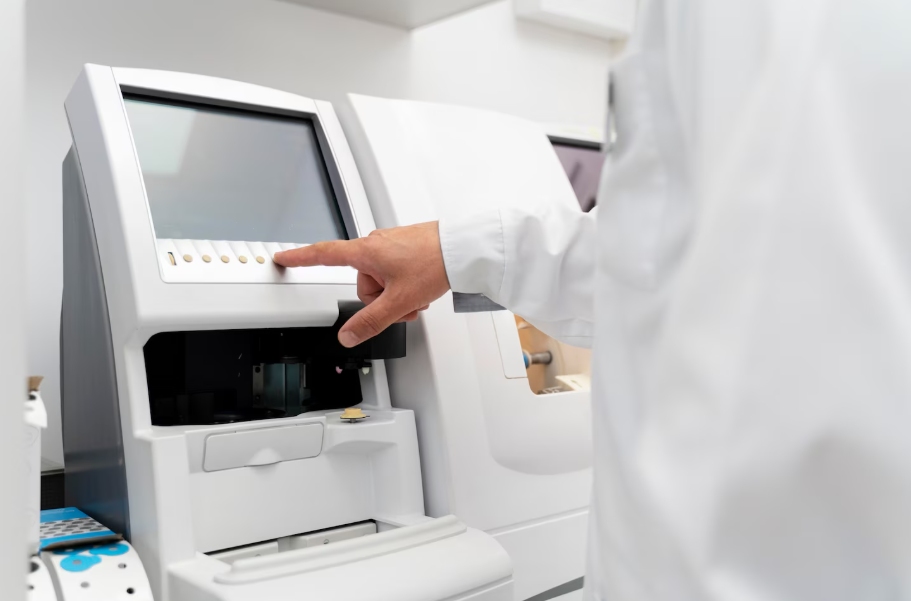
Our work extends across several demanding industries, showing the breadth of our capabilities:
Ready to elevate your next project? Contact Rejin CNC today to receive a personalized quote and a complimentary DFM review from our expert engineers.
E-mail: Ruonan@reginhub.com
WhatsApp: +86 18362358467
Website: www.reginhub.com
A: We consistently deliver tolerances as tight as ±0.005mm, ensuring perfect alignment for high-stakes medical assemblies.
A: Yes. Every batch includes material certifications (MTRs) and detailed dimensional inspection reports to meet regulatory requirements.
A: Definitely. We provide rapid prototyping within 3–7 days and early-stage DFM feedback to speed up the transition from concept to mass production.
A: We specialize in Titanium alloys, SUS 316/304 Stainless Steel, and high-performance engineering plastics like PEEK and POM.