
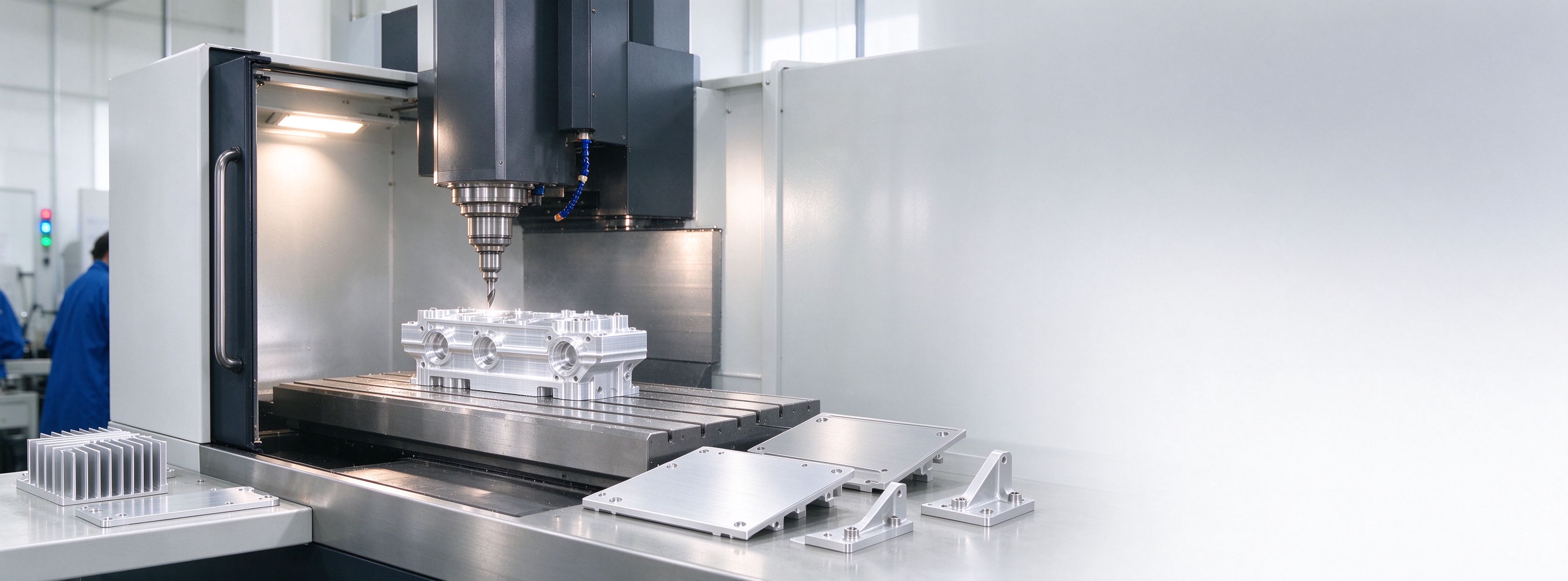
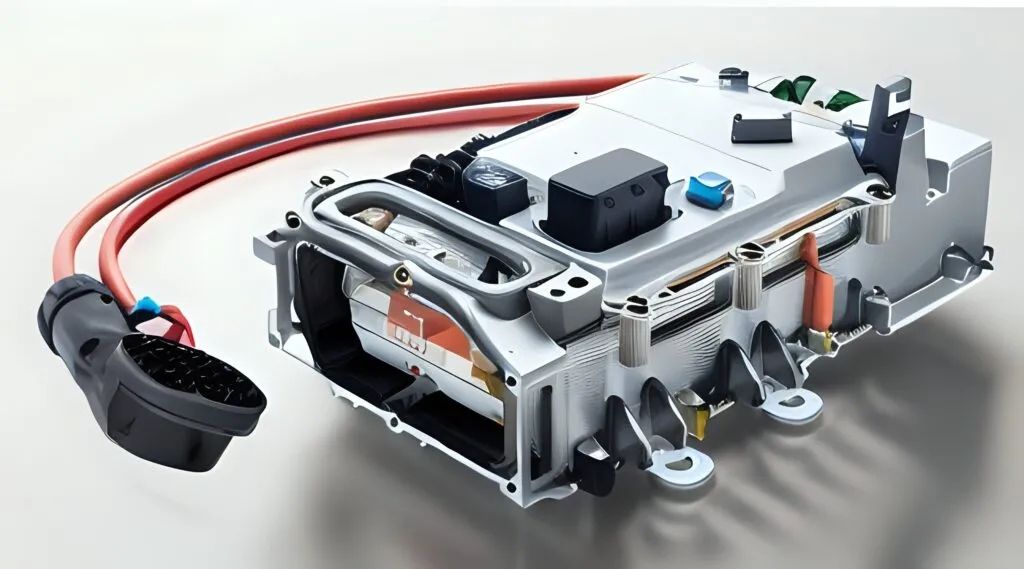
In the fast-changing field of specialized electronics—which includes autonomous robotics, new energy vehicle (NEV) control systems, and industrial automation—the need for “smaller, faster, and more complex” designs has become a basic standard. Devices are getting more compact, so common ready-made parts usually cannot satisfy the strict performance and space demands of advanced hardware.
Selecting a vendor skilled in handling unusual, exact parts can mean the difference between a smooth product rollout and an expensive design setback. This guide covers key elements for choosing a top CNC parts provider, highlighting the strong capabilities of Rejin CNC.
In current markets for specialized electronics, like New Energy Vehicles (NEVs) and Robotics, parts must follow specific plans instead of standard lists.
When picking a collaborator, check their skill in dealing with the four main difficulties in specialized electronics.
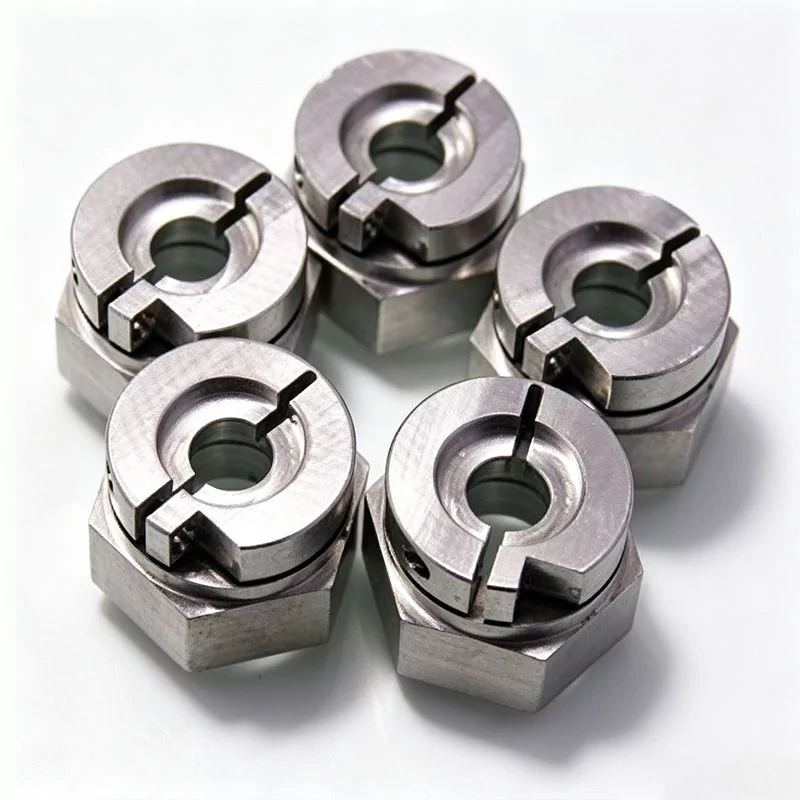
Parts like electronic links and robotic sensors need exact fits with little margin for mistakes. A provider should show they can hold tolerances of ±0.005mm steadily. For Rejin CNC, this goes as fine as ±0.001mm. Such accuracy makes sure assemblies of several pieces line up well, without building up small errors.
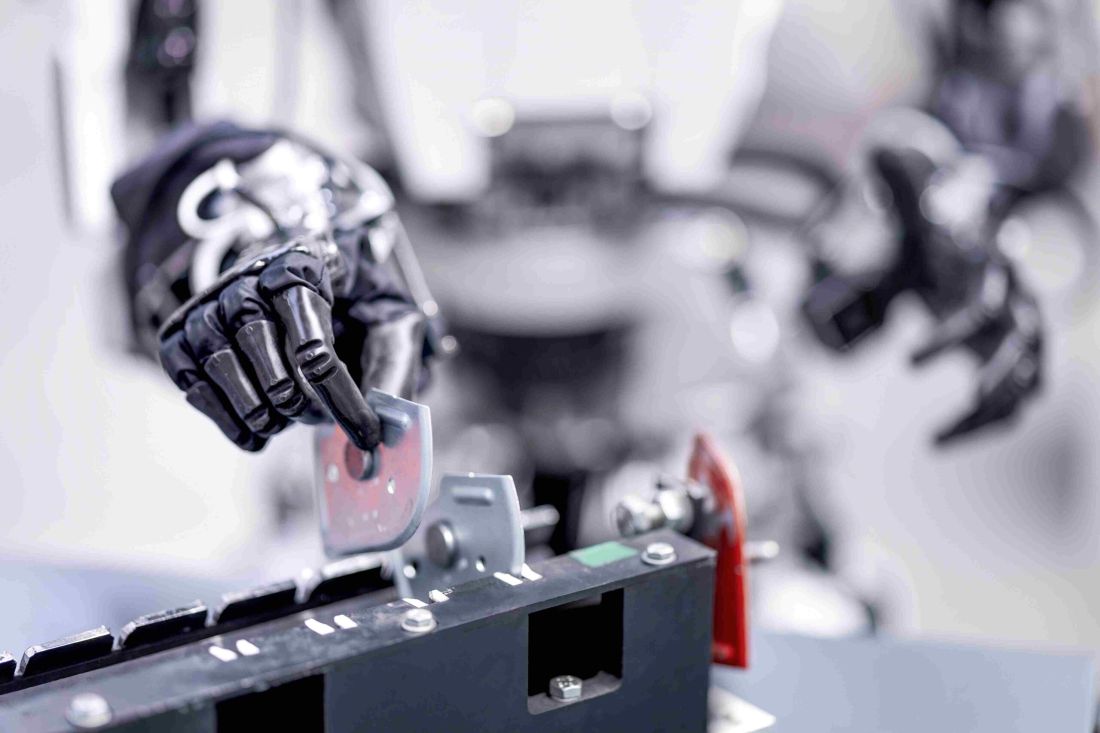
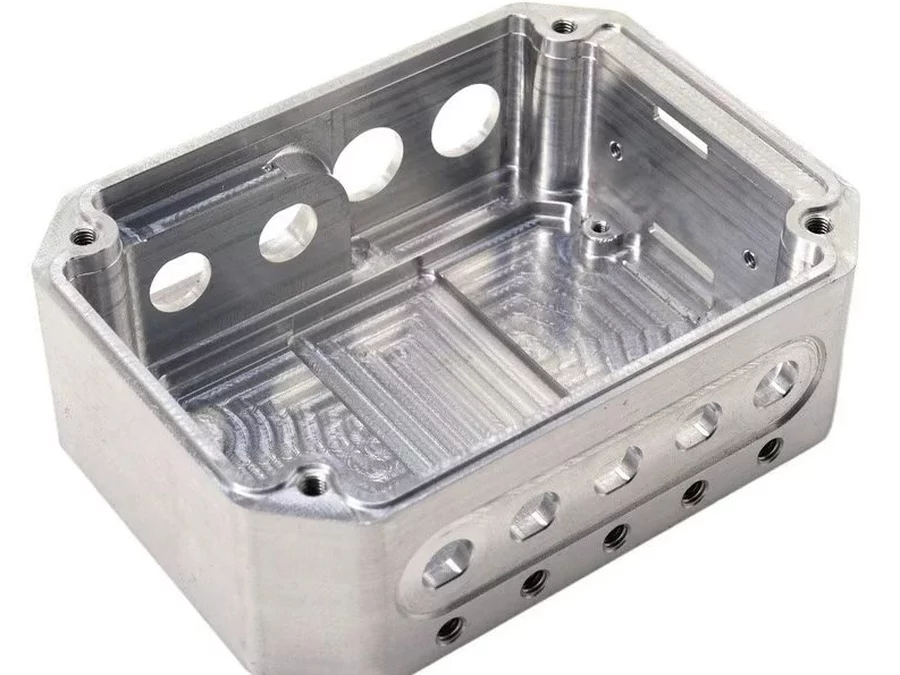
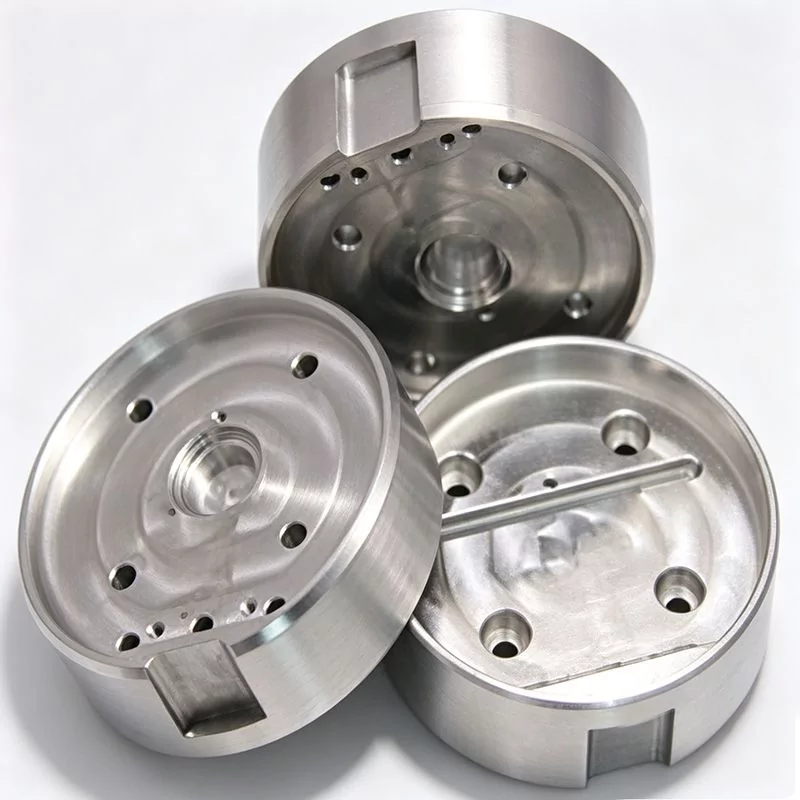
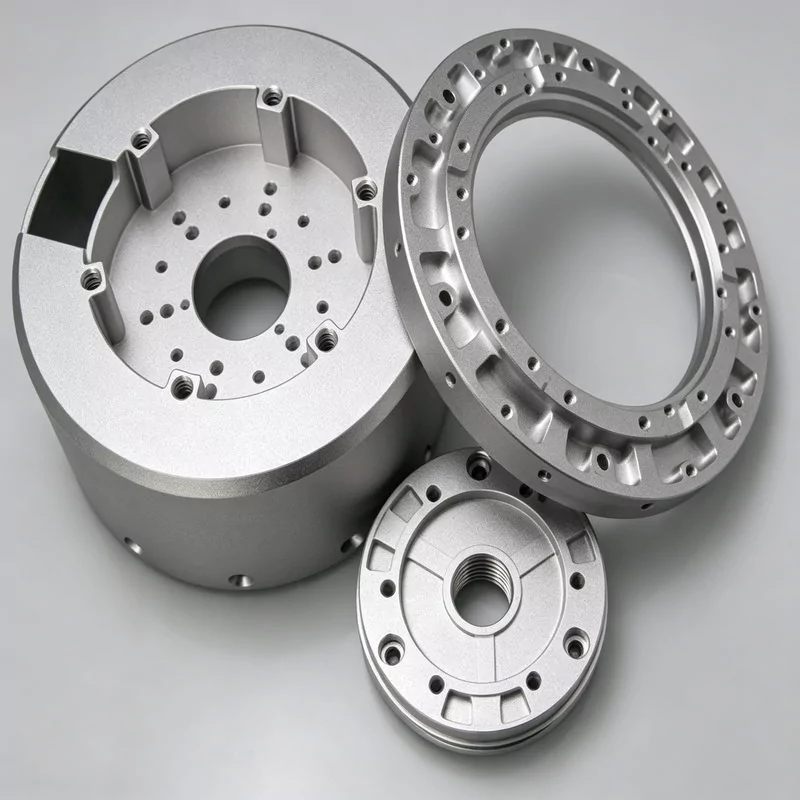
Tricky shapes—like EV battery cooling channels or slim inner frames for robotic arms—cannot be made with simple 3-axis cutting. Multi-axis methods enable single-step work, which cuts down on alignment issues from repeated fixing.
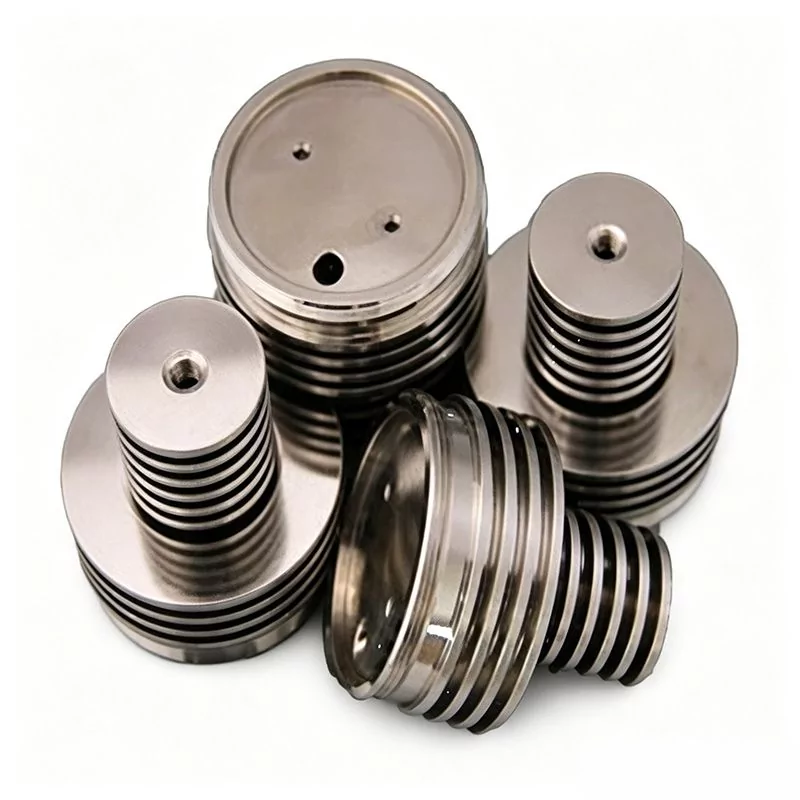
From light needs in UAVs (Titanium and Magnesium-Aluminum alloys) to tough demands in NEV charging systems (Stainless Steel and Engineering Plastics), your vendor must know well how various materials respond to heat and cutting force.
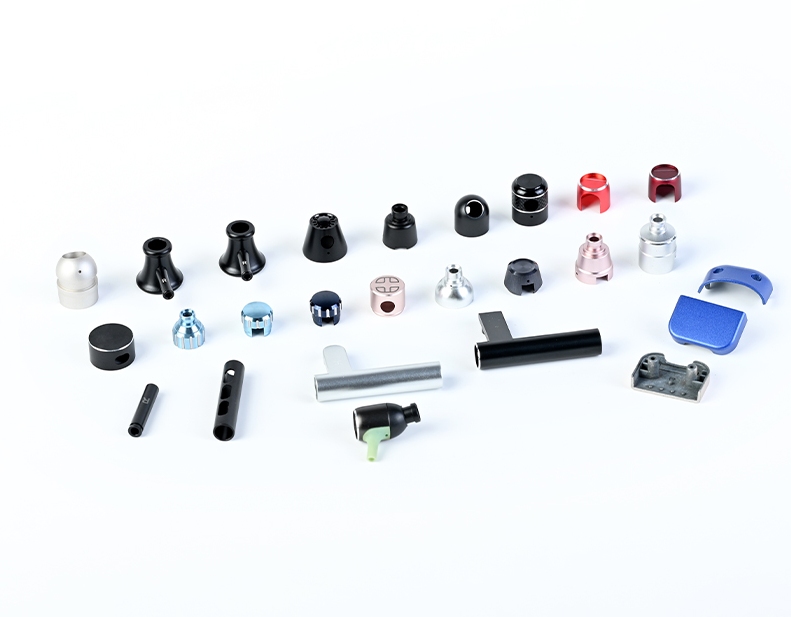
At Rejin CNC, we focus on making small, accurate metal and plastic components. Our setup connects detailed plans to reliable large runs.
We maintain tolerances over time, not just meet them once. By using advanced cutting tools, we reach ±0.001mm precision. This keeps every item in a batch of 1,000 the same as the initial sample. Such steady sizing matters a lot for high-precision robotic encoders and EV power management systems.
Rejin CNC applies 5-axis CNC machining to manage:
We handle steady work on many material types:
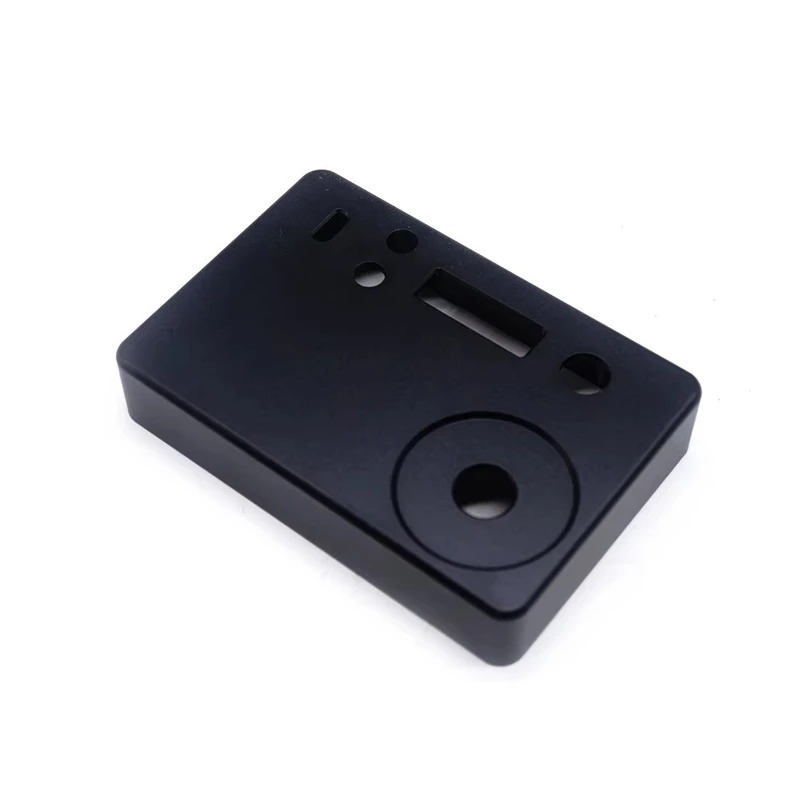
Our items appear in places where reliability counts most. We turn ideas into working parts, tackling real design problems:

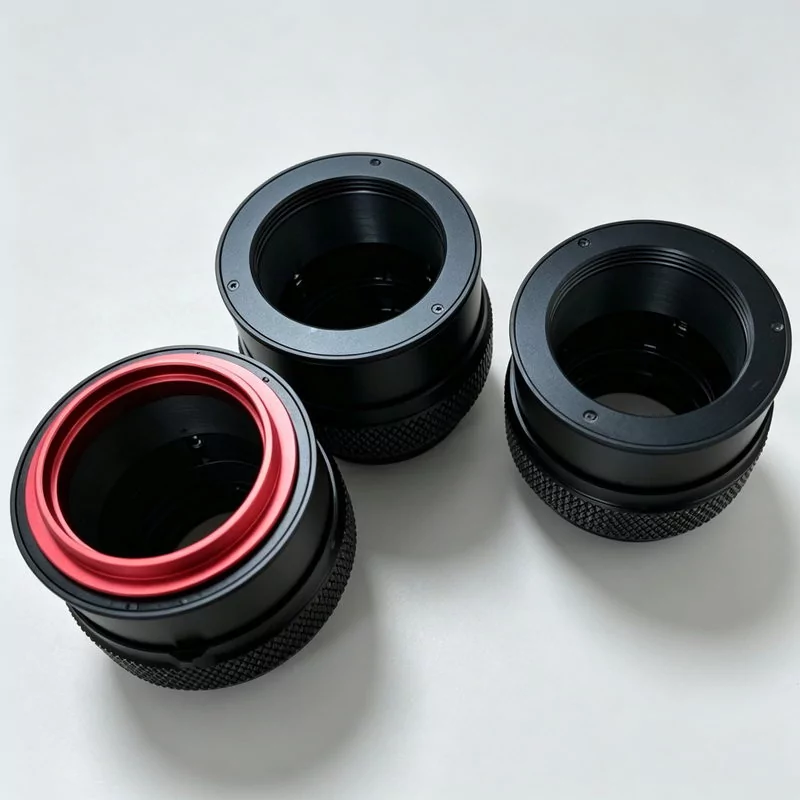
A component is not complete when the tool stops. Specialized electronics need certain surface traits to work in tough settings.
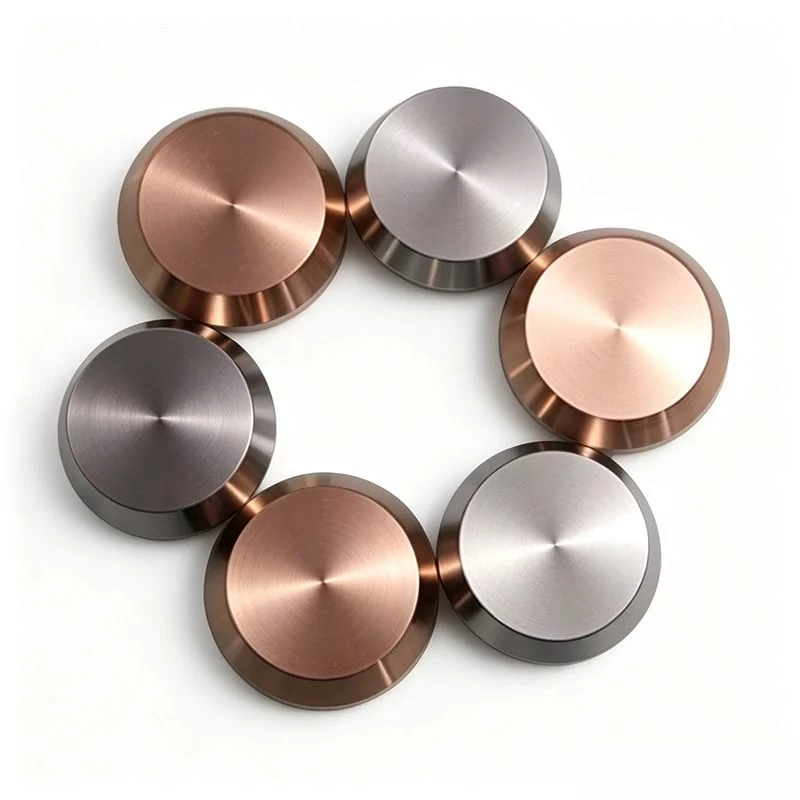
Rejin CNC offers a full range of after-treatment options:
We serve as part of your design group. Our Design for Manufacturing (DFM) helps cover:
l Checking 2D/3D plans to propose shape tweaks that save costs.
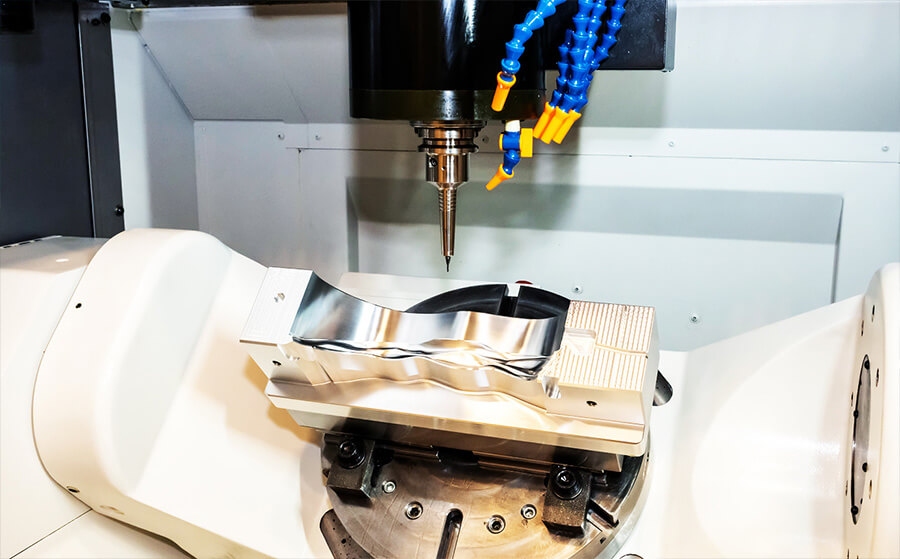
Finding the right vendor for specialized electronics goes past just the cost of each piece. You need a teammate with great skills for ±0.001mm tolerances, tools for 5-axis complexity, and speed to supply both test models and full runs on schedule.
[Contact Rejin CNC today for a DFM evaluation and receive a personalized quote within 24 hours.]
Email: Ruonan@rejincnc.com | WhatsApp: +86 18362358467
A: At Rejin CNC, our streamlined process lets us provide accurate prototypes in 3 to 7 days. This depends on the details and any needed surface work.
A: We rely on automatic CNC machines paired with tight quality checks. These include First Article Inspection (FAI) and regular reviews during work using precise coordinate measuring machines (CMM).
A: Yes. Through 5-axis setup and custom tools, we machine aluminum or plastic walls to 0.5mm reliably. We also keep them flat and avoid warping.
A: Absolutely. We handle the range needed for specialized electronics. This covers small R&D batches and ongoing high-volume work, all with the same accuracy.
Your message lands directly with our senior engineers — instantly acknowledged.
We study your requirements and propose a workable solution with material & process options.
Detailed quotation with specs, options and lead time — no hidden fees.
Approve the sample, then we mass-produce with full QC and on-time shipping.
WhatsApp: +86 13790500374
Email: info@rejincnc.com
Your CAD files are kept strictly confidential. Quotation within 24 hours.