 author
The automotive world has changed completely. It has moved from the familiar sound of gasoline engines to the quiet, efficient operation of electric motors. This shift, often called the Electric Revolution, has transformed vehicle design and production from the ground up. EV makers no longer accept standard, ready-made parts. They now require intricate, lightweight, and extremely accurate components where even tiny differences measured in microns can determine success.
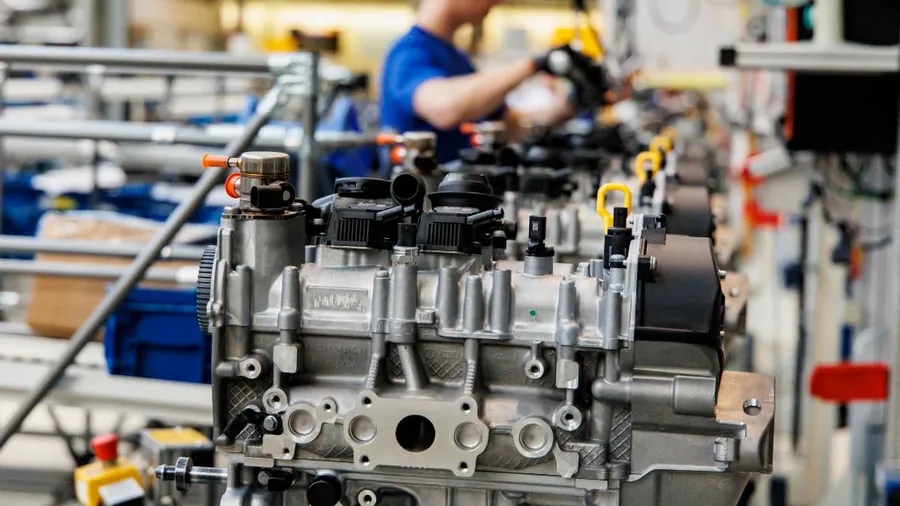 Rejin CNC has worked in this field for more than 22 years. With over 100 modern machining centers and a firm focus on quality, the company delivers the technical capability needed to satisfy the strict requirements of the New Energy Vehicle (NEV) sector.
Switching to electric power creates engineering problems that only high-precision CNC machining can solve effectively.
Range matters most in electric vehicles. Every additional gram of weight or every small amount of lost energy shortens how far the car can go on one charge. To improve battery performance, manufacturers turn more often to light alloys such as 6061 and 7075 aluminum. Rejin CNC machines these materials to tolerances as close as ±0.005 mm. Such tight control keeps high-speed rotating parts in perfect alignment. That alignment cuts down energy wasted through friction and heat in the drivetrain.
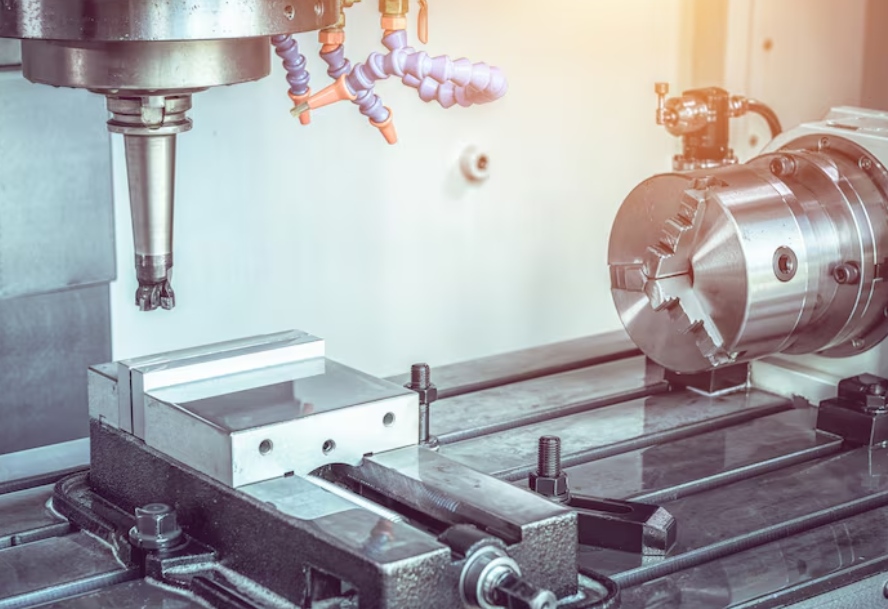
Electric cars run quietly. Without the constant noise of a traditional engine, drivers notice even small vibrations or rattles. To provide the smooth, comfortable ride people expect, transmission parts and motor mounts need nearly flawless shapes. Rejin CNC uses 5-axis CNC machining to meet this need. The process adds two rotational axes (A and C) to the usual linear movements. This setup brings clear advantages.
Our product range targets the main systems in today’s electric vehicles, from the powertrain to cooling systems.
An EV motor housing does more than hold parts together. It manages heat and keeps internal magnets in exact position. Rejin CNC has improved the production of these housings using 5-axis methods. Typical cycle times have fallen from 120 minutes to 45 minutes. We most often use high-strength 7075 aluminum. This material handles high torque loads well while keeping added weight to a minimum.
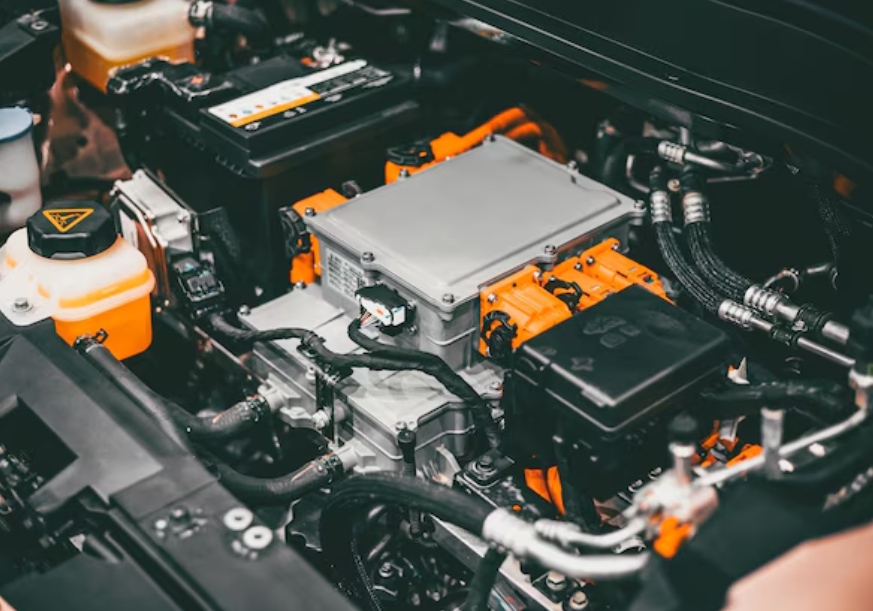
Battery cooling is essential for performance and safety. Electric vehicles depend on advanced fluid loops to maintain stable temperatures. Our vehicle fluid system connectors, usually machined from AISI 304 Stainless Steel, tackle the risk of leaks under pressure.
Chassis and suspension parts in EVs must stay light yet tough against road shocks. Rejin CNC produces custom mounts and brackets for important automotive uses.
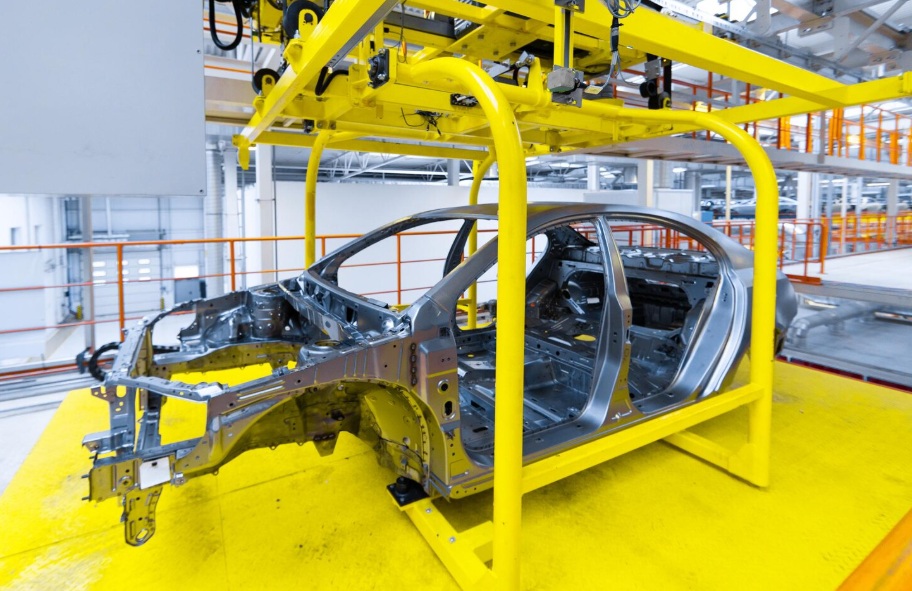
In the competitive EV supply chain, companies need a partner familiar with automotive quality standards.
Rejin CNC follows both ISO 9001:2015 and IATF 16949 quality systems closely. Our data-based process includes several key steps.
We use a full-chain production model to shorten delivery times and lower overall costs.
Experience from aerospace and Unmanned Aerial Vehicle (UAV) work directly supports our automotive customers. Both fields place high importance on strength-to-weight performance.
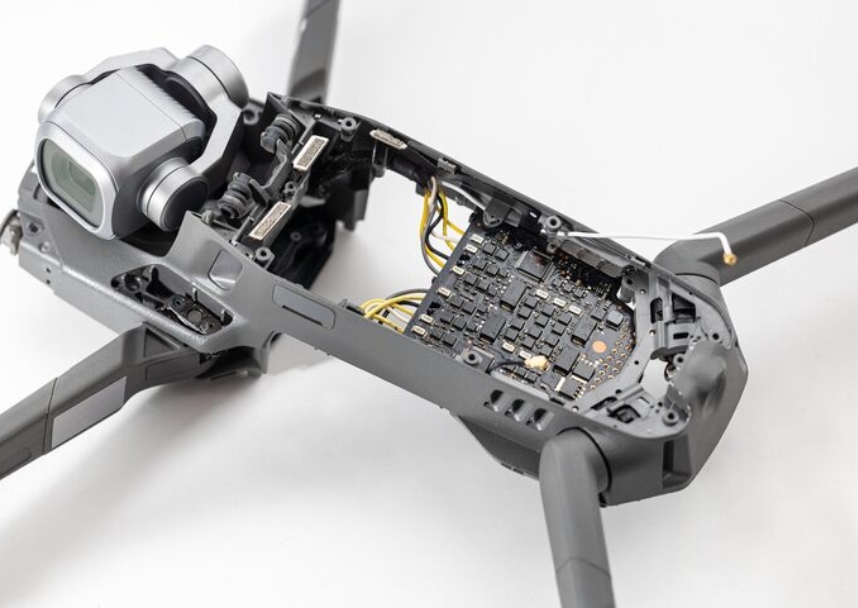
The move to electric vehicles goes beyond changing fuel types. It reshapes manufacturing expectations entirely. Rejin CNC combines 22 years of hands-on experience with more than 100 advanced machining centers to act as a dependable partner for EV manufacturers around the world. From motor housings accurate to microns to fluid connectors that prevent leaks, our work supports the steady progress of electric mobility.
Ready to move your EV project forward? Contact Rejin CNC today at Ruonan@reginhub.com or via WhatsApp at +86 18362358467. Send your CAD files for a free DFM review and a custom quote—typically returned within 24 hours.
A: Yes. We maintain full certification under ISO 9001:2015 and IATF 16949 standards.
A: We most often suggest high-strength 6061 and 7075 aluminum alloys. Titanium also works well for critical parts.
A: Yes. Our calibrated 5-axis CNC machines hold ±0.005 mm tolerances consistently on complex motor features.
A: Certainly. Rapid prototyping fits the quick pace of EV development, with samples usually ready in 3 to 7 days.