Top Precision CNC Machining Trends Shaping 2026 Revealed
Top Precision CNC Machining Trends Shaping 2026 Revealed
Eren
3rd July 2026
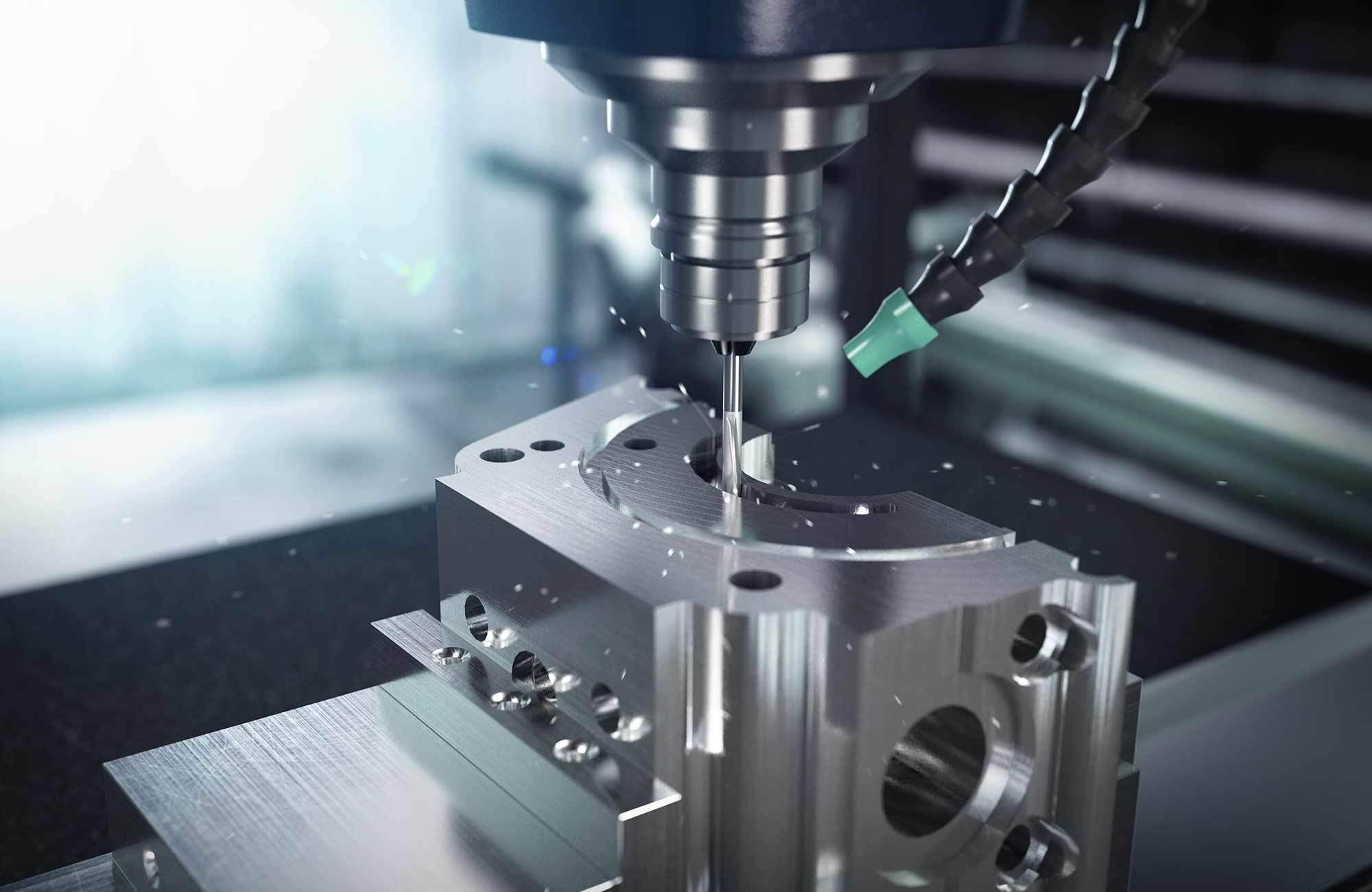
The year 2026 brings major changes to manufacturing around the world. The old lines between standard hardware making and smart, very accurate engineering have started to fade. At Rejin CNC, our team has grown right along with these changes for more than twenty years. We started as a mold shop back in 2003 and have built up into a full-service precision manufacturing operation. Leading the way means you need more than just top machines. You also have to get a good feel for the new directions that will shape the next round of industrial parts.
This piece looks at the main trends driving precision CNC machining right now in 2026. It shows how these changes help tackle everyday engineering problems that companies face. Rejin CNC keeps supporting fields like aerospace and pro-audio gear by working with strong 5-axis setups, solid IATF 16949 quality processes, and solid know-how in Design for Manufacturing.
The Shift Toward Ultra-Complexity and Multi-Axis Mastery
Product designs keep getting smaller and pack more functions into one piece. Because of that, buyers want parts with tricky shapes more than ever in 2026. Driven by the soaring global penetration of New Energy Vehicles (NEVs) and the rapid premiumization of medical devices, industrial design in 2026 demands unprecedented geometric complexity that traditional machining simply cannot achieve. This macro shift has turned advanced multi-axis execution into the industry baseline.
The Dominance of 5-Axis Linkage Machining
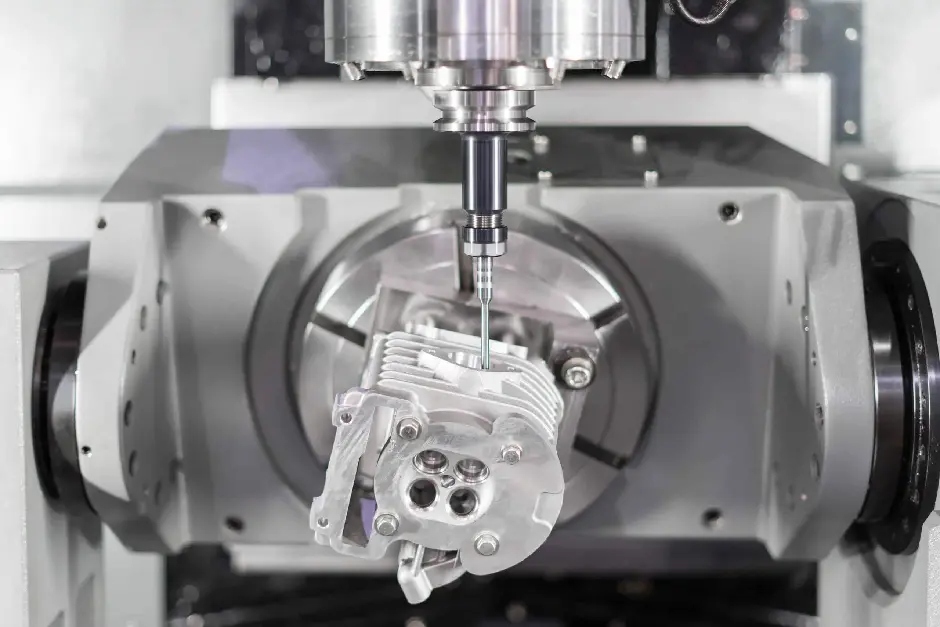
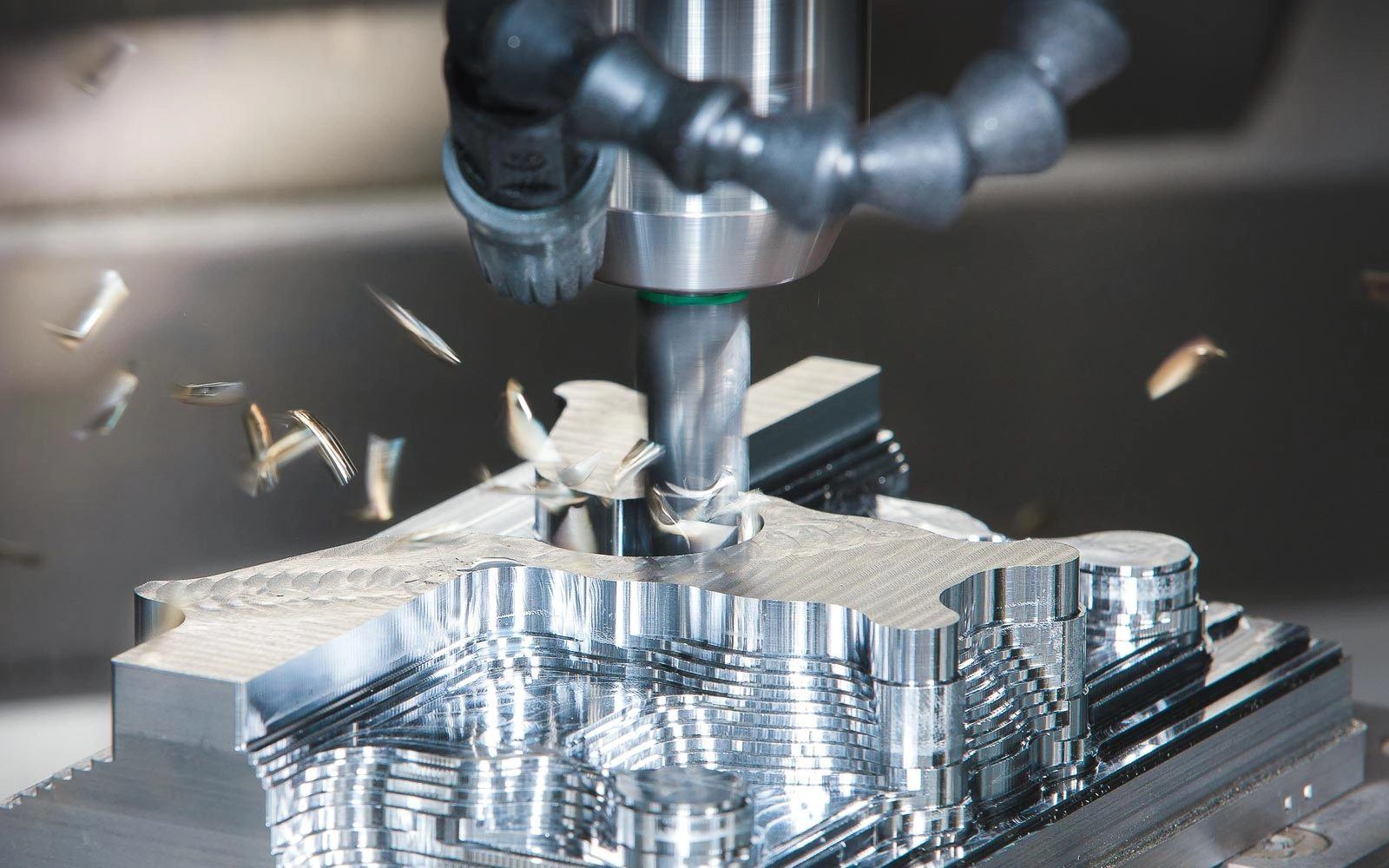
These days, using 5-axis CNC machining counts as a basic requirement in fields that need tight micron accuracy and detailed curved surfaces.
Integrated Single-Setup Processing: Older 3-axis work usually means clamping the part several times. Each new setup adds small positioning mistakes that build up. With 5-axis machining, you clamp once and handle everything. This cuts setup time by as much as 80 percent and gives much better consistency in measurements.
Micron-Level Surface Finishing: Our team at Rejin CNC adjusts the tool angle on the fly. That helps us hit surface finishes smoother than Ra0.8μm. Such smoothness matters a lot for medical implants and turbine blades in aircraft, where low friction and smooth airflow make a real difference.
The “Complex Geometry” Solution: This approach takes care of jobs that once looked impossible to cut. Think of impellers or the motor housings used in new energy vehicles. For one NEV housing, we brought the full cycle down from 120 minutes to only 45 minutes.
Equipment Standard: Rejin CNC runs more than 100 modern machining centers. Many are high-end 5-axis models from names like Mazak and DMG MORI. Thanks to them, we hold tolerances as tight as ±0.01mm even for our toughest customers.
Intelligent Automation and the Hybrid Manufacturing Model
In 2026, the companies doing best mix quick prototyping with steady high-volume runs. As product lifecycles compress and consumer hardware demands rapid iterative updates, standard factory floors are forcing a shift toward hyper-flexible, automated hybrid setups. Global supply chains now prioritize suppliers who can scale instantly without losing asset agility.
Bridging Prototyping and High-Volume Production
Supply chains today call for fast custom batches. Rejin CNC handles this well by moving smoothly from the first CAD file all the way to thousands of finished pieces.
The Scalability Threshold: Many B2B buyers wonder when to pick CNC machining over metal stamping. A volume between 3,000 and 10,000 pieces serves as the critical evaluation window, depending heavily on part complexity. Below 3,000 pieces, CNC machining usually saves money because you skip expensive dies. Once you pass the 10,000-unit mark for standard components, stamping often becomes the cheaper choice per unit.
Automated Anodizing and Finishing: Our automated lines take care of extra steps like sandblasting and second oxidation. Color stays even across runs of 20,000 units. That fixed the old issue of slight shade differences showing up in consumer electronics.
Reliable MOQs: Professional audio-visual projects often need smaller runs. We accept orders as low as 100 pieces for special control panels. At the same time, we can scale up to hundreds of thousands when the project grows.
Trend in Action: High-Volume Precision for Audio/Visual Hardware
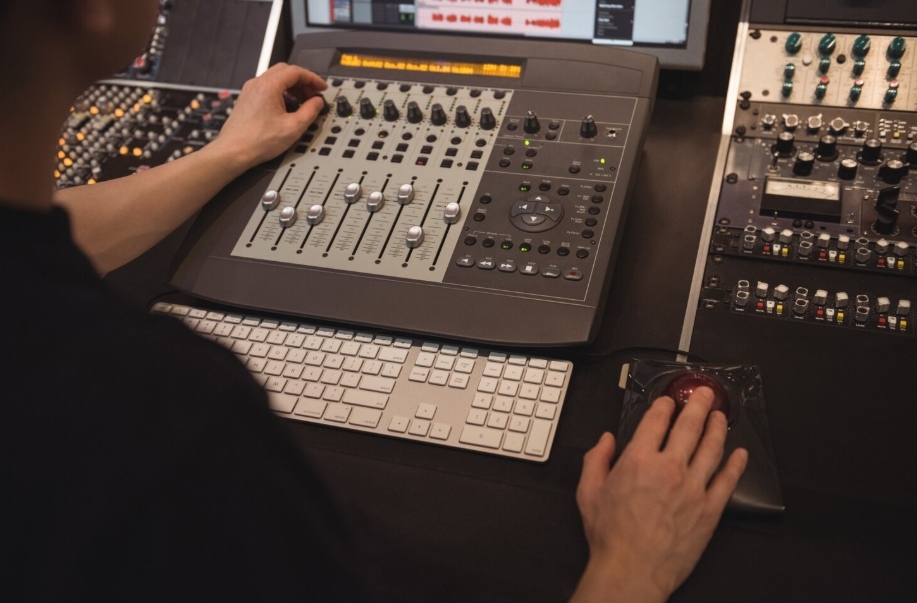
To understand how these hybrid scaling trends manifest in real-world scenarios, consider our work with a “North American Audio Equipment Supplier.” The professional audio market in 2026 demands a rapid pivot from boutique designer prototypes to retail-ready mass production. The client required a compact control unit enclosure with a minimalist, high-end aesthetic that could be scaled rapidly.
The Solution: We utilized 6063 aluminum, combining precision milling with a horizontal brushed finish and black anodizing. To meet the client’s retail launch window, we perfectly bridged the scalability threshold, accelerating production to exceed 20,000 units per month.
The Results:
Quality: The surface texture and color consistency met strict retail standards, resulting in zero appearance-related complaints from end-users.
Reliability: Monthly orders were delivered without delay for three consecutive years, significantly reducing the client’s supply chain risk.
Growth: The outstanding tactile feel of the metal components contributed to a 20% increase in customer repurchase rates for the brand.
Materials Science and the Demand for High-Performance Alloys
Choosing materials now goes past basic aluminum or steel. Teams look closely at how strong a part is compared to its weight and how well it holds up in tough conditions. Stricter global emissions standards for aerospace and net-zero goals in high-end transport have triggered a massive surge in the use of hard-to-machine, lightweight materials. Machining efficiency is now defined by a shop’s ability to master these advanced alloys.
Processing Titanium and Aerospace-Grade Composites
Fields such as UAVs and medical equipment need materials that survive harsh surroundings while staying light.
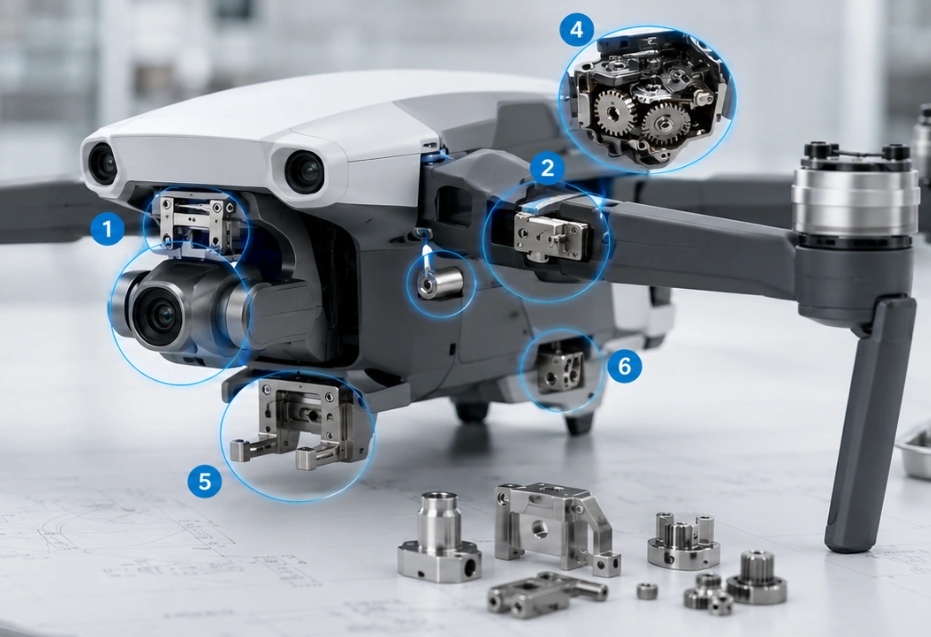
Lightweight UAV Structural Parts: We machine drone pieces from 7075 and 6061 aluminum alloys. These parts deliver good strength and resist vibration. We keep tolerances at ±0.01mm, so everything balances perfectly once the drone flies.
Medical-Grade Bio-Compatibility: Surgical tools and implants use SUS316L stainless steel or titanium alloys. We follow ISO 13485 rules to make sure the parts stay safe and last in real medical use.
Automotive Fluid Systems: In one job for a Tier 1 car supplier, we machined AISI 304 stainless steel connectors for fluid lines. The pieces included built-in internal threads and stepped shoulders that seal tightly under repeated high pressure without leaks.
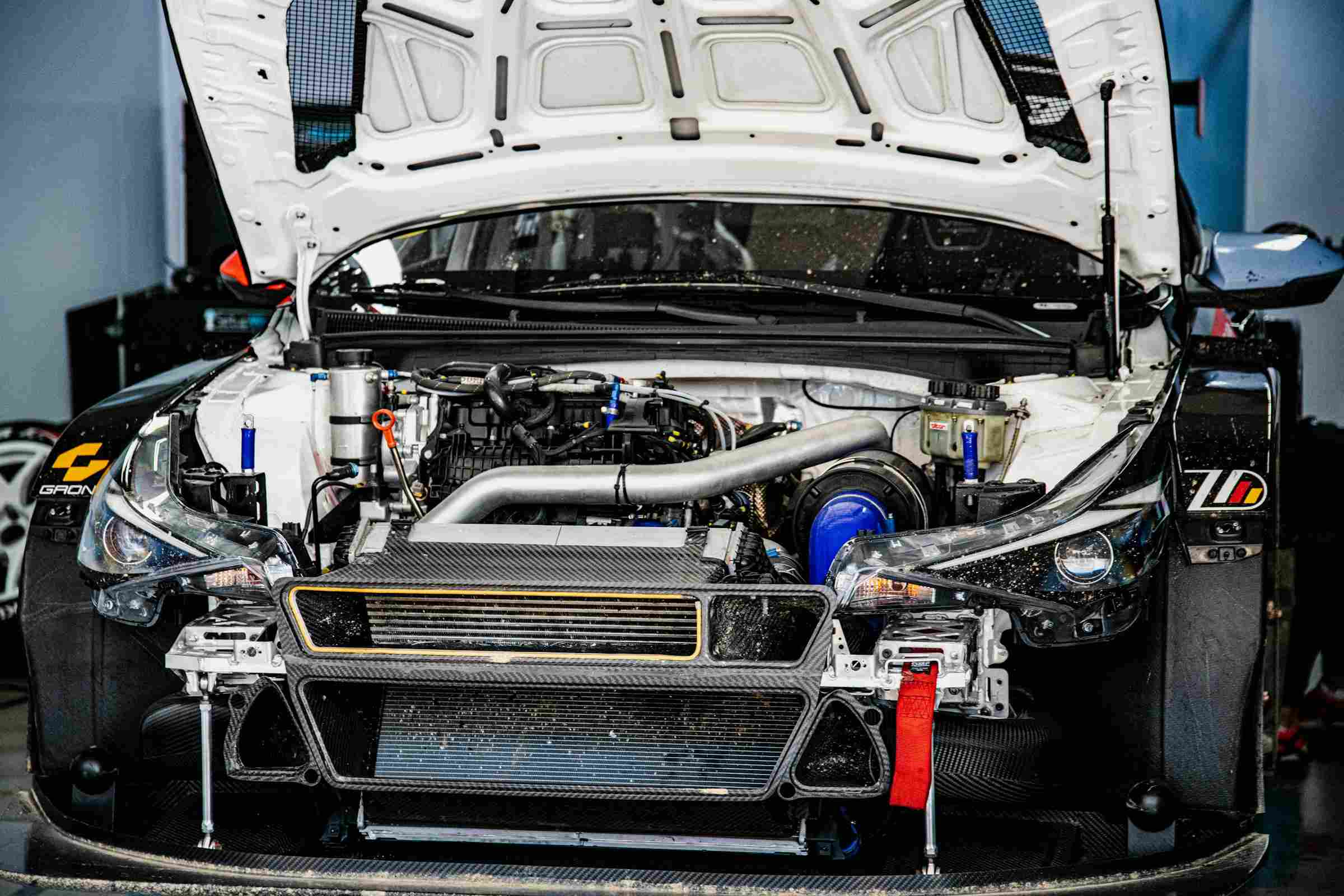
Extreme Durability Solutions: We pair precise CNC turning with heat treatments such as carburizing and quenching. This approach cuts wear on engine support parts and transmission shafts. Many components now last up to 40 percent longer in the field.
The Evolution of “Service-First” Manufacturing
A CNC supplier today does more than cut metal. The job has grown into helping clients avoid supply chain headaches and reach better results. With geopolitical adjustments shifting supply lines, the industrial sector in 2026 favors deeply integrated technical partnerships over siloed job shops. Frontloading manufacturing intelligence has become the ultimate tool to combat rising raw material overheads.
DFM as a Strategic Competitive Advantage
Design for Manufacturing sits at the center of what Rejin CNC offers. It turns drawings into practical, money-saving production plans.
Early-Stage Risk Mitigation: Our engineers sit down with clients early in the R&D stage. They spot things like tolerances that are tighter than necessary or shapes that need special tools. Fixing these points before cutting metal often drops total costs by 15 to 20 percent.
First Article Inspection (FAI): We run full FAI checks on every new job. This step confirms the process can hit the specs every time before we start larger runs.
Data-Driven Quality Control: Every part goes through complete inspection plus optical profile checks. Customers receive full reports and material certificates. This matters especially for automotive and medical buyers who need clear proof.
Global Logistics Integration: We serve customers in more than 150 regions. Prototypes usually ship in 3 to 7 days. After that, reliable worldwide delivery keeps launch schedules on track.
Conclusion: Partnering with Rejin CNC for the Future
Looking ahead through the rest of 2026, the picture stands out. Tolerances keep getting tighter, part shapes grow more involved, and everyone needs a steady partner they can count on. Rejin CNC brings 23 years of shop-floor experience together with current 5-axis machines and IATF 16949 standards. The parts we deliver do more than meet specs — they perform strongly in the field.
No matter if you work on new medical tools, advanced UAVs, or high-grade audio gear, our crew stands ready with the skills and capacity your project needs.
Email: nicole@rejincnc.com
WhatsApp/Tel: +86 13790500374
FAQ
Q: What is the typical tolerance range for high-precision CNC parts in 2026?
A: Right now, high precision usually means tolerances of ±0.01 mm. Holding these numbers day after day takes good multi-axis equipment and shops that control temperature carefully.
Q: At what volume does it become more economical to switch from CNC machining to metal stamping?
A: A volume between 3,000 and 10,000 pieces serves as the critical evaluation window, depending heavily on part complexity. Below 3,000 pieces, the cost of stamping dies pushes engineering teams toward CNC machining. Once you reach 10,000 or more of the same standard part, stamping generally saves money on each unit.
Q: Why is 5-axis machining preferred over 3-axis for aerospace components?
A: 5-axis work lets you cut complex curves and deep pockets in one clamping. You avoid the small errors that add up when you move the part around. The finished lightweight aerospace pieces end up stronger and more reliable.
Q: How does DFM support help in reducing the time-to-market for new products?
A: DFM catches problems like hard-to-machine details while the design still sits on the drawing board. Solving them early means fewer prototype loops and shorter delays before full production starts.
The ordering process is simple:
1.Submit your design files
2.Select materials and manufacturing processes
3.Receive quotation
4.Confirm the order
5.Production and delivery
We provide a wide range of services, including CNC Machining Services, Sheet Metal Fabrication, Surface Finishing Solutions, and DFM Analysis Support.
We offer multiple CNC machining materials, such as Copper (Cu), Iron (Fe), Aluminum (Al), Stainless Steel, and Engineering Plastics.
We accept credit card, PayPal, and T/T Bank Transfer.
Yes. You can track your order via our online tracking system or contact our support team through Customer Support Team.
Our CNC machining delivers high precision, typically with a tolerance up to ±0.005mm, depending on the material and complexity of the part.
Yes. We offer design and engineering assistance to bring your ideas to life. Our team can help with product design, prototyping, and optimization.
A professional manufacturer specializing in custom, non-standard CNC machining of mechanical parts. We can tailor-make a wide range of special housings and other coffee machine components according to customer requirements, with a broad selection of materials available. Feel free to contact us for inquiries!
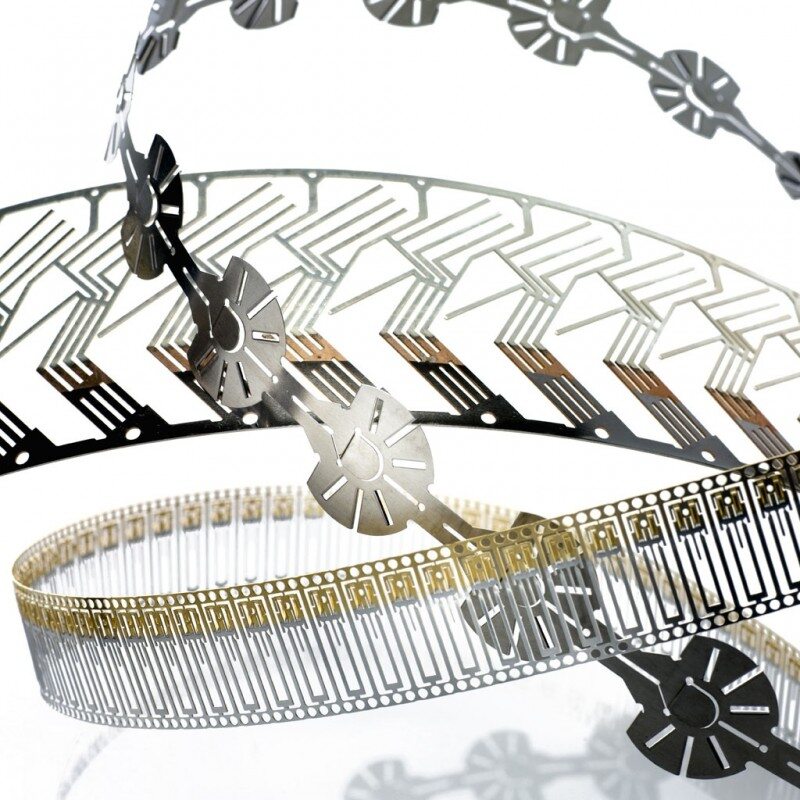
Rejin CNC manufactures precision stamping parts with high dimensional accuracy and consistent quality. Our metal stamping components are widely used in electronics, automotive, and industrial equipment, supporting OEM & ODM production.
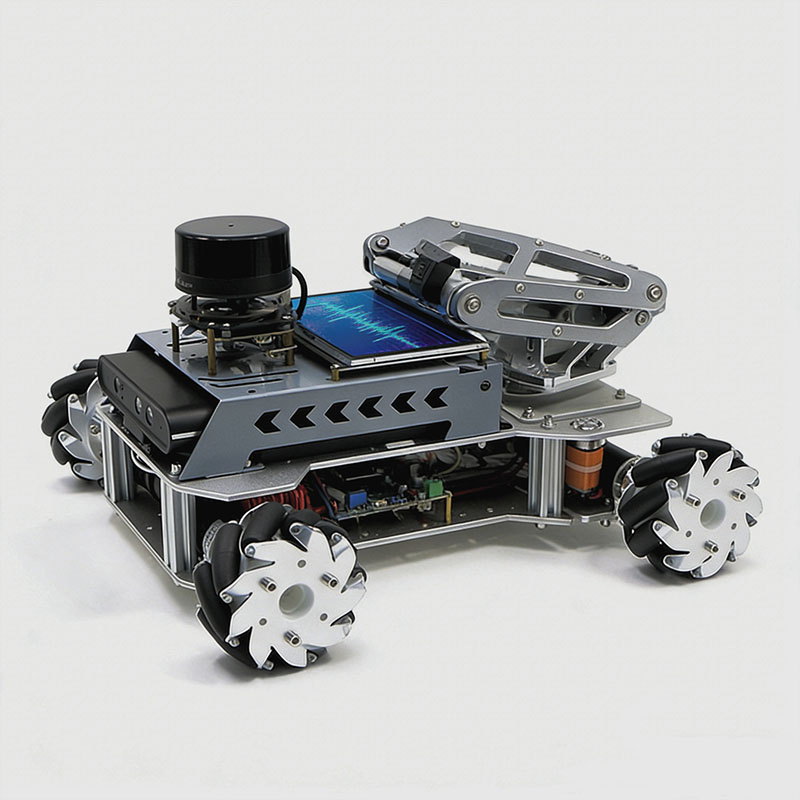
These CNC machined robot components are designed for robotic systems, including joint parts, shafts, and structural components. High precision ensures smooth motion and long-term stability.

 Eren
Eren