sheet-metal-fabrication-parts-overview
sheet-metal-laser-cut-bent-welded
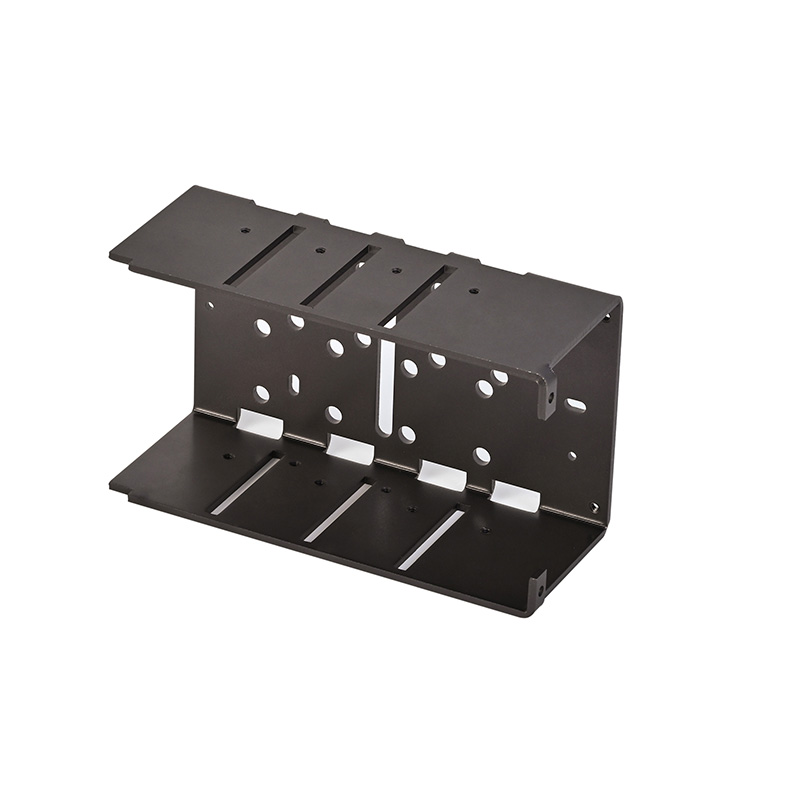
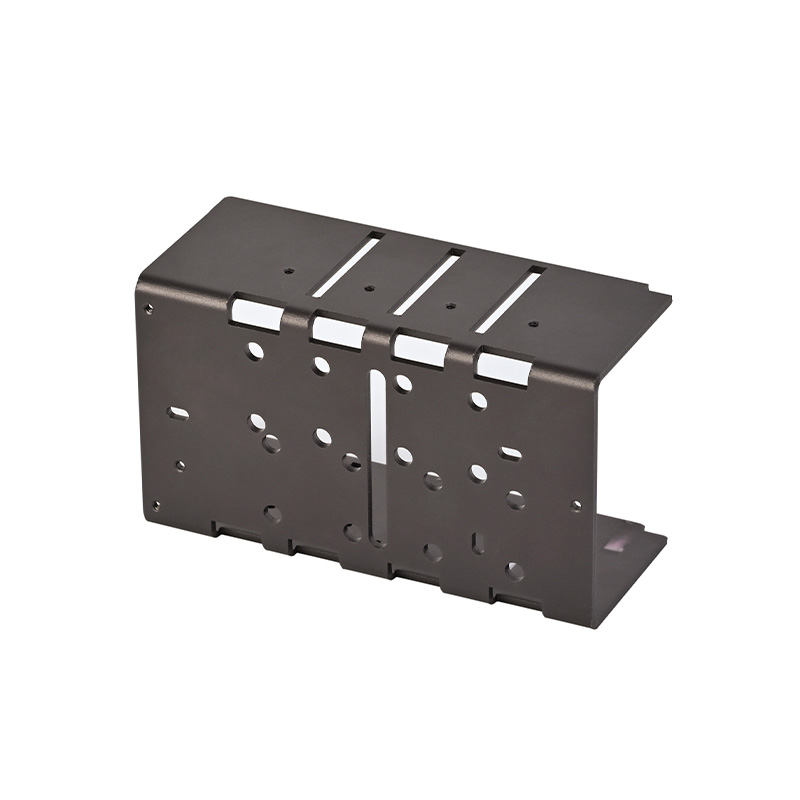
Sheet Metal Fabrication Parts
sheet-metal-fabrication-parts-overview
sheet-metal-laser-cut-bent-welded
Sheet Metal Fabrication Parts

Custom Sheet Metal Fabrication Parts | Aluminum & Stainless Steel | Laser Cutting & Welding

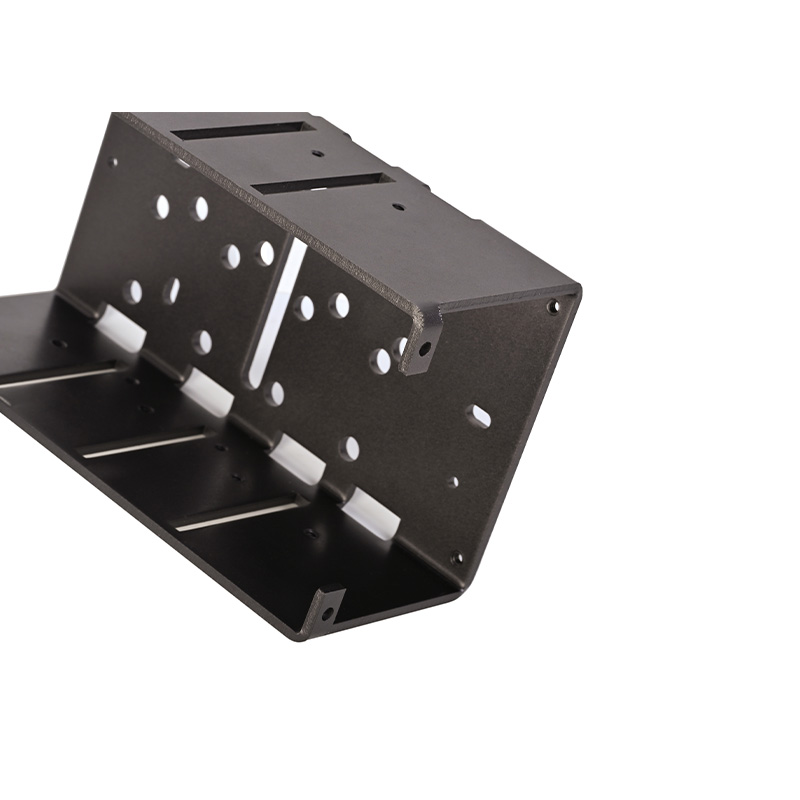
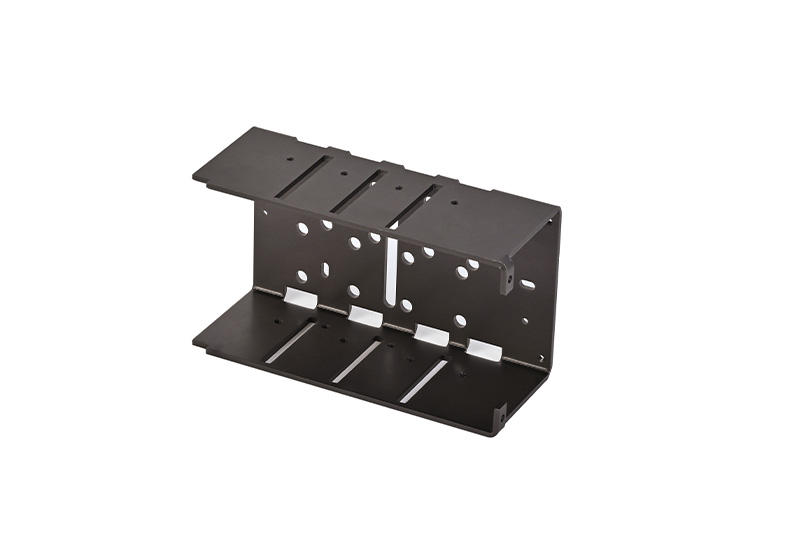
These sheet metal fabrication parts are produced using laser cutting, precision bending, and welding processes to achieve strong structures and accurate dimensions. They are suitable for automotive frames, brackets, and enclosures requiring lightweight or corrosion-resistant metal solutions.
  • Precision laser-cut sheet metal parts
  • Strong welded joints
  • Suitable for structural applications
  • Multiple material options available
Details
Details
Precision:
Laser cutting and bending ensure accurate dimensions and repeatable quality.
Materials:
Aluminum
Stainless steel
Surface Treatment Options:
As-fabricated or customized finishing
Application Fields:
Automotive frames and brackets
Industrial enclosures and structures
OEM Customization Options:
Custom designs based on drawings
Small and large batch production
Quality & Certification:
ISO 9001 quality management system
100% inspection before shipment
Why Choose Us:
One-stop sheet metal fabrication service
Strong structural manufacturing capability
Reliable delivery performance
Tolerance Type Description
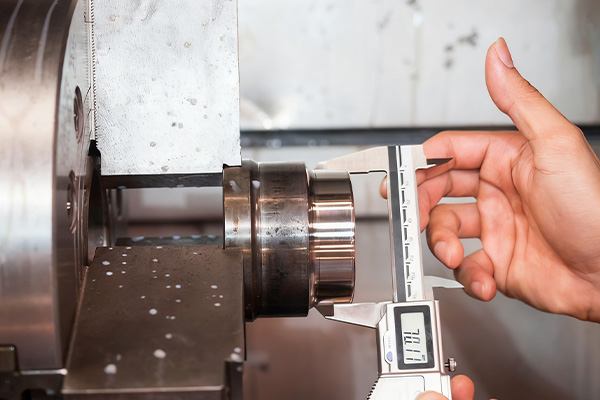
Precision Tolerance Parts are manufactured and inspected strictly according to your drawing specifications and GD&T annotations, with a minimum tolerance of ±0.05 mm.
General Tolerance ±0.05 mm
Minimum Feature Size 0.5 mm. The exact minimum feature size may vary depending on the part geometry and selected material.
Threading & Tapped Holes Capable of machining any standard thread sizes, as well as customized thread specifications.
Edge Condition Sharp edges are deburred and chamfered by default.
Surface Finishing Anodizing, Powder Coating, Spray Painting, Laser Engraving, Silk Screen Printing
Minimum Wall Thickness 0.5mm
Minimum End Mill Size 0.5mm
Minimum Drill Hole Size 1mm
Minimum Part Size CNC Milling: 5 × 5 × 5 mm;
CNC Turning: 2 × 2 mm;
Maximum Part Size CNC Milling: 4000 × 1500 × 600 mm

CNC Turning: 200 × 500 mm

PRODUCTS

PRODUCTS

View More
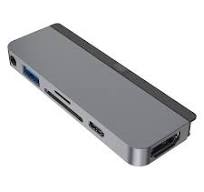
iPad Hub Manufacturer | CNC Metal iPad Dock & Expansion Hub

iPad Hub Manufacturer | CNC Metal iPad Dock & Expansion Hub

Our iPad hubs are CNC-machined from high-quality metal materials, providing stable structure, efficient heat dissipation, and precise interface
Learn More
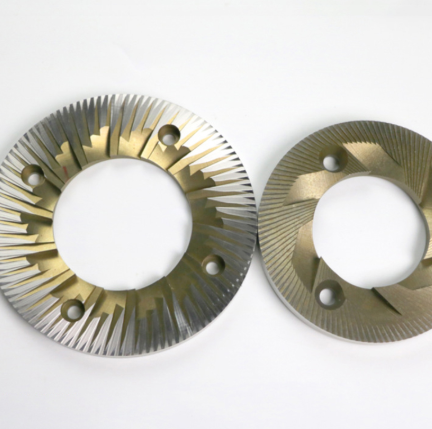
CNC Coffee Machine Parts Manufacturer | Precision Coffee Equipment Components

CNC Coffee Machine Parts Manufacturer | Precision Coffee Equipment Components

A professional manufacturer specializing in custom, non-standard CNC machining of mechanical parts. We can tailor-make a wide range of special housings and other coffee machine components according to customer requirements, with a broad selection of materials available. Feel free to contact us for inquiries!
Learn More
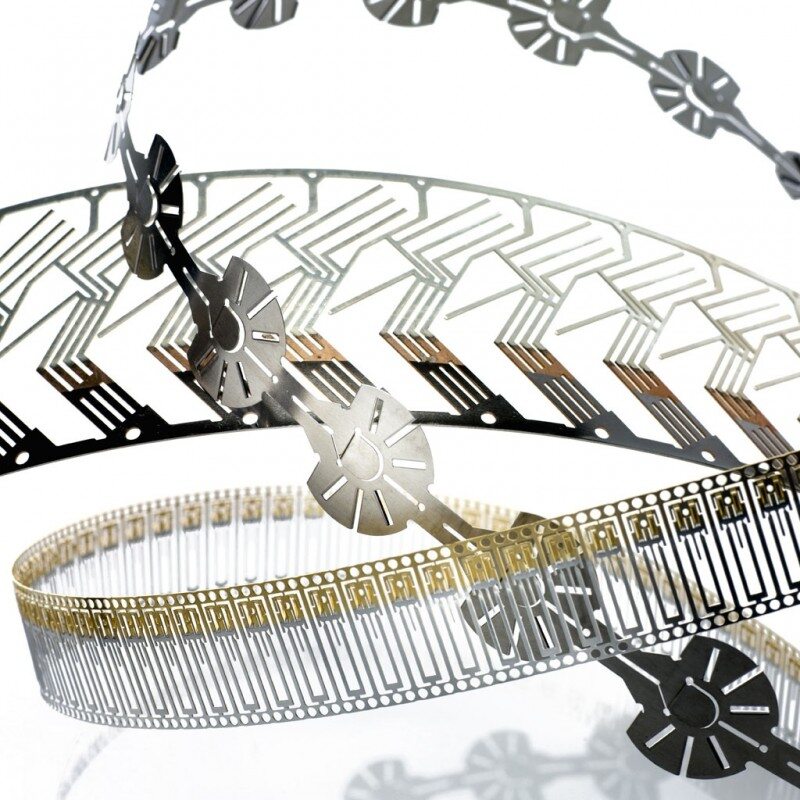
Precision Stamping Parts Manufacturer | Custom Metal Stamping Components

Precision Stamping Parts Manufacturer | Custom Metal Stamping Components

Rejin CNC manufactures precision stamping parts with high dimensional accuracy and consistent quality. Our metal stamping components are widely used in electronics, automotive, and industrial equipment, supporting OEM & ODM production.
Learn More
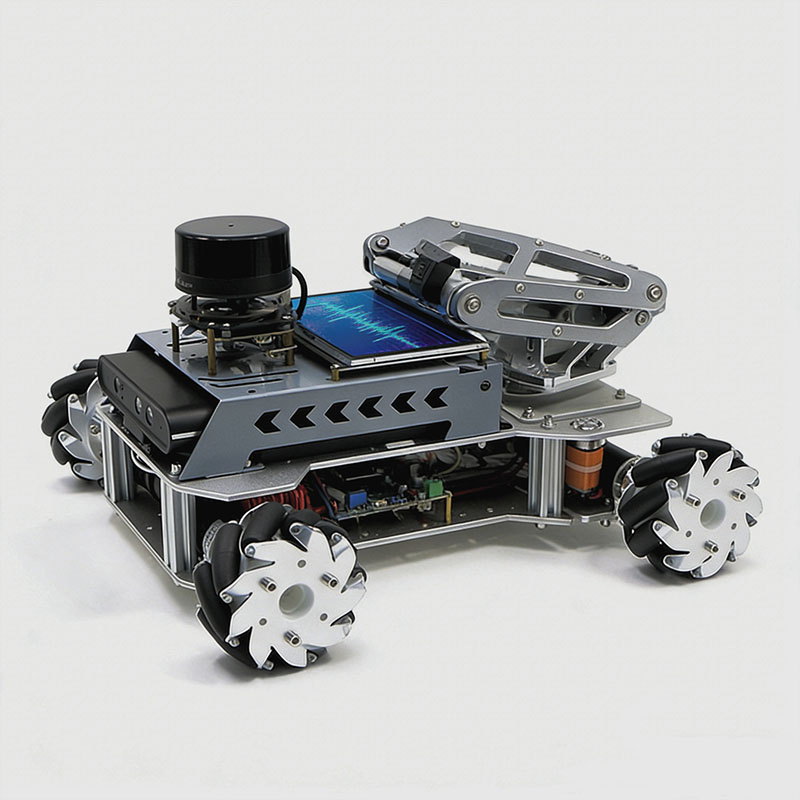
Custom CNC Machined Robot Joint & Structural Parts | Precision Metal Components

Custom CNC Machined Robot Joint & Structural Parts | Precision Metal Components

These CNC machined robot components are designed for robotic systems, including joint parts, shafts, and structural components. High precision ensures smooth motion and long-term stability.
Learn More
News

News

View More

12/ February

Beyond the Price Tag 5 Questions You Must Ask Your Chinese CNC Machining Partner

Sourcing CNC parts? Ensure ±0.005mm precision & IATF 16949 quality. Discover why Rejin’s 5-axis machining & in-house finishing are vital for your next project.
Learn More
Beyond the Price Tag 5 Questions You Must Ask Your Chinese CNC Machining Partner

5/ February

Lightweight, High Strength: Why Rejin’s 5-Axis CNC is the Secret Behind Top-Tier UAV Frames

Elevate UAV performance with Rejin’s 5-axis CNC machining. Achieve ±0.005mm precision, 80% fewer setups, and Ra0.8 finish for complex aerospace-grade frames.
Learn More
Lightweight, High Strength: Why Rejin’s 5-Axis CNC is the Secret Behind Top-Tier UAV Frames

8/ December

Strong Growth in Stainless Steel Precision Machining — Rising Demand from 3C, Industrial Automation, and Medical Components

Introduction — Lead-in The 2025 Global Metal Processing Market Report highlights significant growth in demand for high-end precision parts, micro components, corrosion-resistant metals, industrial automation parts, and 3C device accessories. Compared with ordinary hardware, customers increasingly prefer suppliers capable of high-precision stainless steel machining, micro machining, custom non-standard components, and integrated multi-process manufacturing.   Key Discussion Points   1.3C sector (audio control panels, interface panels, headphone metal parts, device enclosures) Demand for stainless steel and micro machining has risen sharply, driven by miniaturization, functional complexity, and quality requirements of consumer electronics.   2.Industrial automation (sensor modules, control enclosures, precision connectors, micro-structured components) Clients emphasize process stability, tight tolerances, and consistent high-precision cutting, as these parts often underpin critical industrial operations.   3.Medical industry (surgical instruments, precision components, structural parts, shafts, bushings, corrosion-resistant components) Requirements are stringent: full traceability, strict quality control, rapid prototyping, and validation are essential, with no compromise on safety or regulatory compliance. Conclusion The future of hardware manufacturing is no longer simply “parts production” — it is service-oriented, precision-driven manufacturing.  
Learn More
Strong Growth in Stainless Steel Precision Machining — Rising Demand from 3C, Industrial Automation, and Medical Components

8/ December

Aerospace Manufacturing Is Upgrading — Precision Metal Components Become Core Demand

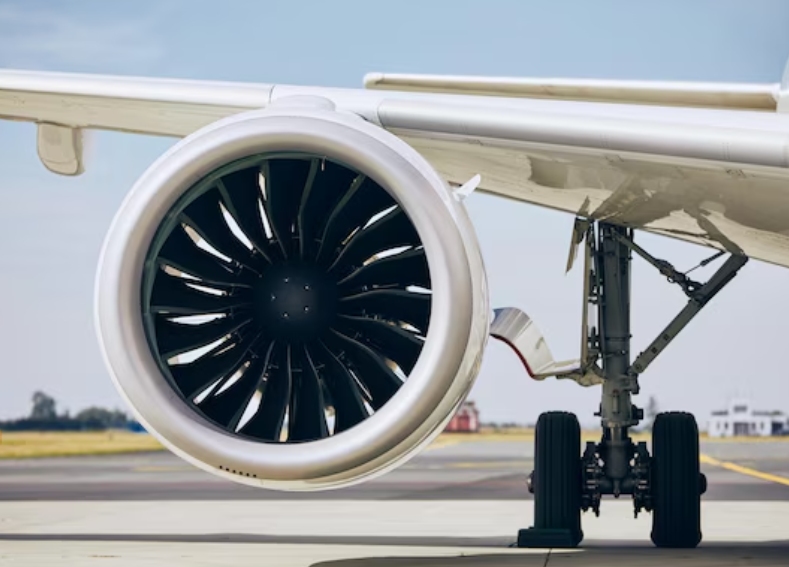
Intro At the 2025 Aerospace Manufacturing Technology & Process Innovation Summit, experts highlighted that the next 5 years of aerospace production will rely heavily on: Lightweight metal materials High-precision CNC machining Customized structural components This creates significant opportunities for metal machining suppliers.   1.Why Aerospace Demand for Precision Parts Is Growing Key reasons: Aircraft components are becoming lighter (aluminum, titanium alloys) More components require custom, non-standard CNC structures Higher corrosion & fatigue resistance requirements Tight tolerance and high consistency are mandatory → Professional precision machining is essential.   2.Capabilities Most Favored in Aerospace Supply Chain These were repeatedly mentioned: High-precision CNC milling & turning Aluminum 6061/7075 machining Stainless steel 304/316 structural parts Complex surfaces, multi-hole, multi-process machining Anodizing, sandblasting, laser engraving   3.Why Aerospace Buyers Choose China for Precision Machining High-accuracy equipment Experienced engineers Excellent cost-performance Fast delivery, small-batch friendly Advanced surface finishing
Learn More
Aerospace Manufacturing Is Upgrading — Precision Metal Components Become Core Demand
What We Do

Services we Offer

No matter what your automotive needs may be, we’re here to help. Contact us today to learn more about our
services and how we can assist you with all of your needs.
CNC Turning

CNC Turning

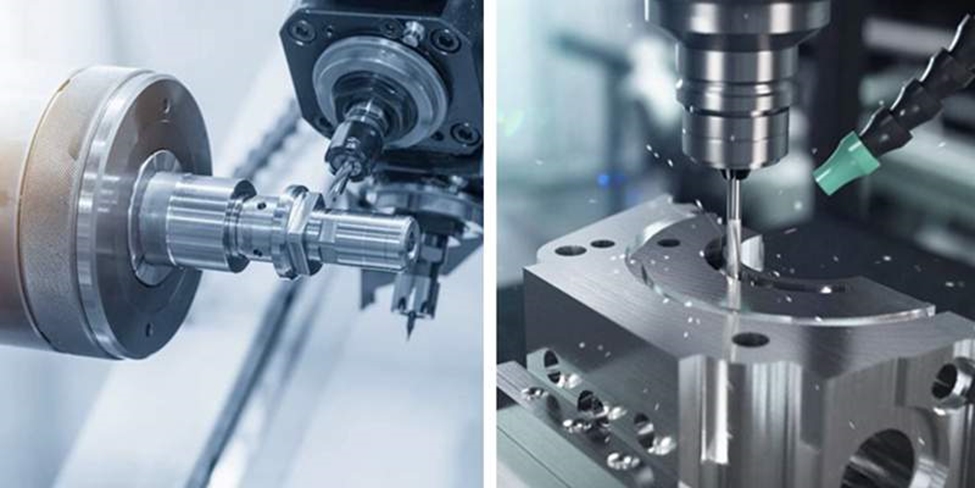
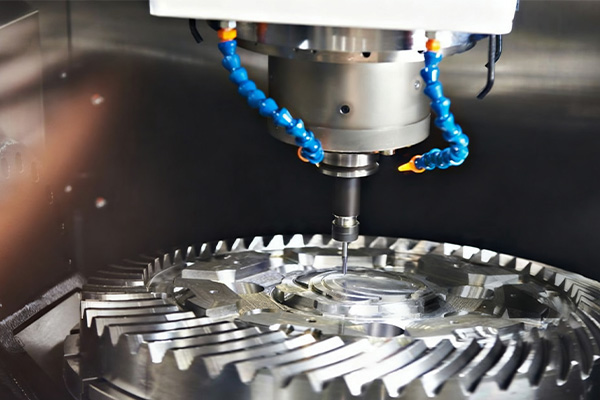
CNC turning is a machining process where the workpiece rotates while a fixed cutting tool removes material. Think of it as an “advanced pottery lathe”: the spindle spins the workpiece at high speed while the cutting tool follows a programmed path to shape it. Ideal for shaft and rotational parts.       CNC turning has become a mainstream process in precision hardware machining due to four core advantages: ① High precision and repeatability, as program control guarantees highly consistent specifications for batch – produced parts; ② High – efficiency integration, modern CNC lathes are equipped with automatic tool changers and live tool turrets, which can integrate operations like drilling, milling, and tapping to shorten delivery time; ③ Wide material adaptability, capable of processing various metals such as stainless steel, aluminum alloy, titanium alloy, copper, as well as engineering plastics; ④ Flexible adaptability, suitable for both small – batch prototyping and large – volume foreign trade orders, widely applied in manufacturing precision parts for industries including automotive, aerospace, medical, and electronics. CNC turning is a subtractive manufacturing process. Its core lies in using computer – programmed cutting tools to precisely machine a high – speed rotating workpiece for material removal. The workpiece is clamped in a chuck and rotated at high speed, while the cutting tool feeds along paths such as the X and Z axes. It can finish multiple operations like external turning, boring, facing, threading, and grooving in a single setup. Unlike conventional lathes, it achieves automated machining via digital programming, with tolerances reaching ±0.005–0.01mm, suitable for batch and custom production of various rotational hardware parts including shafts and disks.
CNC Milling

CNC Milling

Precision cutting of metal or plastic with rotating tools, ideal for flat and complex-shaped parts.     CNC milling has become one of the preferred processes for precision machining in various industries due to multiple advantages: First, high precision and repeatability. Computer program control greatly reduces human errors and ensures high uniformity of specifications for each batch of parts; second, high efficiency and automation. Equipment equipped with an automatic tool changer (ATC) can continuously complete multiple processes without frequent manual intervention, significantly improving production efficiency; third, strong processing flexibility, which can adapt to diverse processing needs from simple planes to complex 3D curved surfaces, especially good at manufacturing special-shaped structures; fourth, wide material compatibility, which can process various metals such as stainless steel, aluminum alloy, titanium alloy, and copper, as well as engineering plastics such as ABS and polycarbonate, and carbon fiber composite materials. It can efficiently adapt to needs whether it is small-batch custom prototyping or large-batch mass production. According to the machine tool structure and the number of axes, CNC milling is mainly divided into three-axis, four-axis and five-axis milling: three-axis milling is suitable for the processing of simple planes and three-dimensional structures, with convenient operation and controllable cost; four-axis milling adds a rotating axis, which can process parts with inclined surfaces; five-axis milling can realize multi-directional linkage processing, accurately complete the integrated manufacturing of complex curved surfaces and special-shaped parts, and is the core equipment in high-end fields such as aerospace. Its application scenarios widely cover aerospace, automobile manufacturing, mold processing, medical equipment, electronic industry, etc. Typical processed parts include UAV connectors, auto parts, mold cavities, precision components of medical devices, electronic product casings, etc., providing key support for the R&D and production of core products in various industries.

5-Axis CNC Machining

5-Axis CNC Machining

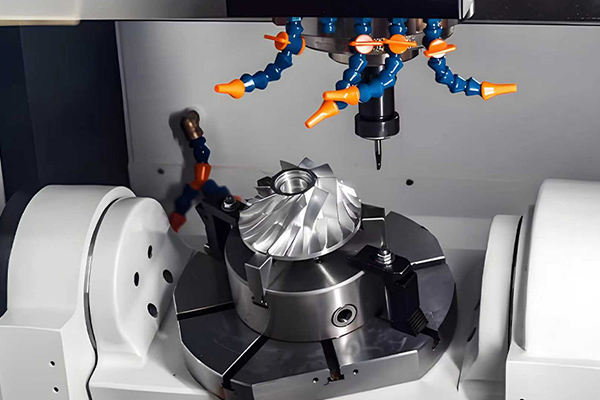
5-axis CNC machining is an advanced form of milling that represents the highest level of precision and complexity. As the name suggests, it adds two rotational axes (typically A and C) to the standard three linear axes (X, Y, Z). Ideal for machining parts with complex geometries.     With its unique technical advantages, 5-axis CNC machining is widely used in core high-end manufacturing fields such as aerospace, medical equipment, automotive manufacturing, and high-end molds: In the aerospace field, it is used to process complex curved surface parts such as aircraft engine blades and spacecraft structural parts, meeting the high-precision processing needs of difficult-to-process materials such as titanium alloy; In the medical equipment field, it produces implants such as artificial joints and dental implants, ensuring biocompatibility and use safety with micron-level precision, complying with the ISO 13485 medical industry certification standard; In the automotive manufacturing field, it adapts to the mass production of new energy vehicle motor housings and transmission special-shaped components, improving product performance and production efficiency; In the high-end mold field, it processes complex cavities and cores of injection molds and die-casting molds, ensuring mold precision and improving the qualified rate of finished products. In addition, it also plays a key role in the processing of turbine components in fields such as wind power and energy equipment. 5-axis CNC machining has become a core supporting technology for high-end manufacturing with four core advantages: First, integrated full-process processing. One-time clamping can complete the processing of multi-faceted and complex structures, which can reduce the number of clamping times by more than 80% compared with traditional 3-axis machining, greatly reducing positioning errors; Second, ultra-high precision and stability. Through real-time optimization of tool posture and multi-axis linkage compensation, micron-level machining accuracy can be achieved, while ensuring the consistency of batch parts and improving the surface finish to below Ra0.8μm; Third, extremely strong processing flexibility. It can accurately process complex components such as impellers, mold cavities, and medical implants that cannot be completed by 3-axis/4-axis machines, adapting to the high-value-added production needs of multi-variety and small-batch; Fourth, significantly improving production efficiency. The processing cycle is shortened by optimizing the cutting path. For example, the processing cycle of new energy vehicle motor housings can be reduced from 120 minutes to 45 minutes, while reducing tool wear and lowering comprehensive production costs.
Rejin CNC Technology Co.,Ltd

From Blueprint to Reality: Your Metal Parts, Expertly Crafted

Upload your drawings or specs and receive a personalized quote from our experts within 24 hours.

    Your Name*

    Email*

    Tel*

    WhatsApp*

    Message*

    File upload

    File preview

    There is no file for now. Please select a file for preview


    Products
    Contacts
    WhatsApp
    Email