 author
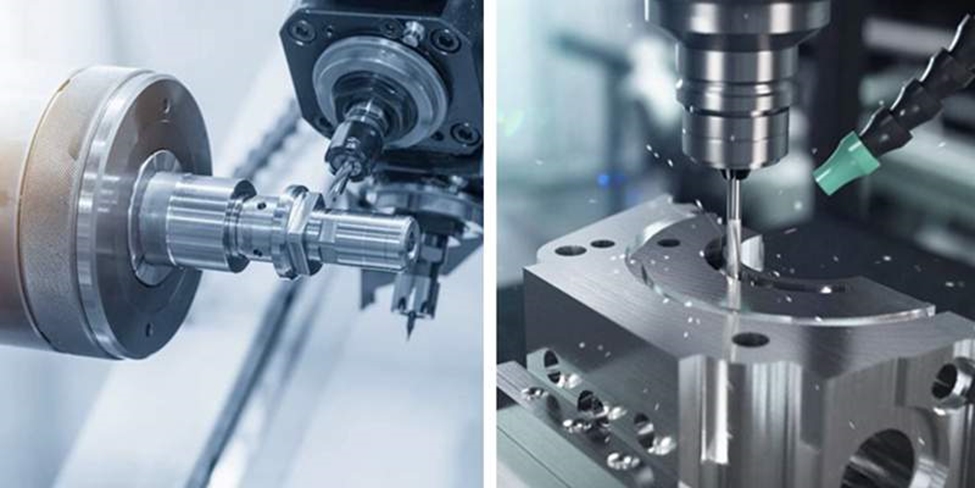
The UAV field keeps changing in big ways these days. Companies building drones for serious video work, plant surveys, or flight testing want machines that stay up longer, lift more weight, and take rough weather without breaking. The tough part remains the same: create frames strong enough to hold everything together, yet light enough to keep flight times practical and performance sharp.
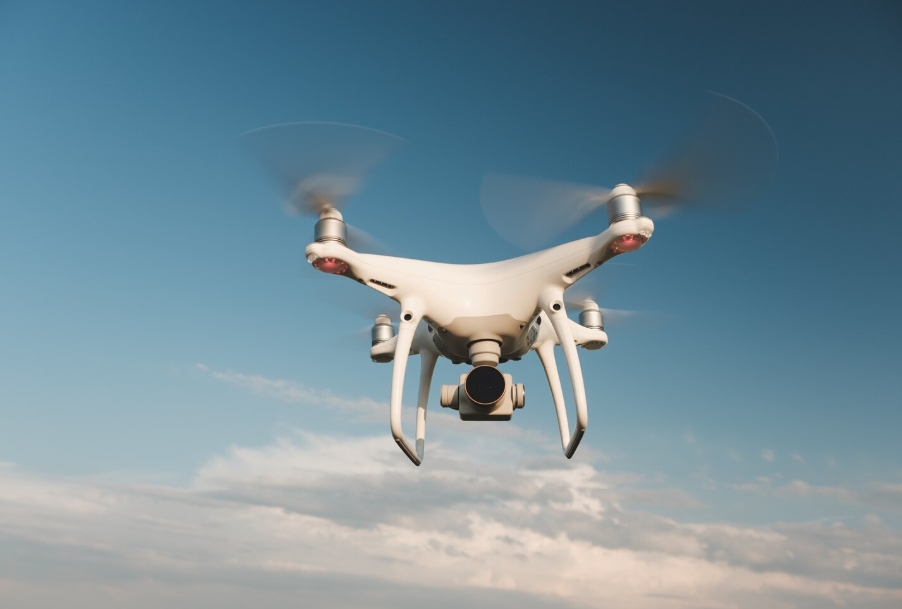
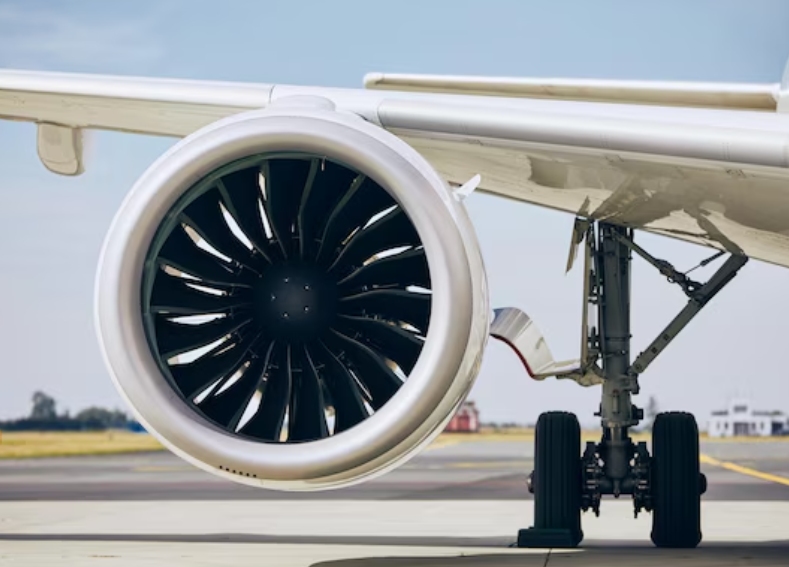
Many top builders realize drawings alone do not solve it. The real difference often comes from how the pieces get cut. Rejin CNC has become an important supplier here. It uses up-to-date 5-axis CNC equipment to turn out detailed, very accurate parts that help define leading drone builds.
Standard 3-axis and 4-axis machines run into trouble with the flowing lines and hidden inner details common in today’s drone frames. Structural pieces usually need cuts from different sides so they end up with open, rigid grid patterns inside or exact spots for fitting sensors and drive units.
Rejin CNC works with 5-axis setups. The system brings in two extra rotation movements—most often called A and C—on top of the usual straight X, Y, Z travel. Because of that, the cutter can reach the stock from nearly any angle during one single hold.
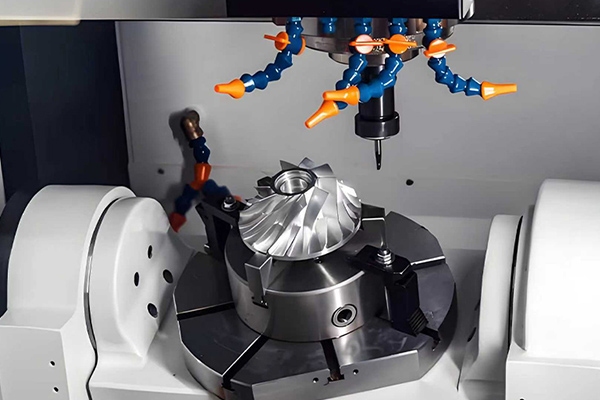
A shift of just a couple of microns matters a lot in UAV work. Small errors there can start vibrations or cause sudden failure when loads hit. Rejin CNC turns out components held to tolerances of ±0.005mm. The shop adjusts tool angles on the fly and uses coordinated multi-axis moves so parts across a whole run match closely. Final surfaces come in smoother than Ra0.8μm.
| Feature | 3-Axis Machining | Rejin CNC 5-Axis Machining |
| Geometry | Simple planes/structures | Complex 3D curves & special shapes |
| Setup Times | Multiple re-clamping required | Single setup for multi-faceted parts |
| Precision | Standard tolerances | Ultra-high (up to ±0.005mm) |
| Production Cycle | Longer due to re-fixturing | Significantly shortened |
Rejin CNC sticks to tight-tolerance work and keeps most supply steps in-house. It draws on more than 22 years of shop floor practice and runs over 100 modern machining units. Clients get everything handled from early one-off samples right through to steady high-volume output.
The main UAV offering, called Drone CNC-Machined Metal Parts, targets the constant push for pieces that weigh little but carry heavy loads.
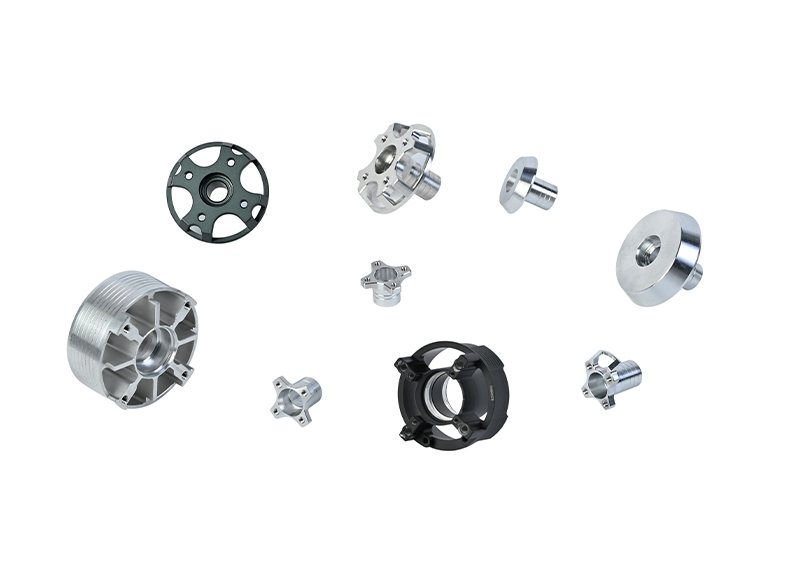
Material choice drives progress in drone design. Rejin CNC handles a broad range and pays close attention to strong, low-mass options.
Rejin CNC treats cutting as only one stage. Lasting advances in UAV production call for full-service support that covers the whole path.
Added finishes make UAV components last longer and work better in harsh environments. Several treatments happen right in the facility.
The Design for Manufacturing (DFM) assistance ranks among our strongest points. Engineers step in during early concept talks to catch build challenges or hidden expenses.
UAV frame development has moved past basic part-making. It now focuses on careful, full-support manufacturing. Rejin CNC pairs very tight 5-axis machining accuracy with solid knowledge of materials and complete post-machining steps. Together, these create the hidden edge found in the most dependable, highest-performing drone structures on the market. From first test pieces for a fresh inspection model to ramped-up runs of standard consumer units, Rejin CNC acts as a steady partner for precise metal work.
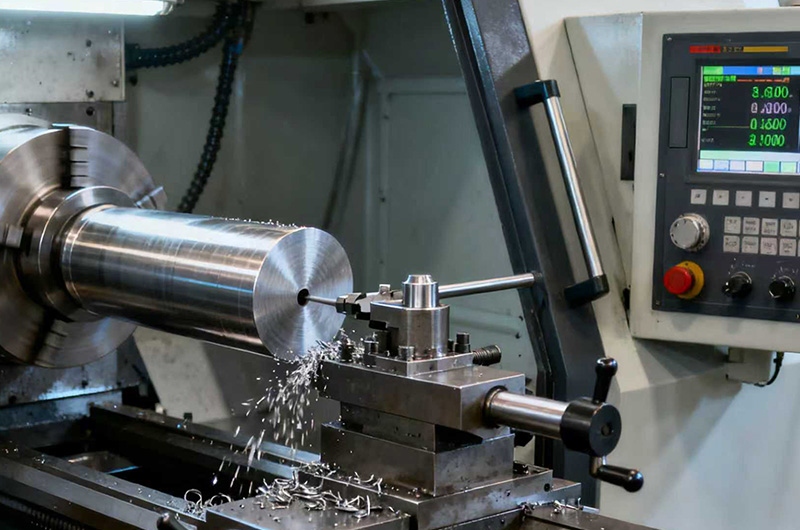
Ready to elevate your UAV performance? Contact Rejin CNC today and upload your CAD files to receive a personalized quote and expert DFM feedback within 24 hours!
A: We deliver ultra-high precision with tolerances typically reaching up to ±0.005mm.
A: We primarily recommend high-strength 6061 or 7075 aluminum alloys and magnesium-aluminum for optimal weight reduction.
A: Yes, we offer full support from initial prototyping and small-batch testing to rapid mass production.
A: Simply upload your CAD files to our system; our experts will provide a personalized quote and DFM feedback within 24 hours.