Why CNC Aluminum Parts is the Perfect Match for Heavy E-MTBs
Why CNC Aluminum Parts is the Perfect Match for Heavy E-MTBs
Eles eram
17th Julho 2026
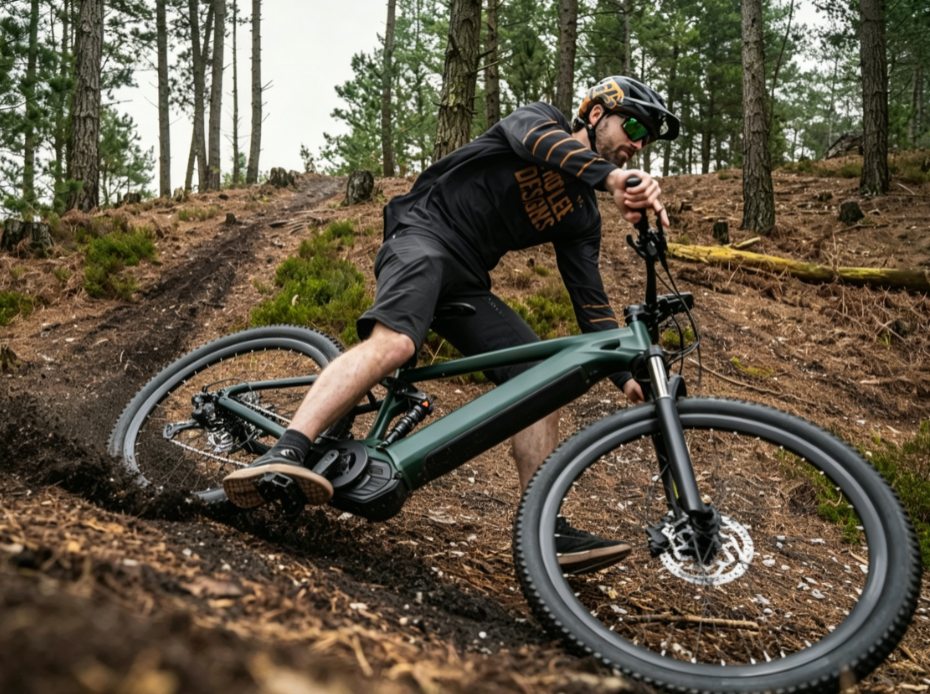
The rise of Electric Mountain Bikes (E-MTBs) is changing the cycling industry. Riders enjoy higher speeds and reach more challenging trails than before. Still, mid-drive motors, integrated downtube batteries, and reinforced frames place heavy stress on components that older designs cannot handle. E-bike companies around the world now work with contract manufacturers such as Rejin CNC. They look for strong parts that keep weight low while meeting tough demands.
The Structural Evolution of Modern E-MTBs
Adding an electric drive system shifts the forces that act on a bicycle frame and its moving parts.
The E-Bike Weight Penalty and Mechanical Load
Engineers need to understand these force changes when they choose how to manufacture important components.
Unsprung Mass Accumulation: A typical non-electric trail bike weighs 13 kg to 15 kg. Modern full-suspension E-MTBs often weigh 23 kg to 26 kg because of the motor and battery. This extra weight calls for stronger support structures made from robust CNC aluminum parts.
Dynamic High-Torque Influx: Mid-drive motors deliver 85Nm to 90Nm of torque right at the bottom bracket. Such torque means heavy-duty CNC machining MTB partsare needed to avoid fatigue cracks in regular bicycle components.
Elevated Impact Energy: Kinetic energy grows with mass. When an E-MTB hits rocks or lands a drop, the impact forces rise sharply. Robust CNC machining MTB parts help these bikes resist bending in tough conditions.
Engineering Challenges: Why Traditional Manufacturing Falls Short for E-MTBs
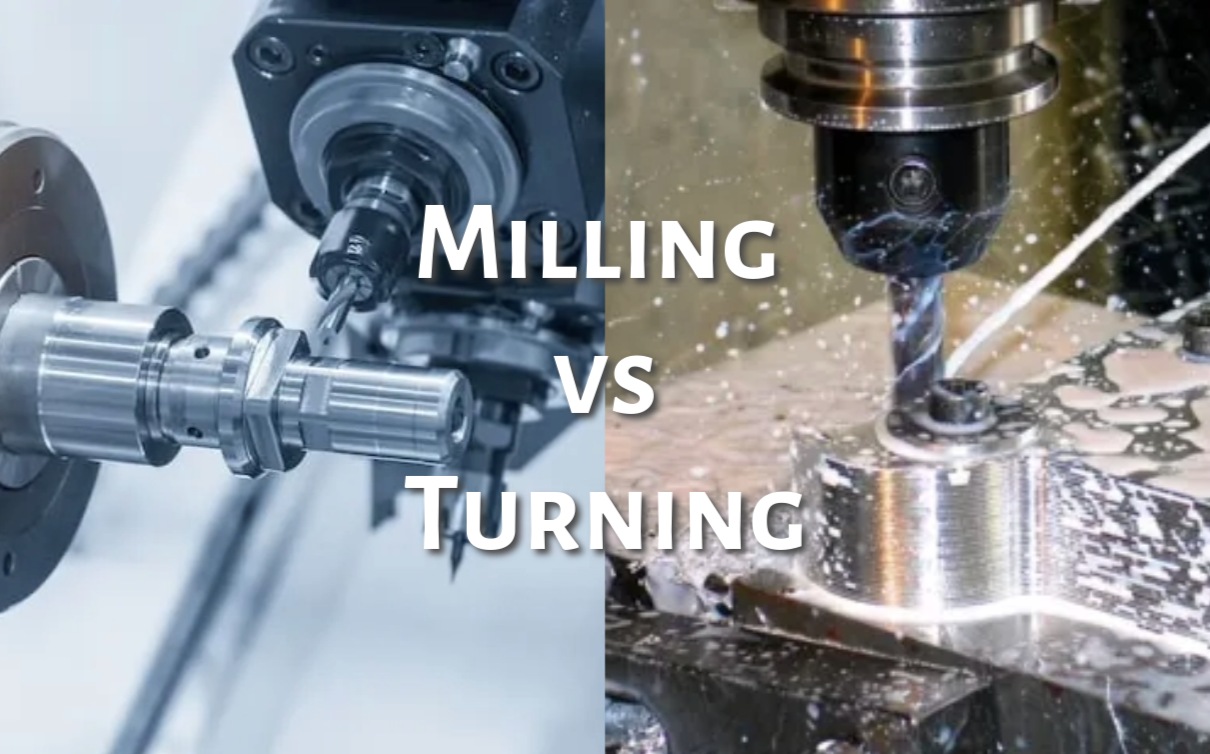
When production volumes grow, purchasing teams often discuss whether to pick die casting, metal stamping, or multi-axis milling.
The Failure Limits of Die Casting and Stamping
Picking the wrong method can weaken parts or lead to wasted spending.
Internal Porosity vs. Structural Uniformity: Die casting tends to create tiny air pockets inside the metal. These pockets form stress points under heavy loads. CNC aluminum parts avoid this issue because they come from solid billets with even grain structure.
The Tooling Cost Threshold (10,000+ Units): Metal stamping works well for basic flat brackets at high volumes. Yet the die costs often top $15,000, which makes it impractical for runs below 5,000 to 10,000 units. This leaves CNC machining MTB parts as the practical option in that range.
Deflection Under High Stress: Stamped parts cannot vary wall thickness to strengthen key areas while keeping others light. As a result, they flex during sharp turns at speed. CNC aluminum parts handle these loads better because of their milled design.
The Need for Complex Multi-Axis Geometry
Modern frame integration leaves zero room for geometric error, requiring tight-tolerance machining.
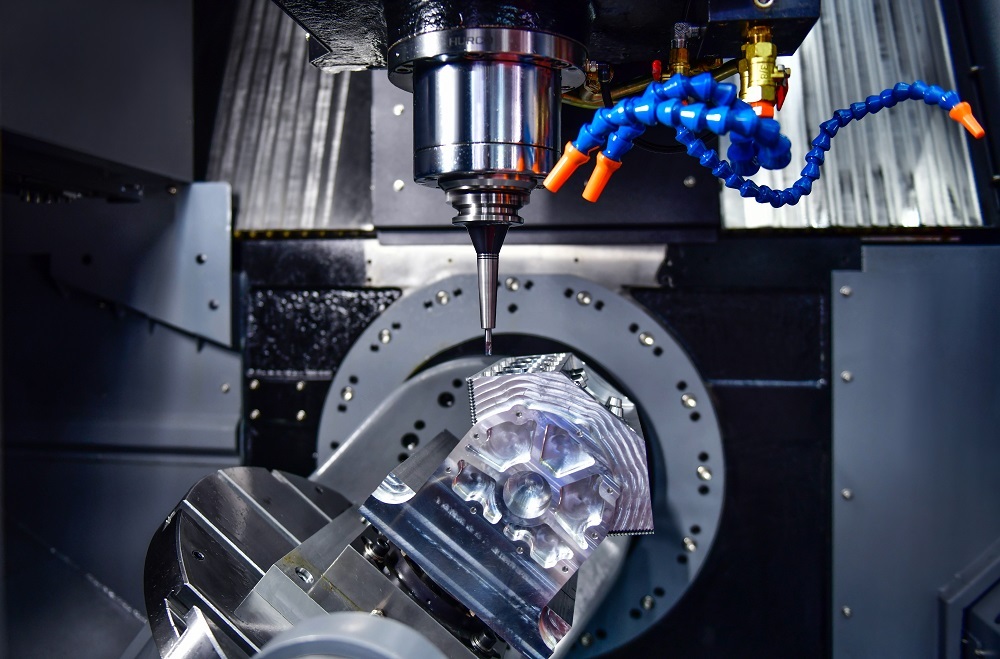
Complex Motor Integration Bays: Mid-drive motor cradles require complex 3D profiles, deep pockets, and precise internal routing channels for internal cables, wiring harnesses, and cooling ducts, making them ideal candidates for multi-axis CNC machining MTB parts.
Tight Bore Tolerances (±0.01mm): Suspension pivot bearing bores must maintain strict dimensional tolerances to ensure smooth rotation and eliminate structural play or creaking under heavy radial loads, a standard feature in precision-engineered CNC aluminum parts.
Wall Thickness Optimization: Advanced components require continuous wall adjustments—thick near mounting threads to prevent stripping, and thin along structural walls to minimize weight—which can only be achieved via multi-axis milling of advanced CNC machining MTB parts.
Material Performance: Why CNC Aluminum Parts Rule the E-MTB Market
Material selection forms the base of high-performance bike builds. Aluminum alloys deliver a good mix of weight, cost, and strength properties.
Fatigue Resistance of 6061-T6 vs. 7075-T6 Alloys
Bike parts face different loads. This calls for specific aluminum types.
6061-T6 Aluminum for Complex Enclosures: 6061-T6 offers good weldability along with steady corrosion resistance and strong fracture toughness. It serves as the top pick for detailed motor housings and battery covers made as structural CNC aluminum parts.
7075-T6 Aluminum for Ultimate Tensile Strength: Zinc acts as the main alloy element here. 7075-T6 reaches tensile strength up to 570 MPa, which beats many structural steels. It fits high-stress suspension linkages, cassettes, and chainrings in the premium CNC machining MTB parts ecosystem.
Yield Strength Benchmarks: CNC aluminum parts from certified wrought billets stand up to repeated stresses beyond the fatigue limits of common die-cast parts.
Advanced Anodizing for High-Wear Off-Road Environments
Surface finishes must provide robust protection against environmental elements, rocky debris, and continuous friction.
Type II Protective Anodizing: This chemical process builds a controlled oxide layer (typically 15 to 25 microns deep) that embeds color deep within the aluminum’s surface pores, ensuring your CNC aluminum parts resist fading and scratch damage.
Type III Hardcoat Anodizing for High-Friction Zones: For suspension pivots and drive components, a hardcoat layer (exceeding 50 microns) provides a surface hardness comparable to hardened tool steel, minimizing abrasive wear on critical CNC machining MTB parts.
Salt-Spray Corrosion Resistance: Specialized surface treatments ensure that these structural CNC aluminum parts remain protected against moisture, mud, and winter road salt, preventing galvanic corrosion over extended lifecycles.
Rejin CNC Solutions: Precision Components Engineered for High-Torque E-Bikes
As an industry-aligned manufacturing partner, Rejin CNC translates engineering blueprints into high-durability bike components, utilizing advanced production workflows to solve key E-bike design challenges.
Mid-Drive Motor Housings and Heat Sinks
Thermal management and structural protection are critical when electric motors operate under prolonged peak loads.
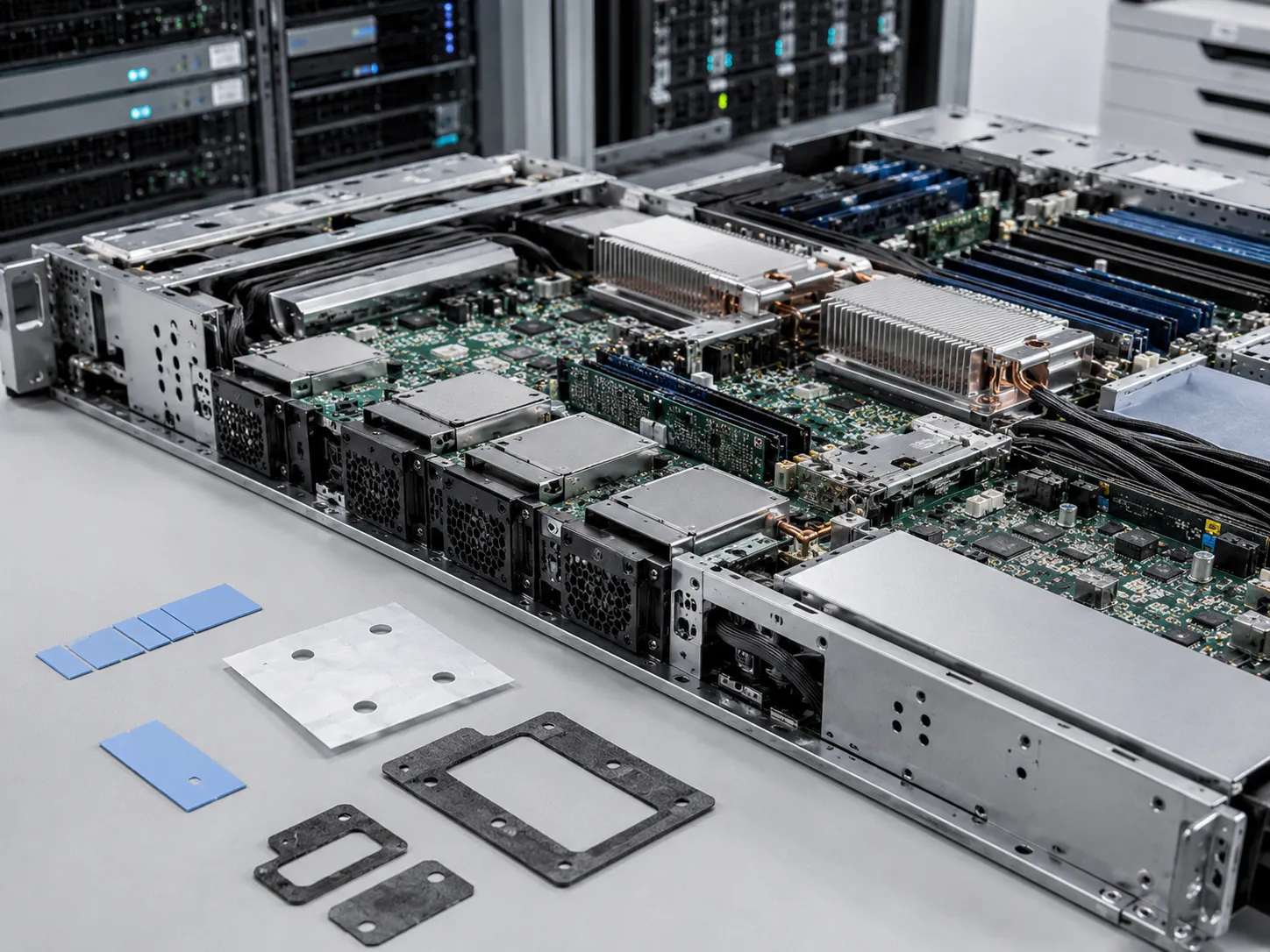
Optimized Thermal Dissipation: Our precision-milled cooling fins maximize surface area contact with ambient airflow, preventing thermal throttling and keeping motor electronics within optimal operating temperatures through advanced CNC machining MTB parts.
Impact-Resistant Bottom Cradles: We machine motor chassis covers and robust CNC aluminum parts to withstand direct rock strikes and trail impacts, protecting internal gearboxes from expensive structural damage.
Precision Sealed Interfaces: Machined sealing grooves with a surface roughness of under Ra 0.8μm ensure a watertight fit, protecting internal electronics from high-pressure water washdowns and mud ingress.
High-Stress Suspension Linkages and Rocker Arms
Rear suspension linkages undergo multi-directional torsional twisting when a rider handles rough, off-road terrain.
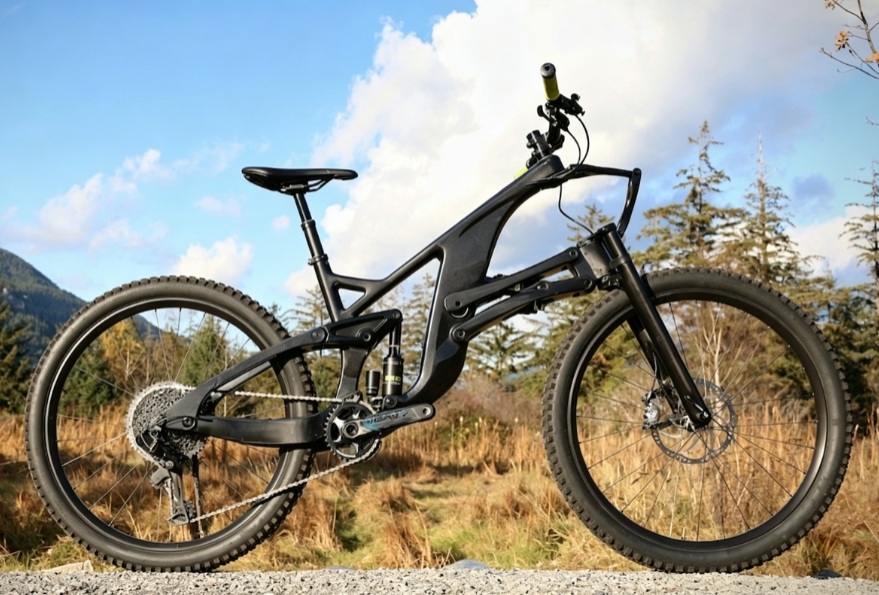
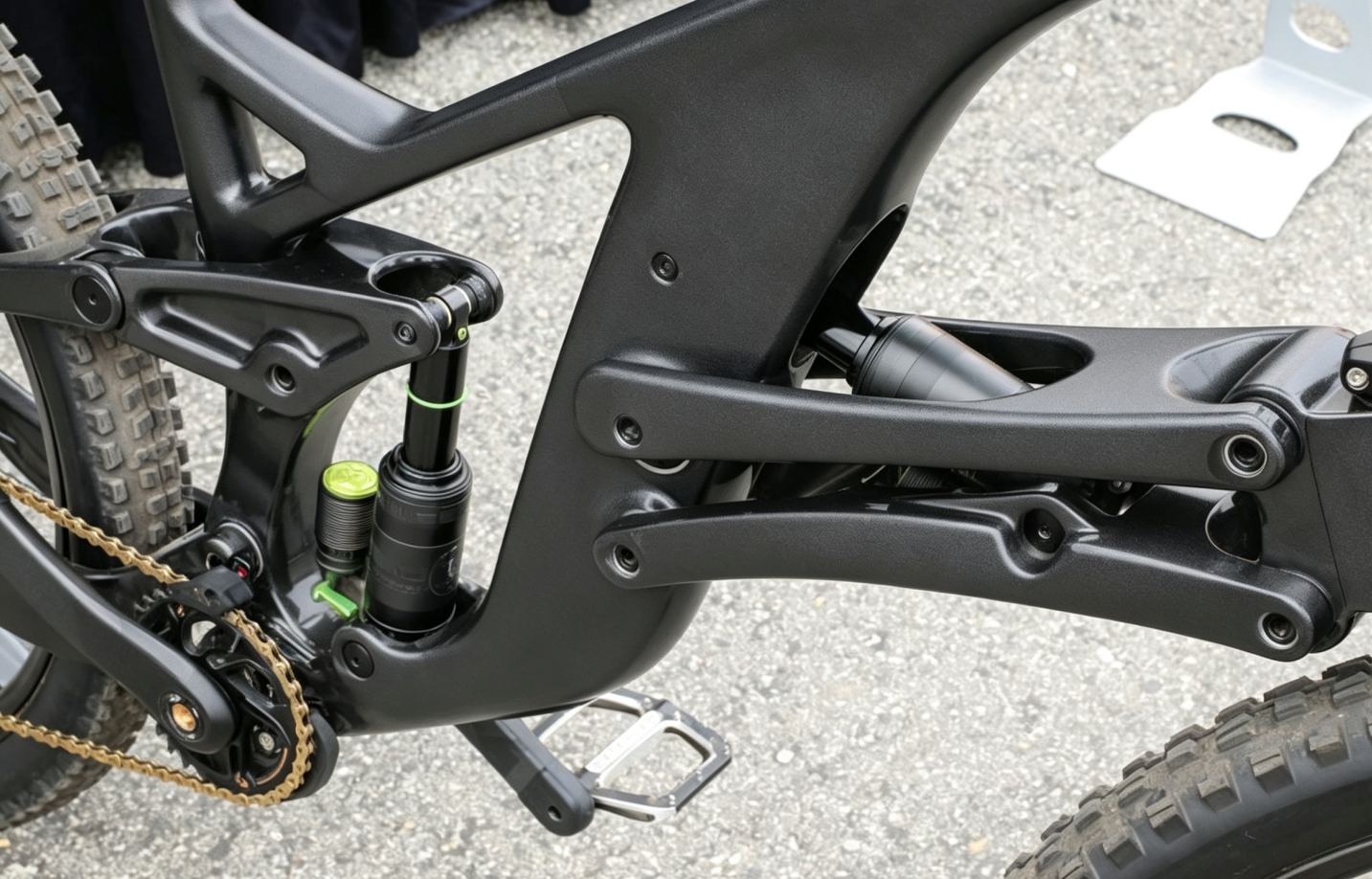
Monoblock CNC Linkage Milling: Rejin CNC mills critical progressive suspension links from a single block of 7075-T6 aluminum, eliminating structural welds to optimize strength and stiffness in our premium CNC aluminum parts.
Parallel Alignment Accuracy: Our machining setups ensure that left and right bearing bores remain perfectly parallel, preventing premature bearing wear and rear shock binding in all CNC machining MTB parts.
Lightweight Pocketing and Weight Reduction: By utilizing 3D adaptive milling paths, we remove non-critical material to keep components lightweight without compromising structural integrity.
Strategic B2B Sourcing: Scalability, Equipment, and Manufacturing Metrics
For procurement managers, supply chain reliability, manufacturing equipment capabilities, and certified quality control are just as critical as part design.
Multi-Axis Machinery and Production Capacity
Our advanced manufacturing floor is configured to support rapid prototyping through to high-volume commercial production runs.
Premium Multi-Axis Machining Centers: Our facility operates more than 100 advanced CNC machines, including premium brands like Mazak and DMG MORI, allowing us to complete intricate, multi-sided CNC machining MTB parts in minimized setups.
Flexible Volume Scalability: We maintain an agile production framework with no strict MOQ for rapid prototype testing (1 to 10 units), while offering a robust scalability capacity exceeding 10,000 high-quality CNC aluminum parts per month for ongoing commercial contracts.
Certified Quality Control Processes: Operating under ISO 9001:2015 and IATF 16949 quality frameworks, every batch of CNC machining MTB parts undergoes strict First Article Inspection (FAI) and comprehensive coordinate measuring machine (CMM) dimensional checks to guarantee out-of-the-box compatibility.
Proven Tier-1 Case Study: European E-Bike Component Supply
Our production capabilities are validated by our long-term partnerships with leading global e-mobility brands.
The Client Challenge: A premium European e-mobility brand faced high field-failure rates with cast suspension links that kept cracking under high-torque pedal-assist loads.
The Engineered Solution: Rejin CNC optimized the client’s 3D models through Design for Manufacturing (DFM) support, converting the component into 5-axis machined monoblock CNC aluminum parts with a durable Type III hardcoat anodized finish.
Measurable Project Outcomes: We accelerated prototyping turnarounds from 12 days down to just 5 days, maintained a dimension compliance rate of over 99.5% across all CNC machining MTB parts, and scaled production to a steady batch size of 2,500 units per month with a field return rate of under 0.3%.
Conclusão
The mechanical demands of heavy, high-performance E-MTBs require a move away from fragile, legacy casting methods toward high-strength CNC machining MTB parts. Investing in precision-engineered CNC aluminum parts ensures your brand delivers the durability, tight tolerances, and refined aesthetic that modern off-road riders expect.
Email: nicole@rejincnc.com
WhatsApp/Phone: +86 13790500374
FAQ
Q: Why is CNC machining preferred over carbon fiber or die-casting for high-load E-MTB suspension components?
A: Carbon fiber delivers strong performance for its weight. Yet flying rocks often chip the surface on rough trails, and molds drive up setup costs. Die-cast parts tend to hide small voids inside the metal. Those voids give way once torque loads climb during hard climbs or drops. Solid aluminum billets cut into CNC machining MTB parts sidestep both problems. They bring steady strength throughout, resist impacts, and let production scale without heavy tooling bills.
Q: What specific dimensional tolerances can Rejin CNC maintain for critical E-bike interfaces?
A: We hold linear and bore dimensions to ±0.01mm on high-precision CNC aluminum parts. The final number shifts with part shape and the alloy chosen. That accuracy keeps bearing seats tight under press-fit. Riders notice no frame creak, and full-suspension pivots stay aligned through long seasons of use.
Q: How does a mid-drive E-MTB layout alter the Design for Manufacturing (DFM) requirements for aluminum parts?
A: Mid-drive motors need deeper pockets, wire channels, and thin cooling fins. We review corner radii on CNC machining MTB parts so common end mills can reach every surface. Shops then finish each batch faster and change cutters less often, which trims total run costs on real production lines.
Q: At what production volume threshold should an E-bike brand transition from CNC machining to dedicated stamping or forging?
A: Complex shapes such as motor housings or suspension linkages stay practical when made as CNC aluminum parts up to 5,000 units. Past 10,000 units, stamping or forging usually covers its own die costs. The move makes sense only after those large initial investments in custom tooling start to pay back across bigger runs.
O processo de ordenamento é simples:
1. Envie seus arquivos de design
2.Selecionar materiais e processos de fabricação
3.Receber citações
4.Confirmar a ordem
5.Produção e entrega
Nós fornecemos uma ampla gama de serviços, incluindo Serviços de Máquina CNC, Fabricação de Metal de Folhas, Soluções de Finição da Superfície e Suporte de Análise de DFM.
Oferecemos múltiplos materiais de máquina CNC, como cobre (Cu), ferro (Fe), alumínio (Al), aço inoxidável e plástico de engenharia.
Aceitamos cartão de crédito, PayPal e T/T Bank Transfer.
Sim. Você pode rastrear sua ordem através do nosso sistema de rastreamento online ou contatar com nossa equipe de apoio através da equipe de apoio ao cliente.
Nossa máquina CNC fornece alta precisão, geralmente com uma tolerância até ±0,005mm, dependendo do material e complexidade da parte.
Sim. Oferecemos assistência de design e engenharia para trazer suas ideias à vida. Nossa equipe pode ajudar com o design de produtos, protótipo e otimização.
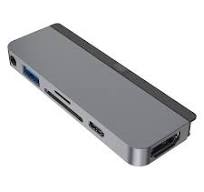
Nossos centros iPad são máquinados com CNC a partir de materiais de metal de alta qualidade, fornecendo estrutura estável, dissipação eficiente de calor e interface precisa
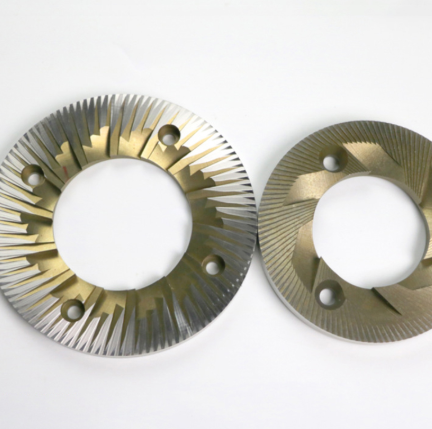
Um fabricante profissional especializado na máquina customizada e não-padrão CNC de peças mecânicas. Podemos adaptar uma ampla gama de habitações especiais e outros componentes de máquinas de café de acordo com os requisitos do cliente, com uma ampla seleção de materiais disponíveis. - Sente-se livre de nos contatar para perguntas!
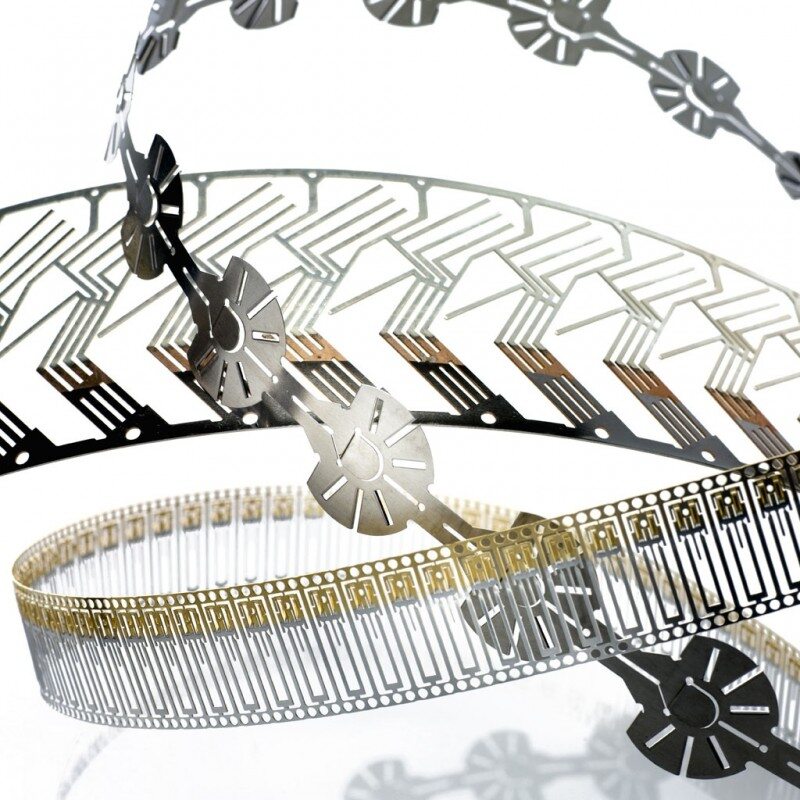
Rejin CNC fabrica peças de selo de precisão com alta precisão dimensional e qualidade consistente. Nossos componentes de selo de metal são amplamente utilizados em eletrônica, automóvel e equipamento industrial, apoiando a produção de OEM e ODM.
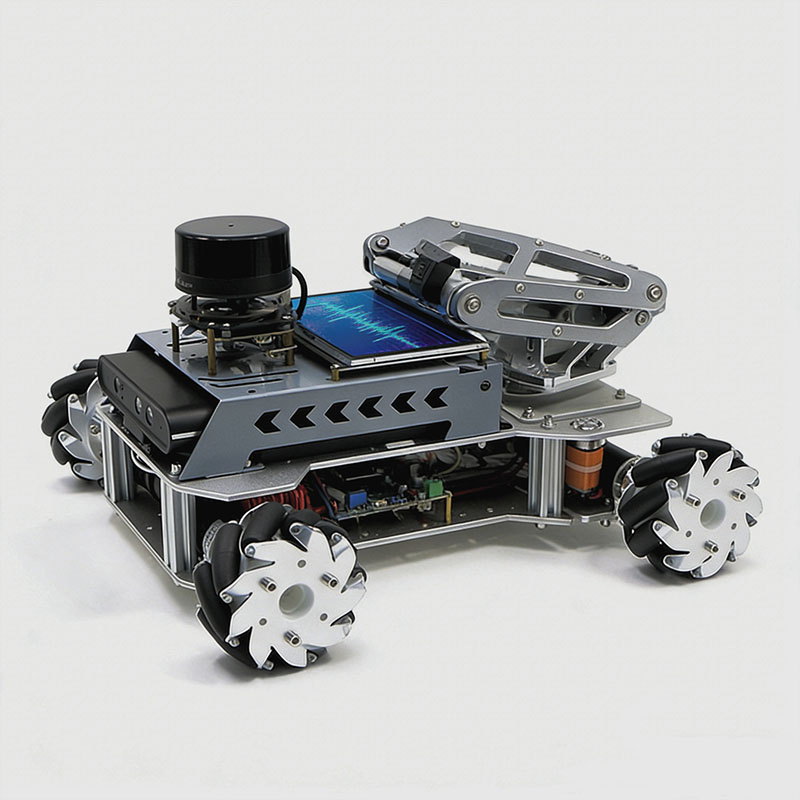
Esses componentes de robô máquinado da CNC são projetados para sistemas robóticos, incluindo peças articulares, abrigos e componentes estruturais. A alta precisão assegura movimento suave e estabilidade a longo prazo.

 Eles eram