 著者
著者
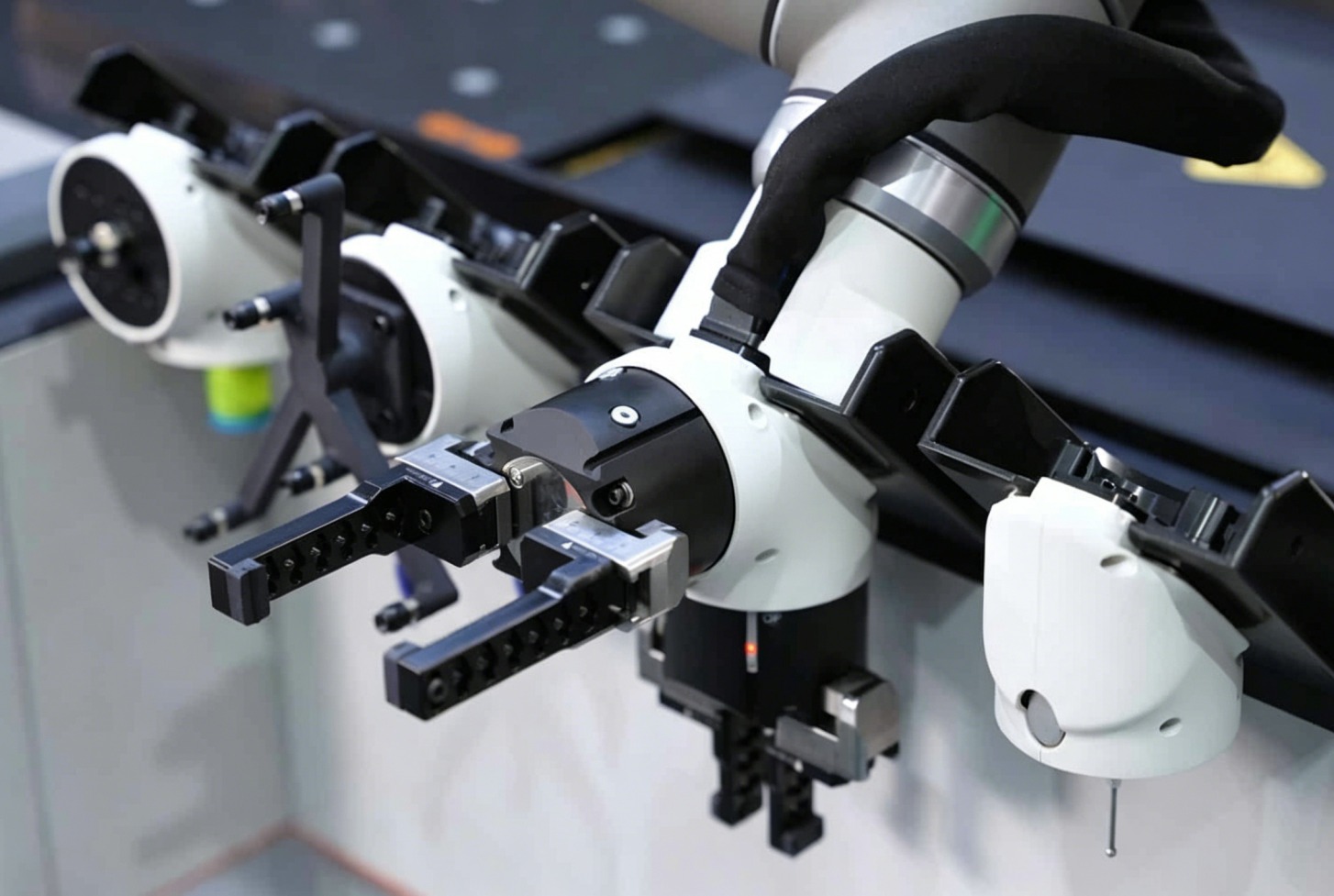
In the world of modern industrial automation, a robotic arm works only as well as the tool at its end. Standard robotic arms can follow set paths with good repeatability. However, it is the custom end-effectors and robotic grippers that carry out the exact tasks needed to keep production lines running smoothly. Off-the-shelf parts often fall short when it comes to the specific shapes, weights, and working conditions found in specialized manufacturing. Rejin CNC comes in here as a certified precision manufacturing leader. The company creates custom metal parts that turn design drawings into reliable robotic components. This approach closes the distance between detailed robotic plans and actual high-volume output on the shop floor. In the end, it helps automation teams get the right hold on their parts.
Custom robotic grippers need careful design work. Standard manufacturing methods can bring in small size differences. These differences often lead to bigger problems across the whole system. Rejin CNC deals with these issues by using close quality checks and up-to-date machining methods.
A tight focus on micron-level accuracy stops parts from shifting out of line during fast robotic movements.
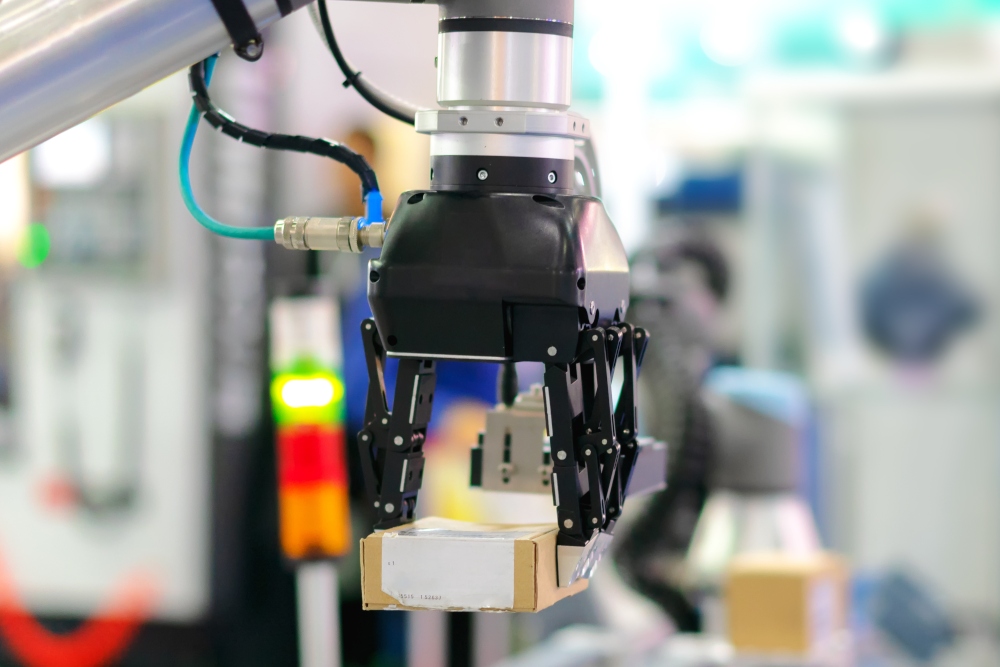
Getting the weight of end-of-arm tools right improves how much the robot can carry and how long the equipment lasts in daily use.
To build advanced robotic grippers, companies need modern subtractive machining that does more than simple 3-axis work. Rejin CNC runs a large group of more than 100 advanced machining centers. These machines take on the toughest design needs.
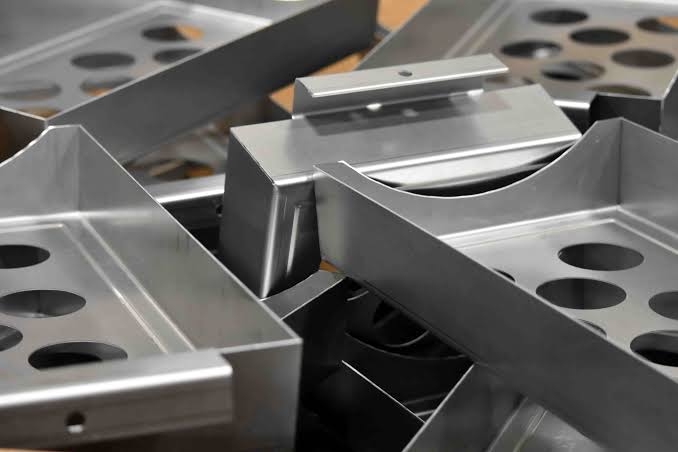
私たちの 5軸数値制御加工 services open up fresh options for natural, user-friendly, and detailed freeform surfaces on grippers.
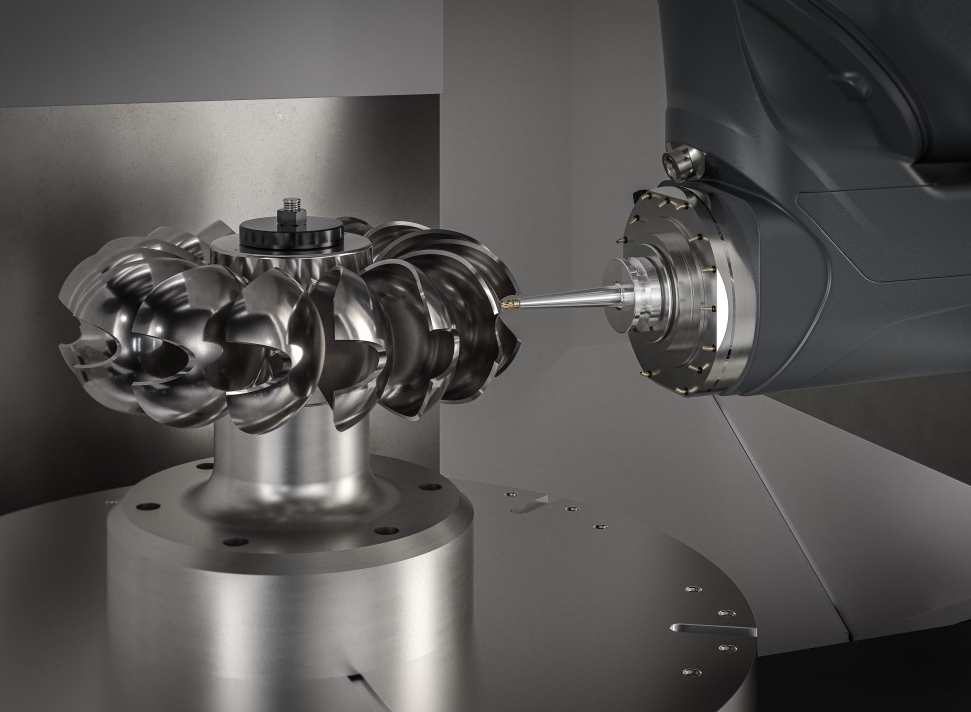
Combining turning and milling steps in one flow produces robotic parts with true roundness.
On the factory floor, every hour of stopped work can cost a great deal of money. Our custom end-effectors run in many manufacturing settings around the world. They fix difficult pick-and-place issues that standard tools cannot manage.
Small electronic items need gentle but secure handling in quick assembly steps.
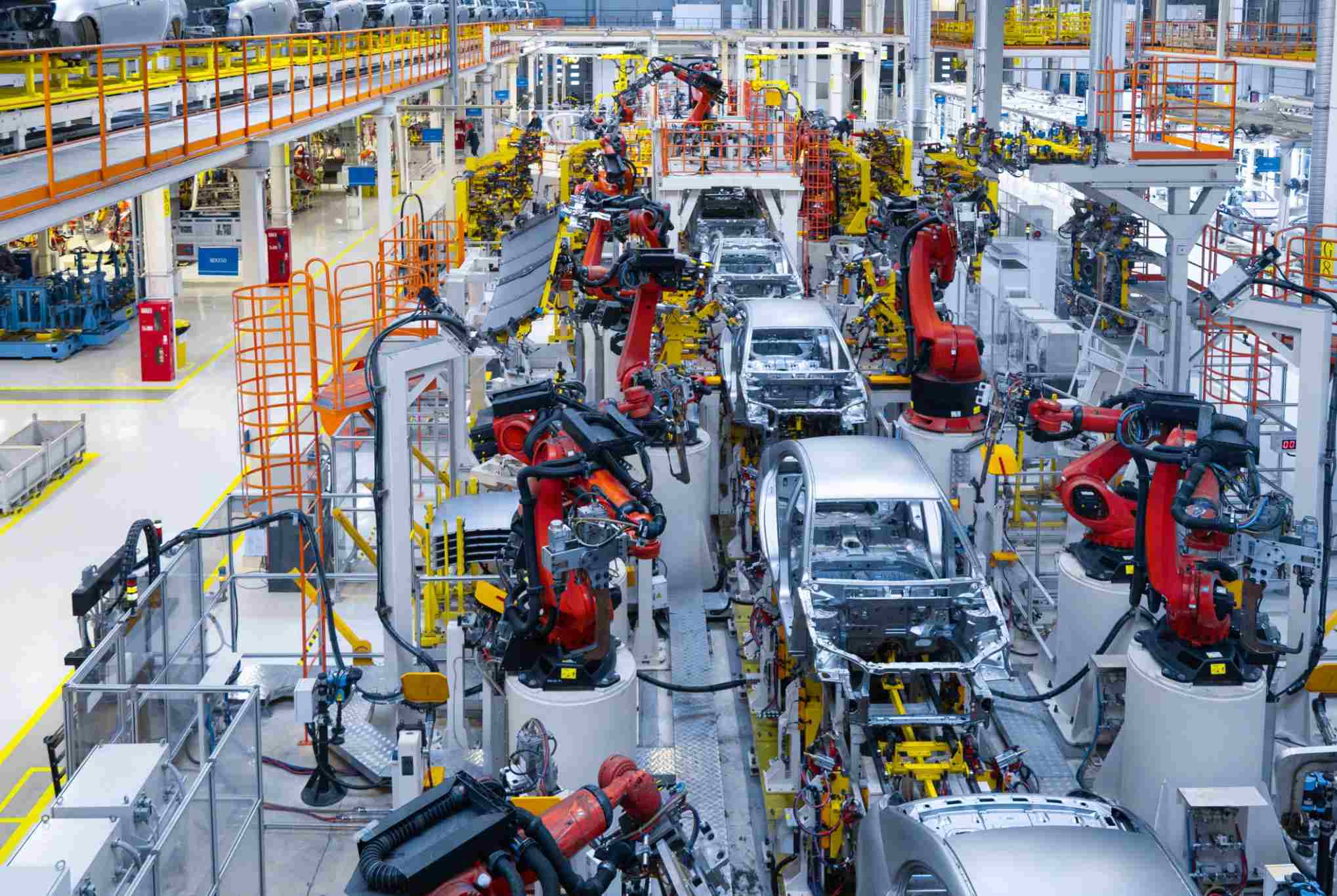
Car production lines put robotic grippers through tough surroundings, heavy loads, and nonstop shaking.
Do not allow average parts to hold back your automated setup. Work with Rejin CNC for top-level, accurate custom grippers and end-effectors built to match your exact needs. You might want one prototype to test an idea or a small batch for full factory use. Either way, our group meets short industrial schedules.
Take the next step with your project. Send over your CAD drawings in STEP, IGES, or DWG formats along with the technical details. Our engineers look at the files and return a full quote plus a manufacturing review within 24 hours. Reach us by email at Ruonan@rejincnc.com or through WhatsApp at +86 18362358467. We can start your job right away.
A: CNC machining gives much better overall strength, closer size control up to ±0.005mm, and finer surface quality. Parts from 3D printing tend to come apart between layers when shaken by constant robot motion. They also miss the staying power needed for millions of work cycles.
A: Treatments such as hard-coat anodizing or plating raise surface hardness and resistance to wear in a big way. The gripper then holds up better when it rubs against rough metal or composite pieces day after day. This keeps the gripping sizes close to the starting measurements for longer periods.
A: The key aims are to reduce weight and keep the structure stiff at the same time. Engineers often pick high-grade aluminum alloys like 6061 or 7075. These choices cut down on moving weight so the robotic arm can speed up without setting off motor warnings or losing position.
A: Milling detailed channels inside the body lets air or vacuum move straight through the gripper. No extra hoses on the outside means fewer chances for lines to catch, leak, or break during involved multi-axis motions.