
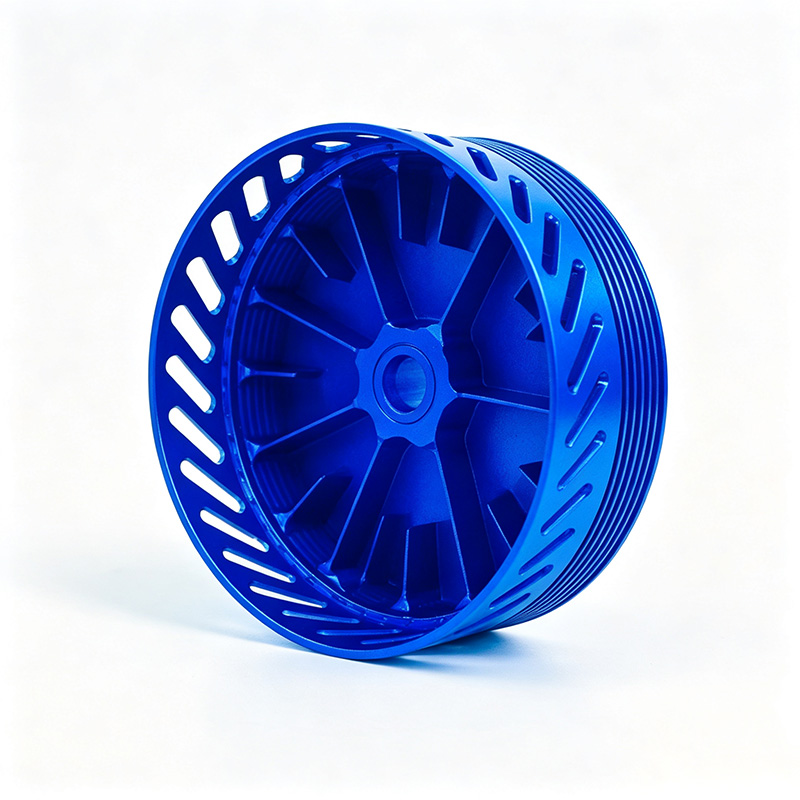
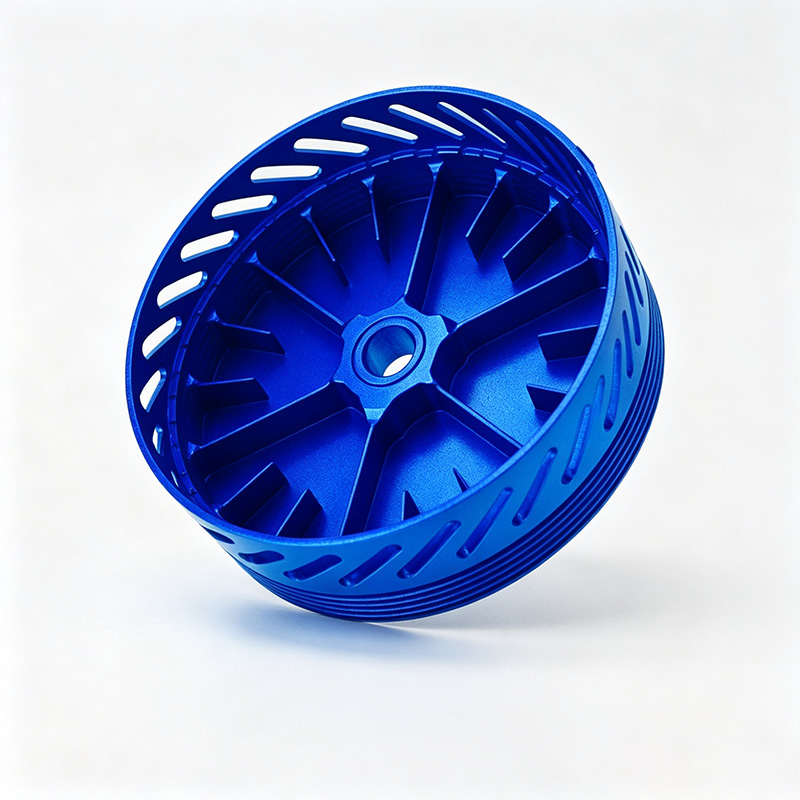
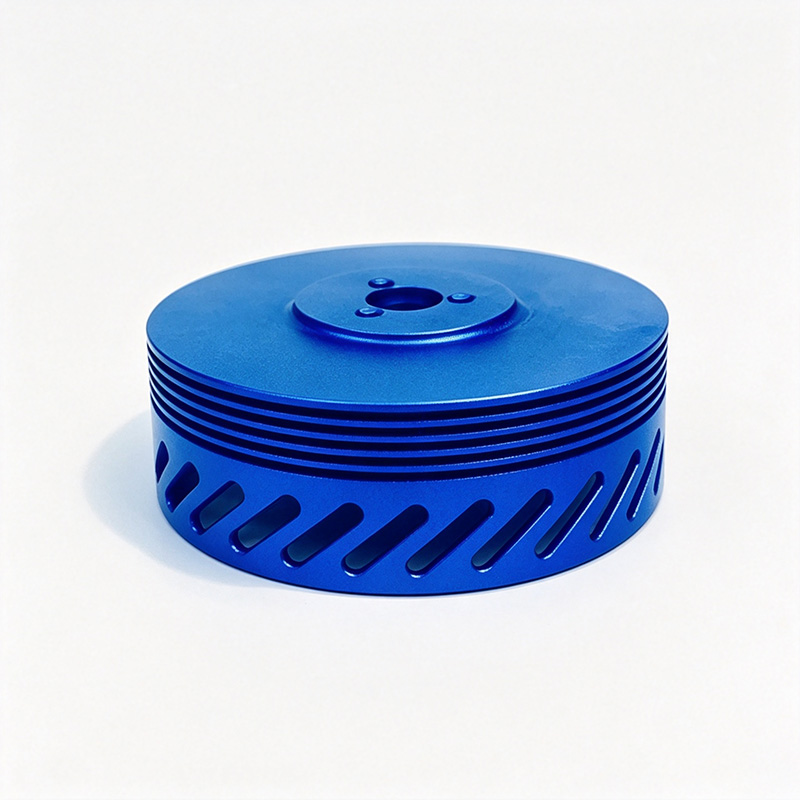
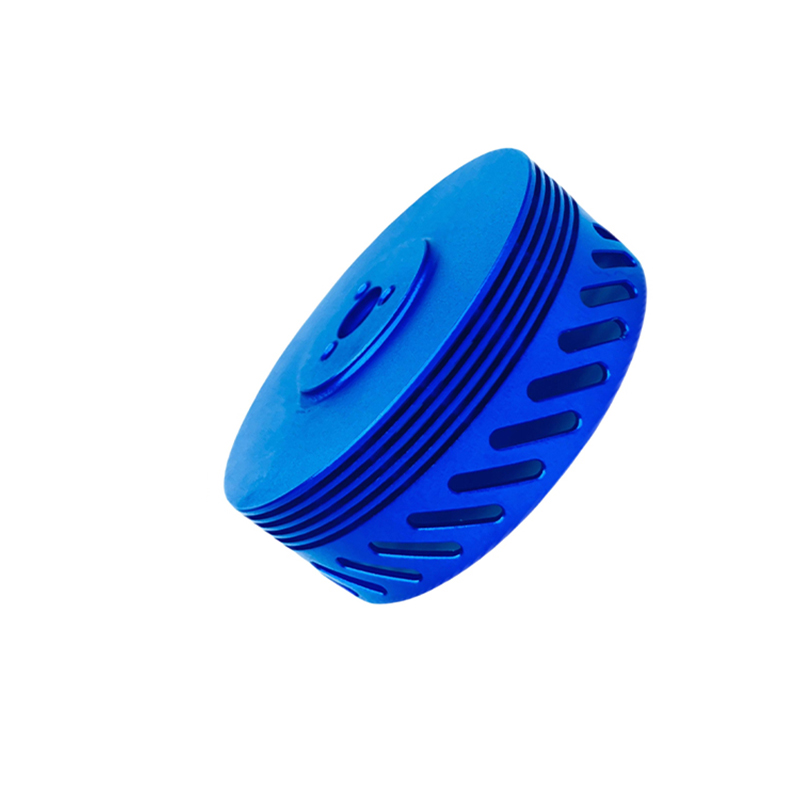
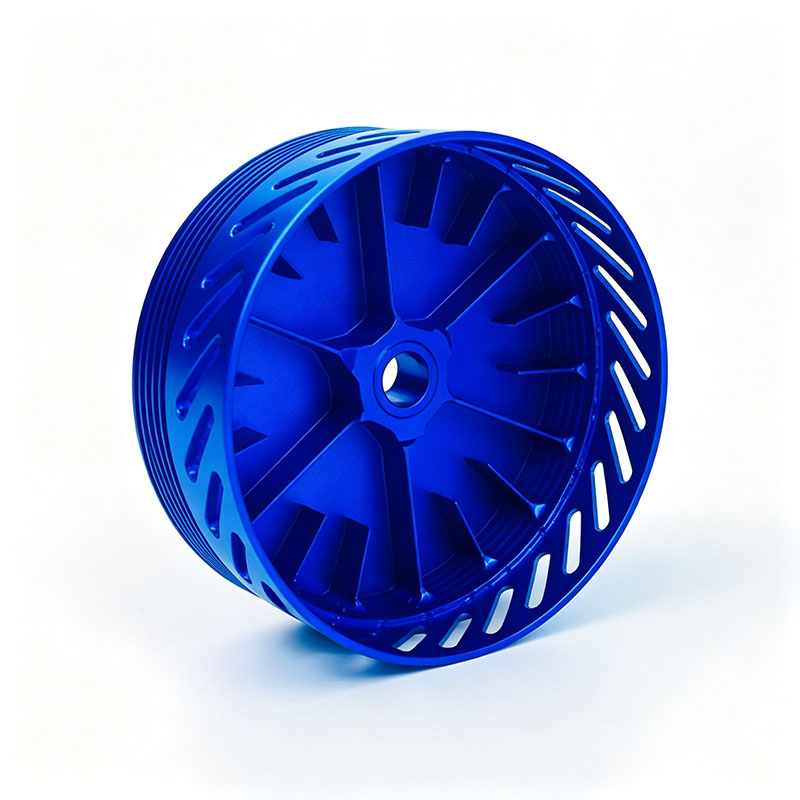
Custom CNC Machined 6061 Aluminum Centrifugal Fan Impeller in Blue Anodized Finish
Custom CNC turn-milled 6061-T6 aluminum centrifugal fan impeller in a blue anodized finish — a radial blade pack, integrated back plate and slotted shroud machined from one billet for smooth airflow, low vibration and a repeatable shaft fit.
Tolerancia de mecanizado ±0.03 mm, hub bore H7, dynamic balance to G6.3/G2.5 on request. CMM, runout and balance report with every batch. Prototypes in 1–3 days.
- Turn-milled from 6061-T6 billet, integral blades, back plate and shroud
- Hub bore H7 with keyway, set screw or clamping options
- Blade angle, height and spacing held to ±0.03 mm
- Dynamic balance G6.3/G2.5, corrected in the hub
- Blue Type II anodize 15–25 µm, hub bore and keyway masked
- CMM, runout, balance report, FAI and 3.1 material cert
What Is This Centrifugal Fan Impeller?
This centrifugal fan impeller is the rotating air-moving wheel inside an industrial fan or dust-extraction unit. Air enters at the centre, the radial blade pack accelerates it outward, and the slotted shroud band guides the discharge into the fan housing. The back plate, hub and blades are machined from one 6061-T6 billet, then blue anodized, so the wheel runs true, resists corrosion and keeps the same blade geometry across repeat builds.
Geometry we machine
- Outer diameter, blade count, blade height and radial or backward-curved angle
- Slotted shroud band with controlled slot width, pitch and deburred edges
- Integrated back plate, hub boss and inlet eye, machined in one setup where possible
- H7 shaft bore, keyway, set screw holes or clamping hub
- Balance correction pads and laser-marked rotation direction or part number
Why 6061-T6 for a fan wheel
6061-T6 is the usual alloy for an aluminum impeller: it machines cleanly, anodizes evenly, resists moisture and mild chemicals, and has enough strength for fans running at moderate tip speeds. 7075-T6 gives higher yield strength for high-speed or high-pressure wheels, but it anodizes darker and is less corrosion-resistant in wet dust environments. For high-temperature exhaust or very large diameters, steel or a hybrid welded hub may be the better route. Send the operating speed and air temperature and we will recommend an alloy instead of defaulting to one.
Integral machining versus welded construction
A wheel machined from solid has no weld seams, no heat distortion and no filler metal in the airflow path. Blade angles stay identical from one wheel to the next, the back plate runs flat, and the hub stays concentric with the blade pack. The trade-off is material removal and machining time, which grows quickly with diameter. For large low-speed wheels we may propose a machined hub and shroud with welded or bolted blades; for small and medium high-speed wheels, integral machining is usually the better balance of rigidity and repeatability.
Balance, runout and vibration
An impeller is the most common source of fan vibration: one heavy blade, an eccentric hub or a warped back plate shows up as bearing noise, motor current fluctuation and structure-borne vibration. We control blade thickness and slot symmetry, hold the hub concentric to the blade pack within 0.03 mm, and check back-plate runout before balancing. Finished wheels can be dynamically balanced to G6.3 for general ventilation or G2.5 for high-speed and low-noise applications, with correction by milling the hub or adding balance weights. The report states the balancing speed and residual unbalance in g·mm, not just a pass/fail stamp.
Hub bore and shaft fit
The hub bore is machined to H7 unless your drawing calls for another fit, then checked with a bore gauge or pin gauge. A typical motor shaft uses h6, giving a light interference or transition fit that stays concentric without distorting the bore. Keyways are cut symmetrical to the blade pattern, set screw holes are spotted after the bore is finished, and the bore and keyway are masked during anodizing so coating thickness does not close the fit. Tell us the shaft diameter, key size and whether the wheel mounts on a motor shaft, bearing shaft or adapter sleeve.
Blade geometry, airflow and noise
Blade angle, blade height, inlet eye diameter and shroud slot area set the flow-pressure curve. We machine to your CAD or CFD model and can adjust blade angle or slot pitch for a prototype, but airflow and sound validation needs your housing, motor and test setup; we do not quote a flow curve without a test rig. For noise-sensitive units, we deburr trailing edges, keep the slot band uniform and hold shroud roundness so tip clearance stays consistent. If you are reverse-engineering an existing wheel, send a sample and we will 3D scan the blade pack and slot pattern before machining.
Anodizing and masking
Wheels are bead blasted, Type II anodized to 15–25 µm in blue or another colour, then sealed. Anodize adds roughly half the coating thickness per surface, so the hub bore, keyway and any shaft-contact land are masked or opened up before coating to protect the H7 fit. Colour is matched within a batch and across repeat orders using the same dye lot. For wet dust or wash-down environments, we can seal the coating and mask threads or inserts as needed.
Inspection and documentation
Each batch is checked for outer diameter, blade height and angle, slot position, hub bore, keyway, back-plate runout and hub concentricity. Critical wheels ship with a CMM dimensional report, dynamic balance report, FAI, EN 10204 3.1 material certificate, certificate of conformity and RoHS/REACH declaration. Overspeed or spin testing can be arranged through a qualified test house on request; the customer remains responsible for validating the finished fan assembly.
Send us for a quote
STEP/STP model or a measured sample, outer diameter, blade count and angle, hub bore and keyway, motor speed, balance grade, airflow or pressure target, housing clearance, alloy and finish, quantity and documentation. We return a DFM review covering blade machining strategy, shroud slots, hub fit and balancing, usually within 24 hours.
Capabilities for Centrifugal Fan Impellers
Integral Blade Pack
Blades, back plate and shroud machined from one billet, keeping blade angles and hub concentric without weld distortion.
Hub Bore and Shaft Fit
H7 bore, keyway and set screw holes machined after the blade pack, with bore and keyway masked during anodizing.
Dynamic Balancing
G6.3 or G2.5 balance at the specified speed, corrected in the hub, with residual unbalance reported in g·mm.
Slotted Shroud Geometry
Slot width, pitch and angle machined uniformly and deburred, with shroud roundness held for consistent tip clearance.
Blue Anodize with Masking
Type II blue anodize at 15–25 µm, batch colour matched, with shaft fits and keyways protected from coating growth.
Airflow and Documentation
CMM dimensions, runout, balance report, FAI, 3.1 material cert and RoHS/REACH declaration for each batch.
Materiales que mecanizamos
Desde aluminio de grado aeroespacial hasta plásticos de ingeniería certificados para uso médico, nuestros centros de mecanizado CNC internos trabajan una amplia gama de metales y plásticos bajo un mismo techo.
Metales
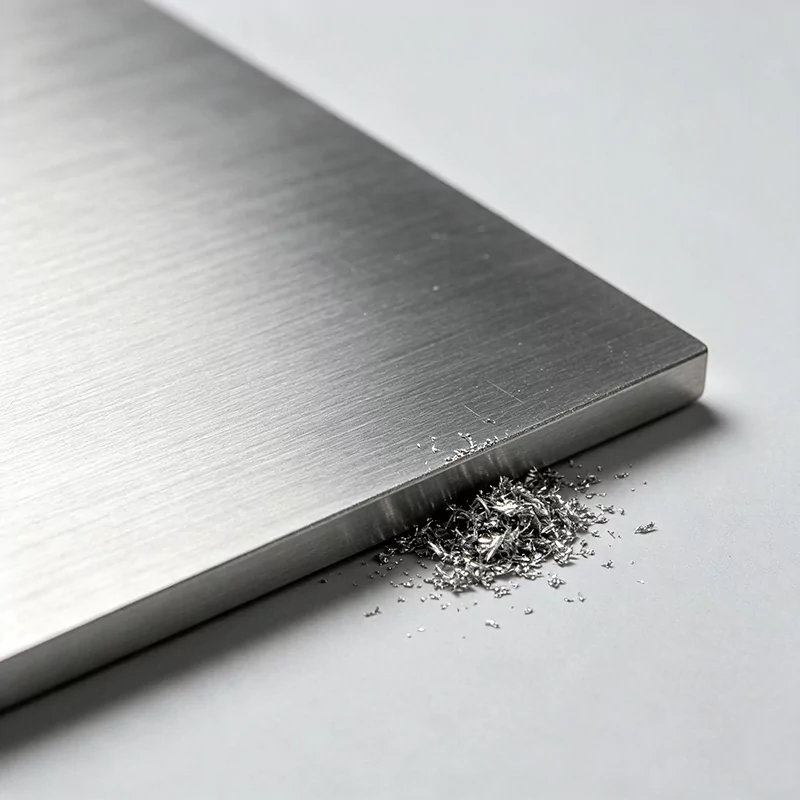
Aluminio
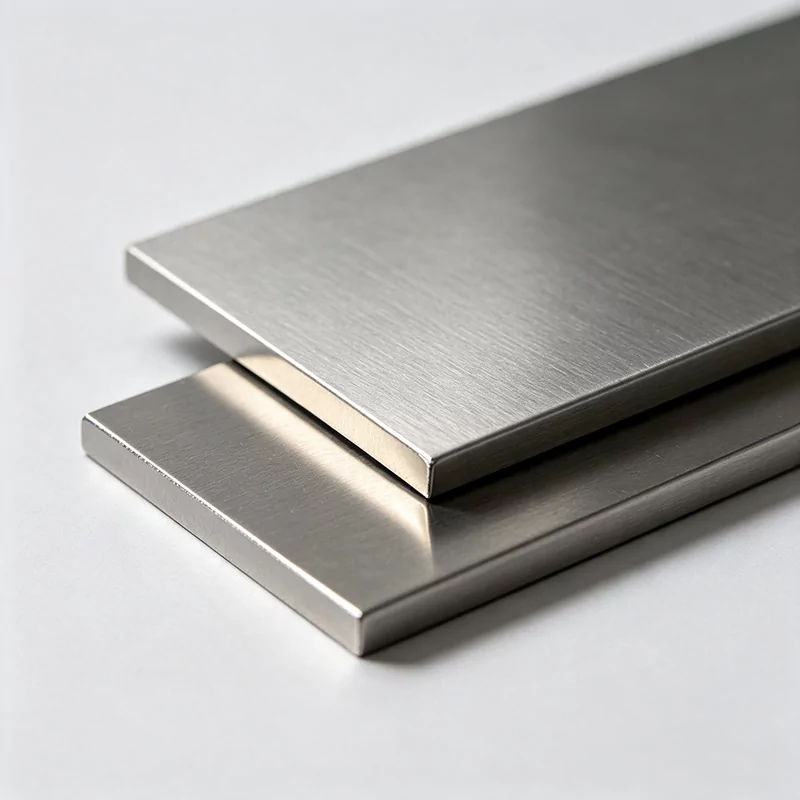
Acero inoxidable
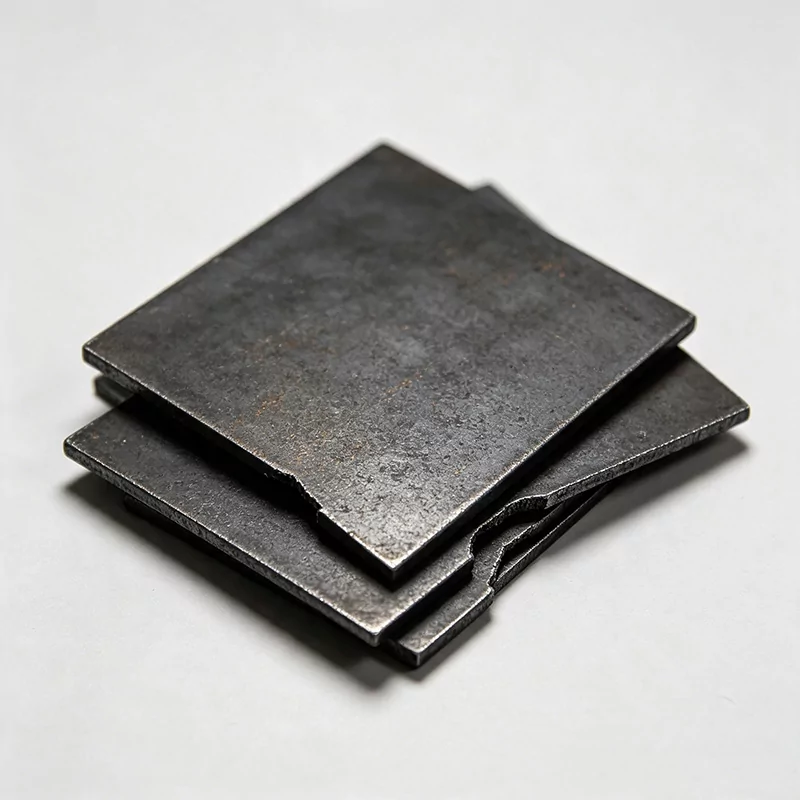
Acero al carbono & aleado
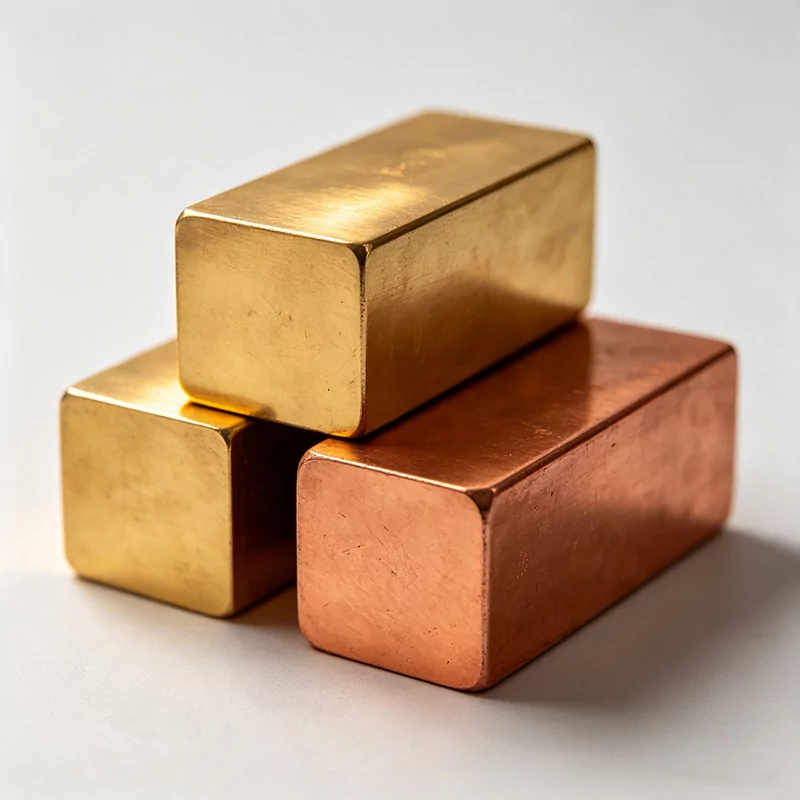
Latón & cobre
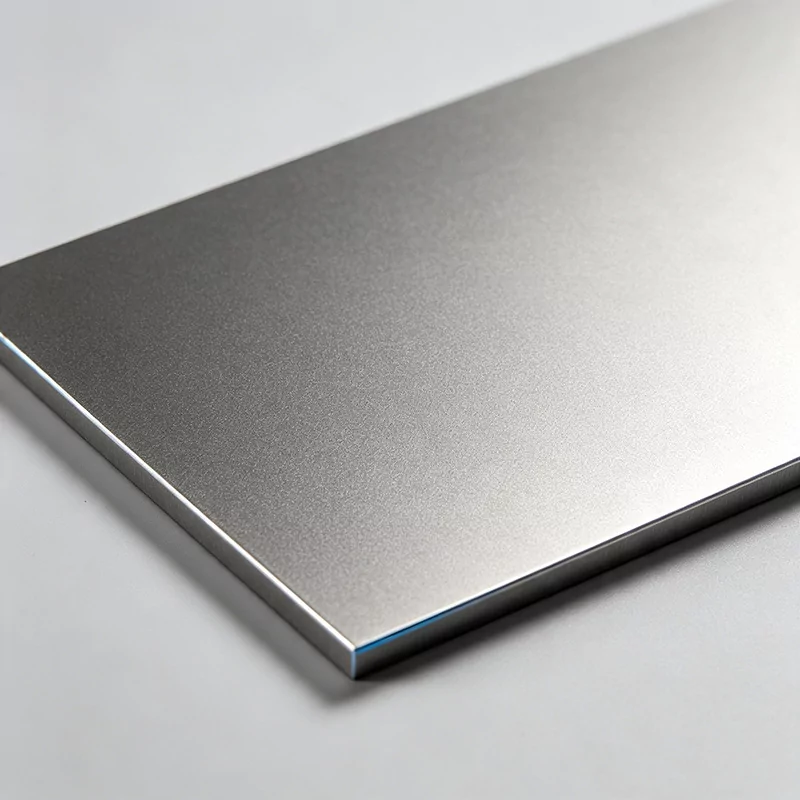
Titanio & exóticos
Plásticos de ingeniería
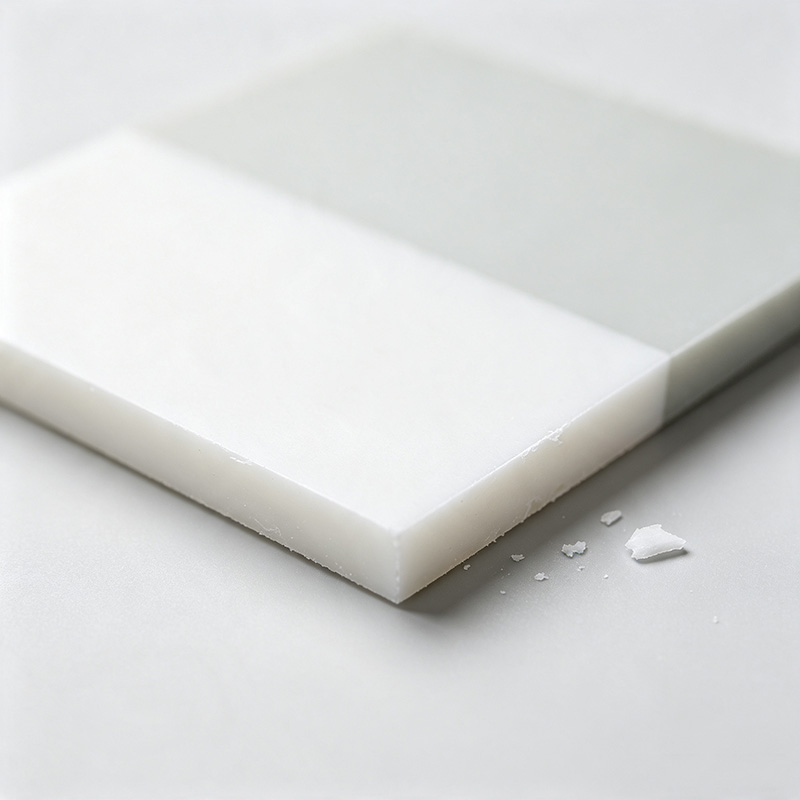
POM (Delrin)
Nylon (PA66)
PTFE (Teflon)
PEEK / PEI (Ultem)
ABS / PC / PMMA
¿No encuentra su material? Envíe su plano para revisión — confirmaremos la disponibilidad y lo cotizaremos.
Opciones de acabado superficial
Acabados funcionales y estéticos aplicados internamente o mediante socios verificados.
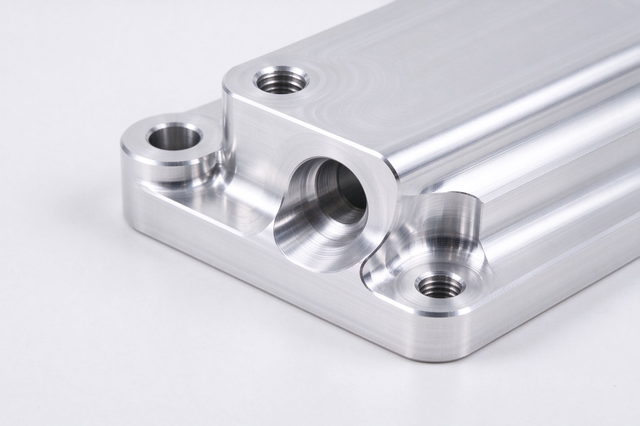
Anodizado transparente
Anodizado protector Tipo II, acabado plata natural.
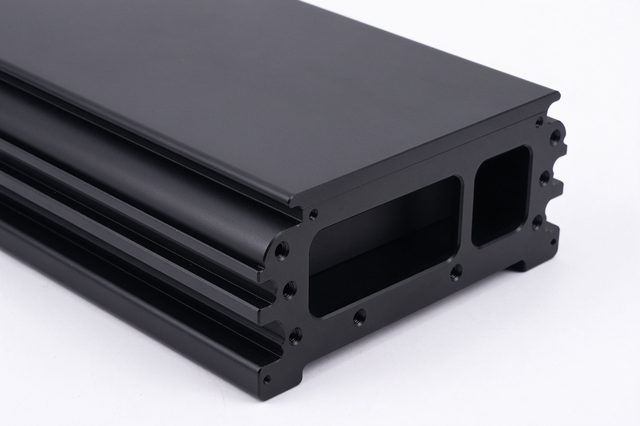
Anodizado duro negro
Capa dura Tipo III, negro resistente al desgaste.
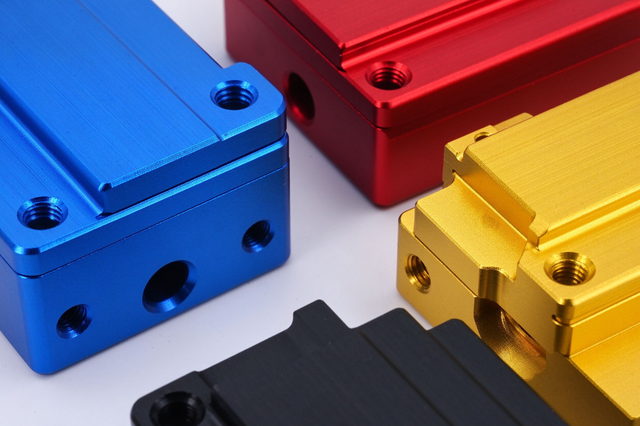
Anodizado de color
Teñido azul, rojo, dorado, verde para audio y 3C.
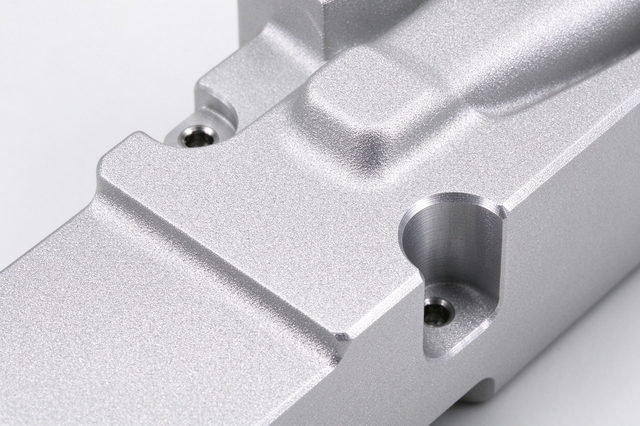
Granallado
Textura mate uniforme, oculta marcas de mecanizado.
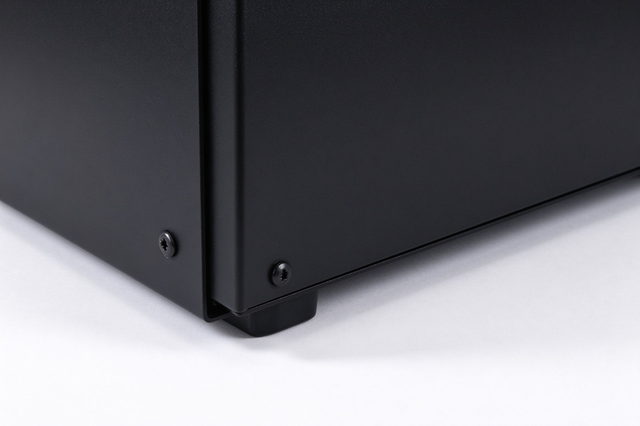
Pintura en polvo
Colores RAL duraderos y resistentes a la corrosión.
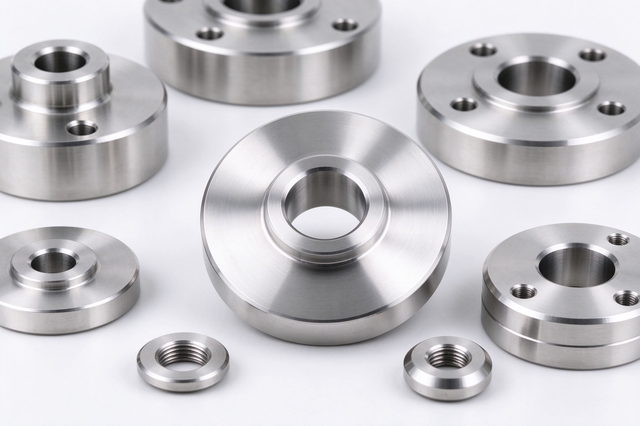
Pasivado
Elimina el hierro libre y mejora la resistencia a la corrosión del inoxidable.
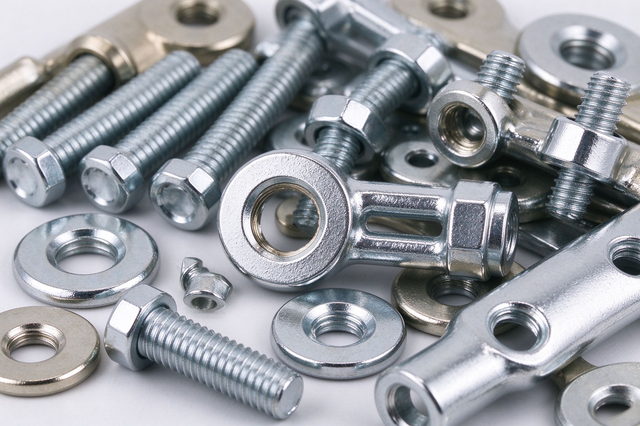
Galvanizado
Cinc, níquel, cromo, estaño para conectores.
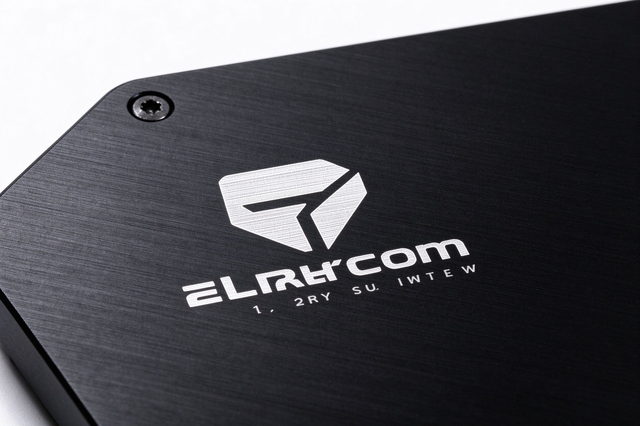
Marcado láser
Logotipos y números de serie permanentes sin contacto.
Del plano a la entrega
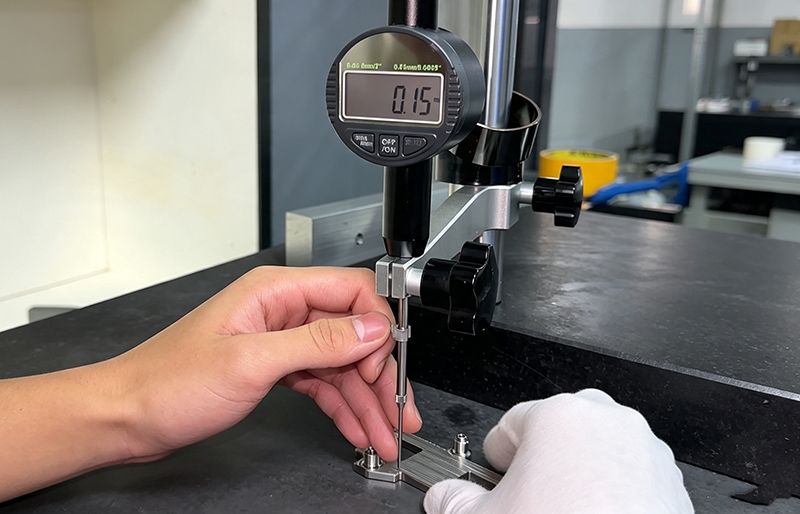
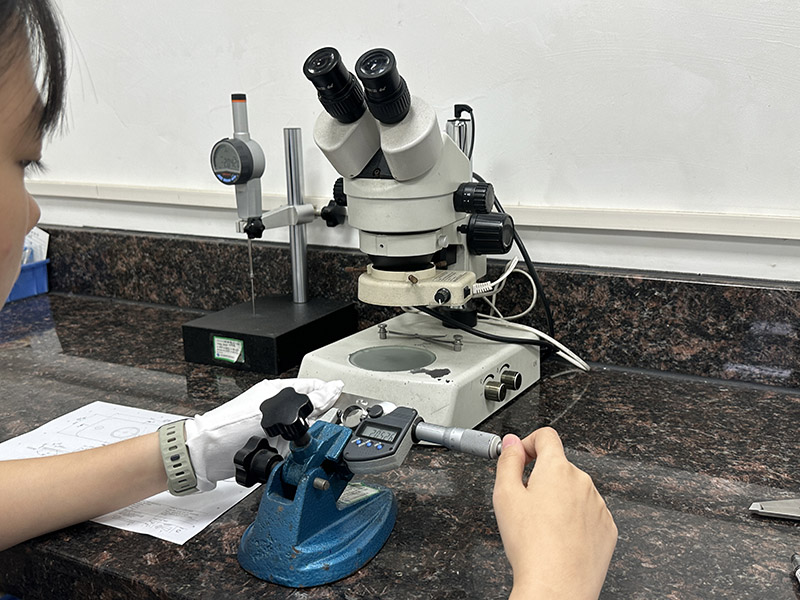
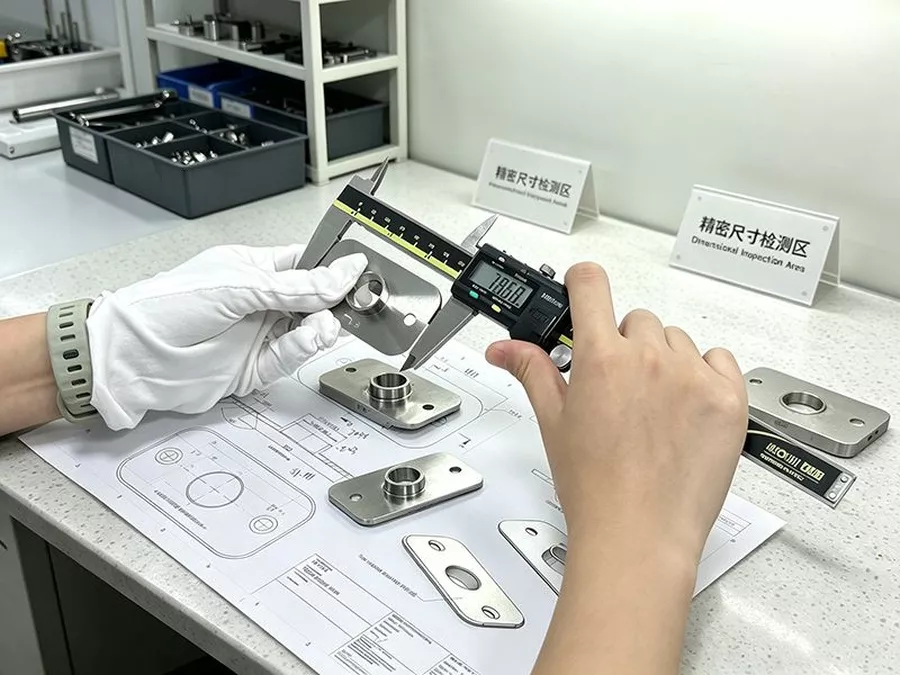
Calidad que puede verificar
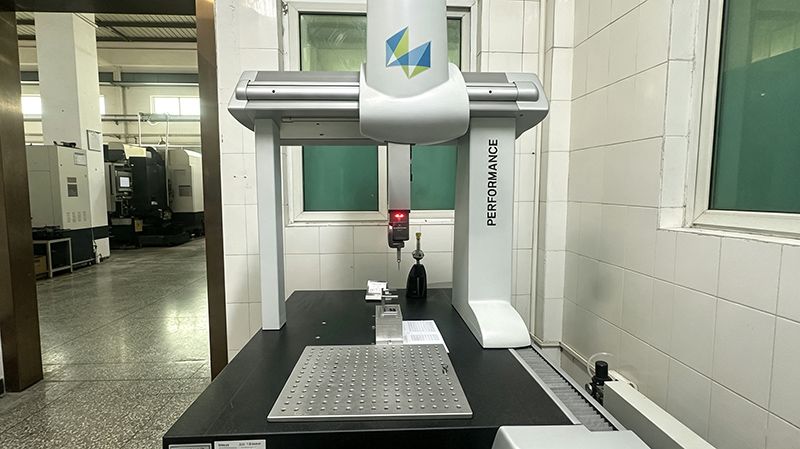


Más productos en esta categoría
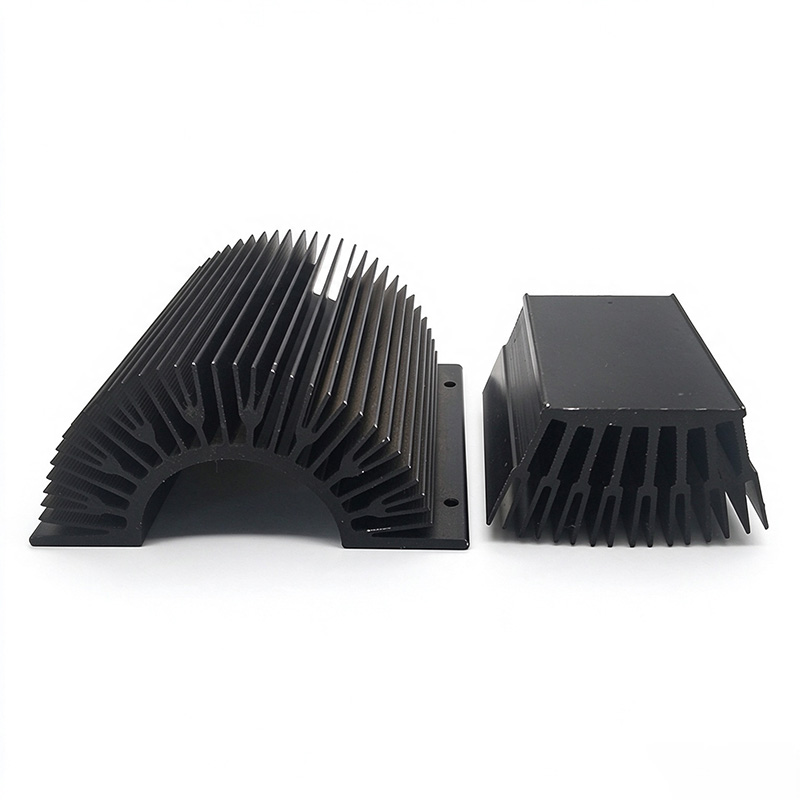
Disipadores de aluminio abrazadera en canal U con base semicircular para tuberías y carcasas cilíndricas, anodizados en negro, cortados y taladrados por CNC según su montaje.
Ver producto →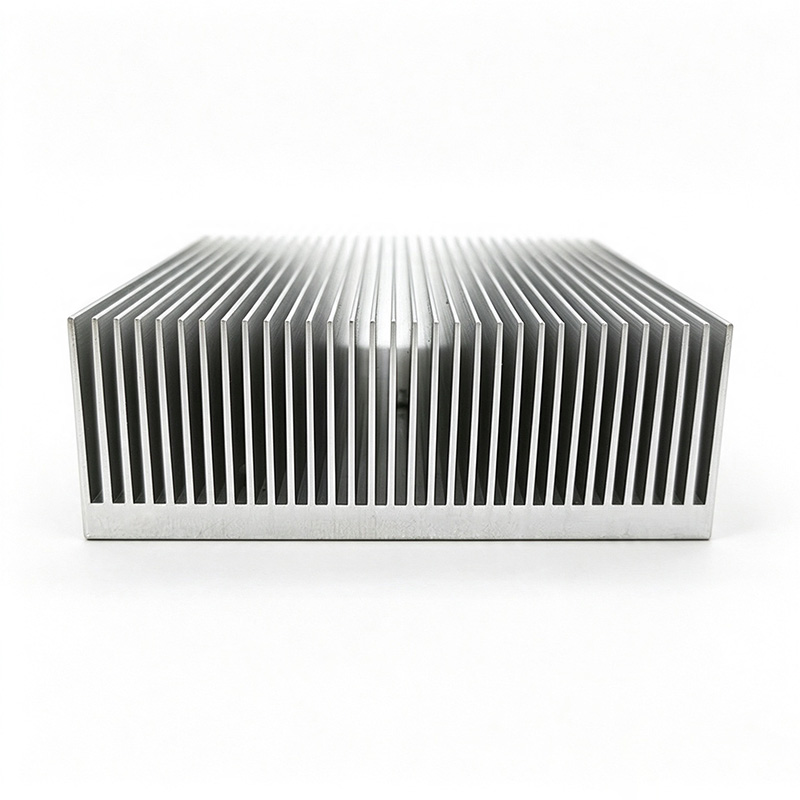
Disipadores de aluminio de aletas skived a medida para IGBT y módulos de potencia - base fresada plana, aletas de peine densas, taladros perforados y roscados según el patrón de su módulo.
Ver producto →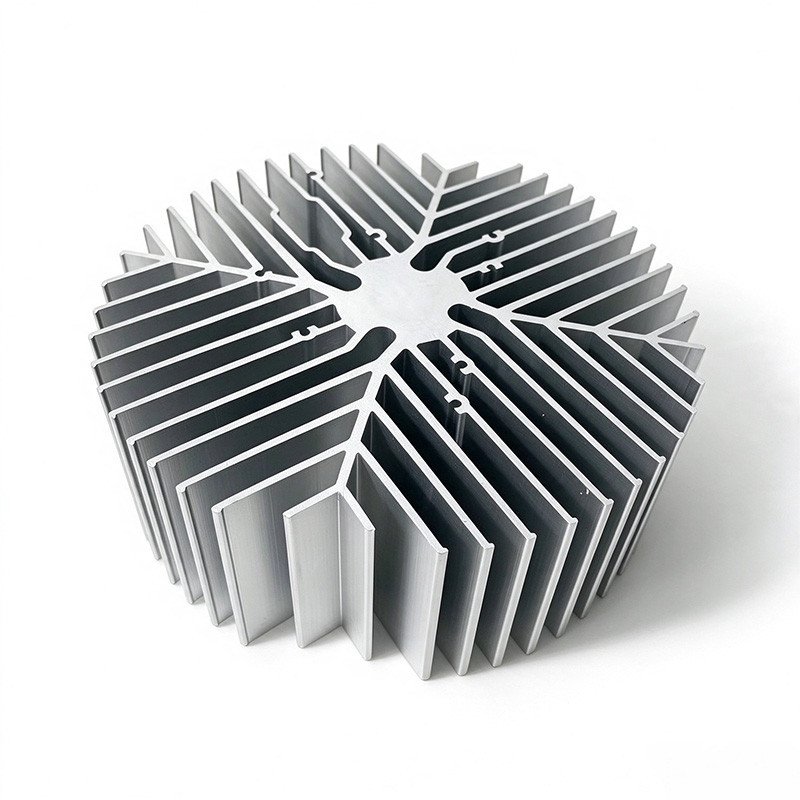
Disipadores de aluminio de aletas skived a medida para IGBT y módulos de potencia - base fresada plana, aletas de peine densas, taladros perforados y roscados según el patrón de su módulo.
Ver producto →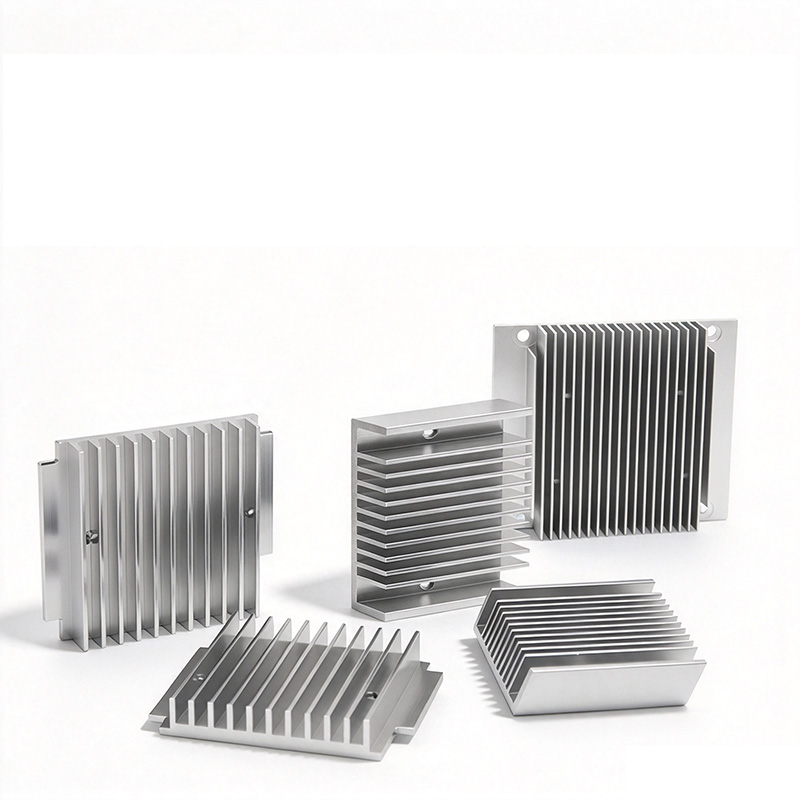
Disipadores de aluminio extruidos a medida - perfiles 6063 cortados a tamaño con taladros CNC, anodizado y respaldo adhesivo. Desde pequeños disipadores MOSFET hasta refrigeradores de inversores, del prototipo al volumen.
Ver producto →Dentro de nuestra fábrica — más de 200 máquinas bajo un mismo techo
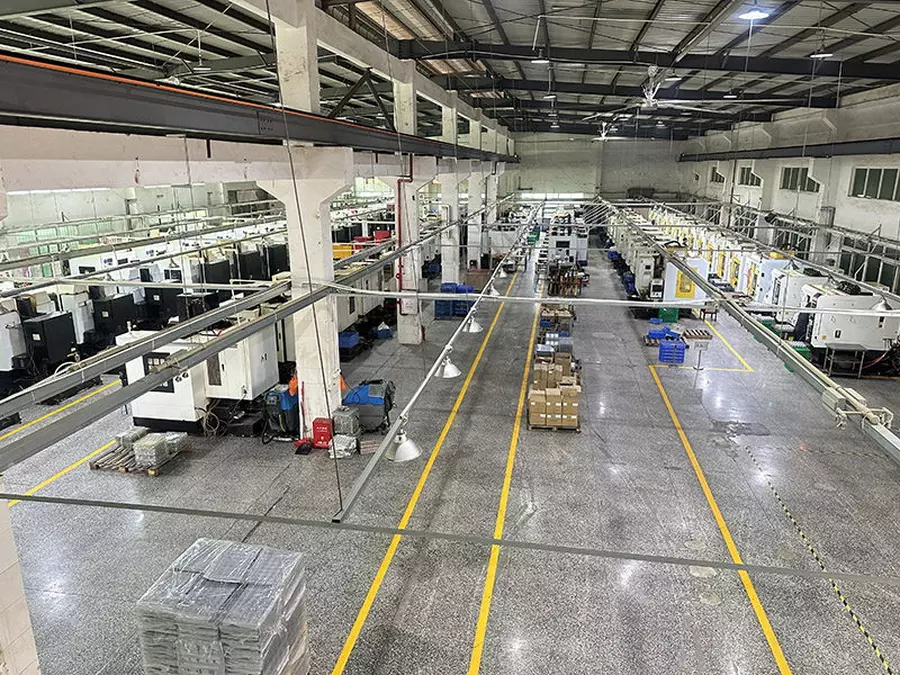
Centros de mecanizado vertical
Centros de mecanizado vertical de alta eficiencia para producción de piezas metálicas en prototipo, volumen medio y grandes lotes.
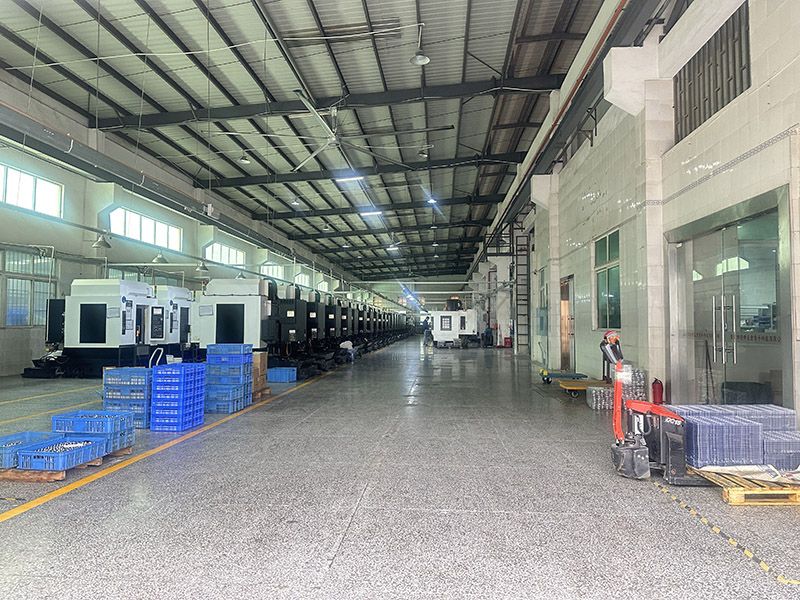
Centros de mecanizado de taladrado & roscado
El taladrado, roscado y fresado integrados acortan el plazo de entrega de cajas de aluminio.
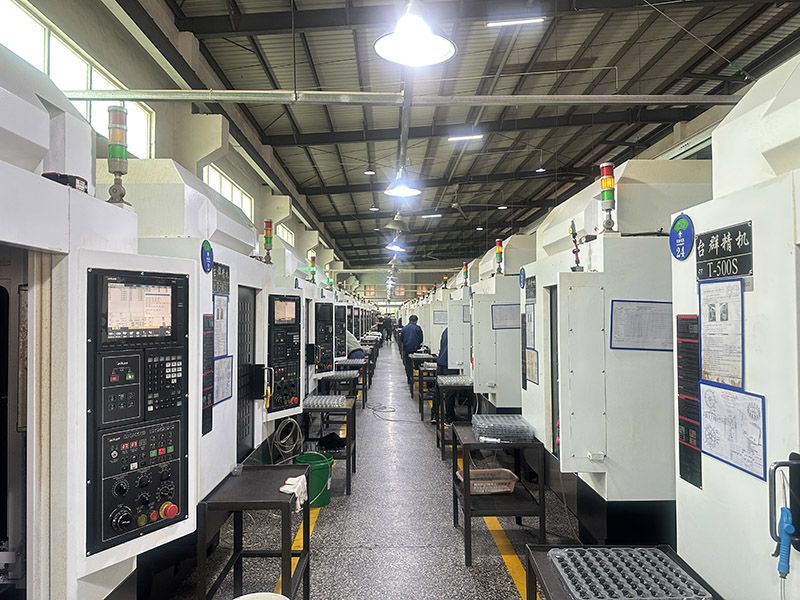
Taller de mecanizado multifunción
Las líneas combinadas de taladrado-fresado cubren tanto lotes pequeños como pedidos OEM de gran volumen.
Taller de producción CNC
Zonas de producción bien organizadas para todo, desde piezas unitarias hasta programas de producción masiva.
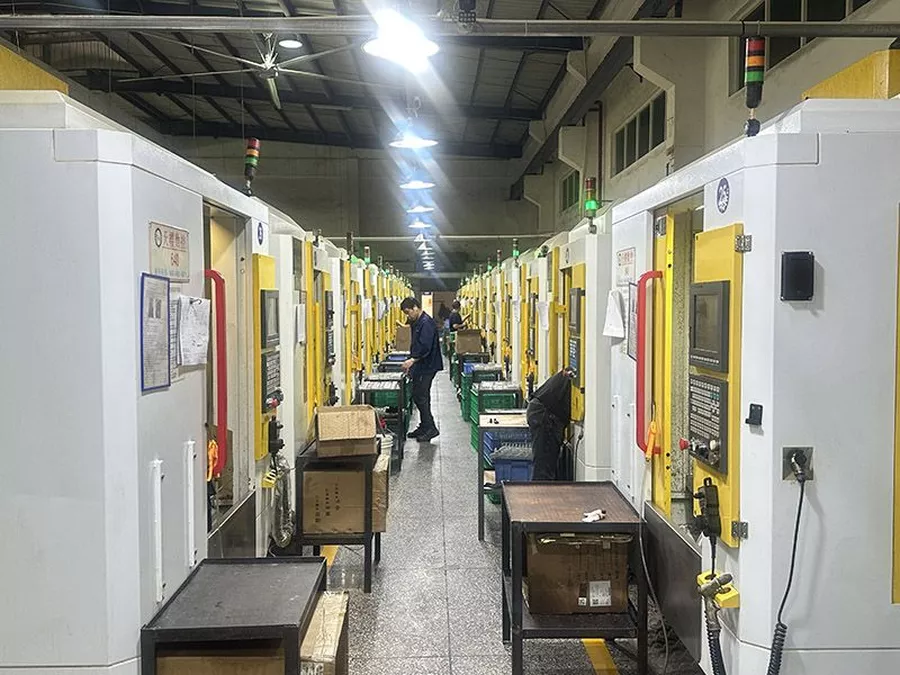
Líneas CNC estándar
La distribución sistemática de las líneas eleva la eficiencia de mecanizado y garantiza entregas puntuales.
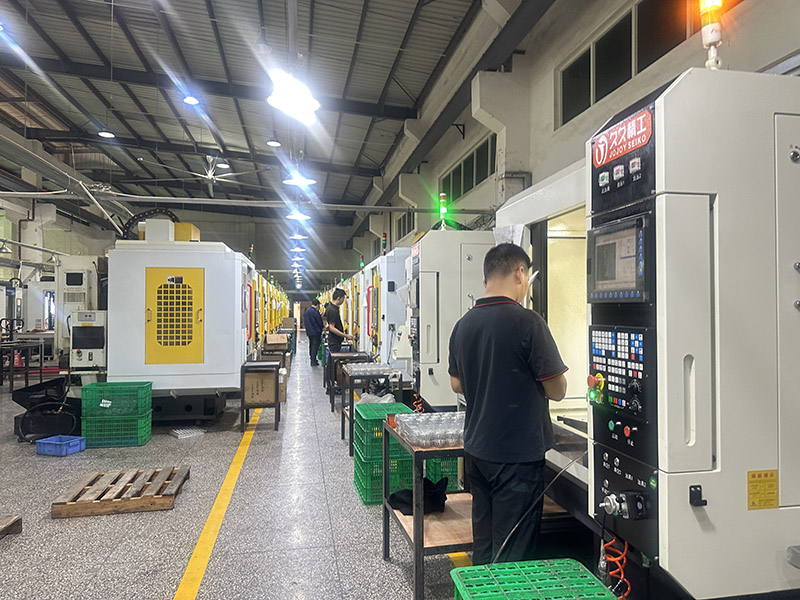
Equipos de mecanizado de 5 ejes
Un conjunto completo de equipos CNC permite una operación continua y estable para volúmenes OEM.
Dongguan, China · Más de 200 máquinas CNC · Anodizado & corte láser propios · Visitas e inspecciones de terceros bienvenidas.
Calidad, Ingeniería & Logística — Pensado para compradores globales

Certificado IATF 16949 & ISO 9001
Sistema de gestión de calidad totalmente certificado. Cada lote se envía con certificados de material e informes de inspección en los que puede confiar.

Soporte de ingeniería DFM gratuito
Nuestros ingenieros revisan cada plano por adelantado — señalando tolerancias, contrahuecos y factores de costo antes de cortar la primera viruta.

Embalaje seguro & envío global
Embalaje a medida en espuma, cajas de madera y listo para FBA. Flete puerta a puerta a más de 60 países con seguimiento completo.
Preguntas frecuentes
Should a fan impeller be machined from solid or welded?
What balance grade can you hold?
What hub bore tolerance do you machine?
Can you reverse-engineer an existing fan wheel?
How do you reduce noise and vibration?
What is the minimum order and lead time?
PROCESO SENCILLO
¿Qué sucede después de hacer clic en enviar?
Su mensaje llega directamente a nuestros ingenieros sénior — con confirmación instantánea.
Estudiamos sus requisitos y proponemos una solución viable con opciones de material & proceso.
Cotización detallada con especificaciones, opciones y plazo de entrega — sin costos ocultos.
Apruebe la muestra y producimos en serie con control de calidad completo y envío puntual.
WhatsApp: +86 13790500374
Correo: info@rejincnc.com

Escanee este código QR con su app de WeChat para agregarnos como contacto — envíe planos, reciba cotizaciones en 24 horas y chatee directamente con nuestros ingenieros.
Cotización personalizada en 24 horas
Sus archivos CAD se mantienen estrictamente confidenciales. Cotización en 24 horas.