
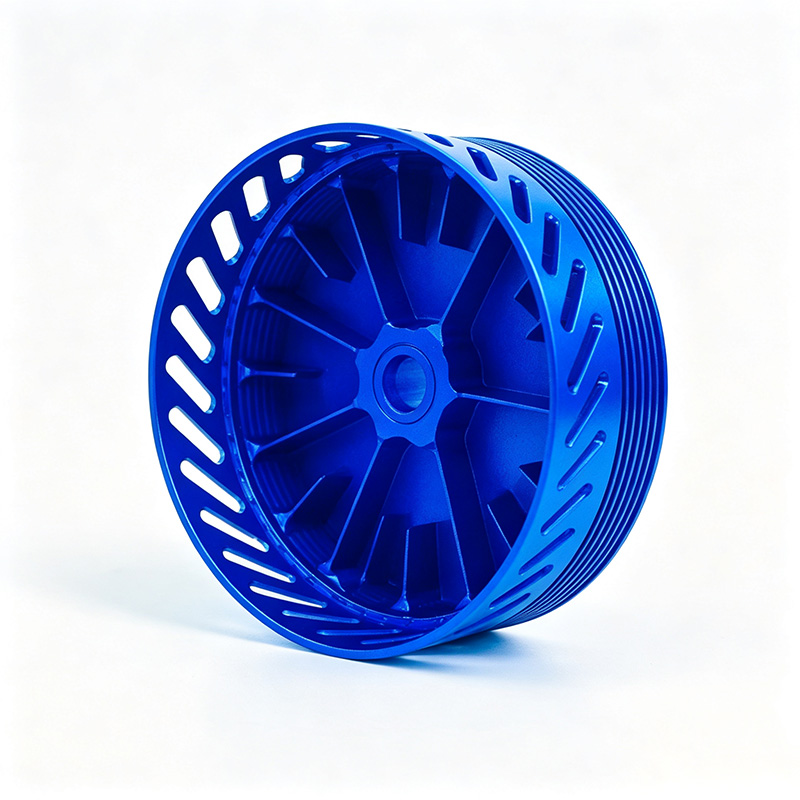
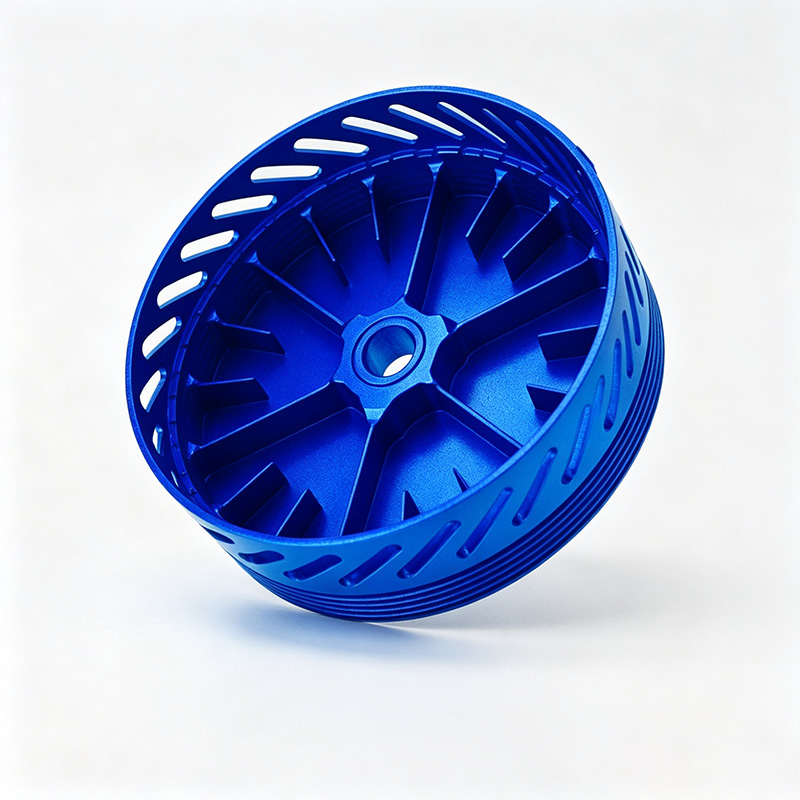
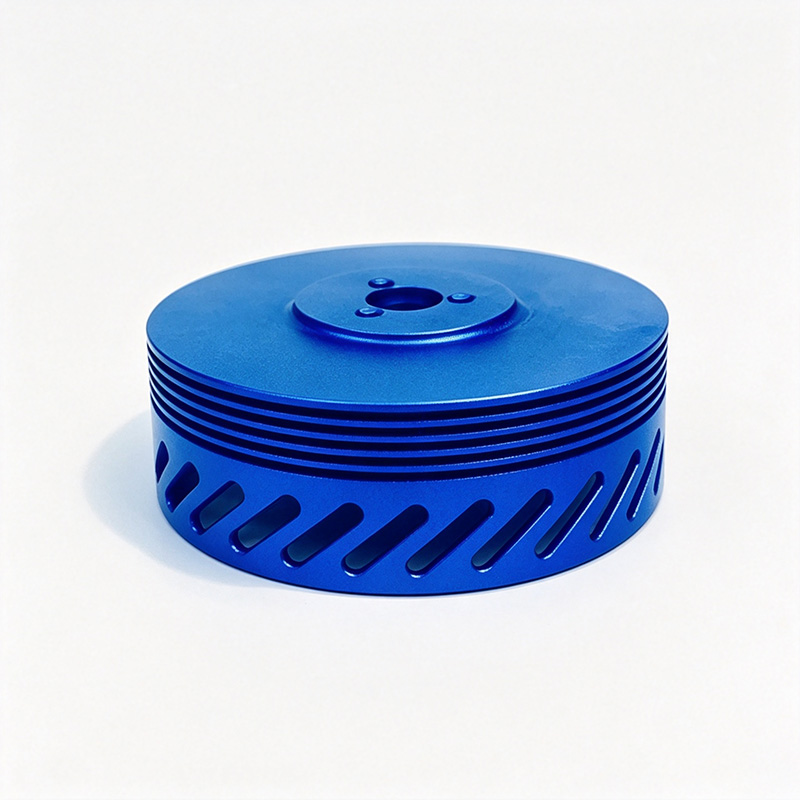
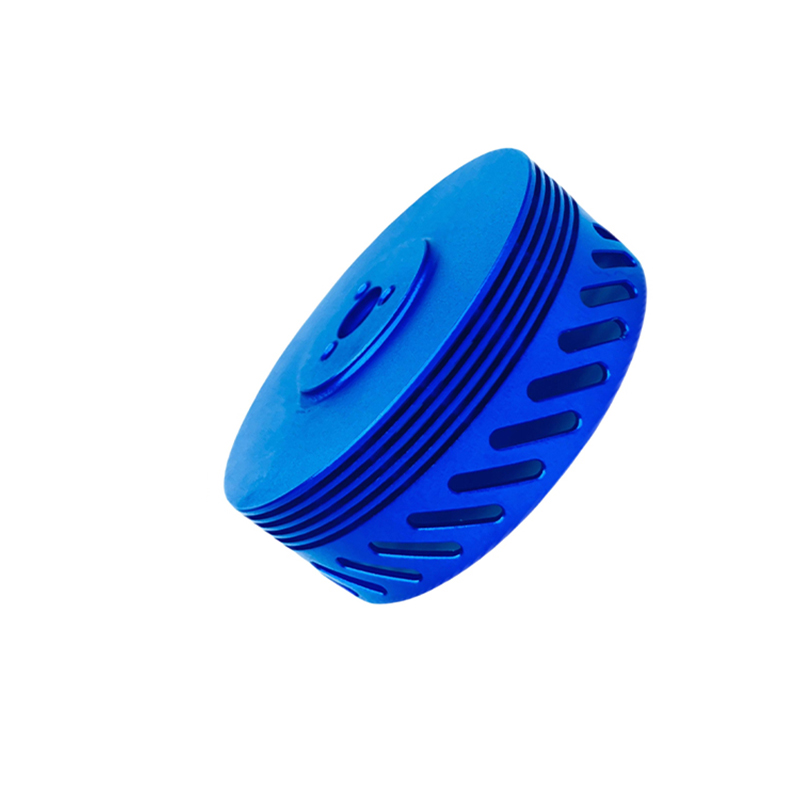
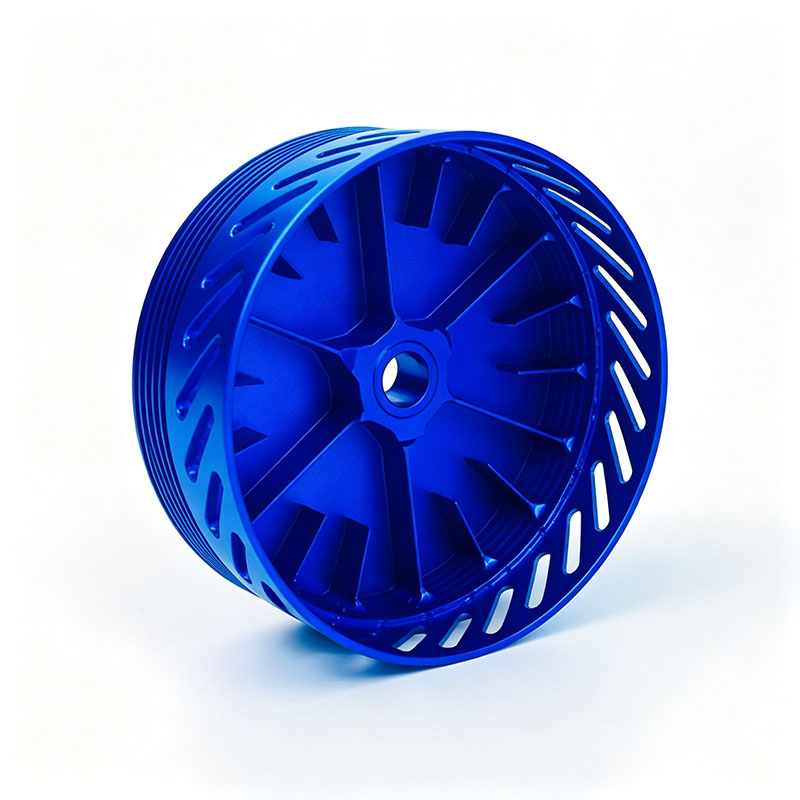
Custom CNC Machined 6061 Aluminum Centrifugal Fan Impeller in Blue Anodized Finish
Custom CNC turn-milled 6061-T6 aluminum centrifugal fan impeller in a blue anodized finish — a radial blade pack, integrated back plate and slotted shroud machined from one billet for smooth airflow, low vibration and a repeatable shaft fit.
Tolerância de usinagem ±0.03 mm, hub bore H7, dynamic balance to G6.3/G2.5 on request. CMM, runout and balance report with every batch. Prototypes in 1–3 days.
- Turn-milled from 6061-T6 billet, integral blades, back plate and shroud
- Hub bore H7 with keyway, set screw or clamping options
- Blade angle, height and spacing held to ±0.03 mm
- Dynamic balance G6.3/G2.5, corrected in the hub
- Blue Type II anodize 15–25 µm, hub bore and keyway masked
- CMM, runout, balance report, FAI and 3.1 material cert
What Is This Centrifugal Fan Impeller?
This centrifugal fan impeller is the rotating air-moving wheel inside an industrial fan or dust-extraction unit. Air enters at the centre, the radial blade pack accelerates it outward, and the slotted shroud band guides the discharge into the fan housing. The back plate, hub and blades are machined from one 6061-T6 billet, then blue anodized, so the wheel runs true, resists corrosion and keeps the same blade geometry across repeat builds.
Geometry we machine
- Outer diameter, blade count, blade height and radial or backward-curved angle
- Slotted shroud band with controlled slot width, pitch and deburred edges
- Integrated back plate, hub boss and inlet eye, machined in one setup where possible
- H7 shaft bore, keyway, set screw holes or clamping hub
- Balance correction pads and laser-marked rotation direction or part number
Why 6061-T6 for a fan wheel
6061-T6 is the usual alloy for an aluminum impeller: it machines cleanly, anodizes evenly, resists moisture and mild chemicals, and has enough strength for fans running at moderate tip speeds. 7075-T6 gives higher yield strength for high-speed or high-pressure wheels, but it anodizes darker and is less corrosion-resistant in wet dust environments. For high-temperature exhaust or very large diameters, steel or a hybrid welded hub may be the better route. Send the operating speed and air temperature and we will recommend an alloy instead of defaulting to one.
Integral machining versus welded construction
A wheel machined from solid has no weld seams, no heat distortion and no filler metal in the airflow path. Blade angles stay identical from one wheel to the next, the back plate runs flat, and the hub stays concentric with the blade pack. The trade-off is material removal and machining time, which grows quickly with diameter. For large low-speed wheels we may propose a machined hub and shroud with welded or bolted blades; for small and medium high-speed wheels, integral machining is usually the better balance of rigidity and repeatability.
Balance, runout and vibration
An impeller is the most common source of fan vibration: one heavy blade, an eccentric hub or a warped back plate shows up as bearing noise, motor current fluctuation and structure-borne vibration. We control blade thickness and slot symmetry, hold the hub concentric to the blade pack within 0.03 mm, and check back-plate runout before balancing. Finished wheels can be dynamically balanced to G6.3 for general ventilation or G2.5 for high-speed and low-noise applications, with correction by milling the hub or adding balance weights. The report states the balancing speed and residual unbalance in g·mm, not just a pass/fail stamp.
Hub bore and shaft fit
The hub bore is machined to H7 unless your drawing calls for another fit, then checked with a bore gauge or pin gauge. A typical motor shaft uses h6, giving a light interference or transition fit that stays concentric without distorting the bore. Keyways are cut symmetrical to the blade pattern, set screw holes are spotted after the bore is finished, and the bore and keyway are masked during anodizing so coating thickness does not close the fit. Tell us the shaft diameter, key size and whether the wheel mounts on a motor shaft, bearing shaft or adapter sleeve.
Blade geometry, airflow and noise
Blade angle, blade height, inlet eye diameter and shroud slot area set the flow-pressure curve. We machine to your CAD or CFD model and can adjust blade angle or slot pitch for a prototype, but airflow and sound validation needs your housing, motor and test setup; we do not quote a flow curve without a test rig. For noise-sensitive units, we deburr trailing edges, keep the slot band uniform and hold shroud roundness so tip clearance stays consistent. If you are reverse-engineering an existing wheel, send a sample and we will 3D scan the blade pack and slot pattern before machining.
Anodizing and masking
Wheels are bead blasted, Type II anodized to 15–25 µm in blue or another colour, then sealed. Anodize adds roughly half the coating thickness per surface, so the hub bore, keyway and any shaft-contact land are masked or opened up before coating to protect the H7 fit. Colour is matched within a batch and across repeat orders using the same dye lot. For wet dust or wash-down environments, we can seal the coating and mask threads or inserts as needed.
Inspection and documentation
Each batch is checked for outer diameter, blade height and angle, slot position, hub bore, keyway, back-plate runout and hub concentricity. Critical wheels ship with a CMM dimensional report, dynamic balance report, FAI, EN 10204 3.1 material certificate, certificate of conformity and RoHS/REACH declaration. Overspeed or spin testing can be arranged through a qualified test house on request; the customer remains responsible for validating the finished fan assembly.
Send us for a quote
STEP/STP model or a measured sample, outer diameter, blade count and angle, hub bore and keyway, motor speed, balance grade, airflow or pressure target, housing clearance, alloy and finish, quantity and documentation. We return a DFM review covering blade machining strategy, shroud slots, hub fit and balancing, usually within 24 hours.
Capabilities for Centrifugal Fan Impellers
Integral Blade Pack
Blades, back plate and shroud machined from one billet, keeping blade angles and hub concentric without weld distortion.
Hub Bore and Shaft Fit
H7 bore, keyway and set screw holes machined after the blade pack, with bore and keyway masked during anodizing.
Dynamic Balancing
G6.3 or G2.5 balance at the specified speed, corrected in the hub, with residual unbalance reported in g·mm.
Slotted Shroud Geometry
Slot width, pitch and angle machined uniformly and deburred, with shroud roundness held for consistent tip clearance.
Blue Anodize with Masking
Type II blue anodize at 15–25 µm, batch colour matched, with shaft fits and keyways protected from coating growth.
Airflow and Documentation
CMM dimensions, runout, balance report, FAI, 3.1 material cert and RoHS/REACH declaration for each batch.
Materiais que Usinamos
Do alumínio de grau aeroespacial aos plásticos de engenharia certificados para uso médico, nossos centros de usinagem CNC internos trabalham uma ampla gama de metais e plásticos sob o mesmo teto.
Metais
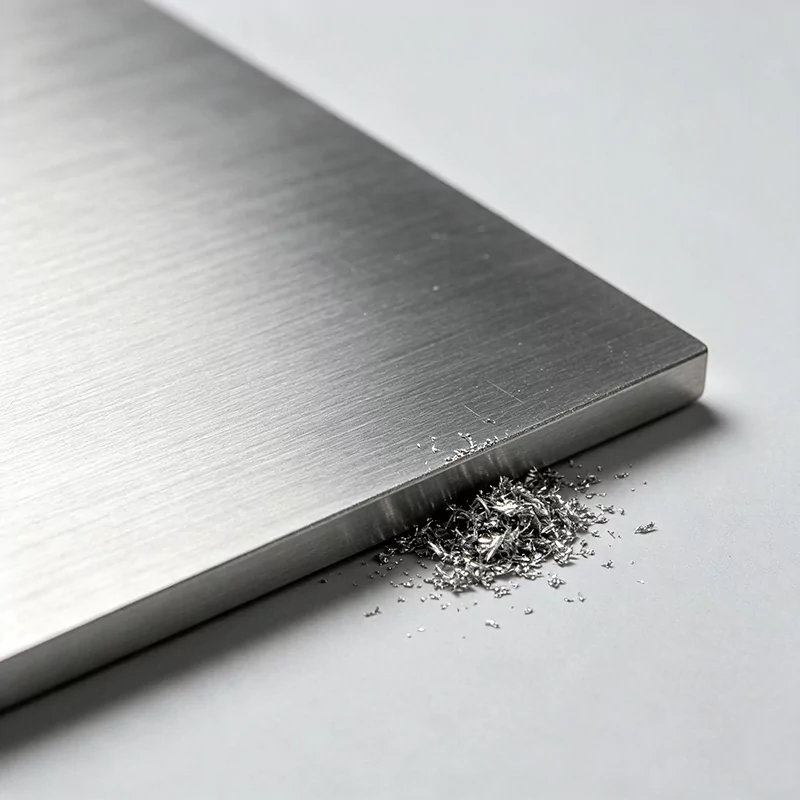
Alumínio
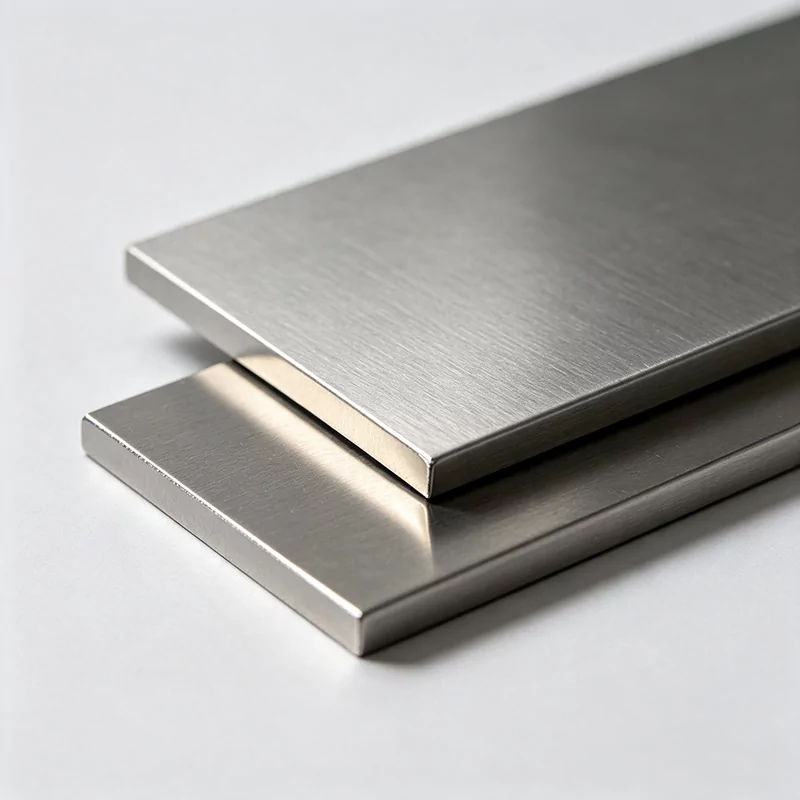
Aço Inoxidável
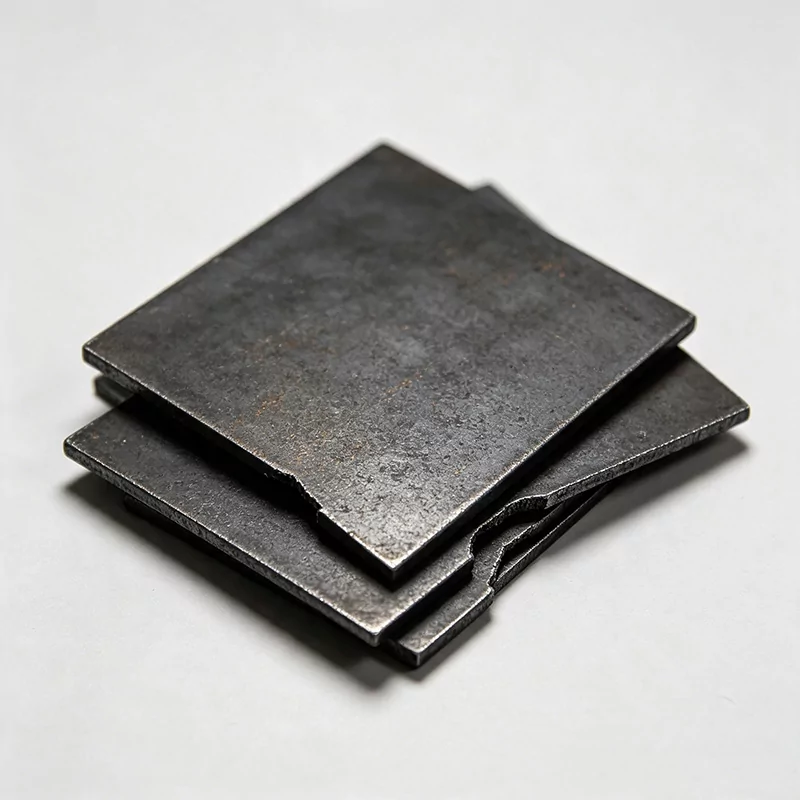
Aço carbono & liga
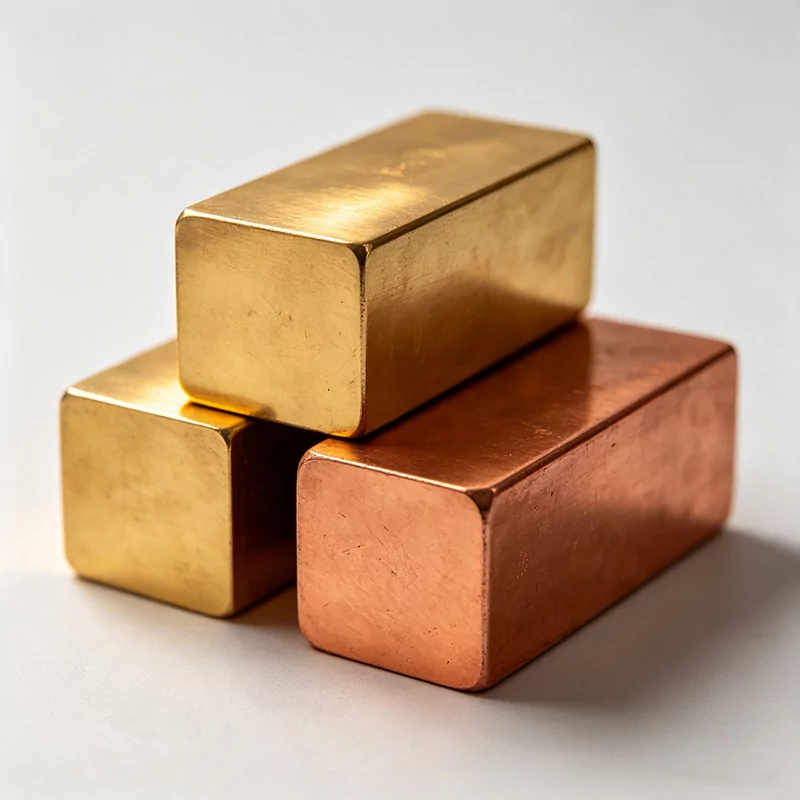
Latão & cobre
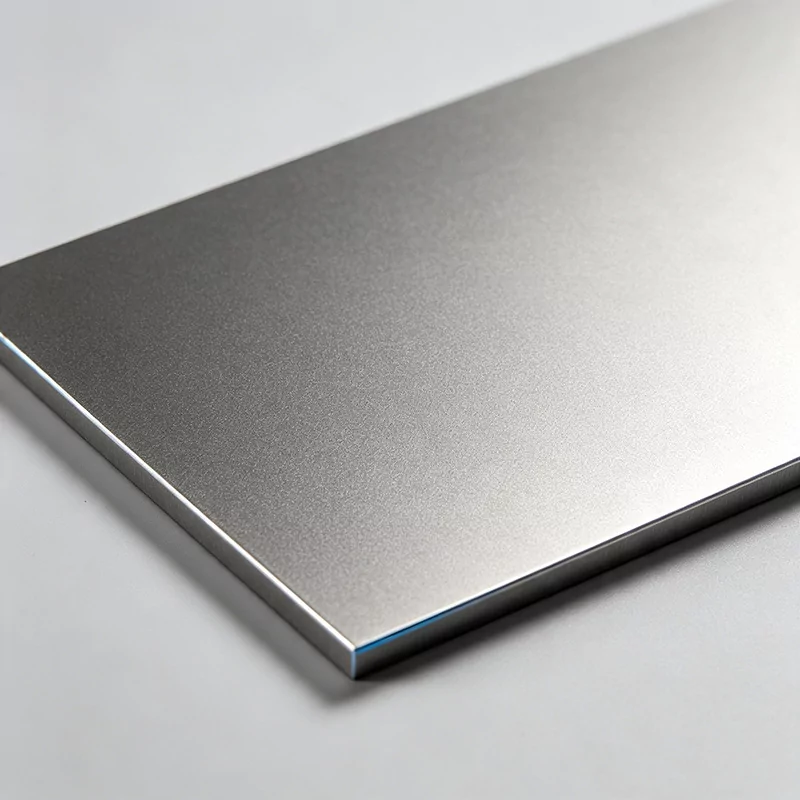
Titânio & Ligas Especiais
Plásticos de Engenharia
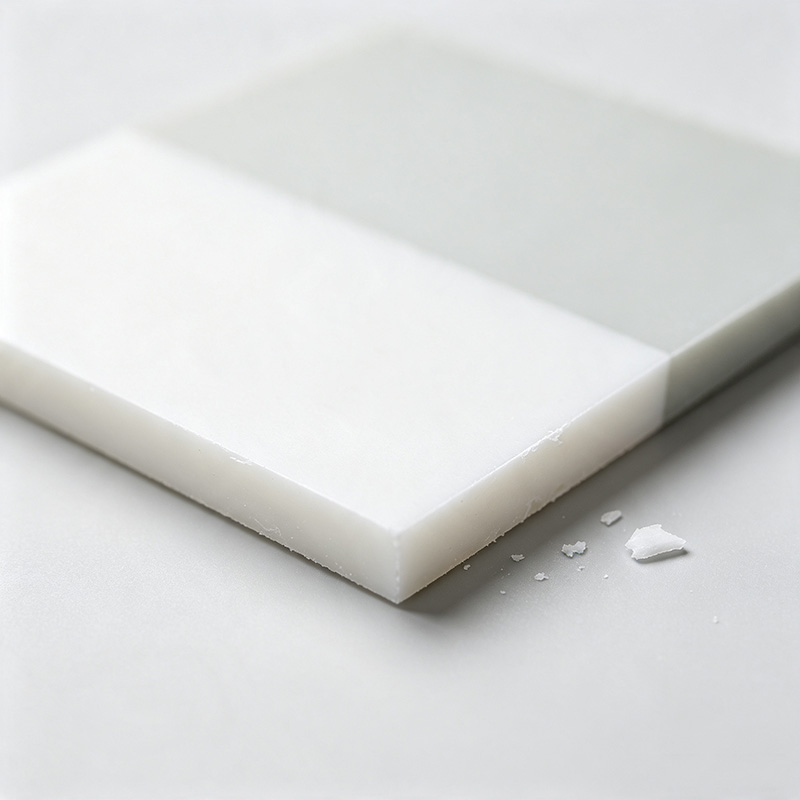
POM (Delrin)
Nylon (PA66)
PTFE (Teflon)
PEEK / PEI (Ultem)
ABS / PC / PMMA
Não encontrou seu material? Envie seu desenho para análise — confirmaremos a disponibilidade e faremos o orçamento.
Opções de acabamento de superfície
Acabamentos funcionais e cosméticos executados internamente ou por parceiros homologados.
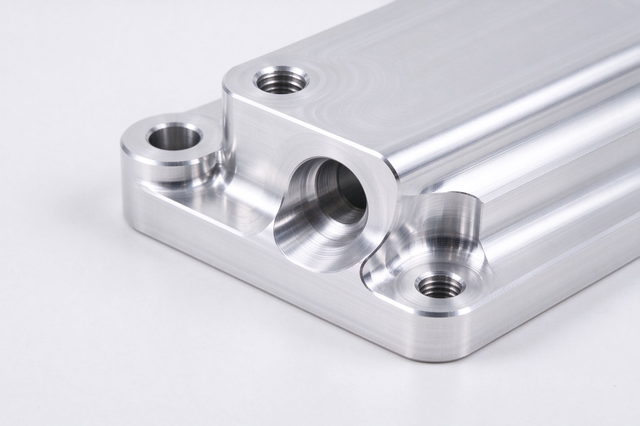
Anodização natural
Anodização protetora Tipo II, acabamento prata natural.
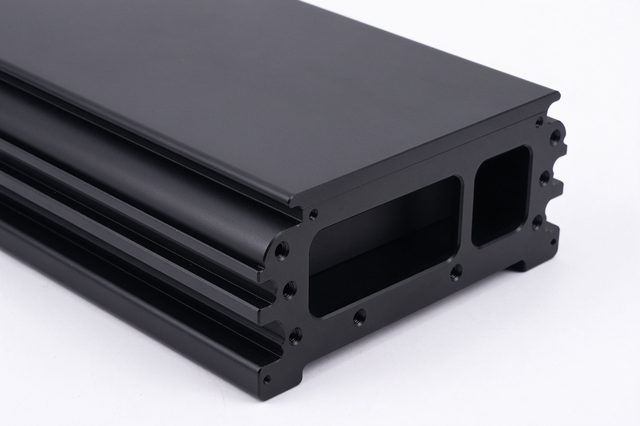
Anodização dura preta
Camada dura Tipo III, preto resistente ao desgaste.
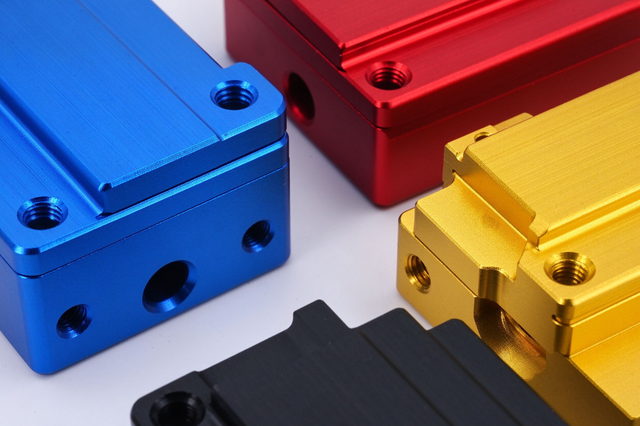
Anodização colorida
Coloração azul, vermelha, dourada e verde para áudio e 3C.
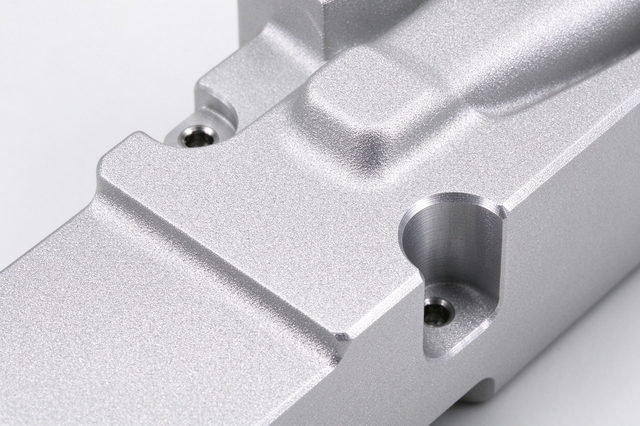
Jateamento de esferas
Textura fosca uniforme, oculta marcas de usinagem.
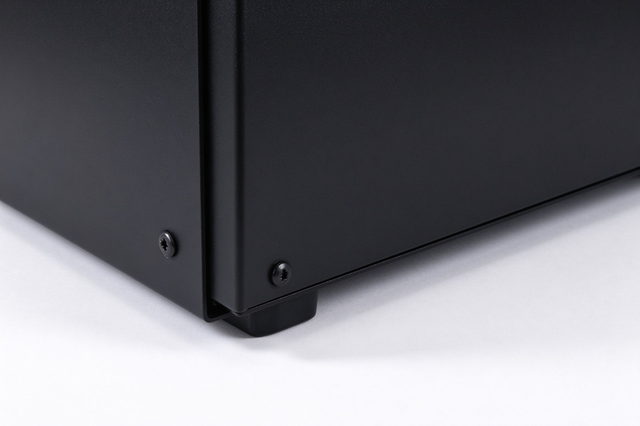
Pintura eletrostática a pó
Cores RAL duráveis e resistentes à corrosão.
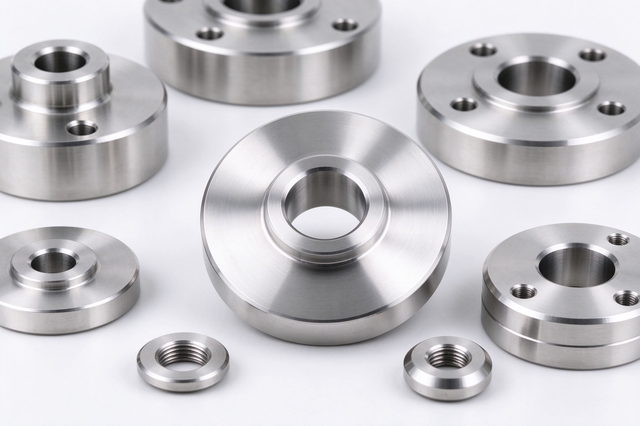
Passivação
Remove o ferro livre e aumenta a resistência à corrosão do aço inoxidável.
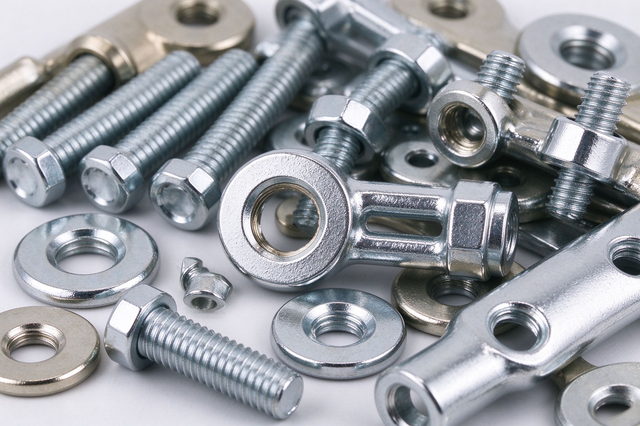
Galvanoplastia
Zinco, níquel, cromo e estanho para conectores.
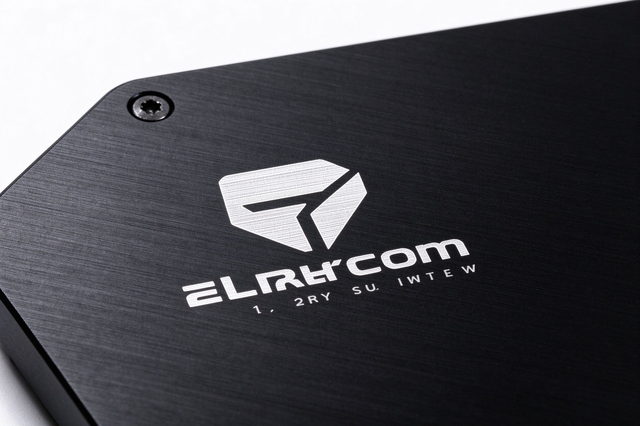
Marcação a laser
Logos e números de série permanentes, sem contato.
Do Desenho à Entrega
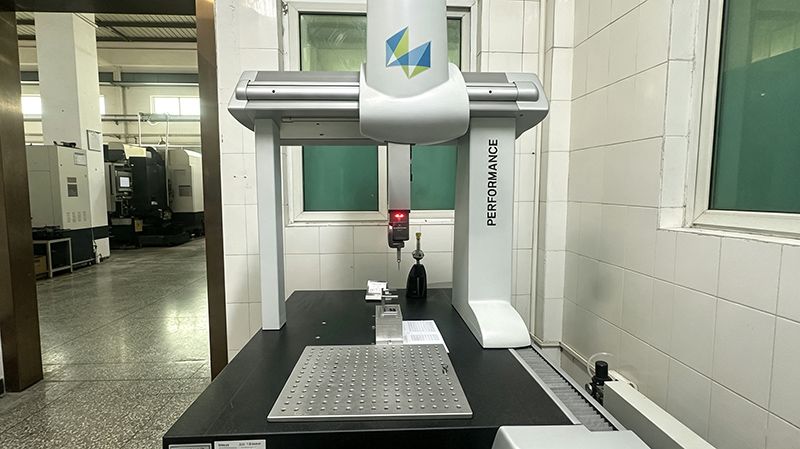
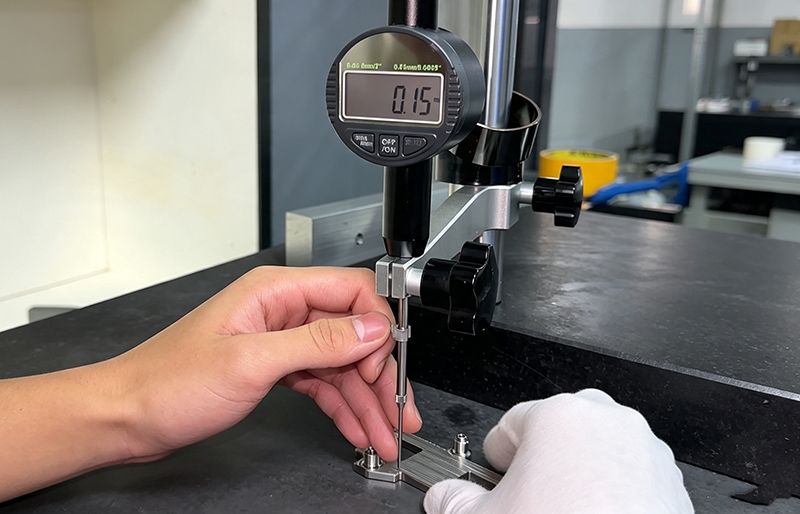
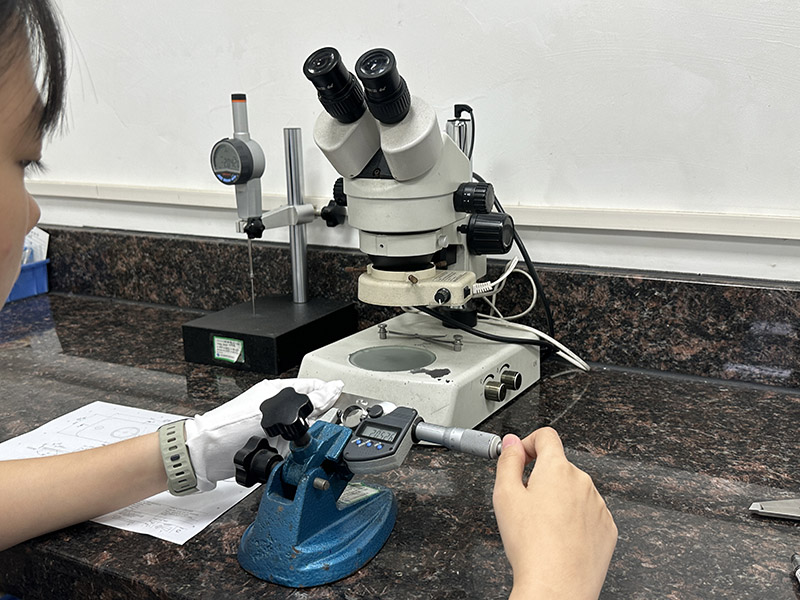
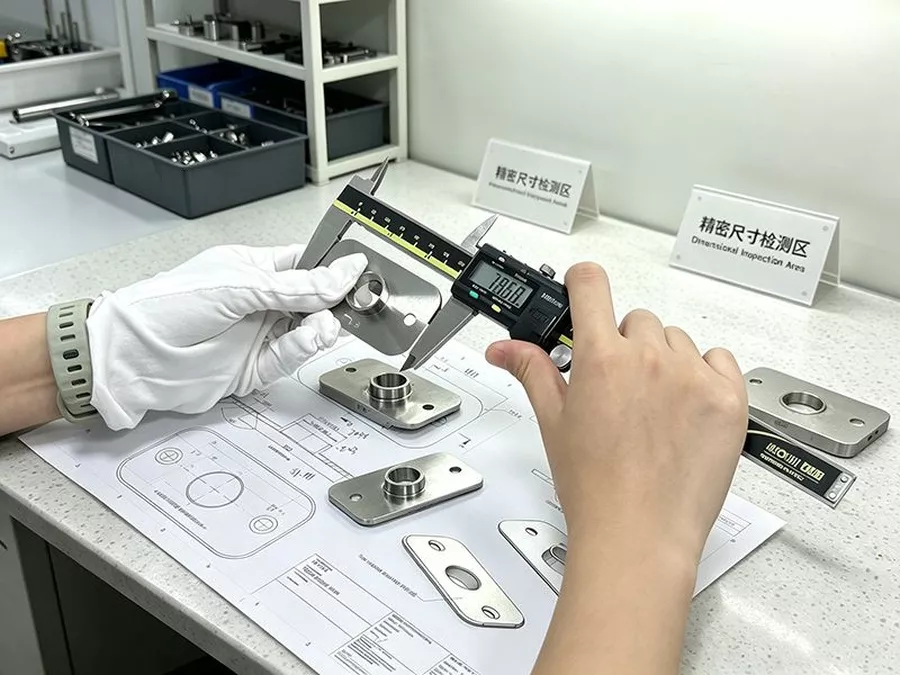
Qualidade que Você Pode Verificar


Mais Produtos nesta Categoria
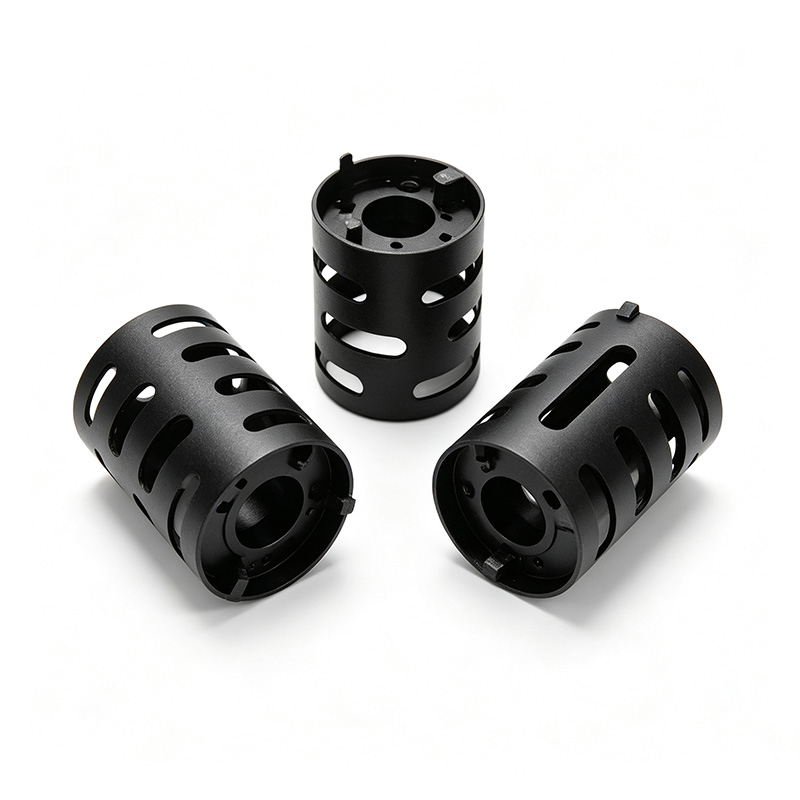
7075-T6 heat sink sleeves and cooling cages, turn-mill machined at ±0.03 mm with radial air slots and black oxide finish. 1 pc MOQ, 3–5 day samples.
Ver Produto →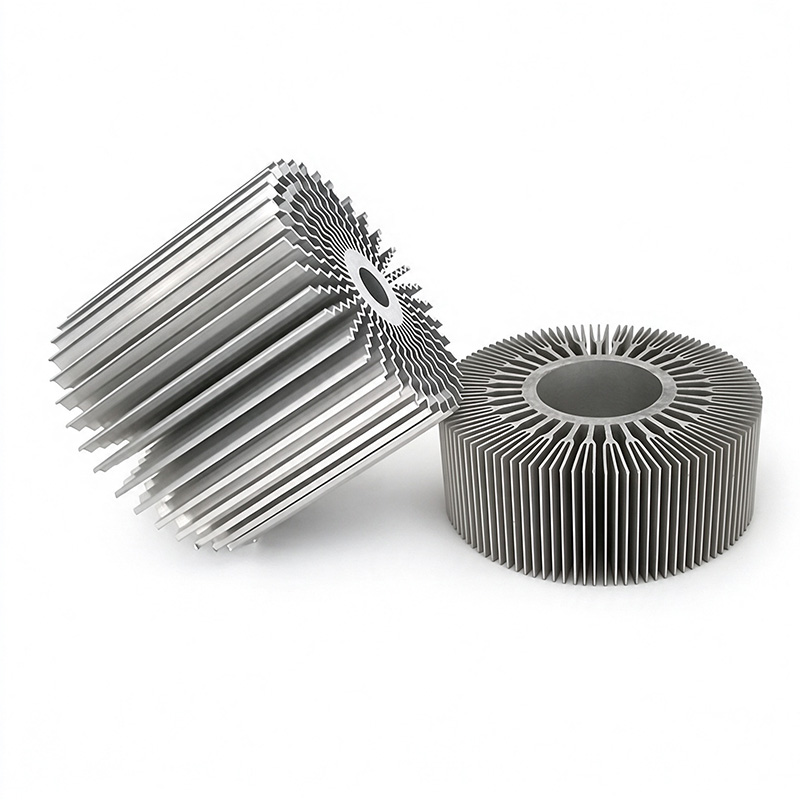
Dissipadores de calor redondos de alumínio com aletas empilhadas personalizados para luminárias LED de alta potência, iluminação pública e módulos COB - aletas radiais densas, furo central por CNC, acabamento natural.
Ver Produto →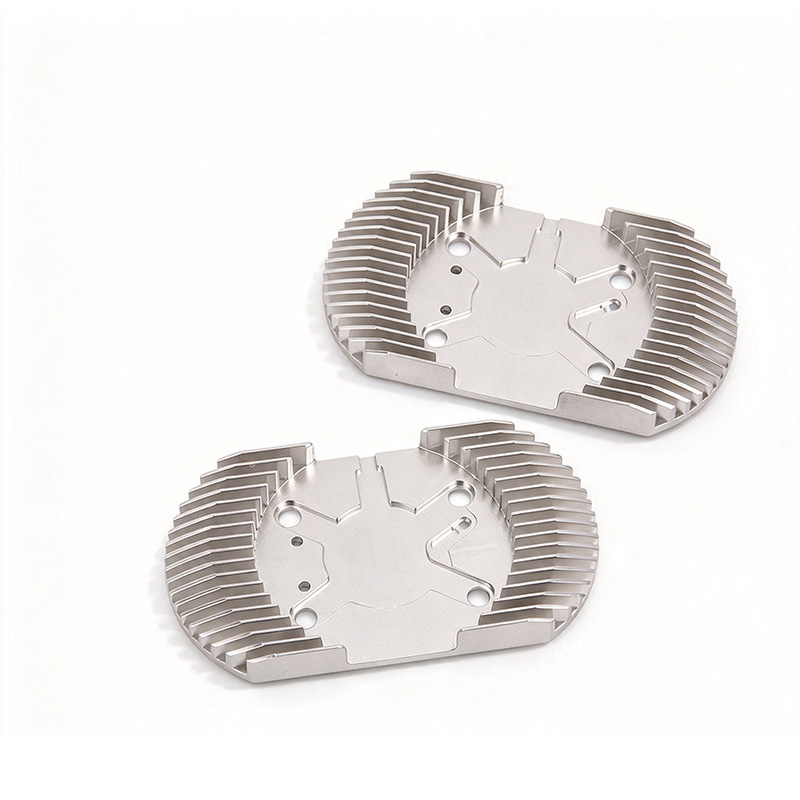
Dissipadores de calor de alumínio CNC personalizados com aletas fresadas e furos de montagem integrados - 6063/6061, anodizados, +/-0,005 mm, protótipo a volume.
Ver Produto →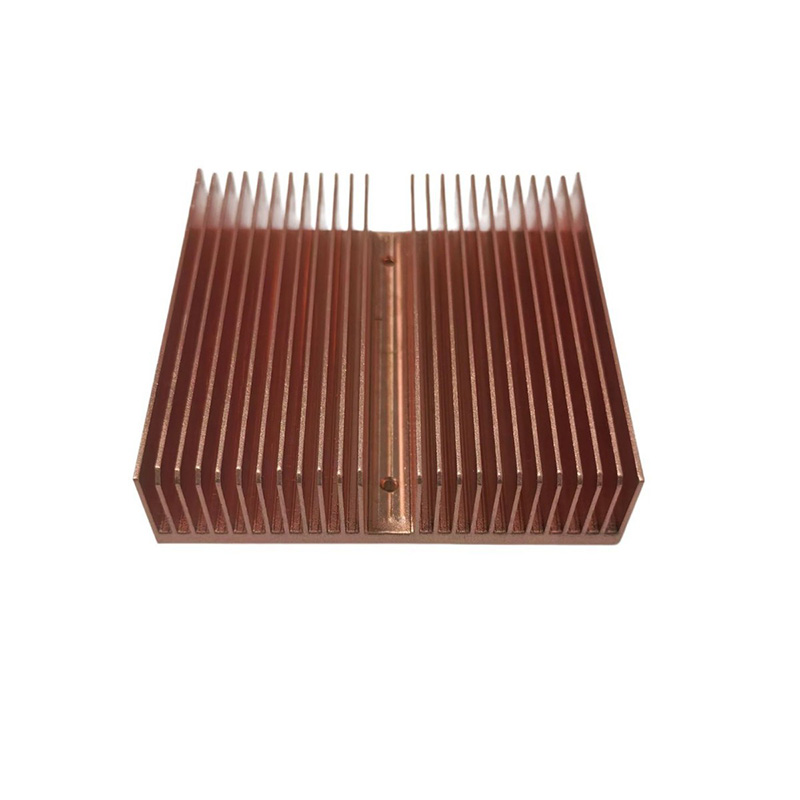
Dissipadores de calor de cobre T2 com aletas skivadas personalizados para CPU de alta potência, IGBT, diodos laser e bases de cold plates líquidas - fresados planos, furos rosqueados, aletas integrais skivadas.
Ver Produto →Dentro da Nossa Fábrica — Mais de 200 Máquinas Sob o Mesmo Teto
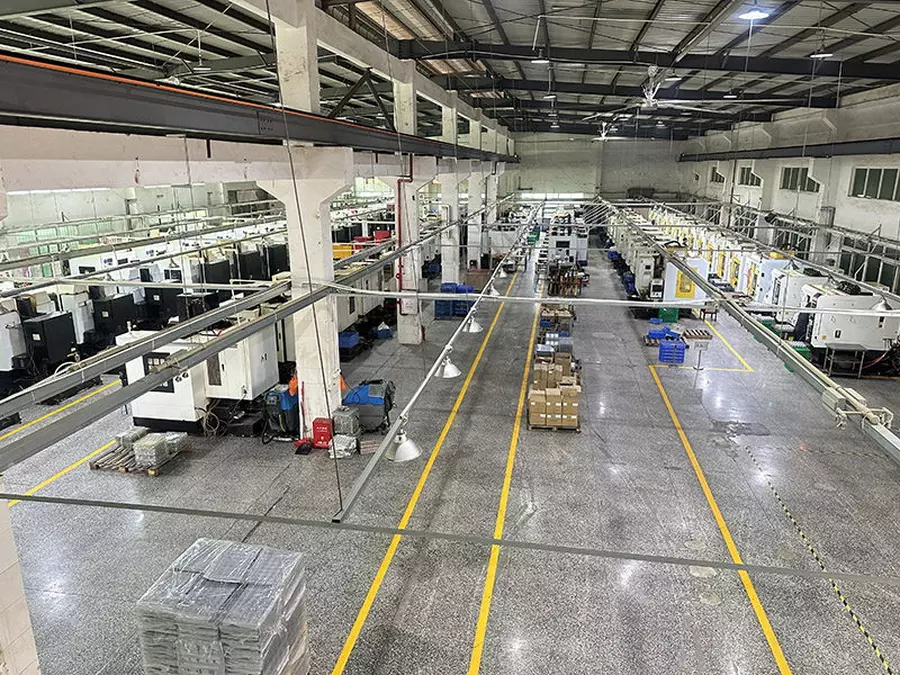
Centros de usinagem verticais
Centros de usinagem verticais de alta eficiência para produção de peças metálicas em protótipo, volume médio e grandes lotes.
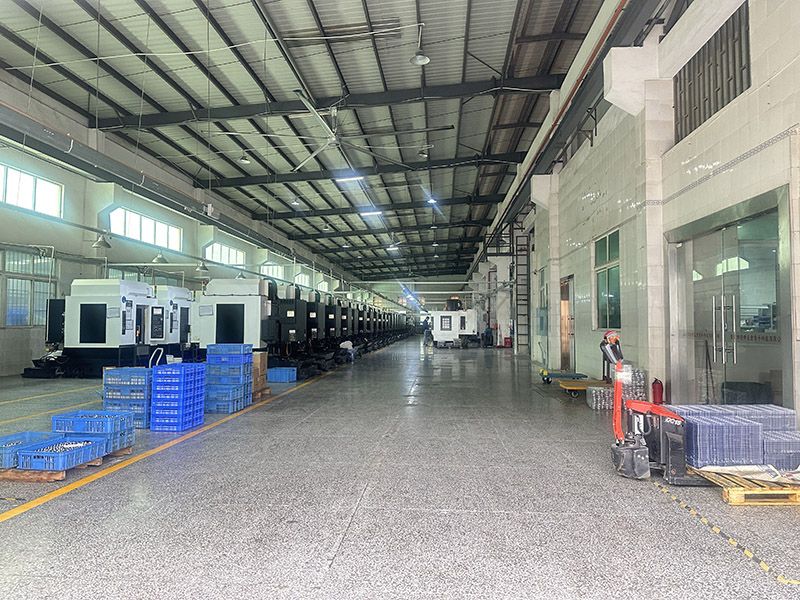
Centros de Usinagem de Furação & Rosqueamento
Furação, rosqueamento e fresamento integrados reduzem o prazo de entrega de gabinetes de alumínio.
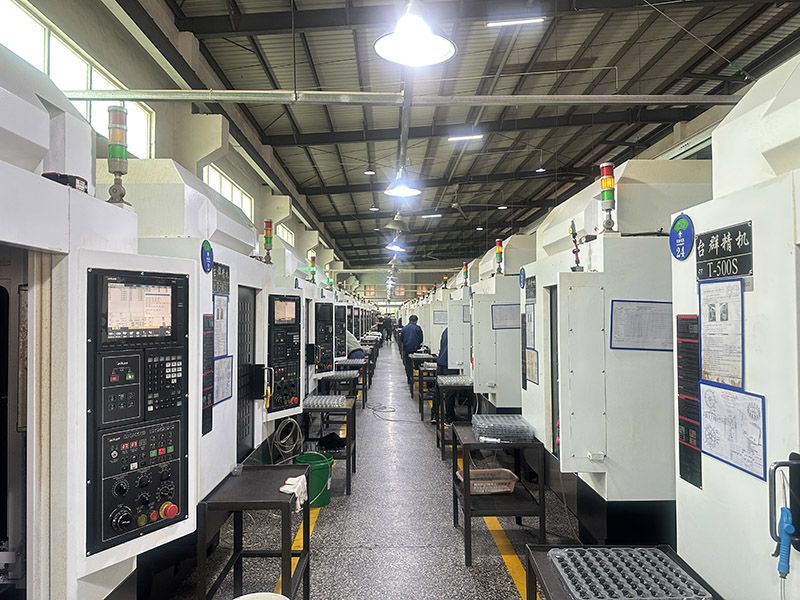
Oficina de Usinagem Multifuncional
Linhas combinadas de furação-fresamento atendem tanto pequenos lotes quanto pedidos OEM de volume.
Oficina de Produção CNC
Zonas de produção bem organizadas suportam tudo, de peças unitárias a programas de massa.
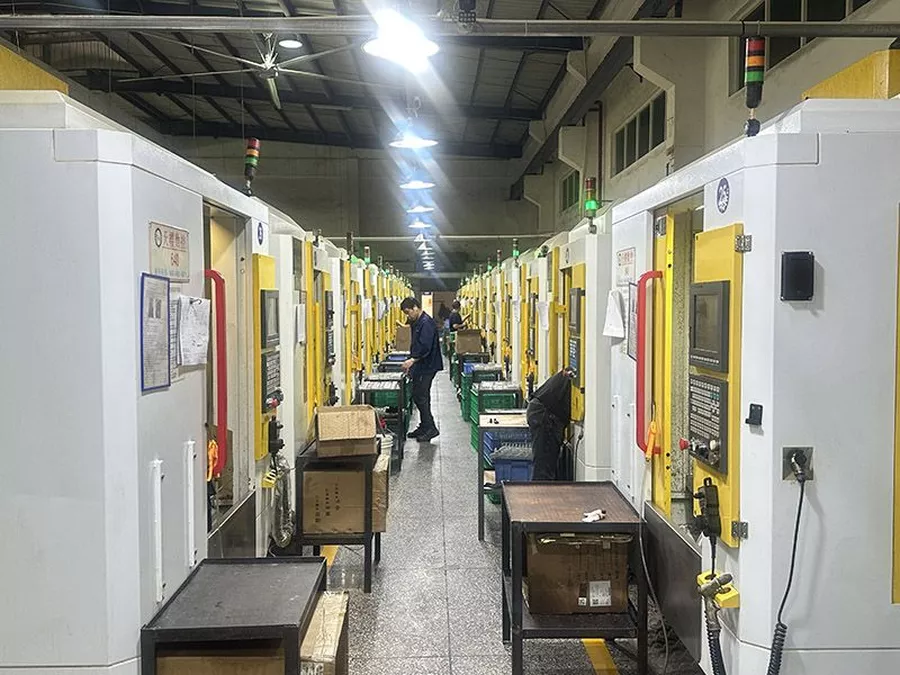
Linhas CNC Padrão
O layout sistemático das linhas aumenta a eficiência de usinagem e garante entrega no prazo.
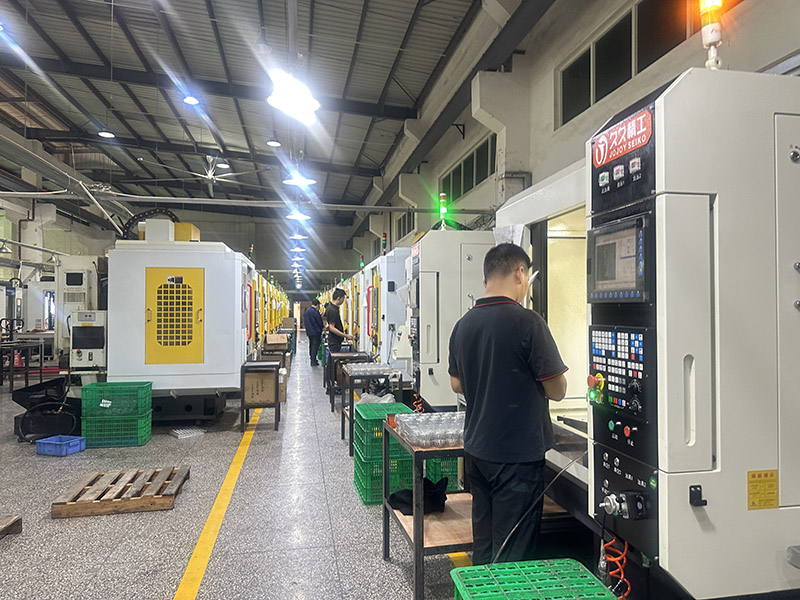
Equipamento de Usinagem de 5 Eixos
O conjunto completo de equipamentos CNC permite operação contínua e estável para volumes OEM.
Dongguan, China · Mais de 200 máquinas CNC · Anodização & corte a laser internos · Visitantes e inspeções de terceiros são bem-vindos.
Qualidade, Engenharia & Logística — Feitas para Compradores Globais

Certificado IATF 16949 & ISO 9001
Sistema de gestão da qualidade totalmente certificado. Cada lote segue com certificados de material e relatórios de inspeção em que você pode confiar.

Suporte gratuito de engenharia DFM
Nossos engenheiros analisam cada desenho previamente — apontando tolerâncias, undercuts e direcionadores de custo antes do primeiro corte.

Embalagem segura & envio global
Espuma personalizada, engradados de madeira e embalagem pronta para FBA. Frete porta a porta para mais de 60 países com rastreamento completo.
Perguntas Frequentes
Should a fan impeller be machined from solid or welded?
What balance grade can you hold?
What hub bore tolerance do you machine?
Can you reverse-engineer an existing fan wheel?
How do you reduce noise and vibration?
What is the minimum order and lead time?
PROCESSO SIMPLES
O que acontece depois que você clica em enviar?
Sua mensagem chega diretamente aos nossos engenheiros seniores — confirmada instantaneamente.
Estudamos seus requisitos e propomos uma solução viável com opções de material & processo.
Orçamento detalhado com especificações, opções e prazo de entrega — sem taxas ocultas.
Aprove a amostra e produzimos em série com QC completo e envio no prazo.
WhatsApp: +86 13790500374
E-mail: info@rejincnc.com

Escaneie este código QR com seu aplicativo WeChat para nos adicionar como contato — envie desenhos, receba orçamentos em até 24 horas e converse diretamente com nossos engenheiros.
Orçamento personalizado em até 24 horas
Seus arquivos CAD são mantidos em sigilo absoluto. Orçamento em até 24 horas.