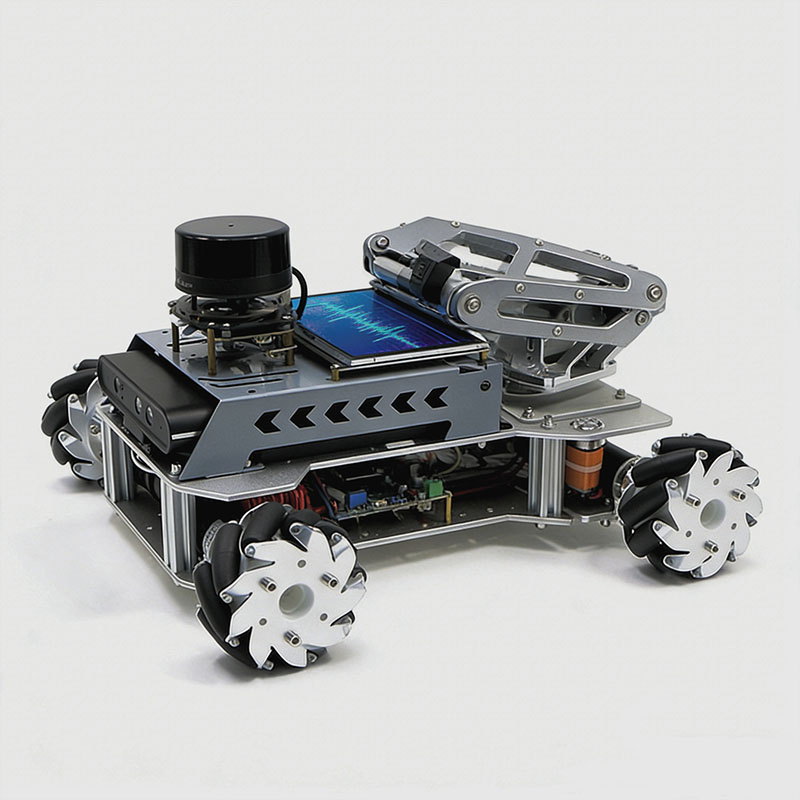
Designing CNC Parts for High-Performance Industrial Robotics
Designing CNC Parts for High-Performance Industrial Robotics
Li avevamo
23rd Luglio 2026
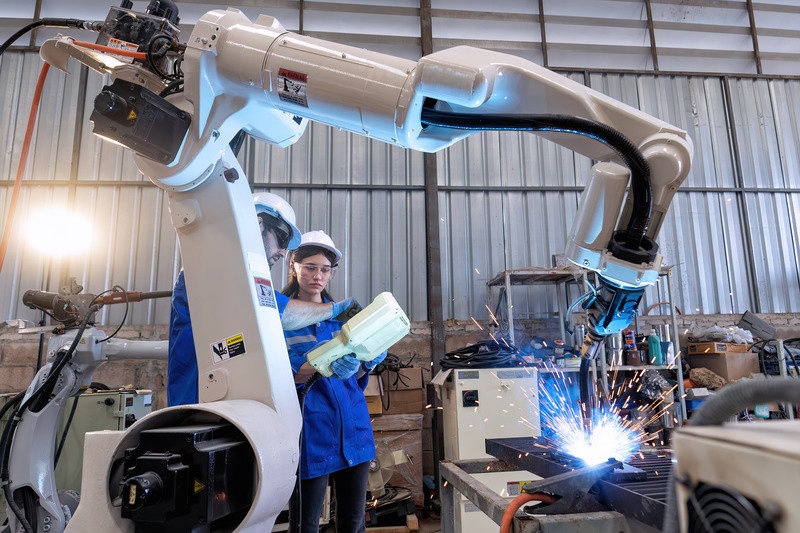
In modern smart factories, industrial robots carry out high-speed assembly tasks, accurate welding work, and heavy-payload handling across long, multi-shift operations. Under these demanding duty cycles, the success of an automated production line rests on the strength and reliability of every single component. For automation engineers and sourcing specialists, picking the right precision machining parts manufacturers becomes a key decision that turns detailed digital plans into dependable physical pieces.
Al CNC di Rejin, we stand out among global custom machining parts manufacturers by focusing on turning intricate robotic designs into high-precision, production-ready components. We combine advanced multi-axis machining with practical Design for Manufacturability feedback. This approach helps engineering teams improve structural performance and control production costs as volumes grow.
Engineering the Core: Material Selection and Design Challenges in Robotics
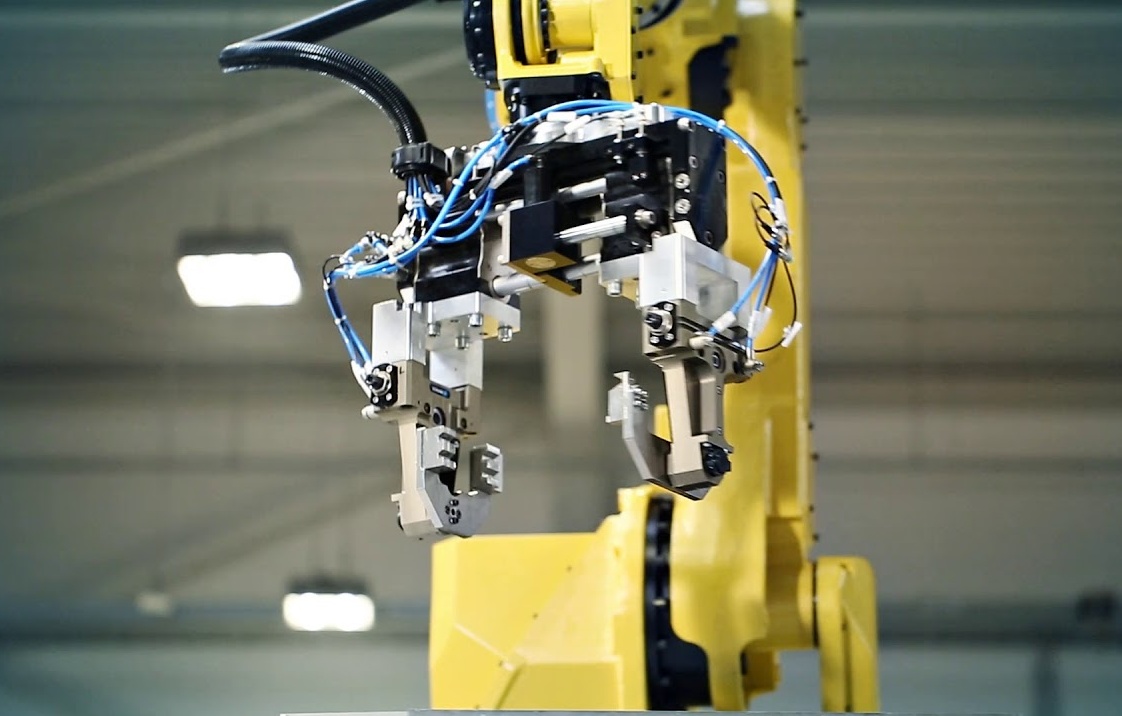
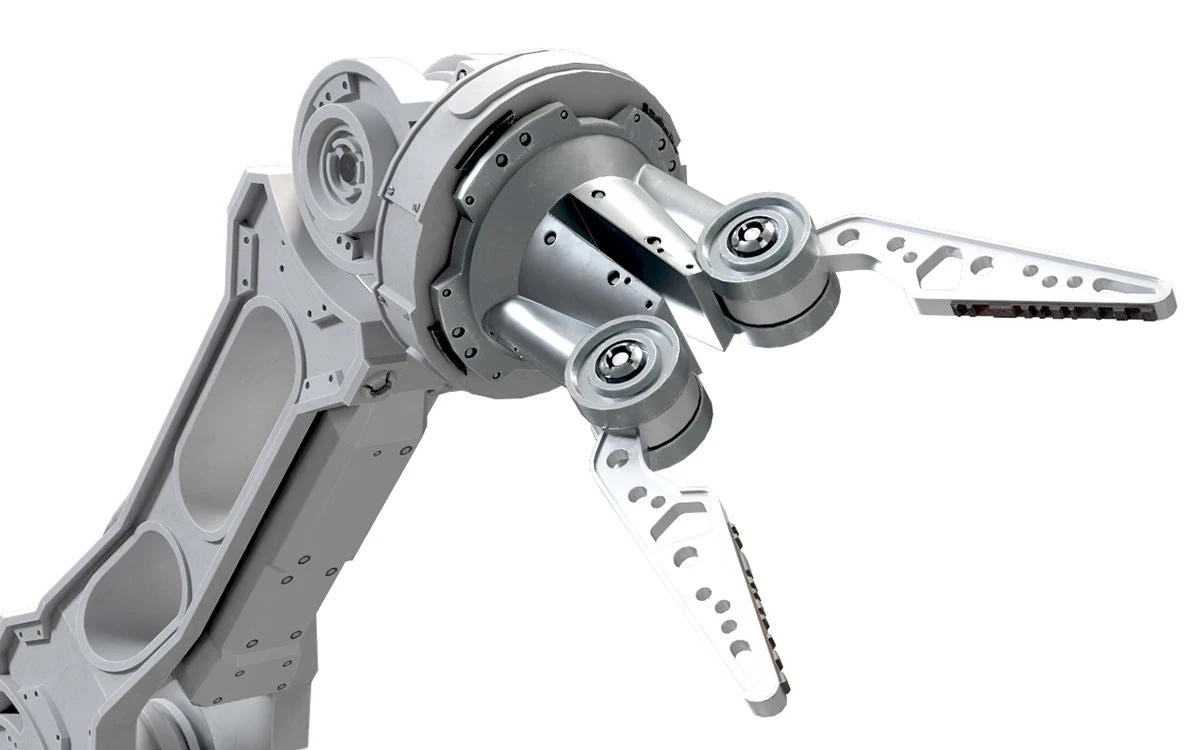
The performance of an industrial robot often comes down to its overall weight, structural rigidity, and inertia levels. Every extra gram on a robotic arm joint raises the torque needed from the motors. This added demand speeds up wear on components and reduces possible operating speeds. Creating parts for these systems calls for thoughtful material choices and design tweaks to handle ongoing dynamic loads in real factory settings.
Demanding Structural Requirements for Robotics Components
Before production begins, engineering teams and their chosen industrial machining parts manufacturers need to review the dynamic stresses the part will face. This analysis guides material selection to avoid fatigue issues during actual use.
High Strength-to-Weight Ratio: Moving parts like robotic arm segments and link couplers need to stay light to cut down on inertial forces. At the same time, they must stay strong enough for peak payload moments. Aerospace-grade 7075-T6 aluminum or high-strength 6061-T6 aluminum often work well here. These alloys deliver solid tensile strength and can reduce weight by up to 60% compared to structural steel. In practice, this difference shows up clearly when robots run repeated cycles over full shifts.
Vibration Damping and Fatigue Resistance: Robot joints face frequent start-stop actions. These quick changes create high-frequency vibrations that may lead to micro-cracks near structural corners over time. Adding generous transition fillets, with radii from R1.5 mm to R3.0 mm, replaces sharp internal edges. The change spreads stress more evenly and helps lengthen the part’s working life under continuous operation.
Thermal Stability and Coefficient Matching: Servo motors produce localized heat while running. This heat causes thermal expansion in nearby housings. Experienced robotic machining parts manufacturers select materials with matching thermal expansion rates. They may also build cooling fins directly into motor mount housings. These steps prevent bearing misalignment and keep joints operating smoothly across temperature shifts during daily production.
Overcoming Critical Machining Challenges
Reaching the tight precision levels needed for robotics brings specific machining difficulties. These issues require careful process controls throughout the shop floor.
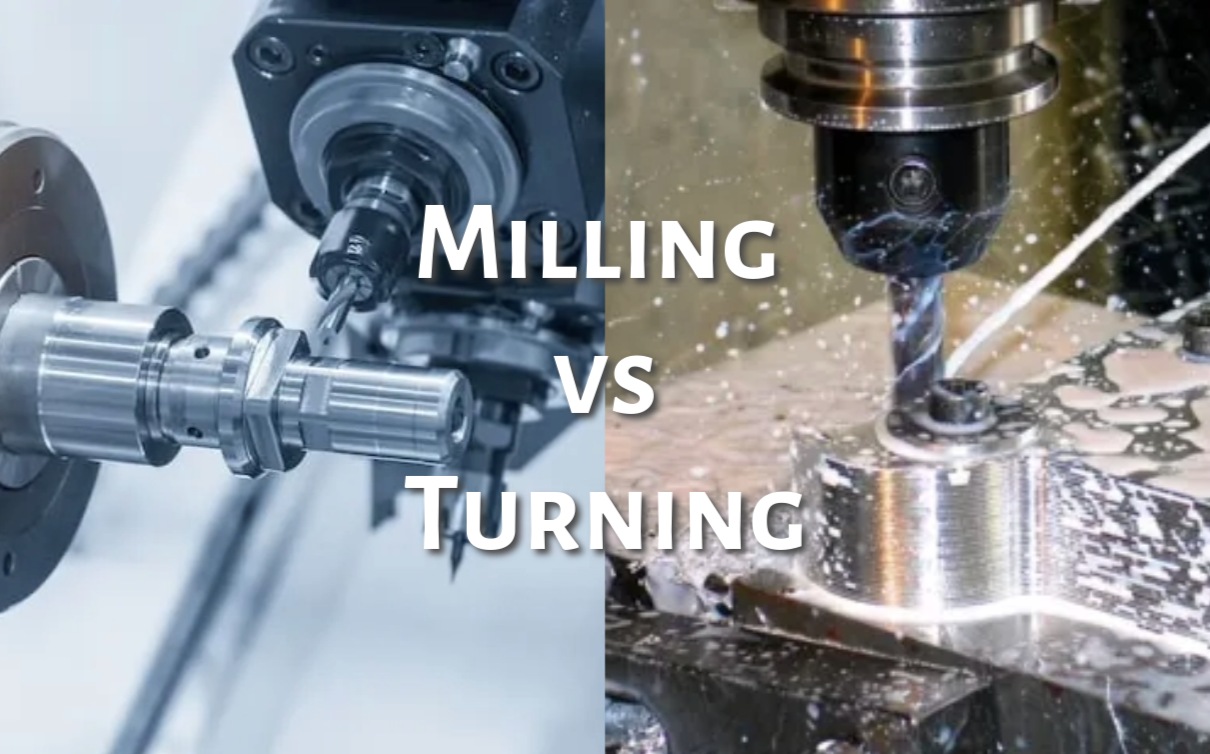
Thin-Wall Deflection Control: Many robotic components use walls thinner than 2.0mm to save weight. During high-speed milling, cutting forces can make these thin sections bend. The result may include dimensional inaccuracies or surface chatter marks. Our team addresses this with multi-step climb milling passes and custom fixture plates that support the thin areas while the machine works.
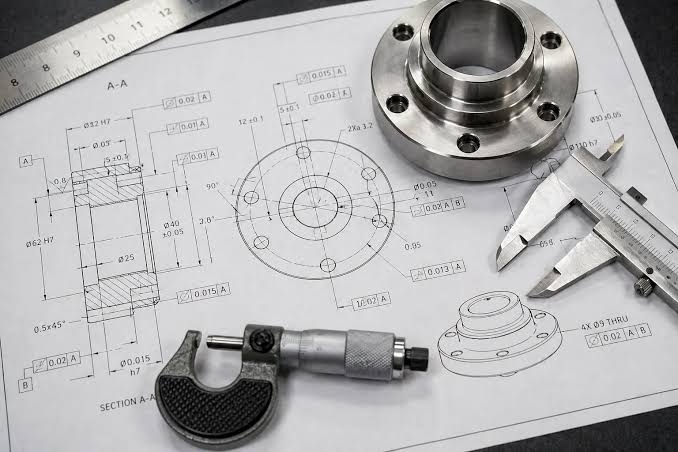
Sub-Centimillimeter Bore Tolerances: High-quality Robotic arm joint CNC machiningcalls for bearing bores held to tolerances as tight as ±01 mm. This precision stops unwanted radial play in the assembly. Stable boring bars, controlled spindle speeds, and temperature-regulated shop environments help maintain accuracy during the final passes on the workpiece.
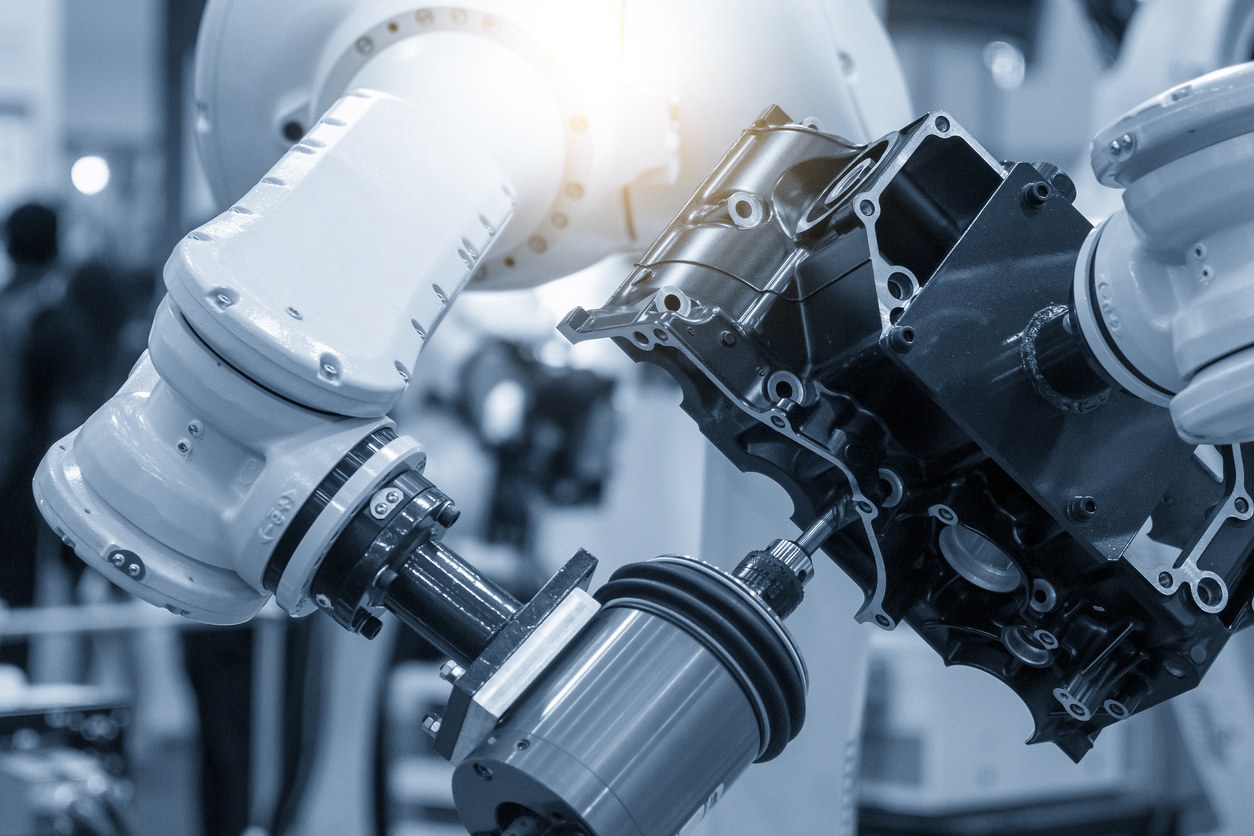
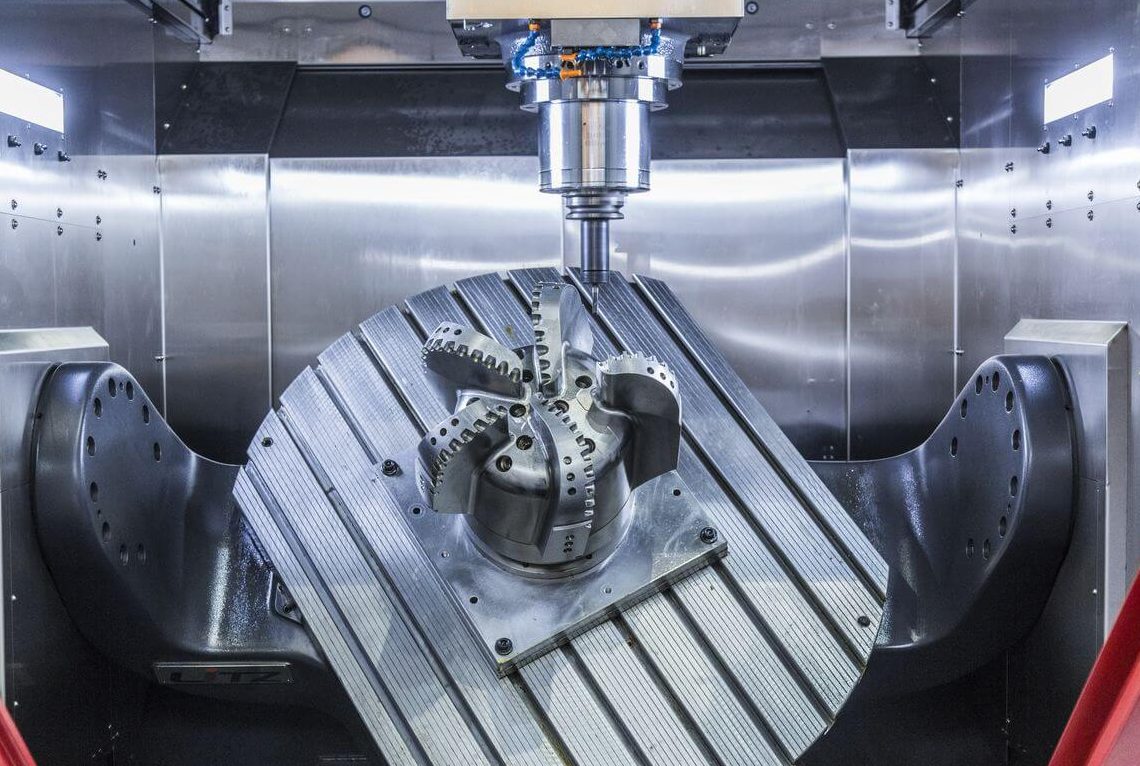
Complex Geometric Access: Standard three-axis machines struggle with organic shapes, such as internal fluid channels or built-in sensor mounts. These features often need several setups on simpler equipment, which introduces alignment errors. Specialized automation parts suppliers rely on multi-axis setups instead. The 5-axisCNC machines complete complex parts in one operation and preserve overall accuracy.
Navigating Production Dynamics: CNC Machining vs. Alternative Processes
As a robotics project moves toward larger scales, hardware designers compare manufacturing methods to find the most practical choice for their expected volumes.
Determining the Economic and Technical Break-Even Points
Decisions between CNC machining and options like metal stamping or die casting come down to production numbers and design details.
Production Volume Decision Threshold: For complex structural brackets, output around 5,000 units per month often marks the shift from CNC machining to sheet metal stamping. Below that level, short-run machining parts manufacturers offer better value. They avoid expensive hard tooling. For simpler thin-walled brackets running above 5,000 units monthly, stamping can become more economical even with its longer tooling preparation times.
Tooling vs. Setup Cost Amortization: Die casting and stamping molds demand large initial investments, often between $8,000 and $30,000 or more. These tools also take weeks to produce. CNC machining, by contrast, has lower setup costs and starts quickly from a digital CAD file. The method suits prototyping of custom robot brackets, small-batch runs, and high-mix, low-volume industrial orders common in automation.
Mechanical Integrity Preservation: Cast metals sometimes include internal porosity and small voids. These flaws can reduce strength in parts exposed to heavy cyclic loads. CNC machining starts from solid extruded metal billets. The process keeps the alloy’s original grain structure and mechanical properties intact. Parts then perform more reliably in high-stress robotic applications over extended periods.
Rejin CNC Engineering: Case Studies and Quantifiable Value
At Rejin CNC, we measure manufacturing skill through delivered parts that perform well in the field. Success comes from practical experience rather than listed capabilities alone.
Case Study: Optimizing High-Payload Joint Mechanisms
We worked with a Tier-1 European industrial automation integrator on components for their latest heavy-payload robotic arm joints.
The Client and Challenge: The team wanted to improve a multi-axis articulating joint support. Their first design used cast steel, which added too much weight and restricted the arm’s payload capacity. They sought a lighter, high-strength aluminum option for the Robotic arm joint CNC machining assembly. The design required a critical bore tolerance of H7 (+0.015 mm / -0 mm) for reliable bearing function.
The Technical Solution: Our engineering group, acting as strong heavy-duty machining parts manufacturers, performed a thorough Design for Manufacturability review. We suggested changing from steel casting to a single-piece part machined from aircraft-grade 7075-T6 aluminum. With Rejin CNCLavorazione a 5 assi, we produced the housing in one setup. This approach removed alignment problems that appear when parts move between multiple machines.
Quantifiable Scale and Outcomes:
Weight Reduction: The joint mass dropped by 28% while structural stiffness stayed at required levels.
Fast Prototyping: Functional first-article samples reached the client’s lab within 5 days for testing.
Scalable Mass Production: The design moved smoothly into monthly runs of 1,200 units. Dimensional pass rates held steady at 99.6% or better across batches.
Technical Services: Our Manufacturing Arsenal and Quality Assurance
Producing complex parts for industrial automation needs skilled people, modern equipment, and consistent quality checks.
Infrastructure, Inspection, and Scalability
Our processes support customers from early prototype stages through full-scale manufacturing.
Advanced Mazak Multi-Axis Fleet: The facility houses more than 100 high-performance machines. This includes Rejin CNC5-axis and 4-axis CNC machining centers. The equipment supports tolerances down to ±01 mm. These capabilities make us a dependable machining parts manufacturer partner and a top-tier automation parts supplier for precision components.
First Article Inspection (FAI) and Metrology: We complete a strict First Article Inspection before full production starts. The quality team uses coordinate measuring machines, digital air gaging, and optical comparators. These tools confirm critical dimensions and maintain accuracy.
Scalable MOQs and Delivery Speeds: Production runs adjust to different project phases. Minimum order quantities begin at 10 to 50 pieces for custom robot brackets and prototypes. Capacity reaches 20,000 machined parts per month when higher volumes are needed.
Partner with Rejin CNC for High-Performance Robotics Manufacturing
Industrial automation calls for strong, accurate engineering solutions. Working with experienced precision machining parts manufacturers such as Rejin CNC guarantees that custom robot brackets, joint housings, and structural links meet exact tolerances. The result supports more dependable and efficient robotic systems in daily operation.
Ready to move forward with your next robotics project?
Email: info@rejincnc.com
Phone:+86 13790500374
Domande frequenti
Q: Why is 5-axis CNC machining preferred over 3-axis machining for robotic arm joint components?
A: 5-axis machining lets the cutting tool reach the workpiece from many angles in one setup. This reduces positioning errors that come from re-fixturing on 3-axis machines. The single-setup method maintains alignment for complex Robotic arm joint CNC machining on bearing bores and mounting surfaces.
Q: What is the typical surface roughness (Ra) requirement for dynamic robotic joints, and how is it achieved?
A: Dynamic joints usually need surface roughness of Ra 0.8 μm or smoother. The finish lowers friction and wear on seals. As leading metal machining parts manufacturers, we reach this level through careful fine-turning or milling steps. Follow-up processes such as bead-blasting and controlled anodizing complete the surface.
Q: How does Rejin CNC ensure dimensional consistency across a high-volume production run of robotics parts?
A: We start with First Article Inspection and continue with regular in-process checks using calibrated tools. Temperature-controlled machining centers limit thermal expansion. These steps keep tolerances steady through extended production runs.
Q: Can you machine specialized, high-temperature alloys or engineered plastics for robotic components?
A: Yes. Beyond aerospace aluminum, we work with stainless steels, titanium alloys, and engineering plastics like PEEK and Delrin. These materials suit lightweight, low-friction, or chemically resistant needs in robotic applications.
Il processo di ordinazione è semplice:
1.Submit i tuoi file di progettazione
2.Select materiali e processi di fabbricazione
3.Receive quotazione
4. conferma l'ordine
5.Production e consegna
Forniamo un'ampia gamma di servizi, tra cui servizi di lavorazione CNC, fabbricazione di lamiere, soluzioni di finitura superficiale e supporto per l'analisi DFM.
Offriamo più materiali di lavorazione CNC, come rame (Cu), ferro (Fe), alluminio (Al), acciaio inossidabile e plastiche di ingegneria.
Accettiamo carta di credito, PayPal e bonifico bancario T / T.
- Sì. - Sì. Puoi seguire il tuo ordine tramite il nostro sistema di tracciamento online o contattare il nostro team di assistenza tramite il team di assistenza clienti.
La nostra lavorazione CNC garantisce alta precisione, tipicamente con una tolleranza fino a ±0,005mm, a seconda del materiale e della complessità del pezzo.
- Sì. - Sì. Offriamo assistenza di progettazione e ingegneria per dare vita alle vostre idee. Il nostro team può aiutare con la progettazione del prodotto, la prototipazione e l'ottimizzazione.
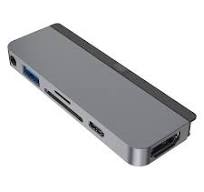
I nostri hub iPad sono lavorati CNC da materiali metallici di alta qualità, fornendo struttura stabile, dissipazione del calore efficiente e interfaccia precisa
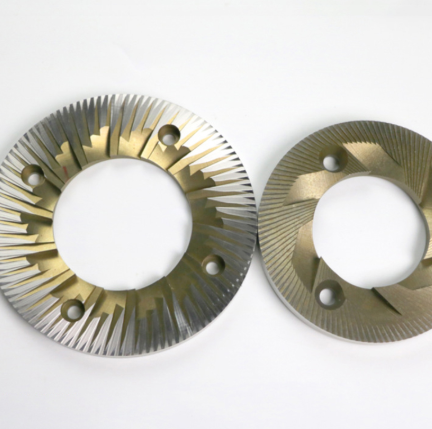
Un produttore professionale specializzato nella lavorazione CNC personalizzata e non standard di parti meccaniche. Possiamo realizzare su misura una vasta gamma di alloggi speciali e altri componenti della macchina da caffè secondo le esigenze del cliente, con un'ampia selezione di materiali disponibili. Non esitate a contattarci per qualsiasi richiesta!
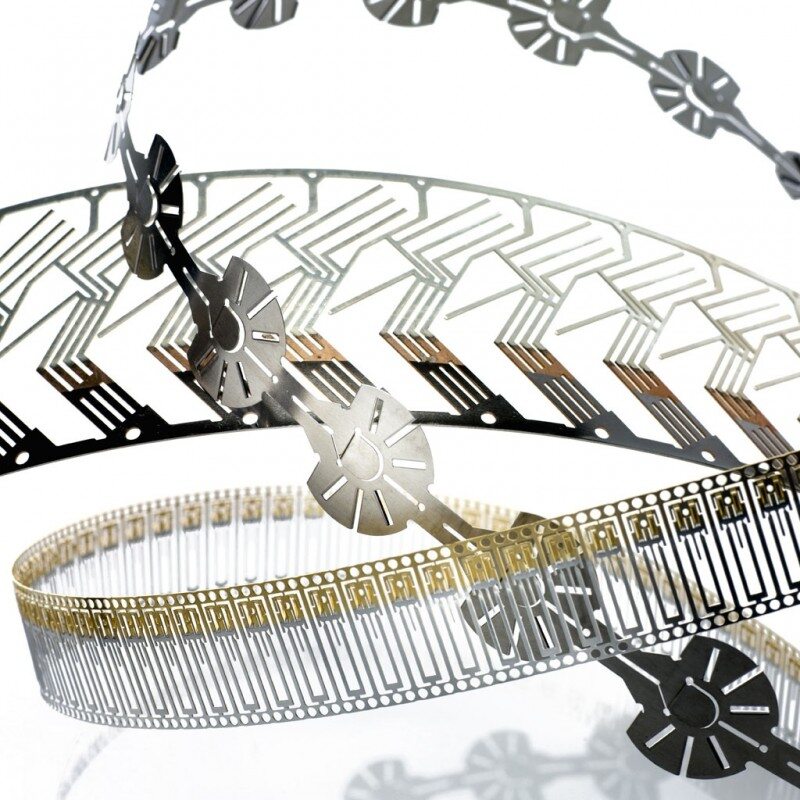
Rejin CNC produce parti di stampatura di precisione con alta precisione dimensionale e qualità costante. I nostri componenti di stampatura metallica sono ampiamente utilizzati in elettronica, automobilistica e attrezzature industriali, supportando la produzione OEM & ODM.
Questi componenti robot lavorati a CNC sono progettati per sistemi robotici, tra cui parti giunte, alberi e componenti strutturali. L'alta precisione garantisce un movimento fluido e stabilità a lungo termine.
Rejin CNC | Custom CNC Machining & Sheet Metal Manufacturer
From Blueprint To Finished Precision Metal Parts | ISO & IATF Certified Custom OEM Factory
Upload your CAD drawings & specifications, get a customized quotation within 24 hours. We provide free design support, ultra-tight tolerance machining and full quality inspection for all OEM orders.


 Li avevamo