
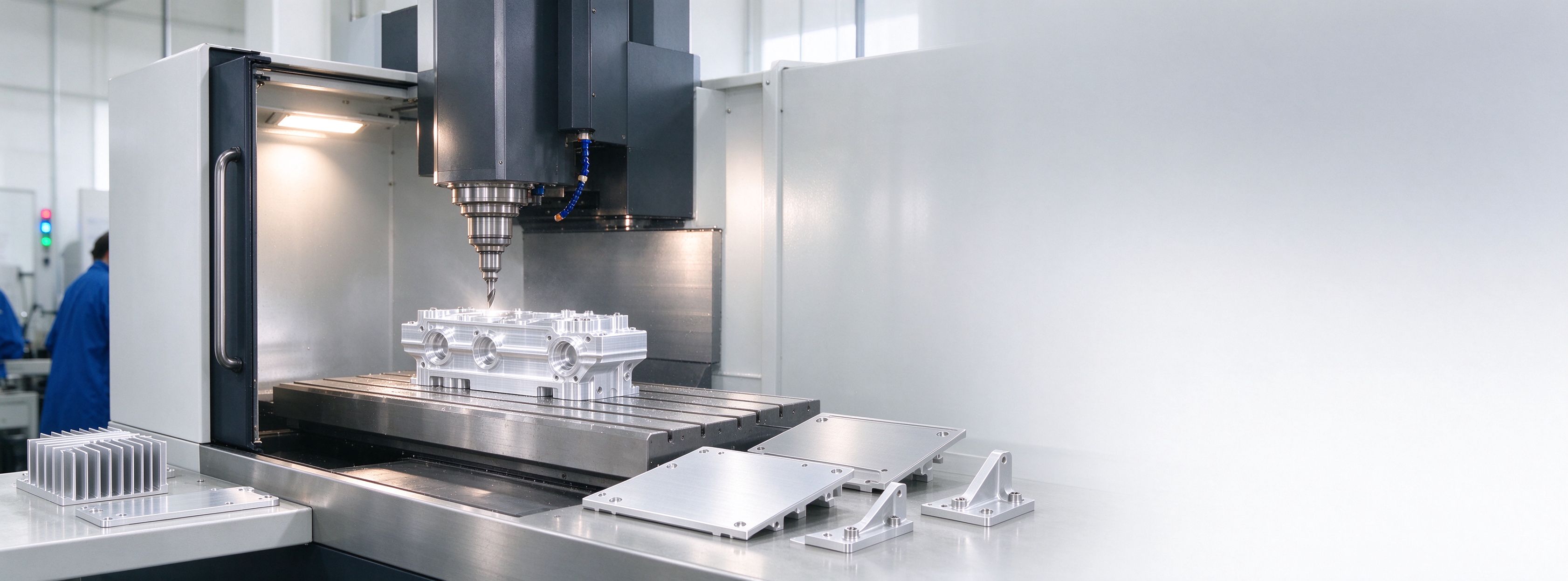
Thermal Management Design: Why CNC Machined Heatsinks Outperform Extrusions
-
Eren
- 13th نوفمبر 2026
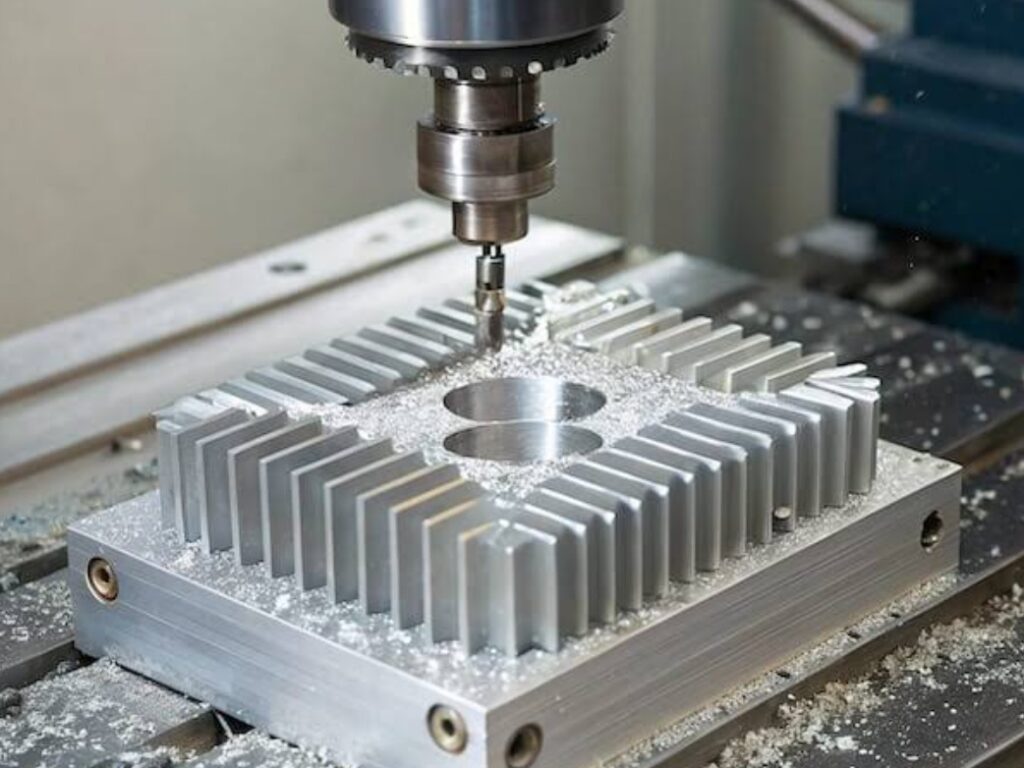
Rising Thermal Demands & The Machining Imperative
Present electronic architecture designs have taken thermal management to another level. With smaller components having higher power ratings, it has become necessary to manage extreme rates of heat dissipation in restricted mechanical housing space.
- Power Electronic Density: The SiC and GaN-based power switches generate heat loads through high rates of switch speeds.
- Automotive and EV powertrains: The EV power trains have an electric motor drive unit (e.g., traction inverter, BMS, DC-DC converters), which has high rates of vibration that require uninterrupted heat dissipation.
- Telecommunications and 5G infrastructure: Transceivers operating at high rates and remote radio units operating outdoors require heat sinks with weather-resistant properties.
- High-end Audio and Industrial Robotics: In these cases, Class-D power amplifiers, which are commonly used in audio systems, and robotics need a high degree of heat dissipation for signal reliability.
Commercially available heat sinks cannot satisfy these challenging demands in many cases. In situations when thermal management exceeds the abilities of extruded parts, a custom-designed CNC heat sink is the best approach.
Rejin CNC is a custom heat sink manufacturer that specializes in the manufacture of highly precise thermal management parts that are designed especially for OEM applications. We have our facility certified under ISO 9001 and IATF 16949 and equipped with more than 200 multi-axis CNC machining centers. This allows us to provide precision-machined heat sink parts based on your specific thermal CAD models.
Technical Comparison: CNC Machined Heatsinks vs. Aluminum Extrusions
CNC-machined heat sink performance compared to extruded heat sink performance demands understanding of the basic principles of thermal fluid dynamics as well as mechanical tolerances. Although extrusion provides low cost per piece in simple geometries, a CNC vs. extrusion heat sink analysis reveals the thermal benefits of CNC machining.
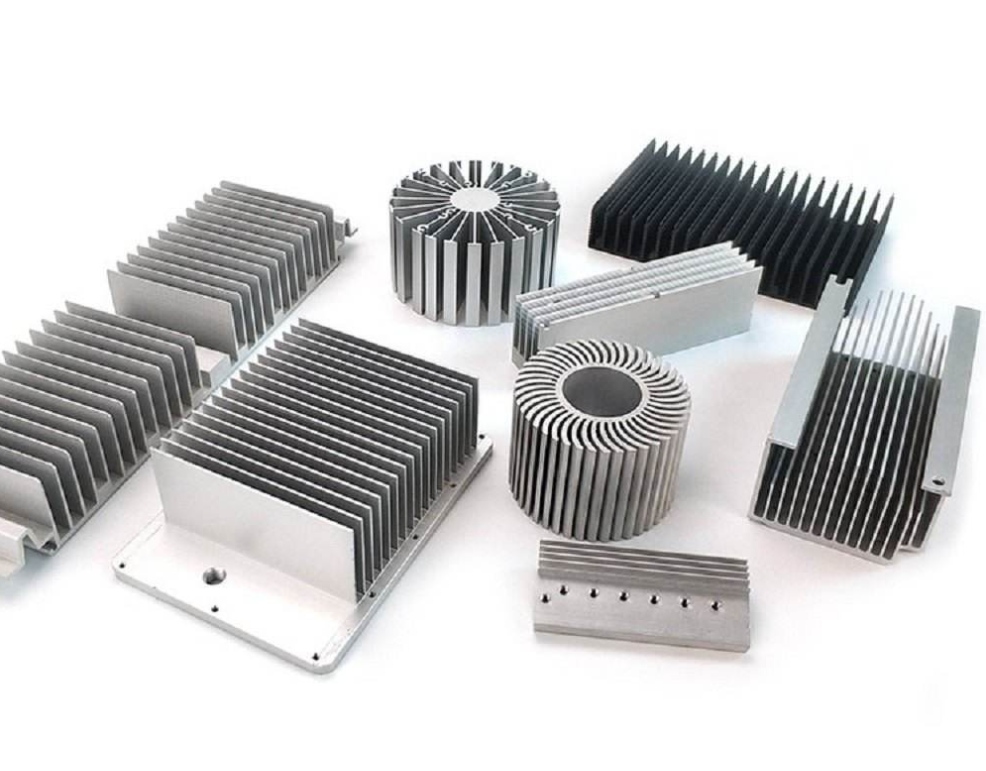
Fin Geometry and Airflow Optimization Parameters
The geometry of the cooling fins provides the total surface area and boundary-layer formation for either natural or forced convection. CNC heat sink design can facilitate optimized fin geometry depending on flow and heat transfer requirements.
- Fin Aspect Ratio Standard: The standard extrusion process limits the fin depth-to-gap ratio because of limitations of extrusion forces; however, with milling, an aspect ratio greater than 20:1 can be achieved.
- Complex Pin Fin Geometry: Milling provides the possibility to produce elliptical, staggered, or cross-cut heat sink fin geometry, which breaks the boundary layers and enhances the heat transfer coefficient up to 25- 35% over the straight-line channels produced through extrusion.
- Custom Heat Sink Fin Design: Variable thickness of fins – thicker at the root for conduction and thinner at the tip for convective cooling – can be cut from a single piece of material.
Base Flatness and Thermal Interface Resistance Reduction
The contact interface between the heat source (for example, an IGBT or CPU module) and the heat sink base becomes a main thermal barrier in electronic assembly structures. Precise machining enhances heat sink base flatness to decrease interface impedance and improve overall heat sink thermal impedance.
- Heatsink Base Flatness Specification: Longitudinal deflections and roughness appear on extruded heatsink bases, necessitating large quantities of Thermal Interface Material (TIM), thus increasing overall thermal impedance.
- Micron-Level Base Flatness: CNC fly-cutting allows heatsink base flatness control to stay ≤0.008 mm (8 µm) on a 100 mm × 100 mm section, decreasing TIM bond line thickness to below 15 µm.
- Interface Impedance Reduction: Reduced layer thickness of TIM lowers overall thermal impedance and ensures reduced junction temperature under sudden power surges.
Structural Flexibility and Integrated Thermal Features
Extrusion is restricted to uniform two-dimensional shapes only; thus, extra machining processes are needed to accommodate mounting holes and clearance pockets.
- Integrated Mounting Geometry: The mounting bosses, alignment pins, liquid-cooling channels, and O-ring sealing channels can be integrated using a 5-axis CNC milling process.
- Pocketing for Component Clearance: Deep pockets can be formed in order to allow placement of tall capacitors or PCB connectors in close proximity to the heat source.
- Criteria for Vibration Resistance: A monolithic CNC-milled heatsink does not have any mechanical joints, and hence, it is well suited for vibration-resistant automotive and robotic applications.
Metallurgical Selection: AL 6061, AL 6063, and Pure Copper Dynamics
Material selection dictates both bulk thermal conductivity and mechanical machinability. A well-engineered custom aluminum heat sink balances heat spreading efficiency against overall weight and structural requirements.
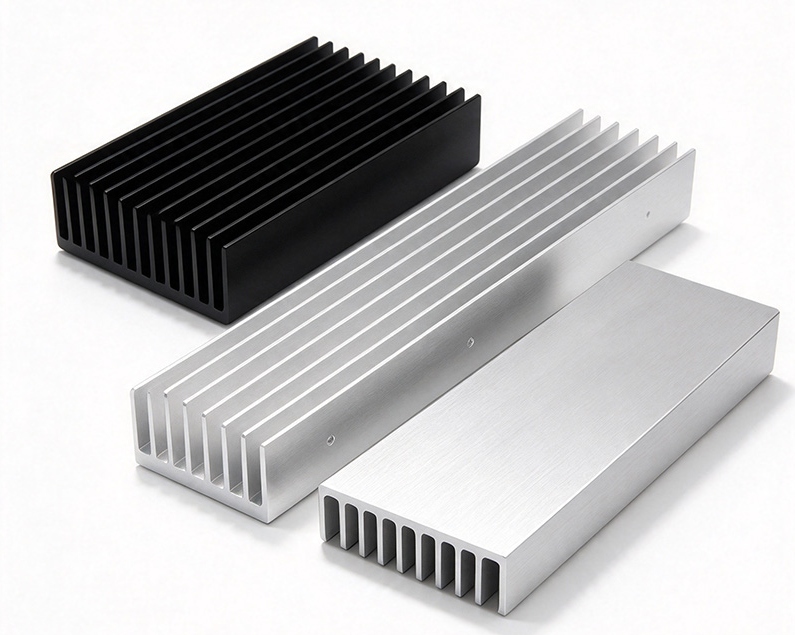
Evaluating 6061 vs. 6063 Aluminum for Custom Heatsinks
When deciding between a 6061 and 6063 aluminum heat sink, one needs to consider both the thermal conductivity and structural yield strength.
- Thermal Spreading by AL 6063: 6063-T6 aluminum has a better thermal conductivity (200 W/m·K) and is thus more efficient in terms of heat spreading in thin-fin heat sinks.
- Structural Heat Sink by AL 6061: 6061-T6 aluminum has better tensile strength (310 MPa) and is therefore suitable for structural heat sinks as well as chassis.
- Criteria for Machinability: 6061 makes cleaner chips when machined at high speeds and can be used in close tolerances (±0.01mm).
High-Heat-Flux Applications: Integrating CNC Machined Copper Componentry
If the heat flux exceeds 50 W/cm², aluminum may become thermally saturated at the contact area. A CNC-machined copper heat sink is another option for such demanding high-flux thermal management applications.
- CNC Machined Copper Heat Sink Thermal Performance: C110 electrolytic tough-pitch (ETP) copper has thermal conductivity of ~390 W/m·K and can dissipate heat hotspots almost twice as fast as aluminum.
- Copper-Aluminum Hybrid Heat Sink Assemblies: CNC machining technology allows copper heat spreader pedestals to be press-fit or vacuum brazed to an aluminum fin body.
- Pure Copper Skived & CNC Milled Fin Arrays: CNC-milled slots create ultra-dense copper fin arrays used for liquid cold plate bases of high-power inverters.
Anodizing and Thermal Radiation Surface Treatments
Surface finishes prevent oxidation of aluminum by the atmosphere while improving radiative heat dissipation.
- Type II Color Anodizing: The 10–15 µm-thick anodized finish increases surface emissivity (ε 0.85–0.90), thereby increasing radiative heat transfer in natural convection conditions.
- Type III Hard Coat Anodizing: This provides a 25–50 µm-thick wear-resistant oxide finish that is good for harsh automobile or industrial applications outdoors.
- Selective Surface Masking: Selective masking of critical contact base and ground pad threads is essential during anodizing to maintain low electrical and thermal contact resistance.
Rejin CNC Engineering Expertise & Custom Heatsink Manufacturing
The manufacture of such high-performance thermal parts demands high precision in machine control, tool pathing, and process management. Rejin CNC serves as an engineering partner that turns difficult thermal designs into high-yield production parts using CNC heat sink manufacturing.
Senior Engineer DFM Review and Precision Multi-Axis Milling
All projects presented to Rejin CNC are subject to an exhaustive DFM analysis performed within 24 hours.
- Tool Accessibility & Pocket Optimization: Our experienced CAM experts analyze the accessibility of tools, pocket radii, and fin gaps to eliminate tool chatter and decrease the machine cycle time by 10%-30%.
- High-Speed Milling 3-Axes & 5-Axes: We employ spindles with 15,000 RPM capabilities to mill extremely thin fin cavities with a minimum wall thickness of 0.5 mm.
- Thermal Base Fly-Cutting: We have special diamond fly-cutters used to achieve a surface roughness of less than Ra 0.4 µm in one pass.
In-House Quality Assurance and CMM Dimensional Verification
Quality control is integrated into every stage of manufacturing under our ISO 9001 and IATF 16949 management systems.
- In-Machine Touch Probing: Automated Blum probes measure critical base thickness and datum locations during machining, maintaining tolerances within ±0.01
- CMM First-Article Inspection: Zeiss Coordinate Measuring Machines verify hole locations, flatness profiles, and complex fin geometry prior to production clearance.
- Environmental & Corrosion Testing: In-house neutral salt spray testing (per ASTM B117) validates coating durability for anodized and plated finishes.
Quantitative OEM Case Study: Power Electronics Inverter Cooling
To validate the real-world advantages of precision milling, Rejin CNC produced a CNC heat sink for power electronics used in a high-voltage automotive inverter program.
|
Project Metric |
Operational Outcome & Parameter |
|
Annual Production Volume |
15,000 Units / Year |
|
Base Flatness Achieved |
≤0.008 mm across 120 mm footprint |
|
Thermal Resistance Reduction |
37.8% lower than previous profile |
|
Peak Transistor Temperature Drop |
14.2°C under 450W continuous load |
|
Field Quality Yield Rate |
99.85% first-pass acceptance |
By switching from a modified extrusion to a custom 6061-T6 billet heatsink with fly-cut base surfaces, the customer reduced thermal resistance from 0.45 °C/W down to 0.28 °C/W. This thermal margin allowed their power module to operate at higher current output without exceeding maximum junction temperatures.
Conclusion & Actionable Next Steps
Off-the-shelf profiles might not have what you need, but a custom-fabricated part using CNC machining will give you everything you need from your thermal component, including performance, a flat base, and mechanical flexibility.
As a specialist in custom heat sinks, Rejin CNC has accumulated more than 20 years of expertise in manufacturing precision parts and components for your design team. We supply single-piece prototypes within 3-7 days and even batches of up to 50,000 units.
Accelerate Your Thermal Hardware Development
Ready to optimize your next thermal design? Contact the engineering team at Rejin CNC today.
- Submit Your CAD Drawings: Upload your STEP, IGES, or PDF files to receive a detailed DFM evaluation and quote within 24 hours.
- Direct Factory Consultation: Speak directly with our manufacturing engineers to select optimal alloys, fin geometries, and surface finishes.
الأسئلة الشائعة
Q: What are the smallest fin thickness and fin spacing that Rejin CNC can mill custom heatsinks?
A: With advanced CNC milling machines, we mill aluminum fin thicknesses of 0.5 mm and fin spacings of 1.0 mm, producing fin aspect ratios of up to 20:1 depending on the depth.
Q: In what way does a heatsink’s base flatness impact thermal performance?
A: Flatness of the base reduces the clearance between the heatsink and the heat source, making it possible to use a thin Thermal Interface Material (TIM) layer. As TIM has lower thermal conductivity than aluminum, the thinner the layer, the better.
Q: Which is better for a heatsink with a high power output, 6061 or 6063 aluminum?
A: AL 6063 has greater thermal conductivity (~200 W/m·K), which maximizes heat dissipation. On the other hand, AL 6061 (~167 W/m·K) has better mechanical properties and tighter tolerances for machining complex structures.
Q: What is the lead time for prototype custom heatsinks at Rejin CNC?
A: Prototype heatsinks are shipped within 3 to 7 business days after Design for Manufacturing (DFM) approval, with 24-hour expedited services for urgent engineering validation testing.
أحدث المقالات


منتجات ذات صلة
قطع نخروطها كل يوم
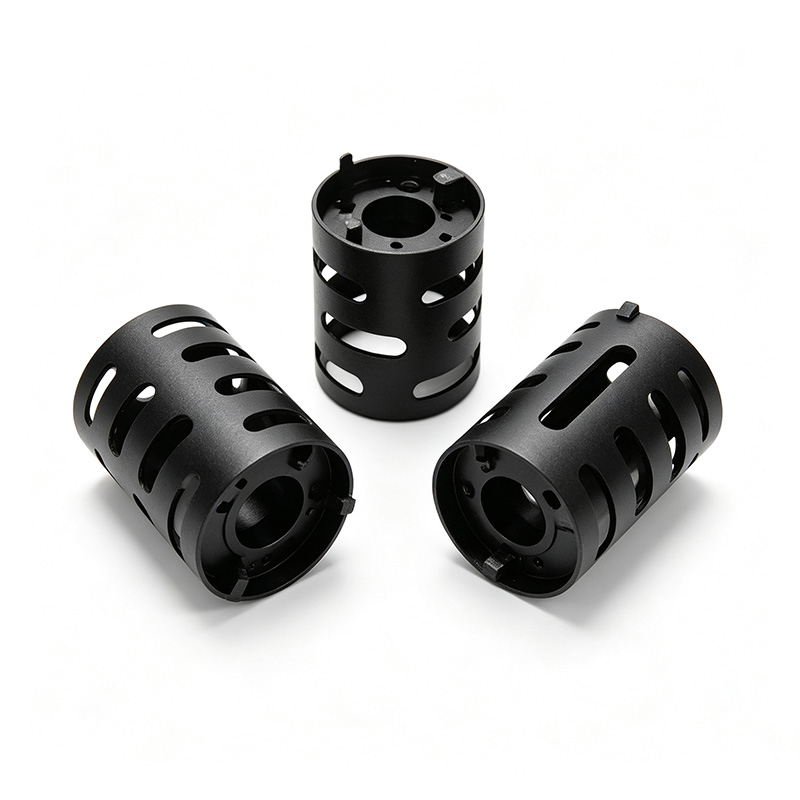
CNC Machined Aluminum Heat Sink Sleeves & Motor Cooling Cages
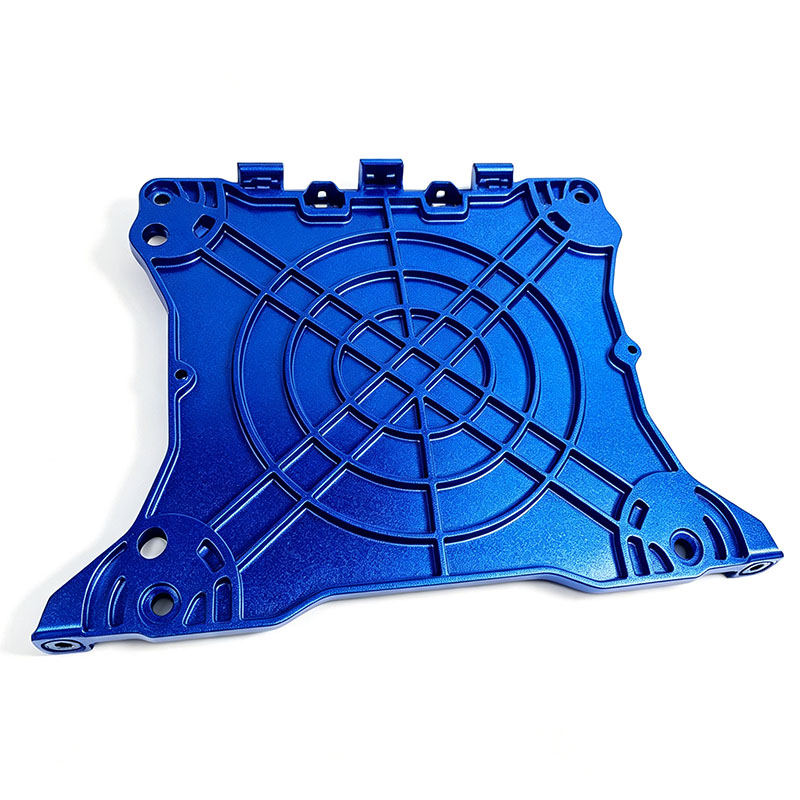
CNC Aluminum Automotive Brackets & Lightweight Structural Links
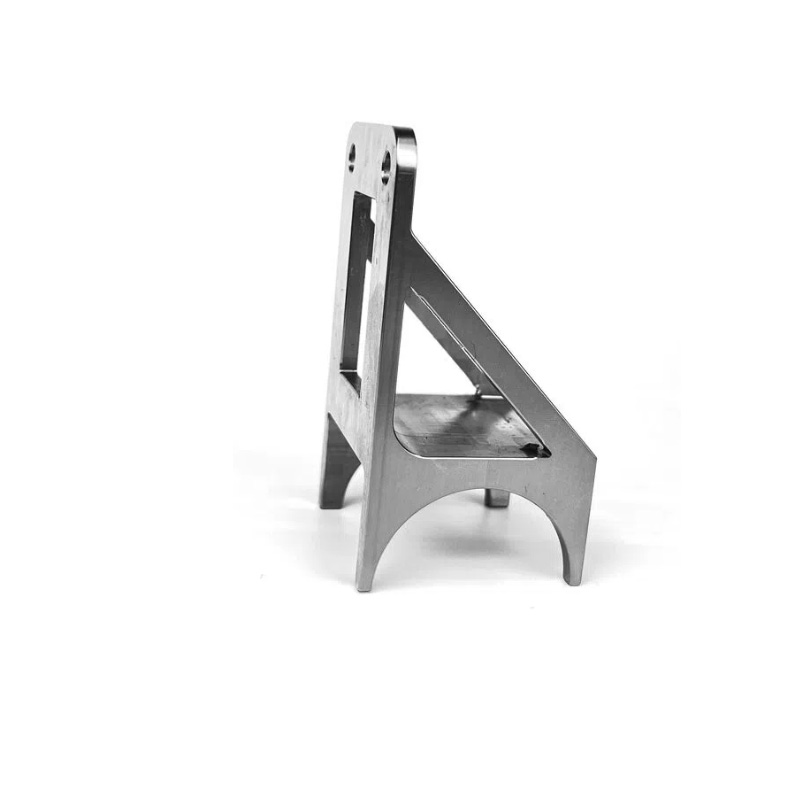
CNC Machined 304 Stainless Steel Support Brackets for UAV Avionics & Sensor Mounts

CNC 5-Axis Aluminum Tri-Arm Structural Hub for UAV Airframes
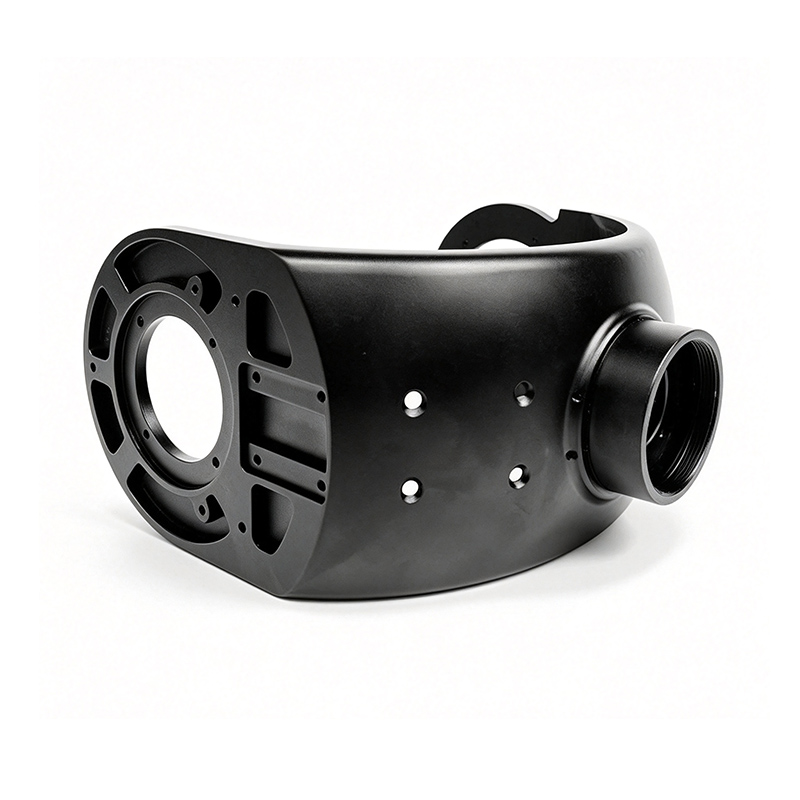
CNC UAV Camera Gimbal Brackets & Yoke Frames | 6061 Aluminum
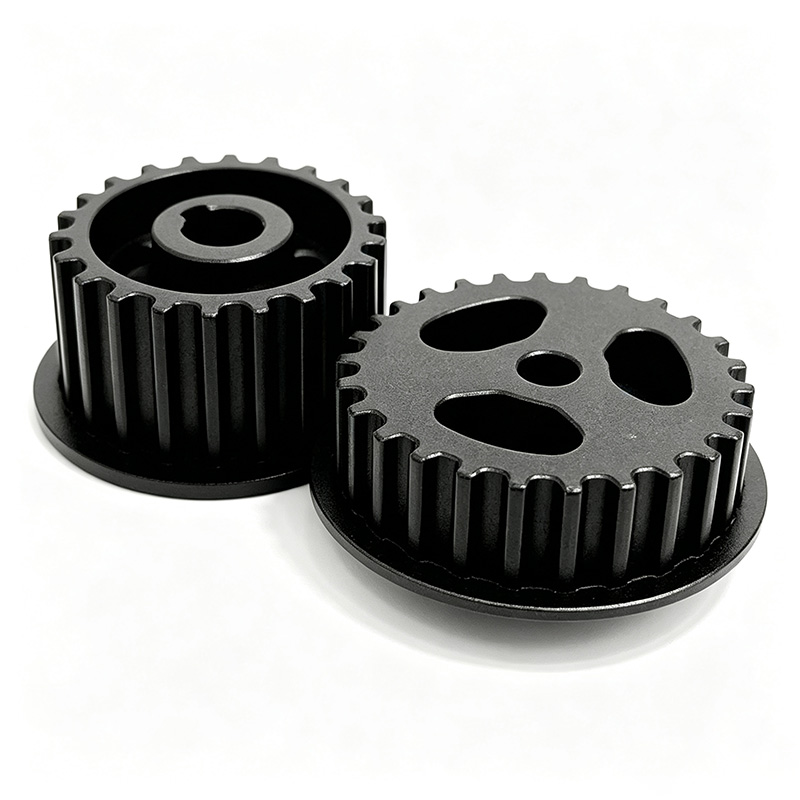
Custom CNC Aluminum Timing Belt Pulleys with Keyway Bore & Lightening Holes for Robot Drives

Custom CNC Stainless Steel Flanged Hub Housings & Bearing Adapter Brackets for Robot Joints

Custom CNC Brass Bulkhead Hose Barb Fittings (M8) Elbow & Straight for UAV Fluid Reservoirs
عملية بسيطة
ماذا يحدث بعد أن تنقر إرسال؟
رسالتك تصل مباشرة إلى مهندسينا الكبار — ويتم الإقرار بفور استلامها.
ندرس متطلباتك ونقترح حلًا عمليًا مع خيارات المادة & العملية.
عرض سعر مفصل مع المواصفات والخيارات وموعد التسليم — بلا رسوم خفية.
وافق على العينة، ثم ننتج بالكمية مع QC كامل وشحن في الوقت المحدد.
واتساب: +86 13790500374
البريد الإلكتروني: info@rejincnc.com

امسح رمز الاستجابة السريعة هذا بتطبيق وي تشات لإضافتنا كجهة اتصال — أرسل الرسومات، واحصل على عروض أسعار خلال 24 ساعة، وتحدث مع مهندسينا مباشرة.
عرض سعر مخصص خلال 24 ساعة
تُحفظ ملفات CAD الخاصة بك بسرية تامة. عرض السعر خلال 24 ساعة.