
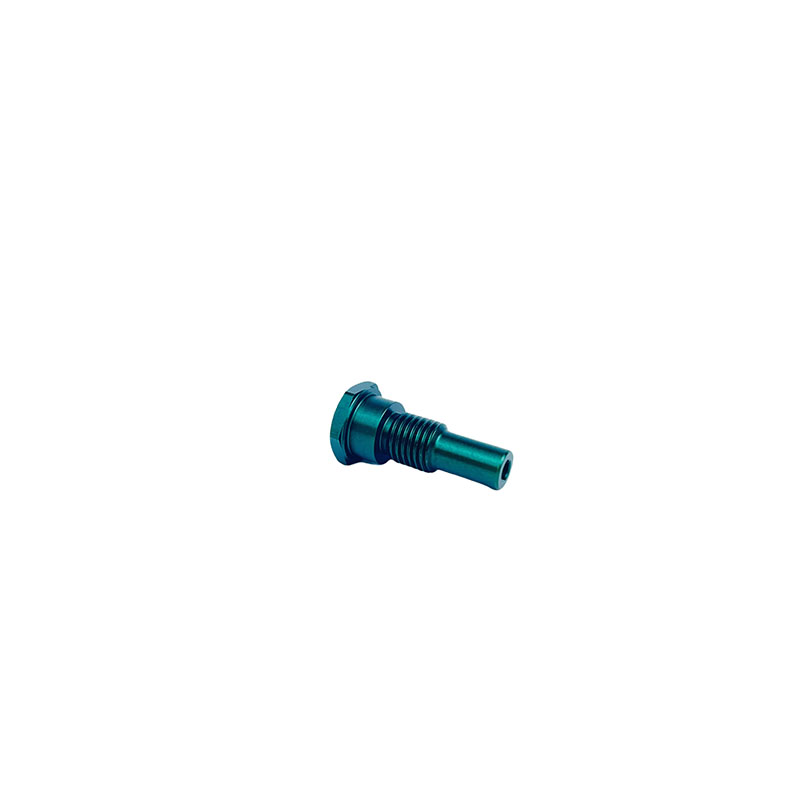
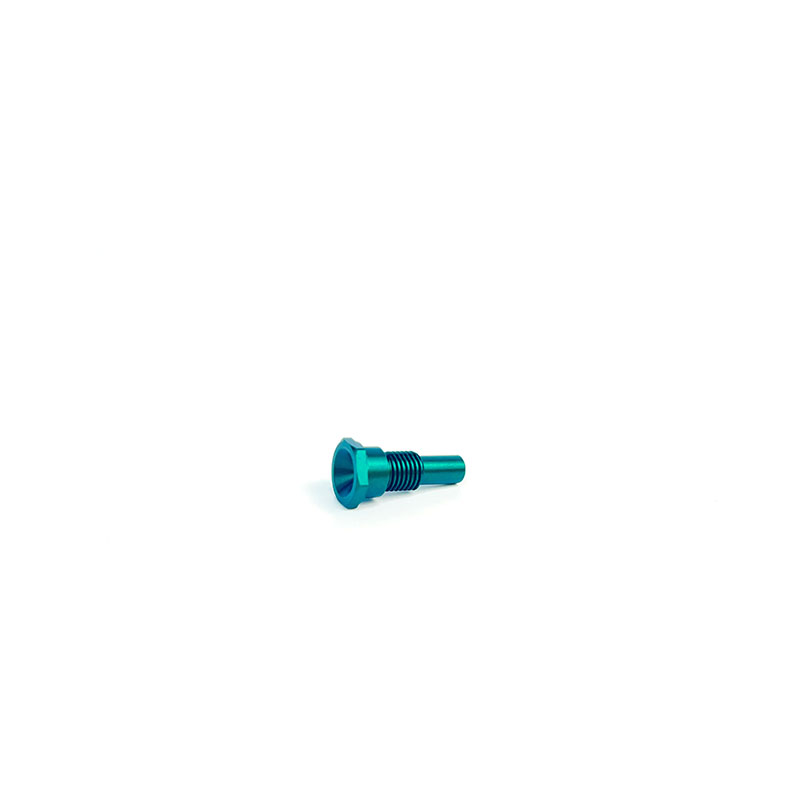
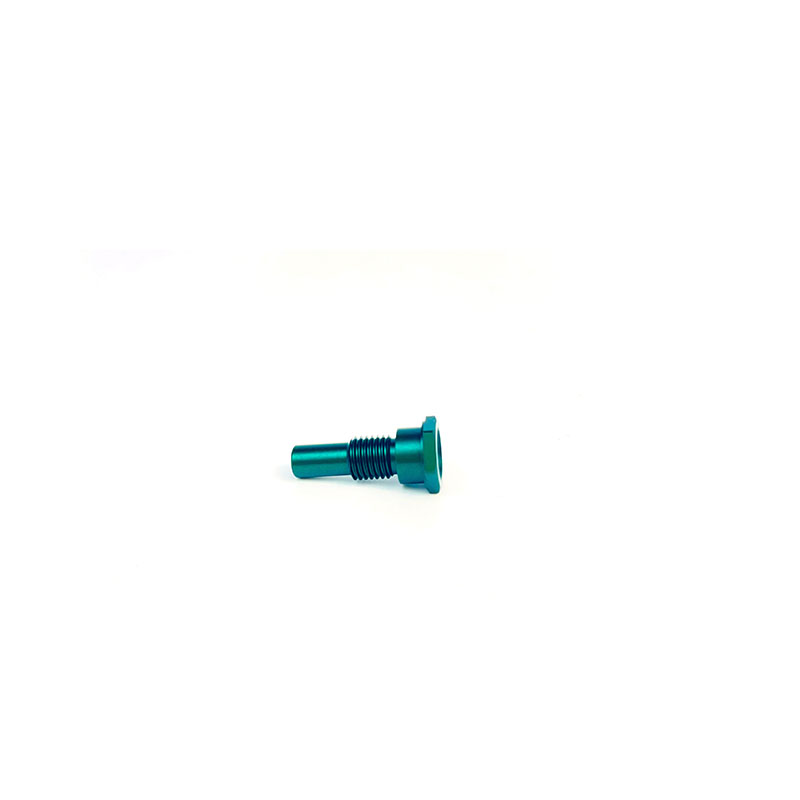
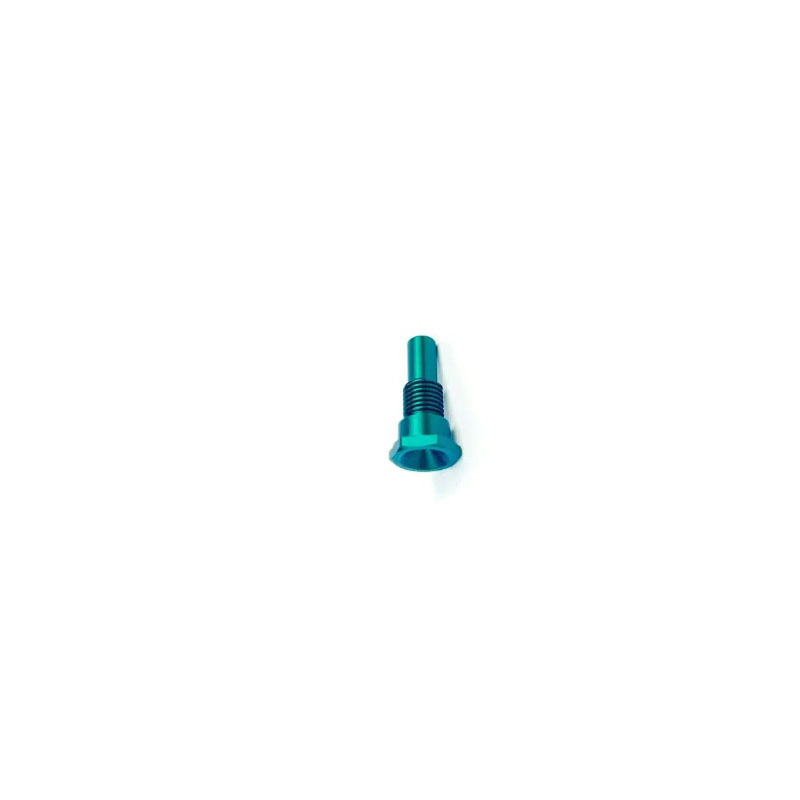
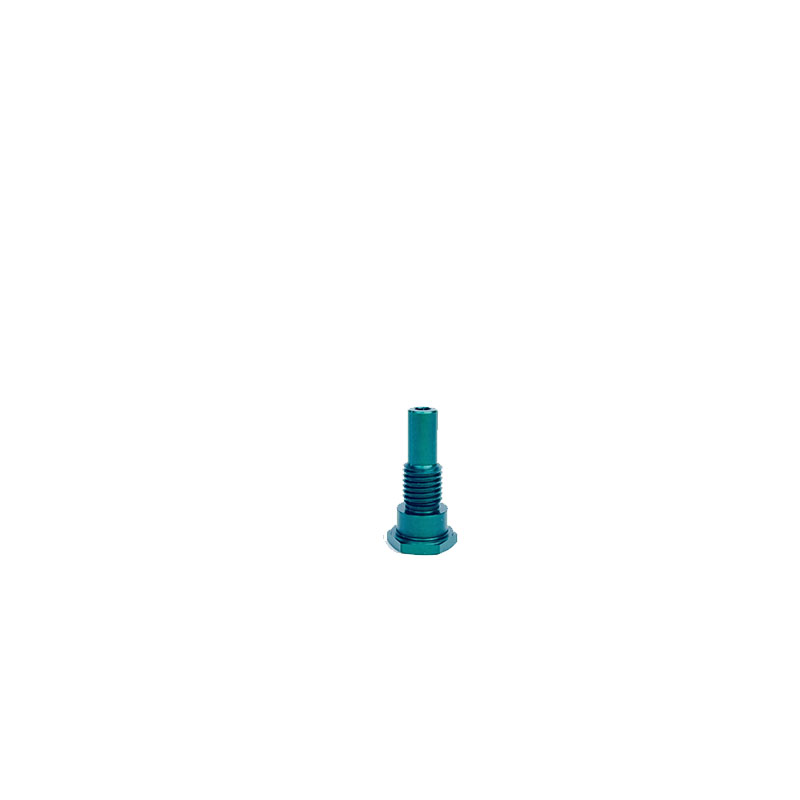
Custom CNC Machined Shock Absorber Bolt in Teal Anodized Aluminum
Custom CNC turn-milled shock absorber bolt in teal anodized 7075-T6 aluminum — a flanged damper fastener with a precision machined thread and a hollow nose, machined from solid bar for weight, fatigue life and repeatable torque.
Thread held to 6g, shank and bore to ±0,01 mm, flange seat square to the thread within 0.02 mm. 100% thread gauging, flow check on hollow parts, FAI and material certificate. Prototypes in 5–10 days.
- Turn-milled from 7075-T6 or 6061-T6 bar in one setup
- Thread rolled or cut to 6g, checked with go/no-go gauges
- Hollow nose and cross holes drilled, deburred and flow-checked
- Flange seat square to thread within 0.02 mm
- Teal Type II anodize 15–25 µm, threads and bore masked
- FAI, EN 10204 3.1 cert, torque and leak test reports
What Is This Shock Absorber Bolt?
This shock absorber bolt is a custom damper fastener: a flanged head seats against the shock eyelet, reservoir fitting or damper rod, the thread takes the clamping load, and the hollow nose carries fluid, locates a damping needle or acts as a pilot, depending on the drawing. It is turn-milled from 7075-T6 bar and teal anodized for weight-sensitive suspension assemblies, custom builds and low-volume OEM projects.
Geometry we machine
- Flange or countersunk head with internal hex socket
- Thread rolled or single-point cut to M6–M16 or inch sizes
- Hollow nose with controlled bore depth, wall thickness and cross holes
- Shoulder, undercut and thread relief sized to the mating damper body
- Laser-marked part number, batch code and torque spec on request
Why aluminum for a damper bolt
A shock bolt sees reversing loads and vibration, so unsprung weight and fatigue matter as much as tensile strength. 7075-T6 gives roughly 1.6 times the yield strength of 6061-T6, which lets us keep the flange and nose thin without sacrificing clamp load. For high-torque applications or repeated assembly, we recommend 4140 steel or 17-4 PH instead; aluminum is the right answer only when the thread is large enough and the joint is torque-controlled. We machine from certified bar, never from cast stock, so there is no porosity under the flange or in the hollow nose.
Thread class, torque and galling
Threads are produced to 6g/6H unless your drawing calls for 4h/6G or a preload specification. Rolled threads put the grain flow along the thread flank and are the better choice for fatigue; cut threads suit single-piece prototypes and unusual pitches. Every batch is checked with go/no-go gauges and a thread micrometer on the pitch diameter. For aluminum bolts, we recommend a torque figure based on the joint, not the bolt alone, and a dry-film lubricant or anti-seize to prevent galling when threading into aluminum. Tell us the target torque and whether the bolt will be reused.
Hollow nose and cross holes
The hollow section is drilled from the nose end before the thread is finished, then cross holes are added if the part needs a fluid passage. We deburr every intersection by hand and with abrasive flow, inspect the bore with a borescope, and flow-test parts that must pass oil or gas. Wall thickness is held to ±0.01 mm on the nose, and the bore is concentric to the thread axis within 0.02 mm so a needle or pin locates without binding. If anodizing would close a small cross hole, we mask it or drill it after coating.
Flange seat and concentricity
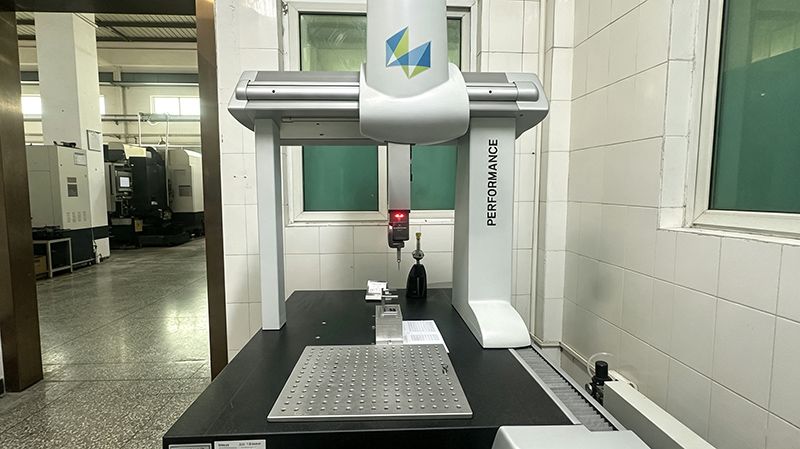
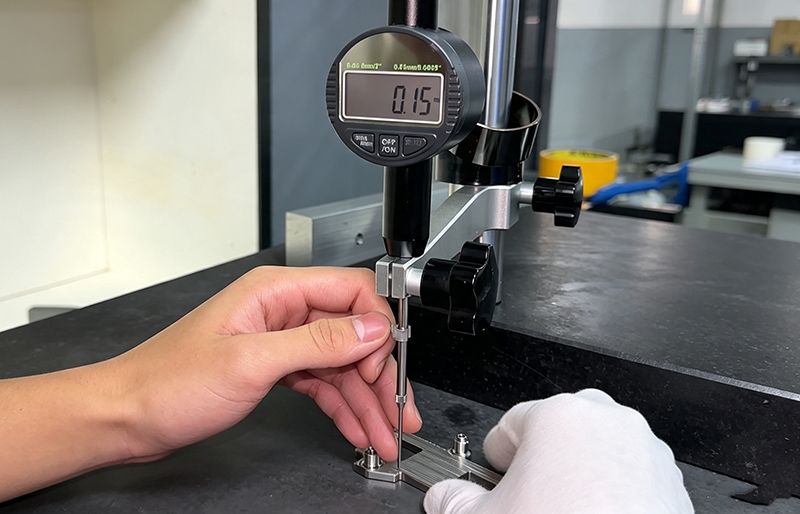
The flange seat is the functional datum: if it is not square to the thread, the bolt rocks under load and loses preload. We turn the seat in the same setup as the thread, hold squareness to 0.02 mm and check it on a CMM with a dial indicator before anodizing. Head concentricity to the thread is held within 0.03 mm so the socket runs true and the bolt does not wobble during assembly.
Anodizing, colour and thread fit
Parts are bead blasted, Type II anodized to 15–25 µm in teal, blue, green, black or red, then sealed. Anodize adds roughly half the coating thickness to each surface, so threads are masked or opened up before coating to keep the 6g fit; the hollow bore is masked where dimensions are critical. Colour is matched within a batch and across repeat orders using the same dye lot. Send a physical sample or Pantone reference if the shade has to match an existing build.
Inspection and documentation
Each batch is checked for thread class, pitch diameter, shank diameter, bore size, wall thickness, cross-hole position, flange squareness and socket depth. Critical fasteners ship with an FAI report, EN 10204 3.1 material certificate, certificate of conformity, dimensional report and RoHS/REACH declaration; torque and leak test reports are available on request. We do not claim automotive type approval; the customer validates the finished assembly.
Send us for a quote
STEP/STP model or a measured sample, thread size and class, material and finish, hollow bore and cross-hole callouts, flange diameter and seat requirement, target torque, quantity and documentation. We return a DFM review covering thread strategy, bore depth, masking and cost, usually within 24 hours.
Capabilities for Shock Absorber Bolts
Turn-Mill One Setup
Flange, thread, shoulder and hollow nose machined from bar in one setup, keeping the seat and thread concentric.
Thread Class and Gauging
Rolled or cut threads to 6g/6H, checked with go/no-go gauges and a pitch-diameter micrometer on every batch.
Hollow Bore and Cross Holes
Nose bore drilled to ±0.01 mm wall, cross holes deburred by hand and abrasive flow, borescope and flow checked.
Flange Seat Geometry
Seat turned in the same setup as the thread, square within 0.02 mm, CMM verified before anodizing.
Anodize with Masking
Teal or custom Type II anodize at 15–25 µm with threads and critical bores masked to protect fit.
Fastener Documentation
FAI, 3.1 material cert, dimensional report, torque and leak test data, RoHS/REACH declaration.
Materiali che lavoriamo
Dall'alluminio di grado aerospaziale alle materie plastiche tecniche certificate per uso medicale, i nostri centri di lavorazione CNC interni lavorano un'ampia gamma di metalli e materie plastiche sotto lo stesso tetto.
Metalli
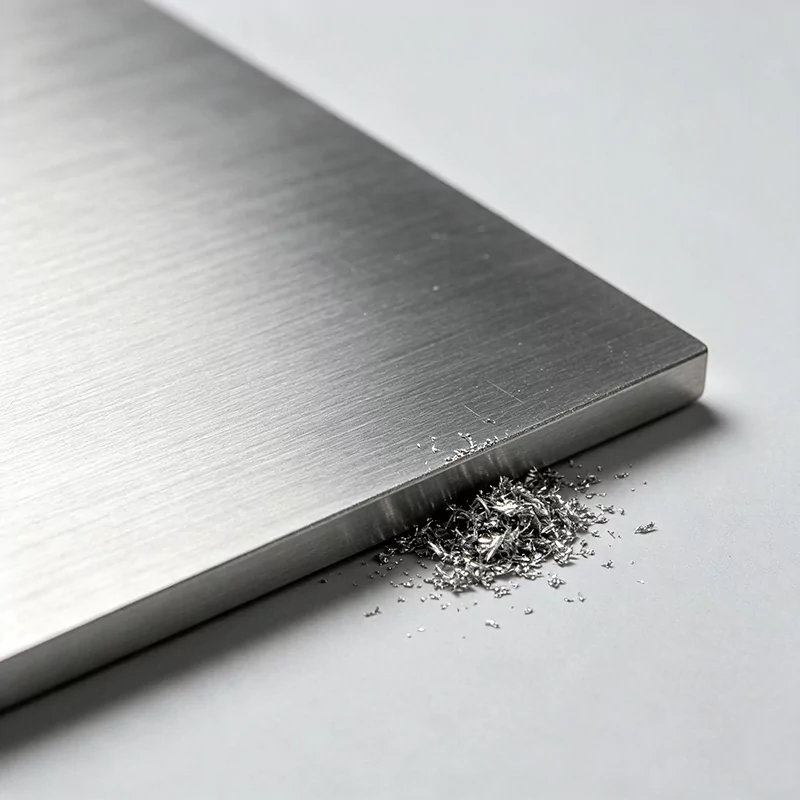
Alluminio
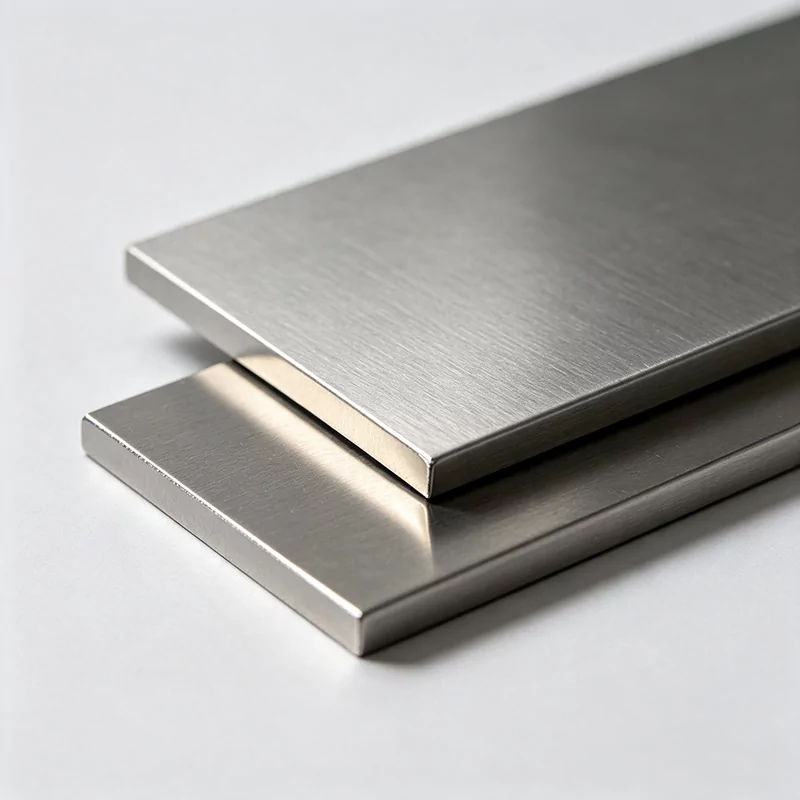
Acciaio inox
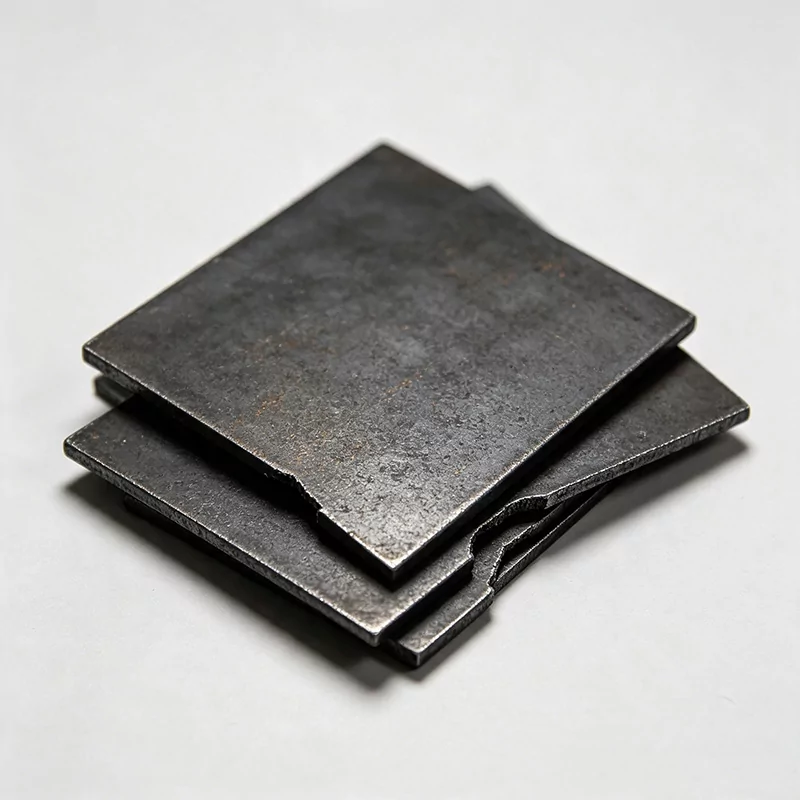
Acciaio al carbonio & legato

Ottone & rame
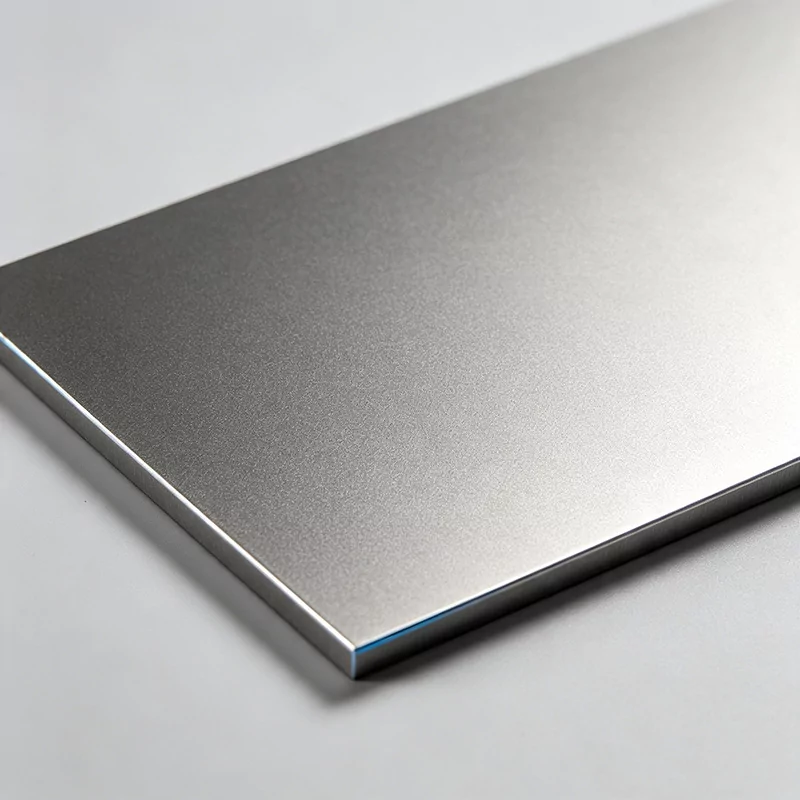
Titanio & materiali speciali
Materie plastiche tecniche
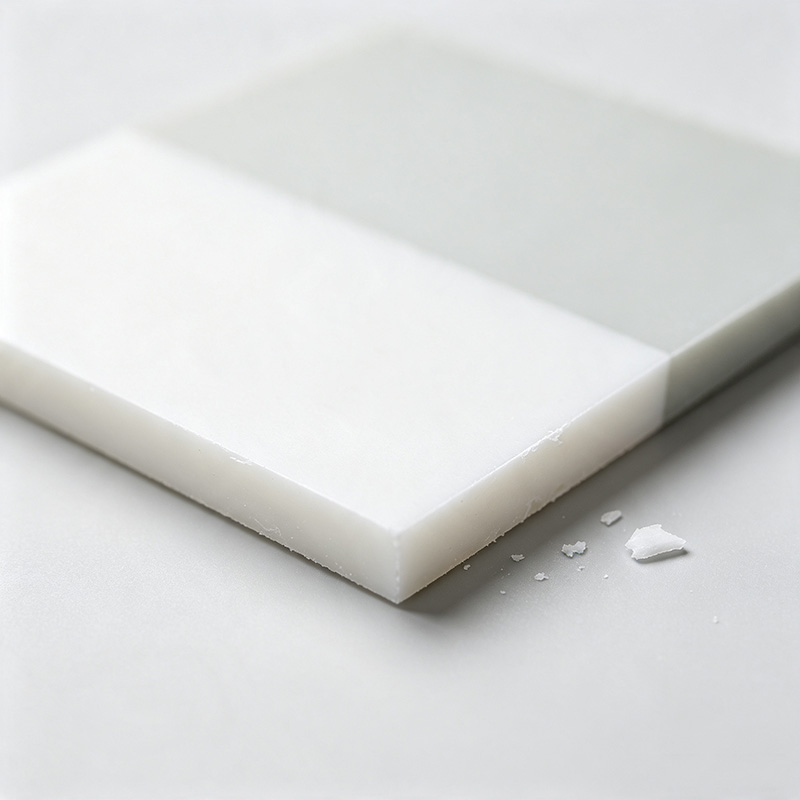
POM (Delrin)
Nylon (PA66)
PTFE (Teflon)
PEEK / PEI (Ultem)
ABS / PC / PMMA
Non trovate il vostro materiale? Inviare il disegno per la revisione — confermeremo la disponibilità e forniremo un preventivo.
Opzioni di finitura superficiale
Finiture funzionali ed estetiche eseguite internamente o tramite partner selezionati.
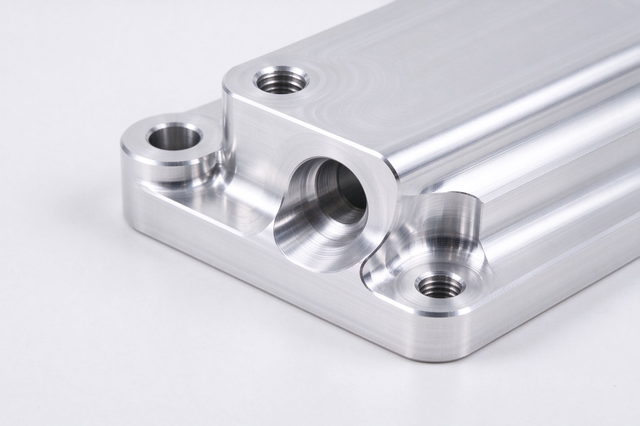
Anodizzazione naturale
Anodizzazione protettiva di Tipo II, finitura argento naturale.
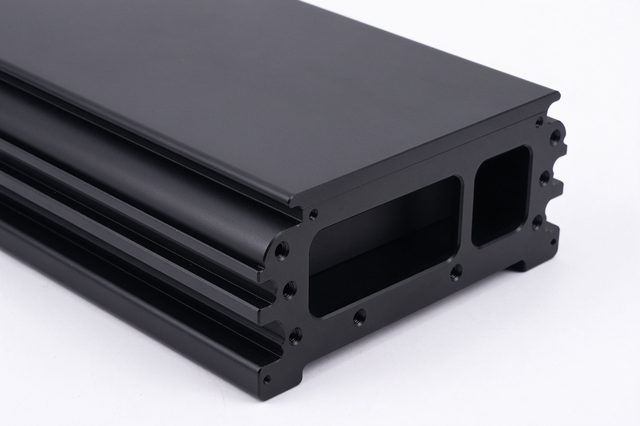
Anodizzazione dura nera
Rivestimento duro di Tipo III, nero resistente all'usura.
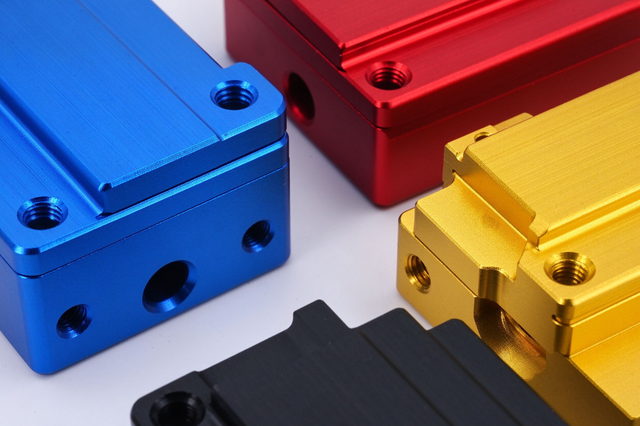
Anodizzazione colorata
Colorazioni blu, rosse, oro e verdi per audio e 3C.
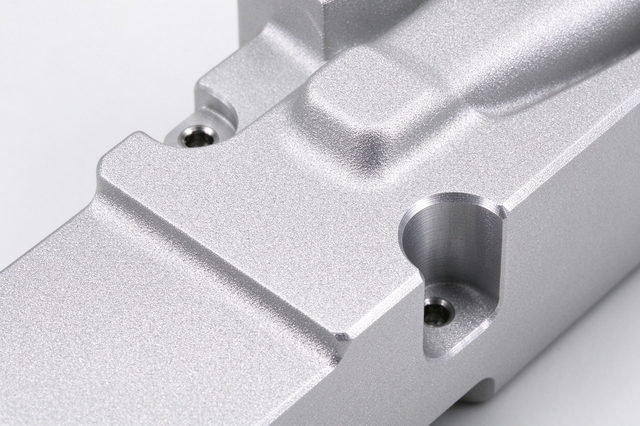
Sabbiatura a microsfere
Texture opaca uniforme, nasconde le tracce di lavorazione.
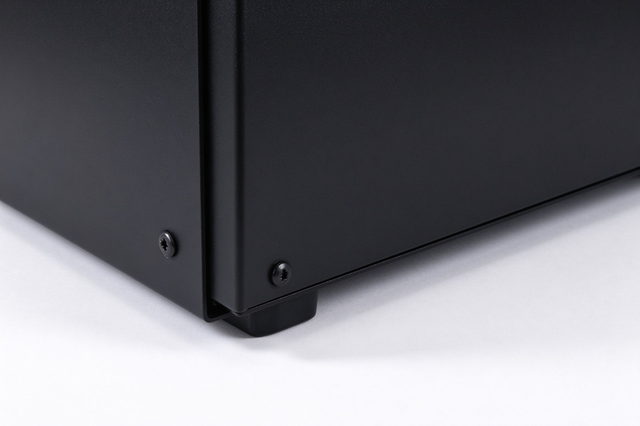
Verniciatura a polvere
Colori RAL durevoli e resistenti alla corrosione.
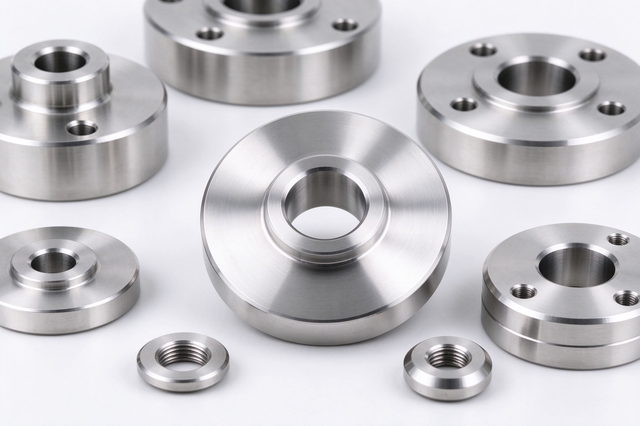
Passivazione
Rimuove il ferro libero, migliora la resistenza alla corrosione dell'inox.
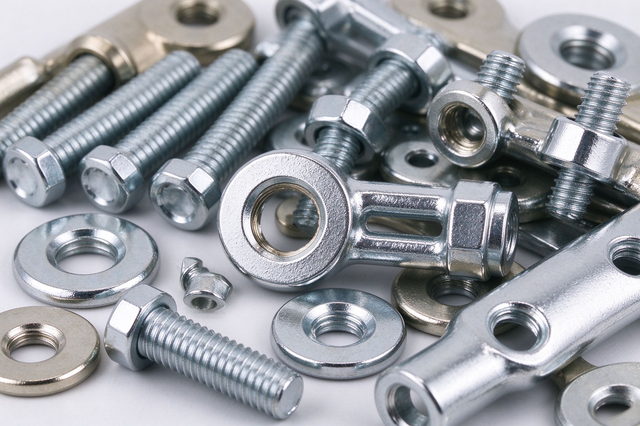
Placcatura
Zinco, nichel, cromo e stagno per i connettori.
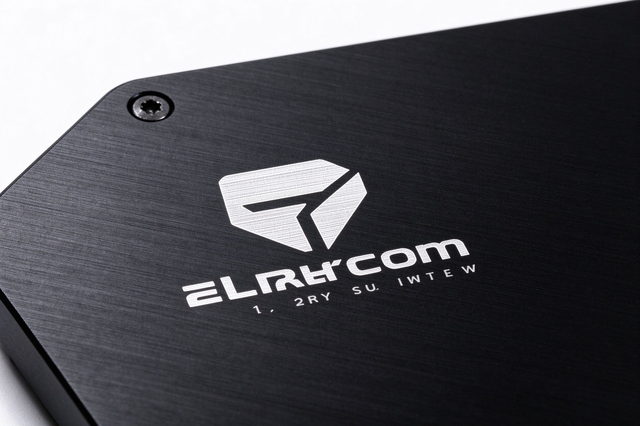
Marcatura laser
Loghi e numeri di serie permanenti, senza contatto.
Dal disegno alla consegna
Qualità che potete verificare
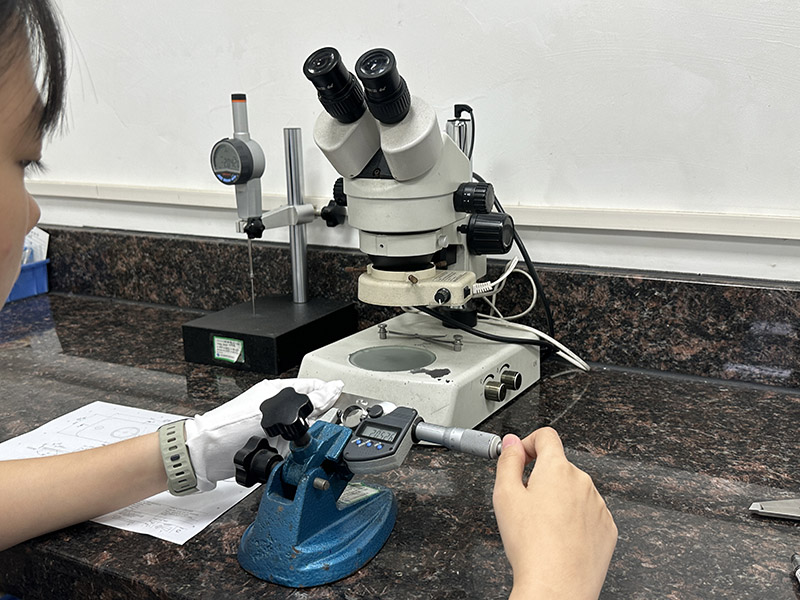
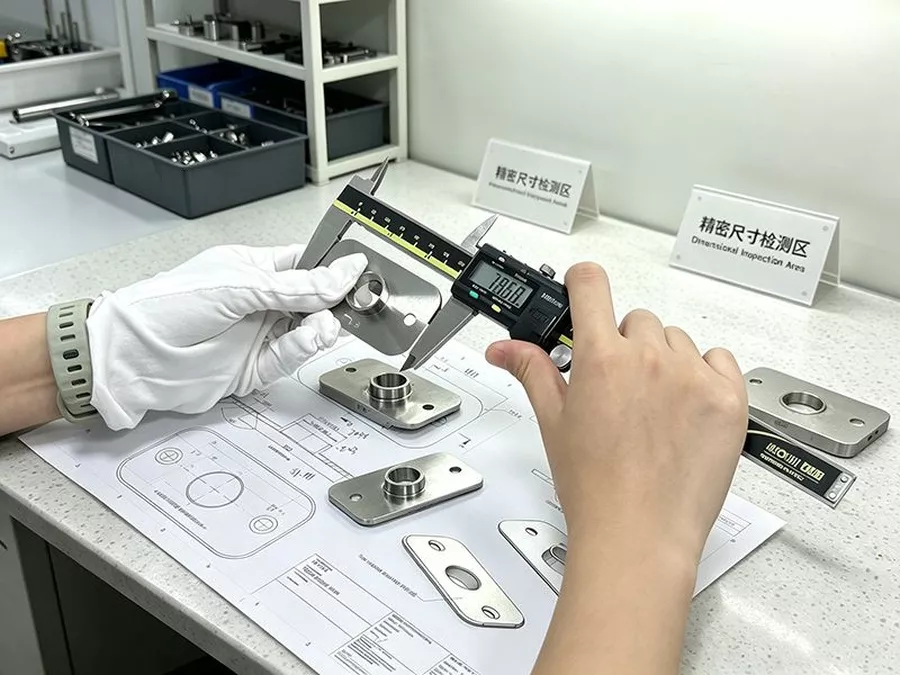


Altri prodotti in questa categoria
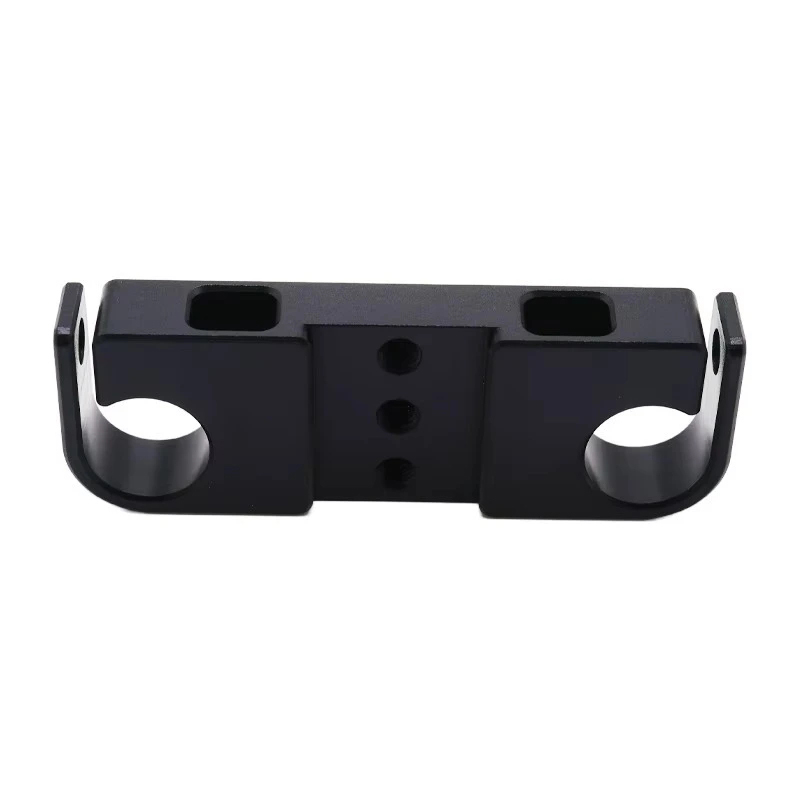
Parti su disegno in alluminio anodizzato nero fresate CNC con fori filettati e passanti per macchinari di precisione, robotica e attrezzature industriali.
Vedi prodotto →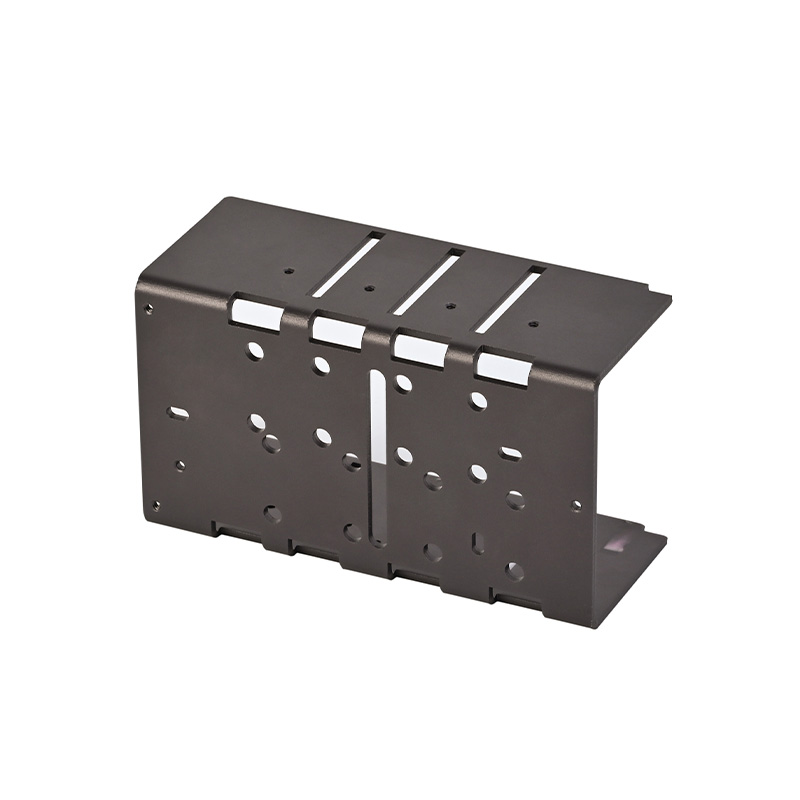
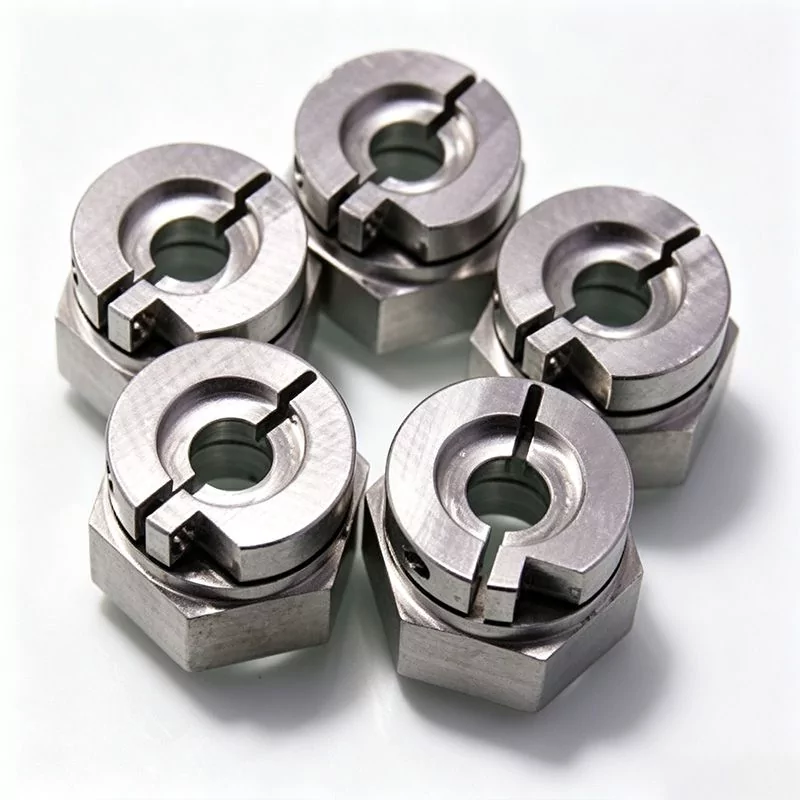
<p>I componenti torniti in alluminio assemblati combinano più caratteristiche tornite e fresate in un'unica parte: un corpo esagonale per la presa della chiave, un mozzo alesato di precisione per l'adattamento all'albero e una scanalatura o spacco per il serraggio. Queste parti fungono da dadi di bloccaggio, collari dell'albero, boccole di serraggio e fissaggi regolabili in macchinari, robotica e apparecchiature ottiche.</p><p>I nostri torni con utensili motorizzati lavorano l'esagono, l'alesaggio e la scanalatura in un solo allestimento, garantendo che l'alesaggio sia concentrico all'esagono e che la scanalatura si allinei all'asse di serraggio. Tolleranza alesaggio +/-0,005mm e anodizzazione interna forniscono un componente finito dimensionalmente stabile e resistente alla corrosione.</p>
Vedi prodotto →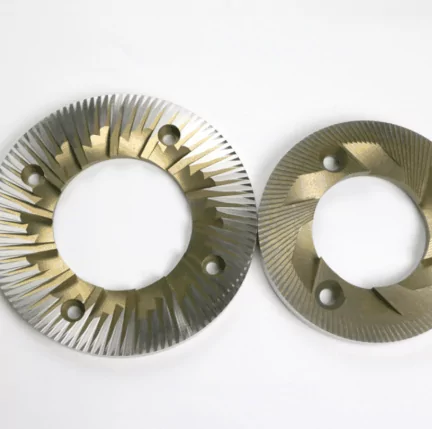
Un produttore professionale specializzato in lavorazione CNC personalizzata e non standard di parti meccaniche. Possiamo realizzare su misura un'ampia gamma di custodie speciali e altri componenti per macchine caffè secondo i requisiti del cliente, con un'ampia selezione di materiali disponibili. Non esiti a contattarci per informazioni!
Vedi prodotto →Dentro la nostra fabbrica — oltre 200 macchine sotto lo stesso tetto
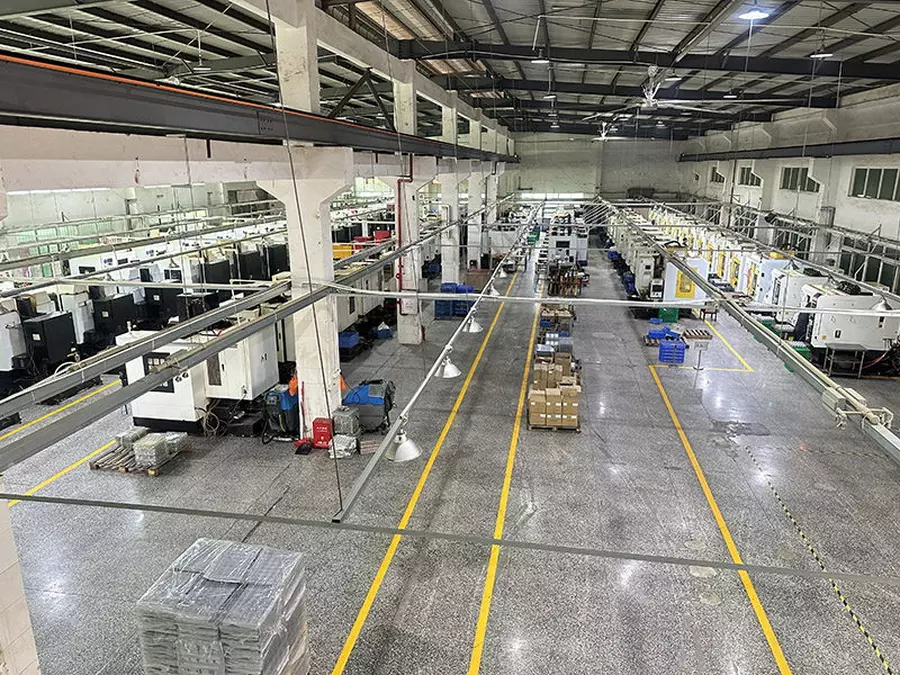
Centri di lavorazione verticali
Centri verticali ad alta efficienza per la produzione di parti metalliche in prototipo, medi lotti e grandi serie.
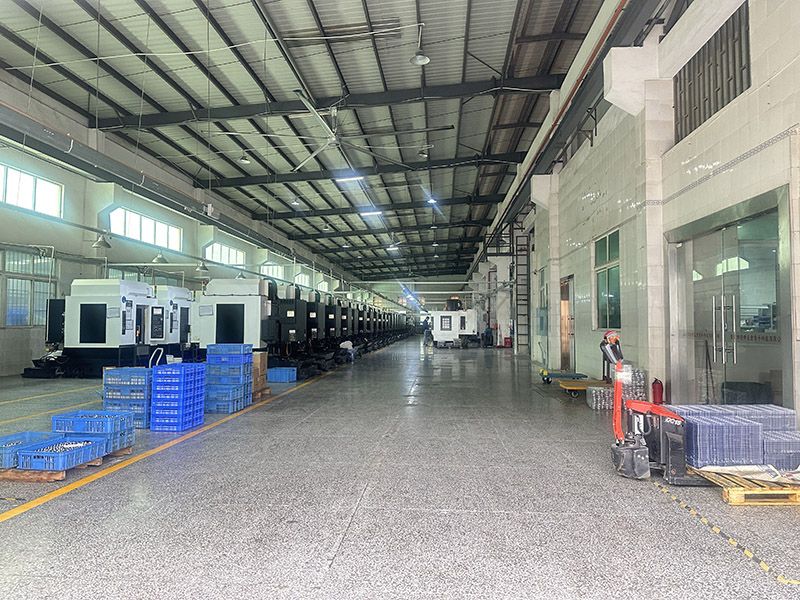
Centri di lavorazione foratura & maschiatura
Foratura, maschiatura e fresatura integrate accorciano i tempi di consegna degli scatoli in alluminio.
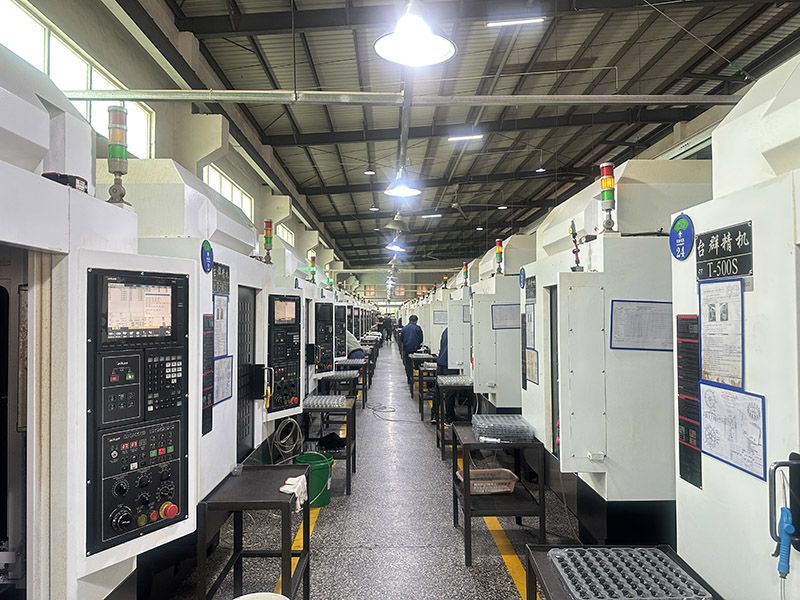
Reparto di lavorazione multifunzione
Linee combinate di foratura-fresatura a supporto sia di piccoli lotti sia di ordini OEM di volume.
Officina di produzione CNC
Zone di produzione ben organizzate a supporto di tutto, dai pezzi unici ai programmi di grande serie.
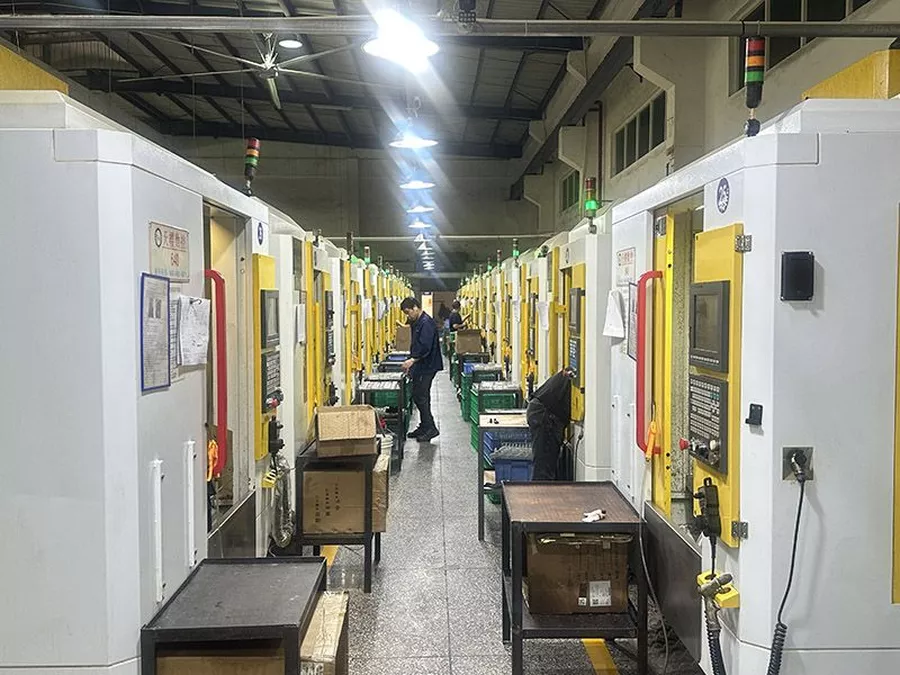
Linee CNC standard
Un layout di linea sistematico aumenta l'efficienza di lavorazione e garantisce consegne puntuali.
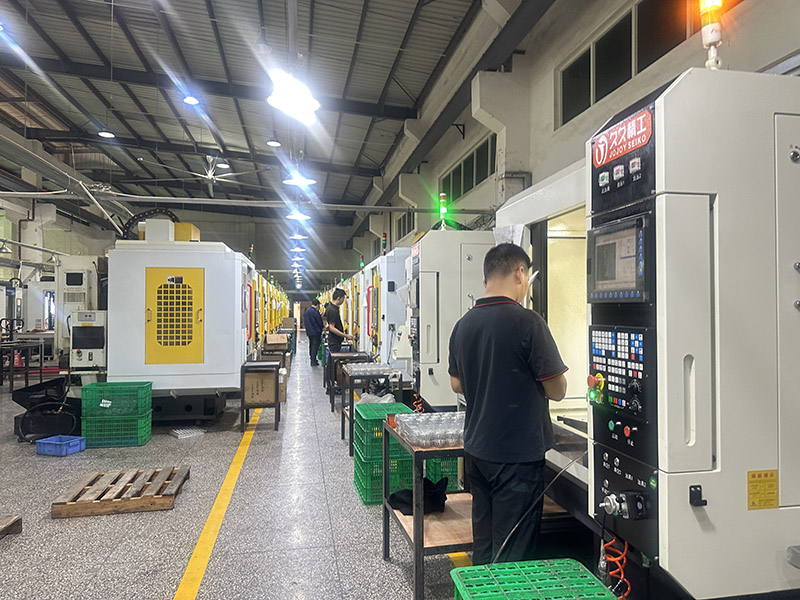
Attrezzatura di lavorazione a 5 assi
Un completo set di attrezzature CNC consente un funzionamento continuo e stabile per volumi OEM.
Dongguan, Cina · oltre 200 macchine CNC · anodizzazione & taglio laser interni · visitatori e ispezioni di terze parti sono i benvenuti.
Qualità, ingegneria & logistica — Pensata per gli acquirenti globali

Certificazione IATF 16949 & ISO 9001
Sistema di gestione qualità pienamente certificato. Ogni lotto viene spedito con certificati dei materiali e report di ispezione affidabili.

Supporto ingegneristico DFM gratuito
I nostri ingegneri esaminano ogni disegno in anticipo — segnalando tolleranze, sottosquadri e fattori di costo prima di tagliare il primo truciolo.

Imballaggio sicuro & spedizione globale
Schiuma personalizzata, casse in legno e imballaggi pronti per FBA. Trasporto porta a porta verso oltre 60 paesi con tracciamento completo.
Domande frequenti
Should a shock absorber bolt be aluminum or steel?
What thread class and tolerance do you hold?
Can you machine a hollow nose and cross holes?
Will anodizing change the thread fit?
How do you prevent galling and lost preload?
What is the minimum order and lead time?
PROCESSO SEMPLICE
Cosa succede dopo che cliccate Invia?
Il vostro messaggio arriva direttamente ai nostri ingegneri senior — con conferma immediata.
Studiamo i vostri requisiti e proponiamo una soluzione realizzabile con opzioni di materiale & processo.
Preventivo dettagliato con specifiche, opzioni e tempi di consegna — nessun costo nascosto.
Approvate il campione, quindi produciamo in serie con QC completo e spedizione puntuale.
WhatsApp: +86 13790500374
Email: info@rejincnc.com

Scansionate questo codice QR con la vostra app WeChat per aggiungerci come contatto — inviate disegni, ricevete preventivi entro 24 ore e chattate direttamente con i nostri ingegneri.
Preventivo personalizzato entro 24 ore
I vostri file CAD sono mantenuti strettamente riservati. Preventivo entro 24 ore.