How to Achieve ±0.01mm Tolerances in Precision CNC Machining
How to Achieve ±0.01mm Tolerances in Precision CNC Machining
Ils étaient
24th juillet 2026
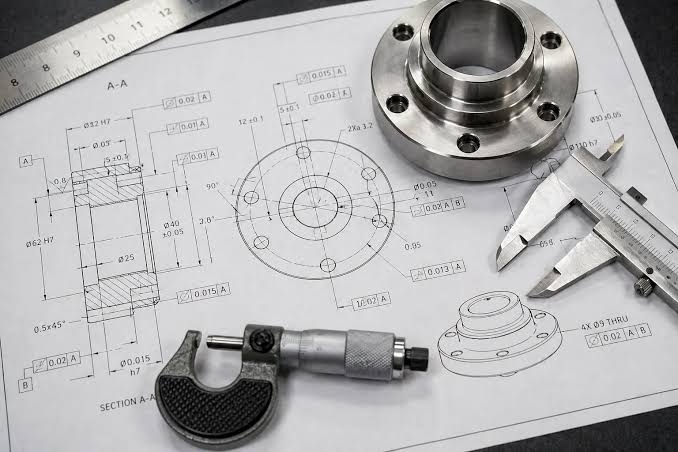
In the world of high-end manufacturing, the difference between a high-performing assembly and a mechanical failure often lies within a few microns. At CNC de Rejin, we have spent over 23 years refining tight tolerance CNC machining and high precision CNC machining processes. Based in the manufacturing hub of Dongguan, our team manages a fleet of over 100 advanced machining centers to deliver micron-precision metal parts for sectors ranging from professional audio to aerospace fluid systems. This guide explains the technical rigor required to consistently maintain ±0.01mm tolerances across large-scale CNC machining production runs.
The Definition of Precision: What Does ±0.01mm Look Like?
A ±0.01mm tolerance is approximately one-seventh the thickness of a single human hair. Achieving it in a laboratory is one thing; maintaining it across a monthly output of 20,000 units requires stable precision CNC machining processes, controlled equipment, and repeatable inspection.
Visualizing Micron Precision in High-End Industries
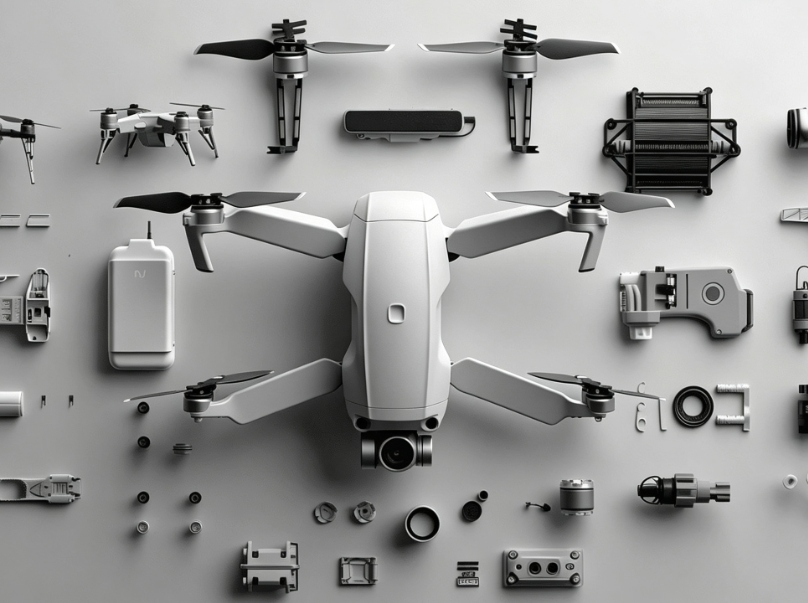
In industries such as 3C electronics and UAV manufacturing, micron tolerance CNC machining is fundamental to functional integrity.
Interference-fit components: Many UAV structural partsrequire a press-fit where tolerances must be strictly controlled. Aerospace CNC machining and UAV parts CNC machining must ensure components remain secure under high-vibration flight conditions.
RF shielding and thermal management: For AI smart devices, the contact surface between a heat sink and processor must be extremely flat, often within Ra 0.8μm, to support efficient thermal transfer. This requires precision aluminum CNC machining and carefully controlled surface finishing.
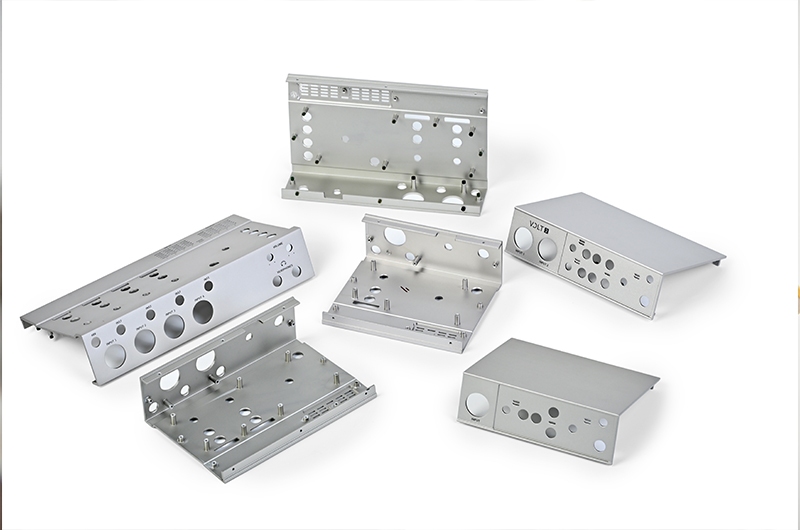
Aesthetic continuity: In professional audio, high-end knobs and interface panels must maintain a gap-free fit with the main enclosure. Audio component CNC machining must eliminate visible misalignment while preserving consistent texture, finish, and tactile quality.
The Cost of Tolerance: Precision vs. Manufacturability
Teams need to settle on the right tolerance early. They must weigh whether ±0.01 mm really matters for function or if it simply drives up the price of custom CNC machining.
Technical thresholds: Most shops hold ±0.02mm as standard. Reaching ±0.01mm calls for special tool paths, slower feeds, and extra checks at each step.
Batch size considerations: Simple brackets or flat sheets often shift to precision stamping once volumes pass 5,000 units a month. Yet parts with deep pockets or complex 3D shapes stay with CNC machining because stamping cannot match those details.
Material sensitivity: 6061 aluminum CNC machining holds steady under normal conditions. Stainless steel CNC machining and titanium CNC machining, however, demand closer watch on tool wear, heat buildup, and offset corrections.
Temperature-Controlled Workshops and Coolant Selection
Heat creates real problems for precise CNC machining. Materials expand when temperatures shift. A 5°C change in the workshop can stretch a 100mm aluminum part by roughly 0.011mm. That movement can push the part out of tolerance before any cutting starts.
Mitigating the Impact of Thermal Expansion in CNC Machining
Shops that target tight tolerances need a clear picture of how heat moves through the part and the machine.
Workpiece expansion: Cutting friction warms the metal in one spot. The part grows while the tool is working and then shrinks again once it cools.
Spindle growth: High-speed spindles build heat inside the housing. This heat shifts the tool tip along the Z-axis and creates measurable drift over time.
Compensation logic: Advanced machines read temperature at key points. The controller then shifts the tool path to match the actual size at that moment.
Environmental Control and Advanced Cooling Strategies
Steady results depend on keeping the whole workspace at one temperature. The machine, raw stock, tools, and air all stay within a narrow range.
Climate-controlled workshops: At Rejin CNC, the high-precision lines run inside rooms held at constant temperature. This reduces size changes caused by outside air shifts.
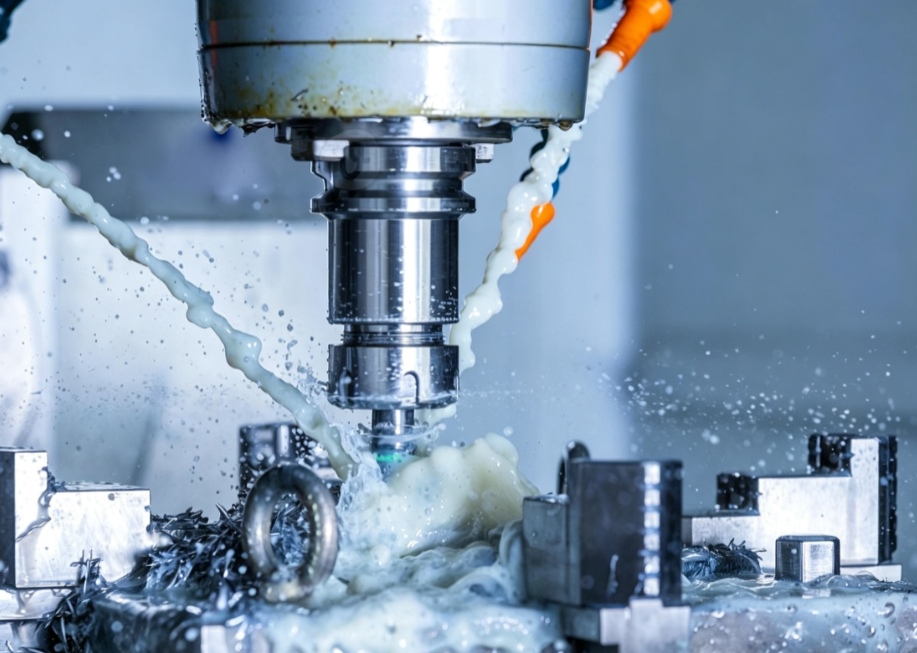
High-pressure coolant systems: Coolant moves through the spindle at up to 1,000 PSI. It carries heat away from the cut zone right away. The approach supports tight tolerances and limits how much warmth the part absorbs.
Strategic material soaking: Critical jobs start with stock that sits in the workshop for 24 hours. The material reaches the same temperature as the machine before work begins.
Hardware Requirements for Ultra-High-Precision Output
Even advanced software cannot compensate for weak machine rigidity. To maintain ±0.01mm, industrial CNC machining equipment must resist cutting forces without excessive deflection or vibration.
Equipment selection is a major differentiator for B2B buyers seeking reliable custom CNC machining services.
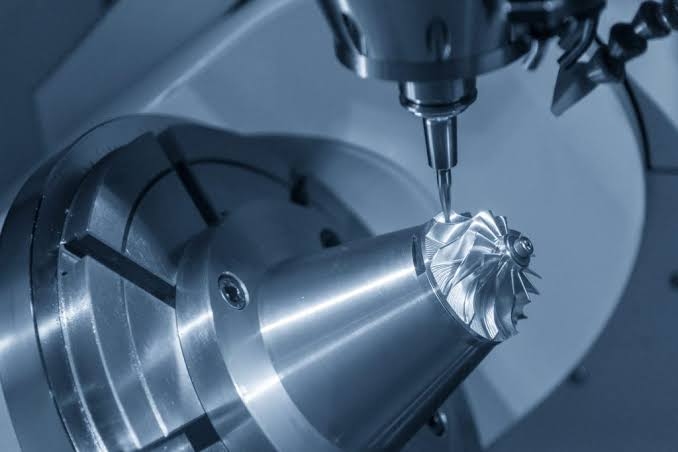
Integrated multi-axis machining: usinage CNC à 5 axescenters from brands such as Mazak allow five sides of a complex component to be processed in one setup. This reduces cumulative positioning error caused by moving a part between multiple 3-axis CNC machining fixtures.
Superior dampening: Heavy cast-iron bases and rigid guideway structures provide the stability required for precision surface CNC machining and finishesof Ra 0.8μm or better.
Spindle RPM stability: Stable torque and spindle speed reduce harmonic vibration and chatter during micron precision CNC machining, especially on thin walls, deep cavities, and high-aspect-ratio features.
Dynamic Tool Wear Compensation and Spindle Stability
A stable cutting edge is essential in production CNC machining because worn tools increase cutting pressure, heat, and dimensional variation.
In-process probing: Automated tool-setting probes check wear after a defined number of parts. If the tool diameter changes by only a few microns, the CNC machining center can automatically adjust the machining offset.
Standardized tool life cycles: Instead of running tools until failure, we use pre-emptive replacement schedules based on verified tool-life data. This supports repeatable batch CNC machining across 10,000-unit production runs.
Rigid workholding: Custom fixtures, vacuum plates, and hydraulic clamps prevent movement and vibration during high-speed CNC machining and complex geometry CNC machining.
Verifying Results with Zeiss Coordinate Measuring Machines
A CNC machining manufacturer is only as credible as its inspection data. Rejin CNC connects production and verification through a structured precision CNC machining quality control system.
Verification via Zeiss CMM and Optical Profile Measurement
Calipers and standard micrometers are not sufficient for complex 3D geometry CNC machining or tight concentricity requirements.
CMM accuracy: Our Zeiss CMM creates a digital map of the component and verifies points in three-dimensional space with sub-micron measurement capability.
Concentricity and roundness: For automotive CNC machining parts, shaft sleeves, and fluid connectors, optical profile projectors verify threads, roundness, and concentricity to support leak-free performance.
100% inspection options: Statistical sampling is used for many precision CNC machining orders, while critical medical CNC machining and aerospace CNC machining projects can receive 100% inspection.
Documenting Traceability for Automotive and Medical Sectors
Transparency is a key requirement for IATF 16949 automotive CNC machining and ISO 13485 medical CNC machining compliance.
Detailed FAIR reports: Every new custom CNC machining project begins with a First Article Inspection Report documenting each critical dimension before mass production.
Material certifications: Full material traceability is available for 304 and 316 stainless steel CNC machining, as well as 6061 and 7075 aluminum CNC machining.
Standardized quality documentation: Clients receive dimensional reports and inspection records with each batch, creating a clear audit trail for regulated precision CNC machining applications.
Success Stories: Applications of ±0.01mm Precision
Case Study 1: Premium Audio Hardware for a European Brand
The challenge: A European headphone brand needed aluminum enclosures. The parts had to carry a clean brushed finish and hold a tight ±0.01mm fit for the internal driver assembly.
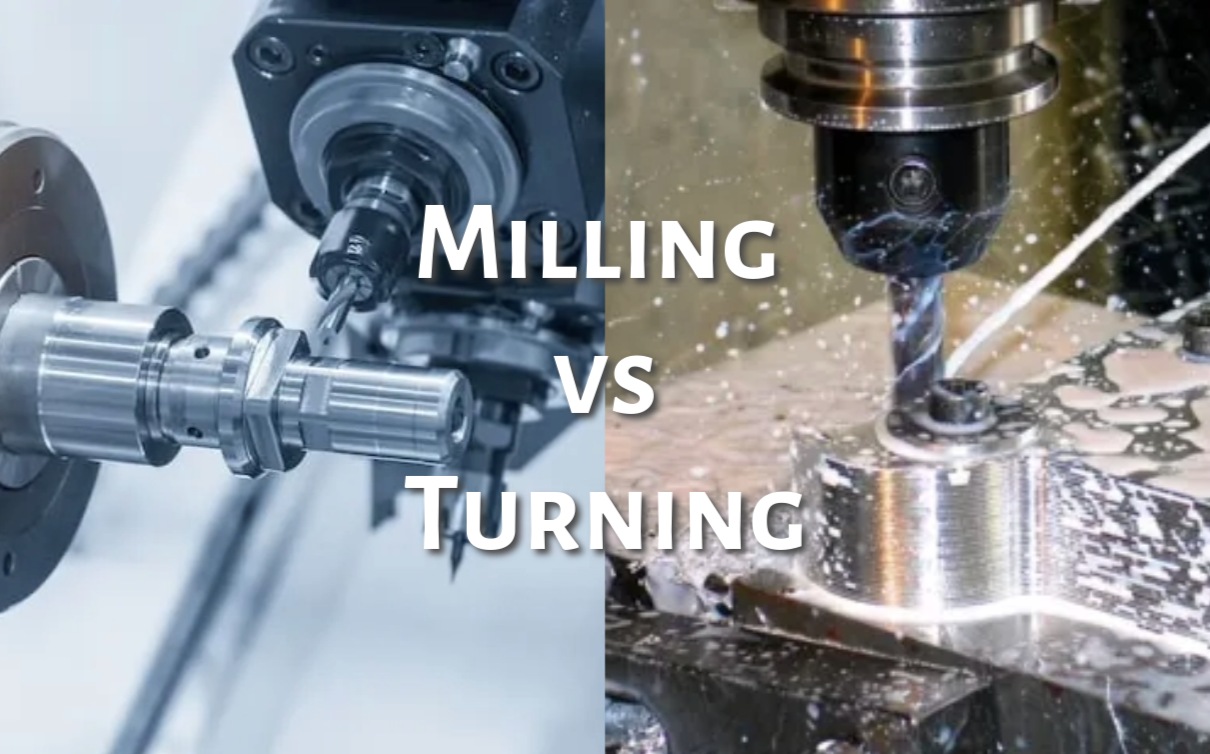
The solution: We paired CNC turning with milling and added precision aluminum CNC machining plus automated anodizing. A steady horizontal brushing step kept the look and size uniform across more than 20,000 units per month.
The result: The brand saw repurchase rates climb 20 percent. Customers noticed the improved feel and better part fit.
Case Study 2: Automotive Fluid Connectors for a Tier 1 Supplier
The challenge: A Tier 1 automotive supplier needed AISI 304 connectors for a fluid transfer module. The internal threads and sealing shoulders had to stay highly concentric so the parts would not leak under repeated pressure cycles.
The solution: We ran 4-axis CNC machining centers that combined thread tapping and precision grinding in one setup. Every part then passed plug-gauge checks and optical profile inspection.
The result: The pilot batch reached a 99.5 percent pass rate. Mass CNC machining production followed with full on-time delivery.
Pourquoi collaborer avec Rejin CNC?
Choosing a supplier involves more than machine capacity; it requires an engineering partner capable of supporting prototype CNC machining, low-volume CNC machining, and high-volume CNC machining.
23+ years of technical depth: Founded by an engineer for engineers.
Scalable production: From one-piece rapid prototype CNC machining to monthly production volumes of up to 100,000 units.
Vertical integration: In-house CNC machining, automated anodizing, inspection, and DFM support under one roof.
Global reliability: Serving 8,000+ clients across 150+ countries with IATF 16949-certified quality systems.
Ready to improve your product precision?
Email: info@rejincnc.com
Phone:+86 13790500374
FAQ (questions fréquentes)
Q: How do humidity and heat affect micron-level CNC machining tolerances?
A: Temperature changes make machines and parts grow or shrink. This leads to size shifts during cuts. Shops with steady climate control plus software that adjusts for heat keep micron tolerances steady in CNC work.
Q: How does material selection affect achievable CNC machining tolerance?
A: Stainless steel and titanium create more heat and wear tools faster than 6061 aluminum. Material traits set the needed machine strength, cooling approach, speeds, and check frequency.
Q: At what volume should a buyer switch from CNC machining to stamping?
A: Simple parts reach the switch point at roughly 5,000 to 10,000 units. Parts with deep pockets, internal 3D details, tricky surfaces, or uneven walls often stay with CNC only.
Q: Why is CMM verification essential for high-precision CNC machining parts?
A: Hand tools miss complex shapes, flatness, positions, or roundness. CMM checks give clear digital proof and support IATF 16949 and ISO 13485 records.
Le processus de commande est simple :
1.Submit vos fichiers de conception
2.Select matériaux et processus de fabrication
3.Receive devis
4.Confirmez la commande
5.Production et livraison
Nous offrons une large gamme de services, y compris les services d'usinage CNC, la fabrication de tôles, les solutions de finition de surface et le support d'analyse DFM.
Nous offrons plusieurs matériaux d'usinage CNC, tels que le cuivre (Cu), le fer (Fe), l'aluminium (Al), l'acier inoxydable et les plastiques d'ingénierie.
Nous acceptons la carte de crédit, PayPal et le virement bancaire T / T.
- Oui, oui. Vous pouvez suivre votre commande via notre système de suivi en ligne ou contacter notre équipe d'assistance via l'équipe d'assistance à la clientèle.
Notre usinage CNC offre une haute précision, généralement avec une tolérance allant jusqu'à ±0,005mm, en fonction du matériau et de la complexité de la pièce.
- Oui, oui. Nous offrons une assistance en conception et en ingénierie pour donner vie à vos idées. Notre équipe peut vous aider avec la conception de produits, le prototypage et l'optimisation.
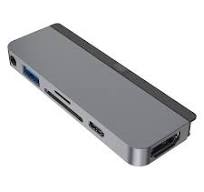
Nos moyeux iPad sont usinés CNC à partir de matériaux métalliques de haute qualité, offrant une structure stable, une dissipation de chaleur efficace et une interface précise
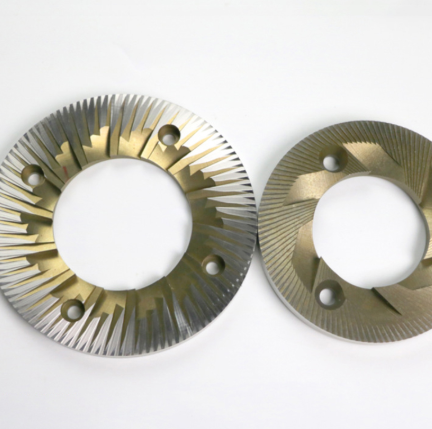
Un fabricant professionnel spécialisé dans l'usinage CNC personnalisé et non standard de pièces mécaniques. Nous pouvons personnaliser une large gamme de boîtiers spéciaux et d'autres composants de machine à café selon les exigences du client, avec une large sélection de matériaux disponibles. N'hésitez pas à nous contacter pour toute demande!
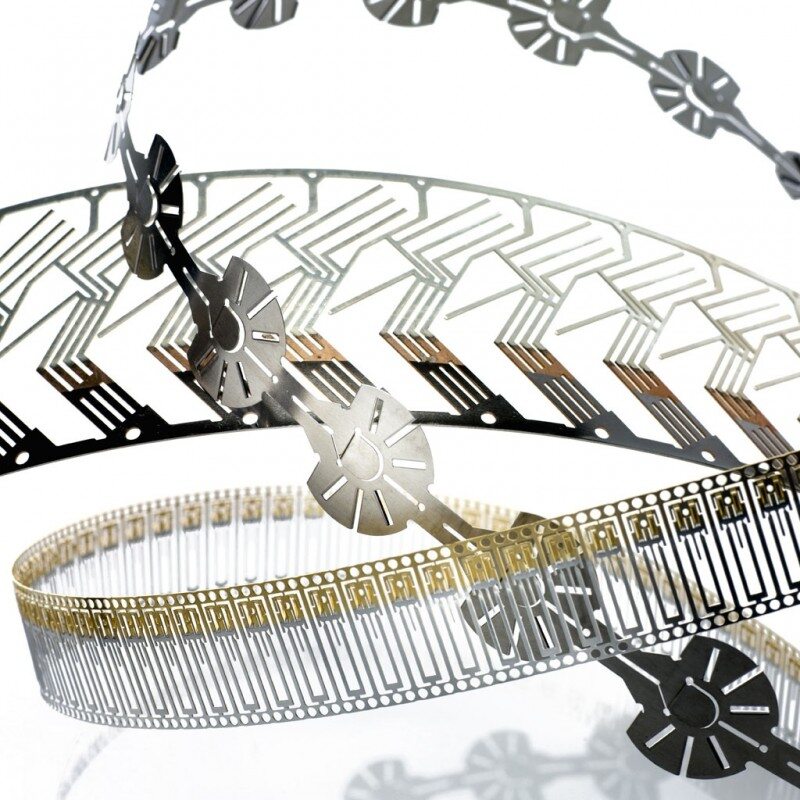
Rejin CNC fabrique des pièces d'estampage de précision avec une grande précision dimensionnelle et une qualité constante. Nos composants d'estampage métallique sont largement utilisés dans l'électronique, l'automobile et l'équipement industriel, soutenant la production OEM & ODM.
Ces composants robotiques usinés par CNC sont conçus pour des systèmes robotiques, y compris des pièces jointes, des arbres et des composants structurels. La haute précision assure un mouvement en douceur et une stabilité à long terme.
Rejin CNC | Custom CNC Machining & Sheet Metal Manufacturer
From Blueprint To Finished Precision Metal Parts | ISO & IATF Certified Custom OEM Factory
Upload your CAD drawings & specifications, get a customized quotation within 24 hours. We provide free design support, ultra-tight tolerance machining and full quality inspection for all OEM orders.


 Ils étaient