 Sie waren
Die weltweite Produktionslandschaft steht vor einem tiefgreifenden Wandel. Mit Blick auf das Jahr 2026 weicht die Fertigung großer Serien von Standardbauteilen dem Bedarf an hochpräzisen, kleinseriengefertigten Einzelteilen. Branchen wie die Luft- und Raumfahrt, die Medizintechnik und die Elektromobilität akzeptieren keine Standardlösungen mehr. Stattdessen benötigen sie maßgeschneiderte Formen, die mehrere Funktionen in einem Bauteil vereinen.
Für Produzenten erfordert das Erreichen der Marktziele mehr als nur einfache Falt- und Schneidetechniken. CNC von RejinWir erleben diesen Wandel hautnah mit. Die Blechbearbeitung ist nicht mehr nur ein unterstützender Arbeitsschritt. Sie hat sich zu einem hochentwickelten Bereich entwickelt, der mehrachsige CNC-Bearbeitung, verbesserte Materialkenntnisse und datenbasierte Qualitätskontrollen umfasst.
Warum sind Sonderanfertigungen heutzutage die übliche Wahl? Der Hauptgrund liegt im rasanten Anstieg der Detailanforderungen an moderne Maschinen.
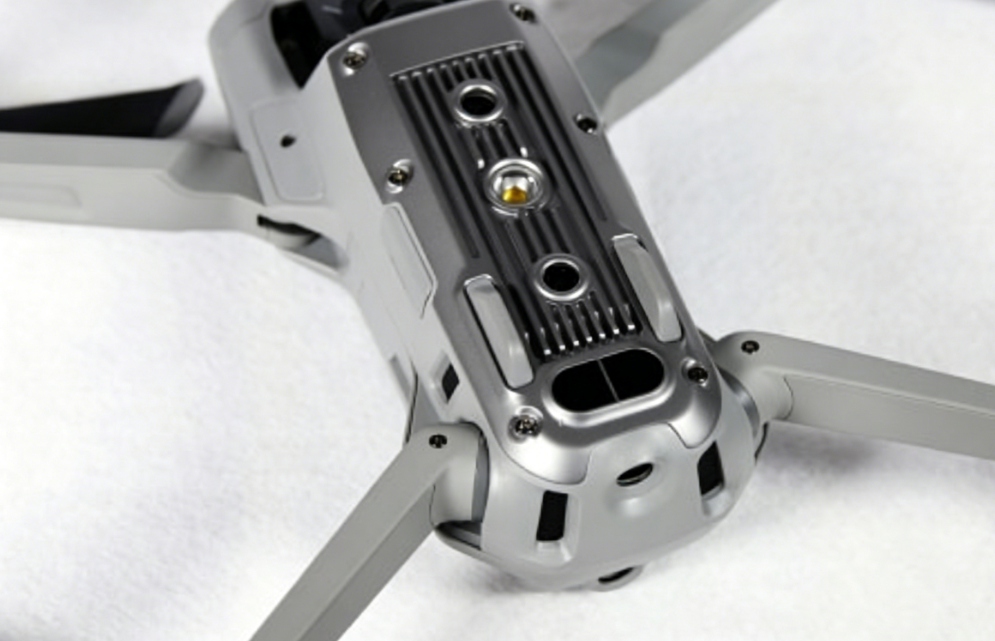
Moderne Geräte werden immer kleiner und automatisierter. Daher müssen Rahmenteile mehrere Funktionen erfüllen. Beispielsweise kann ein Drohnenrahmen sowohl als Schutzabdeckung als auch als Kühlbasis dienen. Standardteile sind für diese kombinierten Anforderungen nicht geeignet.
Rejin CNC hat sich auf diese kundenspezifischen Aufträge spezialisiert. Wir fertigen Teile nach Ihren individuellen Zeichnungen. Dadurch entfallen die Kosten für Stanzwerkzeuge und Sie können Ihre Designs schnell aktualisieren – etwas, das mit Standardmethoden nicht möglich ist.
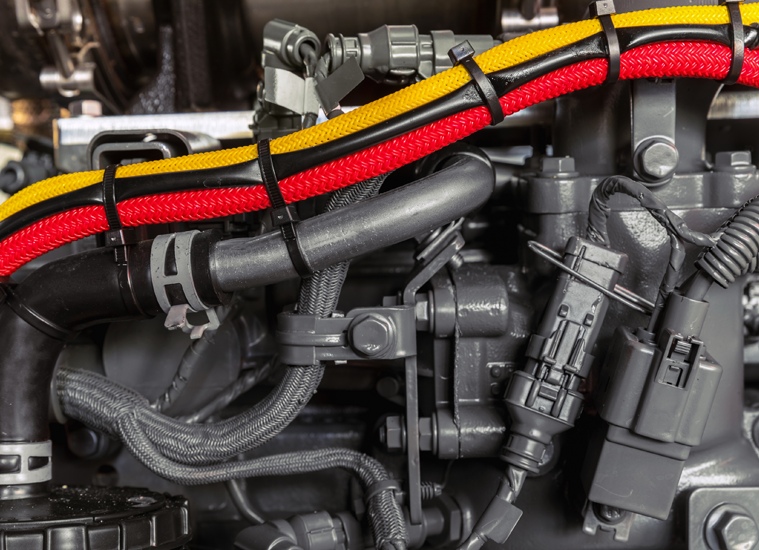
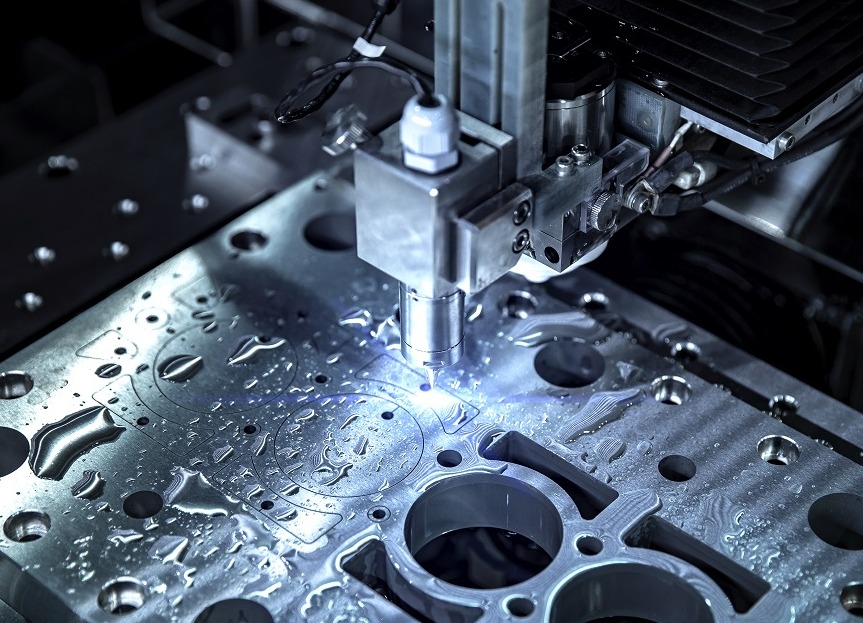
Bis 2026 wird ein Schlüsseltrend die Überschneidung von Blechbearbeitung und präzisem CNC-Zuschnitt sein. Detailreiche Abdeckungen erfordern oft gefräste Details, die durch einfaches Biegen nicht realisiert werden können.
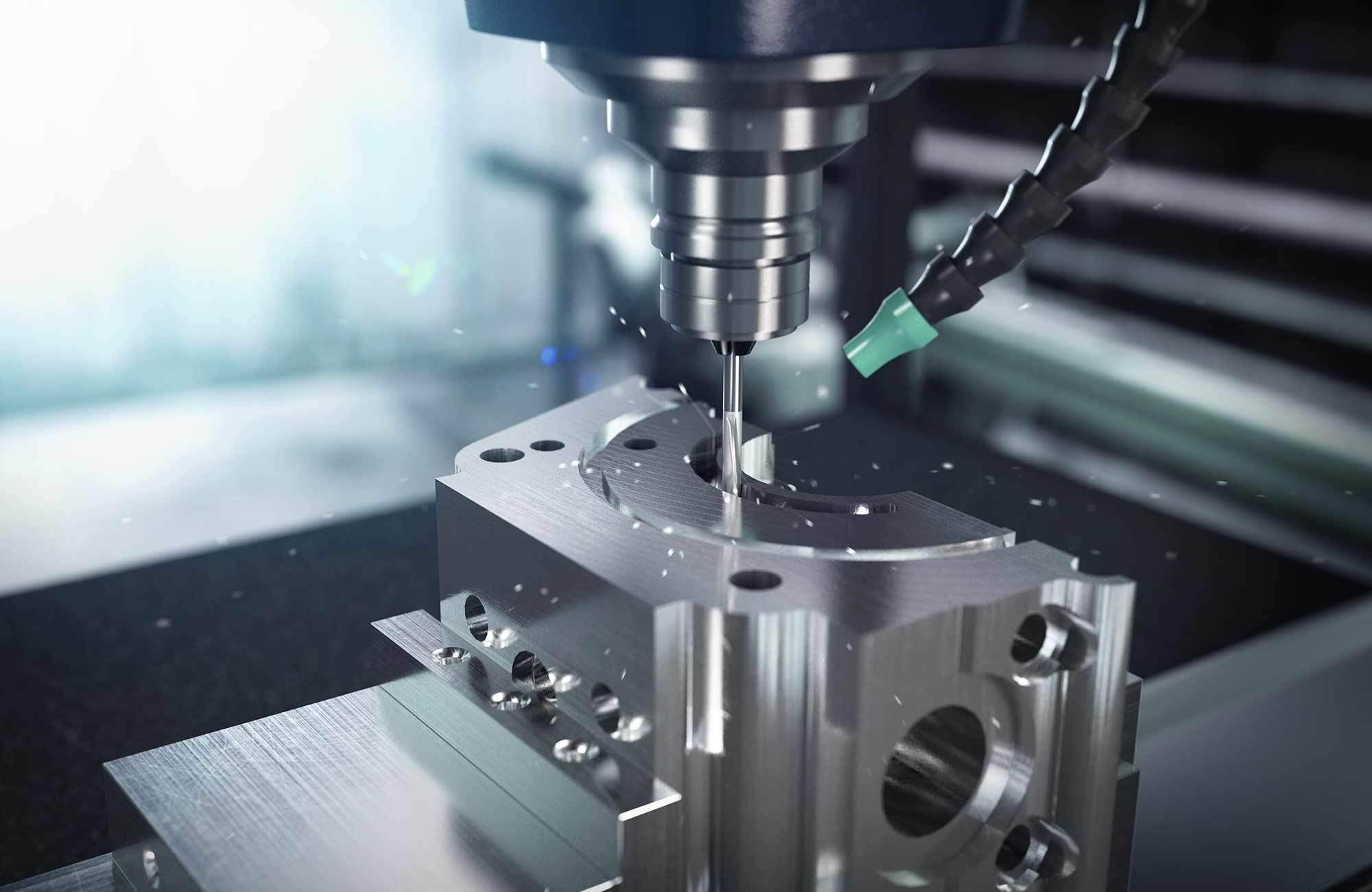
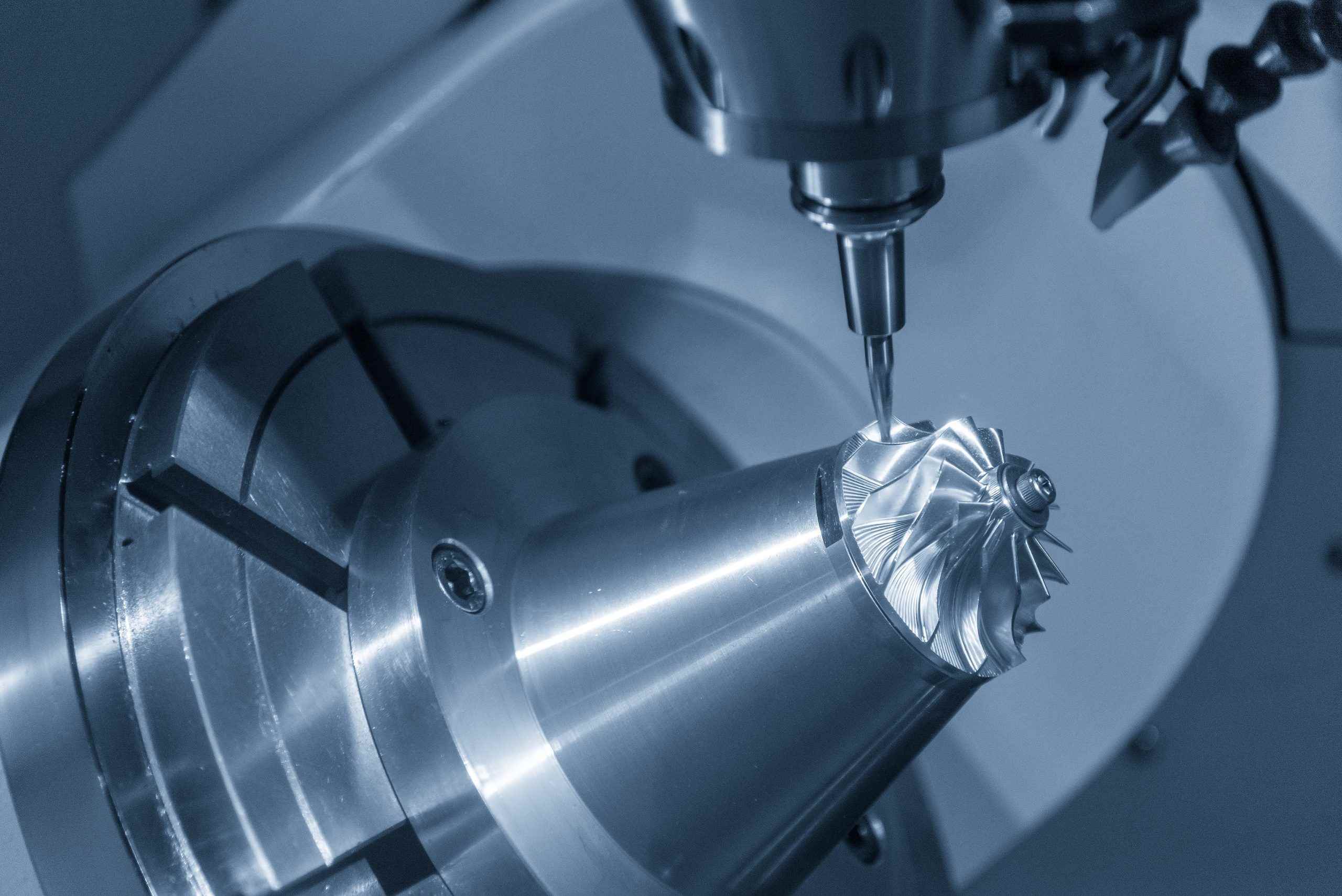
Ältere 3-Achs-Werkzeugmaschinen bewegen sich entlang der X-, Y- und Z-Achse. Doch im Jahr 2026 erfordern detaillierte Formen die Bearbeitung von Oberflächen. 5-Achsen CNC-Bearbeitung.
Viele Bauteile in der Luft- und Raumfahrt weisen sanfte Biegungen und tiefe Aussparungen auf. Unsere 5-Achs-Bearbeitung löst die Herausforderung komplexer Formen. Wir wandeln digitale Pläne ohne zusätzliche Arbeitsschritte in präzise Metallformen um.
Der Trend für 2026 geht hin zu Materialien mit höherer Festigkeit pro Pfund und besserer Witterungsbeständigkeit.
Rejin CNC berät Sie kompetent bei der Materialauswahl. Wir betrachten nicht nur die Pläne, sondern prüfen auch, wie sich die Wahl auf die Kostenreduzierung und die Lebensdauer des Bauteils auswirkt. Die Verwendung einer bestimmten Aluminiumsorte kann oft das gleiche Fertigungsziel zu geringeren Gesamtkosten erreichen.
Ein wesentliches Hindernis in der aktuellen Produktion ist die Diskrepanz zwischen Plan und dessen Umsetzung. Hier Konstruktion für die Fertigung (DFM) spielt eine entscheidende Rolle.
Der Rejin CNC-Arbeitsablauf
Die frühzeitige Erkennung schwer zu realisierender Merkmale trägt dazu bei, Produktionsverzögerungen und hohe Ausschussquoten zu beheben. Dies wiederum verkürzt den Markteinführungsprozess.
Bis 2026 suchen Käufer mehr als nur ein Rohmaterial – sie wollen ein fertiges Produkt. Daher müssen die Produktionsschritte eine gute Oberflächenbearbeitung und strenge Qualitätskontrollen umfassen.
Individuell gefertigte Stücke erfordern oft ein bestimmtes Aussehen oder bestimmte Bearbeitungsschichten. Rejin CNC bietet:
Wir verwenden moderne Prüfgeräte wie Koordinatenmessgeräte und 2,5D-Projektoren, um die Einheitlichkeit unserer Produktionschargen zu gewährleisten. Jedes Teil, das Rejin CNC verlässt, durchläuft eine nachvollziehbare Qualitätsprüfung. Dadurch entspricht die Genauigkeit des tausendsten Teils dem ersten.
Da sich die Blechbearbeitung im Jahr 2026 verändern wird, wird die Wahl des richtigen Produktionspartners zu einer entscheidenden Entscheidung. Rejin CNC zeigt dabei klare Stärken:
Lassen Sie sich von detaillierten Plänen nicht aufhalten. Ob Sie ein einzelnes Muster oder eine große Auflage hochwertiger Abdeckungen benötigen – Rejin CNC steht Ihnen gerne zur Verfügung.
Kontaktieren Sie uns noch heute. Für eine DFM-Überprüfung und ein individuelles Angebot innerhalb von 24 Stunden.
A: Bei Rejin CNC versenden wir in der Regel innerhalb von 3 bis 7 Tagen exakte Muster. Die Lieferzeit hängt vom Materialbestand und den Details der Form ab.
A: Ja. Unsere Website eignet sich gut für Änderungen, daher wenden wir 5-Achsen-Methoden sowohl auf detaillierte Kleinserien als auch auf groß angelegte Konstruktionen an.
A: DFM identifiziert Merkmale, die hohe Kosten verursachen oder schwer zu optimieren sind. Wir vereinfachen diese Merkmale, wobei die Funktion erhalten bleibt. Dadurch werden Werkzeugverschleiß und Bearbeitungszeit reduziert. Das senkt den Stückpreis.
A: Wir erreichen regelmäßig eine hohe Genauigkeit, oft mit Passungen bis zu ±0,005 mm bei CNC-gefrästen Teilen. Dies variiert je nach Material und der genauen Ausführung.